7 After-Dinner Moves That Kill Late-Night Cravings and Help You Sleep Better

You finish dinner, you feel full, and then it happens anyway. An hour later you are standing in front of the pantry, looking for something sweet, even though you are not really hungry.
You are not weak, and you are not alone in this. Evening cravings are common, and they often show up when the day winds down, the lights get low, and the couch starts calling your name.
The good news is that you do not need a strict diet or a hard workout to change this pattern. A few gentle moves after dinner can shift how your body feels, how your blood sugar settles, and how ready you feel for sleep.
The moves below are small on purpose. Each one takes minutes, not hours. You can try one tonight, or stack two or three together into a short evening routine that actually fits real life.
This article is general information, not medical advice. If you have diabetes, a heart condition, joint problems, or any health concern, check with your clinician before starting a new movement routine, and stop any move that causes pain.
Your After-Dinner Window, At a Glance
Blood sugar often rises in the first hour or two after a meal. Gentle movement during that window gives your muscles a job to do, and that can help steady the rise and the fall that follows.
- Minutes 0 to 15: Clear the table, put on comfortable shoes, and step out or start moving indoors.
- Minutes 15 to 30: Walk at a pace where you can still talk in full sentences.
- Minutes 30 to 60: Stretch, tidy up, and start dimming the lights for sleep.
- Before bed: Keep the last moves slow, and skip anything that leaves you breathless or wired.
1. The 15-Minute Walk That Changes the Whole Evening
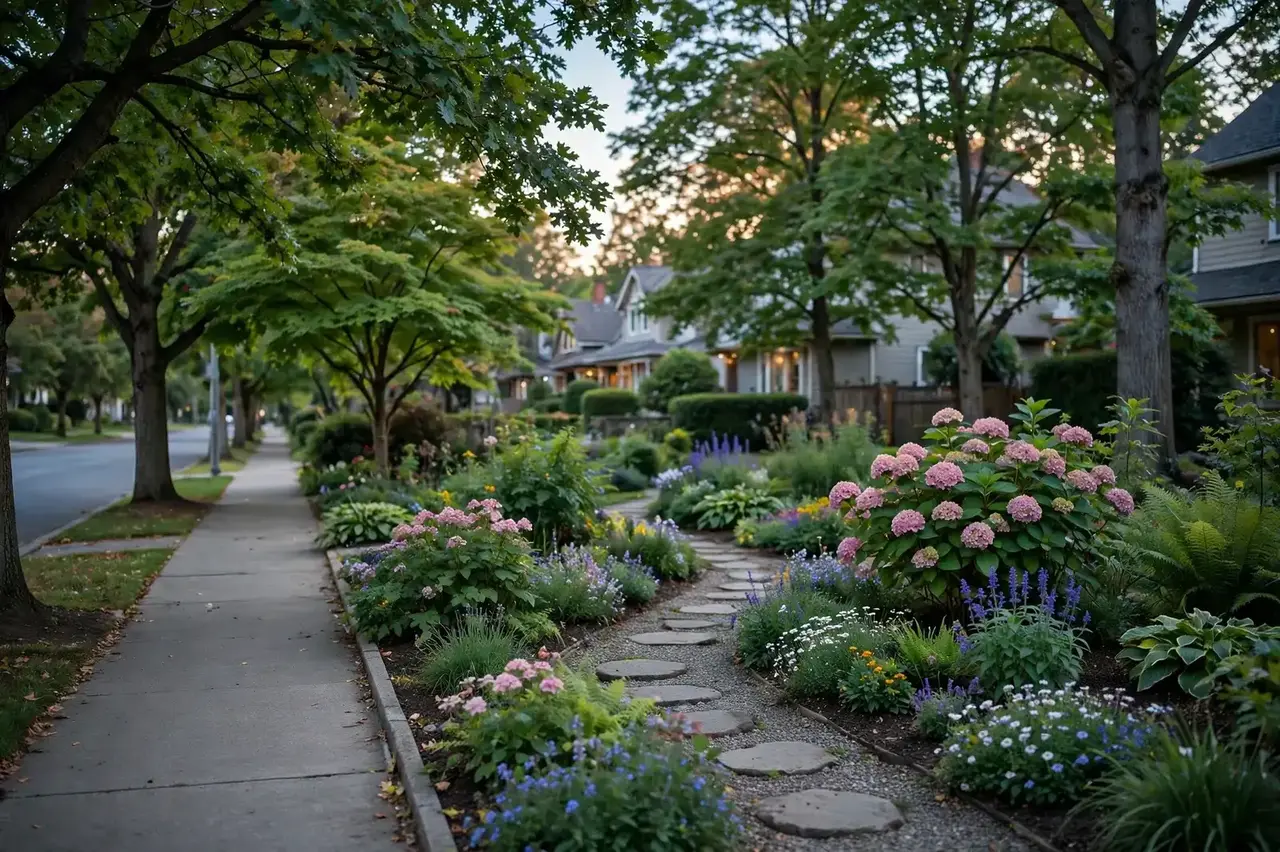
If you only try one move from this list, make it this one. A short walk after dinner is simple, free, and easy to repeat, and it is the move with the most research behind it for both cravings and blood sugar.
A study from the University of Exeter, published in the journal Appetite, tested this idea directly. After three days without chocolate, 25 regular chocolate eaters took either a 15 minute brisk walk or a period of rest, on separate days. The walkers reported lower chocolate cravings, and the effect lasted for at least ten minutes after the walk ended.
A later workplace study went a step further. In that study, 78 regular chocolate eaters either walked briskly for 15 minutes or rested quietly, then worked at a computer task with chocolate available. The walkers ate about 15.6 grams of chocolate on average, compared with about 28.8 grams for the rest group. In plain terms, the walkers ate roughly half as much.
Walking after a meal may also help your blood sugar. When your muscles contract, they pull glucose, which is sugar in the blood, out of the bloodstream for energy. This happens without waiting for insulin, which is the hormone that normally helps move sugar into cells. A walk timed soon after eating puts that process to work right when blood sugar is rising.
A well known trial from the University of Otago compared two plans in people with type 2 diabetes. Walking for 10 minutes after each meal lowered the rise in blood sugar after meals by about 12 percent on average, compared with one single 30 minute walk per day. The largest drop, about 22 percent, came after dinner.
Start tonight with 10 to 15 minutes around the block, or up and down your street and back. Walk at a comfortable pace, breathe normally, and leave your phone in your pocket if you can. Notice how you feel when you get home. Many people find the craving has softened, or that they simply forgot about it.
2. Slow Indoor Laps When the Weather Says No
Rain, cold, dark streets, or a busy road can all get in the way of an outdoor walk. That does not have to end your evening routine. Indoor laps count, and they are far better than giving up and heading straight for the couch.
Walk a loop through your home. Go from the kitchen to the living room, down the hallway, and back again. If you have stairs and they feel safe for you, one slow trip up and down can be part of the loop, but only if you hold the rail and take your time.
Indoor laps also break the link between the couch and the snack bowl. Cravings often follow a routine: you sit in the same spot, at the same time, and your brain expects the same snack. Moving through different rooms breaks that chain and gives your brain something else to do.
3. Five Minutes of Gentle Stretching Before You Sit Down
Stretching after dinner sounds almost too simple to help, but it works in a quiet way. It lowers the pace of your evening, loosens a stiff back and neck, and tells your body that the busy part of the day is over.
Start with your neck and shoulders. Drop one ear gently toward one shoulder, hold for a few slow breaths, then switch sides. Roll your shoulders back a few times, slowly, and let your arms hang loose.
Next, stretch your arms overhead and reach tall, as if you are reaching for something on a high shelf. Then fold forward slightly, with soft knees, and let your arms hang for a few breaths. Stand up slowly. If anything hurts, back off at once.
Move to your legs. Hold a chair or counter for balance, and gently stretch one calf at a time by stepping one foot back and pressing the heel toward the floor. Then lift one knee at a time, just a little, in a slow marching motion.
Keep every stretch gentle. You should feel a mild pull, never a sharp pain. Breathe normally through each stretch, and do not bounce. Five minutes is plenty, and it is far better than skipping stretching because you think you need twenty.
The Talk Test: How Hard Is Too Hard at Night?
Evening movement should calm you, not wind you up. Use this simple check before bed.
- Just right: You can talk in full sentences and sing a line or two, if you want to.
- A little brisk: You can talk, but singing feels like too much work. This is fine earlier in the evening.
- Too hard: You can only get out a few words at a time. Slow down, and save that effort for daytime.
- Stop and rest: You feel dizzy, chest pain, or sharp pain anywhere. Stop, sit down, and get help if needed.
4. Chair Squats and Calf Raises in Tiny Breaks
You do not need a gym, or even much space, for this move. Chair squats and calf raises use your own body weight, and they fit neatly into the gaps of an evening at home.
A chair squat is simple. Stand in front of a sturdy chair, feet about hip width apart, and lower yourself slowly until you just touch the seat, then stand back up. Keep your chest up, move slowly, and hold a counter or chair back for balance if you need it.
A calf raise is even simpler. Stand tall, hold a counter for balance, and rise slowly onto the balls of your feet, then lower back down with control. You should feel your calves, which are the muscles at the back of your lower legs, working gently.
Try three minutes of these moves, broken into short sets. For example, do five chair squats, then ten calf raises, then rest for a minute and repeat once. That is enough. You are not training for a competition. You are keeping your body moving instead of sitting still for hours.
This idea has research behind it, too. Researchers at the University of Otago studied short activity breaks in the evening. People who broke up sitting with three minutes of light activity every half hour, using moves like chair squats, calf raises, and standing knee raises, slept about 30 minutes longer afterward than people who sat the whole time.
Longer sleep is a big deal for cravings. Poor sleep is linked with stronger food cravings the next day, and a tired brain is more likely to reach for quick, sweet foods. A move that supports sleep can therefore help cravings twice: once tonight, and again tomorrow.
5. The Tidy Up Lap That Moves You Without Feeling Like Exercise
Some evenings, the idea of exercise feels like too much. A tidy up lap is the answer for those nights, because it does not feel like exercise at all, yet it still gets you moving.
Set a timer for ten minutes. Put away dishes, fold a blanket, carry laundry to the next room, water a plant, or wipe the kitchen counters. Move at a relaxed pace, and stop when the timer ends, even if the job is not finished.
This move helps in three ways. First, it keeps you on your feet during the window when cravings often strike. Second, it clears the kitchen, which makes a late snack slightly less automatic. Third, it gives you a small sense of order before bed, which many people find calming.
You can pair this lap with music or a podcast. When the timer rings, dim the lights a little, and let the evening shift from busy to calm. That shift is part of the routine, and your body will start to learn it over time.
6. One Slow Song, Danced Lightly in Your Living Room
Dancing sounds playful, and that is exactly why it works. It lifts your mood, moves your whole body, and breaks the serious, strict feeling that diets often carry. You do not need rhythm, lessons, or an audience.
Pick one slow or medium tempo song you enjoy. Sway, step side to side, roll your shoulders, and let your arms move gently. Keep your feet close to the floor, and keep the moves small. This is a living room sway, not a dance class.
Music can also replace the dopamine hit, which is the brain’s feel good signal, that many people seek from a late snack. Dietitians quoted in recent reporting on evening cravings make a similar point: the brain often wants comfort and pleasure at night, not food itself. A song, a walk, or a warm drink can meet that need in a gentler way.
One song lasts about three to four minutes, which is a perfect length. It is long enough to count as movement, and short enough that you will actually do it. If one song feels good, you can dance to a second, but stop while it still feels fun.
7. The Last Slow Lap and Lights Down Routine
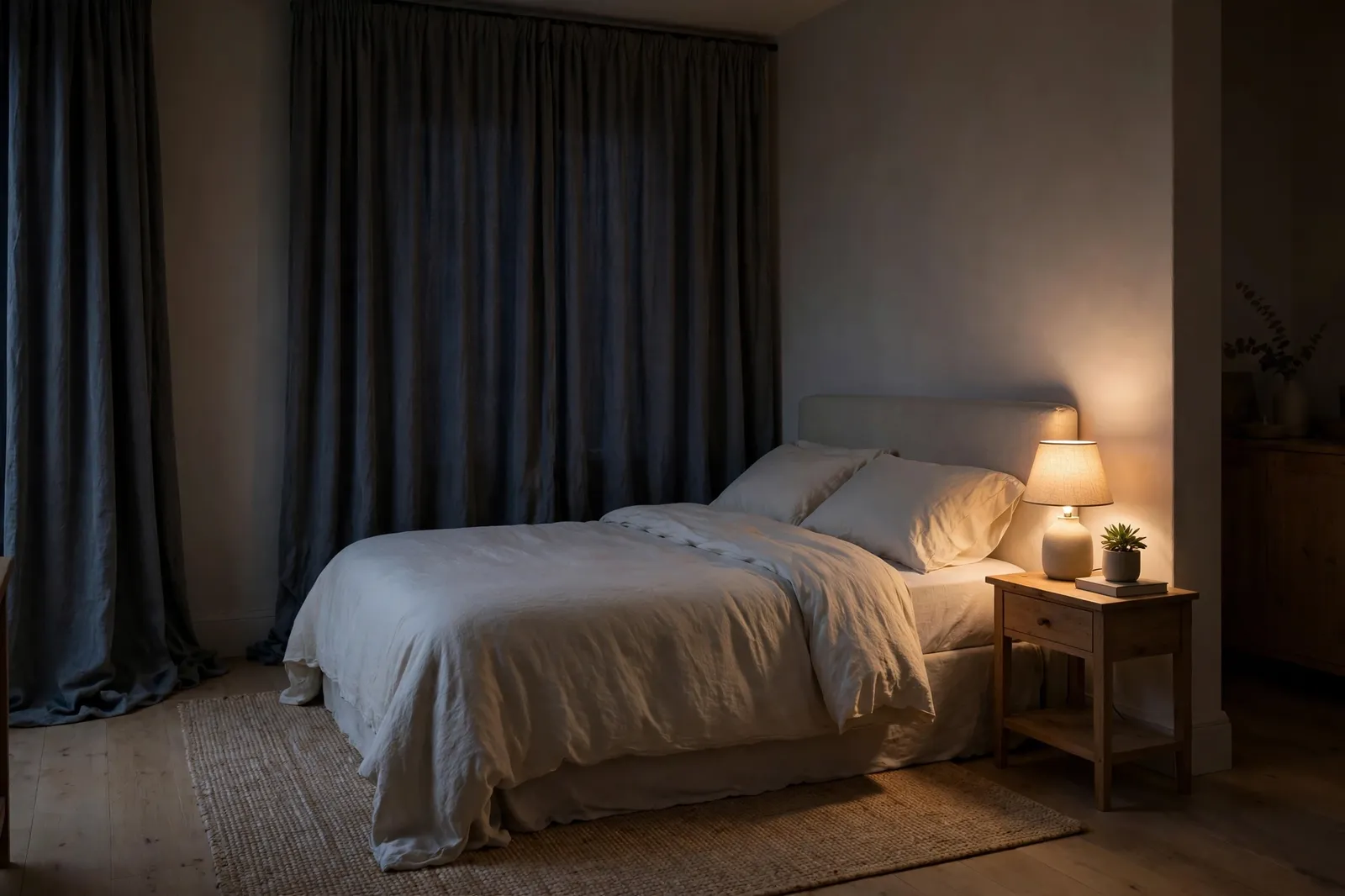
The final move is the quietest of all, and it may be the most important for sleep. It is a last slow lap around your home, paired with dimming the lights and getting your bedroom ready.
Walk slowly through your rooms one more time. Turn off bright overhead lights, switch on a lamp or two, and close the curtains. Put your phone on charge outside the bedroom if you can, or at least face down and silent.
This slow lap does two jobs. It gives you a final bit of gentle movement, and it signals to your brain that the day is ending. Bright light and busy screens can delay melatonin, which is the hormone that helps you feel sleepy. Softer light supports the opposite message.
Research on evening exercise supports keeping this last phase gentle. A 2019 review of 23 studies, published in Sports Medicine, found that evening exercise in general did not harm sleep in healthy adults, and it slightly increased deep sleep. The exception was vigorous exercise that ended within about an hour of bedtime, which could delay falling asleep.
That finding fits this routine well. A slow lap is not vigorous, and it does not leave you breathless or overheated. A hard run or an intense workout right before bed is a different story, and it is best saved for earlier in the day.
If a craving still shows up after all this, you have not failed. Have a small, planned snack if you truly want one, such as a piece of fruit or a small bowl of yogurt, and enjoy it slowly, sitting down, without guilt. Then return to your routine. One snack does not undo an evening of good moves, and guilt is a poor sleep aid.
Build Your Own 30 Minute Evening, Step by Step
Mix and match the moves above. Here is one simple order that works for many people.
- Walk first: 10 to 15 minutes outside, or indoor laps if the weather is poor.
- Stretch next: Five gentle minutes for neck, shoulders, and legs.
- Move in breaks: A few chair squats and calf raises during television time.
- Wind down last: A slow lap, dim lights, and five slow breaths before bed.
Start with just the walk for one week. Add the next move only when the first one feels easy.
You do not need to do all seven moves every night. In fact, trying to do them all at once is the fastest way to quit. Pick the one that sounds easiest, do it tonight, and notice what changes.
For most people, the walk is the best starting point. It is backed by studies on cravings and blood sugar, it gets you out of the snack zone, and it often improves how the rest of the evening feels.
Tonight, after dinner, put on your shoes and step outside for ten minutes. See how you feel when you come back. That short walk might be the simplest change your evenings have been waiting for.
Note: This article shares general information for everyday readers. It is not medical advice, and it does not replace advice from your own clinician. If you notice new symptoms, take medicine for blood sugar or blood pressure, or feel unwell during any move, stop and seek medical advice.