12 Cities Where Retirees Live Abroad on $2,000 a Month or Less


Retiring comfortably on a modest fixed income does not require a million-dollar nest egg if you master the mechanics of international geo-arbitrage. You can stretch your Social Security or pension checks by relocating to countries where local cost baselines and favorable exchange rates make high-standard living genuinely affordable.
Most people assume moving overseas means sacrificing modern healthcare or enduring bureaucratic chaos. That lazy shortcut ignores dozens of globally connected cities offering elite medical networks, secure neighborhoods, and established expat communities well within a strict $2,000 monthly ceiling.
Your total monthly expenditure for a single person or a modest couple stays under $2,000, covering rent, utilities, fresh grocery markets, and private health insurance. Every city featured here provides functional expat infrastructure, accessible residency or retirement visa pathways, and reliable medical care.
Pack light, rent an apartment in a walkable neighborhood, and trade winter heating bills for local coffee culture, coastal boardwalks, and mountain views.
Quick Tips Before You Start
Verify Income First
Most retirement visas require proof of a stable monthly pension or passive income stream before you apply.
Secure Private Health
Never rely solely on public systems during your first year; purchase low-cost local private medical insurance.
Rent Before Buying
Live in a neighborhood for at least six months as a tenant before considering any real estate purchase.
Scout the Climate
Visit your target city during its wettest or hottest month to test your personal tolerance for local weather.
Retirement Budget Quick Reference
Global Retirement Hubs
Save this map before you go to review international retirement destinations.
1. Settle in Cuenca
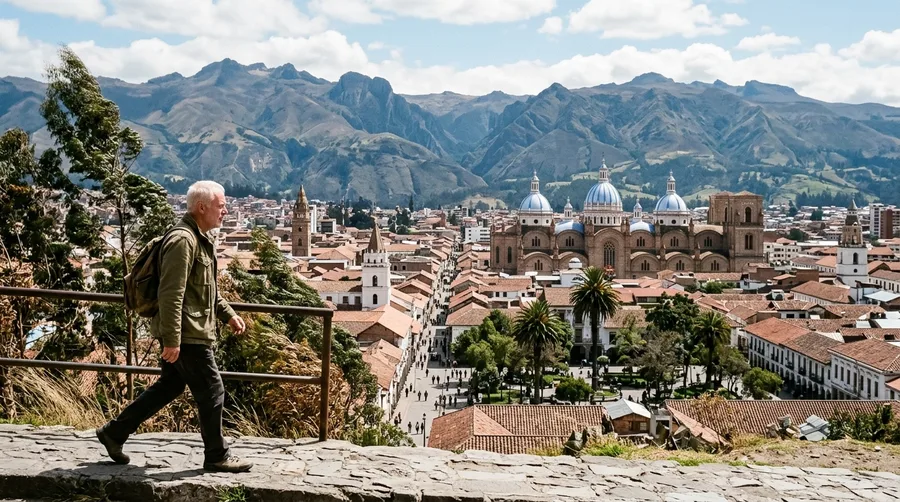
Morning mist burns off the red-tiled roofs of Parque Calderón while church bells echo across the stone pathways of Ecuador’s cultural capital. You wake up to crisp Andean air at 8,400 feet, where daily life moves at a deliberate, welcoming pace.
This city suits retirees prioritizing low-cost private medical care, complete pedestrian walkability, and a ready-made English-speaking expat community. You can walk to fresh produce markets, artisan bakeries, and modern clinics without ever needing to own a car.
The lifestyle genuinely does not suit anyone requiring year-round tropical beach heat or individuals sensitive to high altitude. If thin mountain air leaves you short of breath, look to coastal alternatives instead.
Your monthly budget hovers between $1,200 and $1,600, easily covering a modern two-bedroom rental, organic market produce, and comprehensive private health insurance.
💡 Tip: Rent an apartment within four blocks of Parque Calderón to keep all markets and cafes within a ten-minute walk.
Top Budget Priorities
2. Explore Porto

Summer tourist crowds and rising European real estate prices create heavy friction across Portugal’s northern coast, meaning staying under a strict budget requires looking just outside the historic center. If you limit your housing search to Vila Nova de Gaia or Matosinhos, your money stretches much further.
Time your morning walks between 7:00 AM and 9:00 AM before tour groups flood the Ribeira district and historic tram lines. That quiet window lets you experience the city’s granite facades and river mists without dodging selfie sticks.
The Portuguese D7 passive income visa provides a clear residency pathway for retirees, requiring proof of stable pension streams or remote earnings rather than massive capital investment.
Expect monthly living expenses to average $1,600 to $1,900 for a frugal couple renting outside the immediate tourist core. Once you obtain legal residency, you gain access to the public SNS healthcare system, which you can supplement with inexpensive private policies.
💡 Tip: Shop at the Mercado do Bolhao early in the morning for seasonal seafood and local cheeses at wholesale prices.
⚠️ COMMON MISTAKE
Avoid Renting Without Local Transit Checks
Never sign a long-term lease on a steep hillside apartment before testing the walking commute to the nearest grocery store and metro station.
3. Navigate Bangkok
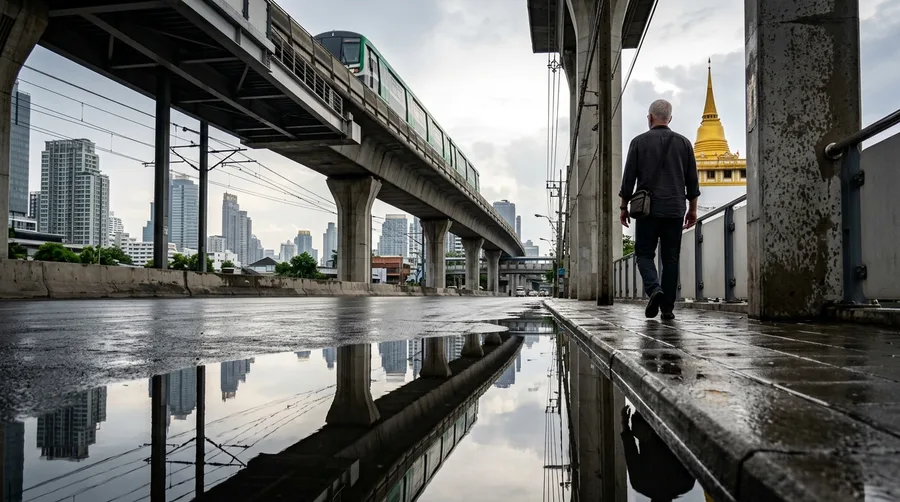
Bangkok offers world-class modern living and elite medical tourism for a fraction of Western prices, but the bureaucratic hurdles for long-term retirement visas require patience and meticulous paperwork.
The catch is real: intense tropical humidity, heavy traffic congestion, and strict annual financial reporting rules for retirement extensions test your patience if you prefer quiet rural towns.
The undeniable perks outweigh the friction. You can rent a luxury high-rise condominium featuring rooftop infinity pools, a fitness center, and 24-hour security for under $700 a month.
Your monthly cost profile settles comfortably between $1,200 and $1,500. This covers air-conditioned transit on the BTS Skytrain, exceptional street food, and private clinic visits.
Bangkok Living — At a Glance
🏢 Condo Rent
$600 – $700
🍜 Street Meal
$2 – $4
🚆 Monthly Transit
$45
🌡️ Climate
Tropical Heat
Top Advantage
World-class private hospitals operate at 70 percent below US treatment costs.
4. Wander Merida
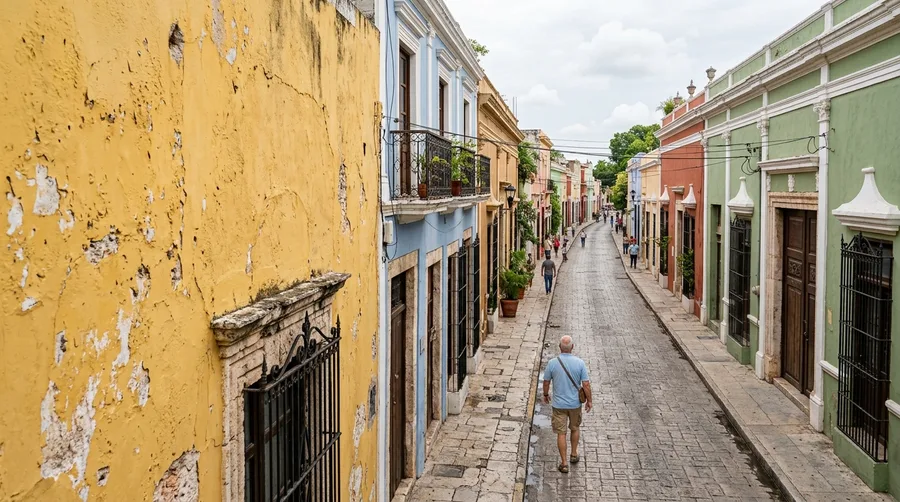
Can you trade North American winter blues for colonial courtyards without sacrificing personal safety or modern amenities?
Mérida answers that question with a resounding yes, anchoring the Yucatán Peninsula as one of Mexico’s safest cultural capitals. Robust municipal police presence and pedestrian-friendly neighborhoods like Santiago and Santa Ana create a secure daily environment.
Wildlife lovers enjoy a realistic likelihood of spotting pink flamingos in the nearby Ría Celestún Biosphere Reserve, alongside regional sightings of iguanas and tropical birds during weekend excursions.
Financial oversight is straightforward here. You can live comfortably on $1,400 to $1,800 monthly, covering historic home rentals, accessible private healthcare networks, and vibrant local food markets.
Merida Neighborhoods Best For
5. Bask in Alicante

You step out onto the marble tiles of the Explanada de España at sunrise, feeling the warm Mediterranean sea breeze as local shopkeepers sweep outside their cafes.
This coastal city delivers a massive free win: over 300 days of annual sunshine and miles of pristine, publicly accessible Blue Flag beaches that cost nothing to enjoy.
The Spanish non-lucrative visa pathway suits retirees with stable passive income or savings, requiring proof of private health insurance and financial solvency without any local work authorization.
You can manage a relaxed Mediterranean lifestyle on $1,600 to $2,000 per month by shopping at weekly agricultural markets and utilizing Spain’s efficient, low-cost tram network.
Alicante Vital Stats
Key metrics for your Mediterranean move
6. Climb Medellin

Medellin is an energetic, vertically integrated mountain city where cable cars act as public transit, offering an unmatched spring-like urban climate despite density challenges.
A quirky roadside feature defines the urban landscape: the whimsical, pocket-sized outdoor escalators of Comuna 13 that transformed a steep hillside community into an open-air art district.
The Colombian retirement visa mechanism requires modest monthly income proof tied to a multiple of the local minimum wage, making legal residency surprisingly attainable.
You can live well in neighborhoods like Laureles or El Poblado for $1,200 to $1,700 a month, including high-speed fiber internet, local dining, and taxi fares.
Practice standard urban awareness to avoid petty theft while enjoying the city’s blossoming cafe culture and mountain viewpoints.
💡 PRO TIP
Master the Metrocable Lines Early
Use the integrated Metrocable system on your first week to navigate hillside neighborhoods safely and efficiently without dealing with street traffic.
7. Retire in Dumaguete

$900 to $1,200 per month is all it takes for a retired couple to rent a beachside home, eat fresh seafood, and hire domestic help in this coastal university town.
A worthwhile splurge involves spending roughly $150 to $200 a month on private island-hopping excursions, scuba certification at nearby Apo Island, and premium healthcare checkups.
The Special Resident Retiree Visa managed by the Philippine Retirement Authority offers flexible deposit options designed specifically to welcome incoming foreign retirees.
The town features quiet seaside cafes, tree-lined boulevards, and a welcoming, English-proficient local population that makes integration seamless.
Dumaguete Monthly Outlays
8. Tour Valletta

Unlike the tropical, ultra-cheap shores of Southeast Asia, Malta trades low costs for a dense, historic European fortress island steeped in maritime history.
The famous St. John’s Co-Cathedral and crowded limestone streets experience heavy tourist surges, but booking off-peak morning entry makes the experience entirely worthwhile.
Staying under $2,000 requires careful apartment hunting away from prime luxury developments, as rental demand across the island has steadily climbed.
Widespread English fluency, exceptional private healthcare, and favorable residency programs make this Mediterranean hub an attractive base.
Valletta: Prime Center vs. Outer Suburbs
Historic Center
- High rental costs
- Heavy tourist crowds
- Limited parking availability
- Noisy evening atmosphere
Outer Suburbs
- Lower monthly rent
- Quiet residential streets
- Easy grocery access
- Frequent bus connections
9. Discover Penang

You notice the sensory memory of sizzling woks, incense drift from Chinese temples, and the hum of ceiling fans in a restored Straits-Chinese shophouse.
Experienced residents skip tourist-heavy Gurney Drive hawker stalls and head instead to the quieter neighborhood coffeeshops of Air Itam or Pulau Tikus for authentic local fare.
The Malaysia My Second Home visa framework provides structured long-term residency options for applicants meeting financial criteria.
Your monthly budget of $1,400 to $1,800 covers heritage apartment rentals, world-class private hospitals, and exceptional multicultural dining.
Penang Arrival Routine
10. Taste Chiang Mai

Chiang Mai remains the gold standard for budget-conscious retirees seeking an active social life, abundant wellness options, and modern medical facilities without big-city chaos.
Order a steaming bowl of Khao Soi (Northern Thai coconut curry noodle soup topped with crispy noodles), costing roughly $1.50 to $2.50 at local neighborhood shophouses.
Your monthly budget of $1,000 to $1,400 covers modern studio rentals in the Nimman area, local dining, and scooter rentals.
International-standard hospitals like Bangkok Hospital Chiang Mai offer English-speaking medical professionals at a fraction of Western costs.
⚠️ COMMON MISTAKE
Watch Out for Smoke Season
Agricultural burning causes poor air quality in northern Thailand from February through April; plan travel or temporary relocation during those months.
11. Rest in Ajijic
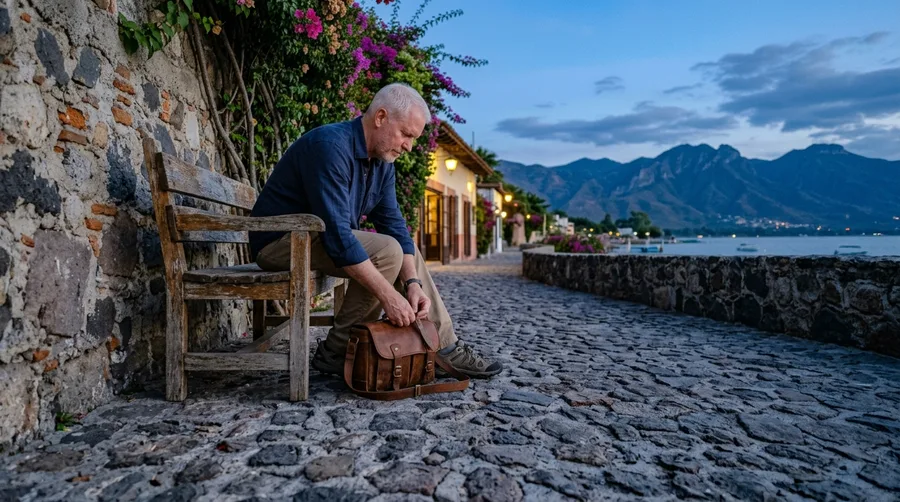
Contrast the high-octane pace of Bangkok or Medellín with the tranquil, sun-baked lakeside benches of Ajijic where time slows to a crawl.
Sit at the village malecón for an entire hour watching local fishermen mend nets while pelicans glide across the expansive mountain-framed lake.
Practical ease defines this region thanks to one of the world’s largest established English-speaking retiree networks, bilingual medical services, and simple temporary residency procedures.
You can live comfortably on $1,300 to $1,800 a month for rent, utilities, household help, and healthcare.
Ajijic Essentials
12. Explore Zagreb
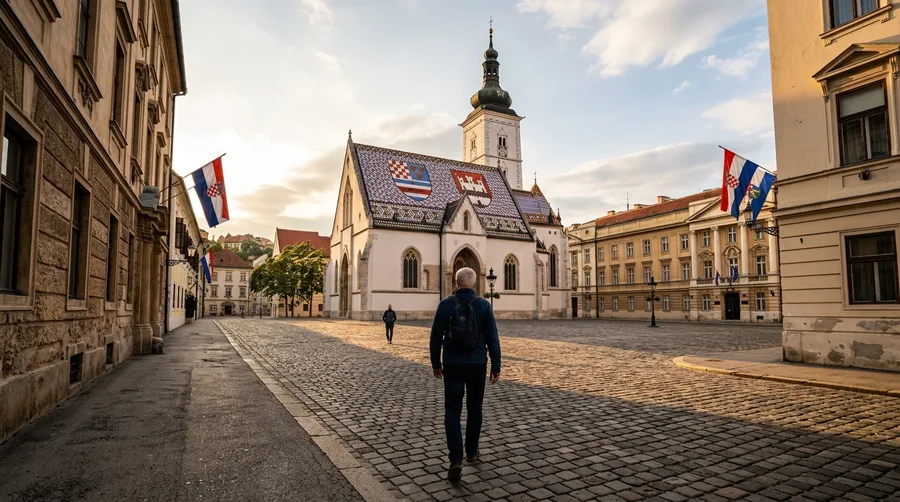
Zagreb offers an undiscovered Central European capital experience where your monthly budget stretches remarkably far under Croatia’s long-term stay frameworks.
Hike the wooded trails of Medvednica Mountain in the morning, explore the historic Upper Town museums in the afternoon, and cycle through Maksimir Park before dinner.
Croatia’s long-term stay residence permits outline clear financial solvency criteria and tax guidelines for qualifying applicants.
Monthly living costs stay under $1,800 for a couple renting an apartment near Dolac Market, utilizing European-class public transportation, and accessing universal healthcare.
You can navigate vibrant cafe terraces and outdoor markets day or night with complete peace of mind, thanks to exceptional municipal safety.
Expat Savings Impact
Average reduction in baseline living costs
Frequently Asked Questions
How do visa renewals work for retirees on fixed incomes?
Most countries require annual proof of pension or passive income stability, verified through bank statements submitted directly to local immigration offices or consulates before your current permit expires.
Can I use Medicare or domestic health insurance abroad?
Standard U.S. Medicare does not provide coverage outside domestic borders. You must purchase local private international health insurance or enroll in national healthcare systems where eligible.
What happens to my Social Security or pension when I move abroad?
Social Security payments can be directly deposited into foreign bank accounts or U.S. accounts accessible via international ATM networks, though you should verify country-specific restrictions.
How do I handle taxes when living as an expat?
U.S. citizens and certain other nationals must continue filing annual home-country tax returns regardless of residence, though provisions like the Foreign Earned Income Exclusion help prevent double taxation.
Is it necessary to learn the local language?
While established expat hubs allow you to navigate daily life in English, learning basic survival vocabulary in Spanish, Thai, or Portuguese is essential for emergency situations and deeper community integration.
Trading the Ledger for a Passport: Making the Move Reality
Retiring abroad on $2,000 a month or less is no longer an eccentric dream but a carefully calculated lifestyle choice enabled by modern global connectivity.
Success depends on matching your personal climate preferences and medical needs with the right regulatory framework rather than chasing pure cost savings. Start small with a multi-month scouting trip before committing to long-term visa applications or permanent property purchases.