This Family Went Off-Grid for 10 Years — Here’s What They Learned

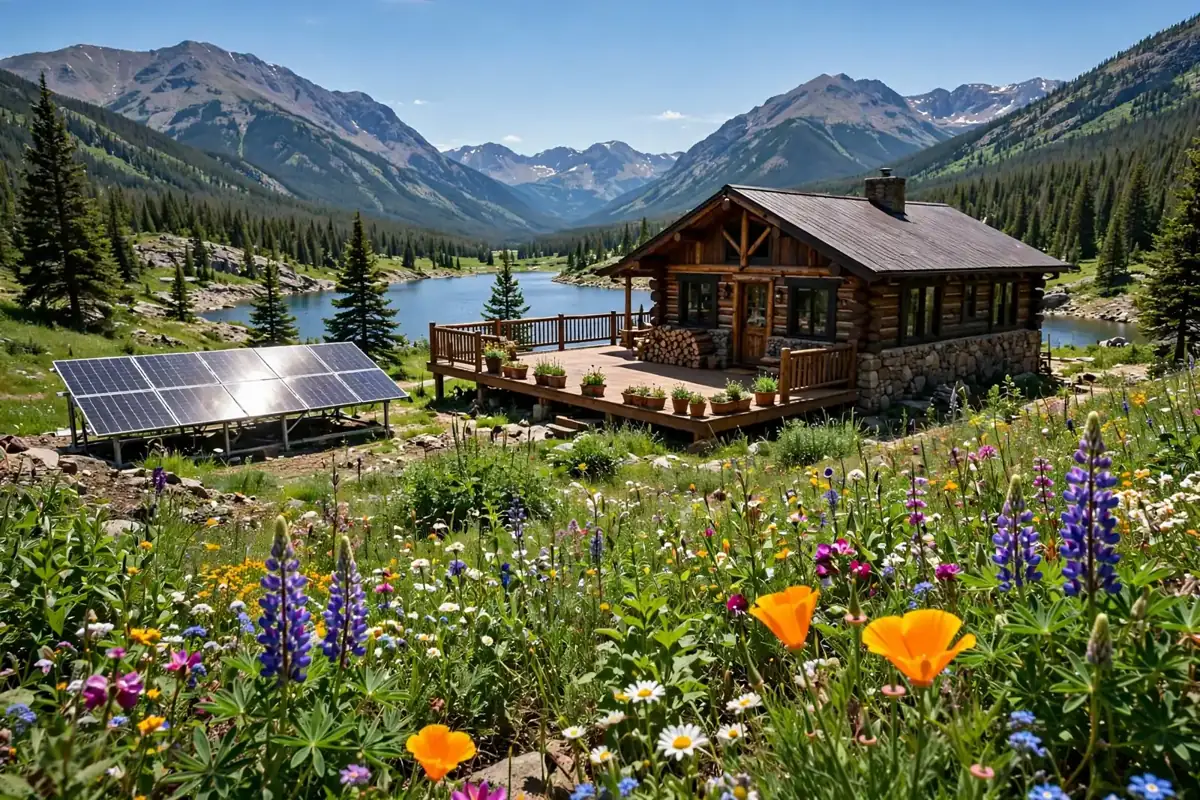
Ten years ago, this family made a choice that sounded simple on paper. They would leave the power grid behind and build a life that ran on sun, rain, wood, and their own two hands.
The first winter tested that idea fast. The second year tested their patience. By year ten, something quieter had happened.
They had stopped chasing a perfect off grid setup. They had built a forgiving one instead. A system with backups. A routine with slack in it. A home that could handle a cloudy week, a broken pump, or a tired week without falling apart.
This is what a decade of that life actually teaches. Not the highlight reel. The practical stuff, the costs, the mistakes, and the small habits that kept the lights on.
The 10 Year System at a Glance
The pattern is the same in every part of the system. One main source. One backup. One simple manual option for the day both fail.
1. The First Year Was the Real Test
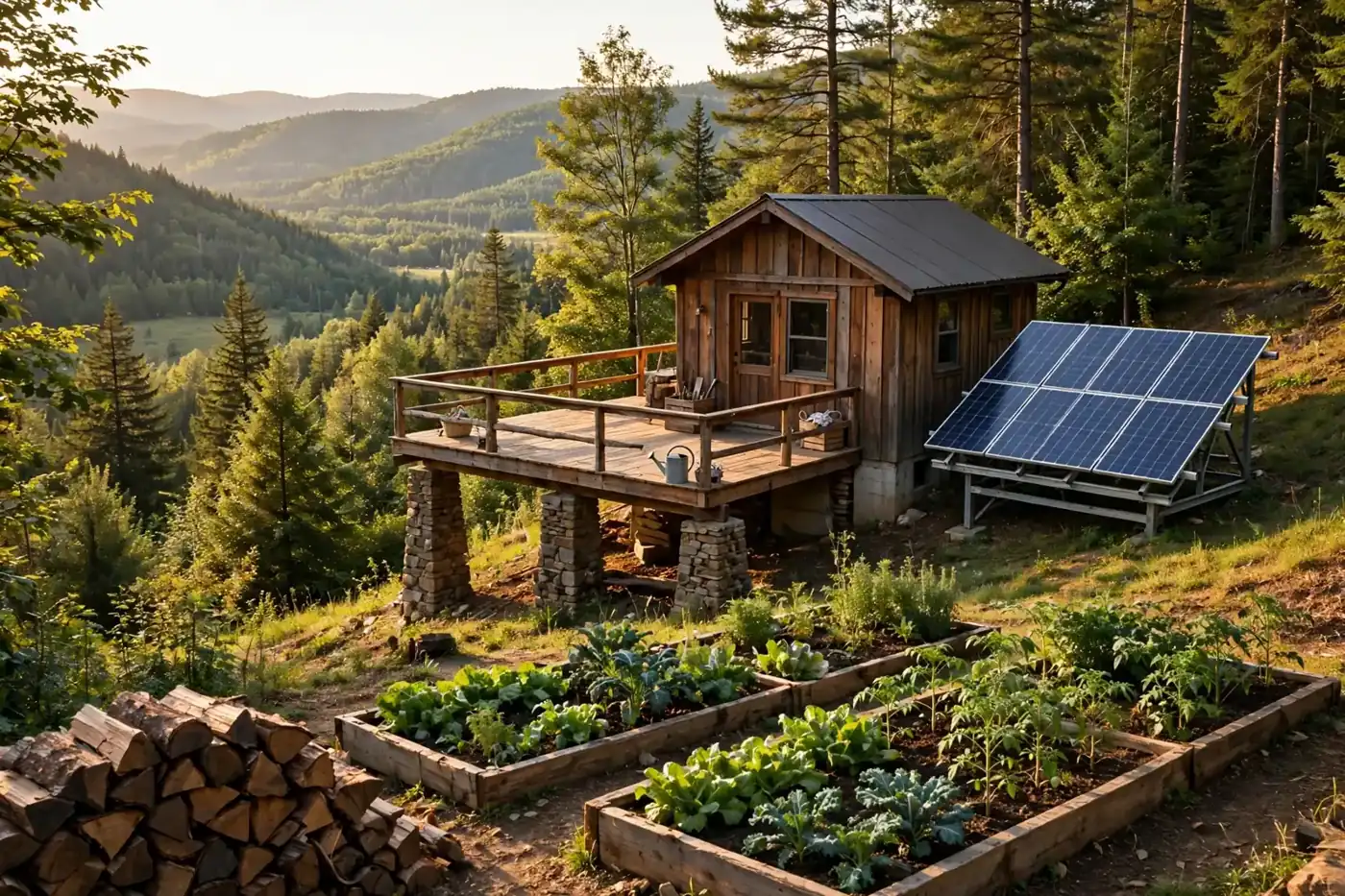
The family did not move off grid in one dramatic weekend. They moved in stages, and they are glad they did.
They lived on the land through one full set of seasons before they trusted any system completely. That year showed them where the wind hit hardest. It showed them which path turned to mud. It showed them how little sun the valley got in December.
The biggest lesson was about expectations. Off grid living is not a smaller version of city living. It is a different daily rhythm. You check the battery meter the way other people check the weather. You notice water the way other people notice gas prices.
Their advice for year one is blunt. Rent nearby if you can. Or keep a simple backup plan for the first winter. Learn the land before you pour concrete for a system you may want to move.
Comfort came later. It came from small fixes, not one big purchase.
2. Power: Build for the Worst Week, Not the Best Day
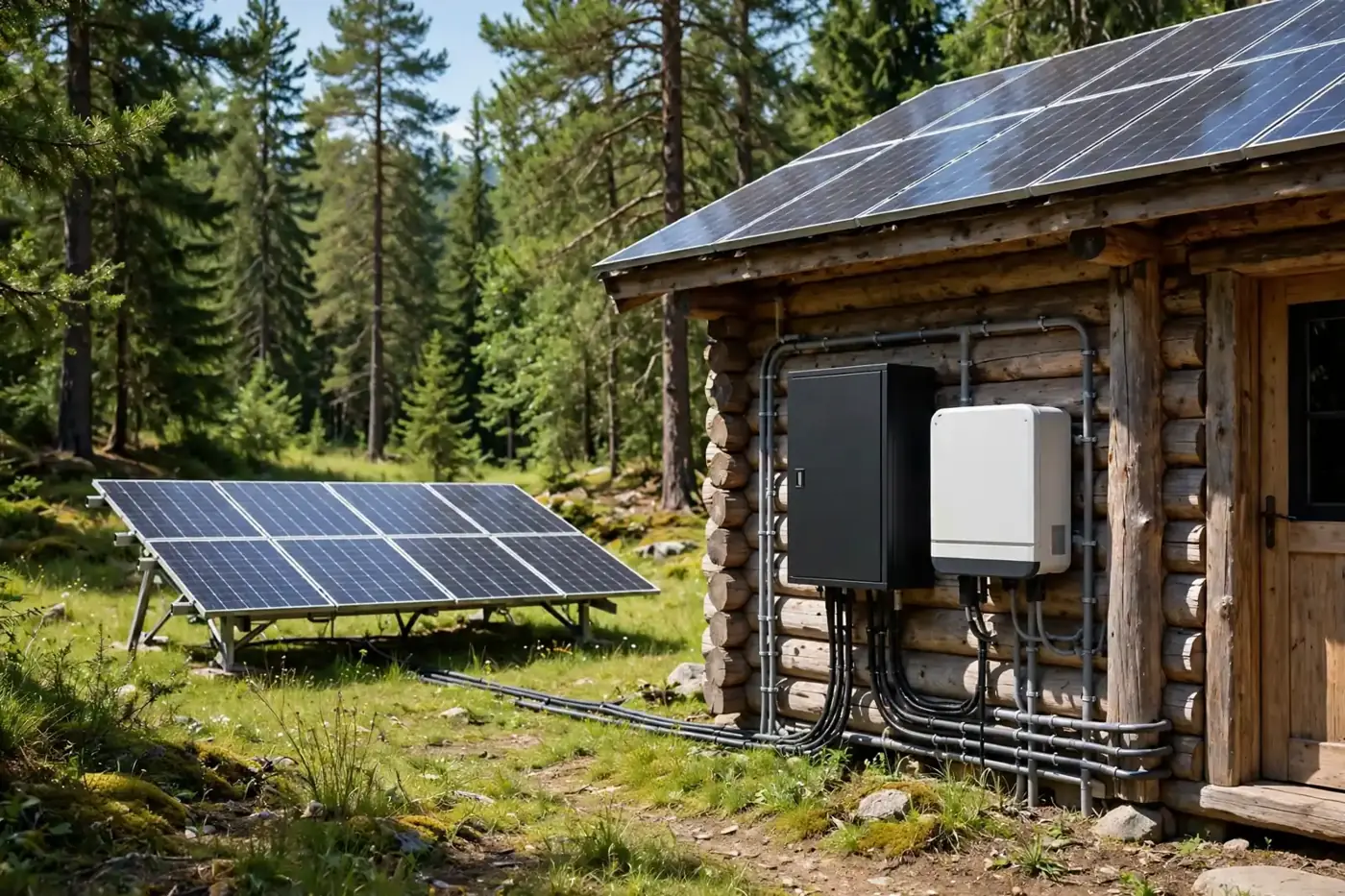
Solar panels get all the attention. Batteries do most of the quiet work.
The family learned to size their system for cloudy stretches, not sunny afternoons. A modest efficient home might use 8 to 15 kilowatt hours a day, and a 2026 sizing guide puts a system like that at roughly 4 to 8 kilowatts of panels with 20 to 40 kilowatt hours of battery storage. Larger homes can need far more, and installed costs climb fast with storage. You can read the full breakdown in this off grid solar sizing guide.
Their rule is simple. Count daily use, multiply by cloudy days you want to ride out, then divide by safe battery discharge. That is your real target.
They also keep a small generator. It is not a failure. It is insurance. It runs the well pump and charges the batteries when a storm parks over the valley for days.
Energy saving came first, though. LED lights, a efficient fridge, and no electric heating made every battery dollar go further.
3. Water: Two Sources Beat One Perfect Source
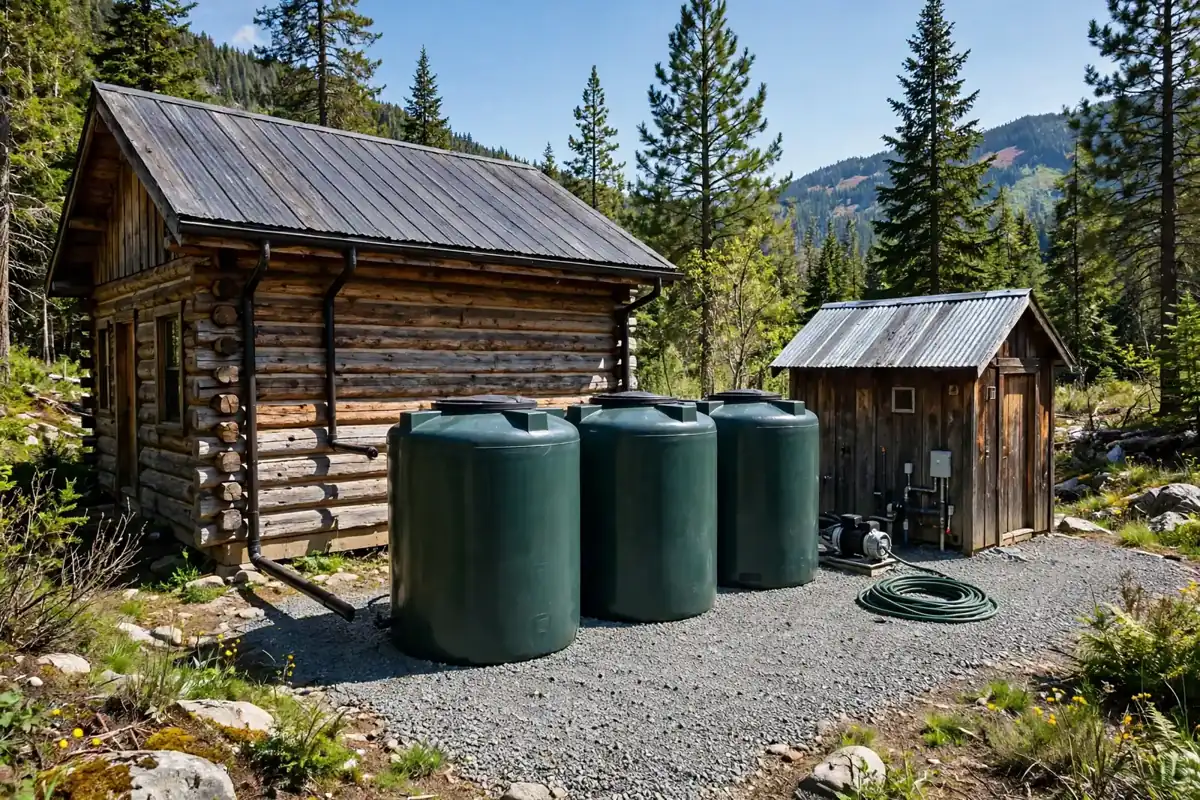
Water is where off grid dreams get practical in a hurry. You need drinking water, washing water, and garden water. Those are three different jobs, and one source rarely does all three well.
This family uses a well for the house and rain tanks for the garden. The roof does real work here. One inch of rain on 1,000 square feet of roof yields about 623 gallons, which is why tank size matters more than most newcomers expect. That figure comes from this gravity fed rainwater guide.
Filtration is not optional for drinking water. Screens catch leaves. A first flush diverter sends the dirtiest first rain away from the tank. Filters and ultraviolet treatment finish the job for potable use.
Their backup is boring and brilliant. Stored jugs, a hand pump option, and a habit of checking tank levels every Sunday. No one wants to learn about water pressure at midnight in January.
4. Heat and Cooking Without a Utility Bill
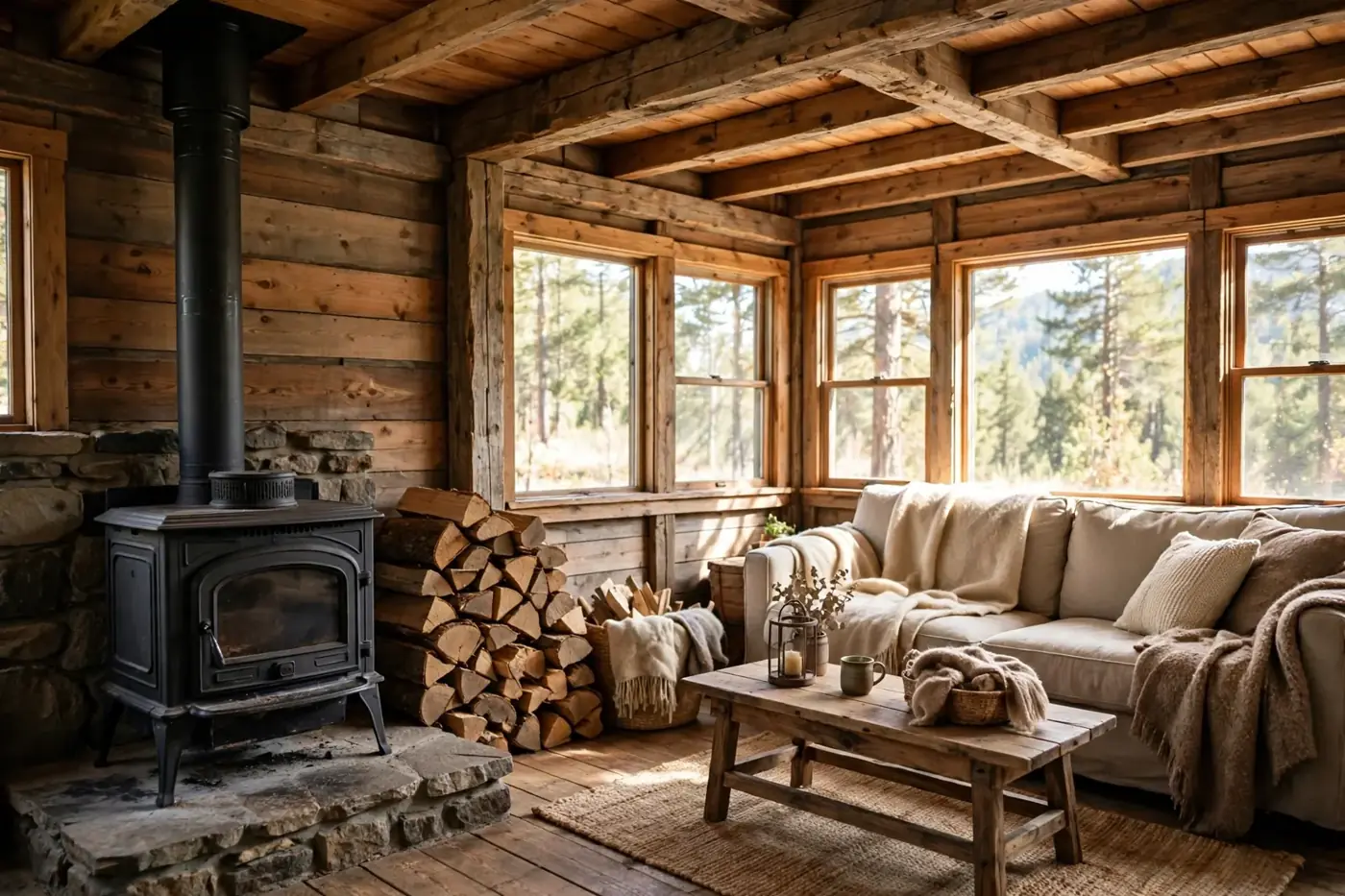
Heat is the system that punishes shortcuts. A cold house is not an inconvenience in winter. It is a safety problem.
The family heats mainly with a modern wood stove. It needs no electricity to run, which matters when the batteries are low. Modern certified models often reach 65 to 78 percent efficiency, a big step up from old smoky stoves. Propane covers backup heat, hot water, and cooking when wood is impractical.
Wood heat is honest work. You cut it, split it, stack it, season it, and carry it. Seasoned hardwood burns cleaner and hotter than wet wood. Wet wood wastes your effort and coats the chimney with creosote, which is a fire risk.
Their best move was insulation before a bigger stove. Air sealing, good windows, and a tight envelope meant a smaller fire could hold the house warm. You can compare the tradeoffs in this wood heat versus propane guide.
Cooking followed the same logic. A wood cookstove in winter. Propane in summer, when no one wants extra heat indoors.
The Winter Readiness Check
Winter is not survived by one heroic weekend. It is survived by a short checklist, repeated without drama.
5. Waste, Septic, and the Paperwork Nobody Posts About
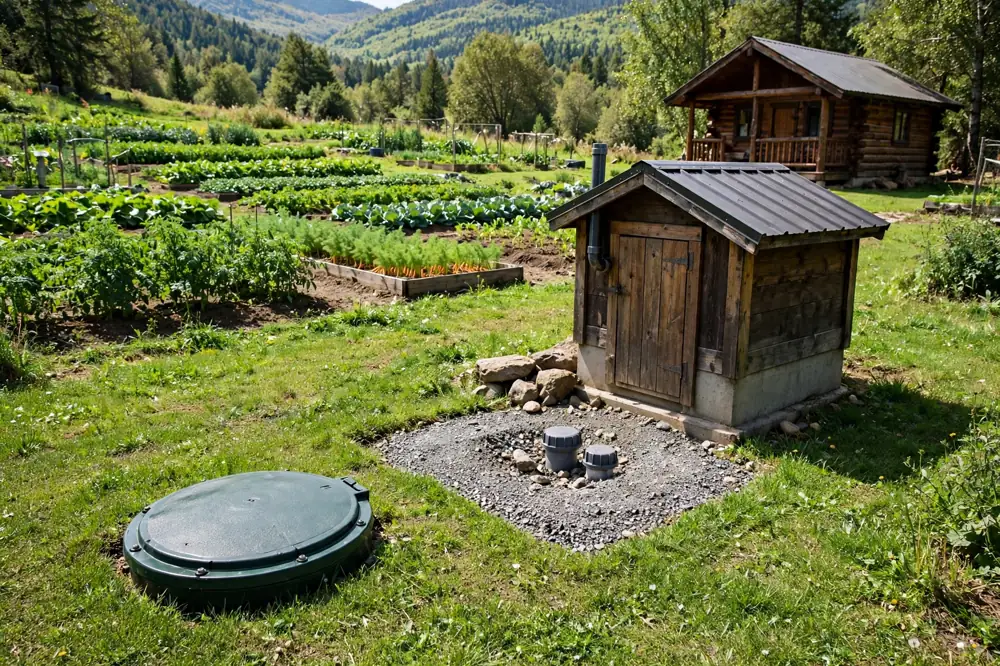
This is the least glamorous lesson, and one of the most important. Off grid does not mean off the books.
In the United States, there is no single national law that bans off grid living. The rules sit with states and counties, and they cover zoning, building codes, wells, and septic systems. A county health department approves wastewater plans, as explained in this guide to off grid laws in every state.
The family got a perc test before they built. A perc test measures how fast soil absorbs water. It decides whether a standard septic system will work, or whether a mound or other engineered system is needed. Skipping that step can mean a system that fails, or a home that cannot legally be occupied.
Greywater is wash water from sinks, showers, and laundry, not toilet water. Rules for reusing it vary widely, so they asked before plumbing anything. Compost toilets still need a legal greywater plan.
Their advice is simple. Call planning and health before you buy land, and ask about zoning, dwelling size, septic, and water. Paperwork first saves years of rework.
6. Food: The Garden Gives Back, Slowly
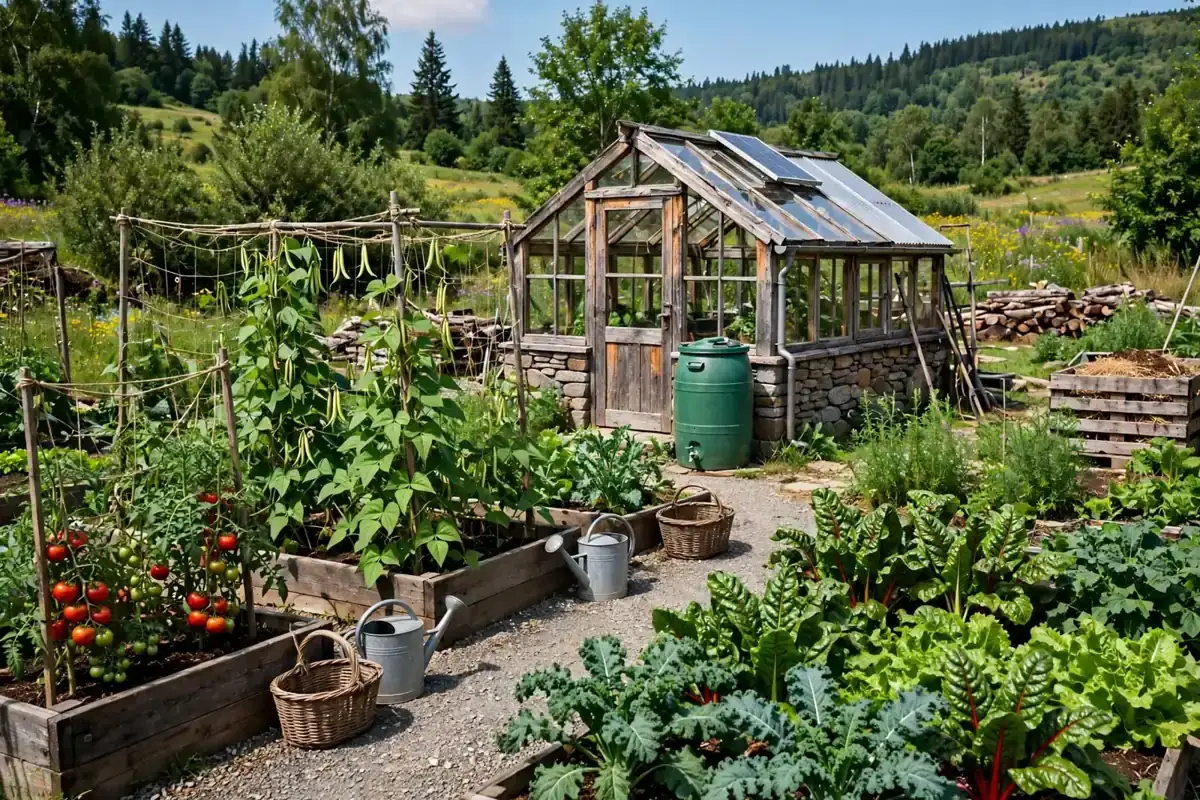
No one feeds a family from a garden in year one. Not well, anyway.
The family started with easy wins. Potatoes, beans, squash, and greens. Crops that forgive mistakes. They added fruit trees early, even though trees take years to pay back. They wish they had planted twice as many.
Soil was the real project. Compost, mulch, and patience turned thin ground into something that held water and fed plants. Raised beds helped in wet spots. A small greenhouse stretched the season just enough for tomatoes to finish.
Preserving changed the math. Canning, freezing, and drying turned a summer glut into winter meals. A pantry full of jars is not just food. It is proof that the system works when the garden sleeps.
They still buy staples. Flour, oil, coffee, and salt come from town. Self reliance, for them, means fewer fragile dependencies, not zero contact with the outside world.
7. Money: What It Really Costs Over 10 Years
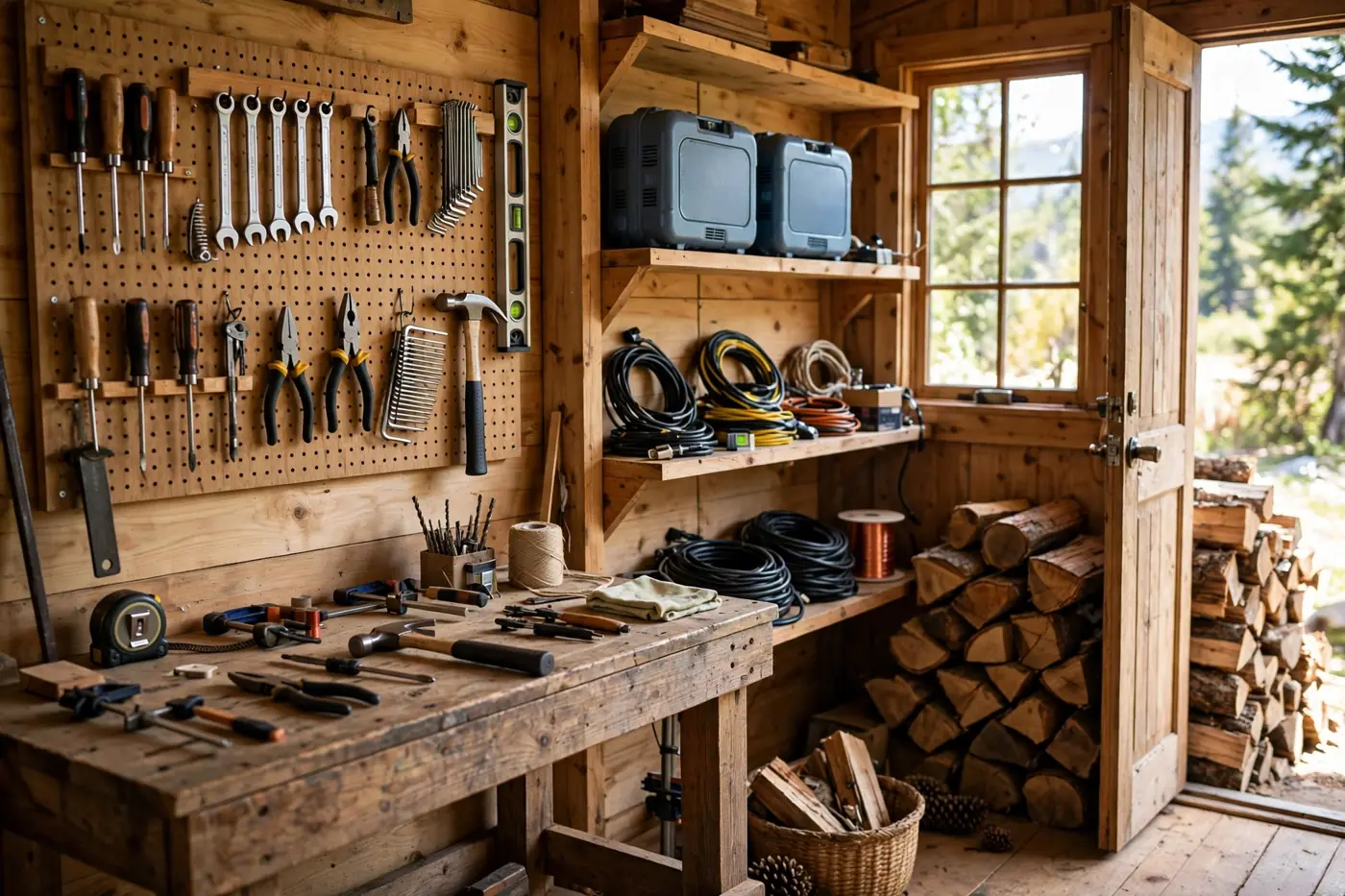
Off grid living can save money. It rarely saves money in year one.
The big costs come up front. Panels, batteries, an inverter, a well, a septic system, and a solid house shell. A 2026 cost guide puts a modest off grid home system at roughly 25,000 to 50,000 dollars for components alone, with larger homesteads running far higher. You can see those ranges in this off grid solar sizing and cost guide.
Then come the costs people forget. Battery replacement after a decade or so. A new pump. A roof repair. Fuel for the generator. Chimney cleaning. A truck that can actually reach the property in mud season.
The savings show up in the monthly column. No power bill. No water bill. Lower grocery spending in harvest season. Fewer impulse purchases, because town is a drive, not a walk.
Their budget rule is now a habit. Every system gets a replacement fund, even when it is working fine. When a battery bank dies, the money is already waiting. That one habit turned emergencies into errands.
8. The Life Part: Skills, Neighbors, and Knowing When to Rest
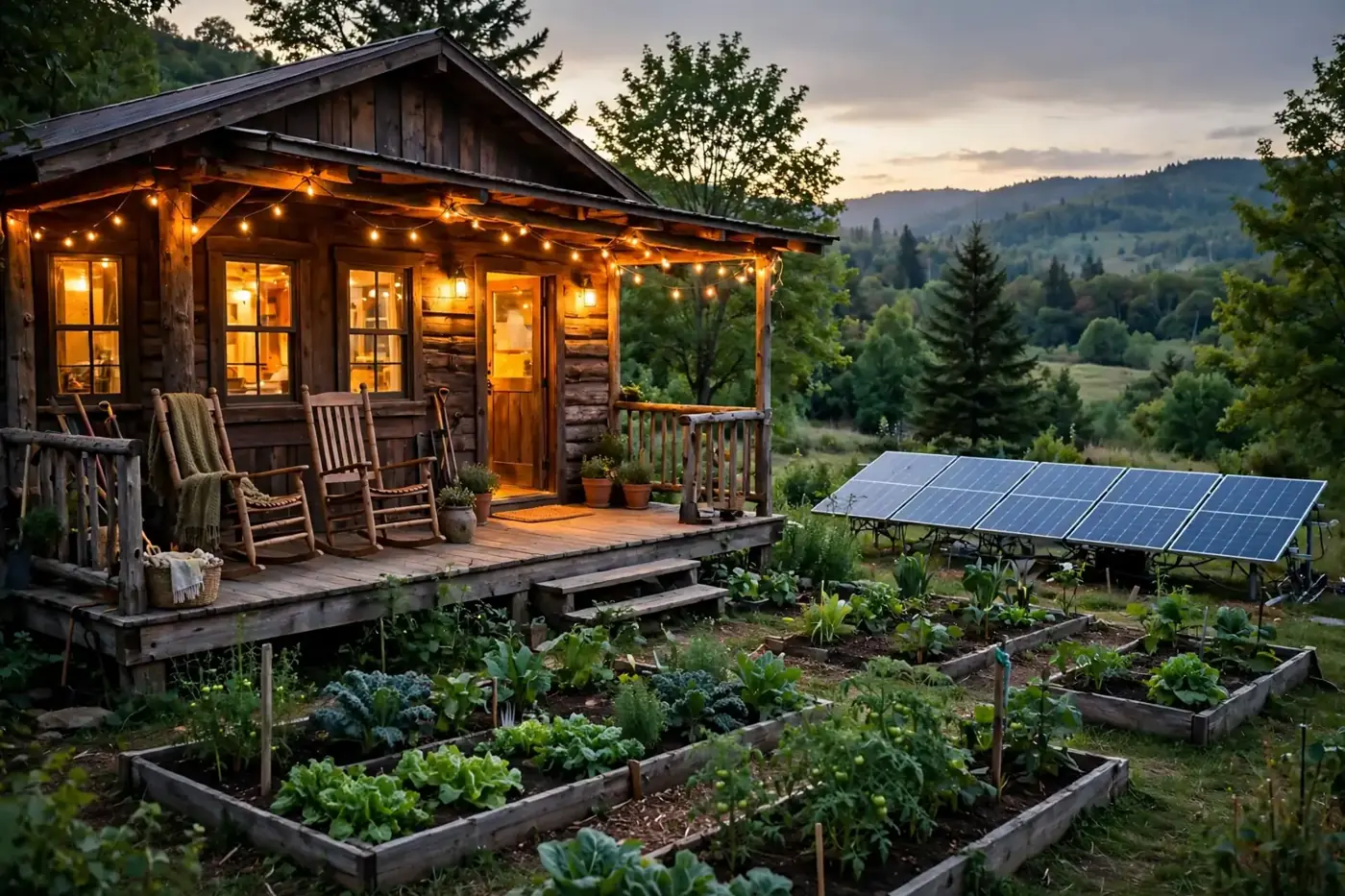
After ten years, the family says the hardest skill was not wiring or plumbing. It was pacing.
Off grid work never fully ends. There is always wood to stack, a filter to change, or a fence to fix. If every weekend becomes a project weekend, the life you built starts to feel like a job you cannot quit.
Neighbors changed everything. Tool swaps, shared bulk orders, and a phone call when a storm knocked a tree across a drive. Independence works better with a community around it. The family trades garden produce for help with heavy jobs, and they keep that ledger generous.
Kids in this kind of home learn by doing. They learn where water comes from. They learn that power is not magic. They learn to fix a thing before they replace it.
Rest is part of the system now, not a reward for finishing it. A porch evening. A book by the stove. A day with no projects at all. That is the part they would protect first if they started again.
Would They Do It Again? Their Short Answer
Yes, they would do it again. They would just do it slower, with more backups, and with more evenings on the porch.
Ten years off grid did not make this family tougher in the way the stories promise. It made them more careful, more patient, and more grateful for ordinary things.
Hot water on a cold morning. Lights that stay on through a storm. A pantry that feeds them in February. Those are not small wins after a decade. They are the whole point.
If you are thinking about this life, start with one honest question. Not can you live without the grid, but can you enjoy maintaining the systems that replace it?
If the answer is yes, even on a tired Tuesday in January, you may already understand what ten years teaches.