10 European Villages Paying Americans $30,000 to Move There (Applications Open Now)

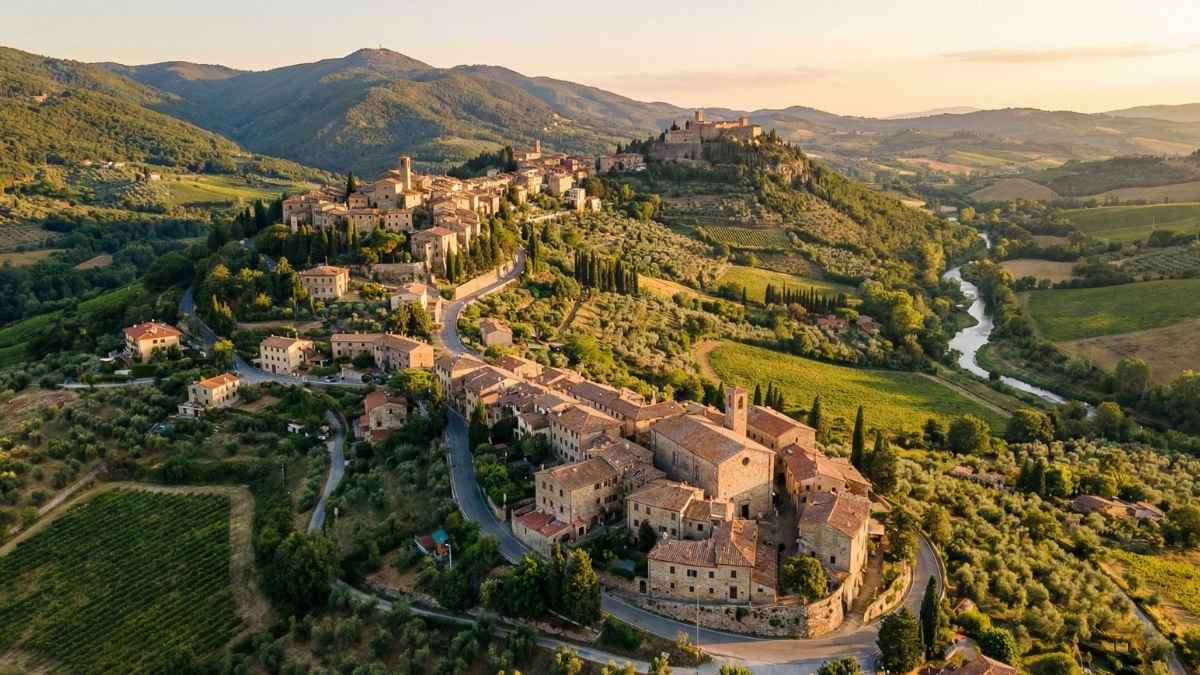
A quiet rebellion is unfolding across Europe, one empty home at a time. Streets that once echoed with daily life are now opening their doors to outsiders willing to start fresh, offering real money—not promises—to make it happen.
For Americans worn down by rising costs, endless noise, and the feeling of running in place, this feels less like a fantasy and more like a calculated escape. These places aren’t chasing trends or tourists; they’re investing in people.
What follows isn’t about quick getaways or postcard living. It’s about villages betting their future on newcomers ready to slow down, settle in, and belong—while getting paid to do it.
1. Presicce-Acquarica, Italy (Puglia)
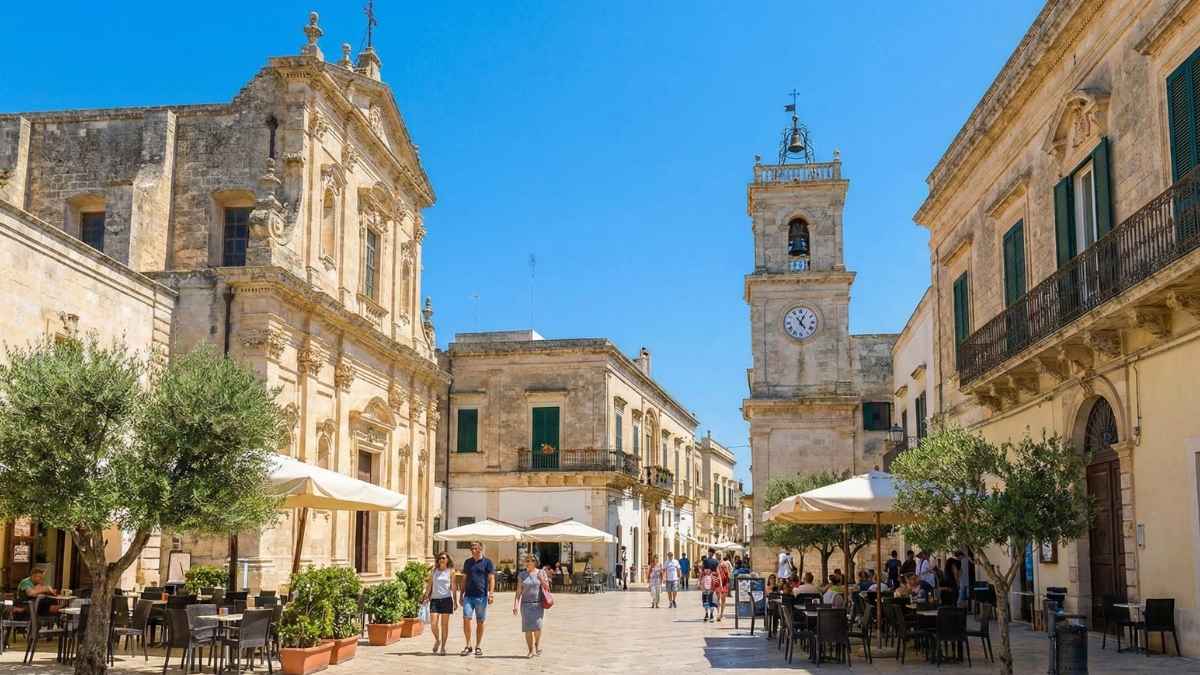
Presicce-Acquarica feels like southern Italy before mass tourism showed up. Stone streets, quiet piazzas, and olive groves stretch in every direction, creating a setting that feels grounded and lived-in rather than curated. What makes it stand out is how openly the town is trying to rebuild its community, not just sell houses.
The €30,000 incentive is designed to help newcomers actually settle, not flip properties. Funds are typically tied to buying and renovating an existing home, which keeps the village intact while welcoming new residents. Locals tend to be curious rather than distant, and newcomers are often noticed—in a good way.
Life here moves more slowly, but not in a boring sense. Cafés still feel social, errands turn into conversations, and evenings revolve around food and neighbors. For Americans looking to genuinely integrate, this place offers a rare balance of affordability and authenticity.
Other useful details
- Best months to visit: April–June, September–October
- Climate: Warm Mediterranean, mild winters
- Closest airport: Brindisi (about 1.5 hours)
- Cost of living: Very low compared to major Italian cities
- Ideal for: Remote workers, retirees, long-term relocators
2. Radicondoli, Tuscany
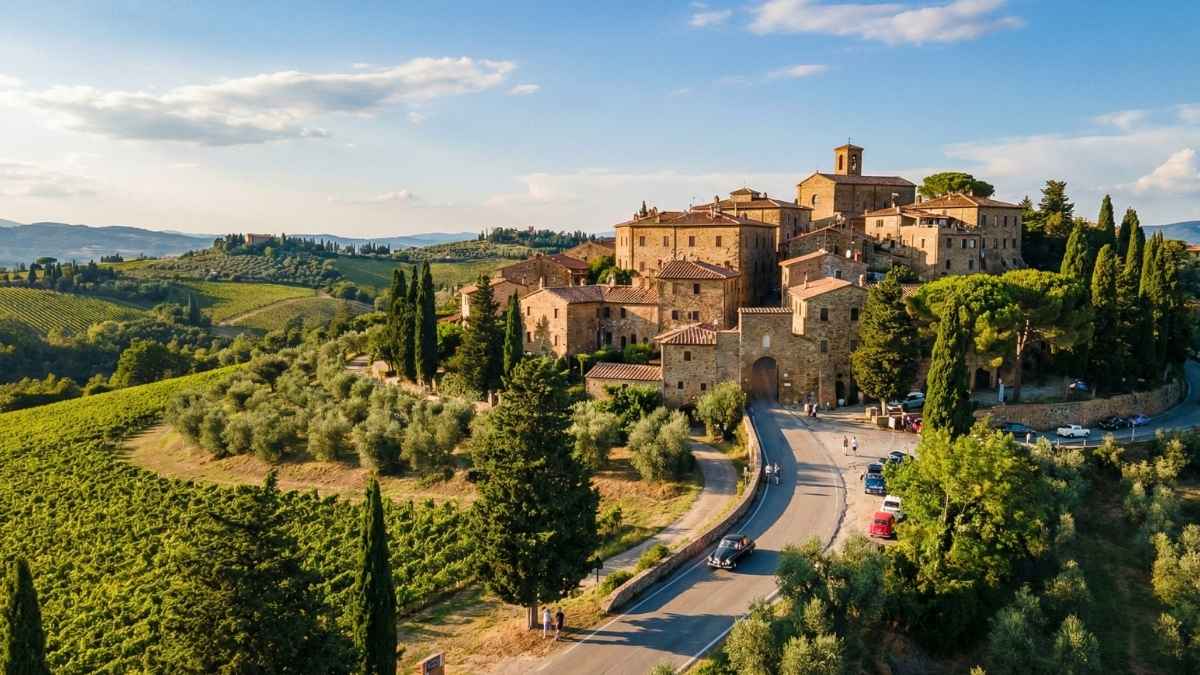
Radicondoli sits high above the Tuscan countryside, far enough from tourist crowds to feel peaceful, yet close enough to Siena and Florence to stay connected. The views alone explain why people fall hard for this village, but it’s the sense of stability that keeps them.
The town offers grants approaching €30,000 to encourage new residents, especially those willing to commit long-term. Unlike one-euro house programs, Radicondoli focuses on sustainable relocation—people who plan to live, work, and contribute, not just renovate and leave.
There’s a strong sense of order here. Services are reliable, infrastructure is solid, and the local government is proactive. It’s Tuscany without the chaos, and for Americans seeking beauty without constant crowds, that balance matters.
Other useful details
- Best months to visit: May–June, September
- Climate: Mild summers, cooler evenings due to elevation
- Closest airport: Florence (about 1.5 hours)
- Lifestyle: Quiet, refined, community-oriented
- Ideal for: Couples, writers, remote professionals
3. Calabria’s Small Mountain Villages
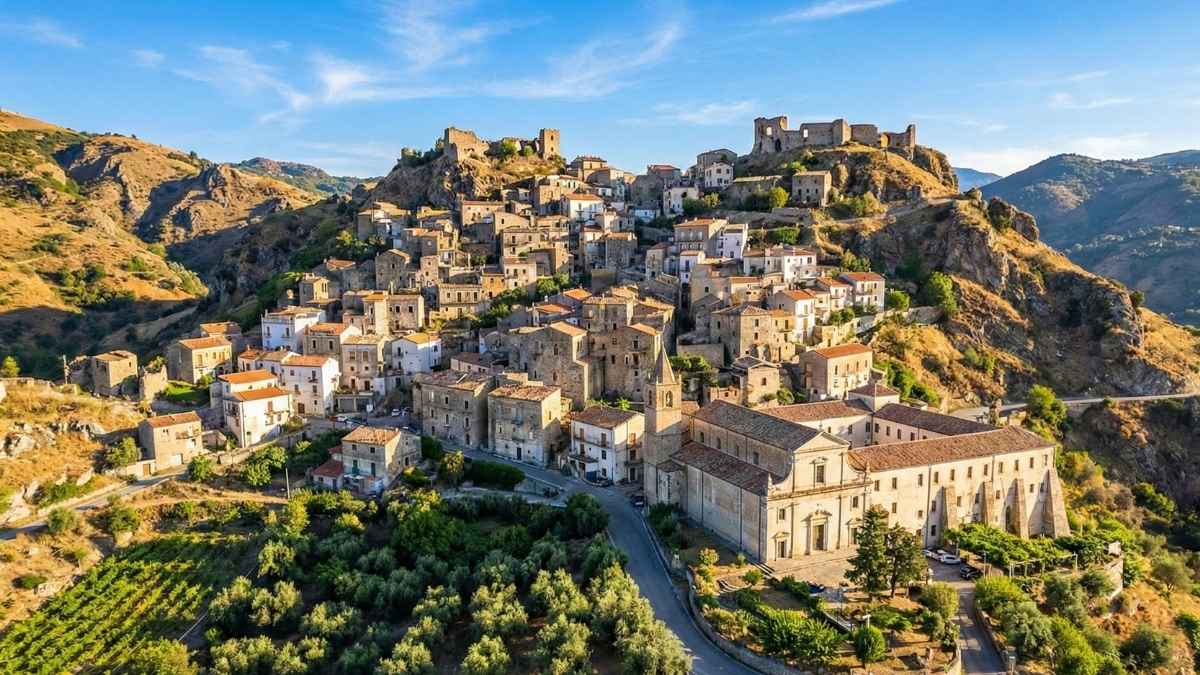
Calabria doesn’t sell itself loudly, which is exactly why its relocation programs work. Scattered across the region are villages offering up to €28,000–€30,000 over time, often paid monthly to encourage long-term residency rather than quick moves.
These incentives usually come with conditions—such as moving within a certain age range or starting a small business—but the trade-off is space, affordability, and a deeply local lifestyle. Homes are larger than expected, and the surrounding landscapes feel untouched.
What stands out most is how personal the experience becomes. Village officials often know applicants by name, and newcomers aren’t just welcomed—they’re needed. If you value community over convenience, Calabria delivers in ways larger regions don’t.
Other useful details
- Best months to visit: March–June, October
- Climate: Warm summers, mild winters
- Cost of housing: Extremely low
- Transportation: A car is strongly recommended
- Ideal for: Entrepreneurs, early retirees, slow-living advocates
4. Molise Villages
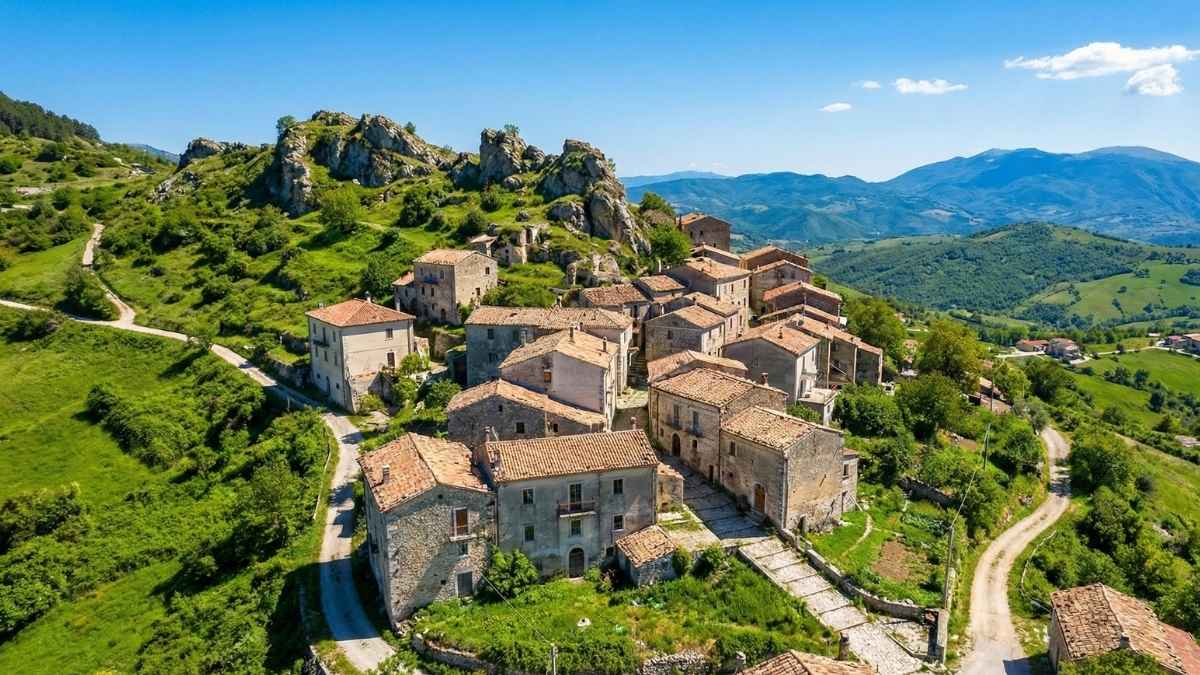
Molise is often joked about as “Italy’s forgotten region,” but that invisibility has become its advantage. Several villages here offer monthly payments totaling around €27,000 for people willing to move and stay long-term.
Instead of large lump sums, Molise focuses on steady support, which helps cover everyday living costs while newcomers establish themselves. This structure attracts residents who actually plan to live there—not just test the waters.
Life in Molise is simple but grounded. Food is local, rents are low, and the absence of tourism creates a calm, unpressured environment. It’s not flashy, but it’s stable—and that’s what many movers are really after.
Other useful details
- Best months to visit: April–June, September
- Climate: Four distinct seasons
- Community size: Very small, very tight-knit
- Internet: Improving, but varies by village
- Ideal for: Long-term settlers, freelancers, minimalists
5. Santo Stefano di Sessanio, Abruzzo
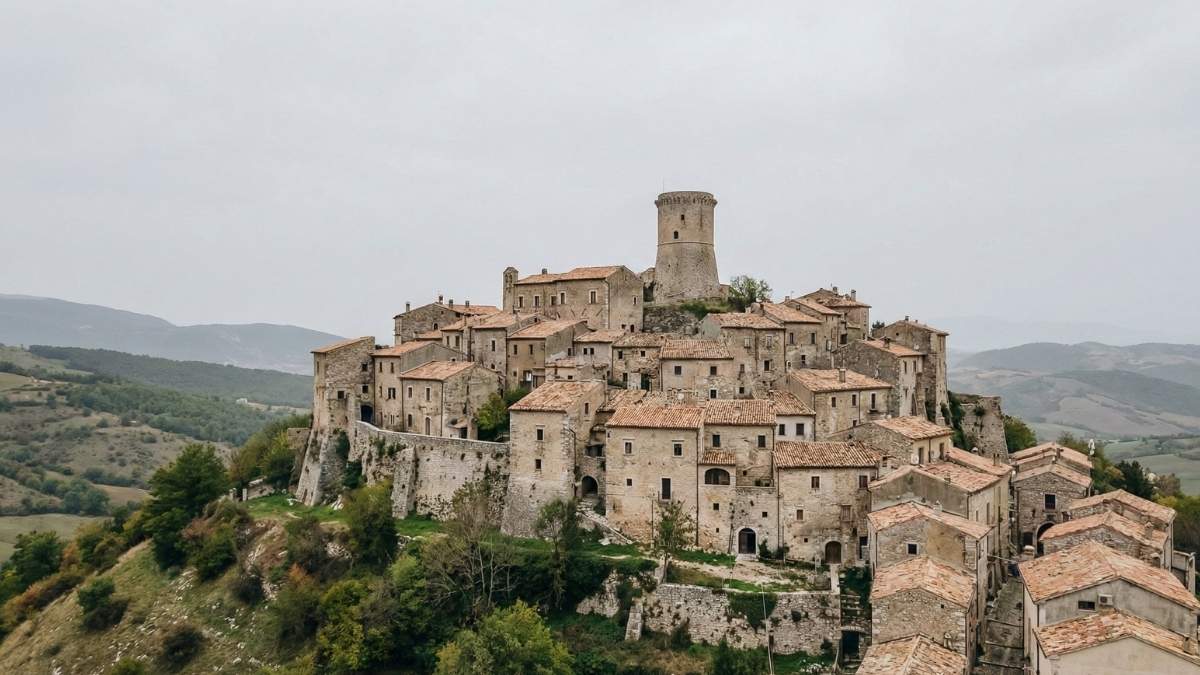
This medieval hill town feels preserved rather than restored. Stone buildings, narrow streets, and dramatic mountain backdrops make Santo Stefano di Sessanio visually striking, but its incentive program is surprisingly practical.
Rather than offering a simple relocation check, the town provides grants and business support totaling around €24,000–€30,000, especially for those opening small shops, cafés, or artisan businesses. The goal is economic revival, not just population growth.
Living here comes with responsibility, but also purpose. New residents often become visible contributors to village life, which creates a stronger sense of belonging than many larger incentive programs offer.
Other useful details
- Best months to visit: May–June, early October
- Climate: Cool winters, mild summers
- Tourism: Seasonal but controlled
- Housing style: Historic stone homes
- Ideal for: Small business owners, creatives, heritage lovers
6. Troina, Sicily
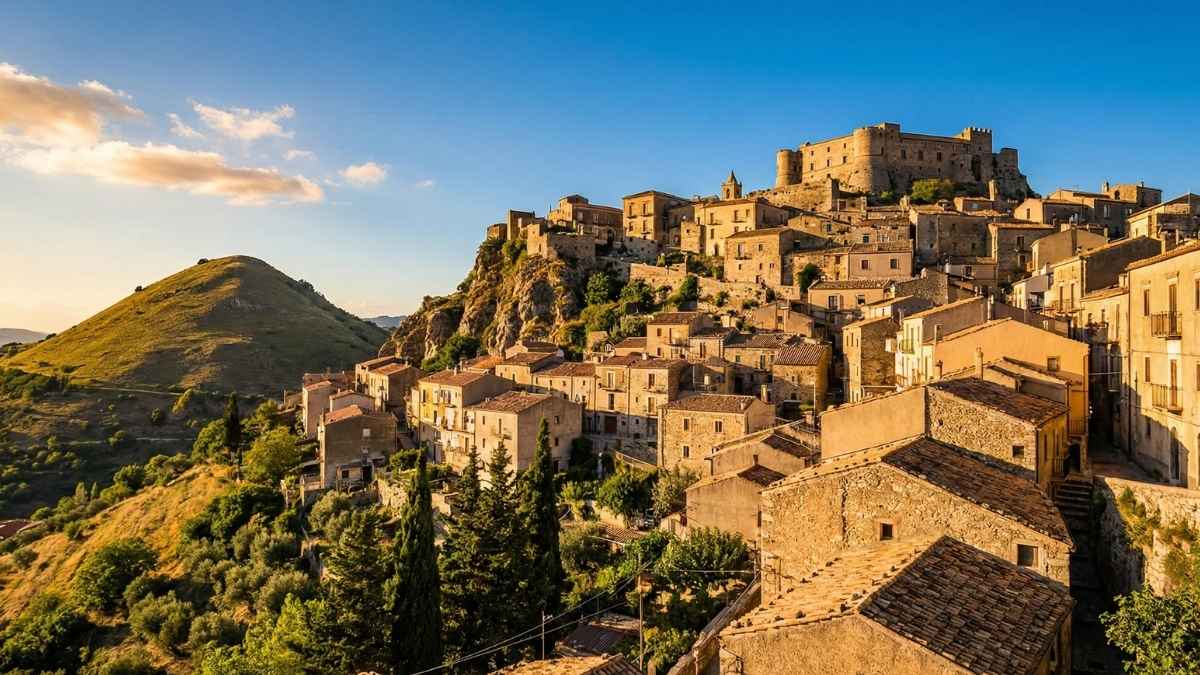
Troina sits high in Sicily’s interior, far from cruise ports and souvenir shops. The atmosphere here is raw and traditional, shaped more by daily routines than outside influence. That isolation is exactly why the town has stepped forward with financial incentives—to bring new energy into a place that still has plenty to give.
The relocation support can reach around €25,000, mainly tied to home renovation and long-term residency. It’s not fast money, but it’s meaningful support, especially when property prices are already low. The town favors applicants who plan to stay, contribute, and restore existing homes rather than replace them.
Life in Troina feels grounded. Food comes from nearby farms, social life revolves around shared meals, and neighbors tend to check in on one another. It’s not polished, but it’s real—and for many movers, that authenticity outweighs convenience.
Other useful details
- Best months to visit: April–June, September
- Climate: Warm summers, cooler evenings due to elevation
- Closest airport: Catania (about 1.5 hours)
- Cost of living: Very low
- Ideal for: Slow living, renovation projects, deep cultural immersion
7. Bivona, Sicily
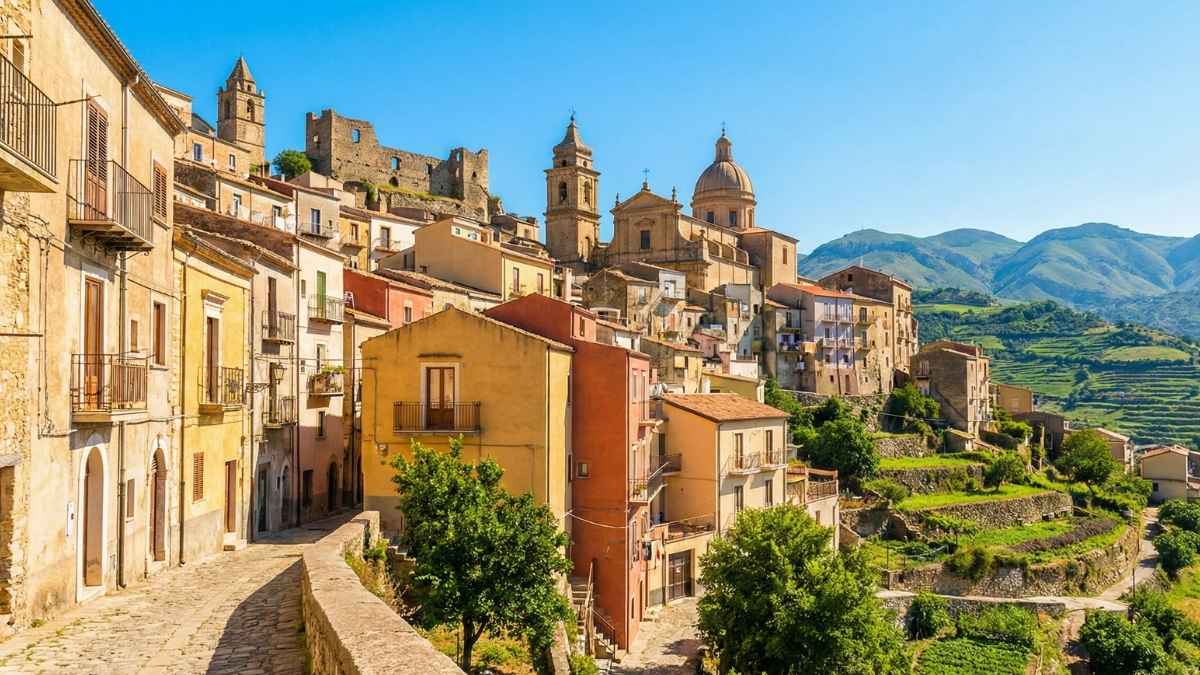
Bivona offers a softer side of Sicily—green hills, orchards, and a pace that feels almost pastoral. It’s less dramatic than coastal towns but more livable day-to-day, which is why its incentive program attracts people looking for stability, not spectacle.
Relocation support here often comes in the form of grants, tax breaks, and renovation assistance, which together can approach the $30,000 range. The town encourages restoring abandoned homes rather than building new ones, keeping the village visually and culturally intact.
What stands out is how livable Bivona feels once the initial adjustment passes. Essentials are close by, expenses stay low, and daily life doesn’t feel rushed. It’s a place where routines settle in quickly—and stay comfortable.
Other useful details
- Best months to visit: March–May, October
- Climate: Mild winters, warm summers
- Housing market: Affordable with renovation opportunities
- Local economy: Agriculture-focused
- Ideal for: Families, long-term expats, quiet lifestyles
8. Lecce nei Marsi, Abruzzo
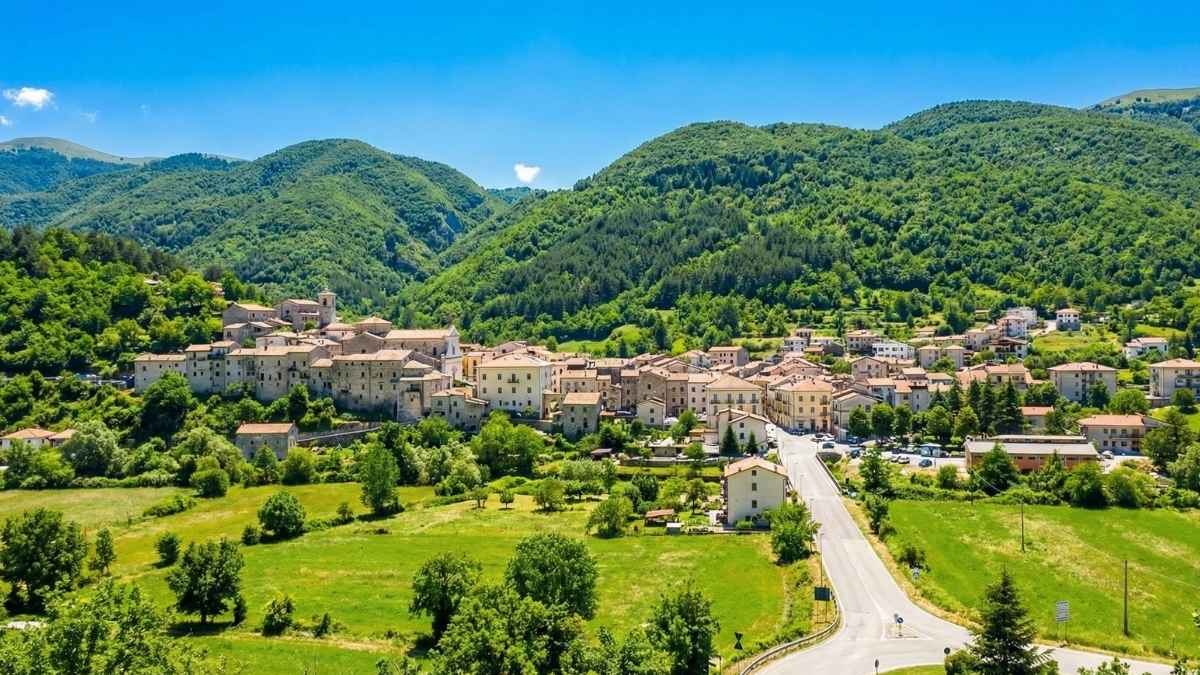
Tucked inside a national park, Lecce nei Marsi feels protected by mountains, forests, and distance from overdevelopment. The scenery is dramatic, but the village itself remains modest and practical.
The town offers relocation incentives and housing support aimed at reversing population decline. While the total assistance varies, combined benefits often place it near the $20,000–$30,000 range, especially for those committing to long-term residency.
Living here requires flexibility. Winters are quieter, services are limited, and a car is essential. But the payoff is space, nature, and a kind of calm that’s hard to replicate elsewhere in Europe.
Other useful details
- Best months to visit: May–June, September
- Climate: Cold winters, pleasant summers
- Environment: National park setting
- Community size: Very small
- Ideal for: Nature lovers, remote workers, minimalists
9. Carrega Ligure, Piedmont
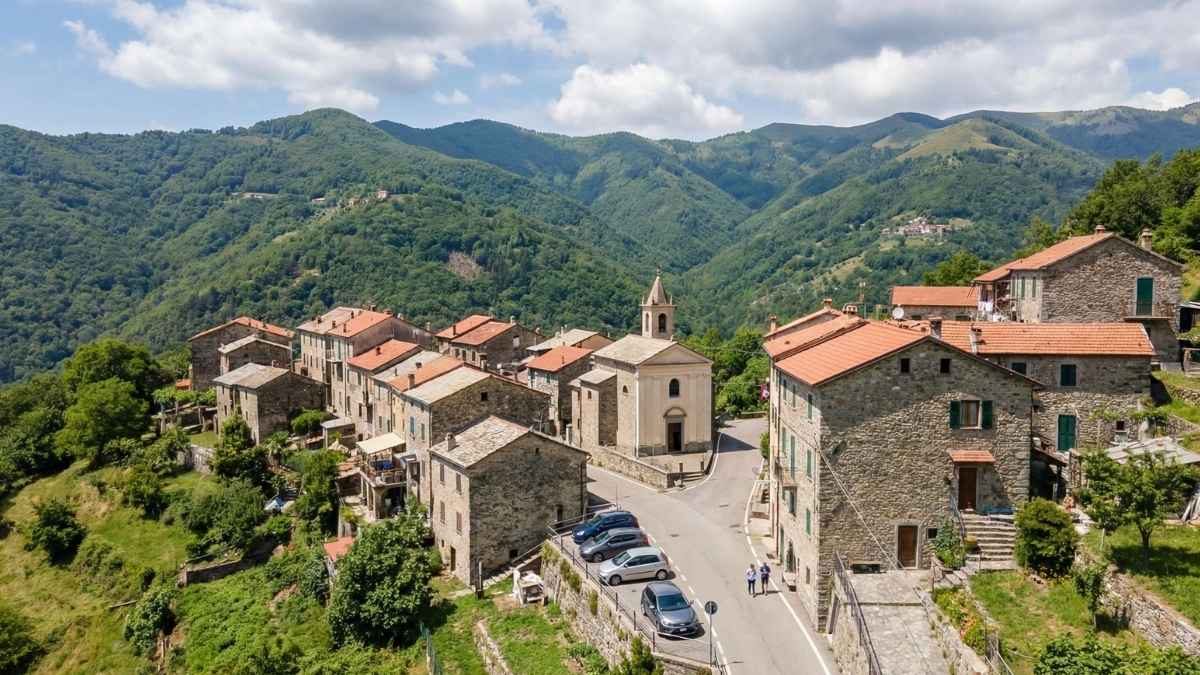
Carrega Ligure feels more Alpine than Italian at first glance. Surrounded by forests and mountains, it’s a village where silence is part of the appeal—and where every new resident noticeably matters.
The town provides financial support, housing assistance, and service incentives to attract newcomers. While the structure isn’t always a single lump sum, combined benefits can approach $30,000, especially for families or long-term residents.
What makes Carrega Ligure unique is the sense of involvement. Newcomers often find themselves participating in local decisions and events simply because the population is small enough to notice every contribution.
Other useful details
- Best months to visit: June–September
- Climate: Cool summers, snowy winters
- Closest city: Genoa (about 2 hours)
- Lifestyle: Quiet, community-driven
- Ideal for: Families, nature-focused living, privacy seekers
10. Rural Tuscany (Multiple Mountain Villages)
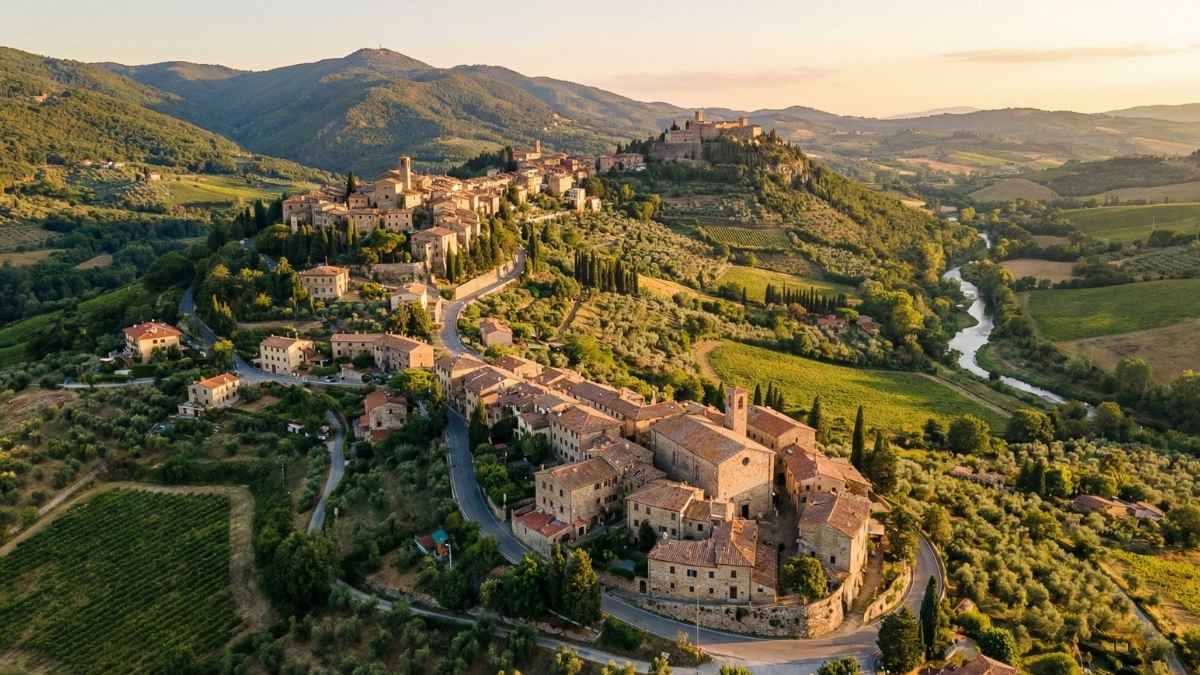
Beyond the postcard cities, rural Tuscany tells a different story. Scattered mountain villages are quietly offering relocation grants up to €30,000 to attract new residents willing to restore homes and live locally.
These programs vary by village, but the intent is consistent: revive aging communities without turning them into tourist zones. Funding is often tied to renovation costs, residency requirements, and timelines, ensuring the villages remain lived-in rather than seasonal.
What draws people here isn’t just the scenery—it’s the balance. You get Tuscany’s landscapes without Tuscany’s crowds, along with a support system that makes relocation financially realistic.
Other useful details
- Best months to visit: May–June, September
- Climate: Mild, with cooler mountain air
- Connectivity: Better than expected in many areas
- Cultural life: Local festivals and traditions
- Ideal for: Remote workers, creatives, long-term movers