12 US Towns That Will Be Underwater by 2050 (Visitors Flocking Now)

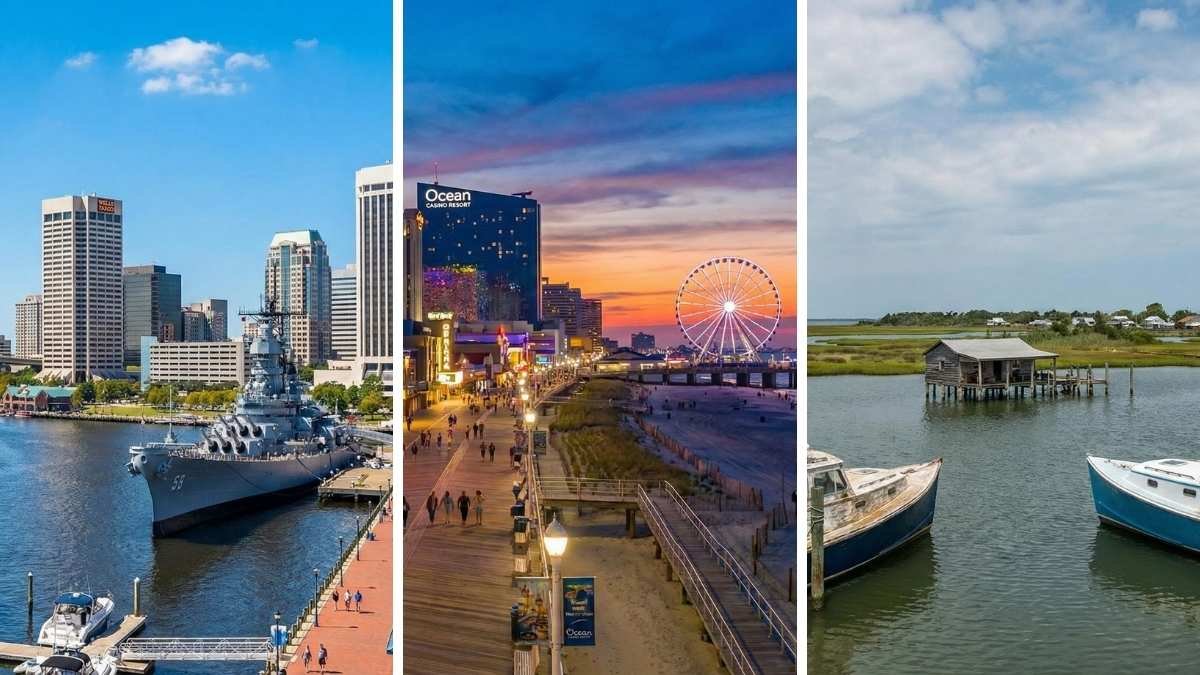
Coastlines have always felt permanent, like they’d outlast us no matter what. Lately, that confidence is cracking. Streets flood on clear days, front yards taste faintly of salt, and places people grew up loving are quietly being rewritten by water.
What makes it unsettling isn’t just the science—it’s how normal it’s starting to feel. Travelers are showing up not out of fear, but curiosity, admiration, and urgency, soaking in the beauty while it’s still familiar.
Each stop on this list carries a mix of charm and countdown, where memories are still being made, even as the shoreline inches closer.
1. Miami Beach, Florida
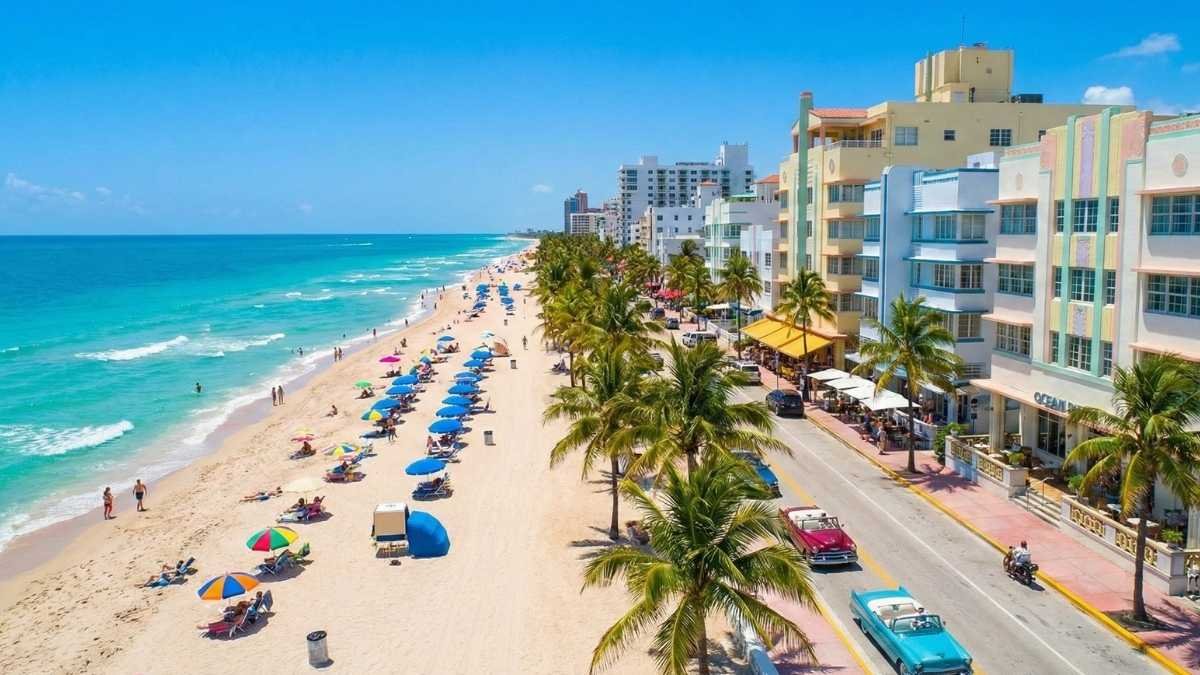
Miami Beach has always lived close to the water, but now the water is pushing back. Sunny-day flooding is no longer a rare headline here—it’s a regular inconvenience. Streets flood even without storms, and residents casually step around saltwater puddles like it’s part of daily life. That tension between luxury and vulnerability is exactly what’s drawing visitors in.
Despite the risks, Miami Beach remains magnetic. Art Deco buildings glow under neon lights, rooftop pools overlook turquoise water, and nightlife pulses late into the night. There’s a strange awareness among visitors: the sense that this lifestyle may not always exist in the same form. That awareness adds urgency to every walk along Ocean Drive.
The city has already invested billions in pumps, elevated roads, and flood barriers, but sea-level rise is outpacing solutions. Travelers aren’t ignoring the future—they’re responding to it, treating Miami Beach as a “go while you still can” destination.
Quick Facts
- Best months to visit: November–April
- Biggest threat: Chronic tidal flooding & sea-level rise
- Why visitors are rushing: Iconic culture + visible climate change
- Must-see now: Art Deco Historic District
- Travel tip: Avoid peak hurricane season (August–September)
2. Key West, Florida
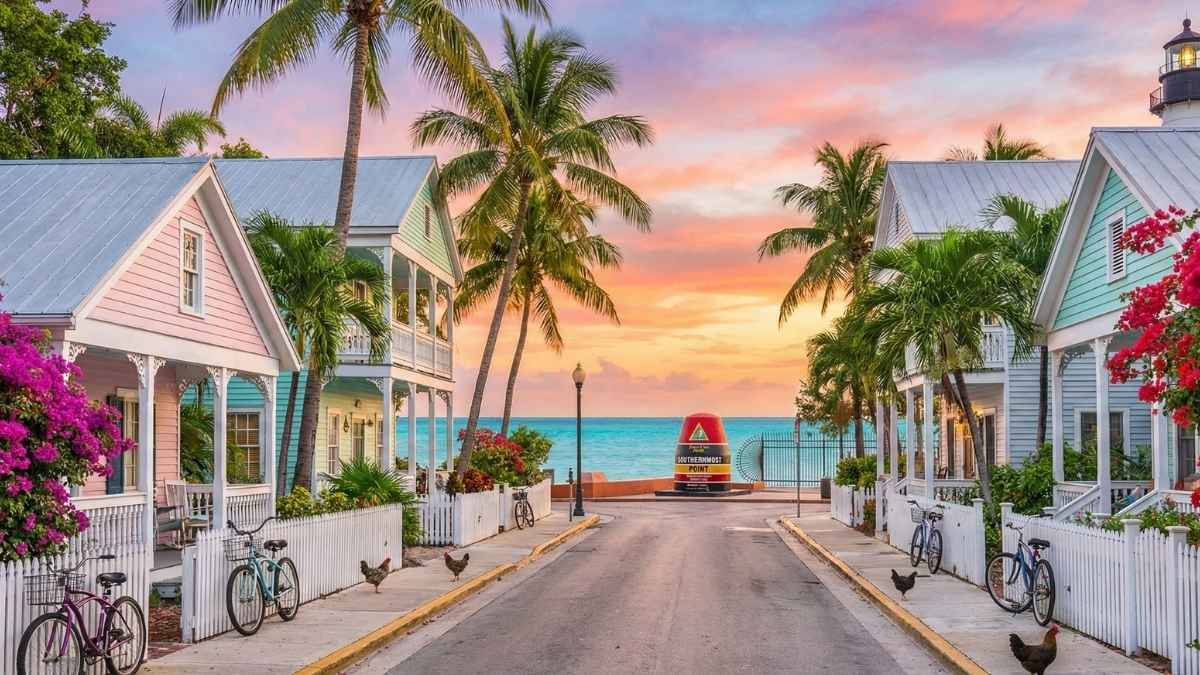
Key West feels like the end of the road—and in many ways, it is. Sitting just a few feet above sea level, this island city has little room to retreat. Locals talk openly about rising tides, saltwater intrusion, and disappearing shorelines, yet the laid-back charm hasn’t faded.
Visitors still come for sunset celebrations, pastel houses, and that unmistakable Caribbean-meets-America vibe. The difference now is awareness. When streets flood during high tide, it doesn’t shock tourists—it fascinates them. Key West has become a living example of how climate change looks up close, not in theory.
What keeps people coming is its spirit. Bars still fill up, boats still leave the harbor, and the island’s personality remains stubbornly alive. That contrast—beauty paired with fragility—is why Key West is high on every “last chance” travel list.
Quick Facts
- Best months to visit: December–May
- Biggest threat: Rising sea levels & coral reef loss
- Why visitors are rushing: Unique culture that may not survive unchanged
- Must-see now: Mallory Square sunsets
- Travel tip: Book accommodations early—limited space, high demand
3. New Orleans, Louisiana
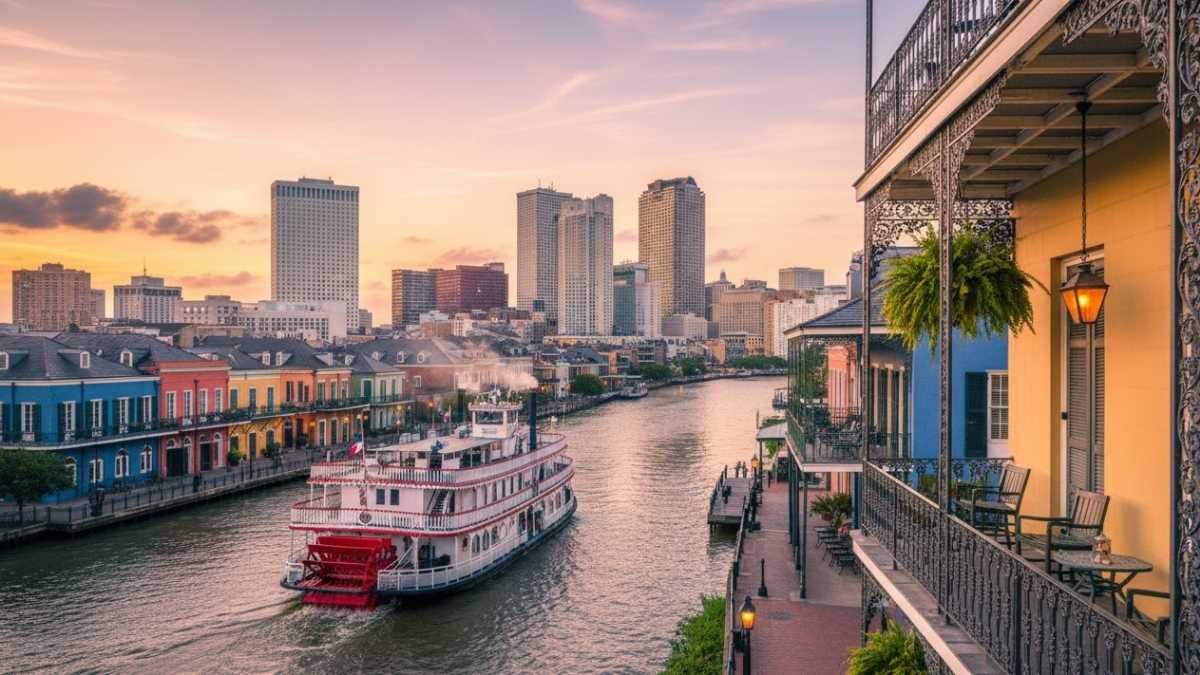
New Orleans has always danced with danger. Built below sea level and surrounded by water, the city exists because of engineering and stubborn resilience. Since Hurricane Katrina, flood defenses have improved, but subsidence and rising seas remain relentless.
What draws visitors isn’t ignorance of risk—it’s admiration. Jazz spills from doorways, second lines weave through streets, and history feels layered into every brick. New Orleans isn’t just a destination; it’s an experience shaped by survival and celebration.
There’s also a sense of urgency now. Neighborhoods are slowly sinking, wetlands that once protected the city are vanishing, and storms feel stronger each year. Travelers arrive knowing they’re witnessing something culturally irreplaceable—one that may not look the same in a few decades.
Quick Facts
- Best months to visit: February–April
- Biggest threat: Subsidence + storm surge
- Why visitors are rushing: Deep-rooted culture unlike anywhere else
- Must-see now: French Quarter & live jazz venues
- Travel tip: Stay informed during hurricane season (June–November)
4. Venice, Louisiana
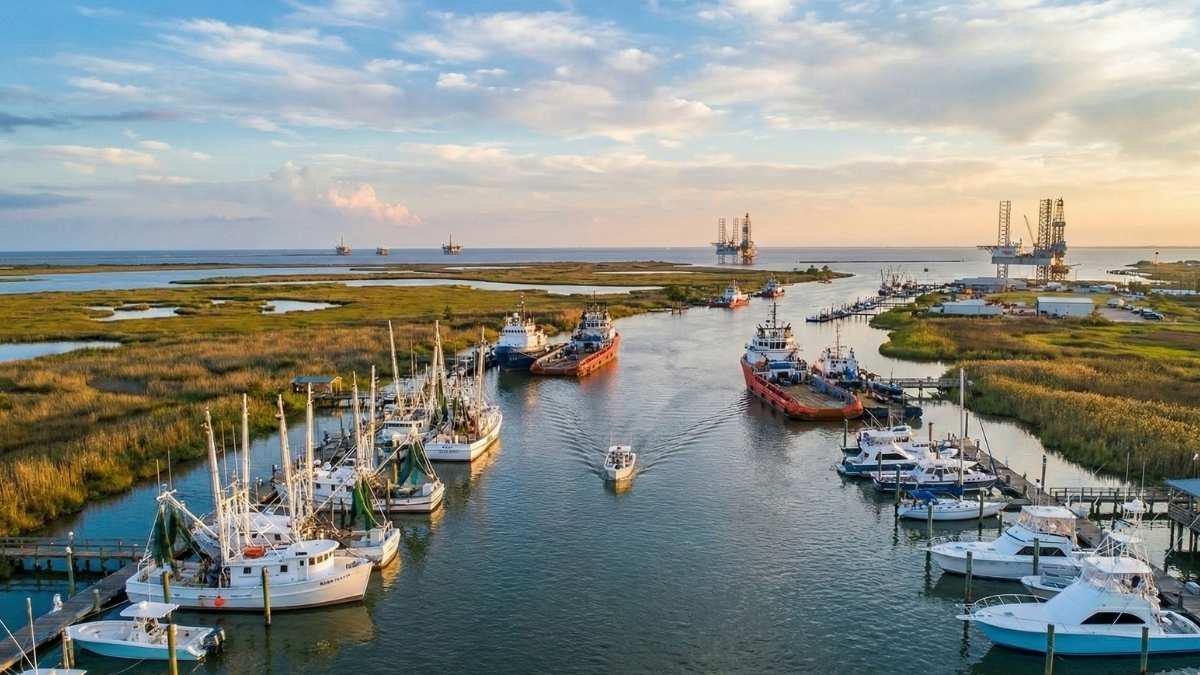
Venice isn’t glamorous, and that’s exactly why it feels real. Located at the edge of the Mississippi River Delta, this small fishing town has lost massive chunks of land to erosion. Maps from just a few decades ago barely resemble today’s coastline.
Visitors come for world-class fishing and raw, unfiltered views of environmental change. You don’t need signs explaining what’s happening—the disappearing land speaks for itself. It’s one of the clearest examples of how fast coastal loss can occur.
Venice feels temporary in a way most towns don’t. That impermanence is what draws travelers who want to see the frontline of climate change, not just read about it.
Quick Facts
- Best months to visit: March–October
- Biggest threat: Rapid land erosion
- Why visitors are rushing: Front-row view of disappearing coastline
- Must-see now: Mississippi River Delta
- Travel tip: Services are limited—plan ahead
5. Isle de Jean Charles, Louisiana
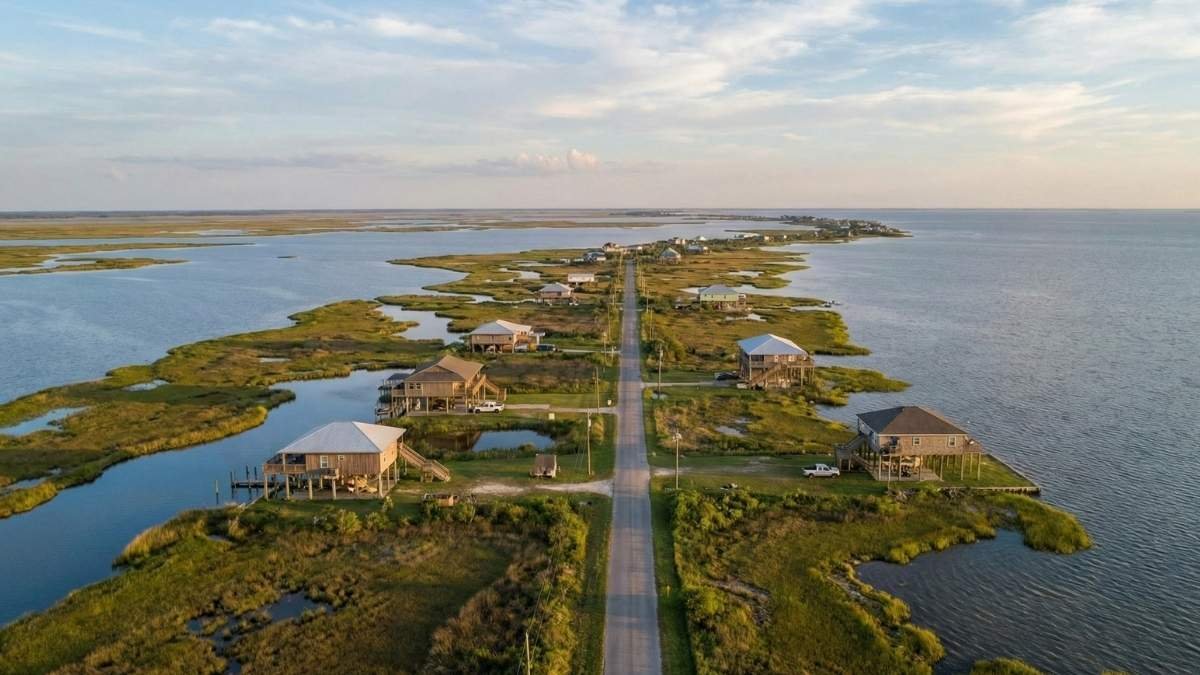
This narrow strip of land tells one of the most emotional climate stories in the U.S. Home to a Native American community for generations, Isle de Jean Charles has lost over 90% of its land since the 1950s. What remains is heartbreakingly fragile.
Visitors don’t come for entertainment—they come to understand. The island has become a symbol of climate displacement, with residents being relocated inland as one of America’s first federally funded climate migrations.
Walking here feels quiet and heavy, but important. It’s not a tourist hotspot in the traditional sense, yet people are drawn by the reality unfolding in real time. Few places make the future feel this immediate.
Quick Facts
- Best months to visit: October–April
- Biggest threat: Total land loss
- Why visitors are rushing: Historic first U.S. climate relocation
- Must-see now: Remaining traditional homes
- Travel tip: Visit respectfully—this is a living community, not a spectacle
6. Tangier Island, Virginia
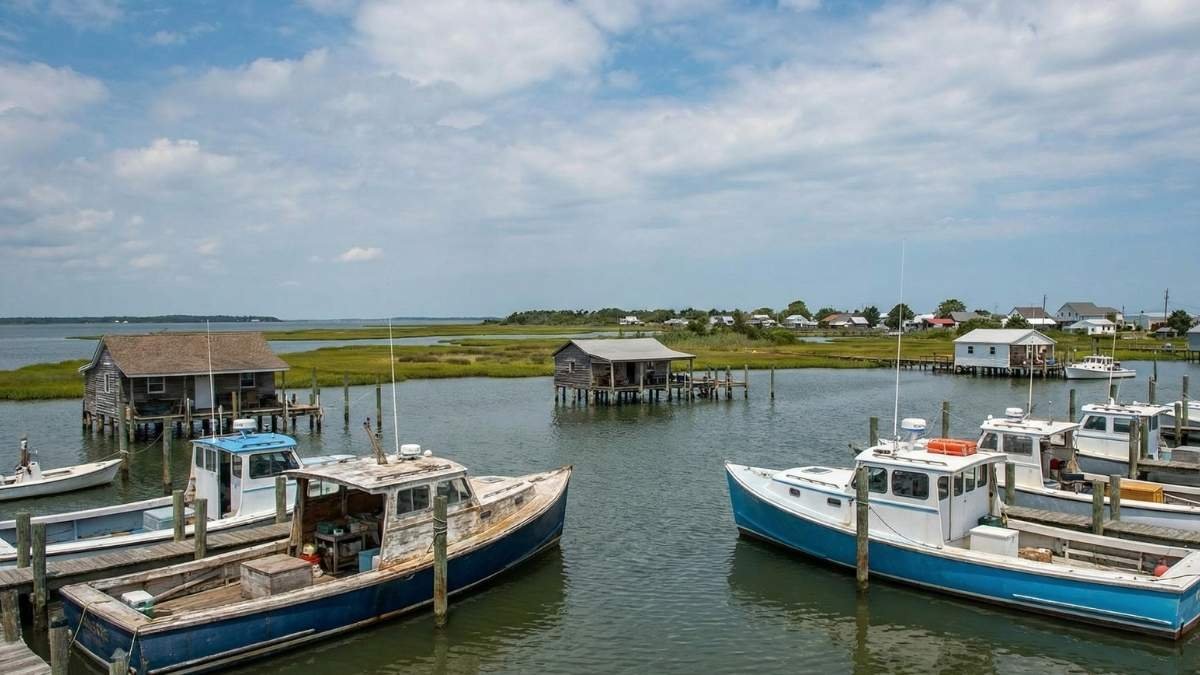
Tangier Island feels frozen in time, but the water around it is moving fast. This small Chesapeake Bay community has been shrinking for decades, losing land every year to erosion and rising tides. Locals talk about houses that once stood far from the shore, now sitting right at the edge.
What draws visitors is the contrast. Wooden homes, crab shacks, and a unique dialect survive even as the island slowly disappears. It’s quiet, authentic, and increasingly rare. Travelers often leave surprised by how small it feels—and how fragile.
Tangier isn’t flashy, but it’s honest. Standing on the shoreline, watching water reclaim land, makes climate change feel personal instead of abstract.
Quick Facts
- Best months to visit: May–September
- Biggest threat: Erosion & sea-level rise
- Why visitors are rushing: One of America’s fastest-disappearing towns
- Must-see now: Historic harbor village
- Travel tip: Ferries are weather-dependent
7. Atlantic City, New Jersey
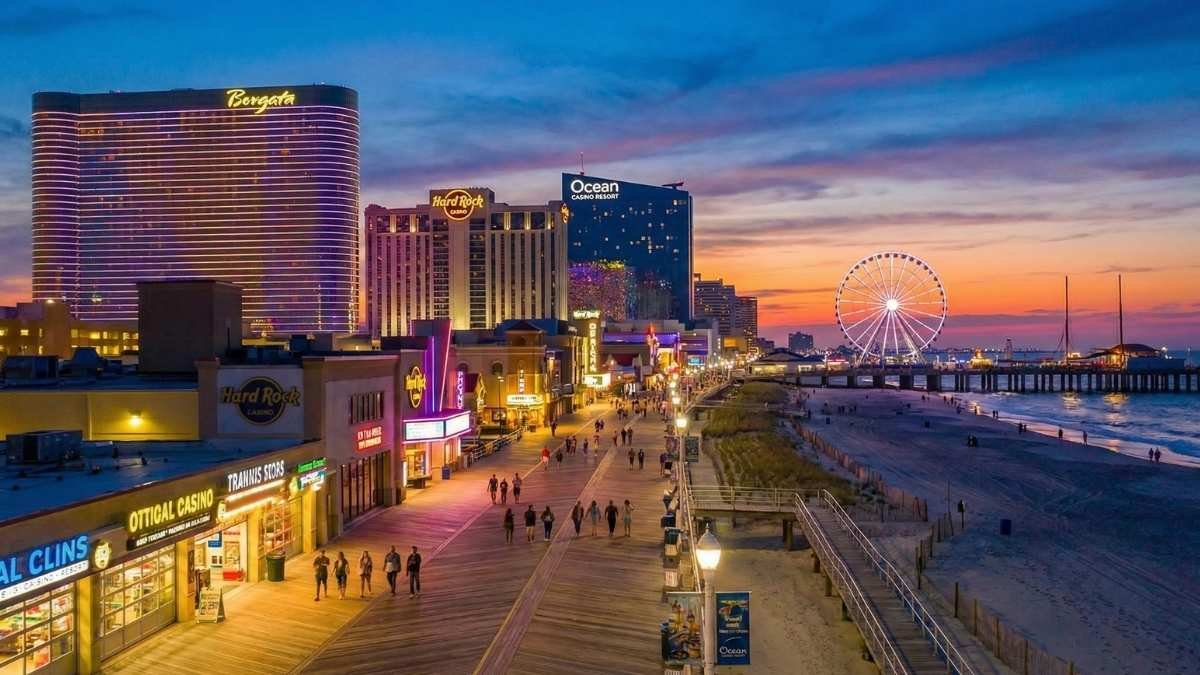
Atlantic City’s boardwalk glamour hides a growing problem beneath its feet. Flooding now regularly reaches streets near the ocean, especially during storms and high tides. The city’s low elevation and aging infrastructure make it increasingly vulnerable.
Visitors still come for casinos, beaches, and nostalgia. But now, flooding signs, raised roads, and closed streets are part of the landscape. That mix of entertainment and risk gives Atlantic City a strange urgency—fun with a ticking clock.
For many travelers, it’s about seeing a classic American beach town before climate realities force permanent changes.
Quick Facts
- Best months to visit: May–September
- Biggest threat: Storm surge & tidal flooding
- Why visitors are rushing: Iconic boardwalk culture
- Must-see now: Historic Boardwalk
- Travel tip: Check flood advisories during coastal storms
8. Norfolk, Virginia
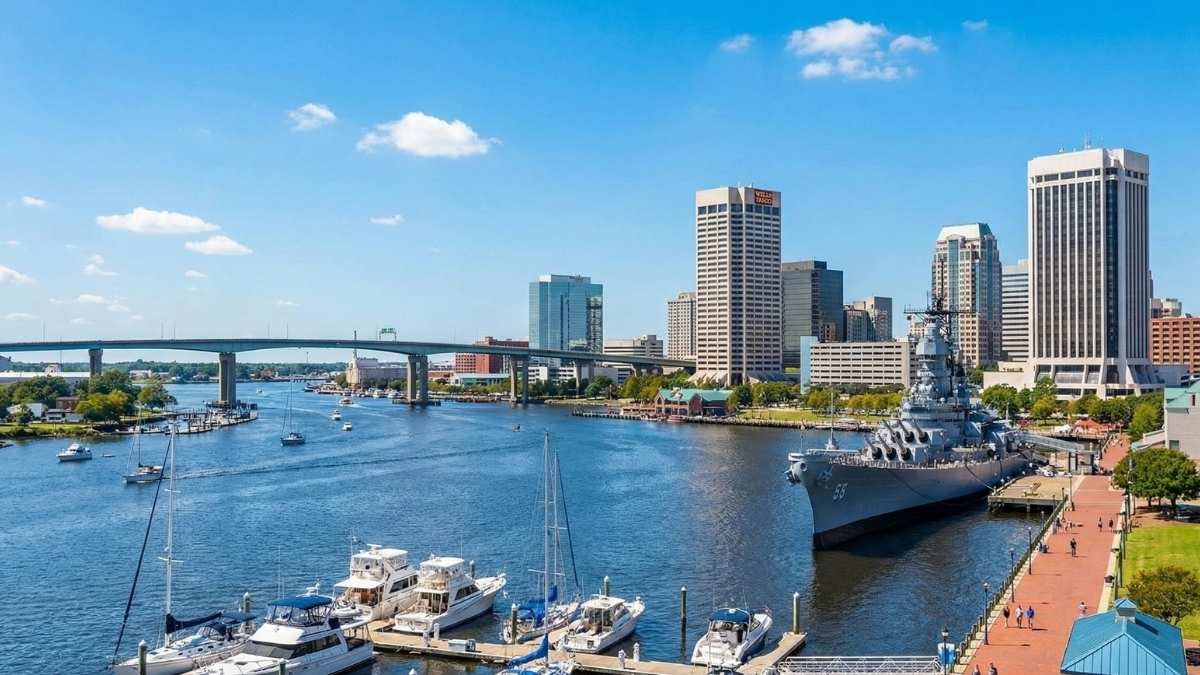
Norfolk experiences some of the fastest sea-level rise on the East Coast, and locals know it. Flooding happens during routine rainstorms, not just hurricanes. Streets, naval facilities, and neighborhoods are already adapting—but the water keeps coming.
Visitors often notice it firsthand: water pooling where roads dip, docks sitting higher than the streets. Yet Norfolk remains vibrant, with waterfront parks, museums, and a strong naval presence shaping its identity.
Tourism here is driven by curiosity and realism. People aren’t coming for denial—they’re coming to see how a modern American city is trying to stay ahead of the water.
Quick Facts
- Best months to visit: April–October
- Biggest threat: Rapid sea-level rise
- Why visitors are rushing: Visible climate adaptation in action
- Must-see now: Waterfront & historic districts
- Travel tip: Plan routes around flood-prone areas
9. Charleston, South Carolina
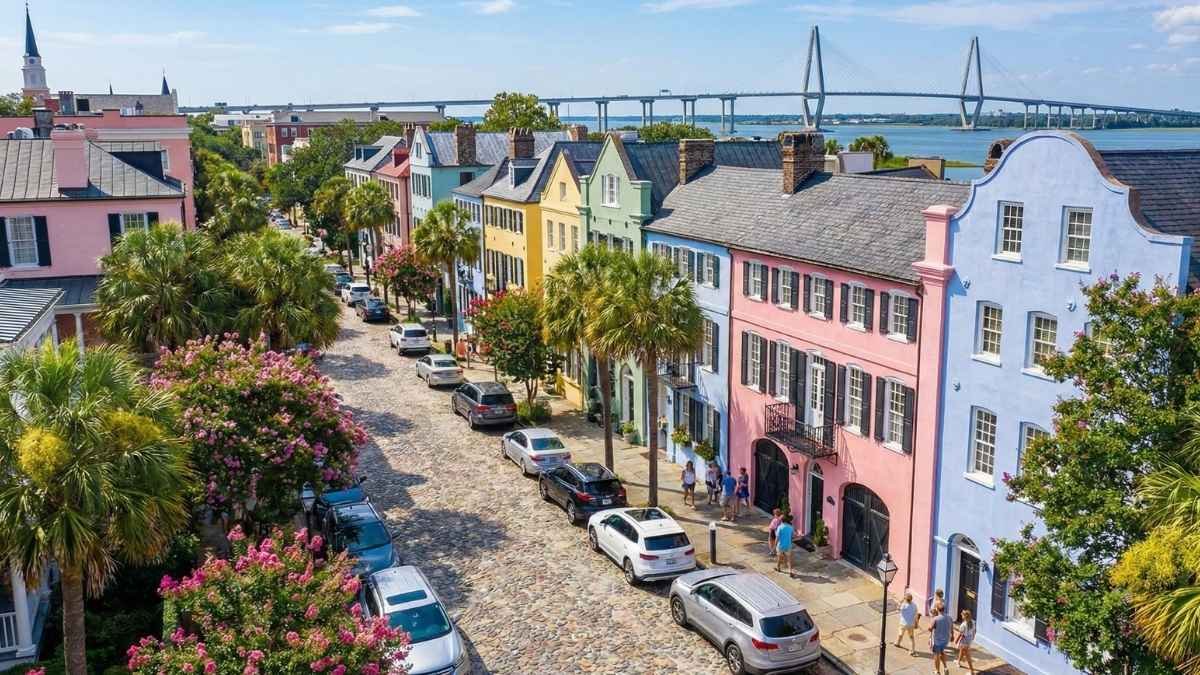
Charleston’s beauty is impossible to ignore, but so is the flooding. Cobblestone streets and pastel homes now regularly deal with saltwater during high tides. The city’s history was built around water, and now that relationship is becoming risky.
Visitors still flock to its architecture, food scene, and coastal charm. The difference today is how often flooding becomes part of the experience. Seeing water creep through historic streets adds urgency to every visit.
Charleston feels like a place balancing elegance with exposure. People want to experience its charm while it’s still intact—and recognizable.
Quick Facts
- Best months to visit: March–May, September–November
- Biggest threat: Tidal flooding & storm surge
- Why visitors are rushing: Historic charm at risk
- Must-see now: Historic downtown
- Travel tip: Expect street flooding during high tides
10. Galveston, Texas
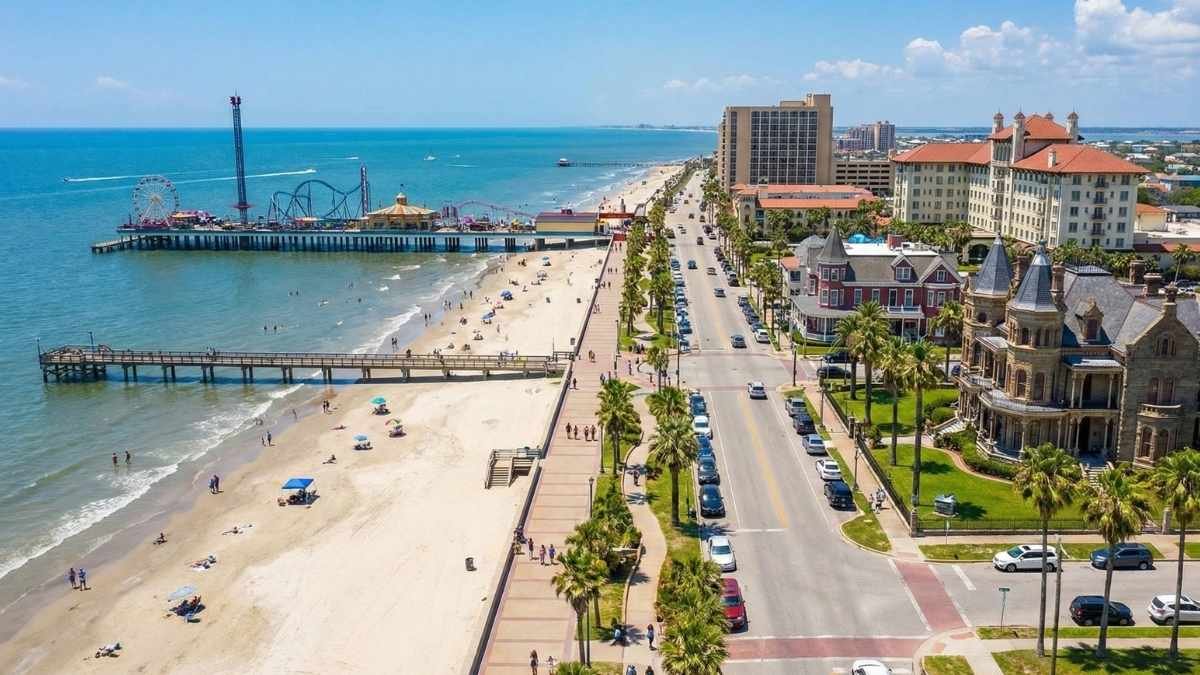
Galveston has faced destruction before and rebuilt each time. But rising seas and intensifying storms are testing that resilience again. Barrier islands like Galveston are naturally vulnerable, and climate change is amplifying the risk.
Tourists still come for beaches, cruises, and Victorian-era architecture. The city feels lively and welcoming, yet reminders of past hurricanes—and future threats—are everywhere.
Galveston attracts visitors who understand that coastal beauty often comes with consequences. It’s a place people want to enjoy now, knowing the coastline may look very different later.
Quick Facts
- Best months to visit: April–June, September–October
- Biggest threat: Hurricanes & storm surge
- Why visitors are rushing: Historic island city
- Must-see now: Strand Historic District
- Travel tip: Monitor weather forecasts closely
11. Hilton Head Island, South Carolina
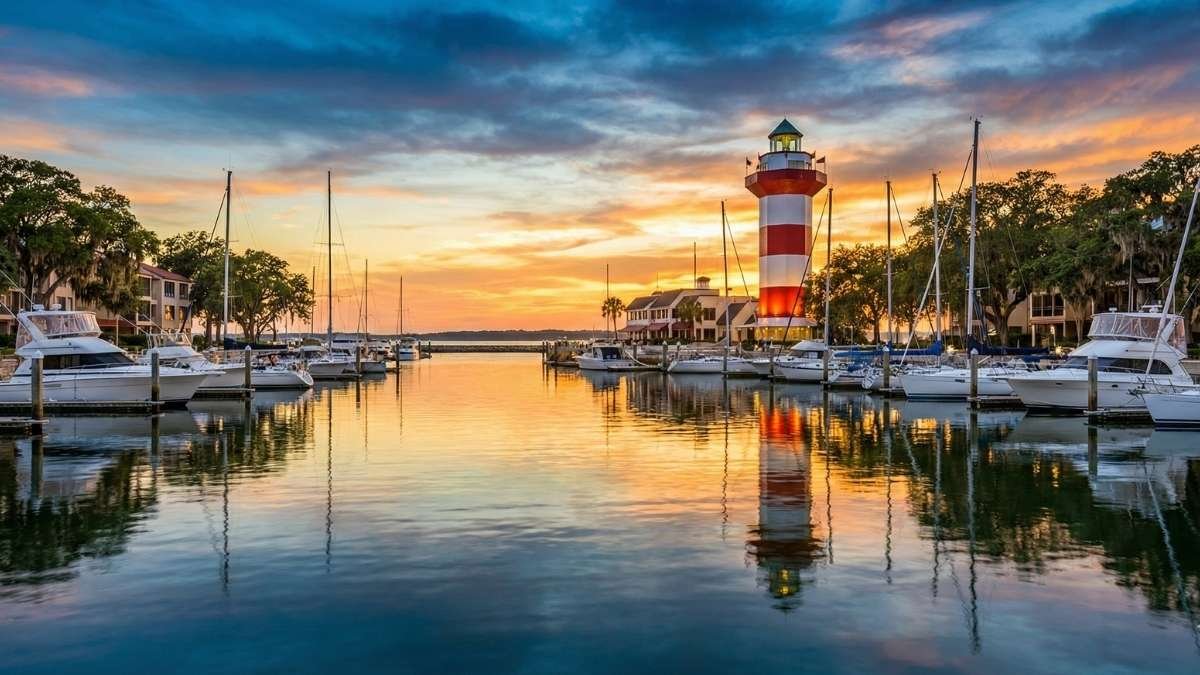
Hilton Head sells calm: bike paths under oak trees, quiet beaches, and resorts designed to blend into the landscape. What many visitors don’t realize at first is how low the island actually sits. Much of it rises only a few feet above sea level, making flooding an increasing concern during storms and king tides.
The island has already started adapting—raised roads, reinforced dunes, and tighter building rules—but nature is setting the pace. Saltwater intrusion threatens freshwater systems, and shoreline erosion continues despite preservation efforts. None of this has stopped travelers yet.
In fact, the appeal feels stronger now. Hilton Head offers a version of coastal living that feels gentle and orderly, and people want to experience that balance before rising seas make it harder to maintain.
Quick Facts
- Best months to visit: April–May, September–October
- Biggest threat: Sea-level rise & erosion
- Why visitors are rushing: Pristine, low-key coastal lifestyle
- Must-see now: Bike-friendly beach paths
- Travel tip: Avoid peak hurricane months when tides are highest
12. Cape May, New Jersey
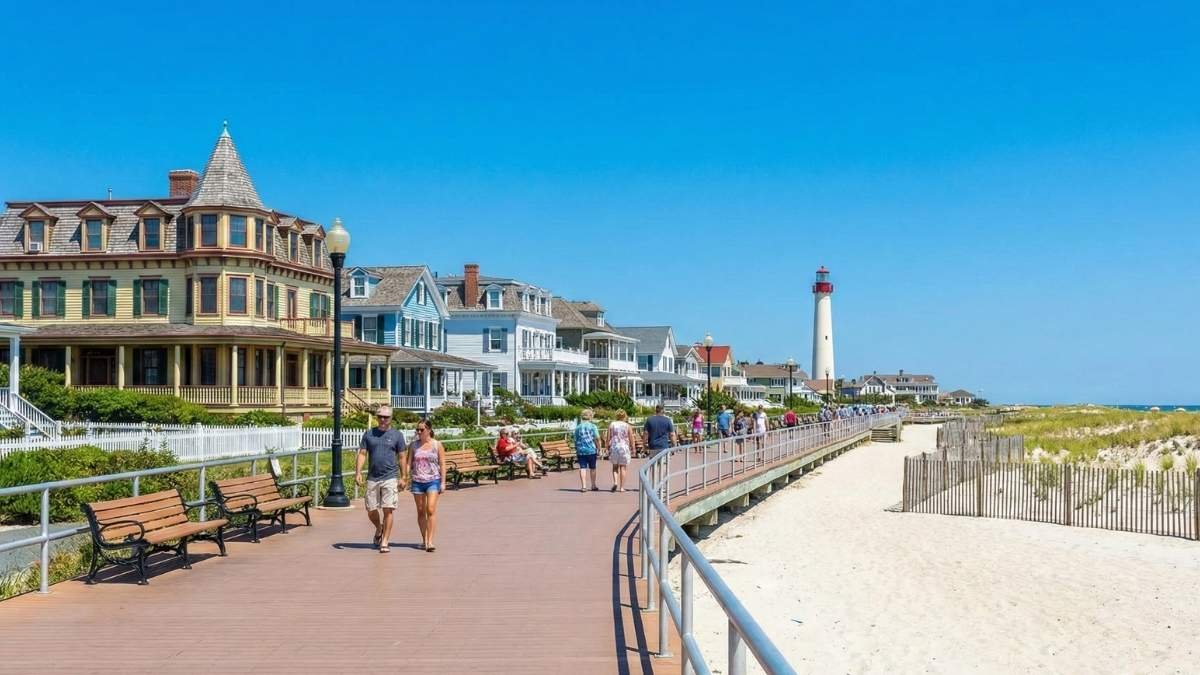
Cape May feels like a postcard that somehow stayed intact. Victorian homes, wraparound porches, and quiet beaches give it a timeless charm. Yet beneath that beauty lies a vulnerability shared by many East Coast towns—low elevation and increasing coastal flooding.
Storm surge and erosion have already reshaped parts of the shoreline, and future projections aren’t comforting. Still, visitors keep coming, drawn by the town’s elegance and slower pace. There’s a sense that Cape May represents an older version of American seaside life, one that’s becoming rare.
People walk the beaches a little more slowly here, linger a bit longer on porches, and take more photos than usual. Not out of fear—but out of appreciation.
Quick Facts
- Best months to visit: May–September
- Biggest threat: Coastal flooding & erosion
- Why visitors are rushing: Historic seaside charm
- Must-see now: Victorian Historic District
- Travel tip: Book early during summer—limited inventory