
6 Slow-Travel Habits That Stretch a Week’s Budget Into a Month


If you want to travel for a month without spending a fortune, stop booking standard one-week vacations.
Most people blow their entire travel fund on resort hotels, daily restaurant meals, and rushed taxi rides between overpriced sights.
The math is simple: a standard week costs roughly twelve hundred dollars, while a slow month in the right rental apartment can cost less once you cut out daily transit and tourist markup.
Rent a kitchen, shop at neighborhood markets, ride local buses, cook your own breakfasts, walk the side streets, and stay in one place long enough to get your bearings.
This guide breaks down six concrete habits that stretch a modest budget across four full weeks.
Quick Tips Before You Start
Book Longer
Target monthly rentals to unlock massive weekly and monthly discounts.
Shop Local
Buy produce from neighborhood street markets instead of downtown supermarkets.
Ditch Taxis
Use municipal buses and commuter trains for all regional transit.
Self-Cater
Prepare breakfast and lunch at home so you can splurge selectively on dinners.
How Far Does a Monthly Budget Actually Go?
A standard seven-day trip forces you to cram activities together, which burns cash on transit and entry fees.
Spreading your fixed costs over thirty days changes the daily average drastically. Rent drops by thirty to forty percent when you secure monthly rates on apartment platforms.
Grocery stores replace restaurants for eighty percent of your meals, keeping food costs low without sacrificing quality.
Slow-Travel At a Glance
Neighborhood Base Example
Save this neighborhood layout to find residential apartment rentals away from tourist zones.
1. Rent Whole Apartments Through Local Platforms
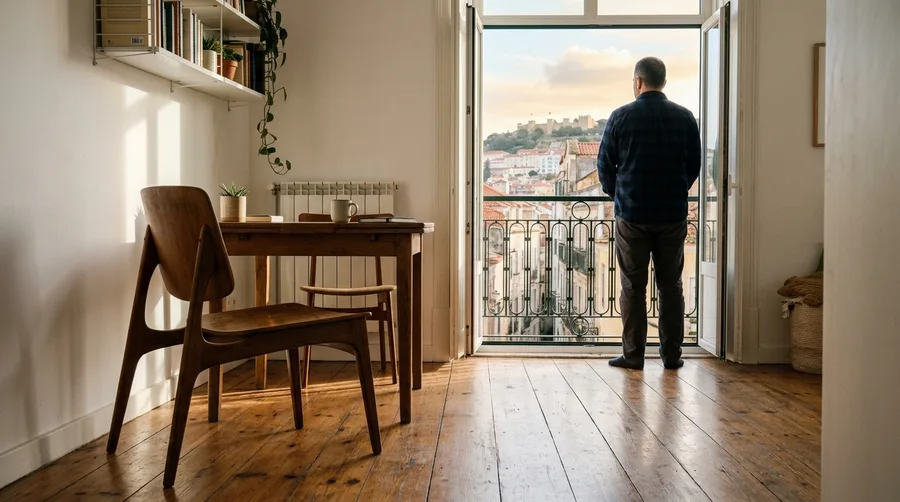
If you do one thing here, do this: avoid hotels entirely when you are stretching your money across a full month on the road. Hotels charge daily rates that include staff overhead, breakfast buffets you might skip, and steep premium taxes that drain your wallet in days. Search instead for residential apartments slightly outside the historic center where rents drop by half and grocery stores serve actual residents.
Always message hosts directly to negotiate a weekly or monthly rate before clicking book. Many property owners prefer guaranteed thirty-day occupancy over sporadic weekend guests and will slash prices accordingly, though you must be ready to handle minor maintenance issues yourself since you lack front desk support.
💡 Tip: Look for kitchens equipped with real ovens and sharp knives to make home cooking viable.
💡 PRO TIP
Negotiate Direct With Apartment Hosts
Message property managers off-peak to ask for direct monthly pricing. You can often bypass platform service fees entirely.
2. Master the Neighborhood Open-Air Market
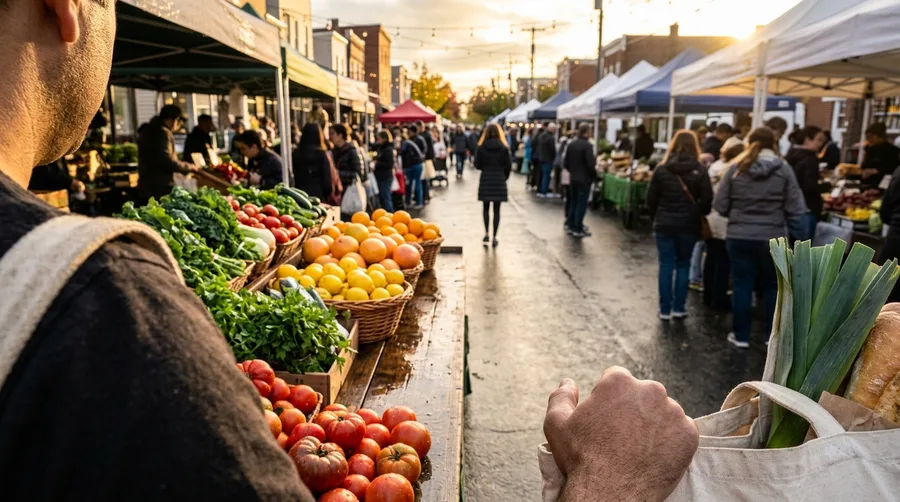
After navigating those sterile tourist-district supermarkets where fresh produce is marked up by two hundred percent, step into the neighborhood open-air market instead.
Arrive an hour before closing time when vendors slash prices on ripe fruit and leftover greens to clear their stalls for the evening.
Bring a sturdy canvas tote bag and exact cash in local currency to move quickly through busy rows while buying seasonal ingredients that keep your grocery bill low.
💡 Tip: Observe which stall has the longest line of elderly locals—that is where the best quality and price meet.
Vendor Realities
3. Commit Exclusively to Municipal Transit
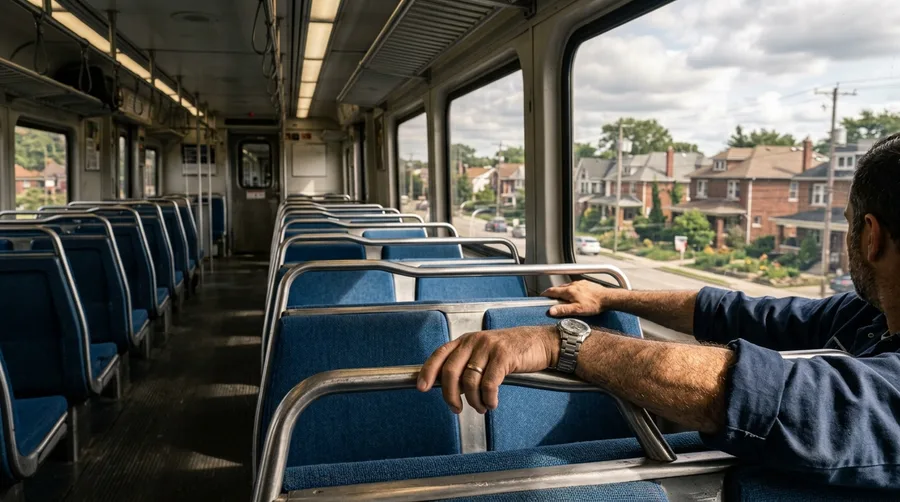
Zero dollars on rideshares will save you over two hundred pounds by the end of your second week.
Taxis and rideshares drain travel funds faster than almost any other daily expense, turning short hops into major budget leaks.
Buy a monthly transit pass on your second day in town and learn how the bus and tram networks function before you head out.
Download offline transit maps so you never have to rely on roaming data while navigating transfers.
Walking the intermediate miles between transit stops reveals neighborhood bakeries and parks you would otherwise miss from a car window.
💡 Tip: Ask station attendants for regional transit cards instead of single-ride tickets to save up to fifty percent per trip.
⚠️ COMMON MISTAKE
Avoid Airport Express Trains
Tourist express trains charge triple the rate of standard commuter lines. Take local regional buses for airport transfers instead.
4. Adopt the Split-Day Routine
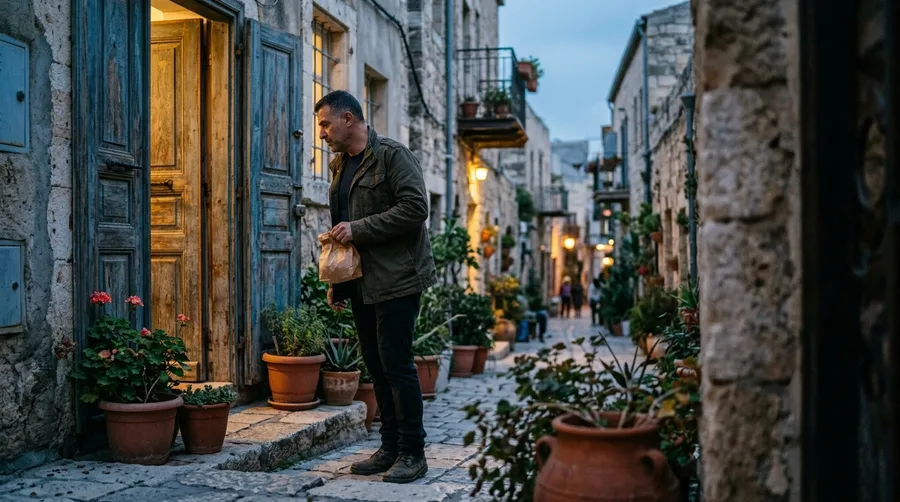
You will smell the fried dough and strong espresso long before you reach the corner bakery. Rushed travelers pay premium prices for midday meals and taxis because they try to see everything between ten and four, but slow travel means treating your destination like a place you actually live in.
Wake up early, visit outdoor sights before the crowds arrive, and head back to your apartment by noon for lunch and rest. Step back outside around four in the afternoon when local shops reopen and streets fill with evening strollers, grabbing a warm pastel de nata for about one euro fifty to keep you going until dinner.
💡 Tip: Use the midday break to cook your main meal and catch up on administrative tasks or laundry.
⏰ The Slow-Day Rhythm
Morning Market
Walk to the local bakery and produce stall before nine o'clock.
Morning Outing
Explore one park or museum while crowds remain thin.
Midday Pause
Return home for lunch, cooking, and rest during peak heat.
Evening Stroll
Join locals for the evening walk through neighborhood plazas.
5. Swap Restaurant Dinners for Neighborhood Cafes
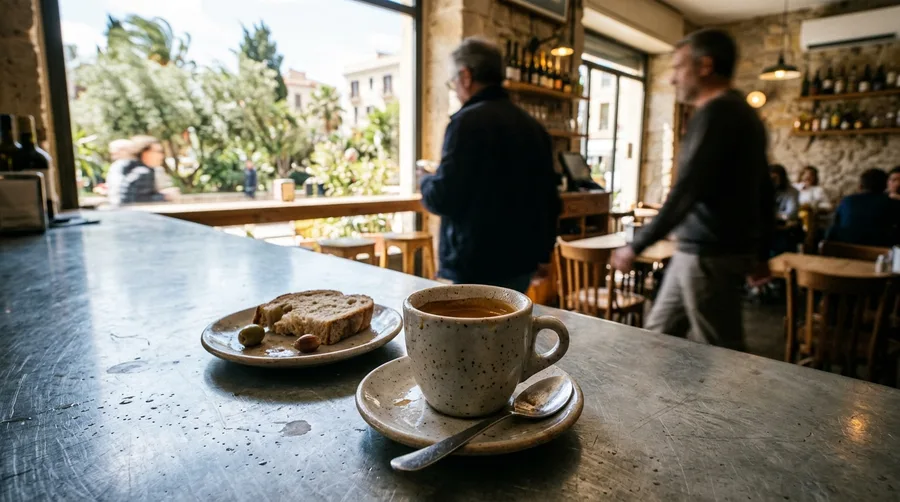
Eating out three times a day will destroy a monthly budget within the first week.
Reserve sit-down restaurant meals for special occasions or lunch menus where fixed-price specials cost a fraction of dinner prices. Eat breakfast at home with ingredients from the market and pack a simple lunch for afternoon walks. Stop at neighborhood bars for an afternoon espresso or house wine during aperitivo hour when small plates come included with your drink.
You get the social experience without paying full dinner prices.
💡 Tip: Look for the daily set lunch menu posted outside chalkboard doors for the best local value.
Tourist Spending vs. Slow Travel
Tourist Habit
- Eating three restaurant meals daily
- Taking taxis between major landmarks
- Booking nightly hotels in city centers
- Buying bottled water and snacks on the go
Slow Habit
- Cooking breakfast and lunch at home
- Using monthly municipal transit passes
- Renting residential apartments long-term
- Packing a reusable bottle and market snacks
6. Build a Local Routine and Stick to It
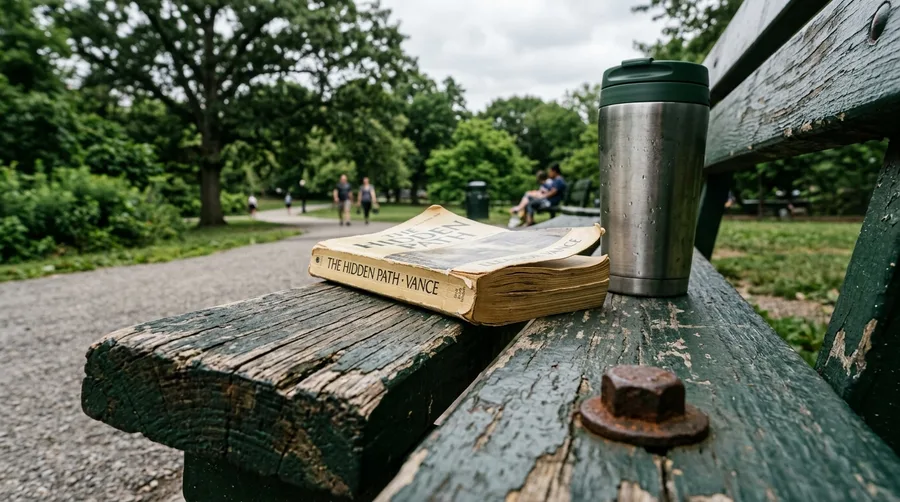
Why spend your entire travel fund chasing fleeting attractions when you can just settle down?
The fastest way to drain your bank account is constantly moving from one paid venue to the next.
Find a neighborhood park, a local bakery, and a quiet square, then visit them every single day without fail.
Baristas and shopkeepers will start recognizing you by your second week, often pointing you toward free community events and affordable spots tourists never see.
Familiarity breeds contentment, cutting down the psychological urge to buy experiences you do not actually care about while making a month lived deeply in one neighborhood beat ten cities skimmed from a tour bus.
💡 Tip: Learn five basic phrases in the local language for greetings and market transactions.
Monthly Budget Impact
How slow habits change your financial footprint
Frequently Asked Questions
How do I secure monthly discounts on rental apartments?
Message property hosts directly through booking platforms before reserving. Ask if they offer reduced rates for stays of twenty-eight days or longer, as many prefer guaranteed occupancy over empty weekends.
Is it difficult to cook meals in foreign rental kitchens?
Most apartments provide basic cookware, but you should check listing photos for essentials like a stove and sharp knife. Shopping at local markets makes ingredient selection simple and affordable.
How much money do I need saved for a slow-travel month?
A realistic budget ranges between twelve hundred and fifteen hundred dollars total when you secure discounted rent, cook most meals at home, and use public transit exclusively.
Do I need to speak the local language to live abroad?
Basic phrases for greetings, numbers, and market transactions are enough to get by. Translation apps handle more complex interactions while you learn on the ground.
How do I handle laundry during month-long stays?
Look for apartments equipped with a washing machine or locate the nearest neighborhood laundromat on your second day in town to avoid hotel laundry fees.
Your First Month of Slow Travel
Stretching a week’s budget into a month is not about deprivation; it is about slowing down and living like a resident.
Pick one neighborhood, rent a kitchen, shop the local stalls, and let the city unfold around you at a human pace.