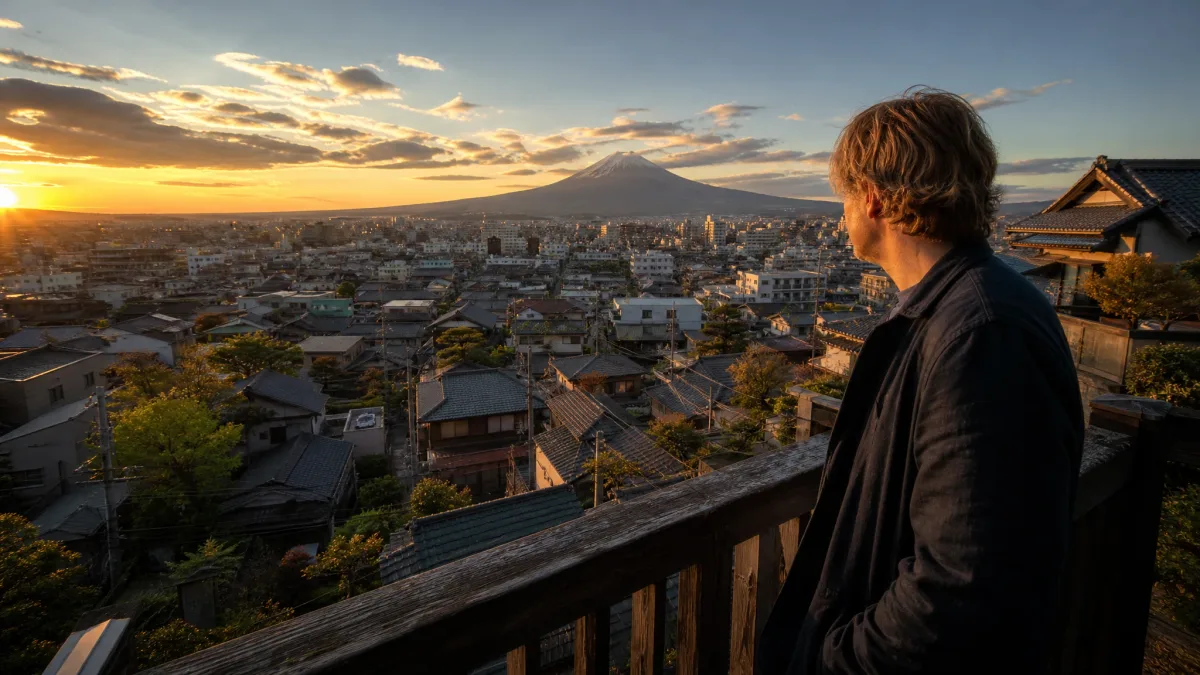
Living in Japan | The Truth About the World’s Most Disciplined Society

A rusted bicycle sits unlocked outside a Shibuya convenience store with its front wheel secured by nothing more than a flimsy wire lock.
Living in Japan means trading the chaotic friction of Western cities for a deeply ordered social contract that governs everything from strict garbage sorting schedules to silent train carriage etiquette. You will learn how this high-discipline society actually functions beneath the polite surface, what it costs its residents to maintain that relentless harmony, and whether you can genuinely build a life there without losing your mind.
Japan Living Quick Planning Guide
The Mechanism of Shared Silence
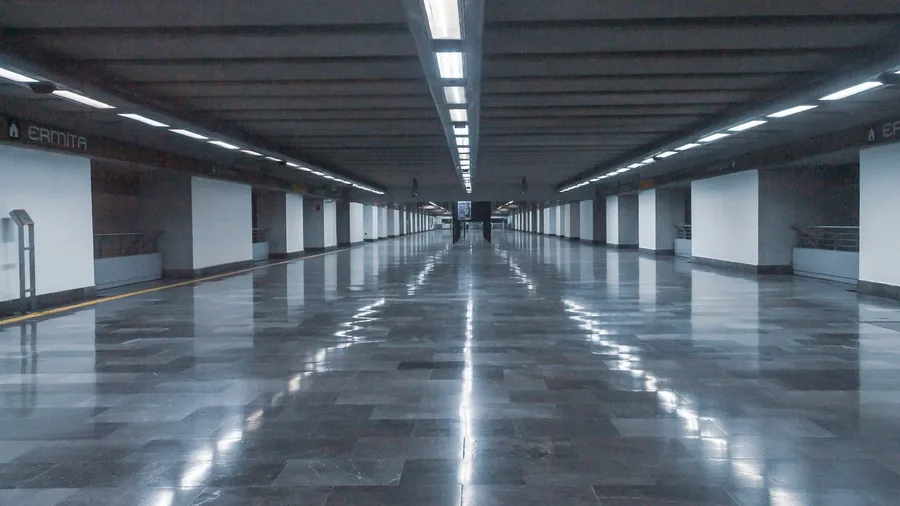
Social discipline in Japan starts with the concept of meiwaku, meaning the avoidance of causing trouble or inconvenience to others around you.
This single cultural anchor explains why phone calls are banned on commuter trains and why trash cans vanished from city streets decades ago. When you remove individual friction from public spaces, a city of fourteen million people moves with the fluidity of a single organism.
You stop viewing these rules as restrictions once you realize they protect your own peace of mind.
You can live in Japan for twenty years and speak fluent Japanese, but you will always be a welcomed guest rather than a local.
— The Long-Term Expat Realist Rule
Major Transit Hubs and Neighborhood Layouts
Save this central Tokyo hub map before navigating the commuter network.
Navigating the Strict Trash and Recycling Code

Your local municipality issues a 40-page booklet detailing how plastic bottles must have their labels peeled off and caps separated into distinct bins.
Burnable garbage goes out only on specific mornings, and missing the 8:00 AM window means storing your kitchen waste in your apartment for another three days.
Neighbors check community collection points, and failing to sort your recyclables brings a polite yet stern warning note taped directly to your apartment mailbox.
⚠️ COMMON MISTAKE
Ignoring Local Garbage Sorting Rules
Never mix plastics with burnables. Local neighborhood associations inspect collection sites daily, and improper sorting results in rejected bags left on the curb.
Renting an Apartment as a Foreigner

Landlords require key money, known as reikin, which is a non-refundable gift of one to two months’ rent paid directly to the property owner.
You also need a local guarantor service or a corporate sponsor to sign your lease agreement, alongside two months of security deposit and agency fees.
Budget an initial startup cost of roughly 600,000 yen just to secure a standard one-room apartment in central Tokyo.
Tokyo Rental Move-In Costs — At a Glance
💵 Refundable Deposit
Zero to minimal return
🎁 Owner Gift
Permanently lost funds
🤝 Brokerage Cut
Due upon lease signing
🛡️ Company Backing
Required yearly renewal
Minimum Startup
Roughly 600,000 yen needed before furniture or moving trucks enter the picture.
The Reality of Workplace Hierarchies
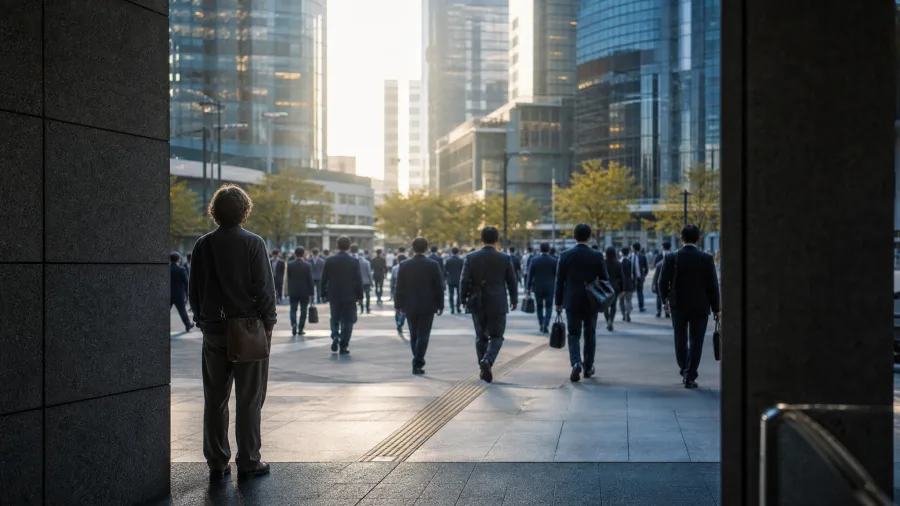
Office culture revolves around strict seniority-based promotion tracks and mandatory after-work nomikai drinking sessions with your direct supervisors.
Leaving the office before your manager stands up to depart is viewed as breaking team solidarity, regardless of whether your assigned daily tasks are finished.
You learn to master indirect communication, reading subtle contextual cues rather than relying on direct confrontation to resolve professional disagreements.
💡 PRO TIP
Decoding Indirect Office Feedback
When a Japanese colleague says 'ma-ma' or hesitates before answering, stop pushing. That is your cue to back off and find an alternative solution without forcing a direct confrontation.
Neighborhood Integration and Chonaikai Duties
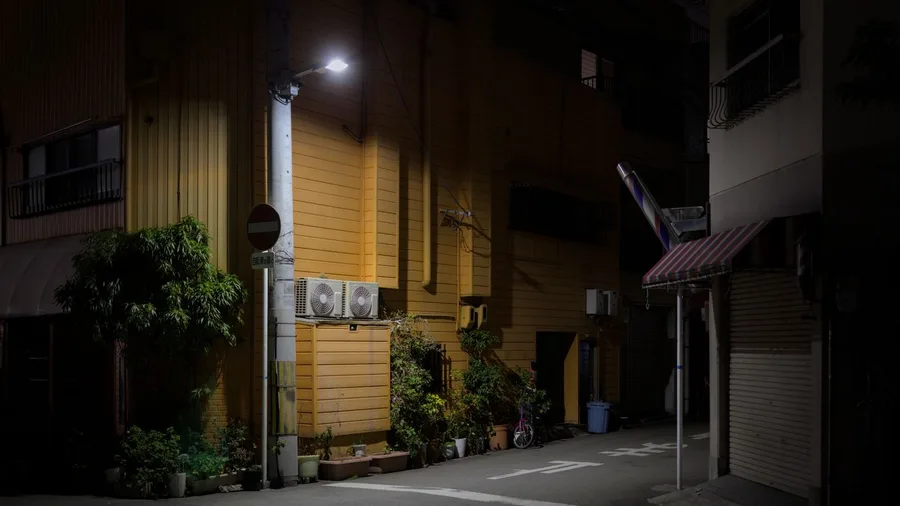
Living in a residential suburb requires joining the local chonaikai neighborhood association and paying monthly dues of around 500 yen.
Members take turns cleaning local streets on Sunday mornings and participating in disaster preparedness drills held at the neighborhood park.
Skipping these community obligations makes you an outsider, while active participation earns immediate trust from local shopkeepers and elderly residents.
Neighborhood Etiquette Essentials
Mastering Public Transit Rules
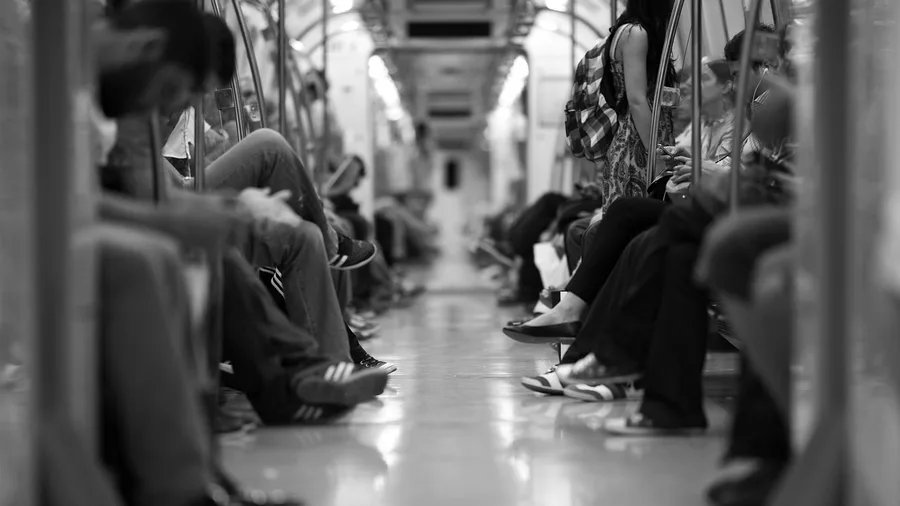
Trains and subways run with miraculous second-by-second precision, but the unwritten behavioral code inside carriages is absolute.
Phones must be set to silent mode, phone calls are strictly prohibited in seating areas, and backpacks must be worn on your front during peak rush hours to save space.
Failing to observe these simple courtesies draws immediate stares and silent social ostracization from everyday commuters.
🗺️ Your First Month Adaptation Timeline
Week 1
Secure an IC transit card and learn the local municipal garbage sorting guidelines.
Week 2
Register your address at the local city ward office and enroll in national health insurance.
Week 3
Open a local bank account and purchase a Japanese phone number with data.
Week 4
Introduce yourself to your immediate neighbors and join the local chonaikai association.
Evaluating the Pros and Cons of Japanese Social Order
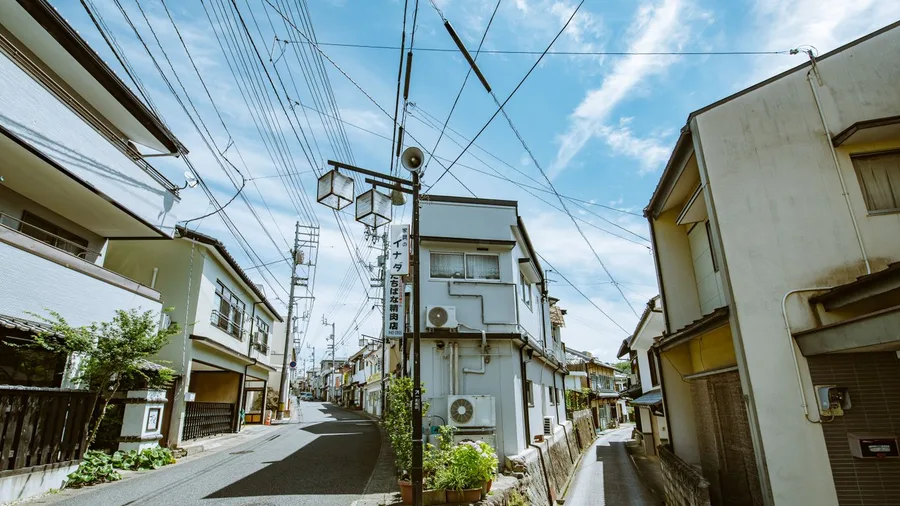
Safety and order carry a psychological cost that most people do not calculate until they have lived through a full winter.
Living in a high-discipline society provides extraordinary personal safety, spotless streets, and a deep sense of communal respect that few other countries match.
However, the relentless pressure to conform and suppress individual expression can weigh heavily on expats over extended periods.
You must decide whether the comfort of safety outweighs the exhaustion of constant social vigilance.
The Trade-Offs of Daily Life in Japan
The Advantages
- Immaculate public safety and zero street crime
- World-class public transit running on exact schedules
- High culinary standards at every price point
- Predictable and clean neighborhood environments
The Challenges
- Exhausting social pressure to conform to group norms
- Rigid corporate hierarchies and long working hours
- Complex bureaucratic paperwork for basic residency needs
- Lingering social barriers for foreign residents
Refining Your Approach to Long-Term Residence
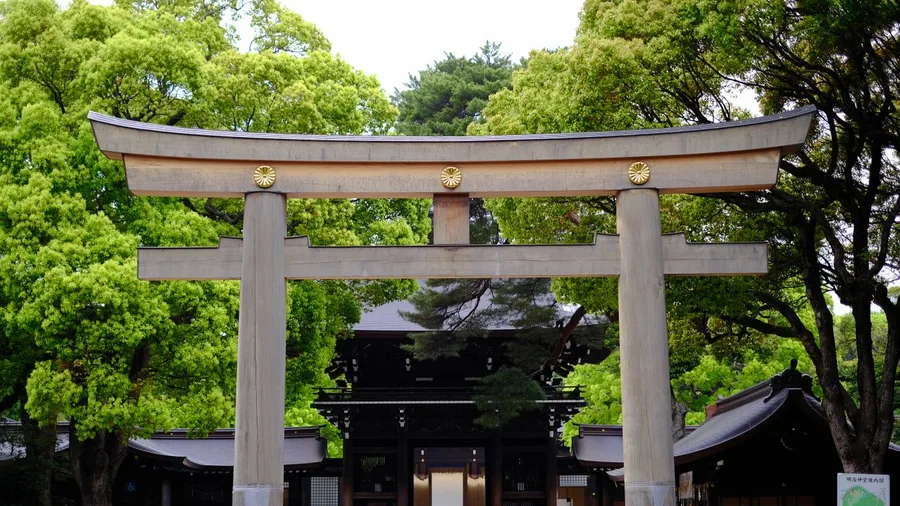
Long-term survival here means dropping the need to be right and adopting local rhythms without asking for a personal exception.
Adapting to life in the world’s most disciplined society requires patience, humility, and strict attention to local social cues.
Accept that you will occasionally make mistakes, apologize quickly with a sincere bow, and adjust your habits to match your community.
Embrace the structure, respect the unwritten rules, and you will find peace within the order.
Frequently Asked Questions
Do I need to speak fluent Japanese to live comfortably?
Basic conversational skills and reading katakana/hiragana are essential for daily life. While central Tokyo has English signage, municipal paperwork and neighborhood meetings require Japanese.
How much money do I need saved before moving to Japan?
You should have at least 600,000 to 1,000,000 yen saved to cover high upfront rental costs, insurance, and three months of living expenses before finding stable income.
Is tipping expected in restaurants or taxis?
Tipping does not exist in Japan and can cause confusion or offense if left behind. Service staff will chase you down the street to return extra money left on a table.
How strict are the garbage disposal laws really?
Very strict. Municipalities enforce sorting categories with neighbor monitoring, and improper trash disposal can lead to official warnings from your landlord.
Can foreigners easily integrate into local neighborhoods?
Integration takes time and active participation in local events like neighborhood cleanups. Respecting community norms breaks down social barriers over the years.
Refining Your Approach to Japanese Residency
If I were starting over today, I would spend six more months studying intermediate kanji before signing a lease instead of struggling with municipal forms in my first week.
Embracing local discipline early turns culture shock into sustainable daily rhythm.