Top 15 Historic Cities in Europe That Feel Like Time Travel

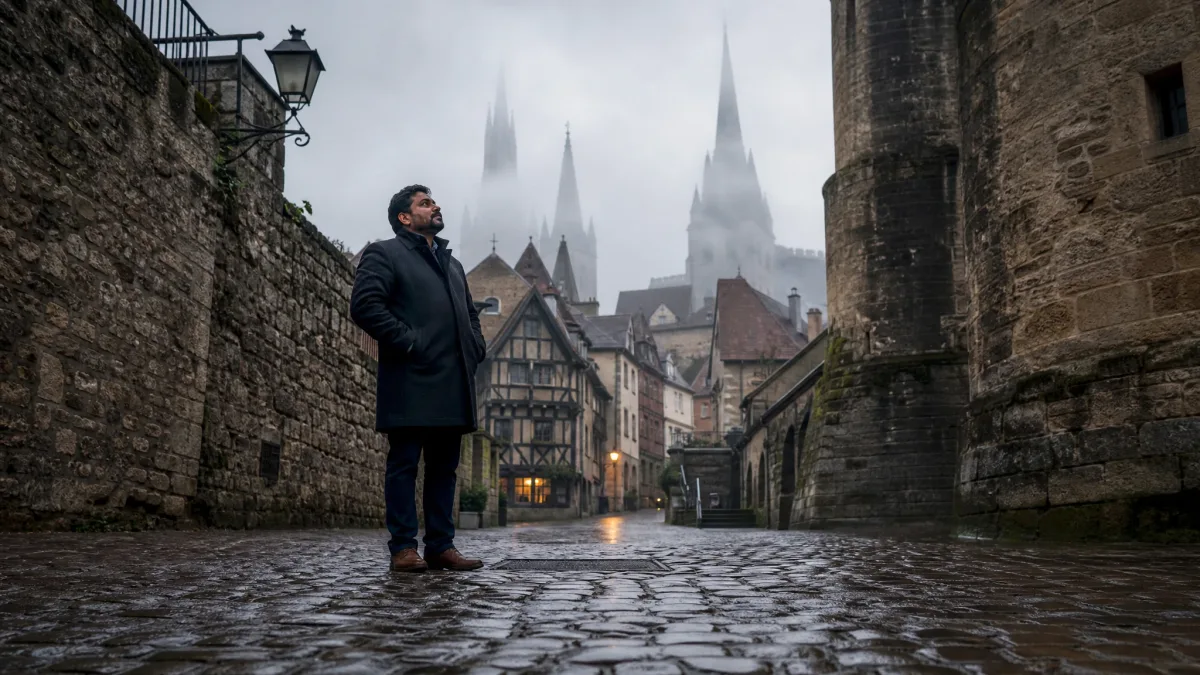
Fifteen distinct historic urban centers await across the continent, connected by a typical 10-day multi-city budget ranging from $2,500 to $4,000 per person.
Stepping onto an uneven cobblestone street surrounded by towering medieval fortifications offers an immediate sense of journeying into the past.
Commercial developments and heavy summer crowds often threaten to break this illusion during peak months.
Fifteen historic European cities retain remarkably preserved architecture, medieval layouts, and atmospheres that genuinely feel like time travel.
You can skip the crowded tour bus, walk across ancient stone bridges, explore hidden Gothic courtyards, climb medieval fortress walls, and sample local street food across these remarkable destinations.
Historic Europe Quick Planning Guide
How Far Is the Average Historic Europe Itinerary?
A typical multi-city journey spans several countries or distinct regions over ten days.
Trip budgets average $2,500 to $4,000 per person for a 10-day multi-city itinerary including mid-range accommodation and regional transport.
Plan your transit legs carefully to avoid spending half your vacation sitting on a regional train.
Daily walking amounts range from 8 to 15 kilometers across uneven cobblestone streets and ancient fortifications.
You will find that packing light pays off immediately when you hoist your bag onto regional rail platforms without elevators.
Map out connections a week in advance rather than trusting same-day ticket kiosks at busy terminal stations during peak hours.
Quick Tips Before You Start
Footwear Matters
Wear sturdy walking shoes with thick rubber soles to handle uneven medieval cobblestones.
Beat the Crowds
Arrive at major historic sites before 8:30 AM to experience the architecture without tour groups.
Carry Cash
Keep local currency on hand for small bakeries and historic entry fees in smaller towns.
When Is the Best Time to Tour Historic European Cities?
Peak tourist crowds occur from June through August across almost every major destination.
Shoulder seasons in May and September offer balanced atmospheric conditions and manageable crowds.
Temperatures remain comfortable for long walking days without the intense heat of midsummer.
You will dodge the midday tour bus traffic entirely by starting your museum visits before nine in the morning.
Booking your accommodation six months ahead during these shoulder months secures mid-range pricing without unwanted surprises.
⚠️ COMMON MISTAKE
Avoid Midday Bridge Crossings
Trying to cross major historic bridges between 11:00 AM and 4:00 PM guarantees heavy crowds and slow movement.
Historic Europe Route Map
Save this route map before you go to navigate regional travel connections.
| City | Primary Era | Best Season to Visit | Estimated Daily Budget |
|---|---|---|---|
| Prague | Gothic and Baroque | May or September | $250 – $400 |
| Cesky Krumlov | Renaissance | May or September | $200 – $350 |
| Dubrovnik | Medieval Maritime | Shoulder Season | $300 – $450 |
| Edinburgh | Medieval and Victorian | Autumn | $250 – $400 |
Central European Fairytale Strongholds
Central Europe harbors some of the most intact medieval urban layouts on the continent.
These four destinations combine Gothic fortifications, river valleys, and preserved merchant quarters.
1. Prague Feels Like a Gothic Movie Set

Mist rises off the Vltava River as the first morning light hits the gothic spires of Prague Castle.
Prague features extensive preservation of the Old Town and Prague Castle complex.
The urban core spans Gothic and Baroque architecture across multiple centuries.
High tourist density requires early morning exploration to experience the medieval core.
Daily walking amounts range from 8 to 15 kilometers across uneven cobblestone streets and medieval fortifications.
💡 Tip: Cross Charles Bridge before 7:00 AM to photograph the stone statues without tour groups.
Historic Core Metrics
Key figures for planning your medieval city tour
2. Cesky Krumlov is a Pocket-Sized Bohemian Dream
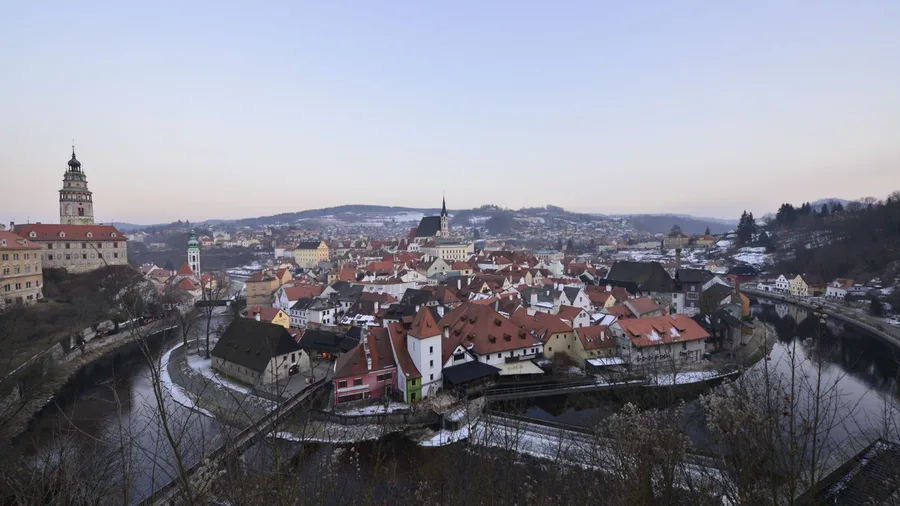
While Prague demands a massive daily mileage of walking across sprawling urban quarters, this southern Bohemian bend compresses its entire historic visual payoff into a tightly contained peninsula where the river does all the framing. You walk across a single stone footbridge and immediately find yourself beneath a towering Renaissance and baroque castle complex that dominates the entire skyline from its limestone bluff.
The heavy daytime tour buses depart by late afternoon, leaving the winding alleys quiet for an overnight stay that fits comfortably inside a broader 10-day multi-city budget averaging $2,500 to $4,000 per person with mid-range accommodation.
Cesky Krumlov — At a Glance
🥾 Footwear Need
Flat-soled boots for steep cobblestones
🚌 Crowd Window
10:00 to 16:00 peak bus hours
🚶 Access Rule
Pedestrian-only historic core
Skip This
Midday souvenir shops along the main bridge lane.
3. Rothenburg ob der Tauber Preserves the 17th Century
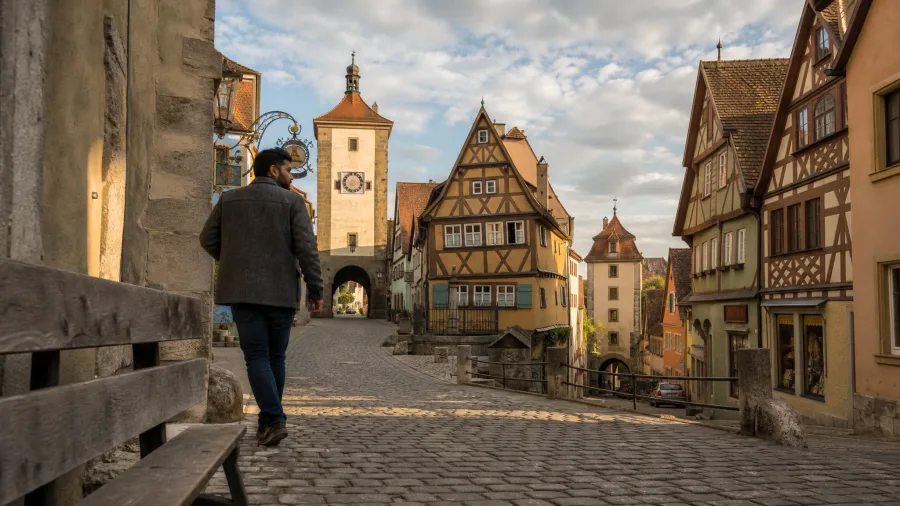
Rothenburg answers that question by keeping its entire circuit of 17th-century ramparts completely intact, allowing you to walk right along the covered defensive timber walkways where sentinels once stood during the Thirty Years War.
Every single half-timbered house, gabled roofline, and double-arched stone intersection like the famous Plonlein remains untouched by modern rebuilding, holding its authentic atmosphere completely steady.
The daytime tourist crowds vanish entirely after late afternoon, making shoulder seasons like May and September the ideal time to experience the quiet evening ambiance without paying a single cent for admission.
4. Tallinn Packs Hanseatic Charm into the Baltics
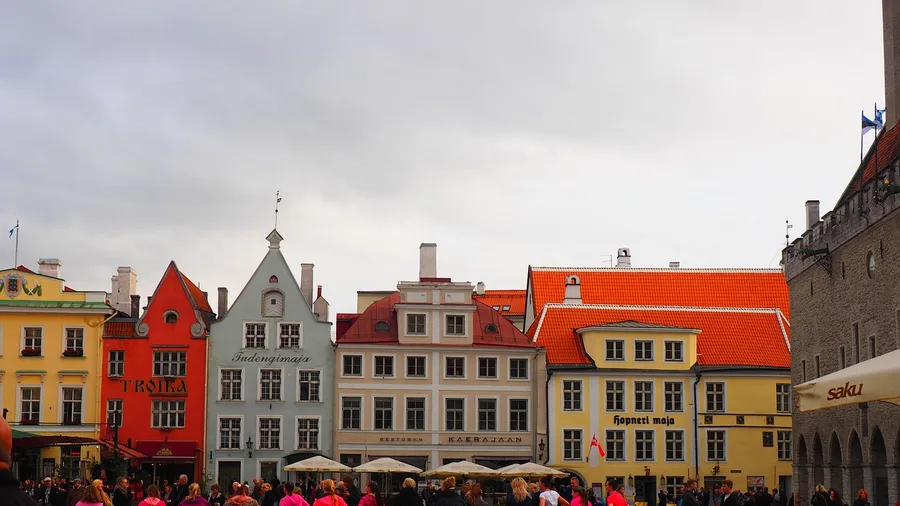
Grab a bench near the perimeter wall and watch the Baltic maritime history unfold across the soaring church spires and massive stone defensive bastions of the lower town. This Hanseatic merchant capital rewards slow observation far more than rushed sightseeing.
Intact structures like the heavy stone Fat Margaret tower anchor a compact upper and lower layout where you can comfortably spend hours resting your feet after covering the typical 8 to 15 kilometers of daily urban exploring.
True historic immersion happens in the quiet hours between dawn and the arrival of tour buses.
— Essential Travel Rule
Mediterranean and Adriatic Walled Citadels
Southern European fortifications reflect centuries of maritime trade and coastal defense.
These four coastal cities offer dramatic stone architecture framed by blue waters and rugged terrain.
5. Dubrovnik Commands the Adriatic Sea
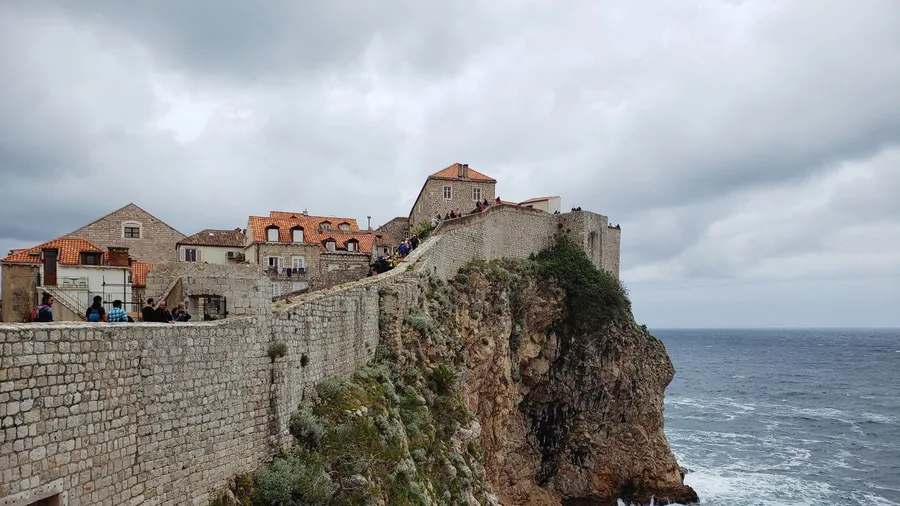
Thousands of daily visitors arrive during the peak summer months of June through August, forming dense queues at the massive medieval stone walls that surround the entire old town. Shifting southward from northern brick fortresses brings you to these imposing limestone ramparts guarding the Adriatic Sea, where strict municipal regulations preserve the uniform historical roofscape of the ancient maritime republic.
Polished limestone pedestrian streets like the Stradun traverse closely packed baroque limestone buildings that reflect the intense Mediterranean sun. Walking these ancient corridors requires pacing yourself through steep alleys and stone stairways.
Planning your visit for the shoulder seasons of May or September helps you avoid the heaviest crowds while maintaining authentic atmospheric conditions along the coast.
🌱 GROWING TIP
Shoulder Season Advantage
Visiting Dubrovnik in September cuts accommodation costs and lets you walk the walls without midday heat.
6. San Gimignano Soars with Medieval Towers
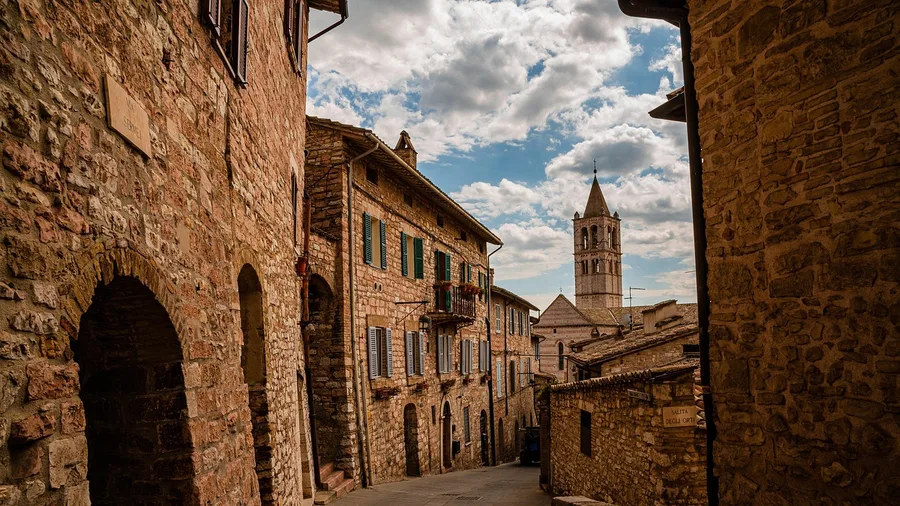
The cool shadow of ancient stone walls falls long across the piazza as rival merchant families climb their own heights to outmatch one another on the Tuscan skyline. Competing clans built fourteen surviving stone tower houses that pierce the horizon like medieval skyscrapers, transforming a quiet hill settlement into a vertical fortress of wealth and pride. Visitors who scale these narrow staircases look out over rolling green valleys dedicated to producing crisp Vernaccia wine for local tables.
Intense daytime crowds flood the gates by mid-morning, making an overnight stay essential to experience the true silence of the flagstone alleys after the buses depart. Total trip expenses average $2,500 to $4,000 per person when factoring in regional transport, mid-range lodging, and simple tavern meals across a 10-day itinerary.
7. Toledo Layers Christian, Jewish, and Moorish Pasts
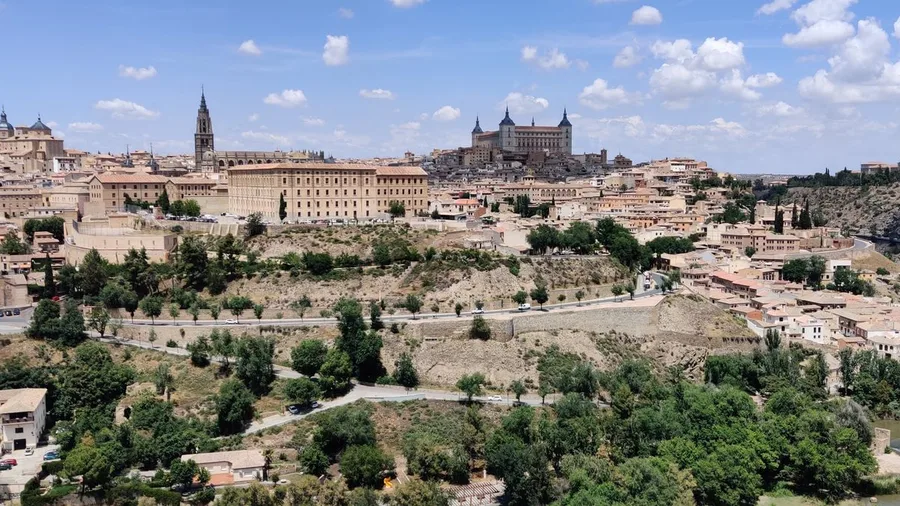
Steep stone stairways and uneven cobbled inclines demand sturdy footwear before you ever step foot inside this cliffside citadel overlooking the Tagus River. Travelers navigating strollers or limited mobility will find the punishing hills and medieval ramps frustrating, making this stop better suited for older children and adults prepared for long daily walks spanning 8 to 15 kilometers.
Steep ravine drops frame a tangled maze of Moorish pathways that collide directly with soaring Gothic cathedrals and Renaissance stone facades. Quick train links from nearby Madrid make the journey simple for visitors planning a day trip, keeping regional transport costs inside a typical 10-day budget of $2,500 to $4,000 per person.
8. Kotor Hides a Venetian Fortress in a Bay
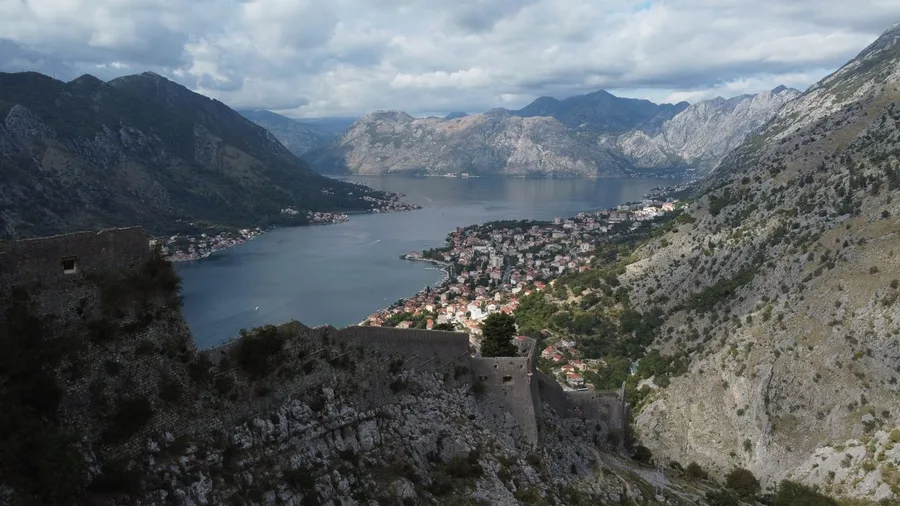
Steep mountain walls drop directly into the dark water of the Bay of Kotor, creating a dramatic fjord setting that dwarfs the old stone buildings below.
Venetian defensive walls climb the jagged hillside behind the town, enclosing a labyrinthine network of stone piazzas and medieval alleys.
Climbing the strenuous stone stairway to St. John’s Castle requires an early morning start before the midday heat settles over the bay, while visiting during May or September avoids the heaviest cruise ship crowds.
Western European Historic Gems
Western Europe features densely packed mercantile cities and monumental fortresses.
These four destinations showcase canal networks, dramatic cliff top castles, and timber-framed quarters.
9. Bruges Weaves Gothic Grandeur Through Canals
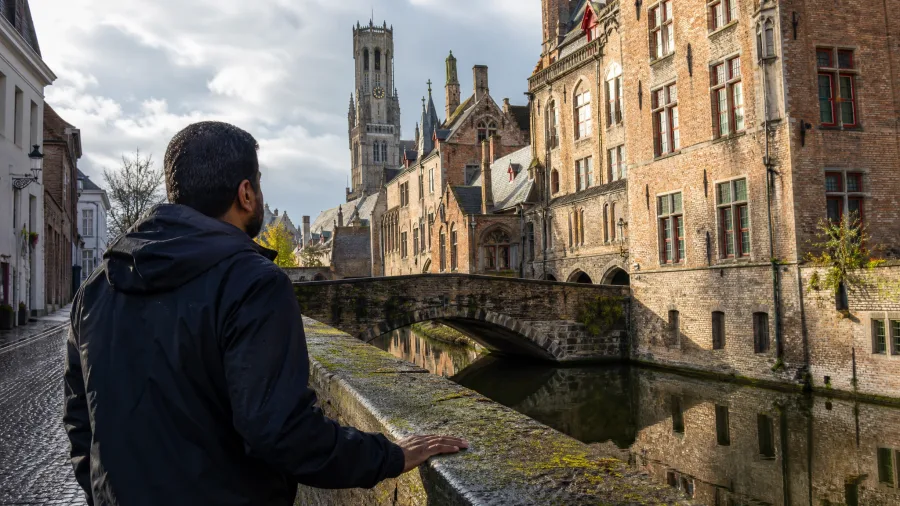
A five-minute walk from the central market brings you to the network of canals crossed by arched stone bridges.
Gothic municipal buildings and the towering 13th-century belfry anchor the merchant core, defining a landscape that functions almost like a living museum.
The massive daytime crowds disperse by early evening, leaving quiet streets that easily justify the overall 10-day multi-city budget averaging $2,500 to $4,000 per person.
10. Carcassonne Commands a Massive Double Wall
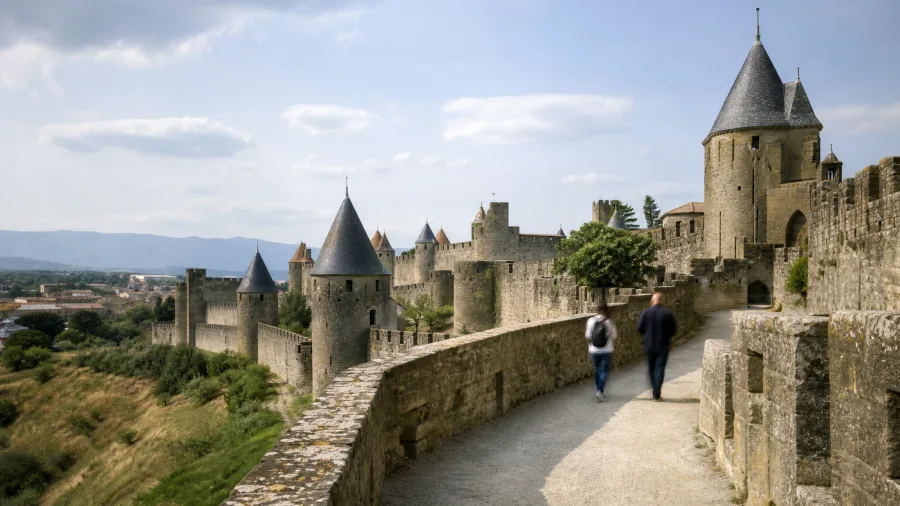
Watch out for the afternoon tour bus queues that choke the main entrance before buying your ticket.
A massive double ring of stone ramparts encloses the hilltop, creating a formidable defensive barrier that defines the historic French site.
The imposing Chateau comtal anchors the inner fortifications, offering a striking look at medieval military architecture.
Much of what stands today is the result of extensive 19th-century restoration work led by architect Viollet-le-Duc, giving the towers their signature conical roofs.
Exploring the defensive grounds involves walking between 8 and 15 kilometers across uneven stone paths, making a higher budget worthwhile for comfortable accommodation nearby.
11. Edinburgh Separates Royal Castles from Closes
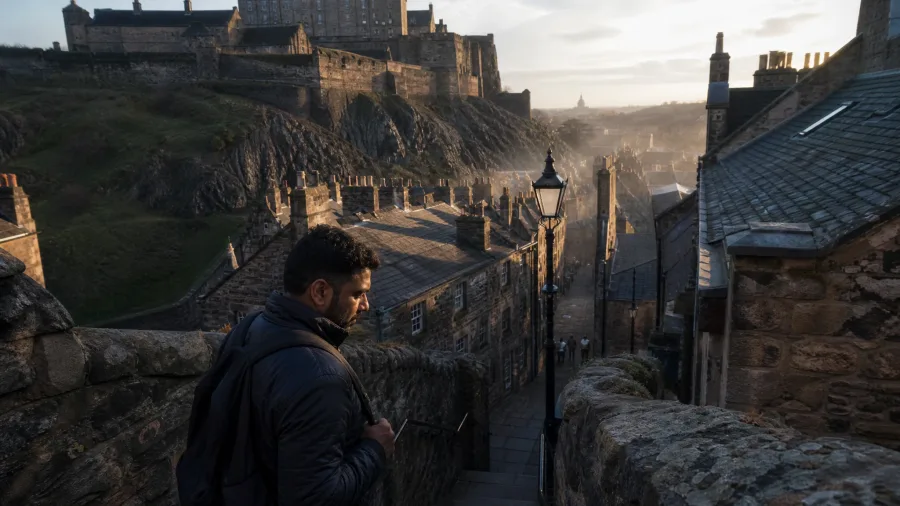
You smell damp basalt and woodsmoke as you step off the modern asphalt into the shadow of Edinburgh Castle, perched high on its jagged volcanic crag. Heavy stone ramparts loom overhead, anchoring a fortress that has commanded the Scottish capital for centuries. From this high volcanic throne, the medieval Old Town spills down the ridge in a dense web of steep closes and hidden wynds.
You weave through narrow stone alleys where towering tenements of deep Gothic and Victorian masonry press in from both sides, creating canyons of dark slate and weathered granite. Residents bypass the crowded main tourist thoroughfares by ducking down these historic pedestrian fractures, finding quiet corners behind the royal mile where ancient courtyards remain virtually untouched by modern alterations.
Peak tourist crowds from June through August bring heavy congestion to the castle gates and narrow closes, but you find genuine medieval atmosphere by visiting during quiet autumn days when the mist clings to the stone facades. Expect to log 8 to 15 kilometers of daily walking as you explore the steep inclines of the old quarter, testing your endurance across rugged paving stones and historic stairways.
12. Colmar Feels Like a Storybook Illustration
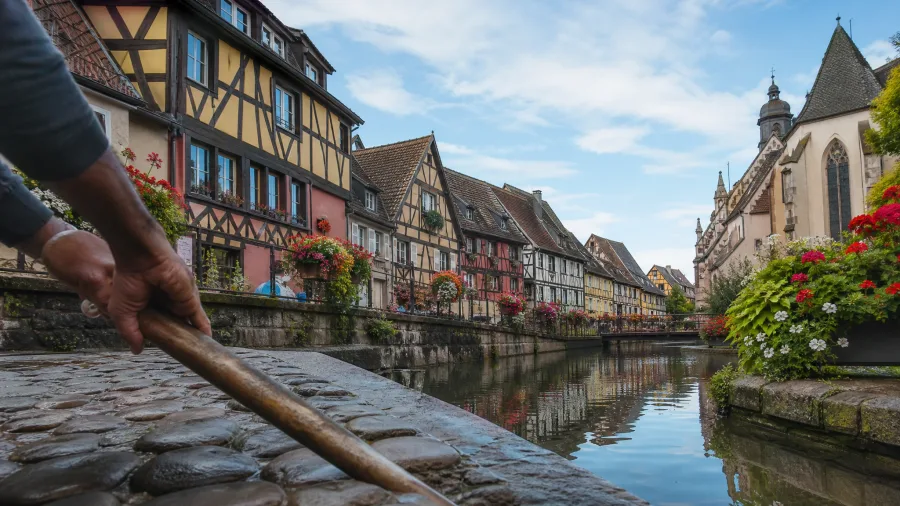
Skip the modern sprawl and head straight for the Grand Rue if you want true medieval immersion in Alsace.
Vibrant half-timbered houses dating back to the Middle Ages line the streets, while the Little Venice district features flower-lined waterways alongside Gothic religious structures like the Dominican Church.
Expect trip budgets to average $2,500 to $4,000 per person for regional multi-city exploration including mid-range accommodation.
Alpine and Northern Heritage Havens
Northern and alpine European settlements preserve unique maritime and mountain traditions.
These final three destinations showcase wooden wharves, alpine lakes, and Roman-medieval fusions.
13. Bergen Anchors History at the Hanseatic Wharf
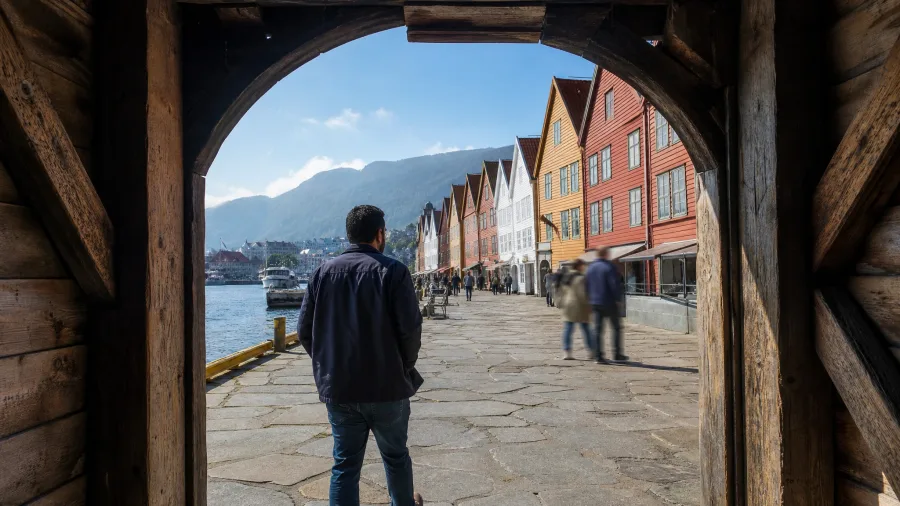
Bergen is a historic Hanseatic wharf where iconic rows of brightly painted wooden merchant buildings line the active waterfront harbor. This maritime trading center retains its centuries-old layout, placing you directly inside a living harbor steeped in centuries of seafaring heritage.
You walk 8 to 15 kilometers across uneven historical docks and stone-paved quays, with an honest likelihood of spotting coastal seabirds like gulls and eider ducks riding the cold fjord swells right beside the fish market. Dramatic Norwegian fjord landscapes frame the outer edge of the town, offering immediate access to towering mountain walls as soon as you step away from the wooden piers.
14. Hallstatt Hugs an Alpine Lake Shoreline
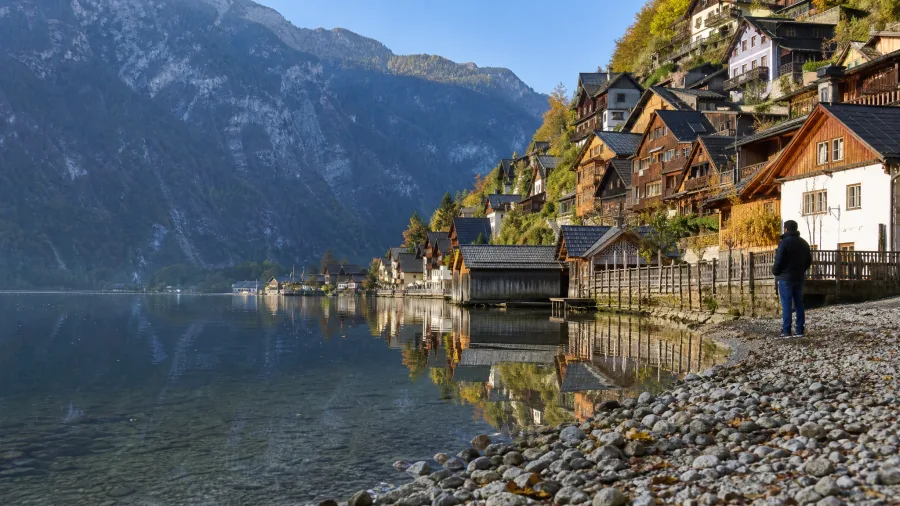
Transitioning downward from the wooden maritime wharves of northern waters, the journey concludes in Austria where tiered alpine houses are squeezed tightly between towering mountains and the lake.
A plate of fresh local trout paired with a tart glass of Grüner Veltliner costs around $28 at a lakeside tavern, fueling the exploration of ancient history tying the settlement to prehistoric salt mines.
Strict visitor management preserves the quiet village scale, ensuring that shoulder seasons in May and September offer optimal atmospheric conditions for wandering the shorelines.
15. Chester Exhibits Roman Roots and Tudor Timbers
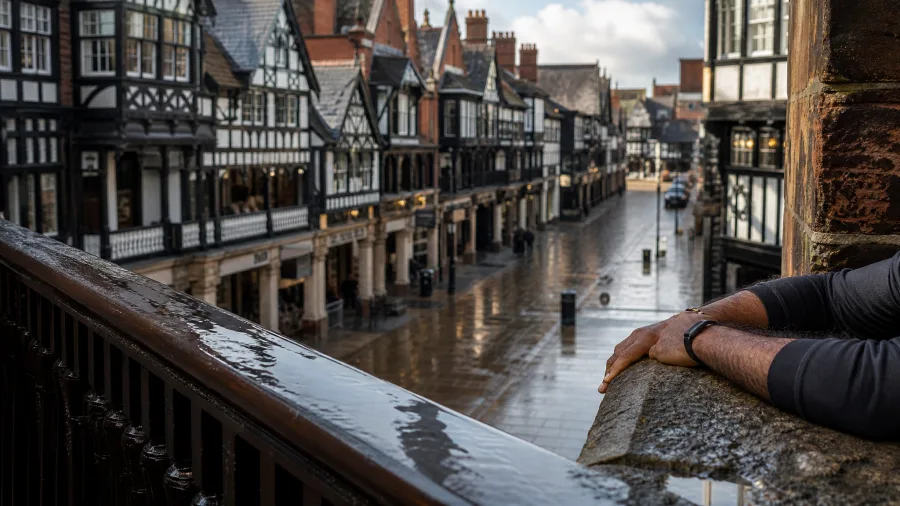
The alpine lake setting concludes in Britain with ancient Roman fortress walls and Tudor timbers that definitively answer that question through sheer stone and surviving wood.
A complete circuit of ancient Roman and medieval defensive walls encloses the city, creating an elevated walking circuit above bustling modern lanes.
Unique two-tiered medieval covered shopping galleries known as The Rows line the central streets, sheltering pedestrians above street-level storefronts.
Distinct black-and-white half-timbered Tudor architecture defines the historic thoroughfares, while surrounding natural country parks and nearby river trails offer a high likelihood of spotting local wildlife like kingfishers and herons along the water. Trip budgets average $2,500 to $4,000 per person for a comprehensive 10-day itinerary encompassing regional transport and mid-range stays.
Frequently Asked Questions
How much does a multi-city historic European tour cost?
A 10-day multi-city itinerary averages between $2,500 and $4,000 per person, covering mid-range accommodation, regional rail transport, and daily meals.
When is the best time to visit these historic destinations?
Shoulder seasons in May and September provide optimal weather, manageable crowds, and comfortable temperatures for walking across cobblestones.
How much walking should I expect each day?
Expect to walk between 8 and 15 kilometers daily across uneven cobblestones, medieval ramparts, and historic stairs.
Do I need to rent a car for these historic cities?
Most historic European city centers are pedestrian-only or restricted. Regional rail and walking networks work significantly better than driving rental cars into old towns.
Prioritizing Architectural Aesthetics and Shoulder Seasons
Evaluate your preferred historical aesthetic, choosing between alpine fortresses, Gothic spires, or walled sea-citadels to select destinations matching your personal interests.
Prioritize shoulder-season travel during May and September to experience these historic European centers without modern summer crowds.
Return to your initial expectation of stepping back in time by walking those fifteen distinct historic urban centers one step further than when you first arrived.
Ready to Plan Your Historic Route?
Review the quick planning guide above and map out your preferred destinations before booking your regional rail tickets.