Top 20 Places to See the Northern Lights

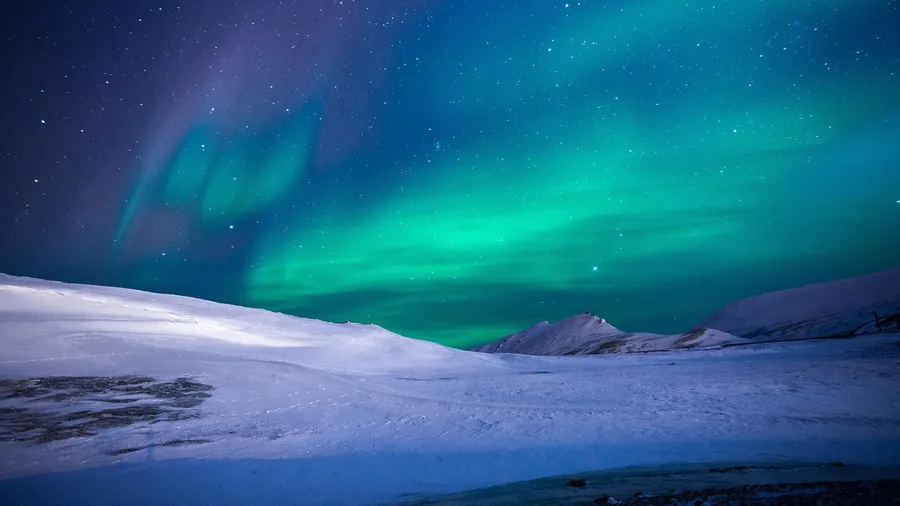
A pale green ribbon suddenly splits the dark winter sky above the snow-laden pine trees, casting an ethereal glow over the frozen valley below.
Travelers often plan northern lights holidays expecting a single guaranteed viewing spot across the Arctic, but auroral visibility actually depends entirely on local microclimates, regional geography, and transport accessibility.
Selecting the ideal global location for your aurora trip requires balancing terrain, climate, and accessibility so you avoid persistent maritime cloud cover.
By the end of this guide, you can match your preferred landscape and budget to the single best destination without second-guessing your route.
Quick Tips Before You Start
Travel Window
Target peak viewing season between September and late March.
Trip Duration
Allow a minimum recommended trip duration of 5 clear nights.
Transportation
Secure a car rental or guided chase tours required for optimal cloud avoidance.
Polar Weather
Prepare for average winter polar temperatures ranging from -10°F to 25°F.
How Far Is the Drive and What Are the Logistics?
Most prime viewing spots sit between sixty-five and seventy-two latitude north, requiring careful coordination of transport and timing before you ever pack a bag. You cannot simply wing the logistics when winter storms shut down mountain passes without warning.
Daily direct flight connections are available from major European and US hubs into primary regional airports, letting you cross oceans in a single day of travel. Fares fluctuate wildly depending on whether you book six months out or three weeks before departure.
From there, rely on rental cars or specialized chase services to dodge heavy cloud cover when coastal systems roll in. You will burn through extra cash if you pick a vehicle without studded winter tyres or fail to inspect the heater before leaving the airport lot.
Arctic Aurora Route Map
Save this route map before you go to navigate winter roads.
1. Explore Tromsø, Norway
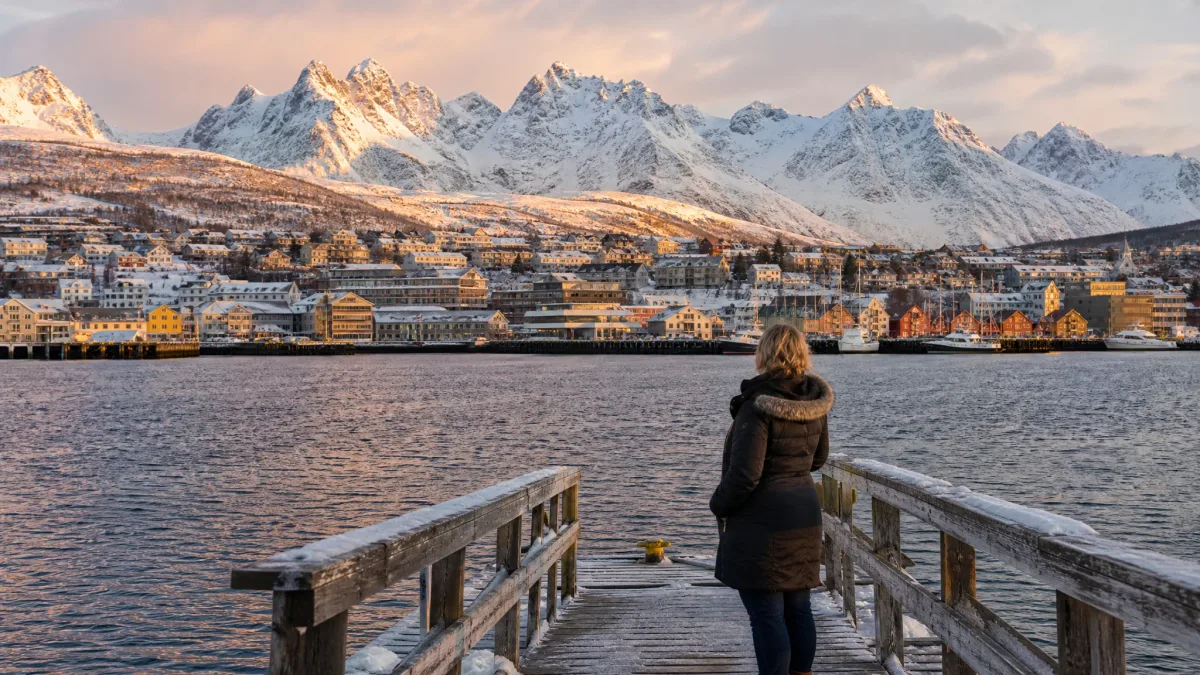
Sixty-nine degrees north places this bustling coastal hub right under the active auroral oval, giving you a strong statistical shot at green curtains overhead even from city streets.
Peak viewing season spans from the arrival of dark September nights through the end of March, bringing average polar temperatures ranging from minus ten to twenty-five Fahrenheit. You need heavy wool layers and windproof trousers just to stand outside for twenty minutes while waiting for the display to flare.
Numerous local operators offer minibus excursions that haul small groups away from streetlights toward the Finnish border when local skies turn gray. These guided runs typically cost between one hundred fifty and two hundred dollars per person and include thermal suits and hot berry juice.
Urban amenities sit right against raw Arctic wilderness here, suiting travelers who want coffee shops and hotel beds within walking distance of the harbor. You trade absolute quiet for nightlife and restaurants, but you also gain immediate transport options when the weather turns.
⚠️ COMMON MISTAKE
Relying Solely on City Center Views
Urban streetlights wash out faint displays. Always drive twenty minutes outside town to dark coastal viewpoints.
2. Hike Abisko National Park, Sweden
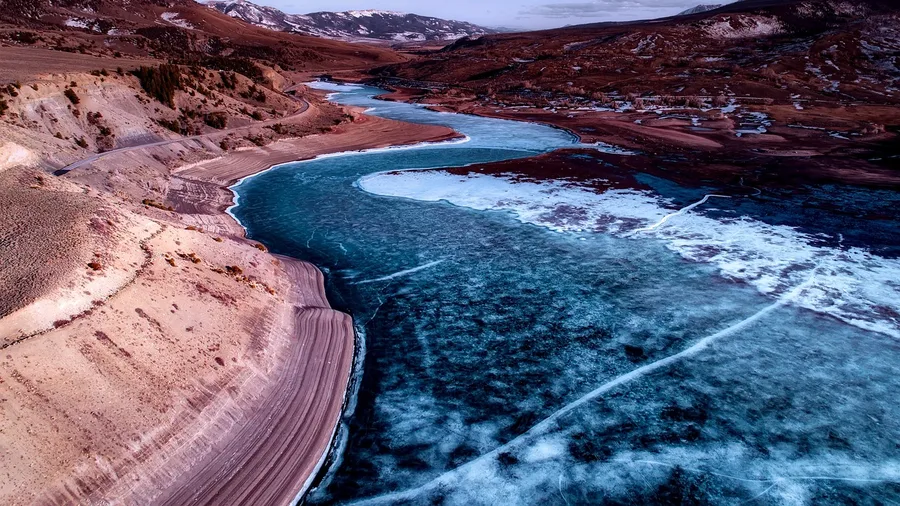
Pack extra batteries because sub-zero night air drains camera gear twice as fast while you wait for the skies to clear above Lake Torneträsk. Moving past the coastal lights of Tromsø, the focus shifts inland to a unique atmospheric bubble.
The local Blue Hole microclimate clearing phenomenon creates a reliable patch of open stars above the national park while surrounding valleys stay socked in clouds. You reach this remote park via the overnight sleeper train from Stockholm after a seventeen-hour rail journey through snowy forests.
Maintain a minimum recommended trip duration of five clear nights to beat the odds and catch the peak display. Serious night-sky purists and landscape photographers choose this isolated park specifically to escape artificial light entirely.
The Arctic Numbers That Matter
Key metrics for planning your northern lights expedition
3. Drive Fairbanks, Alaska
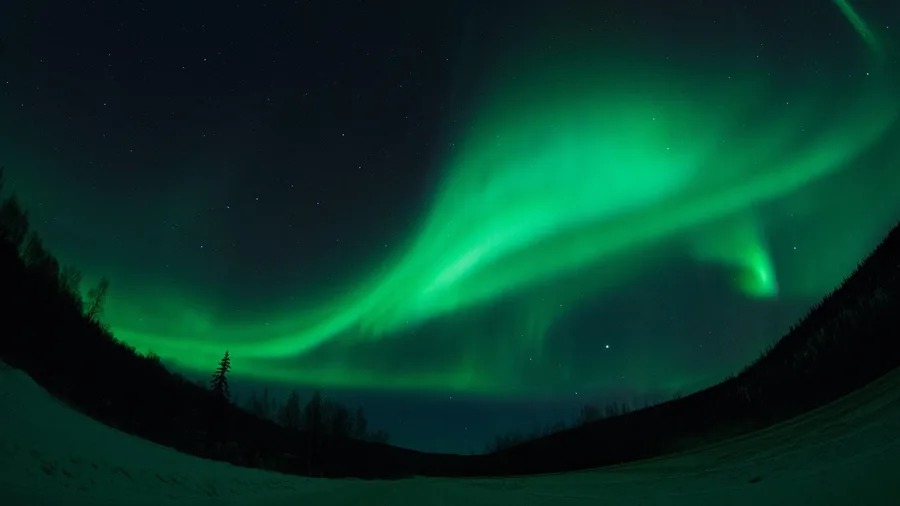
Positioned just south of the Arctic Circle, interior Alaska delivers long winter nights and remarkably low annual precipitation that push your odds of clear skies much higher than coastal regions.
Stand by the steaming water of Chena Hot Springs outside town while winter polar temperatures hover between -10°F and 25°F. Because continental weather patterns demand reliable mobility, you will need a car rental or a guided chase tour to dodge patchy clouds across the vast frozen landscape, making it ideal for travelers seeking classic American sub-arctic adventure.
4. Tour Reykjavik and the South Coast, Iceland
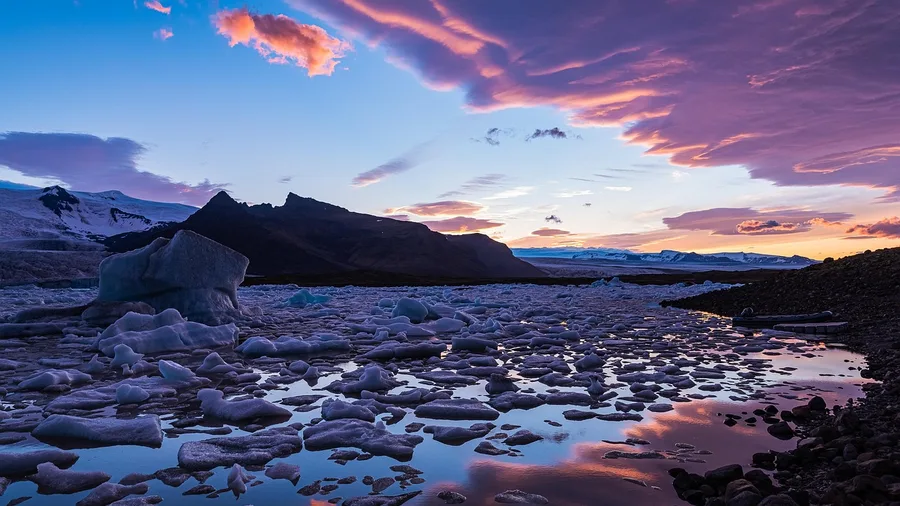
Salt spray freezes instantly on your jacket cuffs as you step onto the black sand of Vík at midnight, staring past crashing Atlantic rollers toward a sky of shifting green fire. Shifting away from continental interior weather, Iceland gives you a front-row seat to striking foregrounds like black sand beaches and glacial lagoons sitting between 65 and 72 degrees north latitude.
You trade quiet interior forests for the freedom of paved coastal highways where daily direct flights from major European and US hubs drop you right into a rental car. Because fast-moving maritime weather fronts roll in without warning, you must check local forecasts hourly and rely on flexible driving or organized tours to find clear patches.
The best viewing window hits hardest between eleven at night and two in the morning when the midnight maritime air settles and local clouds pull back. This is the ultimate playground for first-time winter road-trippers balancing dramatic volcanic terrain with straightforward transport accessibility.
South Coast Route — At a Glance
✈️ Hub
Keflavik Airport
🛣️ Road
Ring Road Route 1
⏱️ Min Stay
5 Clear Nights
🌡️ Temp
20°F to 35°F
Weather Warning
High winds along coastal stretches require careful vehicle handling.
5. Visit Rovaniemi, Finnish Lapland
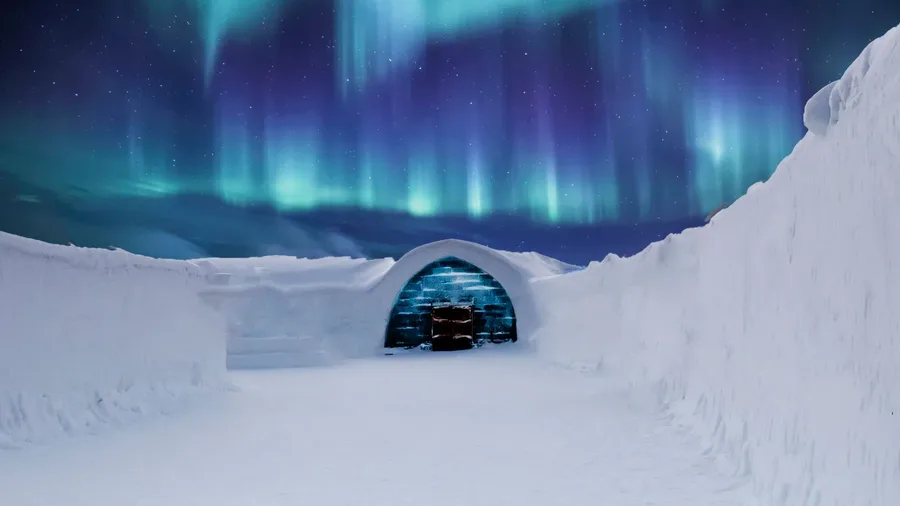
The crisp snap of dry pine needles echoes underfoot as woodsmoke drifts through the twilight air of the northern Finnish fell country. Moving away from Iceland’s wave-lashed shores, you arrive right on the official Arctic Circle line where daily direct flights connect major hubs to an easier brand of winter travel.
You can book specialized glass igloo hotels that let you watch the sky right from your mattress, or spend your daylight hours on husky sledding and reindeer farm visits. While you should plan for a minimum stay of five clear nights during the peak season running from September to late March, families and travelers prioritizing comfort will find this setup trades rugged survival for warm amenities.
6. Wander Lofoten Islands, Norway
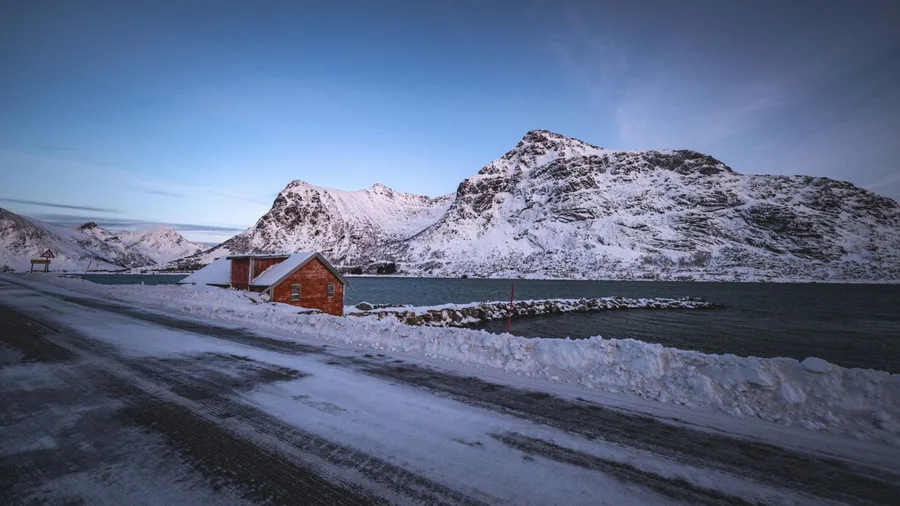
Swapping resort comfort for raw coastlines requires trading easy parking lots for narrow, winding winter roads where steep granite peaks tower directly over traditional red fishing cabins. These islands sit between sixty-five and seventy-two degrees latitude north, exposing drivers to fast maritime weather shifts that demand constant attention behind the wheel. Renting a car is essential, but local conditions often require booking guided chase tours to dodge sudden coastal storm fronts.
Landscape photographers willing to brave icy switchbacks will find iconic coastal frames that easily justify the logistical effort, though families seeking straightforward resort amenities should look elsewhere. Plan for a minimum trip duration of five clear nights during the peak viewing window from September to late March to ensure enough buffer against stubborn maritime cloud cover.
Lofoten Best For
7. Discover Inari, Finland
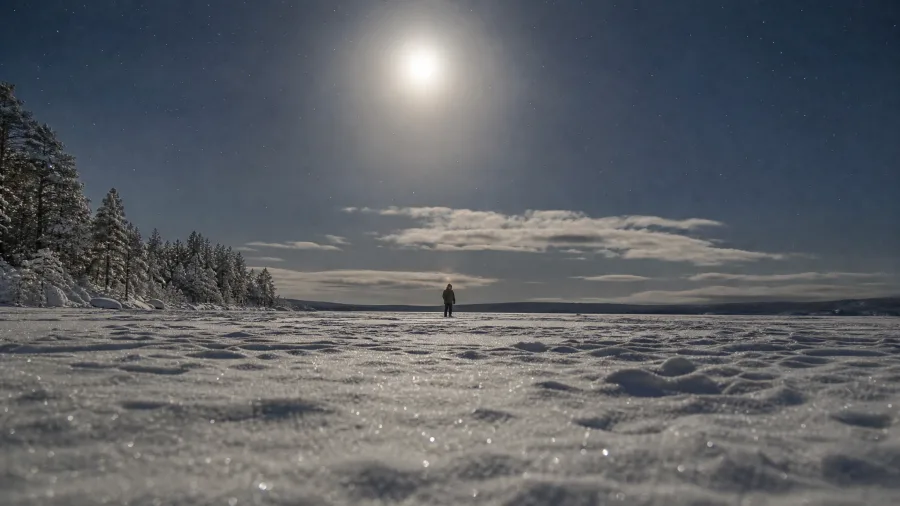
Inari centers entirely on a deeply cultural lake basin characterized by low population density and minimal artificial light. The primary catch here is the bitter isolation and biting cold, with average winter polar temperatures ranging from negative ten to twenty-five degrees Fahrenheit across the vast frozen wilderness.
Reaching the best viewing spots requires relying on rental vehicles or specialized local guides to avoid sudden weather shifts, making a minimum five-night stay mandatory during the peak season spanning September through late March. Cultural travelers seeking quiet solitude will find remote snowshoeing and ice-fishing excursions that well outweigh the remote logistics.
💡 PRO TIP
Battery Management in Extreme Cold
Keep spare camera and phone batteries inside your inner jacket pocket next to your body heat to prevent sudden shutdown.
8. Explore Svalbard, Norway
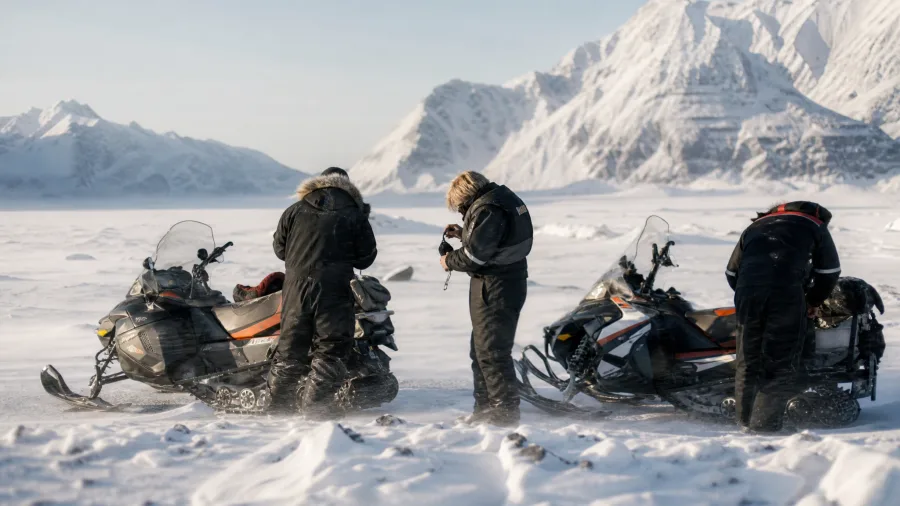
Svalbard delivers the ultimate high-latitude frontier for travelers willing to trade standard comfort for twenty-four hours of complete winter darkness. This extreme environment experiences weeks of continuous polar night mid-winter, offering daytime aurora viewing alongside pitch-black skies.
Reaching these remote islands requires regular flights connecting through mainland Norway before stepping out onto genuine wilderness terrain. The major catch is that wild polar bear populations make unguided wandering lethal, meaning every outdoor excursion demands a paid professional guide.
These strict safety rules translate into significantly higher daily costs compared to mainland Scandinavia, but the payoff for seasoned adventurers is unmatched. Peak viewing spans from September to late March, and locking in a minimum trip duration of five clear nights provides the necessary buffer against sudden high-arctic storms.
Aurora Destination Verdicts
- Abisko, Sweden — Blue hole microclimate offers the highest clear sky odds.
- Iceland South Coast — Stunning scenery, but unpredictable maritime weather requires flexibility.
- Svalbard, Norway — Extreme cold and polar bear risks require strict guided protocols.
9. Visit Alta, Norway
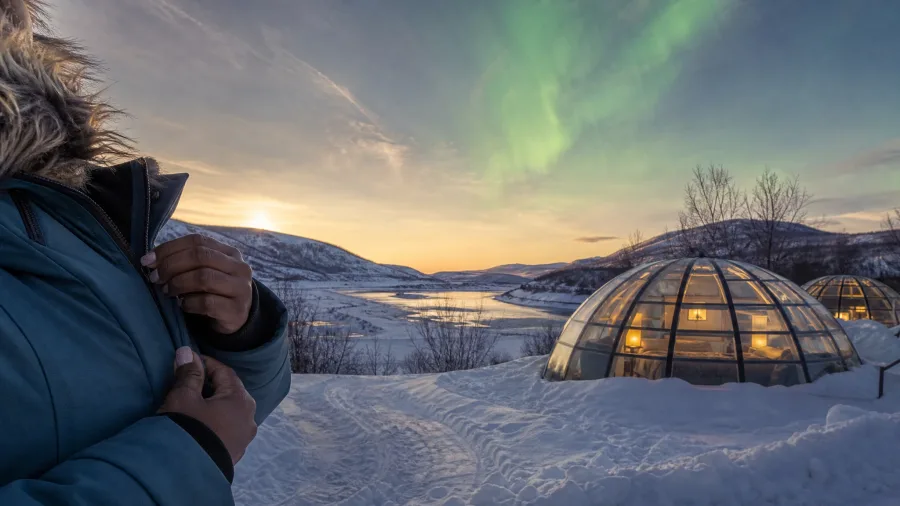
Compared to the windy coastal fishing villages down south, this inland valley feels remarkably sheltered and calm.
Located inland away from heavy coastal cloud banks with average winter polar temperatures ranging from -10°F to 25°F, Alta features historic cliff rock carvings and luxury ice hotel options.
Daily direct flight connections are available from major European hubs, and well-maintained snowmobile and dog-sled networks give you plenty of daytime adventure before the night show begins.
10. Wander Senja Island, Norway
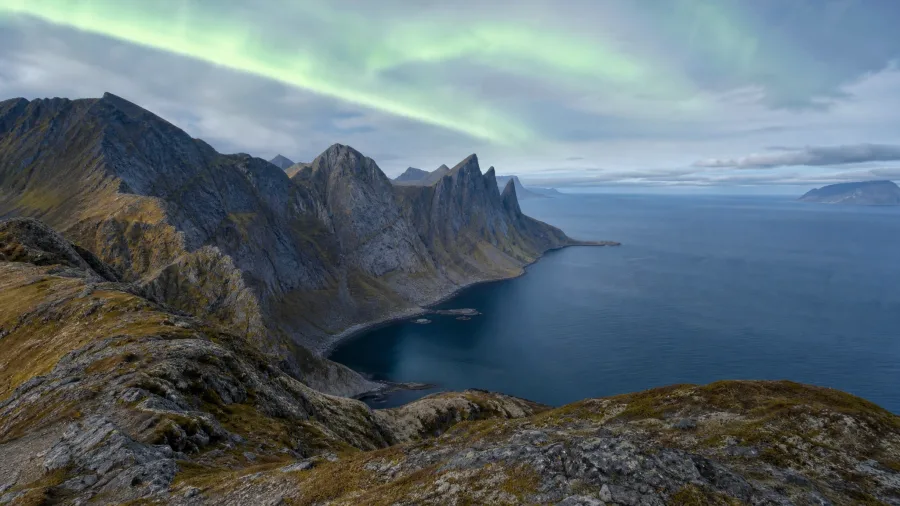
10. Senja Island features rugged coastal peaks and hidden fishing villages situated between 65° and 72° latitude north.
An autonomous rental vehicle is essential due to sparse public transit, along with car rental or guided chase tours required for optimal cloud avoidance.
Limited local accommodation infrastructure requires planning a minimum recommended trip duration of 5 clear nights during peak viewing season.
11. Book Saariselkä, Finland
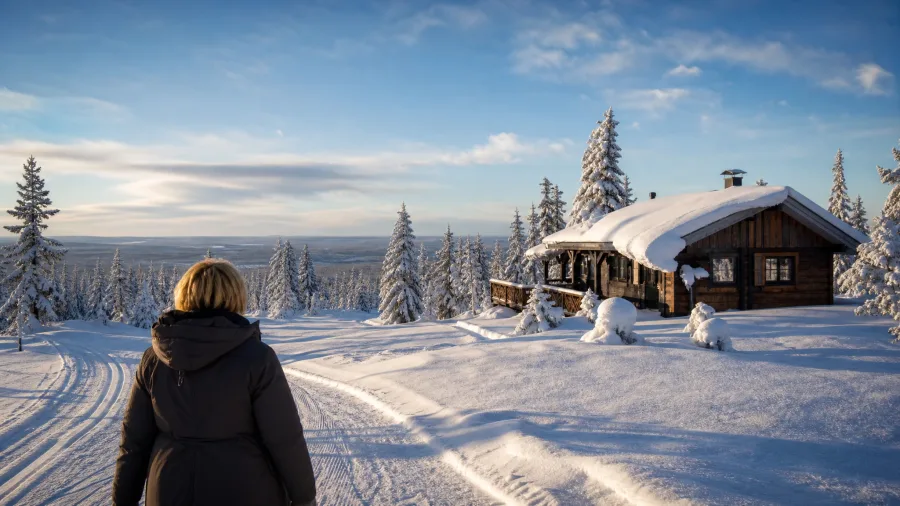
Choose this northern Finnish fell region for your base if you want effortless access to marked ski trails right outside your door.
Situated high in the fells with average winter polar temperatures ranging from -10°F to 25°F, local hotels are equipped with automated aurora alarm networks and extensive cross-country ski tracks through silent pine forests.
Rely on daily direct flight connections available from major European hubs and regional transport links to reach your woodland cabin quickly.
7-Day Arctic Chase Routine
12. Tour Ilulissat, Greenland
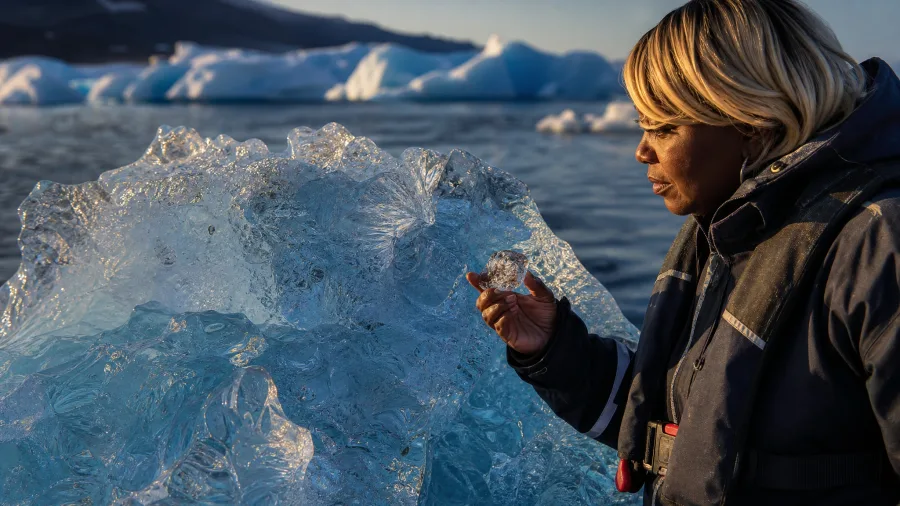
Greenland provides this exact contrast as you look out over the frozen expanse of the local icefjord.
Reaching this remote shoreline requires booking specialized regional flights connecting through Iceland or Denmark during the peak season running from September to late March.
Plan for a minimum stay of five clear nights to handle the changing weather while evaluating local terrain, climate, and accessibility for a truly isolated wilderness expedition.
13. Visit Kiruna, Swedish Lapland
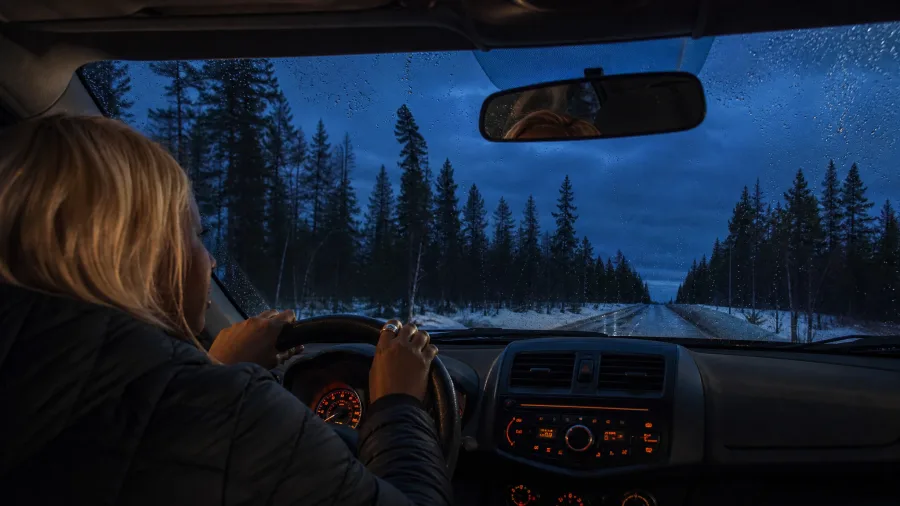
The breath leaves a white cloud in the freezing air as you step onto the grounds of the seasonal Icehotel in Jukkasjärvi, surrounded by endless walls of dark boreal pines.
Major domestic trains and flights from Stockholm connect travelers to this destination during typical winter polar temperatures ranging from -10°F to 25°F.
Renting a vehicle or booking local chase tours helps you avoid cloudy skies across the iron-ore mining terrain, suiting design-minded visitors who appreciate striking temporary architecture.
14. Watch The Outer Hebrides, Scotland
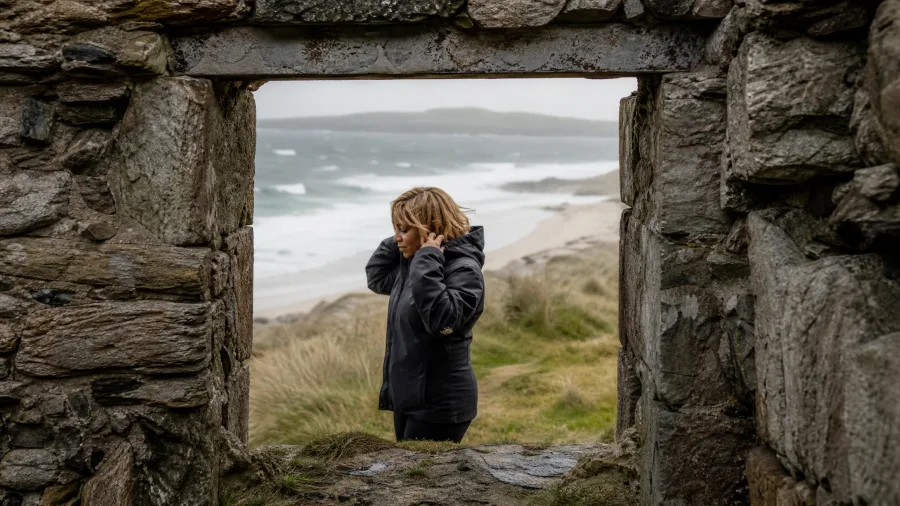
The Outer Hebrides sit at lower latitudes that demand strong geomagnetic storm activity and daily direct flights from United Kingdom hubs.
Remote coastal beaches host community dark sky areas during the peak viewing months, though unpredictable maritime weather makes a five-night stay necessary for success.
15. Tour Keflavík and the Reykjanes Peninsula, Iceland
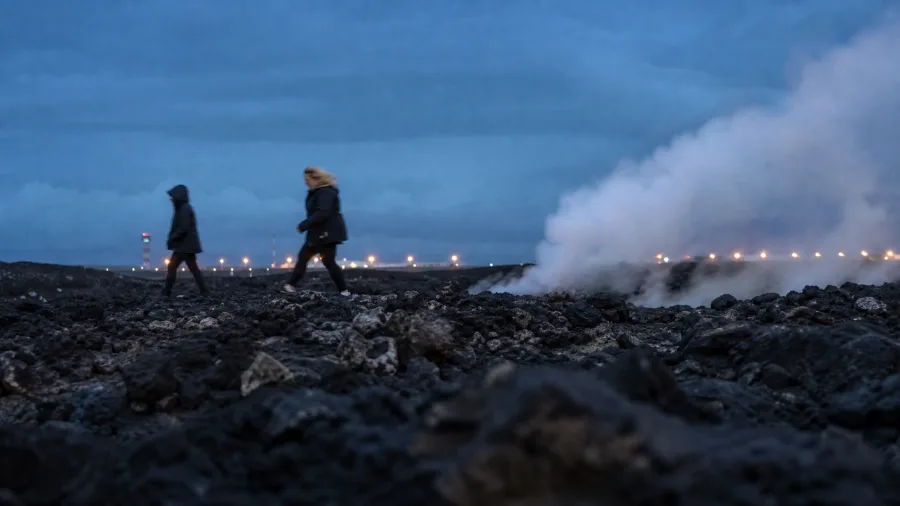
Watch out for sudden maritime wind gusts whipping across the asphalt the moment you exit the terminal doors. Leaving behind the Scottish maritime dampness, you arrive directly on the Reykjanes Peninsula where black basalt fields stretch right up to the runway perimeter. This location sits just minutes away from Keflavik International Airport, meaning you can watch auroras flare over smoking geothermal steam vents without logging a single hour of long-distance driving.
Daily direct flight connections from major hubs make this an effortless first-night or final-stopover option for schedules that cannot afford transit delays. Temperatures hover between -10°F and 25°F during the peak window from September to late March, demanding a reliable rental vehicle or guided chase tour to dodge coastal cloud banks. It suits travelers with tight timelines who want zero highway fatigue while balancing regional terrain, local climate, and immediate access.
16. Visit Kirkenes, Norway
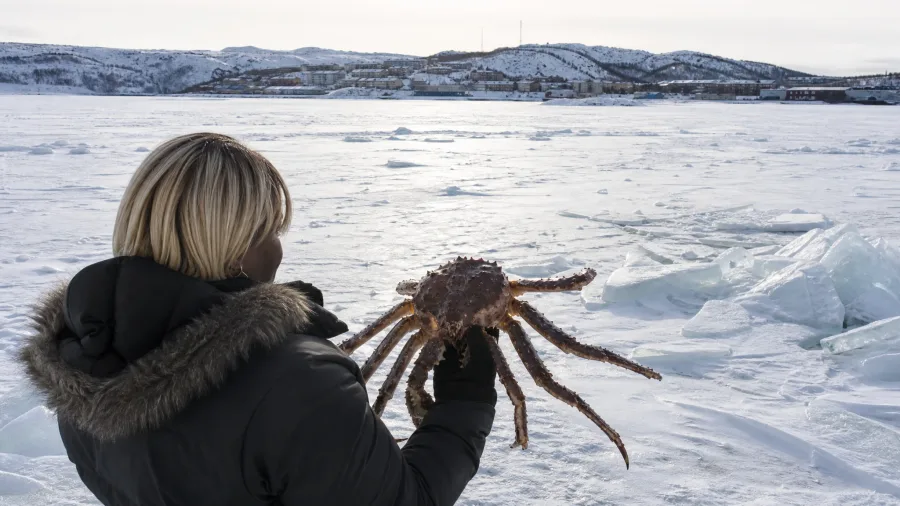
The air tastes of frozen salt and woodsmoke in the far northeastern corner of Norway where the border fence stands just yards from the frozen sea. Shifting away from the Icelandic coast, the route pushes deep into continental sub-zero territory near Russia. This remote frontier brings stark landscapes alongside specialized winter king crab ice-fishing expeditions where giant crustacean meals cost around $150 per person at local lodges.
Daily direct flights link major European hubs to this remote pocket, though reaching optimal viewing skies requires committing to a minimum trip duration of 5 clear nights between September and late March. Temperatures regularly drop between -10°F and 25°F across the snow-covered taiga.
Car rentals or organized chase teams remain necessary to escape localized weather fronts and find clear overhead skies. It suits culinary travelers and geography enthusiasts willing to evaluate extreme terrain, harsh winter climates, and remote geographical accessibility.
17. Explore Levi, Finnish Lapland
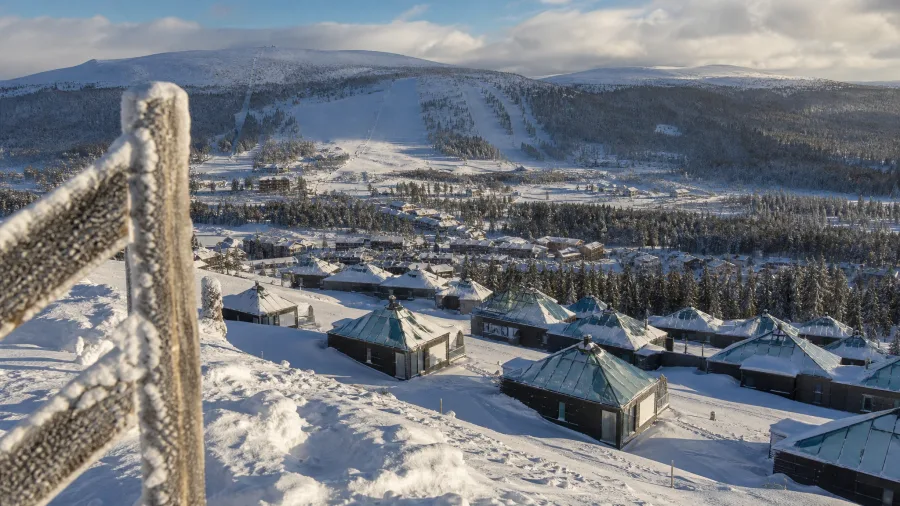
A 6-day adult ski pass costing around 250 euros unlocks Finland’s most extensive downhill slopes and vibrant resort village infrastructure situated between 65° and 72° latitude north.
Moving from Kirkenes, the path leads to Levi’s alpine ski resort, where visitors find glass-roofed hotel cabins and motorized night safaris tailored for active families and skiers wanting lively resort amenities.
While it suits active vacationers seeking slope-side convenience and evening entertainment, it genuinely does not suit travelers looking for silent wilderness isolation, requiring car rentals or guided chase tours for cloud avoidance during average winter polar temperatures ranging from -10°F to 25°F.
18. Hike Skaftafell, Vatnajökull National Park, Iceland
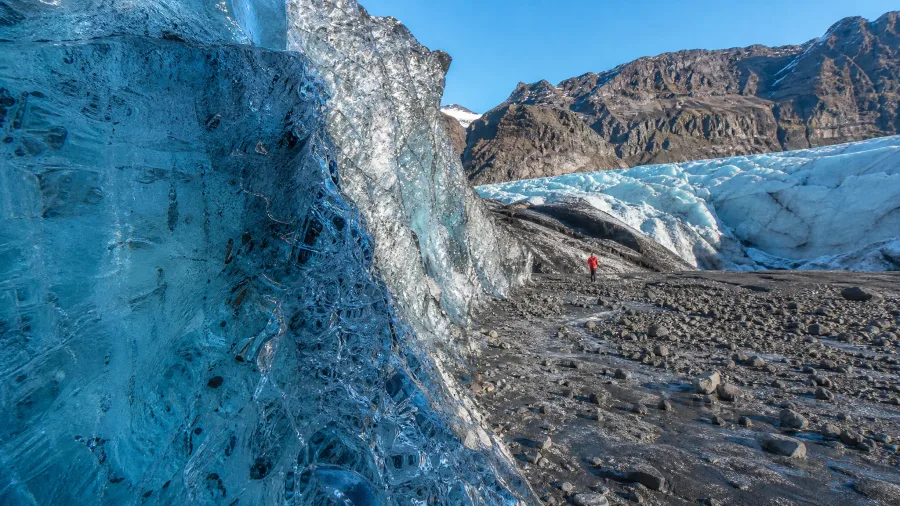
Skaftafell sits against Europe’s largest ice cap and dark basalt rock formations along Iceland’s scenic southern ring road route.
Leaving resort slopes behind for glacial terrain brings you face to face with towering walls of ice.
You will need a minimum recommended trip duration of 5 clear nights during peak viewing season from September to late March to catch clear skies above these dark-sky horizons away from coastal settlement lights, with daily direct flight connections available from major hubs making the journey straightforward.
Guided ice cave excursions and specialized glacier gear rentals will cost roughly $250 to $400 per person, making this a definite splurge that justifies every penny when the lights reflect off ancient blue ice.
Nature photographers and winter hikers evaluating terrain, climate, and accessibility find this backdrop unmatched.
19. Wander The Luleå Archipelago, Sweden
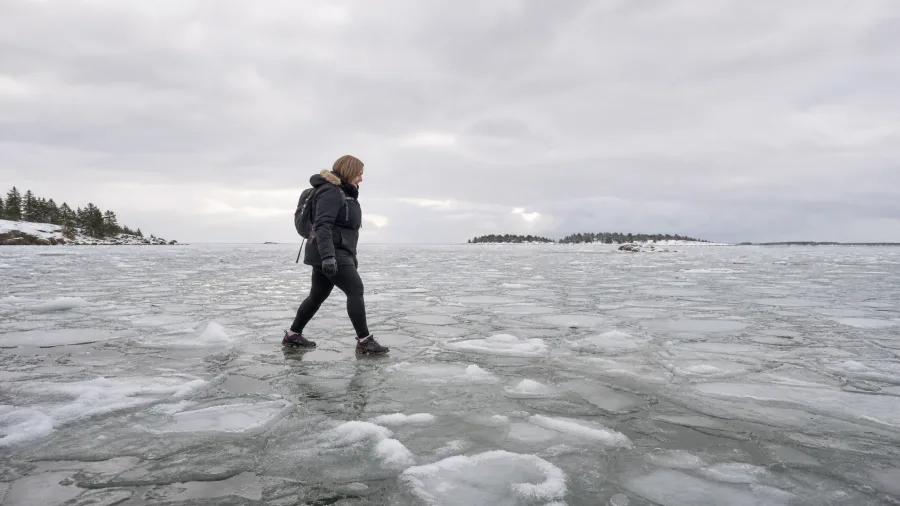
The crunch of frozen pack-ice beneath your boots echoes across the silent gulf as the horizon lights up in pale green. Thousands of frozen islands stretch along the Swedish Baltic coast with average winter polar temperatures ranging from -10°F to 25°F, creating a landscape that has drawn hardy coastal dwellers for centuries to harvest timber across the frozen sea.
Unique ice-tracking and hovercraft winter excursions are easily reached via direct flights from central Swedish hubs. Maintaining a minimum recommended trip duration of 5 clear nights during peak viewing season ensures you beat local weather shifts, suiting travelers looking for unique frozen coastal pack-ice experiences through terrain, climate, and accessibility.
20. Visit Nuuk, Greenland
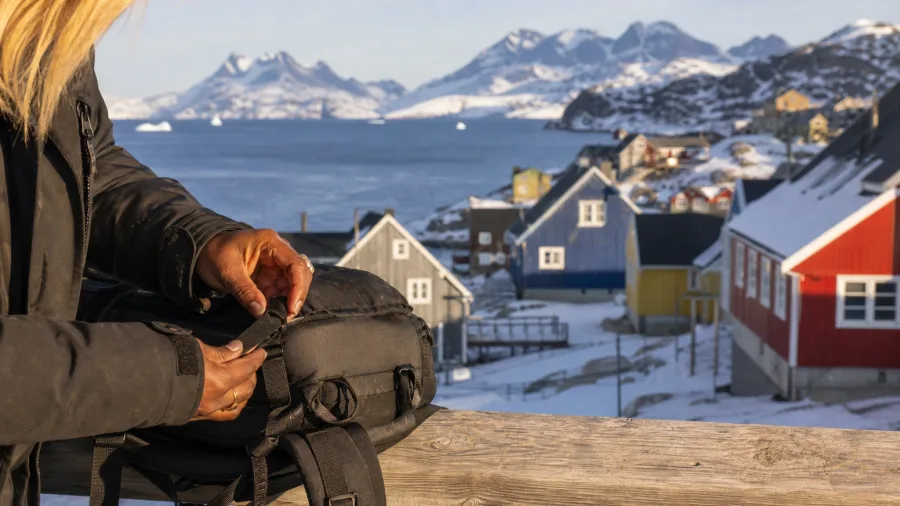
Book your ticket to Nuuk if you want modern urban living immediately framed by raw mountain wilderness. Positioned along the spectacular southwestern Greenlandic fjord system with daily direct flight connections connecting through Iceland, this destination blends contemporary Nordic cafes with towering peaks.
Average winter polar temperatures ranging from -10°F to 25°F demand proper gear while you arrange car rental or guided chase tours required for optimal cloud avoidance across remote fjord terrain. Adventurous travelers seeking modern comforts in ultra-remote settings evaluated via terrain, climate, and accessibility will find this final stop unforgettable.
Frequently Asked Questions
What is the best month to see the northern lights?
Peak viewing season spans from September to late March when Arctic nights are longest and darkest.
How many days should I plan for an aurora trip?
Plan for a minimum recommended trip duration of 5 clear nights to outlast unexpected storms and cloud cover.
Do I need a rental car to see the lights?
Yes, a car rental or guided chase tours required for optimal cloud avoidance when local weather turns overcast.
What temperature should I expect in the Arctic?
Average winter polar temperatures range from -10°F to 25°F depending on whether you stay coastal or inland.
Matching Landscape and Budget for Your Aurora Trip
Review the distinct advantages of each destination to match your preferred landscape and real budget before making your final arrangements.
Book your flights and lock in a five-night minimum stay during peak aurora season to secure the best possible viewing conditions.
Let go of the illusion of a single guaranteed viewing spot and embrace the reality that success requires balancing local terrain, climate, and accessibility, leaving you ready to book that ticket and step out into the sub-zero air beneath the green glow.
Check Your 5-Night Booking Window
Review your planned dates against the 5-night minimum recommendation before locking in your Arctic flights and rental car.