What Happens If You Lose Your Passport in a Country With No Embassy

The mistake most travelers make is assuming they can figure it out after the passport disappears. In a country with no US embassy, patchy connectivity, and a nearest American mission that is a two-hour flight away in a country that may require its own visa to enter, that assumption is what turns a bad day into a lost week.
The passport is gone. Left in a guesthouse drawer, lifted from a bag, swept away in a flood. The distance to the nearest US embassy is not the real problem. The real problem is not knowing that a parallel emergency system exists and that a single phone call to the State Department activates the entire chain.
That system moves through third-country embassies, honorary consuls, and a short-validity travel document designed exactly for this situation. For a US citizen stranded in Bhutan, Timor-Leste, or a small Pacific island state, the path home is real and documented.
Every step is below, in order: the first call, the police report, the identity file, the document type, the fee, the timeline, and the airline check you cannot skip. You can act on any of them immediately.
Call the Government Emergency Line Before Anything Else
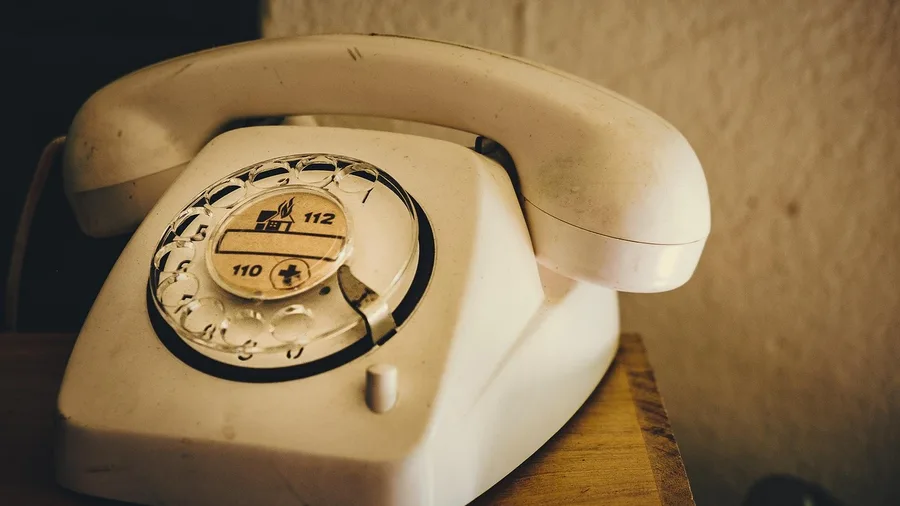
The State Department’s 24-hour Citizens Emergency Center is the one call that sets every other step in motion – not the hotel desk, not a travel forum, not the airline.
The number is +1-202-501-4444. Save it in your phone before you leave home. In a country with patchy connectivity, a saved contact works offline and dials from a borrowed SIM or a hotel room phone. Trying to look it up mid-crisis, on a roaming connection that may cut out, wastes the first thirty minutes when those minutes matter most.
The duty officer who picks up can do three things before you hang up: identify the nearest embassy with the authority to help you – whether a US mission or a partner country’s – call that embassy directly on your behalf, and notify a family member or emergency contact at home. You do not have to figure out which embassy that is. The officer already knows.
The line takes calls from borrowed phones, unfamiliar SIMs, and hotel landlines. The officer stays on with you while the next steps are being arranged. You are not alone in the first hour.
No other single action carries the same weight at this stage. Going straight to the police before making this call is understandable, but it means arriving without the embassy already alerted. Calling the airline first solves nothing until the document exists. This call is the one that opens everything that follows – file it under non-negotiable.
⚠️ COMMON MISTAKE
Do Not Go to the Police Station First
Filing a police report is essential—but the embassy duty officer should already be on the line before you walk in. Without their guidance, you risk filing at the wrong station or with incomplete details, which forces a second report and loses you a day.
The Police Report Unlocks Every Step That Follows
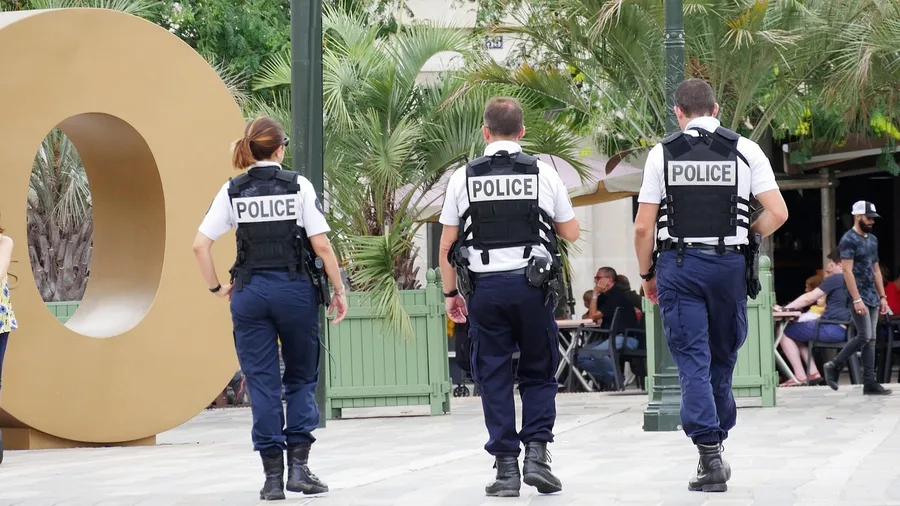
The report is not optional paperwork you file when convenient – every embassy that can help you, whether a US mission, a partner nation’s, or an honorary consul acting as an intermediary, will refuse to open your case without one. It is the hardest gate in the process.
What the report does is give any issuing authority three fixed facts: when the passport went missing, where it went missing, and that a loss occurred at all. Strip those facts out and there is no document to process. The same report is also the anchor for any travel insurance claim, and an insurer will reject a loss claim that arrives without one just as surely as an embassy will.
Language is the excuse most people use to delay filing, and it is not a valid one. A hotel concierge can walk with you to the nearest station. A translation app on your phone handles the basics – name, passport number if you have it memorized, date, and location. If the duty officer is still on the line, they can speak directly with police in some situations. The information the station needs is simple; the conversation does not require fluency.
File on the day the passport goes missing. The report date is the timestamp the embassy uses to start its own clock, and a one-day delay in filing translates almost directly into a one-day delay in the document being ready.
The moment the officer hands back the completed report, photograph every page and email those photos to yourself. Paper gets wet, torn, and lost. A copy in your inbox can be opened on any device anywhere and forwarded to an embassy in under a minute.
Every Piece of Secondary ID You Still Carry Becomes Your Identity File
Once the report is filed, the embassy’s next question is identity – and the answer is not ‘I don’t have anything.’ Losing a passport does not erase who you are; it just forces you to prove it with what is still in your wallet.
The combination that carries the most weight: a physical driver’s license as your primary ID, a credit card with your name on the front, and a digital scan of the missing passport’s data page. That last item does the heaviest lifting. An embassy looking at a clear photo of your passport photo page – showing your name, date of birth, passport number, and issuing date – has almost everything it needs to begin processing. If you stored that scan in a password-protected email draft or a cloud folder before you left home, you can open it on any phone in the world, including a borrowed one. It takes two minutes to set up before a trip and it may save you an entire business day at the embassy.
If you have nothing physical at all – no license, no cards – the duty officer can request an identity check through State Department records. That is not a guaranteed fix, but it exists, and it is one more reason the emergency line call comes before any other action.
Sort the photos at the same time. Any emergency document requires two passport-size photos, and finding a print shop or using a phone-based passport photo app takes time you do not want to spend after everything else is assembled. Start that search in parallel, not once the identity file is ready.
What This Crisis Will Actually Cost You
Verify current document fees at state.gov before your embassy appointment. All other figures are estimates.
Third-Country Embassies Are Authorized to Process Your Documents

Once you can establish who you are, the next problem is finding an embassy with the legal standing to act on your passport application – and in a country without a US mission, that embassy will belong to a different government entirely.
Five allied nations – the US, UK, Australia, Canada, and New Zealand – have standing agreements that let any of their embassies handle a stranded citizen from any of the others. This is not a goodwill arrangement that might or might not apply to your situation; it is a formal, documented system, and it is exactly what gets used when a US citizen is stuck somewhere no American diplomat has a desk.
Take Bhutan as a working example. There is no US embassy in Thimphu. When the duty officer on the 24-hour emergency line receives your call, they identify the nearest authorized mission – typically the US Embassy in New Delhi – and make direct contact on your behalf. By the time you hang up, the New Delhi embassy already knows your name, your situation, and what documents you are gathering. You are not arriving cold.
The document the embassy produces carries full US government authorization. The third-country embassy handles the logistics and forwards the application; Washington approves it. What comes back is as valid for entry into the United States as anything issued at a US mission in a capital city.
Do not walk into that embassy unannounced. Without the duty officer having called ahead, the consular officer at the desk has no file, no context, and no basis to help you – and being turned away at the door costs you a day you probably cannot afford to lose.
Third-Country Embassy Assistance — At a Glance
🤝 Reciprocal partners
US, UK, AUS, CAN, NZ
⏱️ Processing time
2–3 business days
📋 Required at appointment
Police report, ID, 2 photos
📞 Pre-visit coordination
Duty officer must call ahead
✅ Document validity
Fully US-government authorized
Key rule
Never walk in unannounced — the duty officer's call is what gets you through the door.
Honorary Consuls Can Help You Communicate but Cannot Issue Any Document
In some locations there is no allied embassy within reach at all – and the only person with any formal diplomatic connection is an honorary consul, a role that is widely misunderstood and consistently overestimated.
An honorary consul is almost always a private citizen: a local lawyer, a business owner, or a long-term resident appointed by a foreign government to provide a narrow band of assistance. The word ‘consul’ carries weight, but the actual authority does not match it.
What they can do is genuinely useful within those limits. They can call the nearest full embassy on your behalf and flag your case as urgent. They can walk you through the local police report process – knowing, for instance, which station in a small city handles foreign nationals and which form you actually need. They can provide a signed identity statement that supports your application. In some cases they hold access to a small emergency welfare fund that can cover a night’s accommodation or a bus fare while the official process moves.
What they cannot do is issue any document that gets you on a plane. No passport, no Emergency Travel Certificate, no transit visa – none of it. Those powers belong exclusively to formally staffed diplomatic missions, full stop.
The mistake that costs people a full day is treating an honorary consul as a document office and waiting there for paperwork that will never arrive. Use them for what they are good at: local knowledge, direct embassy contacts, and logistical groundwork. The person who knows which hotel has a working scanner and a reliable fax line, and who to call at the embassy to confirm your file arrived, is worth a lot – just not for the stamp itself.
💡 PRO TIP
Remote Processing Is a Real Option—With Conditions
When travel to any embassy is genuinely impossible due to geography or illness, the State Department can authorize an emergency document to be shipped to a secure address—a hotel front desk with a confirmed point of contact. Budget for a total delay of up to a week from the date of loss, and confirm the shipping address with the embassy before the document is sent. All the same requirements apply: police report, identity documents, two photos.
You Will Receive an Emergency Travel Certificate, Not a Full Passport
Whatever path the application takes – in-person appointment or shipment to a hotel – what arrives is not a passport. It is an Emergency Travel Certificate, and understanding exactly what that document does and does not allow is what keeps the trip home on track.
An ETC is issued for one purpose: a single trip back to the United States, either direct or through specified transit countries named on the document itself. It expires on arrival. It cannot be used for any future travel, not even a short regional hop. Back home, a full replacement passport application is the next step before going anywhere internationally again.
The distinction that matters most before the embassy appointment: an emergency passport also exists. It carries standard passport validity, works across multiple legs of travel, and costs around $130 – roughly double the ETC fee of approximately $30-$60. The duty officer advises which document fits the traveler’s specific itinerary, so raising the routing question during that first call is worth doing.
The issuing embassy confirms which countries the ETC covers before it is finalized. That means the traveler can verify their planned routing is valid before buying any flight – not after arriving at a gate with a ticket that does not match the document.
Two passport-size photos are required for either document. The appointment does not proceed without them. That is why sourcing photos runs alongside every other step from day one – not as an afterthought once the police report is filed and the identity file is assembled.
🗓️ Day-by-Day Path From Loss to Departure
Day 1 — First Two Hours
Reach the State Department 24-hour line: +1-202-501-4444. Ask specifically for the duty officer — not general consular services. Do not hang up without a callback number and the name of the embassy they are routing you through.
Day 1 — Afternoon
File the police report the same day: processing time at the third-country embassy starts from when the duty officer receives a complete file, not from when you call. Every hour of delay pushes departure back by a day.
Day 2 — The Decision That Costs or Saves You Money
Decide between an ETC (~$30–$60) and an emergency passport (~$130) before the appointment is booked. If your route home requires more than one transit country, or the booking falls through, the ETC may not cover the new routing. The emergency passport will.
Day 3 — Embassy Appointment
Bring two passport-size photos — not phone prints, not digital files. If the photos are wrong format or size, the appointment does not proceed and the 2–3 business day clock resets from scratch.
Day 4 — Document Issued
Read the ETC before leaving the embassy window. The transit countries are named on the document itself. If your booked routing passes through a country not listed, ask to amend it now — not at the departure gate.
Day 5 — Before You Touch the Airline App
Call the airline's international reservations line and confirm ETC acceptance on your specific flight number. Get a confirmation reference. A gate agent who has never seen an ETC is not the person to be educating at 6 a.m.
Processing Takes Two to Three Days and Costs Under $150

Three days is the realistic target – and that number only holds if nothing goes wrong.
The sequence works like a relay: the police report you file on day one hands off to the embassy appointment on day two, and the document itself lands in your hands on day three. If the nearest US mission cannot process you directly and a third-country embassy is relaying the application on your behalf, add one business day to that count. Four days total, assuming no friction anywhere in the chain.
The document fee itself will not break you. An Emergency Travel Certificate runs roughly $30-$60; an emergency passport costs around $130. Check both current figures at state.gov before your appointment – fees shift, and the embassy will not accept a short payment or issue a refund for an overpayment on the day.
The real hit comes from what surrounds the document. Two or three unplanned hotel nights at $80-$200 per night – depending on whether you are in a capital city or somewhere with limited accommodation options – plus whatever your airline charges to rebook a missed flight can easily run three or four times the document fee. That total is what you are actually planning for.
Cash in local currency or a working international credit card is not optional. ATM access in remote locations can be patchy, and not every receiving embassy accepts every payment method. The duty officer on the emergency line can tell you exactly what the specific embassy handling your case will accept – ask that question during your first call, not when you are standing at the payment window.
One final thing the timeline cannot absorb: a photo that does not meet specification, a police report you cannot locate because you did not photograph it, or an identity file an embassy cannot verify remotely. Any one of those adds a full business day. The three-day window is achievable – it just requires every earlier step to have been done correctly.
Emergency Travel Certificate vs. Emergency Passport
Emergency Travel Certificate
- Costs roughly $30–$60
- Single-use: voided at US port of entry
- Choose this if flying straight home with no stops outside the US
- Will not satisfy transit visa requirements in third countries
- Rejected by some airlines if your routing includes a non-US layover
Emergency Passport
- Costs roughly $130
- Valid for multi-stop itineraries and transit countries
- Required if any leg of your route home passes through a country that demands a valid passport to transit
- Duty officer must authorize issuance—state your full routing on the first call
- Converts to a replacement full passport once you are back in the US
Not Every Airline Will Board a Passenger on an Emergency Travel Certificate
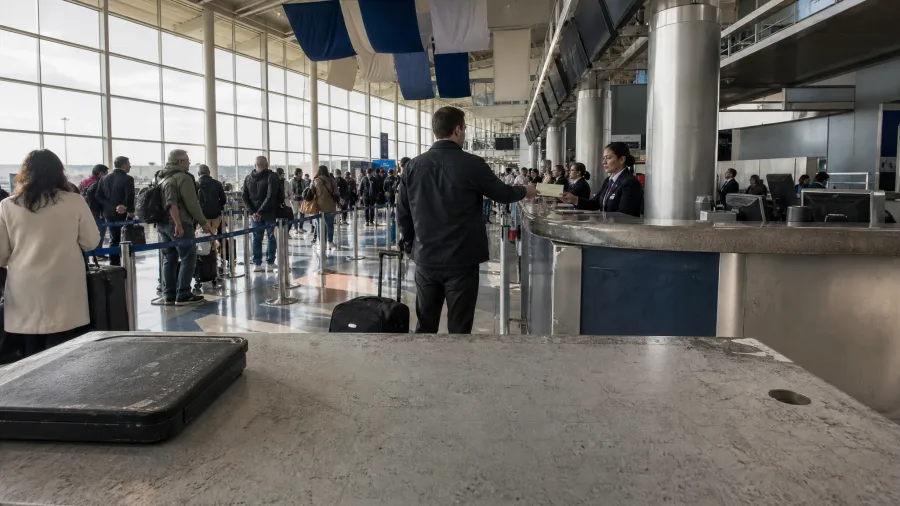
Having the document does not guarantee a seat on the plane. Large international carriers are generally familiar with Emergency Travel Certificates and will board you – but ‘generally’ is doing real work in that sentence, and you cannot find out via a website or an app. Call the airline directly, speak to an agent, and record their name and the reference number they give you.
Regional and low-cost carriers are a different matter. Short inter-island hops and domestic connecting flights – often the only way out of a remote location – are exactly where an ETC refusal is most likely. Check before you buy any ticket. A refused boarding at a small regional airport is not a fixable problem; it is an expensive, stranded-again problem.
The embassy appointment is where routing gets solved, not the gate. Before the document is issued, the embassy confirms which transit countries will accept it for entry or passage. Raise every routing question there – if the only realistic connection requires a carrier that will not honor an ETC, the issuing officer can advise on alternatives while there is still time to act.
Walk out of the appointment with written confirmation of covered routes and carriers. Get the same confirmation in writing from the airline after your phone call. Save both in email and photograph them as a backup. If a gate agent questions the document, that paper trail is what closes the argument quickly.
The travelers who get home fastest are the ones who called us first and went to the police second—not the other way around.
— The consistent guidance from State Department consular staff on emergency passport cases
Document Every Extra Cost; Travel Insurance Often Reimburses Them
Every rebooking fee, every extra hotel night, and every taxi ride to an embassy is potentially recoverable – if your travel insurance policy covers passport loss and you have the receipts to prove what you spent.
Many solid travel insurance policies do cover passport loss as a standard event. Replacement document fees, extra accommodation often up to $150-$200 per night for up to five nights, meals during a forced delay, and flight change costs can all fall within the covered categories. The exact ceiling varies by policy – check your own documents now, not from a hotel room in Thimphu.
The police report does double duty here. It is the anchor document for your insurance claim in exactly the same way it is for the embassy: most insurers will reject a passport-loss claim outright without it. That is two separate institutions requiring the same piece of paper on day one.
Keep every receipt. Hotel bills, meals, the taxi to the consulate, the document fee receipt from the embassy, the airline rebooking confirmation – photograph each one and email it to yourself the moment you have it. Paper receipts from remote destinations fade, tear, and disappear, and claims are almost always filed weeks later at home when the originals are long gone.
A claim missing receipts, a police report, or the embassy’s written confirmation of what you paid for the document is a claim that gets cut or rejected entirely. The discipline of capturing every piece of documentation during the stressful days of the delay is what determines how much of this money you actually see again.
Travel insurance for a trip to a country with no US embassy is the financial layer that makes the extended timeline survivable. Without it, a three-to-four-day delay in a remote capital can cost $700 or more out of pocket. With it – and with the documentation trail intact – most of that comes back.
Frequently Asked Questions
Can a US citizen really get home from a country with no US embassy?
Yes. The US has reciprocal assistance agreements with the UK, Australia, Canada, and New Zealand, meaning their embassies can process your emergency document application and relay it for US government approval. The resulting certificate is fully valid for return to the United States. The path exists; it just takes two to three business days longer than most travelers expect.
What is the State Department emergency number for travelers abroad?
The number is 1-202-501-4444 and it operates 24 hours a day. Save it in your phone before you travel, not after a problem occurs. The duty officer can identify the nearest authorized embassy, contact it on your behalf, and alert your emergency contact at home—all in the first call.
How long does an Emergency Travel Certificate take to process?
Typically two to three business days from the date of your embassy appointment, or three to four days if the application is relayed through a third-country embassy rather than a US mission. Remote processing—when you genuinely cannot reach any embassy—adds two to four additional days on top of that. Filing your police report on the day of loss is the single most effective way to shorten the overall timeline.
Will my travel insurance cover the extra hotel nights and flight change fees?
Most comprehensive policies do cover passport loss as a named event, reimbursing extra accommodation often at a daily cap of around $150–$200 for up to five nights, plus document fees and flight rebooking costs. The police report is required by nearly every insurer as proof of loss, and receipts for every expense must be photographed and preserved. Check your specific policy limits before you travel.
Is an Emergency Travel Certificate accepted at every airport?
Large international carriers on international routes are generally familiar with ETCs and will accept them, but you must call the airline directly and get a reference number from the agent before purchasing any ticket. Regional and low-cost carriers are the most common point of refusal. The issuing embassy confirms which transit countries and carriers cover your specific routing before the document is handed over—raise all routing questions at the appointment.
What should I do if I cannot physically reach any embassy at all?
Contact the State Department emergency line immediately—this is not a reason to delay that call, it is a reason to make it faster. The duty officer can authorize remote processing, with the emergency document shipped to a secure address such as a hotel front desk. In cases of natural disaster or civil unrest, the same line coordinates with allied government and military assets for evacuation assistance, though that is a genuine last resort used when no commercial option exists.
Three Steps, One Rule, and the Fact That a Path Home Always Exists
The sequence is non-negotiable: call the State Department Citizens Emergency Center first, file the local police report second, contact the nearest partnering embassy third. Do not walk into that embassy unannounced. Do not skip the report because it feels like a formality. Each step is what legally authorizes the one after it.
US citizens have navigated this in Bhutan, in Timor-Leste, in Pacific island states with no American diplomatic presence whatsoever. The path home exists. It will take days rather than hours, and it will cost more than the document fee alone suggests. But from the moment the emergency line picks up, every door on that path can be opened.
The clock started when the passport disappeared. Make the first call before you do anything else.