The Heart Drug Everyone Was Waiting For Just Failed: 7 Things It Means for Your Cholesterol


On Saturday 7 November 2026, a packed hall at the American Heart Association meeting in Chicago went quiet. The audience had expected a celebration. Dr Steven Nissen of Cleveland Clinic had just shown the final results of the largest trial ever run on a drug designed to lower lipoprotein(a), a cholesterol particle most people have never heard of. The drug had done exactly what it was built to do. It had cut the particle by 78 percent. And it had not prevented a single extra heart attack or stroke.
“I cannot avoid the disappointing conclusion. It didn’t work,” Nissen told the audience, according to Healio’s report from the meeting. The drug was pelacarsen, made by Novartis, and for years it had been the most anticipated heart medicine in development. Novartis had already warned in September that the trial had missed its main goal, but the full numbers, published now, show just how complete the miss was. The full results were published the same day in the New England Journal of Medicine.
About one in five people worldwide carries a high level of this particle, usually without knowing it. So the failure matters far beyond one drug company. It raises hard questions about a risk factor doctors only recently started testing for, and about what people with high levels should do now. Here are seven things the trial actually means.
For doctors, the result landed like a shockwave. Lp(a) had been the most promising new target in preventive cardiology, and pelacarsen was the furthest along of all the drugs chasing it. Patient groups had followed the trial for years, and many people with high Lp(a) had pinned real hope on a monthly injection. Now that hope has to find a new home, and the wait for an answer stretches on.
Same outcome, two very different blood tests. Median follow up was 4.7 years. Source: Lp(a)HORIZON, New England Journal of Medicine, 7 November 2026.
1. Lp(a) Is a Cholesterol Particle You Probably Never Tested For

Lipoprotein(a), written Lp(a) and pronounced “L P little a”, is a cholesterol carrying particle in your blood. Think of it as a close cousin of LDL, the “bad” cholesterol. It carries cholesterol into artery walls, where it helps build the fatty deposits called plaque. But it carries one extra piece, a protein called apolipoprotein(a), which makes it stickier, more likely to inflame artery walls, and more likely to encourage clotting.
Your Lp(a) level is set almost entirely by the genes you inherit. Diet and exercise barely move it, and it stays roughly steady for life. That is what makes it different from ordinary cholesterol, which responds to food, weight, and statin medicines. About one in five people has a level high enough to matter, and most of them have no idea, because Lp(a) is not part of a standard cholesterol panel. High levels are common, and they run in families, so one person’s result often matters for their relatives too. The Centers for Disease Control and Prevention notes that high levels raise the chance of heart attack, stroke, and a stiffening heart valve called aortic stenosis.
2. Pelacarsen Was Built to Silence the Gene Behind Lp(a)

Pelacarsen was the first drug of its kind to reach a large heart outcomes trial. It is an antisense oligonucleotide, a short strand of genetic material designed to block the messages sent by the LPA gene, the gene that tells the liver to make the extra protein on the Lp(a) particle. With fewer messages getting through, the liver makes less Lp(a).
Patients gave themselves a monthly injection of 80 mg under the skin. Novartis developed the drug with Ionis Pharmaceuticals, and the hope was enormous. Earlier, smaller studies had shown pelacarsen could slash Lp(a) by roughly 80 percent. If the particle really caused heart attacks, cutting it that deeply should have protected patients. Cardiology had waited years for this answer, because no medicine approved anywhere specifically lowers Lp(a). The idea was simple enough to explain to anyone: switch off the gene, lower the particle, prevent the heart attack. Investors and doctors alike watched closely, because a win here would have opened a whole new front in heart prevention. The trial was designed to settle the question once and for all.
3. The Trial Was Enormous, and It Ran for Nearly Five Years
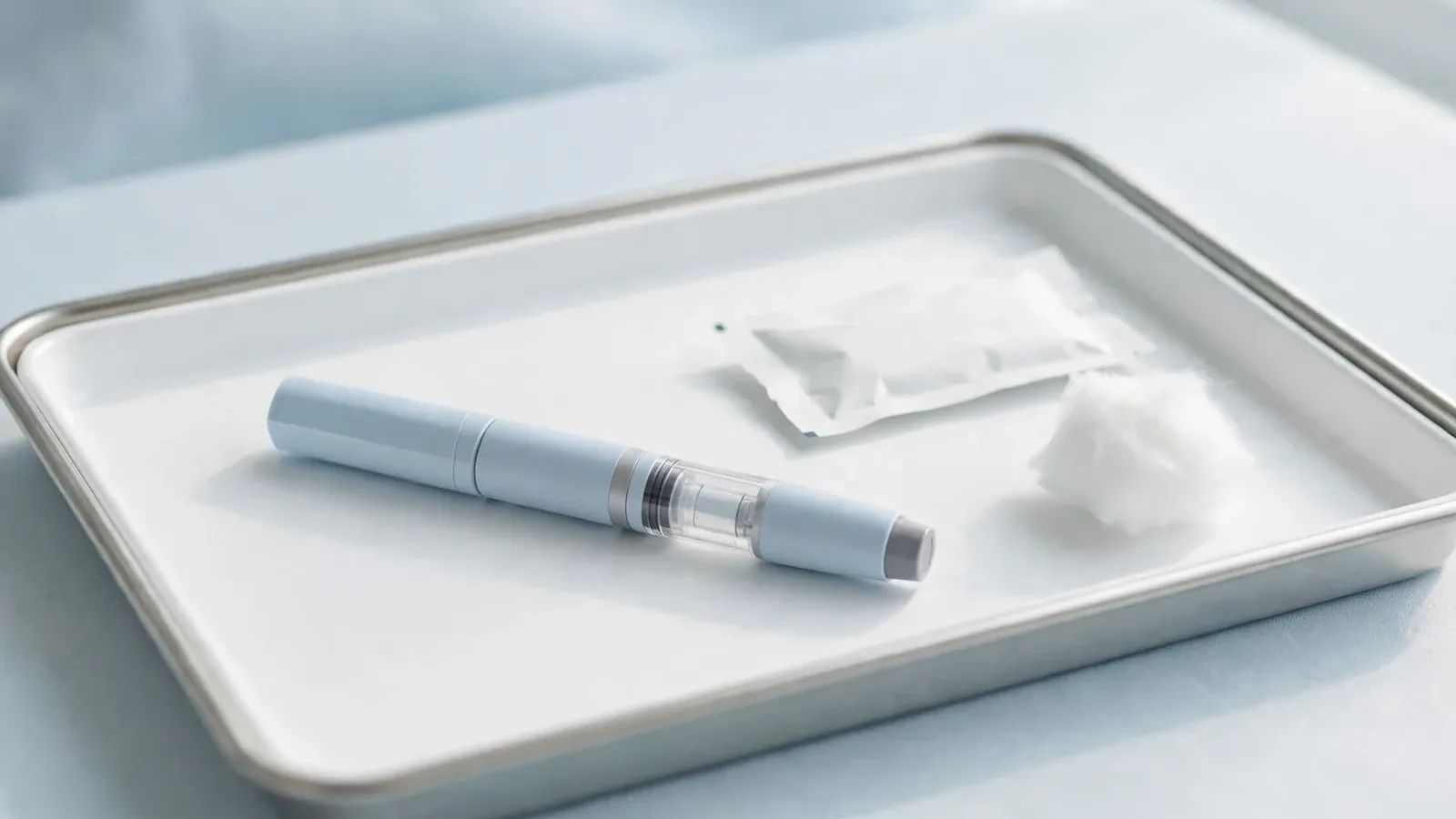
The Lp(a)HORIZON trial enrolled 8,350 patients at 797 sites in 42 countries, starting in December 2019. Of those, 8,322 were included in the main analysis. Every volunteer already had established heart disease and an Lp(a) level of at least 70 mg per deciliter. They were aged 18 to 80, and they were already taking standard heart medicines. Half received pelacarsen. Half received a matching placebo injection. Recruitment took more than two and a half years, which shows how hard it is to find enough people with both heart disease and very high Lp(a).
Neither the patients nor their doctors knew who got which. That design, called a double blind placebo controlled trial, is the strongest way to test a medicine, because it strips out hope and guesswork. Patients were followed for a median of 4.7 years, and the trial tracked a combined outcome: death from heart disease, a nonfatal heart attack, a nonfatal stroke, or an urgent hospital procedure to reopen a blocked artery. Cleveland Clinic, which led the trial, reported the design and the headline numbers on the day of the presentation.
Thresholds per the CDC. Ask your doctor what your own result means for you.
4. The Drug Worked in the Blood. It Did Not Work in the Body.

Here is the result in plain numbers. After 12 months, Lp(a) had fallen by 78.4 percent in the pelacarsen group and by 3.2 percent in the placebo group. Average levels dropped from about 236 nmol per liter at the start to 64.4 on the drug, while the placebo group stayed near 233. The drug did its biochemical job, and then some.
But the heart events did not follow. Over a median of 4.7 years, 12.3 percent of patients on pelacarsen had a major heart event, against 12.1 percent on placebo. That is 511 events against 503, a difference so small it could easily be chance. The hazard ratio, a statistic that compares risk between two groups, was 1.02, where 1.00 means identical risk. Even the patients with the very highest Lp(a), at least 90 mg per deciliter, saw no benefit. Deaths from any cause were also the same, at 5.7 percent against 5.9 percent. In research language, the trial was neutral. In plain language, the drug changed the blood test and changed nothing else that mattered.
5. This Is Why Cardiologists Were Stunned

The shock comes from the genetics. People born with gene variants that give them low Lp(a) have fewer heart attacks across their whole lives. That pattern, seen in huge population studies, made Lp(a) look like a proven cause of heart disease, not just a marker that travels alongside it. Lowering it in adulthood should have helped.
So why did it not? Nobody knows yet, and honest researchers say so. One theory is timing. A lifetime of low Lp(a) from birth may protect arteries in a way that five years of lowering in people who already have damaged arteries cannot match. Another is that the dose of damage was already done. Every patient in this trial already had heart disease, and their arteries already carried years of plaque. A third possibility is that pelacarsen lowered the number without changing the particle’s most harmful behavior, such as the way it carries inflammatory cargo. The trial also produced a surprise in the other direction. LDL cholesterol fell by 13.3 percentage points more on pelacarsen than on placebo, an effect nobody had predicted, and still events did not budge. That gap is the heart of the mystery.
6. What the Failure Does, and Does Not, Mean for You

It does not mean Lp(a) is harmless. The genetic evidence still ties high levels to higher risk, and the trial tested one drug in one group, people who already had heart disease. It also does not mean testing is pointless. The 2026 heart guidelines from the American College of Cardiology and the American Heart Association still recommend that every adult have Lp(a) measured once in a lifetime, because a high result helps a doctor judge how aggressively to treat everything else.
What it does mean is that no Lp(a) lowering drug is available yet, and the wait continues. Reports from the trial coverage say Novartis has stopped developing pelacarsen for heart disease. But other medicines are still being tested. ConsultantLive reports that outcome trials are running for olpasiran and lepodisiran, which cut Lp(a) by more than 90 percent in earlier studies, and for muvalaplin, a daily pill that cut it by about 85 percent. Their results are expected over the next few years. Safety also mattered. About one in five patients on pelacarsen stopped the injections because of side effects, against about one in thirteen on placebo, and 19 had a severe allergic reaction, against none on placebo.
7. What to Do Now If Your Lp(a) Is High

Start with a conversation, not a decision made alone. Ask your doctor whether you have ever had Lp(a) measured, and if not, whether a single test makes sense for you. If your level is high, ask what it changes about your care. The answer is usually about the risks you can control. Keep taking any prescribed medicine, including statins, and do not stop anything on the basis of this news. A failed trial of one new drug is not a reason to abandon treatments that are proven to work.
Then focus on the levers that do move risk. Bring LDL cholesterol down, keep blood pressure in range, quit smoking if you smoke, move most days, and eat in a heart friendly pattern with plenty of vegetables, whole grains, fish, and healthy oils. Ask whether your close relatives should be tested too, since high Lp(a) runs in families. And keep an eye on the trials still running. If one of the next drugs succeeds where pelacarsen failed, a high Lp(a) result on file today is what will put you in line to benefit. That is the quiet value of a test that takes five minutes and lasts a lifetime.
This article is for information only and is not medical advice. Talk to your own doctor about your results.
The pelacarsen story is a reminder that medicine moves in steps, and some of those steps go backwards. A drug can do everything asked of it in the blood and still fail where it counts, in the lives of patients. That is disappointing, and it is also how science corrects itself. The trial was large, it was honest, and it was published in full, so the next drugs can learn from it.
There is a wider lesson here too. A blood test number is not the same as a health outcome, and lowering a number is only useful if fewer people get sick. That is why large trials like this one exist, and why their results are published even when they disappoint. A failed trial is not wasted effort. It tells researchers where not to look, and it protects patients from years of taking a drug that does not help them.
For anyone with high Lp(a), the practical message is steady rather than scary. Know your number. Treat the risks you can change. Stay in touch with your doctor. The most anticipated heart drug of the decade did not work, but the search it started is far from over, and the next answer is already being tested. If you have never had your Lp(a) checked, this is a good week to ask about it.