Best Road Trips in Europe You Can Do in a Week

Most travelers pack too many hours behind the wheel into a single week and spend their vacation staring at tail lights instead of scenery.
I spent a week driving the Amalfi Coast and Southern Italy route, testing out the driving times, accommodation stops, and parking realities so you can avoid the same gridlock traps.
Expect an average driving distance of 250 to 350 miles per trip using a compact manual rental car, keeping daily driving limits under 3 hours.
You can snorkel under a lighthouse, cross single-track mountain passes, tour royal Bavarian palaces, and hike coastal cliffs without burning out your energy limits.
Quick Tips Before You Start
Vehicle Choice
Always rent a compact manual car for narrow European roads and tight parking garages.
Budget Tracking
Set aside 150 to 250 USD for fuel and highway tolls across a seven-day trip.
Daily Limits
Cap your driving time at 3 hours daily to leave actual time for exploring.
Parking Reality
Expect high daily parking fees in coastal tourist hubs and book hotels with parking.
How Far Is the Drive on These European Routes?
Expect total distances to hover between 250 and 350 miles for a standard week-long itinerary.
That range keeps your daily time behind the wheel manageable when you account for wrong turns, photo stops, and unexpected traffic jams on rural lanes.
You will find that planning for roughly 50 miles per day gives you room to pull over whenever a church tower or bakery catches your eye without wrecking your hotel schedule.
Trying to push past 70 miles on winding coastal or mountain roads turns a scenic afternoon into a punishing endurance test where nobody enjoys the view.
Budgeting your fuel and toll money around $150 to $250 USD covers this distance easily in a fuel-efficient compact manual rental car.
Keep a stash of smaller bills and coins ready in your glove compartment because rural toll booths and older parking meters rarely accept tap-and-go cards smoothly on the first try.
Europe Road Trip Quick Planning Guide
How Many Days Do You Actually Need?
Seven days is the sweet spot for a focused regional loop without burning out.
Trying to cross multiple countries in a single week turns your holiday into an endurance test rather than a vacation.
When you limit your scope to a single region, you actually get to sit down for dinner, walk through a market without checking your watch every five minutes, and unpack your bag more than twice.
I learned this the hard way on my first multi-country sprint, spending four hours every morning repacking the trunk and checking highway vignettes.
Give yourself three nights in your primary hub and four nights in a secondary stop to anchor the week properly.
That tempo lets you absorb the character of a place instead of treating every historic square as a quick photo backdrop before rushing back to the interstate.
European Road Trip Verdict Lanes
- Compact manual rental cars for narrow lanes — GO lane: Essential for fitting into tight European parking spots.
- Crossing multiple countries in seven days — CAUTION lane: Leads to burnout and excessive drop-off rental fees.
- Driving full-sized sedans on single-track passes — STOP lane: Guaranteed to scrape bumpers and cause gridlock.
European Route Overview
Save these routes before you go to map out your daily driving limits.
| Route Name | Best Season | Total Distance | Vibe |
|---|---|---|---|
| Amalfi Coast | Spring/Fall | 250 Miles | Coastal & Dramatic |
| Scottish Highlands | Summer | 300 Miles | Remote & Rugged |
| Iceland Ring Road | Summer | 800 Miles | Glacial & Wild |
| Portuguese Coast | Spring | 350 Miles | Surf & Culture |
1. Navigate the Amalfi Coast Cliffside Drive
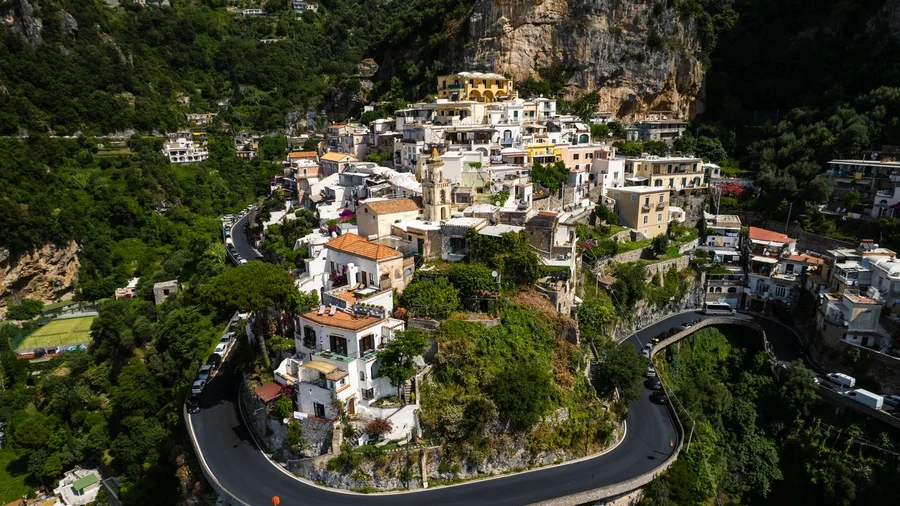
Do not attempt this drive in a large vehicle or an automatic SUV unless you enjoy folding your side mirrors inward every time a tourist bus rounds a blind cliff corner.
I navigated the 7-day Amalfi Coast and Southern Italy route using a compact manual rental car, keeping my total driving distance right around 300 miles for the entire week.
Driving times between Sorrento and Positano averaged an exhausting full hour amidst heavy tourist traffic, and parking availability was painfully scarce with daily rates hitting 35 to 50 euros.
Heavy tourist traffic slowed our daily progress down to a crawl, contrasting sharply against the dramatic Mediterranean scenic payoff waiting at every sharp turn above the water.
💡 Tip: Park outside the main town centers and use local public minibuses to bypass impossible parking garages.
⚠️ COMMON MISTAKE
Don't Rent a Full-Size Car
Driving a large sedan along cliffside Italian roads or single-track Scottish lanes turns a relaxing trip into a stressful obstacle course.
2. Explore the Scottish Highlands Wilderness
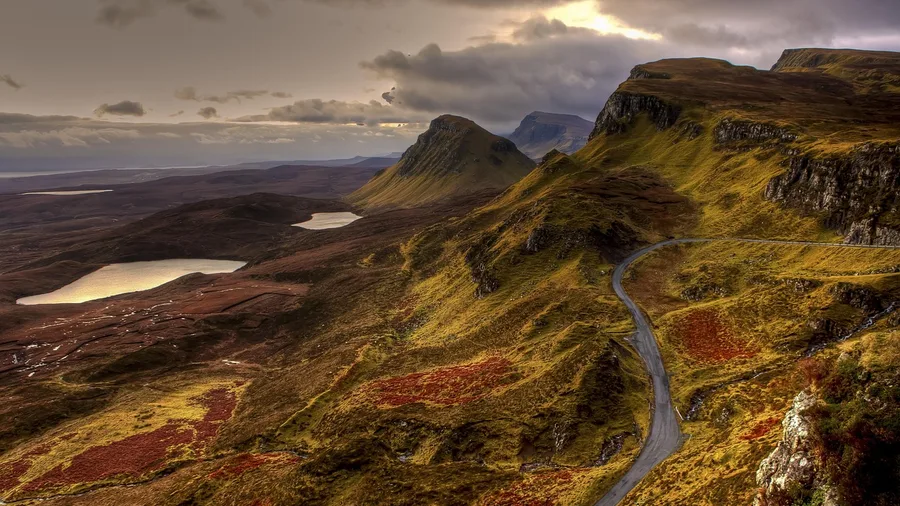
Swapping tight southern cliffs for open northern moorland brings you straight into the Scottish Highlands.
Glencoe and the Isle of Skye demand your complete attention on narrow single-track asphalt where two cars cannot pass side by side.
Pulling into designated passing places on your left or right requires constant judgment based on who has the clearer line of sight.
Spring and autumn bring sudden sheets of rain and thick mist that drop visibility to zero within minutes.
Fuel stations grow scarce between remote settlements, meaning you fill up whenever a pump appears rather than waiting for empty.
💡 Tip: Always pull completely into the designated passing place on your left; never stop on the right side of the road.
Trip Metrics at a Glance
Key figures from week-long European driving itineraries
3. Conquer the Iceland Ring Road
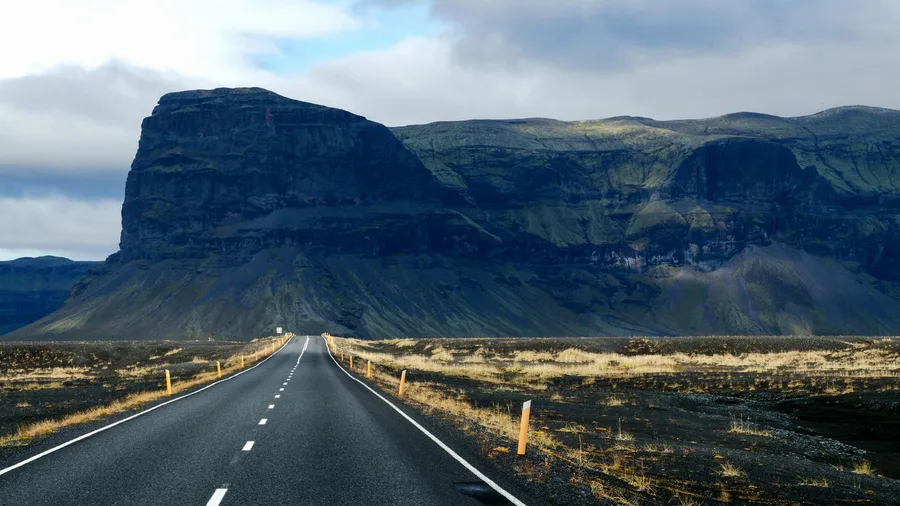
The relentless midnight sun beats down on your windshield at midnight, casting long amber shadows over black sand beaches and towering glacial tongues. I tackled Route 1 in a rushed seven-day dash, driving 200 to 300 miles daily just to complete the full circuit without falling behind schedule.
Car rental and insurance rates here run noticeably higher than standard European averages because mandatory gravel protection is non-negotiable against flying volcanic stones. While summer gives you twenty-four hours of daylight to push your mileage forward, winter turns these same remote stretches into a hazardous test of endurance in total darkness.
💡 Tip: Check wind speeds before opening your car doors, as sudden gusts can permanently bend car hinges.
Iceland Ring Road — At a Glance
⛽ Fuel & Tolls
Budget €80-€120 extra
☀️ Daylight Window
24 hours (June) vs. dark (Jan)
⚠️ Pacing Risk
High fatigue on 300-mile legs
🚙 Vehicle Choice
Compact manual transmission
Pro Driver Tip
Check wind speed alerts before opening car doors on the eastern fjords to avoid hinge damage.
4. Cruise the Portuguese Atlantic Coast
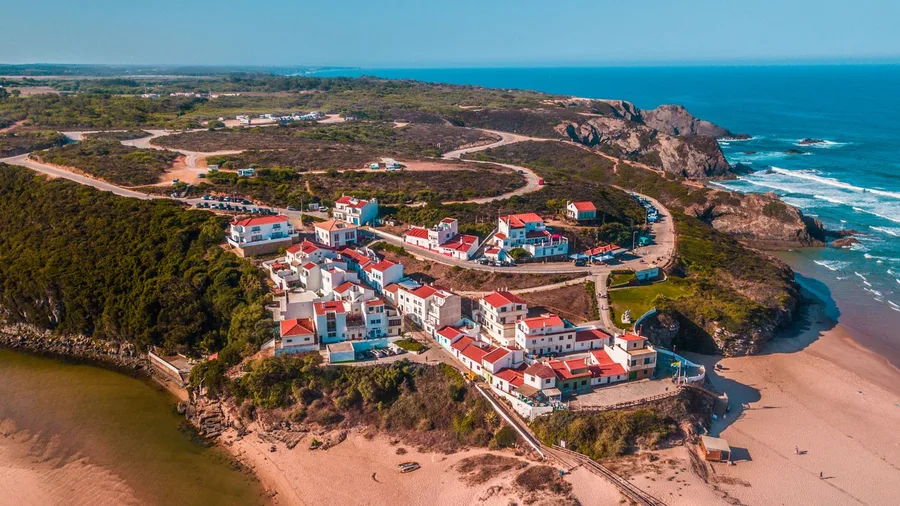
Your tires hum softly against the warm asphalt as you drop the window and smell salt mixed with eucalyptus drifting up from the Atlantic cliffs. I cruised southward from Lisbon to the Algarve, trading historic city streets for quiet coastal surfing villages.
Navigating the highways requires dealing with automated toll gantries that demand registered credit cards or an electronic transponder. When you stop for the night, urban hotels force you to squeeze into tight underground garages, whereas southern beach resorts trade those cramped spaces for open-air surface lots as you alternate between city exploration days and long stretches of coastal driving.
European Driving Myths vs Facts
5. Test Your Nerve on Swiss Alpine Passes
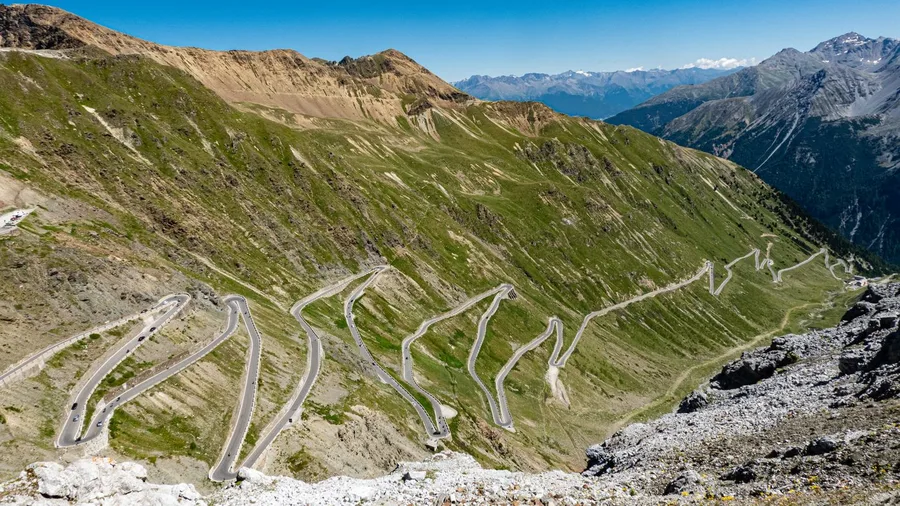
Skip these heights if you are traveling with young children or anyone prone to severe motion sickness.
Leaving the surf behind for the vertical switchbacks of the Furka Pass demands absolute focus from the driver. You will navigate these high-altitude climbs strictly between June and October, as heavy winter snow shuts down the passes completely. Your compact manual rental car will need aggressive downshifting on the steepest inclines to prevent the brakes from overheating entirely.
Before you even cross the border onto these mountain roads, you must purchase a mandatory highway sticker vignette for a 40-franc fee to display clearly on your windshield.
💡 Tip: Postbuses always have the right of way on Swiss mountain passes; pull over and let them clear the tight turns.
6. Unveil Fairy-Tale Castles on the Bavarian Alpine Road
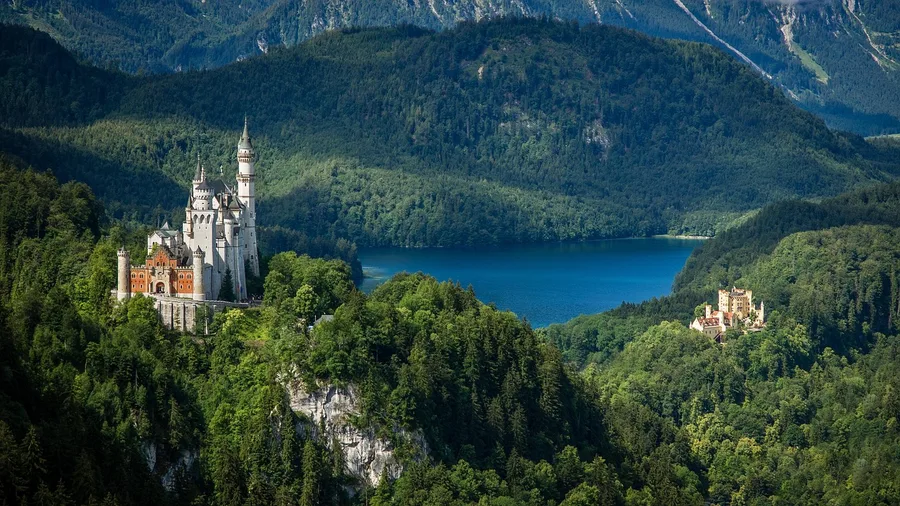
Forty euros in parking fees and entrance tickets will get you started on the scenic route through southern Germany. You will follow the road connecting royal palaces with peaceful alpine lakes and local breweries, trading mountain switchbacks for royal architecture.
Local parking rules near major tourist attractions like Neuschwanstein require pre-paid ticket stubs displayed visibly on dashboards.
Your recommended overnight village stops include Füssen and Garmisch-Partenkirchen.
High-speed autobahn sections will contrast sharply with the winding secondary alpine roads you leave behind.
7. Blend History and Islands on the Croatian Coastal Highway
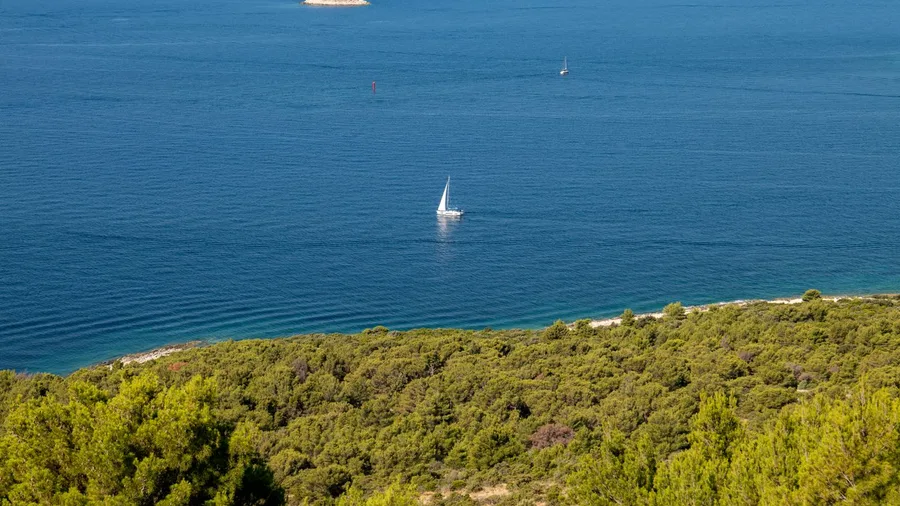
Unlike the quiet mountain villages of Germany, the Croatian coast tests your patience with heavy summer congestion along the asphalt.
Driving the Adriatic Highway from Zadar to Dubrovnik delivers continuous sea views alongside ancient walled cities, though crossing the Neum corridor in Bosnia requires passport checks at international border posts.
Car ferry booking procedures for nearby islands demand advance reservations during peak summer, contrasting sharply with the relaxed travel pace you find in the shoulder season.
8. Drive the Provence Lavender Route at a Relaxed Pace

Plan your seven-day route strictly between mid-June and late July, because that window captures the peak lavender bloom before the annual harvest strips the fields bare.
Leaving the intense coastal traffic behind, you will navigate quiet rural roads at a steady pace of 50 to 80 kilometers per hour through quiet French villages and sprawling vineyards. Expect your average daily driving distance to hover around 250 to 350 miles in your compact manual rental car, keeping daily time behind the wheel right around three hours so you can actually pull over and smell the air.
Keep a close eye on the local calendar because weekly market days will completely block off village centers and turn parking into a frustrating puzzle. Set aside roughly $150 to $250 for your total fuel budget, and do not skip the side lanes where you are practically guaranteed to spot local bee farms and wild rosemary bushes thriving right alongside the purple rows.
Frequently Asked Questions
Is a week really enough time for a European road trip?
Yes, if you keep your total distance between 250 and 350 miles and stick to a single region. Trying to cross multiple countries in seven days turns your holiday into an endless commute.
Should I rent an automatic or manual car in Europe?
Rent a compact manual car if you know how to drive stick shift. Automatics cost significantly more to rent and are harder to maneuver on narrow mountain roads and tight parking garages.
How much should I budget for fuel and tolls?
Expect to spend between $150 and $250 USD on fuel and highway tolls for a standard week-long trip. Keep local currency or a chip-and-PIN credit card handy for automated toll booths.
Do I need an International Driving Permit in Europe?
Yes, several European countries like Italy and Austria legally require an International Driving Permit alongside your standard domestic driver license. Check specific country regulations before leaving.
What is the best way to handle parking in European tourist towns?
Always look for designated parking lots outside historic city centers and walk or take public transit inward. Booking hotels that include private parking saves you significant daily fees.
Matching Your Driving Comfort Level to Seasonal Landscapes
If you want high-stress mountain switchbacks and dramatic peaks, take the Swiss Alpine passes, but if you prefer slow coastal horizons and manageable distances, stick to the Portuguese Atlantic or the lavender roads of Provence.
A week of vacation time spent testing driving times, accommodation stops, and parking realities proves that realistic pacing is everything when you only have seven days on the road.
Look at your calendar, book your compact rental car, and pick the one region that actually matches your driving confidence today.
Plan Your European Route Today
Review the quick planning guide above and lock in your vehicle choice before peak season booking fills up.