Black Friday 2026: 7 Ways to Tell a Real Deal From a Fake Discount Before You Buy


Black Friday 2026 falls on November 27, and the sales started early. Amazon Black Friday Week began on November 19 and runs through November 30, with savings of up to 60% off selected deals. Best Buy opened its Black Friday sale on the same day, with up to 50% off selected products. Nordstrom is offering up to 60% off selected items through December 1.
Big numbers like that are designed to make you stop thinking and start buying. That is exactly why you should slow down for one minute before you tap buy. A huge percentage off means nothing if the starting price was never real.
WalletHub checked that question with hard data. In its 2025 analysis of 3,100 Black Friday items, 36% offered no savings at all compared with prices from the weeks before the sale. Another 9.5% actually cost more on Black Friday. The items that did save money averaged about 24% off. So the typical real deal was a quarter off, not the half off or more that the badges promised.
The same pattern shows up overseas. A European Commission sweep published on March 26, 2026 found that 30% of 314 online traders checked during the 2025 Black Friday sales referenced discounts incorrectly. In the UK, the Advertising Standards Authority ruled in 2026 that ads from John Lewis, Boots and Debenhams had misled shoppers with savings claims that were not backed by a genuine usual selling price.
This guide gives you seven practical checks. Each one takes a minute or less. Together they tell you whether a deal is real before your money leaves your account.
1. Start With the Crossed-Out Price, Not the Big Percent

Every fake discount starts with the same trick. A big crossed-out number sits next to a much lower sale price, and your brain does the rest. You feel like you are winning. The store knows that feeling is the whole point.
So ignore the percent first. Look at the crossed-out price and ask one question. Was this item actually selling at that price for a meaningful stretch of time? If it only existed for a few days, or never existed at all, the percent is fiction.
Real examples show how often this happens. The UK advertising regulator found a John Lewis MacBook Air advertised at 699 pounds with a claimed 150 pound saving, yet third-party trackers suggested the laptop had only been sold at 849 pounds for one day in July 2025. Boots advertised a Hugo Boss fragrance reduced from 80 pounds to 60 pounds, but the higher price had only applied for 21 days when the product first launched.
Look for the label next to the old price too. Words like list price, original price, or typical price each mean something different. A list price is set by the maker and the store may never have charged it.
2. Check the Price History Before You Believe the Badge
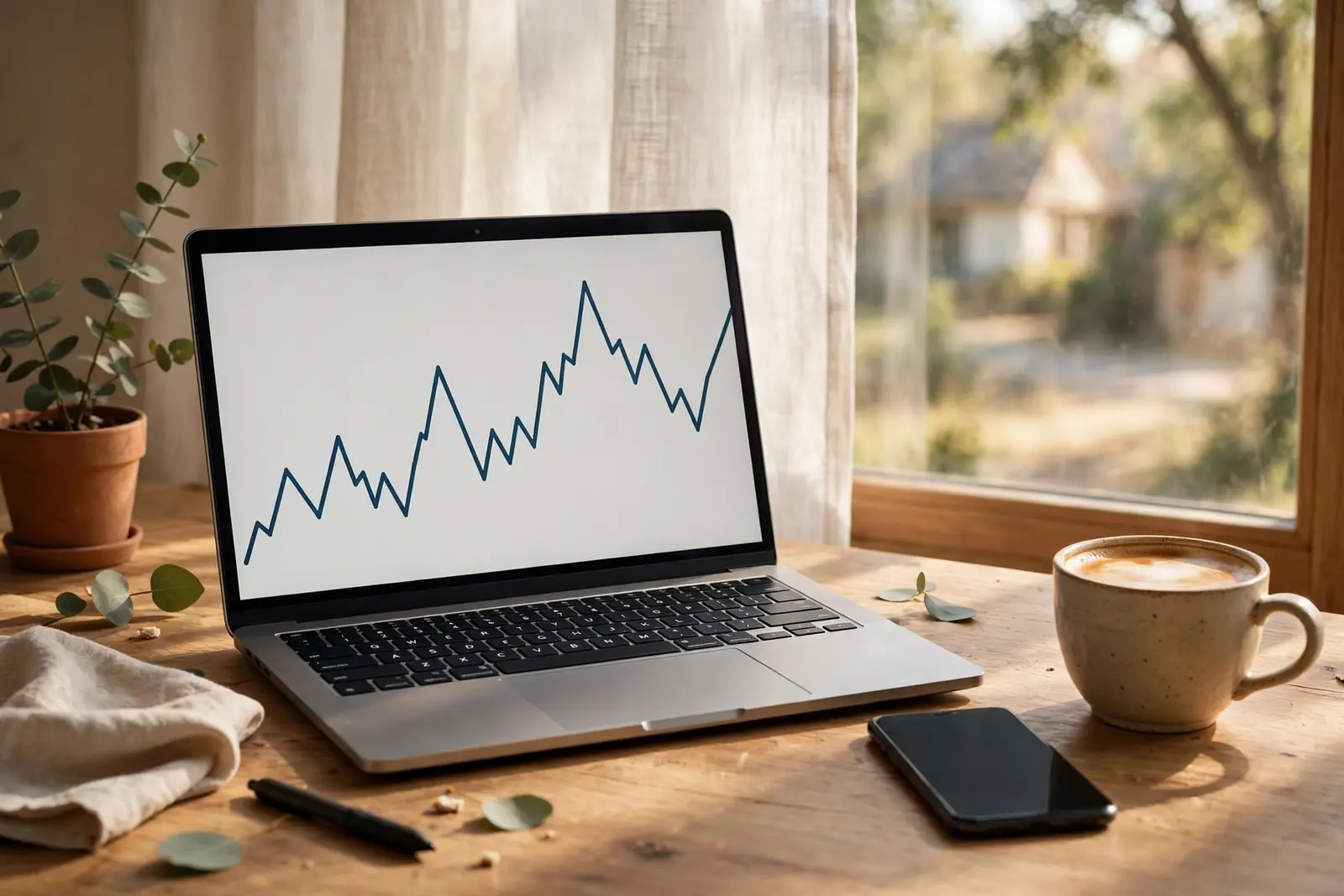
This is the single most powerful check on the list, and it takes about 20 seconds. A price history tracker records what an item actually cost over weeks and months, then shows it as a simple chart. One glance tells you whether today is a genuine low or just a loud badge.
For Amazon, two free tools do the job. CamelCamelCamel lets you paste in a product link and see its price history, and you can set an email alert for your target price. Keepa is a browser extension that puts a price history chart right on the Amazon product page.
Here is what to look for. Find the lowest price in the last 90 days. If today matches it or beats it, buy with confidence. If the item was cheaper two or three weeks ago, the Black Friday price is not a deal, even with a red badge.
One warning from the research. A price check of 10 Amazon deals in November 2026 found only 2 that passed a full year of history. The rest were above their lows or at routine prices. Check first, then decide.
3. Compare the Same Item at Three Other Stores

A deal can look great in one store and ordinary everywhere else. A 40% off badge means little if three rival stores sell the same item for the same price with no badge at all. Comparison is your second line of defense, and it works for items with no price history tool.
Search the exact model number, not just the product name. Model numbers matter because stores sometimes sell near identical versions with one letter different. Copy the full number from the product page and open three other listings.
Check the total cost, not just the headline price. Shipping, taxes, and any required membership can erase a saving. A 20 dollar saving is not a saving if that store charges 15 dollars for delivery and the other ships free.
WalletHub’s 2026 ranking of advertised deals shows why comparison pays. It examined more than 2,250 advertised deals from 11 major US retailers, using information available through November 14. JCPenney led with an average advertised discount of 74.3%, followed by Macy’s at 56.5% and Target at 38.5%. Averages differ a lot by store, so the best price for your item may not be at the store shouting loudest.
4. Watch for the October Price Bump

Some fake discounts are built weeks before Black Friday. The store quietly raises the price in October, then cuts it back in November and calls the return a sale. The price you pay is the same as September. The badge is the only new thing.
This is the trick a price history chart catches best. Look at September and early October. If the line climbs in late October and then drops sharply on the sale date, you are looking at a manufactured discount. Treat the September price as the real anchor, not the October peak.
Watchdogs have caught this pattern in the wild. The UK consumer group Which? tracked 175 appliances on sale on Black Friday 2024 at eight big retailers. It found 83% were the same price or cheaper on another day of the year, and not one was at its lowest price of the year on Black Friday itself.
That last example carries a useful lesson. If the price history shows a steady downward trend after the holidays, waiting may beat buying. A deal that repeats every few weeks is not urgent, no matter what the countdown timer says.
5. Spot the Made-Up Model Number and the Bundle Trick

Some products are built for Black Friday and never exist at any other time. The store orders a special version with a slightly different model number, a cheaper part inside, or a missing feature. You cannot compare it with anything because nothing else matches it. The discount looks huge because the comparison price is invented.
Check the model number against the maker’s own site. If the exact number appears only at one retailer, be careful. Search for reviews of that specific number. If almost none exist, the product may be a sale-only variant. A genuine deal is usually on the standard model that reviewers and trackers already know.
Bundles work the same way. A laptop plus a bag plus a software trial plus a cable can carry a big percent off, but the discount is measured against a bundle price you would never pay. Ask whether you would buy each extra item on its own.
The same logic applies to doorbusters, the very cheapest items in the ad. Stores often stock only a handful, and the model may be a stripped down version. Read the specs line by line.
6. Read the Fine Print on Coupons, Gift Cards, and Doorbusters

The advertised price is sometimes not the price you pay. It is the price you reach after an app download, a newsletter signup, a store credit card, and a coupon code that expires in an hour. Each step is a hurdle, and some shoppers never clear them all.
Ask for the honest price first. That is the price with no card, no app, and no code. If that price is still good, the extras are a bonus. If the deal only works after you jump through every hoop, treat the headline number as advertising, not a price.
Gift card deals need the same care. A common offer is a gift card with purchase, and the headline counts the full card value as a saving. But a gift card is not cash. It locks your money into one store.
Timers and stock warnings deserve a pause too. The European Commission sweep found that 18% of traders checked used pressure selling techniques such as running out claims or countdown timers, and more than half of those cases looked misleading. A real deal will still be a deal after a deep breath.
7. Run the 60-Second Check on Every Single Deal

Everything in this guide boils down to one habit. Before you buy, spend 60 seconds checking. Read the old price. Open the price history. Compare three stores. Do the real math. That is the whole routine, and it works on every deal from a 20 dollar gadget to a 2,000 dollar TV.
Make the habit easy. Install a price tracker before you shop, not during the sale. Save a short list of the items you actually want, with the price you would happily pay for each. When a badge appears, you compare it with your own number, not with the store’s number.
Set a rule for yourself in advance. A common one is simple. Buy only if the sale price is at or below the 90 day low and at least 15% under the recent selling price. Anything else waits.
Remember what the data says. Real deals exist, and they average about 24% off, according to WalletHub. But more than a third of Black Friday items save you nothing, and nearly one in ten costs more than before the sale.
Black Friday 2026 will tempt you with more deals than any one person can check. You do not need to check them all. You only need to check the ones you are about to buy. Sixty seconds per item is a small price for keeping your money in your pocket when the badge is lying.
Start with your own list, not the store’s homepage. Pick the three or four items that matter most to you. Run the checks on those, buy the ones that pass, and let the rest go. The sales will come back. Cyber Monday is November 30, and the deals keep running into December. A missed fake discount is not a loss. It is money you still have.
When a deal passes every check, enjoy it. A genuine 24% saving on something you wanted, at its lowest price in months, is a real win. That is what Black Friday is supposed to be. Now you know how to tell the difference.