How to Sell a Tiny House (and What Buyers Actually Look For)


Selling a tiny house is not like selling a regular house. There is no open house crowd, no standard mortgage, and no agent who already knows the market. Most buyers are first timers, and most sellers are too.
That is actually good news. The pool of buyers is smaller, but it is focused. People shopping for a tiny house already want one. They are not browsing out of curiosity. They have a budget, a parking plan, and a long list of questions.
Your job is to answer those questions before they are asked. Price it honestly, show the paperwork, photograph every corner, and make the handover feel safe. Do that and a well kept tiny house can sell in a matter of weeks.
At a Glance: Selling a Tiny House
- Typical used price: roughly $20,000 to $80,000 for a tiny house on wheels, depending on age, size, and condition
- New builds: professionally built homes on wheels commonly run $45,000 to $120,000
- Realistic timeline: a correctly priced, certified home often sells within 30 to 60 days
- Biggest value driver: whether it sits on wheels or a foundation, and whether it carries RVIA or NOAH certification
- Where to list: Tiny House Marketplace, Tiny House Listings, Facebook Marketplace, and RVTrader
- Buyer transport: professional hauling typically runs $3 to $5 per mile, usually paid by the buyer
- Golden rule: confirm cleared payment before signing over the title or releasing the home
1. First, Figure Out What Kind of Sale This Is

Everything about your sale starts with one question. Does your home sit on wheels, or does it sit on a permanent foundation?
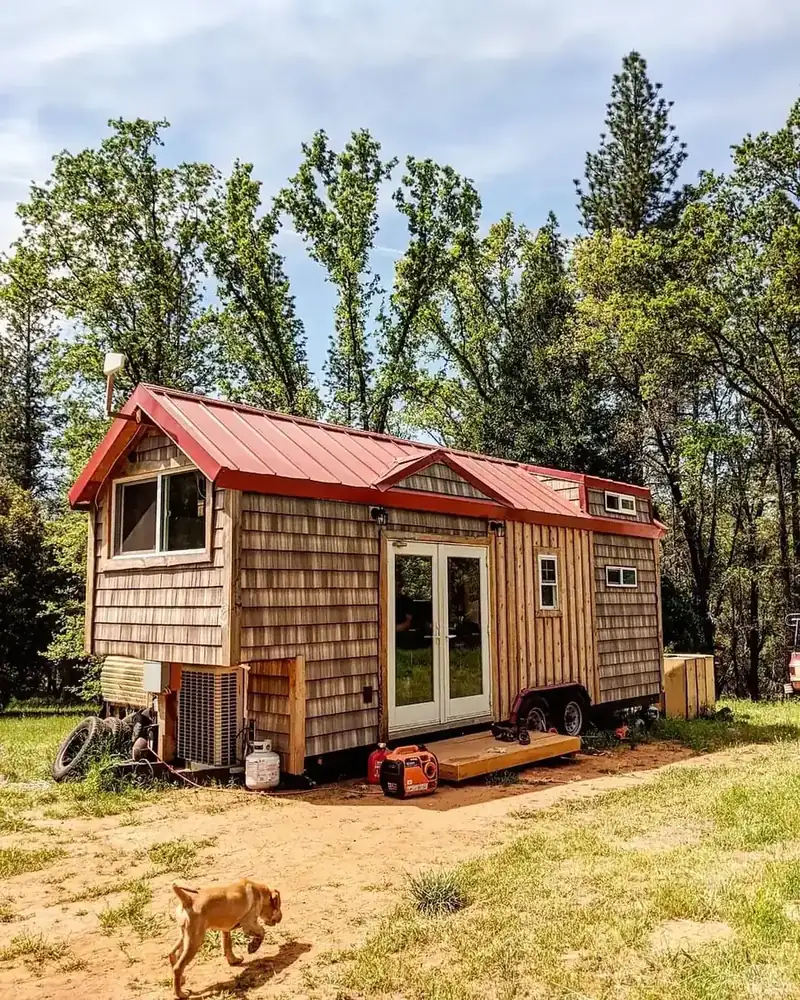
A tiny house on wheels is usually treated as personal property, closer to an RV than a house. In most states it is titled through the DMV as a trailer or recreational vehicle. The sale works like a vehicle sale, with a title transfer and a bill of sale. A buyer cannot get a standard 30 year mortgage for it.
A tiny house on a foundation is a different story. If it is bolted to footings or a slab on land you own, it is usually real property. That sale can work like a normal house sale, with a deed, and it may even qualify for a regular mortgage. The guide to tiny home depreciation from LegalClarity explains why this one distinction shapes value, financing, and insurance.
Work out which kind you have before you write a single word of the listing. It decides your price, your paperwork, and who can actually buy from you.
2. Price It From Comparables, Not From What You Spent

The most common pricing mistake is adding up every receipt and calling that the price. Buyers do not pay for your memories, your labor, or the custom tile you loved. They pay what similar homes are selling for right now.
Find three to five comparable homes. Same type, similar size, similar age, similar certification, similar condition. Asking prices are a ceiling, not proof of value. Look for homes that actually sold, or at least listings that disappeared quickly.
Be honest about depreciation. A tiny house on wheels loses value more like a vehicle than a house. Published comparisons put a typical home on wheels at roughly half its purchase price after five years, while a foundation home on owned land can hold or gain value with the land. Custom finishes and DIY labor rarely come back in full at resale.
If you get views but no inquiries in the first few weeks, the price or the photos are usually the problem. Drop the price in a real step, not a token one, and watch the inquiries change.
3. Gather the Paperwork Before Anyone Asks

Buyers, lenders, and DMVs will all ask for the same documents. Having them ready makes you look serious. Hunting for them mid sale makes buyers nervous.
Start with the title or registration in your name. If the home was never titled, find the manufacturer certificate of origin. Add your RVIA or NOAH certification paperwork if you have it, plus the trailer VIN and a certified scale weight from a public truck scale. Buyers need the weight to plan towing and to check their truck can handle it.
Then gather the proof of quality. Build receipts, appliance manuals, solar and battery specs, and maintenance logs all help. A folder of dated photos from the build is worth more than any promise about how well it was put together. The Tiny House Seller’s Guide from Little Houses For Sale lists the full document checklist sellers should pull together before listing.
Check for liens before you list. A loan or a mechanic lien you forgot about can stop a sale on closing day. Clear it now, while there is still time.
4. Fix the Small Stuff, Then Stage It Like a Home

Buyers decide in the first five minutes. They notice a sticky door, a stained ceiling, a soft spot in the floor, and a smell they cannot place. Fix what they will notice first.
Start with water. Check the roof, the windows, and every plumbing joint for leaks or stains. Water damage is the first thing an inspector checks, and it scares buyers more than almost anything else. Then check the trailer: rust, tire condition, brakes, and lights. A home that cannot be moved safely is a home that cannot be sold easily.
Next, clean like a guest is coming. Deep clean the kitchen and bathroom, wash the windows inside and out, and air the place out. Remove personal items, family photos, and anything that makes the space feel like yours instead of theirs.
Stage for the life, not the stuff. A made bed, a set table, a clear desk, and one plant on the counter tell a buyer this is a home, not a project. Skip the clutter. In 250 square feet, three extra objects can make a room feel crowded.
What Buyers Actually Look For
- Where it can go: can they legally park it where they live, and do they have a spot lined up
- How it moves: trailer condition, weight, and whether their truck can tow it or a hauler is needed
- Certification: an RVIA or NOAH seal makes financing, insurance, and RV park acceptance far easier
- Water and roof: any sign of leaks, stains, or soft spots is a red flag and a price cut
- Systems that work: heat, water, power, and the toilet, all demonstrated in person
- Storage that fits real life: a main floor bedroom, real stairs instead of a ladder, and a place for clothes and food
- Clean title: no liens, no missing paperwork, and a clear path to transfer ownership
5. Photograph Every Corner Like a Buyer Is Shopping on a Phone

Your photos are your showing. Most buyers will decide whether to message you from the first three pictures, on a phone, in about ten seconds.
Shoot in daylight. Open every blind and curtain, turn on every light, and take level shots from the corners so rooms look as big as they are. Photograph every part of the home: kitchen, bathroom, sleeping loft or bedroom, storage, the trailer, the roofline, and the systems. Buyers distrust listings that hide the bathroom or the loft.
Take more photos than you think you need. Thirty good photos beat eight great ones, because buyers want to see the whole home, not just the pretty angles. Include close ups of the certification plate, the trailer hitch, the tires, and any labels on the solar setup or water heater.
Write down the specs to go with the pictures: length, width, square footage, weight, build year, builder name, and what is included. A listing with full specs gets fewer questions and better ones.
6. List It Where Tiny House Buyers Actually Look

General sites bring general browsers. Tiny house buyers shop on tiny house sites. Start there.
The Tiny House Marketplace is the busiest dedicated option, and a standard listing there is free, with paid upgrades for premium or featured placement. Tiny House Listings is the other long running specialist site, with one time listing fees that typically run $35 to $150. Both put your home in front of people who already want a tiny house.
Then widen the net. Facebook Marketplace is free and reaches a huge audience, but expect more casual browsers and more scams to filter out. RVTrader reaches RV buyers who may be open to a tiny house on wheels. Craigslist and eBay Motors can work, but they attract bargain hunters, so price accordingly. The Tiny House Marketplace listing policy sets out its fees and rules, including the 400 square foot limit for listed homes.
List on two or three platforms at once, with the same price and the same photos everywhere. Answer inquiries the same day. A buyer who waits two days has usually found another home.
7. Screen Buyers Before You Book a Showing

Not every message is a real buyer. A quick screen saves you weekends of showing the home to people who cannot buy it.
Before a showing, ask three questions. What is your budget, and how will you pay? Where will you park it? How will you move it? A serious buyer has answers, or at least a real plan. A tire kicker changes the subject.
Be upfront about the hard parts. Say the weight, the towing requirements, and the parking rules plainly. If the home needs a one ton truck or a professional hauler, say so in the listing, not at the showing. The buyers who stay after hearing the hard facts are the ones worth your time.
For showings, keep it simple and safe. Meet in daylight, bring someone with you, and let the buyer open cabinets, run the water, and climb the ladder. A buyer who tests the home is a buyer who is picturing living in it. That is exactly what you want.
8. Close It Safely, Then Plan the Move

A handshake is not a closing. With sums this size, use the same care you would use selling a car, because legally that is often what you are doing.
Use a written bill of sale that lists the price, the date, both names, the VIN or serial number, and what is included. For a home on wheels, sign over the title at the DMV or with a notary if your state requires it. For a foundation home, use a title company or a real estate attorney.
Never release the home or the title on a personal check, an unverified cashier check, or a screenshot of a wire transfer. Confirm the funds have cleared first. For larger sums, an escrow service is worth the fee. The selling guide from LiveSmallBeMore stresses escrow and cleared funds as the two rules that protect sellers from common scams.
Finally, agree on the move before money changes hands. In most sales the buyer pays for transport, typically $3 to $5 per mile with a licensed hauler, plus permits for oversize loads. Put it in writing: who hires the hauler, who pays, and the pickup date.
Closing Day Checklist
- Payment cleared: funds confirmed in your account, not just promised or screenshotted
- Bill of sale signed: price, date, both names, VIN or serial number, and included items listed
- Title transferred: signed over at the DMV, or through a title company for a foundation home
- Liens released: written proof that no loan or lien remains on the home
- Keys and manuals: all keys, appliance manuals, and system instructions handed over
- Move agreed in writing: who hires the hauler, who pays, and the pickup date
- Insurance sorted: buyer has coverage in place before the home rolls off your land
Selling a tiny house takes more homework than selling a couch and less than selling a house. The sellers who do well are the ones who treat it like a real transaction: honest price, clean paperwork, bright photos, and a closing with no surprises. Do the work up front and the right buyer will recognise it. They are looking for a home they can trust, and your listing is where that trust starts.