Living in Iceland | The Truth About Life on the Edge of the Arctic

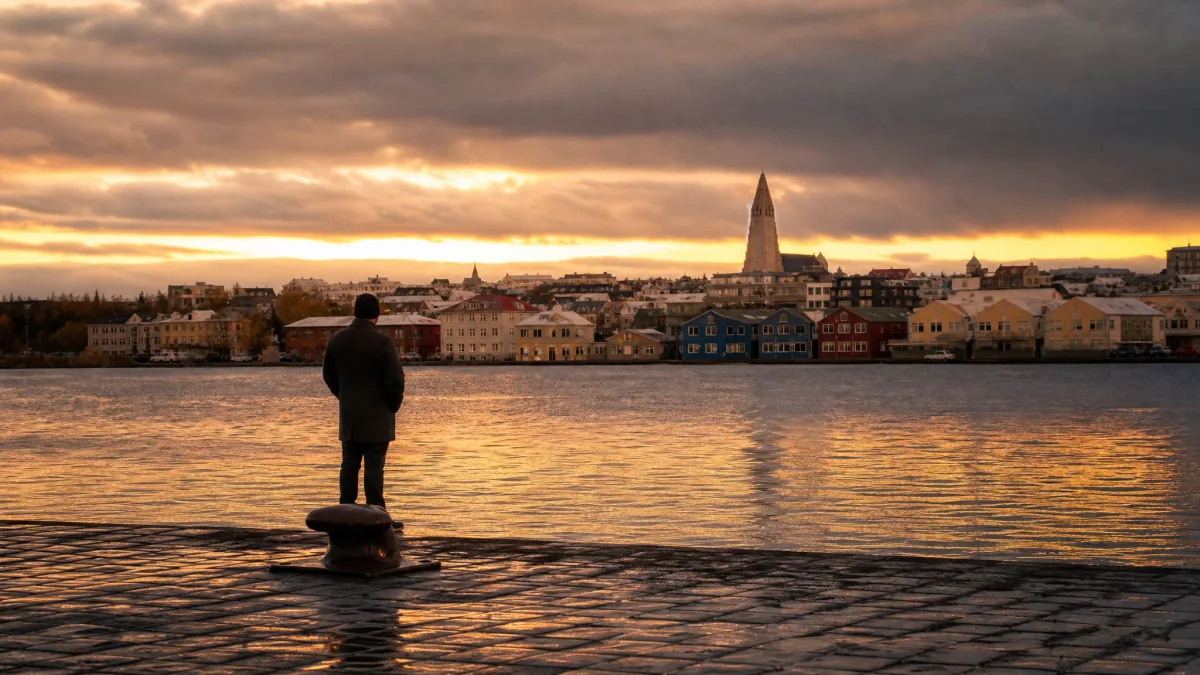
The mistake almost everyone makes when planning a move to Iceland is preparing for the cold – and not the dark.
I arrived in Reykjavik on a Tuesday in September, and for the first two weeks I thought everyone who had warned me was wrong. The light was golden and horizontal, the air had an edge I liked, and the city felt like somewhere I had stumbled into rather than chosen. I had a one-bedroom apartment in 101 Reykjavik, a freelance visa, a laptop, and a US publication paying me in dollars. I thought I was ready.
By mid-October I was setting an alarm to catch daylight.
What follows is 14 months of specifics – September through the following November, one full Arctic winter, one midnight-sun summer, a second autumn – on rent, groceries, wind, darkness, and the considerably slower and harder work of finding a place inside a city of 230,000 people who already know each other. Iceland’s beauty is real and well-documented; this is not that account.
Read it, and by the end you will have enough to know whether this life fits your actual circumstances – or whether the Iceland you want is better kept as a holiday.
Winter Darkness Grinds You Down Faster Than Expected
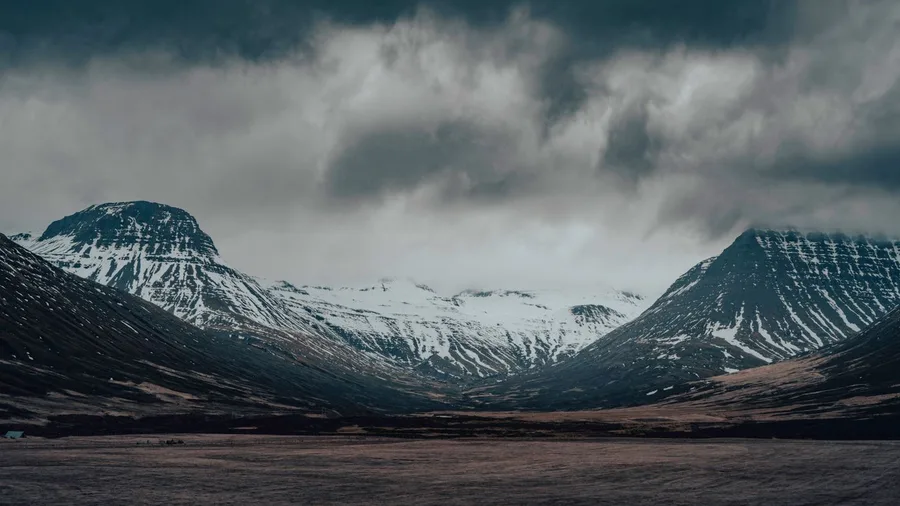
December gives you four hours of usable daylight, and that sentence will mean nothing to you until you are standing in your kitchen at 9 a.m. watching full darkness outside the window, pulling on your coat, and knowing that when you return at four in the afternoon the street will be dark again.
The grey slot in between those two darks is not sunshine. It is a narrow band of flat twilight that lasts roughly two hours at its best – enough to walk in, not enough to feel the day has started.
For the first six weeks or so, the novelty held. The dark felt cinematic, almost chosen. Then, somewhere around mid-October, a different quality arrived – not tiredness, something flatter than that. Motivation slid sideways. Early nights and extra coffee had no effect. It was the body keeping a different set of accounts.
Most Reykjavik residents – locals and expats alike – use a 10,000-lux therapy lamp in the morning. It works, in the limited sense that it takes the worst edge off the heaviest weeks. It is not a fix, it is upkeep – the difference between a sore back you can function with and one you have solved.
The people who adapted fastest were the ones with outdoor routines already in place before winter arrived – runners, swimmers, people who hiked in rain without needing a reason. Being indoors under artificial light all day compounds the darkness rather than sheltering you from it.
February is when things genuinely shift. That means October, November, December, and January are the full weight of it – four months of managed attrition, not one hard week followed by recovery. Plan your psychology accordingly.
⚠️ COMMON MISTAKE
Do Not Arrive Without a Light Lamp
Buying a 10,000-lux lamp after the darkness hits means buying it while already depleted — and Reykjavik stock runs low by November. Order one before you fly, or buy it the first week you land in September. This is not optional kit for sensitive people; it is standard infrastructure for anyone wintering here.
The Midnight Sun Is Just as Disorienting as the Dark
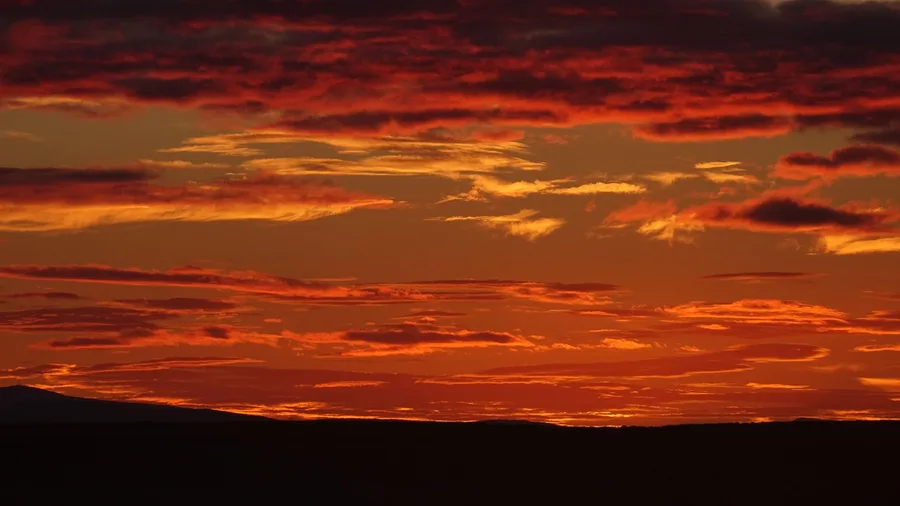
The discipline that got you through winter is the first thing the summer light destroys.
Late June: the sky at 11 p.m. outside my apartment in 101 Reykjavik looked like a bright overcast afternoon. By 3 a.m. there was enough ambient light to read a book on the couch without switching on a lamp. The sun was back above the horizon before I had made up my mind about whether the night was over.
The practical fallout was not poetic. I missed mealtimes. On days without fixed calls or meetings I lost the clock entirely. Over three weeks my sleep schedule drifted by roughly an hour each day until I was going to bed at 5 a.m. and waking at noon, functionally nocturnal, confused about what had happened.
Blackout curtains fixed the worst of it. Every long-term resident in Reykjavik treats them as they treat a working door lock – not optional, not decorative, just infrastructure. They are cheap and sold everywhere, and buying them within the first few days of real midnight sun is the single most useful practical step you can take.
There is real pleasure in the summer once you have managed the mechanics of sleep. The warmth after winter feels almost unearned. Evenings at 10 p.m. carry the quality of a stolen afternoon – the city stays out late, energy arrives from nowhere, the whole register shifts.
But the summer also reveals something. The dark had imposed routine on you; the light removes it. Both extremes are testing the same thing: whether you can maintain structure when the environment is not supplying it for you.
The Four Seasonal Pressures — How Hard Each One Hits
Rated on a scale from manageable background condition to active daily grind
- December Darkness (4 hrs daylight): The single hardest pressure — cumulative, slow, and underestimated by almost every new arrival
- June Midnight Sun (22 hrs light): Disorienting and sleep-wrecking, but offset by warmth and genuine energy — manageable with blackout curtains
- January Wind Gusts (40–50 mph): Physically harder than the cold itself — the right outer shell cuts this dramatically
- October–November Rain and Grey: Persistent and dull, but not extreme — the transition month before real dark sets in
Based on 14 months in 101 Reykjavik, September through the following November
Wind Beats You Harder Than the Cold Ever Does

The physical environment does not wait for you to finish adjusting to the seasons – and its daily pressure is not temperature, it is wind.
January in Reykjavik sits around 32°F. On a calm day that is genuinely manageable – cold in the way a Chicago November is cold, not in the way that stops you functioning. I dressed for it, walked in it, ran errands in it without much drama.
Then one morning I walked six minutes from my apartment to a shop on a day with gusts hitting around 45 mph. The wind struck the exposed side of my face like something physical. Moving forward required actual effort. The number of layers underneath was irrelevant.
The gear mistake most arriving foreigners make is reaching for insulation instead of wind protection. A thick down puffer coat does not solve Reykjavik winters because the cold is not the primary problem – the wind is, and down stops nothing. A quality outer shell rated for wind and rain, bought locally, runs roughly $250 to $350. Locals notice immediately who has understood this and who has not.
The reason the puffer coat signals the wrong thing is that it encodes the wrong mental model of Iceland’s climate entirely. This is not continental cold – dry, still, deep-freeze. It is oceanic: wet, gusty, and changeable. That distinction affects everything from how long a simple errand takes to whether you can commit to outdoor plans the morning of.
Get the shell right and the physical climate becomes workable – even, on clear and fast-moving days, genuinely exhilarating. But it never becomes something you stop accounting for.
The Wrong Kit vs. The Right Kit for Reykjavik Winter
What Most People Bring
- Heavy down puffer — warm but zero wind resistance
- Waterproof-looking boots that soak through in an hour
- Cotton underlayers that hold moisture against skin
- Single mid-layer with no wind shell over it
- Light therapy lamp left at home ('I'll be fine')
What Actually Works
- Windproof and waterproof outer shell (Helly Hansen or 66°North)
- Proper waterproof hiking or city boots — Icebug grips ice well
- Merino wool base layer — warm, dry, odour-resistant
- Insulating mid-layer under the shell, not instead of it
- 10,000-lux lamp on the desk from week one
Rent Takes Up More of Your Budget Than Anywhere Comparable
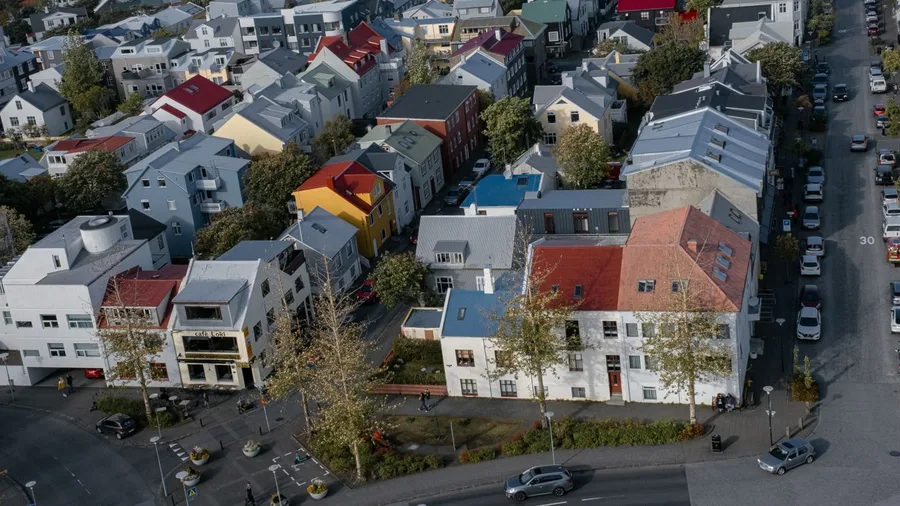
The roof costs more than anything else, and it sets the ceiling on what every other expense is allowed to be.
My apartment in 101 Reykjavik – one bedroom, clean, functional, a twelve-minute walk to the old harbour – ran $2,100 a month. No concierge, no gym, no roof terrace. A normal flat in a normal building, priced at the going rate because that is simply what central Reykjavik costs. The word ‘central’ here earns its money in a way it does not in most American cities: everything I needed was on foot or one bus ride away, and the density of that convenience is real. But the apartment itself would not turn a head in any property listing.
The market moves before you can think. I watched a colleague arrive without a flat lined up and spend his first twelve days in a short-stay rental at roughly twice the monthly rate, competing for apartments from a position of obvious urgency – landlords here notice desperation, and it does not help the negotiation. The vacancy rate in central Reykjavik is low enough that a listing posted on a Tuesday is often gone by Thursday.
A USD remote salary changes the arithmetic in a way that is hard to overstate. The $2,100 was a strain I could manage; for someone on a local Icelandic wage, that same rent represents a genuinely uncomfortable percentage of monthly take-home. Anyone arriving with the assumption that Icelandic salaries and cost of living are in balance the way they might be in, say, Berlin or Lisbon should revise that before they book the flight.
The number to fix in your head before you run any budget: $2,100, before a single bag of groceries, before the bus pass, before anything that makes daily life feel like daily life. Everything else has to fit around it.
101 Reykjavik — Monthly Budget at a Glance
🏠 1-Bedroom Rent (central)
$2,100 / month
🛒 Groceries (one person)
~$680 / month
🚌 City Bus Pass
$75 / month
🌋 Geothermal Heating + Hot Water
~$55 / month
💰 Baseline Monthly Total
~$2,910 before discretionary
The surprise
Heating is the one bill that consistently lands below every expectation — $55 a month, year-round, including the coldest weeks of January.
Groceries Will Reset Every Assumption You Have About Food Costs
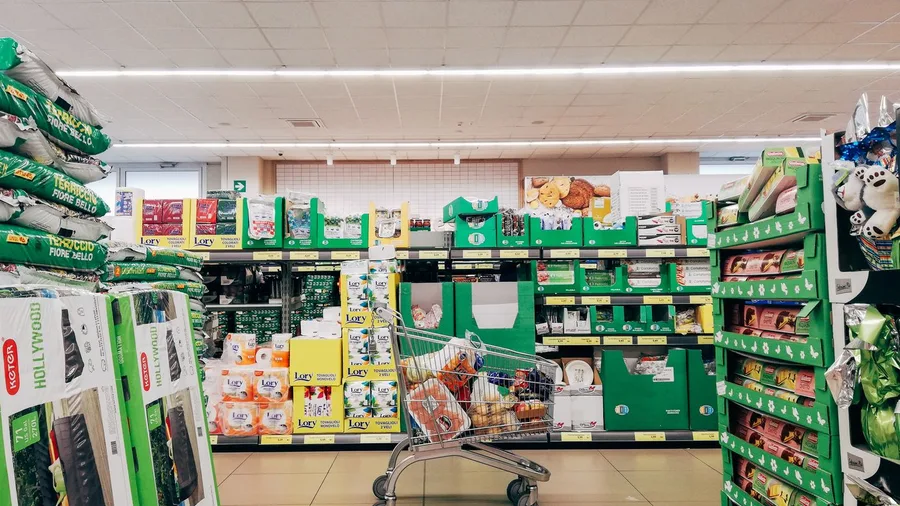
The supermarket is where the financial reality of living here stops being abstract.
I spent roughly $680 a month on food for one person, cooking from scratch most nights and eating out rarely. New arrivals consistently reacted to their first full shop with something close to disbelief – not at one item but at the cumulative total when they reached the till. The prices that stayed with me: cheddar around $9 to $11 for a medium block, a whole chicken anywhere between $14 and $18, a bottle of mid-range wine from the state liquor store running $25 to $35. None of these are luxury purchases. They are the things that end up in a normal weekly basket, priced as imports in an island market of 370,000 people.
That last point is the key one. Iceland imports the bulk of its food, and the economics of supplying a small, remote population produce structurally high prices – this is not a tourist markup or a city-centre premium, it is the baseline.
The exceptions exist and they matter. Lamb is locally raised and reasonably priced; skyr, the thick Icelandic dairy staple, costs a fraction of what imported yoghurt runs. Most long-term residents I knew had quietly restructured their cooking around what Iceland actually produces rather than recreating a shopping basket from back home.
$680 is the floor for a careful single adult who cooks everything. It is not a ceiling. Eating out even occasionally pushes that number up fast – a sit-down meal in a mid-range Reykjavik restaurant runs $30 to $50 per person before drinks. The adaptation is not complicated, but it is non-negotiable: the kitchen becomes the default, and restaurants become the treat.
Geothermal Heating Is the One Bill That Makes You Feel Lucky
Then the heating bill arrives, and for a moment the entire financial logic of the place shifts.
My geothermal heating and hot water cost approximately $55 a month – every month, including the worst weeks of January. In a northern US apartment of similar size, heating through winter runs $200 to $350 in the bad months. The $55 is not a government subsidy waiting to be cut; it is what it actually costs to pipe hot water out of the ground Iceland sits directly on top of.
The physical experience in the apartment was simply warmth – radiators consistently on, hot water immediately and reliably hot, no rationing, no dread in the morning before checking the thermostat. The heating infrastructure worked as quiet background fact, every day, regardless of what the wind was doing outside.
That reliability changed how the apartment felt. In a month where rent and groceries had already taken $2,780, a flat that was genuinely, predictably warm stopped being an expensive container and became a place worth coming back to. The distinction matters more than it sounds – spending a Reykjavik winter in a cold apartment would be a different article entirely.
Long-term residents bring up the $55 bill with something close to satisfaction, the way you mention a thing you know others haven’t noticed yet. Against the weight of everything else on the monthly ledger, it is the one line that tilts in your favour.
Where Remote-Income Expats Feel the Budget Gap Most
Comparisons are illustrative, based on 2023–2024 expat cost data and the author's own tracked monthly spend
English Gets You Everywhere Except Close to Anyone
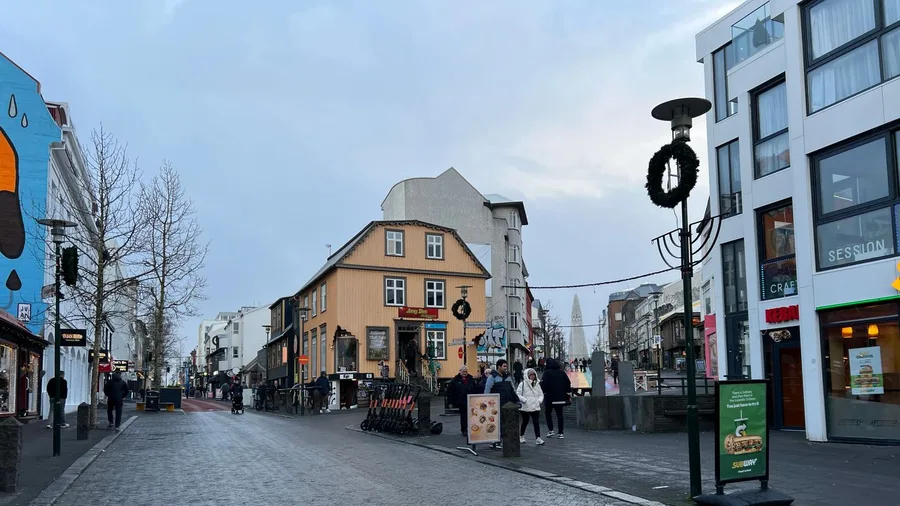
The money costs are now fully mapped – but the costs that take longest to fully register are not on any invoice, and they start with language.
Fourteen months in Reykjavik, and I never once needed Icelandic to get anything done. Doctor’s appointments, lease negotiations, the hardware shop, the tax office – every single professional exchange happened in fluent, easy English. Icelanders under sixty speak it almost universally, and the city runs on it without friction.
Then came a dinner party, about four months in. The first hour ran in English, relaxed and inclusive, and then – not rudely, not pointedly – the table drifted into Icelandic as the evening loosened up. I was still there. People still gestured at me, still translated the punchline of the funniest story. But the actual conversation had moved to a room I had no key to.
That gap does not close quickly. Icelandic has four grammatical cases, a verb system that resists pattern-matching, and a speaker community of roughly 370,000 people – there is no immersion city, no sprawling diaspora to practice with. Most expats who commit to the language take a class, get to polite-functional, and stall there. Enough to order correctly. Not enough to follow a fast group at a dinner table.
The honest position is this: English buys you a complete, comfortable, genuinely good daily life. Icelandic is what converts a friendly acquaintance into someone who texts you without a reason. Without it, a transparent wall sits between you and the full texture of local life – nobody puts it there deliberately, and nobody takes it down. Most long-term expats stop trying to demolish it and build their social world instead among other foreigners and the Icelanders who have lived abroad and re-entered with a wider frame. That community is real and warm. It is also, by definition, the one that assembled around the same limitation.
💡 PRO TIP
Take the Language Class for the Room, Not the Grammar
I enrolled in a beginner Icelandic class not primarily to learn the language but to be in a room with other foreigners navigating the same social terrain. The class itself produced a friend group faster than any bar or coworking space. The Icelandic I retained was a bonus.
The Social Circle Is Small, Tight, and Slow to Let You In
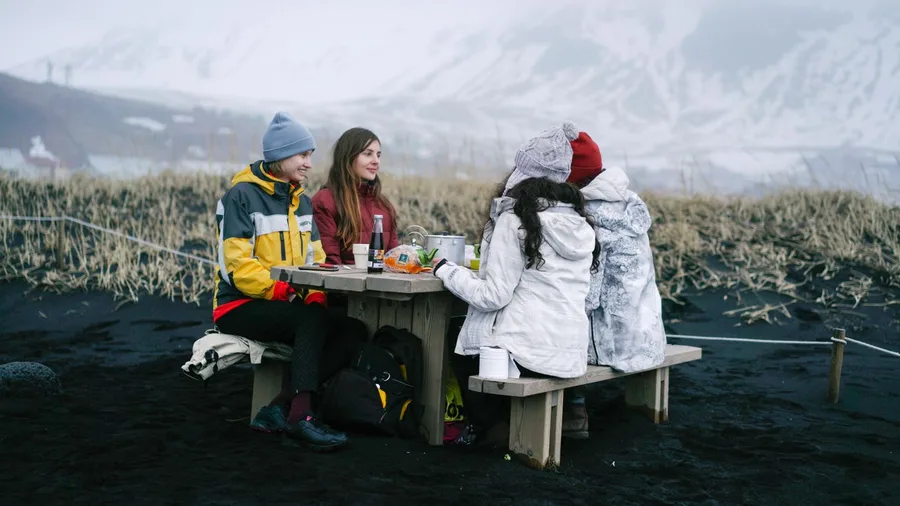
The language gap is one layer. Under it is something structural: in a city of 230,000 people, most social circles were assembled in childhood, consolidated through school, and have been running at full capacity for decades before you arrived.
The first three months felt fine and produced almost nothing. Conversations started easily – Icelanders are not cold, not unfriendly, not suspicious of newcomers. Every interaction was pleasant and left no visible trace. I would leave a coffee or a work event feeling like things had gone well, and then hear nothing, connect nothing, advance nothing.
Two things actually moved the needle. One was joining a weekly trail-running group with a fixed roster – showing up four Saturdays in a row made me a recognisable face before I had said anything memorable, and familiarity turned out to be the prerequisite the city required before it would let anything deepen. The other was an Icelandic language class I took mostly to be in a room full of other foreigners who were all equally stuck and consequently very motivated to become friends with each other.
The Icelanders who opened up fastest were the ones who had studied or worked abroad. They had come back to Reykjavik with a curiosity about outsiders that groups formed entirely within Iceland simply had not developed yet – through no fault of their own.
A genuine friendship – the kind where someone calls without a stated reason and pulls you into unplanned things – took about nine months to arrive. That is not a complaint about Icelandic character. It is the realistic timeline, and it means anyone expecting the social acceleration that happens naturally in a new American city should adjust the expectation before they land. The city is also too small to reset by changing neighbourhoods, so the patience required is not a phase you move through – it is the permanent operating condition of the place.
Anonymity Does Not Exist Here — That Is Both Comforting and Exhausting
The slowness of social integration is inseparable from a fact about Iceland that has no real equivalent in any large city: you are never anonymous here, not even briefly.
Two moments from my 14 months. At a Saturday flea market in Reykjavik, I ran into my landlord and then, within twenty minutes and three stalls over, my doctor – both by chance, neither forewarned. At a work event a few weeks later, a single conversation established that a colleague’s university flatmate was the sister of someone I had met in a language class two months earlier. The population of the country is 370,000 people. The degrees of separation feel closer to two than six.
There is something genuinely good in that. A background sense that the city registers you – that a bad moment on the street is likely to be noticed by someone who will hold it gently rather than forget it. The smallness generates a kind of distributed care that large cities don’t produce.
The other side is real too. A professional misstep, a falling-out with a flatmate, an awkward exit from a social situation – these have longer memories and wider audiences than anywhere I had lived before. There is no equivalent of moving to a different borough and starting clean. The social cost of friction is structurally higher when everyone is two connections from everyone else.
If your sense of personal freedom depends on being unknown in a crowd, this does not soften with time – it is not an adjustment-period feature, it is the permanent condition of life in a country this size. Icelanders describe it with equal parts warmth and mild exasperation: not a grievance, not a boast, just the acknowledged terms of the place they have always lived inside.
🤝 The Social Integration Timeline — Honest and Month by Month
Months 1–2: Surface Warmth
Conversations start easily; everyone is helpful; nothing actually advances toward real friendship.
Month 3: The Isolation Hits
The gap between polite warmth and genuine connection becomes impossible to ignore — this is the dropout month for many expats.
Months 4–5: Organised Activity
Joining fixed-roster outdoor groups or a language class creates the repeated exposure that Reykjavik social life is built on.
Months 6–7: Familiar Faces
You are now someone the pool regulars and class cohort recognise — acquaintanceships solidify into reliable company.
Month 9: First Real Friendship
Someone calls without a reason and includes you in unplanned plans — this is the milestone most expats describe as the turning point.
Month 12+: The City Feels Like Yours
The smallness shifts from claustrophobic to comforting; you know enough people that the network sustains itself.
Outdoor Culture Is How Everyone Survives and Socialises
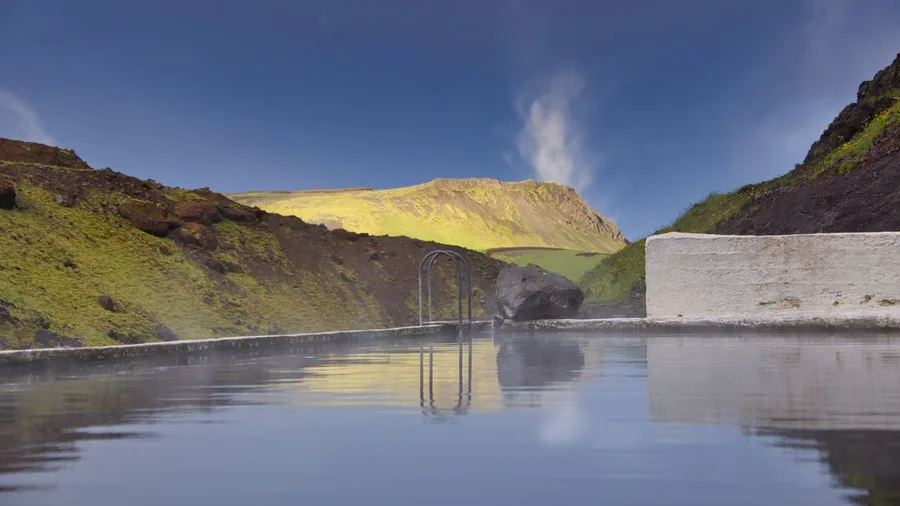
The thing that keeps Reykjavik’s social world from collapsing under the weight of its own smallness is almost entirely conducted outside, in all weather, year-round – and if you treat that as optional, you will sit out the main event.
The geothermal pools are the clearest example. Every neighbourhood has one; they stay open in January, in wind, in horizontal rain; and on a weekday afternoon in February you will find them full of people who are not there for exercise. The water is genuinely hot, snow sometimes sits on the pool deck, and the conversations in the hot pots beside you are the real reason most regulars showed up. Entry runs around $7-$10 depending on the pool.
My first visit was in month one, treated as a novelty. By month seven I was going twice a week, and it was the first context in Reykjavik where a conversation moved past pleasantries and actually developed over successive visits – because the person was there again on Thursday, and the week after that, and you were too. Showing up repeatedly is the protocol; it just takes a while to learn that it is one.
The cost of this entire social infrastructure is close to zero. Pool entry, hiking trails that charge nothing, the windproof shell already in your bag – none of this is wealth-gated. The barrier is behavioural, not financial.
That distinction matters, because it is also the harder one to clear. Deciding to be more outdoorsy is not the same as actually leaving the apartment at 8 a.m. in January rain and going anyway. The people who integrated fastest were not unusually adventurous – they were just the ones who stopped treating bad weather as a reason to wait. If your social life at home runs through restaurants, galleries, and indoor venues, Iceland does not ask you to prefer the outdoors; it asks you to go regardless of preference. That restructuring either happens or it does not, and no amount of good intentions substitutes for the repetition.
Frequently Asked Questions
Is it worth living in Iceland on a remote work visa?
It depends entirely on your income currency and your tolerance for solitude. A remote USD or EUR salary makes the $2,100 rent and $680 grocery budget manageable where a local wage would strain under the same numbers. The quality of daily life — clean air, low crime, functioning infrastructure, genuinely spectacular landscape — is high. The cost in light, social patience, and money is real, and the people who find it worth it are specific ones.
How bad is the seasonal depression in Iceland winters?
Bad enough that almost every long-term resident uses a 10,000-lux light therapy lamp from October onward. The darkness is not simply inconvenient — it produces a cumulative fatigue that is distinct from ordinary tiredness and sets in around week six of darkening days. It does not lift meaningfully until February. A lamp, regular outdoor time regardless of conditions, and fixed daily structure are the three practical tools that make it manageable.
Can you live in Iceland without speaking Icelandic?
Yes, entirely — English works everywhere in daily life. The gap is social, not practical. Without Icelandic, group conversations drift out of reach as the evening relaxes, and the path from acquaintance to friend runs slower. Most long-term expats build social lives primarily among other foreigners and internationally experienced Icelanders, which is a real and satisfying community, but a self-selected one.
Is Iceland expensive compared to other European countries?
Yes, meaningfully. Rent in central Reykjavik runs around $2,100 a month for a normal one-bedroom, groceries for one person roughly $680 a month, and eating out is an occasional event rather than a daily option. The single exception is geothermal heating and hot water, which runs about $55 a month year-round — dramatically cheaper than comparable northern-climate cities. A remote USD or strong-euro income changes the picture considerably.
How long does it take to feel at home in Reykjavik?
Honestly, about nine months to develop a first real friendship, and closer to twelve before the city feels like yours rather than somewhere you are visiting slowly. The social integration timeline is long by the standards of most cities, and the smallness of the place means you cannot accelerate it by changing neighbourhoods. Organised outdoor activity and a language class reliably shorten the timeline more than any other strategy.
Is the midnight sun as bad as the winter darkness?
Different but genuinely disorienting. At peak midnight sun in late June you can read without a lamp at 3 a.m., and the sun is back above the horizon before you have decided whether to sleep. Blackout curtains are non-negotiable within the first week. Most people find the summer easier to adapt to than the darkness because warmth and energy accompany it — but without fixed structure and blackout curtains, a drifting sleep schedule is almost inevitable.
The Person Iceland Rewards — and the One Thing to Settle Before You Commit
Iceland rewards a specific person, and the description is not flattering to anyone who does not fit it exactly: someone with remote income denominated in a strong currency, a genuine tolerance for interior solitude across four months of managed dark, and the patience to earn belonging on a nine-month timeline rather than a nine-week one. For that person, the geothermal warmth, the landscape, and the eventual depth of a small community are not consolation prizes – they are the entire point, and they are real.
The person it grinds down is the one who arrives expecting the tourism-feed version: the instant hygge, the manageable cold, the welcoming smallness. What they find instead is week six in October, a $11 block of cheese, and a polite dinner where the conversation moved somewhere they could not follow and nobody quite noticed.
I arrived in September thinking the warnings were overcalibrated. By mid-October I understood they were not. By the following November – fourteen months in, standing in the same kitchen, coffee in hand, watching the same 9 a.m. dark – I had no desire to leave. But the distance between those two positions was paid for in full, in the specific currencies this place charges. Before you book anything, settle one question honestly: is your income genuinely portable and genuinely strong in Icelandic terms? Every other challenge here has a workable response. None of those responses are available to someone who is also worried about the rent.