14 USA Mountain Towns Where $2,000/Month Makes You Rich (Remote Workers Taking Over)

Rent used to feel like a fixed expense. Lately, it feels more like a trap. While headlines keep shouting about six-figure salaries just to survive, a quieter shift is happening in the mountains — one where $2,000 a month doesn’t feel limiting, it feels powerful.
Remote work cracked the map wide open, and suddenly, lifestyle matters more than proximity to an office. Fresh air replaces traffic, silence replaces stress, and money stretches instead of disappearing.
These towns aren’t about luxury branding or influencer hype. They’re about breathing room, time reclaimed, and realizing that feeling “rich” has less to do with income — and everything to do with where you land.
1. Boone, North Carolina
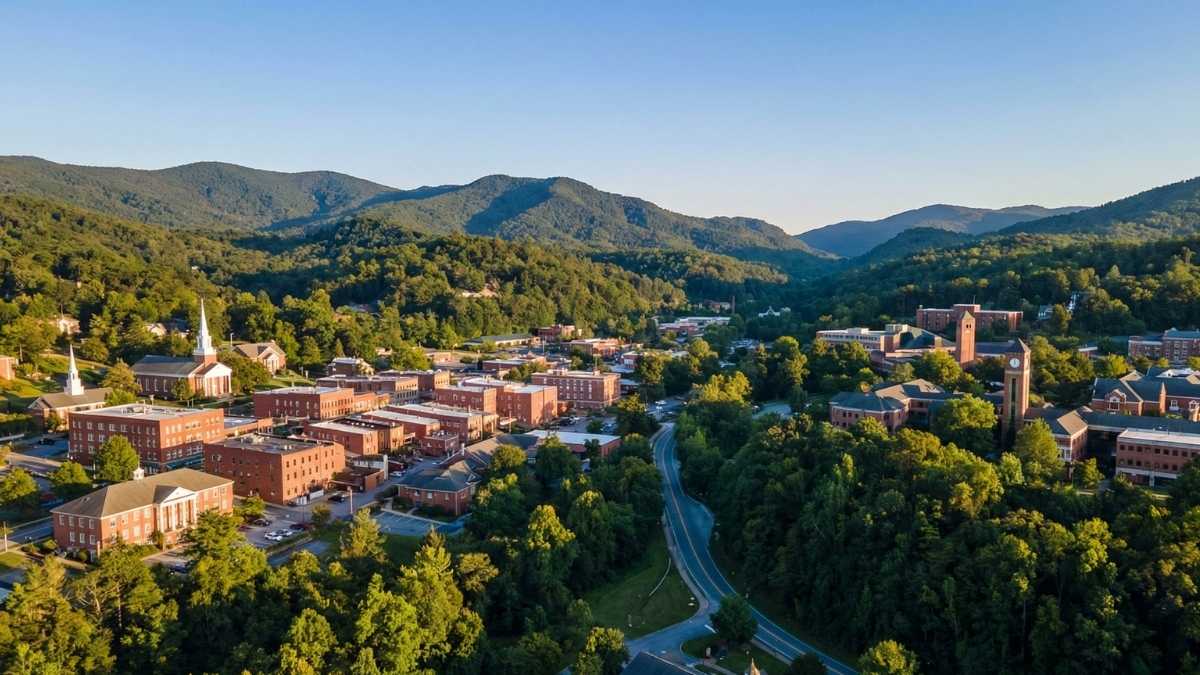
Boone quietly nails the balance most remote workers chase but rarely find. Rent remains shockingly reasonable for a real mountain town, especially when compared to anything west of the Rockies. A $2,000 monthly budget doesn’t just cover basics here — it allows for comfort, eating out, and still having room to breathe. That financial ease changes how people live day-to-day, and you can feel it in the pace of the town.
The presence of Appalachian State University keeps Boone young, connected, and surprisingly modern. Coffee shops are work-friendly, internet reliability is solid, and there’s a constant stream of new faces moving in for the same reason: mountain living without mountain prices. Unlike resort towns, Boone feels lived-in rather than staged for tourists.
What really seals the deal is how quickly nature integrates into normal life. Trails, overlooks, and Blue Ridge scenery aren’t weekend-only luxuries — they’re part of daily routines. Remote workers tend to stay here longer than planned because Boone doesn’t burn you out or empty your wallet.
Quick Facts
- Best months to visit: May–June, September–October
- Typical rent: $800–$1,300
- Internet: Reliable fiber and cable options
- Outdoor access: Hiking, waterfalls, parkway drives
- Vibe: Lively but grounded college-mountain town
2. Leadville, Colorado
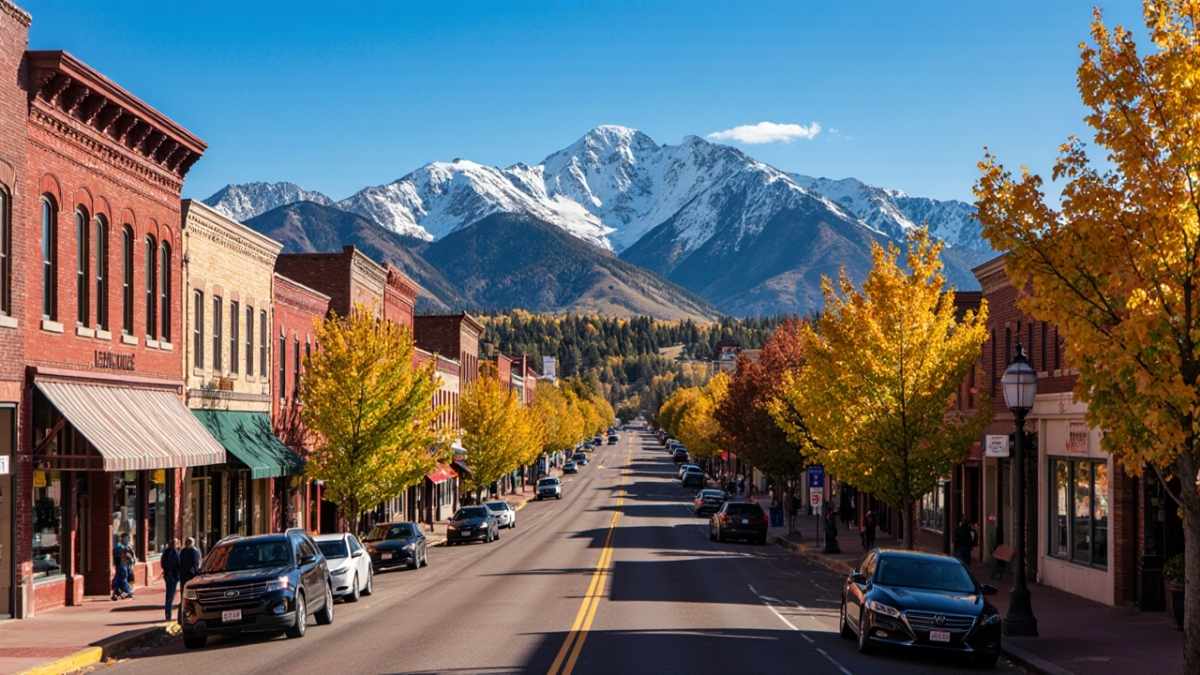
Leadville sits higher than almost any town in the country, yet somehow its cost of living hasn’t followed the usual Colorado script. That elevation keeps tourism modest and prices sane, which is exactly why remote workers are paying attention. With $2,000 a month, you’re not scraping by — you’re ahead.
The town feels raw in the best way. No glossy ski-resort energy, no influencer crowds. Just historic buildings, big skies, and locals who don’t pretend to be anything else. Remote workers here tend to lean outdoorsy, but not performative about it. Work gets done, then the mountains take over.
There’s also a quiet confidence in Leadville. People move here knowing exactly what they’re trading: nightlife and big-city convenience for space, silence, and savings. For those who want Colorado without competing with tourists for groceries, this place delivers.
Quick Facts
- Best months to visit: June–September
- Typical rent: $900–$1,400
- Elevation: Over 10,000 feet
- Internet: Good but location-dependent
- Vibe: Rugged, historic, no-frills mountain living
3. Gunnison, Colorado
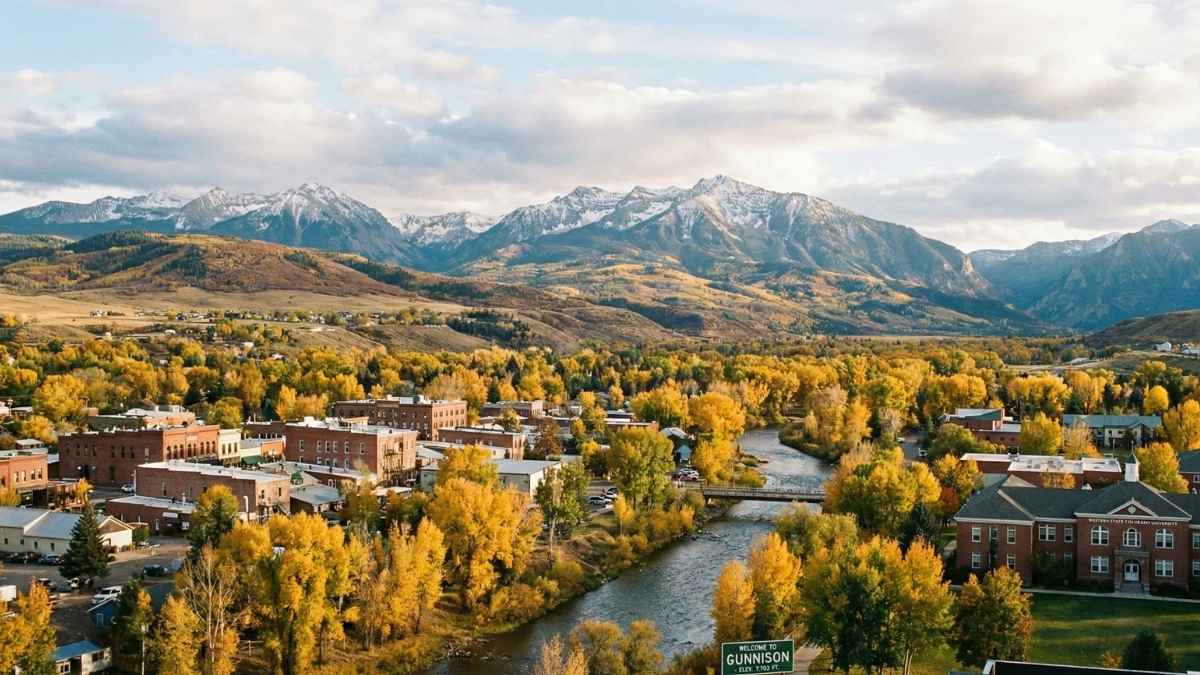
Gunnison flies under the radar, and locals seem perfectly fine keeping it that way. While nearby Crested Butte grabs attention (and higher rents), Gunnison quietly offers real affordability with the same mountain access. For remote workers, this town makes financial sense almost immediately.
The town’s layout feels practical. Grocery stores, cafes, and work-friendly spots are easy to reach, and daily life doesn’t require planning around crowds. A $2,000 monthly budget allows for a solid apartment, reliable internet, and still enough left for weekend trips or gear upgrades.
What stands out most is how balanced Gunnison feels. It’s not sleepy, but it’s never chaotic. Remote workers often mention how productive they become here — fewer distractions, better routines, and mountains waiting when the laptop closes.
Quick Facts
- Best months to visit: June–August
- Typical rent: $850–$1,300
- Internet: Consistent and remote-work friendly
- Outdoor access: Fishing, hiking, biking, skiing nearby
- Vibe: Practical, outdoorsy, quietly growing
4. Buena Vista, Colorado
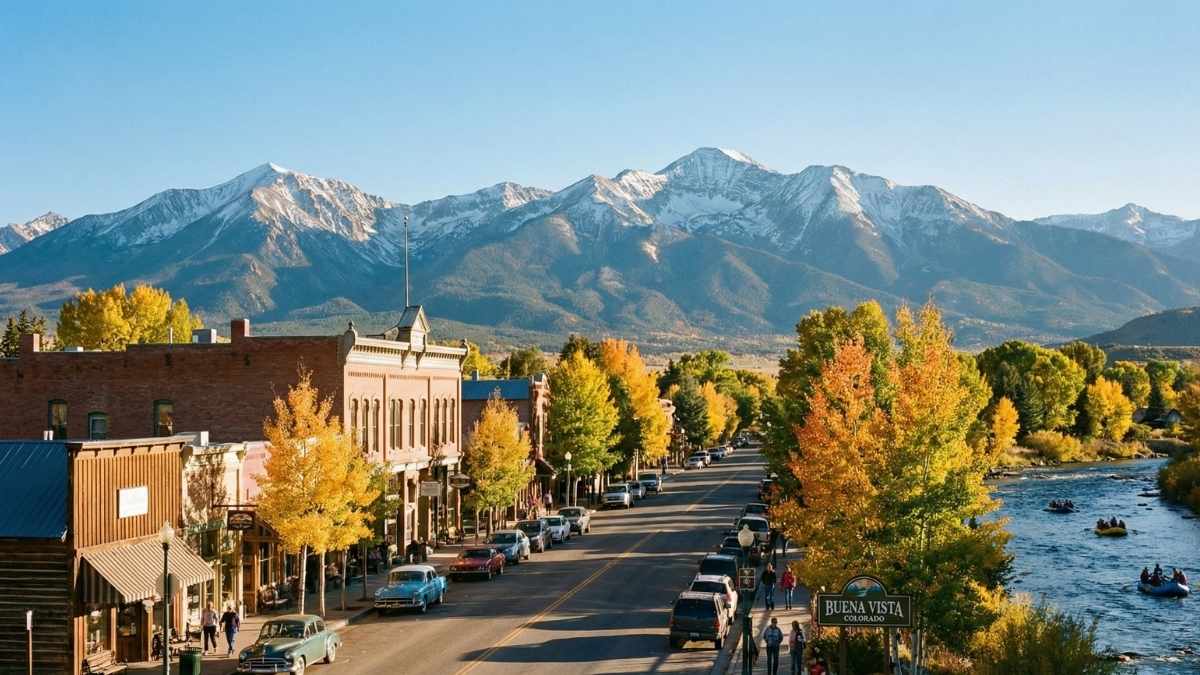
Buena Vista feels like a mountain town that skipped the phase where prices spiral out of control. Sitting between major Colorado hotspots, it benefits from location without inheriting their costs. For remote workers, that means views, access, and affordability in one package.
The Arkansas River runs through town, setting the tone for daily life. Workdays feel shorter when rafting, trail runs, or sunset walks are minutes away. With $2,000 a month, people here aren’t choosing between rent and lifestyle — they’re getting both.
Buena Vista also attracts a specific kind of remote worker: people who value time more than status. The town doesn’t try to impress, and that’s exactly its strength. It’s relaxed, social, without being intrusive, and increasingly tuned to digital workers.
Quick Facts
- Best months to visit: May–October
- Typical rent: $900–$1,400
- Internet: Good coverage in town
- Outdoor access: River sports, trails, hot springs
- Vibe: Easygoing, scenic, quietly social
5. Sandpoint, Idaho
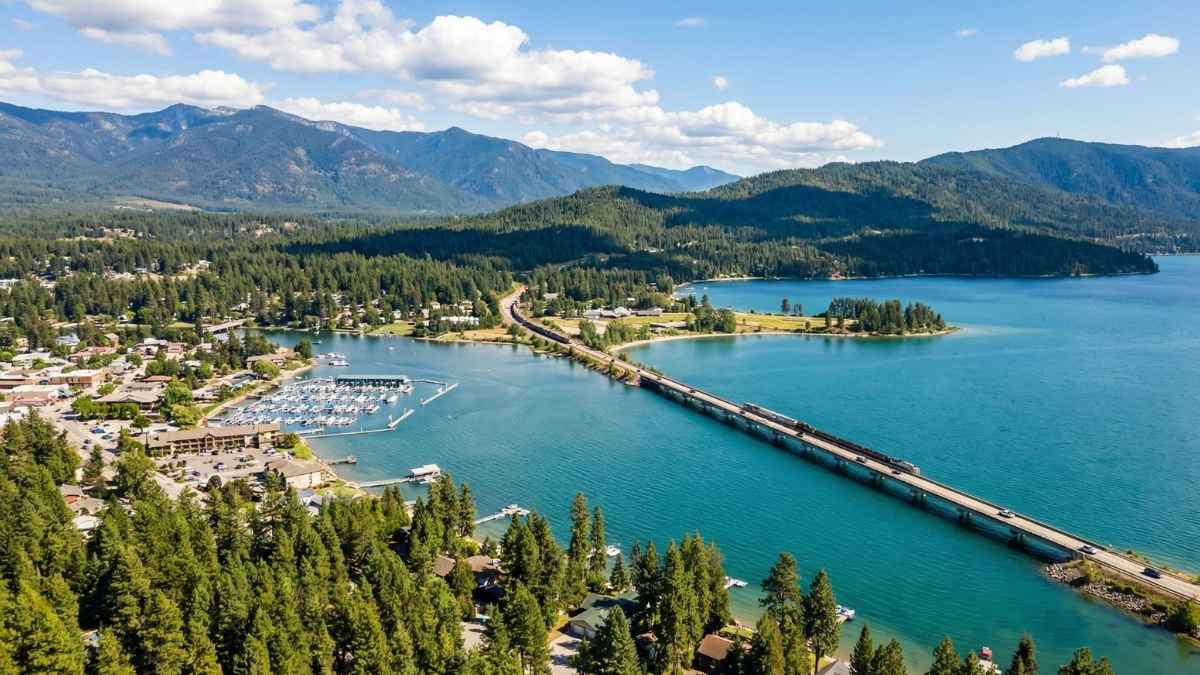
Sandpoint feels like a secret that accidentally got out — but not enough to ruin it. Located on Lake Pend Oreille and surrounded by mountains, it offers scenery that usually comes with luxury pricing. Somehow, $2,000 a month still works here if you’re smart about housing.
The town blends water and mountain life in a way few places do. Summers revolve around the lake, while winters slow things down without fully shutting the town off. Remote workers appreciate the seasonal rhythm and the strong sense of community that comes with it.
Sandpoint also has a creative streak. Small businesses, local markets, and independent cafes make it easy to feel plugged in quickly. For remote workers who want beauty without feeling isolated, this town hits a rare sweet spot.
Quick Facts
- Best months to visit: June–September
- Typical rent: $900–$1,500
- Internet: Solid in the town center
- Outdoor access: Lake activities, skiing, hiking
- Vibe: Laid-back, artsy, nature-anchored
6. Maggie Valley, North Carolina
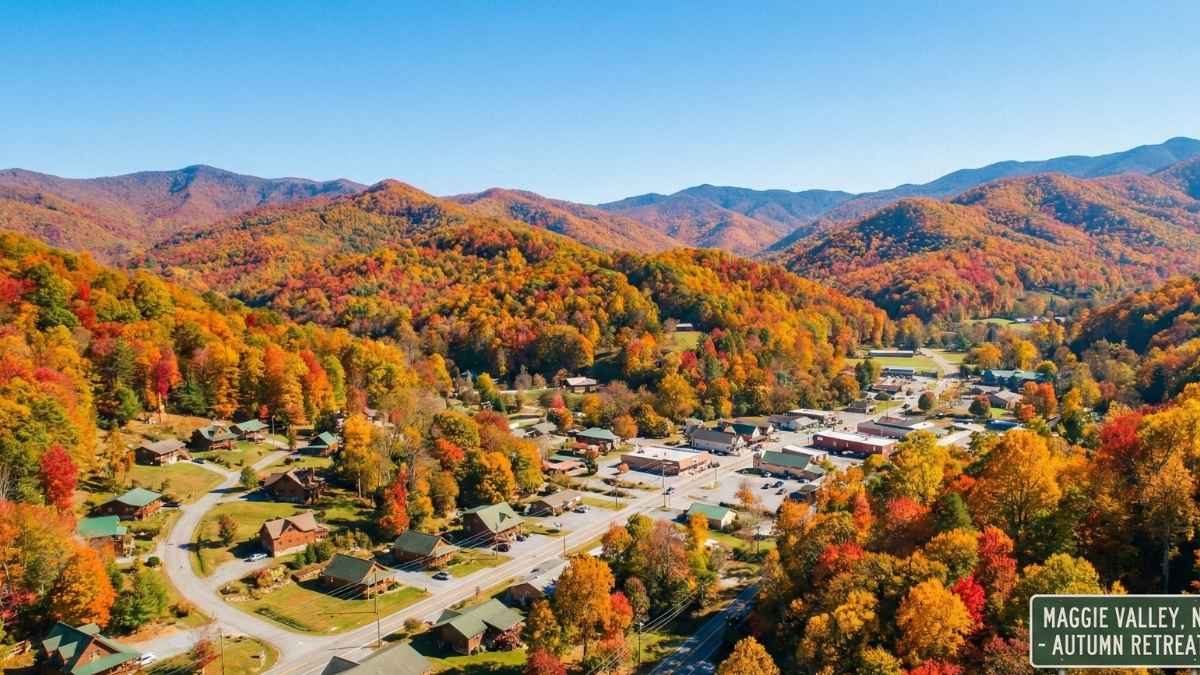
Maggie Valley feels like a mountain town that never tried to reinvent itself — and that’s exactly why it still works financially. Rent remains comfortably below national averages, and a $2,000 monthly budget gives remote workers room to live without constant trade-offs. Bills stay manageable, groceries don’t sting, and life feels steadier here than flashier mountain destinations.
The town sits near the Great Smoky Mountains, but unlike nearby tourist-heavy spots, Maggie Valley stays calm. That quiet translates directly into productivity. Remote workers often talk about how uninterrupted their workdays feel, thanks to minimal traffic, fewer crowds, and a slower rhythm that actually supports focus.
What stands out is how easy it is to settle in. People wave, conversations happen naturally, and there’s a sense that you’re not just passing through. Maggie Valley works best for remote workers who value consistency, calm, and cost control over constant excitement.
Quick Facts
- Best months to visit: April–June, September–October
- Typical rent: $750–$1,200
- Internet: Reliable cable options
- Outdoor access: Smoky Mountain trails, scenic drives
- Vibe: Quiet, friendly, low-pressure mountain living
7. La Grande, Oregon
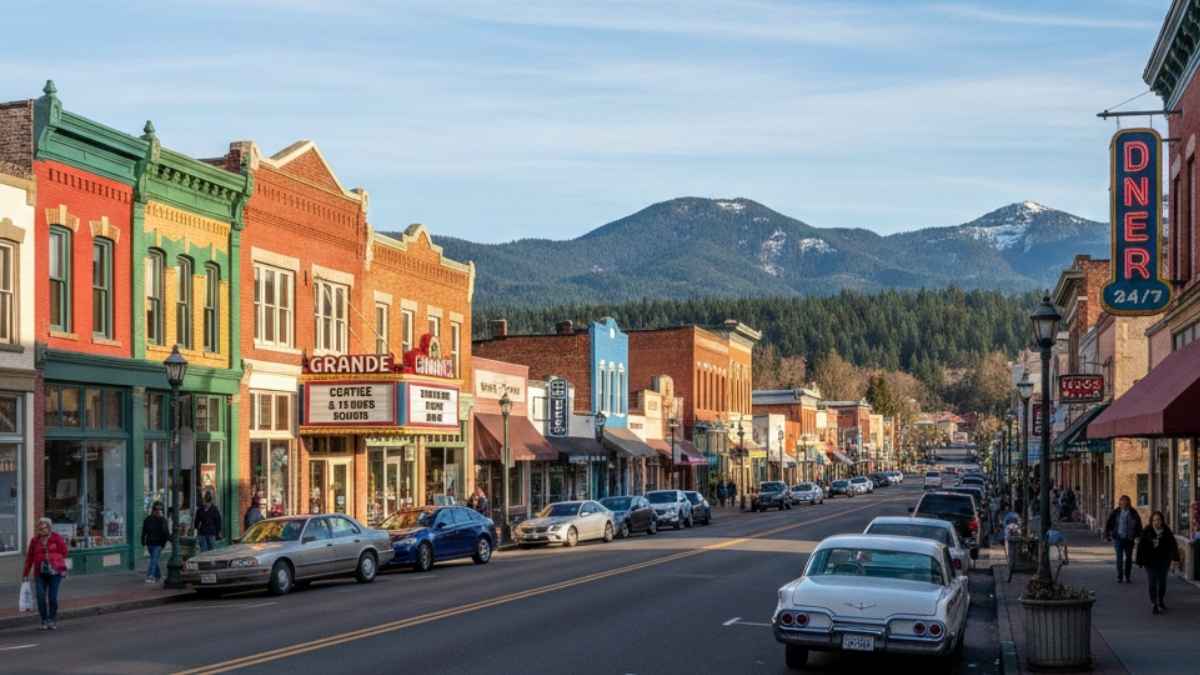
La Grande doesn’t shout for attention — it just quietly delivers value. Located in eastern Oregon, this mountain town remains one of the most budget-friendly options for remote workers who still want scenery and seasons. A $2,000 monthly budget here feels generous rather than restrictive.
The town is practical in all the right ways. Housing is attainable, daily errands are simple, and internet reliability holds up for full-time remote work. Unlike trendier Oregon towns, La Grande hasn’t priced out people who want a normal, sustainable life.
What really makes it work is balance. Mountains are close enough to shape daily life, but not so dominant that everything revolves around tourism. Remote workers often appreciate how “real” the town feels — fewer distractions, more routine, and a cost structure that encourages long-term stays.
Quick Facts
- Best months to visit: May–September
- Typical rent: $800–$1,250
- Internet: Strong and consistent
- Outdoor access: Hiking, biking, seasonal skiing
- Vibe: Practical, grounded, quietly scenic
8. Anaconda, Montana
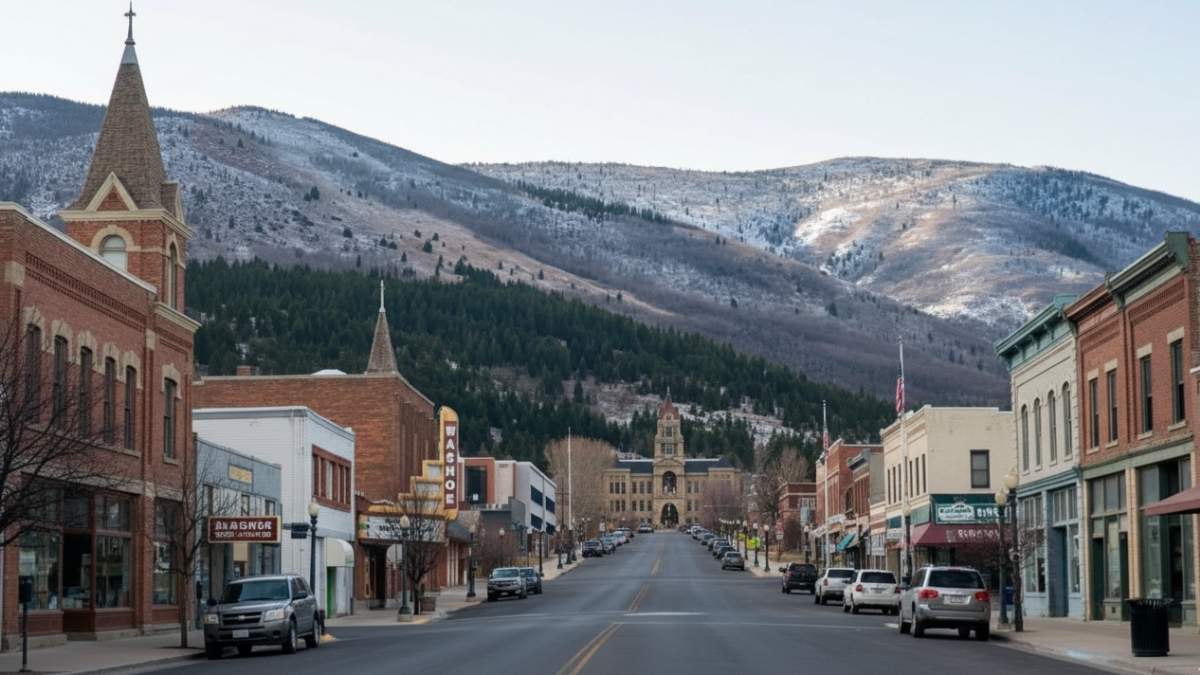
Anaconda surprises people — especially when the math starts working out. Housing costs here remain far below Montana’s headline towns, and $2,000 a month stretches further than expected. For remote workers priced out of Bozeman or Missoula, Anaconda feels like a reset.
The town has a strong industrial history, which keeps it authentic and affordable. You won’t find polished resort vibes here, but you will find space, quiet streets, and mountains that don’t come with crowds. That trade-off appeals to remote workers who value function over flash.
Anaconda’s pace encourages consistency. Workdays feel uninterrupted, expenses stay predictable, and weekends open up for nearby lakes and trails. It’s the kind of town where remote workers stop checking rent listings — because they don’t need to anymore.
Quick Facts
- Best months to visit: June–September
- Typical rent: $700–$1,100
- Internet: Good within town limits
- Outdoor access: Fishing, hiking, mountain lakes
- Vibe: Blue-collar roots, quiet, no-frills
9. Saranac Lake, New York
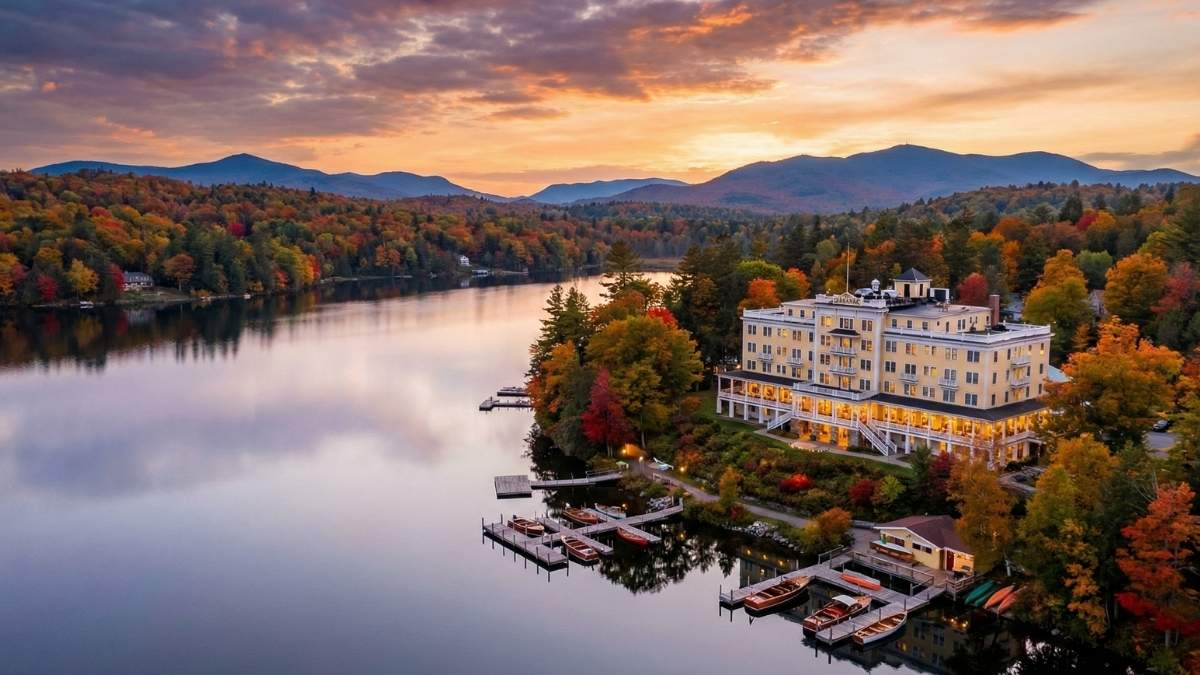
Saranac Lake feels different from most mountain towns — in a good way. Nestled in the Adirondacks, it combines old-school charm with surprising affordability, especially for remote workers willing to live a bit smarter. A $2,000 monthly budget covers rent, essentials, and still leaves room for enjoying the town.
The village has a creative, slightly offbeat energy. Artists, writers, and remote professionals mix easily, giving the place depth beyond its size. Cafes double as workspaces, and conversations tend to linger longer than expected.
What makes Saranac Lake compelling is how seasonal shifts reshape daily life. Summers are lively without being overwhelming, and winters are quiet but cozy. Remote workers who enjoy rhythm and variation often find this town easier to stay in long-term than flashier destinations.
Quick Facts
- Best months to visit: June–September
- Typical rent: $850–$1,300
- Internet: Reliable for remote work
- Outdoor access: Lakes, hiking, paddling, snow sports
- Vibe: Artsy, historic, thoughtfully slow
10. Malone, New York
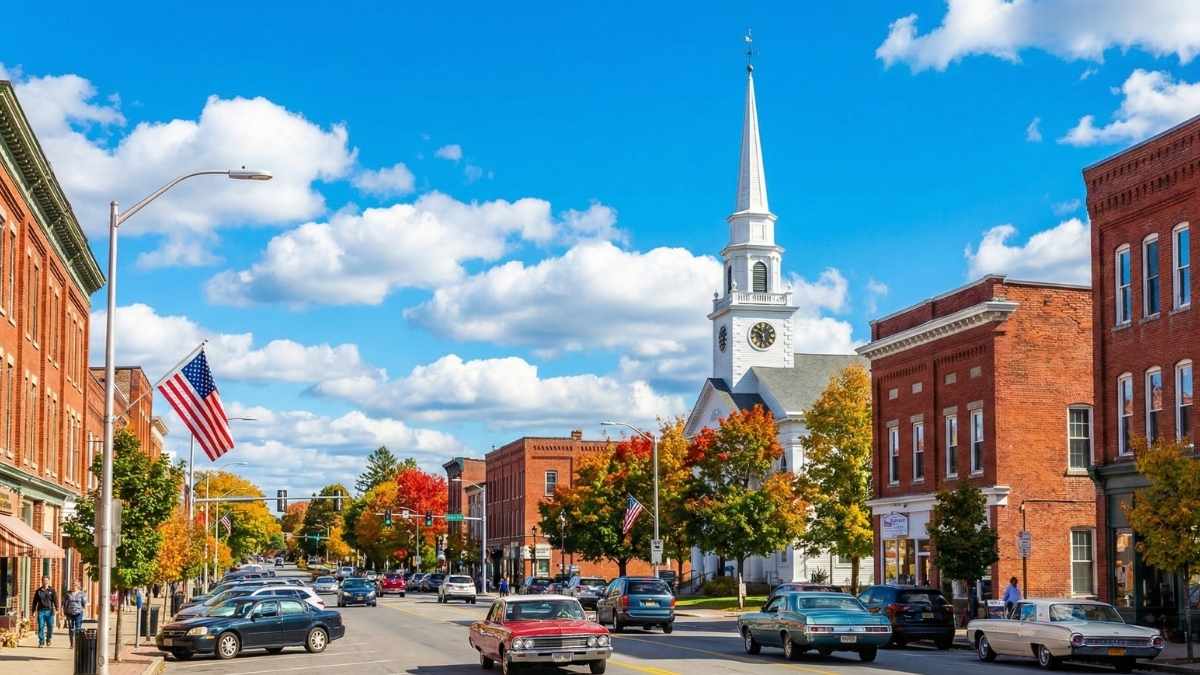
Malone rarely shows up on glossy travel lists, but financially, it’s one of the strongest plays for remote workers. Located near the Adirondacks, it offers exceptionally low housing costs, making a $2,000 monthly budget feel almost luxurious by comparison.
Daily life here is straightforward. Rent is affordable, utilities stay reasonable, and distractions are minimal. That simplicity appeals to remote workers who want to focus on work during the week and nature on their own terms.
Malone’s biggest strength is how little pressure it puts on residents. No rush to keep up, no lifestyle competition. For people burned out by expensive “it” towns, Malone feels like stepping off a treadmill — and that relief alone is often worth the move.
Quick Facts
- Best months to visit: June–August
- Typical rent: $700–$1,100
- Internet: Stable and improving
- Outdoor access: Adirondack trails, lakes, and fishing
- Vibe: Simple, quiet, budget-friendly
11. Snowshoe, West Virginia
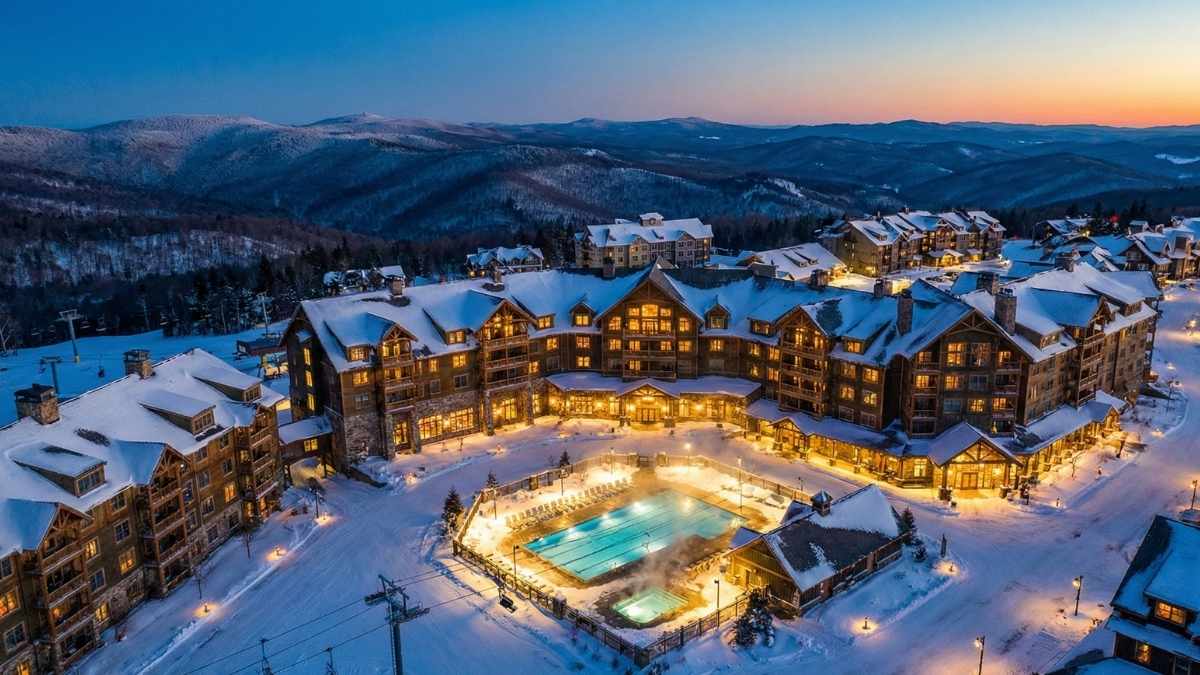
Snowshoe operates on a different rhythm than most mountain towns — seasonal, quiet, and surprisingly affordable if you know where to look. While short-term visitors associate it with skiing, remote workers focus on the surrounding areas where rent drops sharply. With $2,000 a month, living costs stay manageable even during peak seasons.
What works in Snowshoe’s favor is isolation — not the negative kind, but the productive kind. Fewer distractions, minimal traffic, and long stretches of uninterrupted time make it easier to settle into deep work. When the workday ends, the mountains don’t require planning or driving; they’re simply there.
Remote workers who thrive here usually value focus over buzz. Snowshoe doesn’t compete for attention, and that’s the appeal. Life narrows down in a good way, and expenses follow suit.
Quick Facts
- Best months to visit: June–October, January–February
- Typical rent: $750–$1,200 (outside resort core)
- Internet: Reliable in residential zones
- Outdoor access: Skiing, hiking, mountain biking
- Vibe: Quiet, seasonal, deeply focused
12. Durango, Colorado
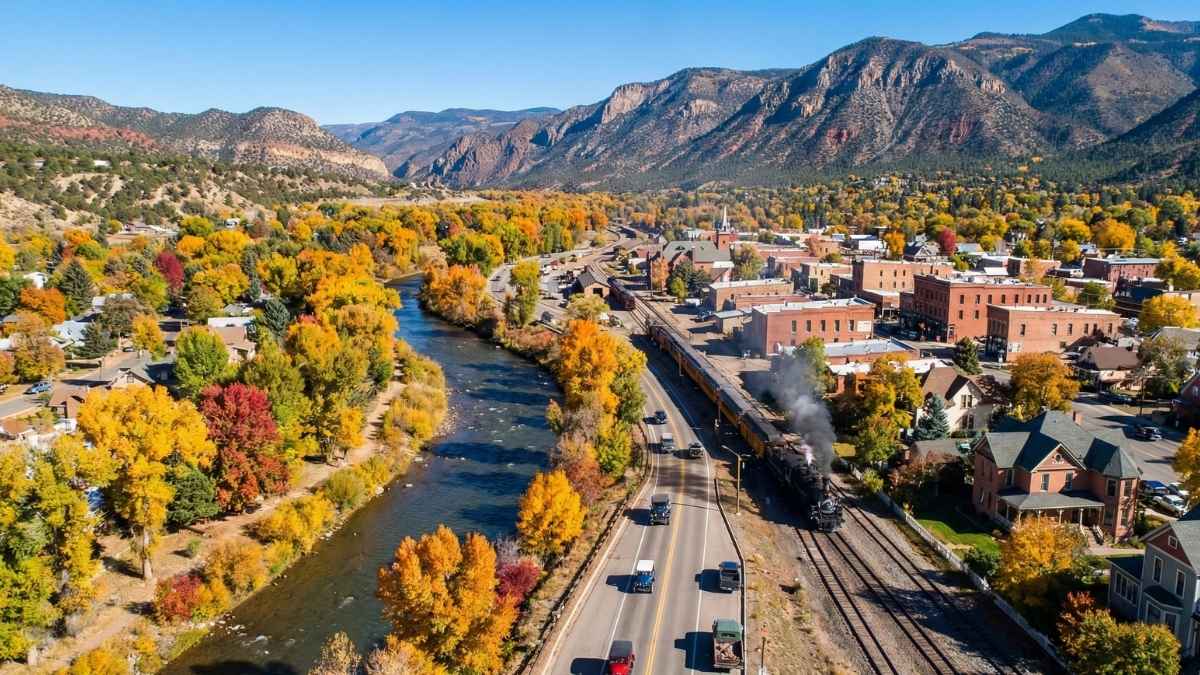
Durango is the most energetic town on this list — and also the one that requires the most awareness. While parts of Durango have grown expensive, living well on $2,000 a month is still realistic if you avoid the tourist-heavy core and look just beyond downtown.
The town blends adventure and infrastructure better than most. Strong internet, active coffee culture, and a steady flow of remote professionals keep things feeling current. Durango doesn’t slow life down — it sharpens it.
What sets Durango apart is how much life happens outside of work hours. Trails, rivers, and open space pull people out of their homes daily. For remote workers who don’t want quiet but still want control over costs, Durango remains a compelling option.
Quick Facts
- Best months to visit: May–October
- Typical rent: $1,000–$1,500 (strategic neighborhoods)
- Internet: Strong and dependable
- Outdoor access: Trails, rafting, scenic rail routes
- Vibe: Active, social, outdoors-first
13. Gatlinburg, Tennessee
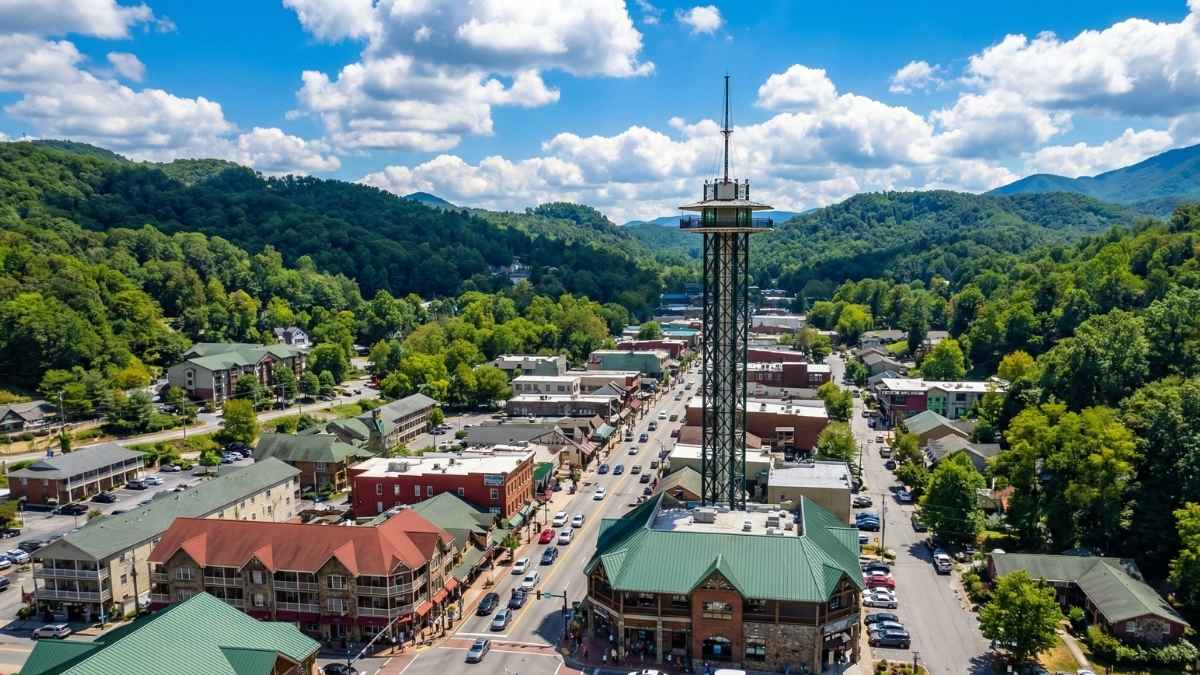
Gatlinburg often gets dismissed as overly touristy, but remote workers see a different version of the town — especially outside peak seasons. With careful timing and location, $2,000 a month stretches further here than expected, particularly for long-term rentals.
The Smokies dominate daily life. Even when crowds come and go, the mountains remain constant, grounding the town in something bigger than tourism. Remote workers often arrange schedules around quieter hours, turning Gatlinburg into a surprisingly livable base.
This town works best for people who like energy in small doses. Step into the calm when you want it, step back into activity when you don’t. That flexibility, paired with manageable costs, keeps Gatlinburg on the radar.
Quick Facts
- Best months to visit: March–May, September–November
- Typical rent: $850–$1,300
- Internet: Reliable in residential areas
- Outdoor access: National park trails, scenic overlooks
- Vibe: Lively edges, calm pockets
14. Harrison, Michigan

Harrison closes the list not because it lacks value — but because it offers a different kind of richness. Located near Michigan’s highlands, this town delivers some of the lowest housing costs anywhere on the list. With $2,000 a month, financial pressure nearly disappears.
Life here is slower and more deliberate. Remote workers who choose Harrison usually want stability, space, and predictable expenses. There’s no rush to keep up, no competition for lifestyle status. The town simply lets people live.
What Harrison offers is mental margin. Bills don’t dominate decisions, and time opens up. For some remote workers, that freedom becomes the most valuable upgrade of all.
Quick Facts
- Best months to visit: June–September
- Typical rent: $650–$1,050
- Internet: Stable and improving
- Outdoor access: Lakes, trails, seasonal recreation
- Vibe: Calm, affordable, quietly restorative