15+ Tiny Camper Trailers Under 1,500 Pounds With Big Interiors

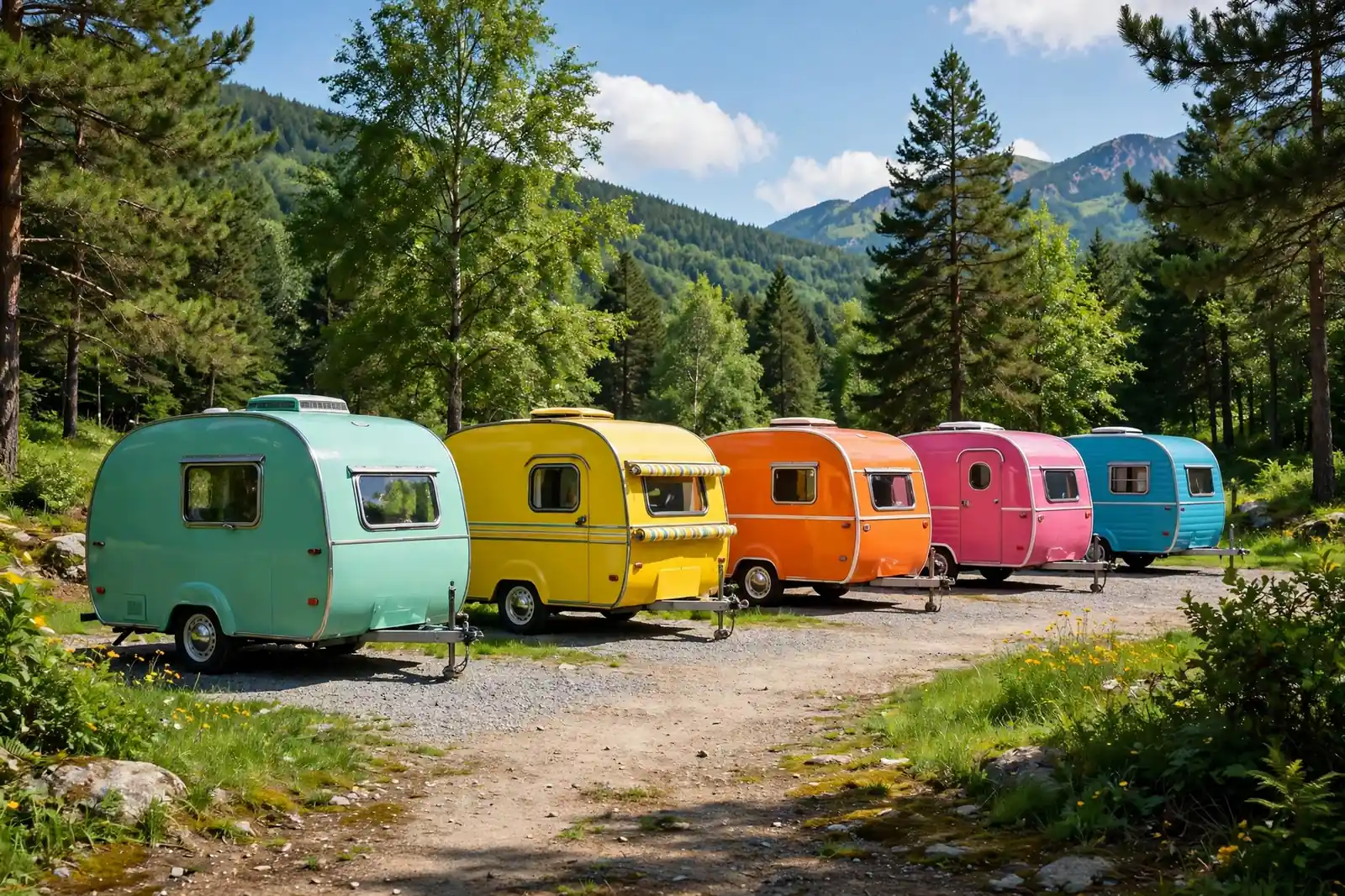
A trailer under 1,500 pounds opens up camping to almost any car. You do not need a big truck. You do not need a special license in most cases. You just need a tow vehicle rated for the job and a trailer that is truly light when loaded.
That last part matters most. Dry weight is the weight of the empty trailer. It does not include your bedding, food, water, clothes, or camping gear. A trailer that starts light can still get heavy fast. Pack with that in mind and you will stay safe on the road.
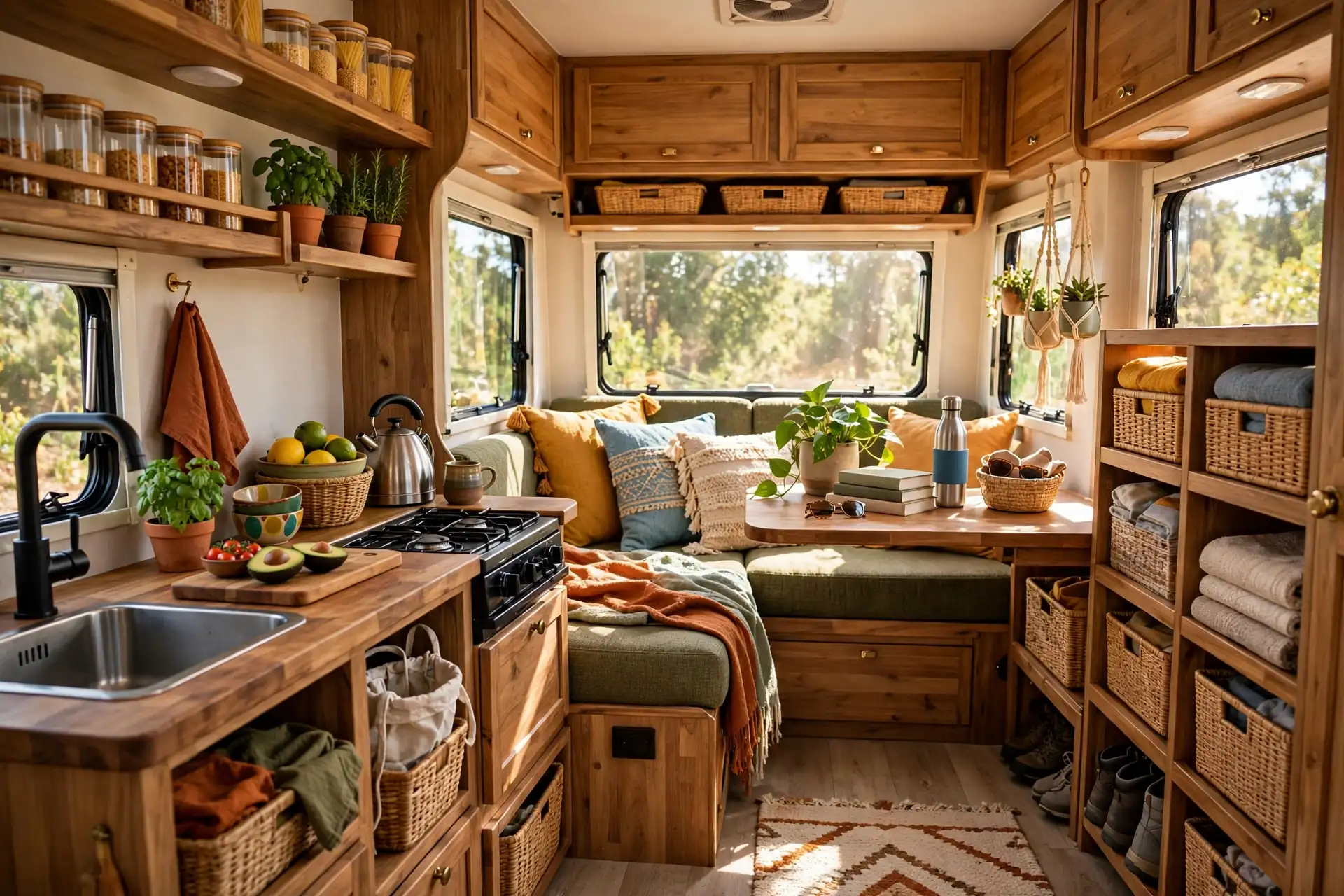
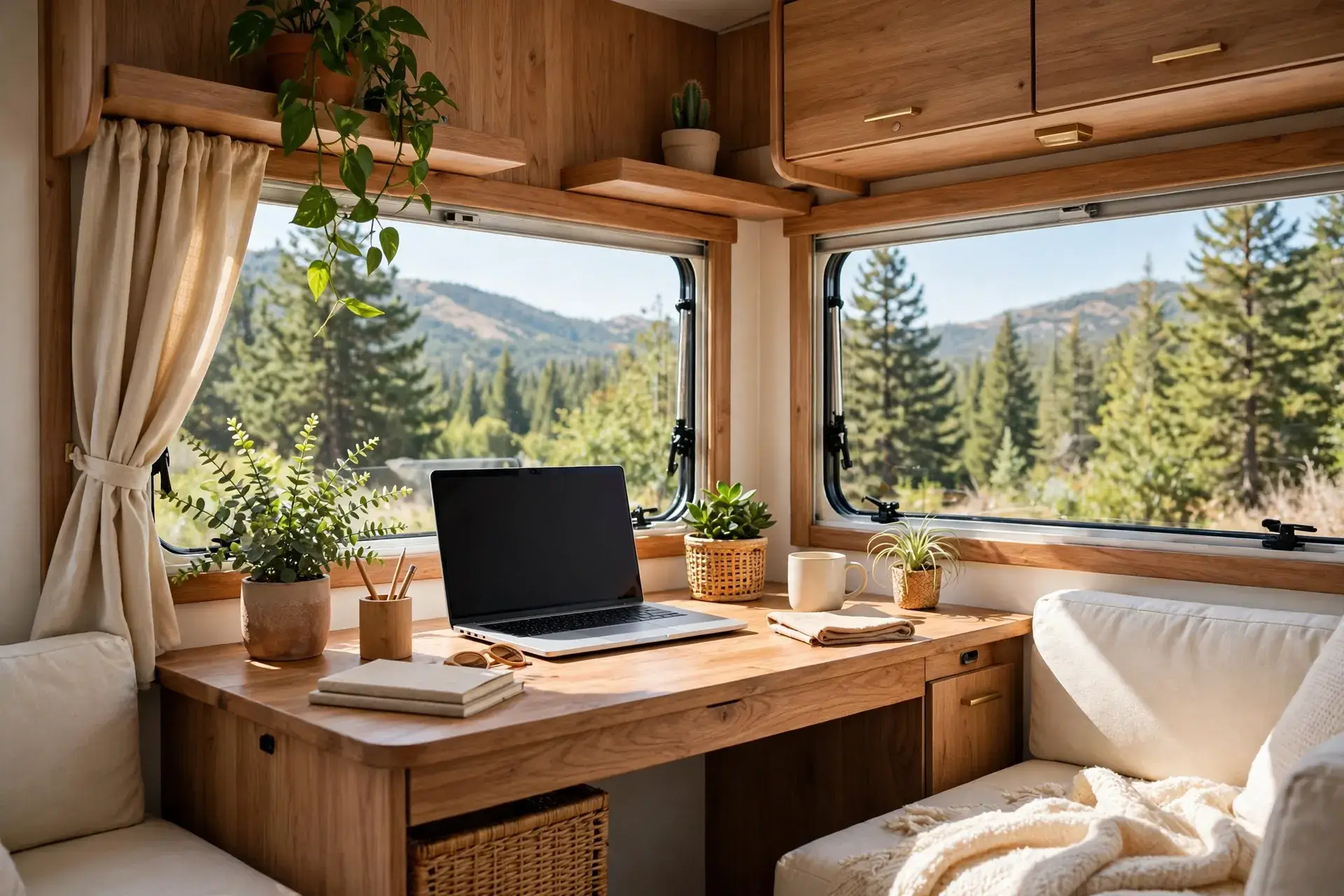
The trailers below all share one idea. Small outside, smart inside. Each one uses every inch well, so a tiny footprint still feels open, bright, and livable. Look for tall ceilings, big windows, and furniture that does more than one job.
Use this list as a starting point. Check the weight plate on any trailer you consider. Check your car’s tow rating too. When both numbers line up, you are ready to roll.
Before You Tow: The 1,500 Pound Checklist
Light trailer plus honest packing equals a calm, safe trip.
1. The Classic Teardrop Pod
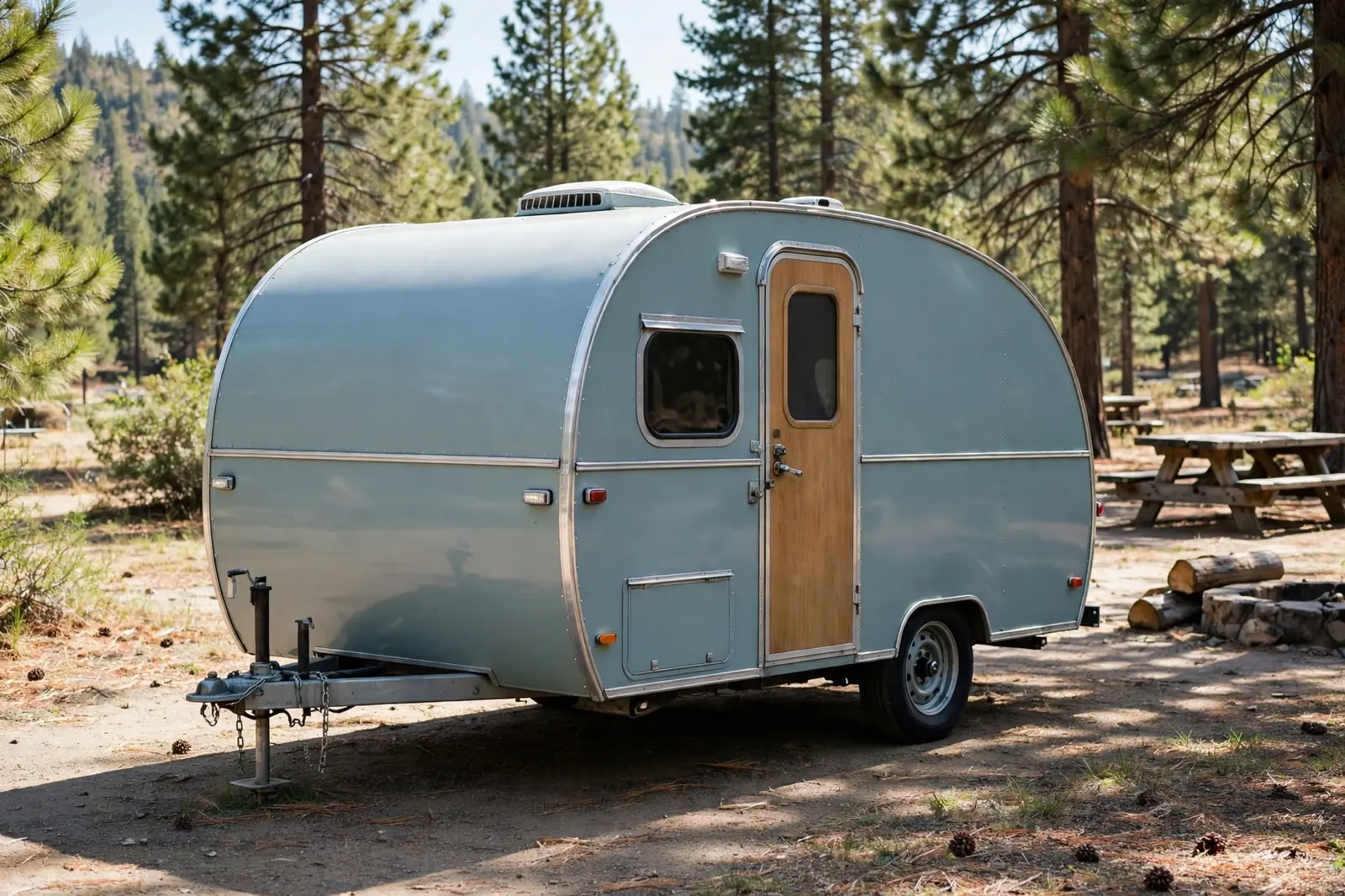
The teardrop is the classic for a reason. Its rounded shape cuts through the wind. Its small size makes it easy to park. And its cozy cabin is just right for two people who love the outdoors.
Inside, a full size bed fills most of the cabin. That sounds tight, but it works. You sleep well, you wake up to light through the windows, and you spend your days outside. The rear hatch opens to a small outdoor kitchen. Cooking under the sky beats cooking in a cramped box.
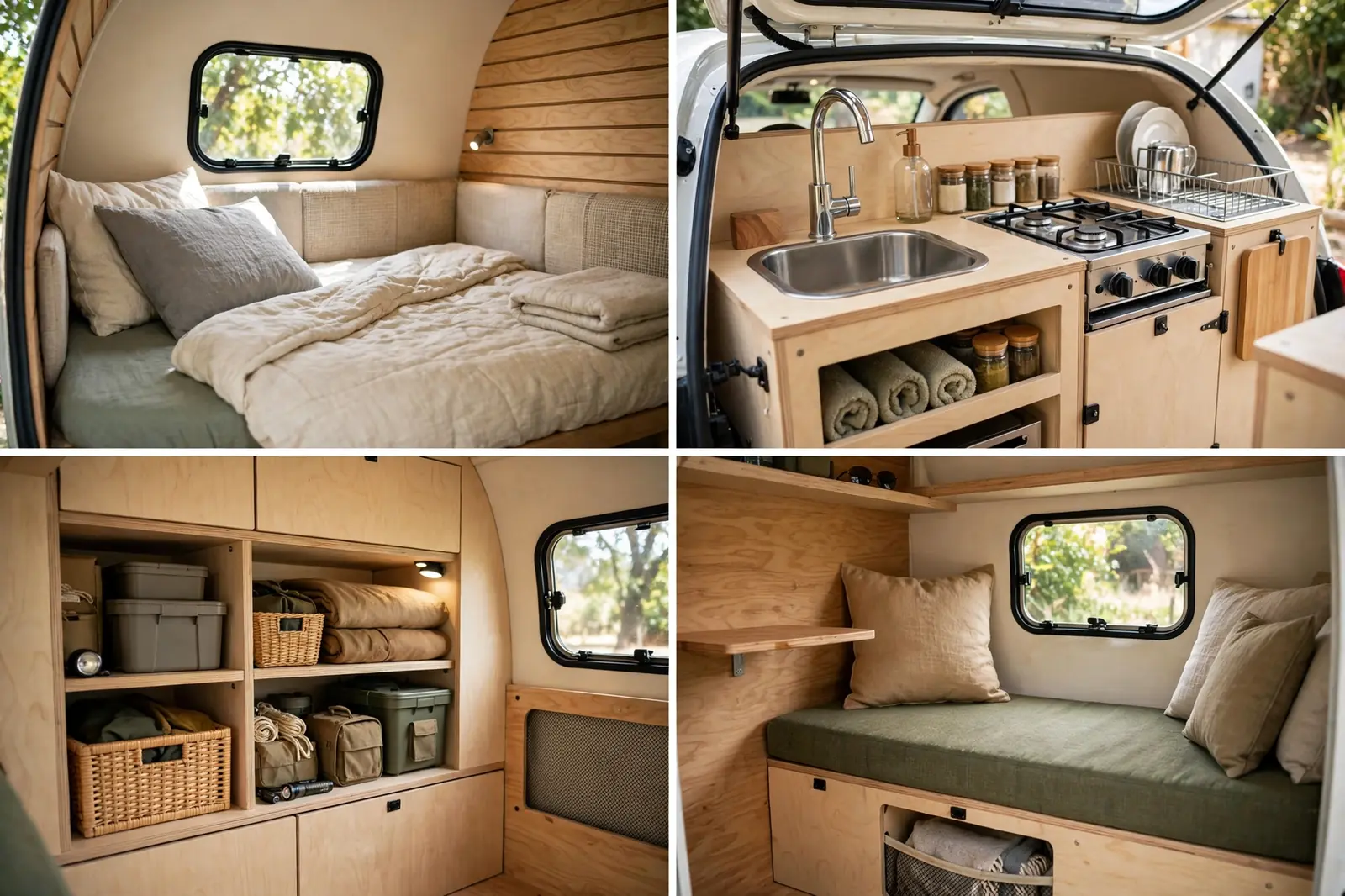
Storage hides under the bed and in small cubbies. Pack soft bags instead of hard suitcases. They fit the curved walls better. Keep heavy items low and close to the axle for a smooth tow.
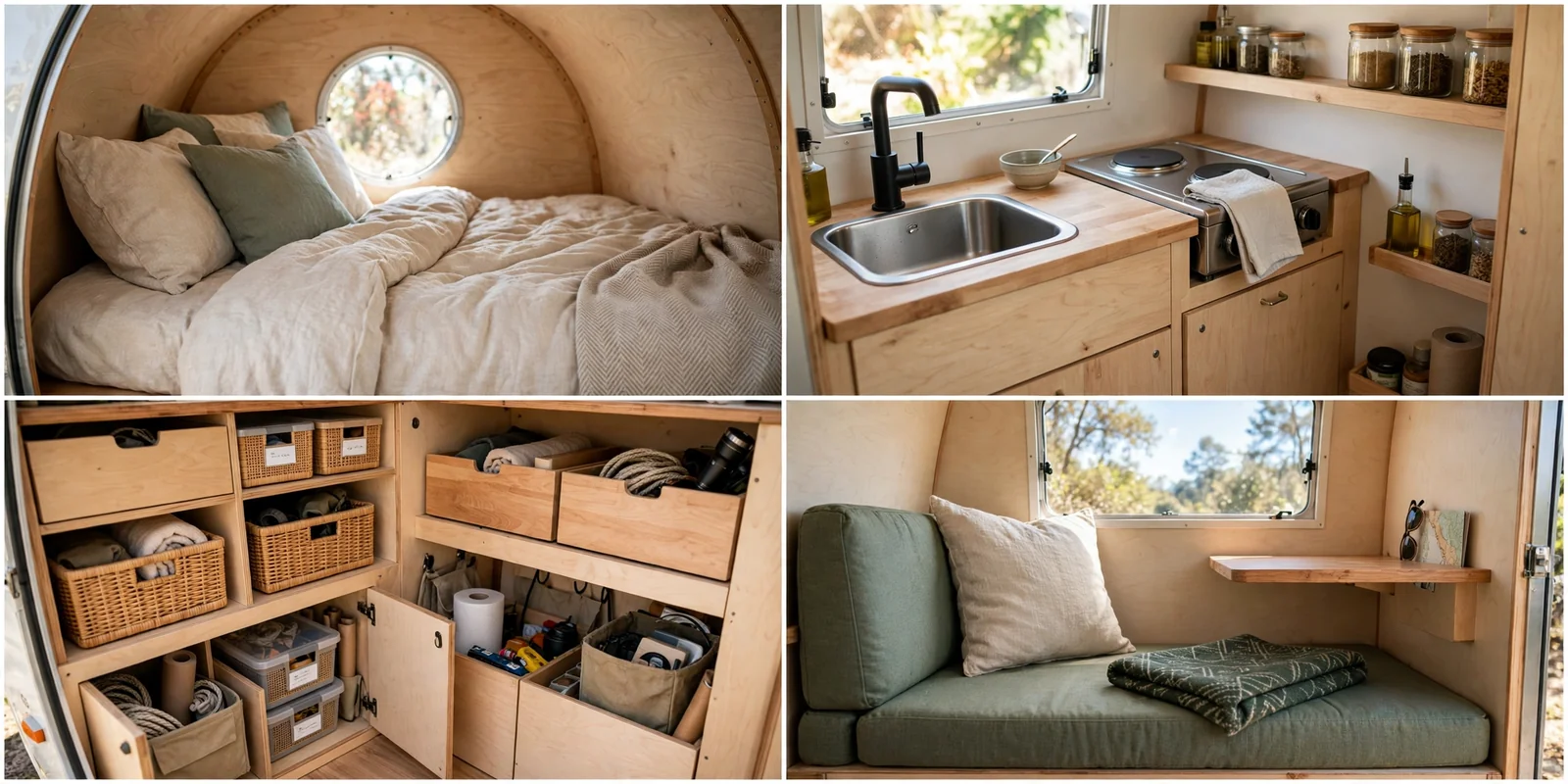
This is the best pick for first time trailer owners. It is simple. It is light. It is easy to learn. And it costs less to buy and run than almost any other trailer here.
Choose this pod if you camp mostly in fair weather and you love simple trips. You will not miss the extra space when the campfire is waiting.
2. The Stand-Up Micro Cabin
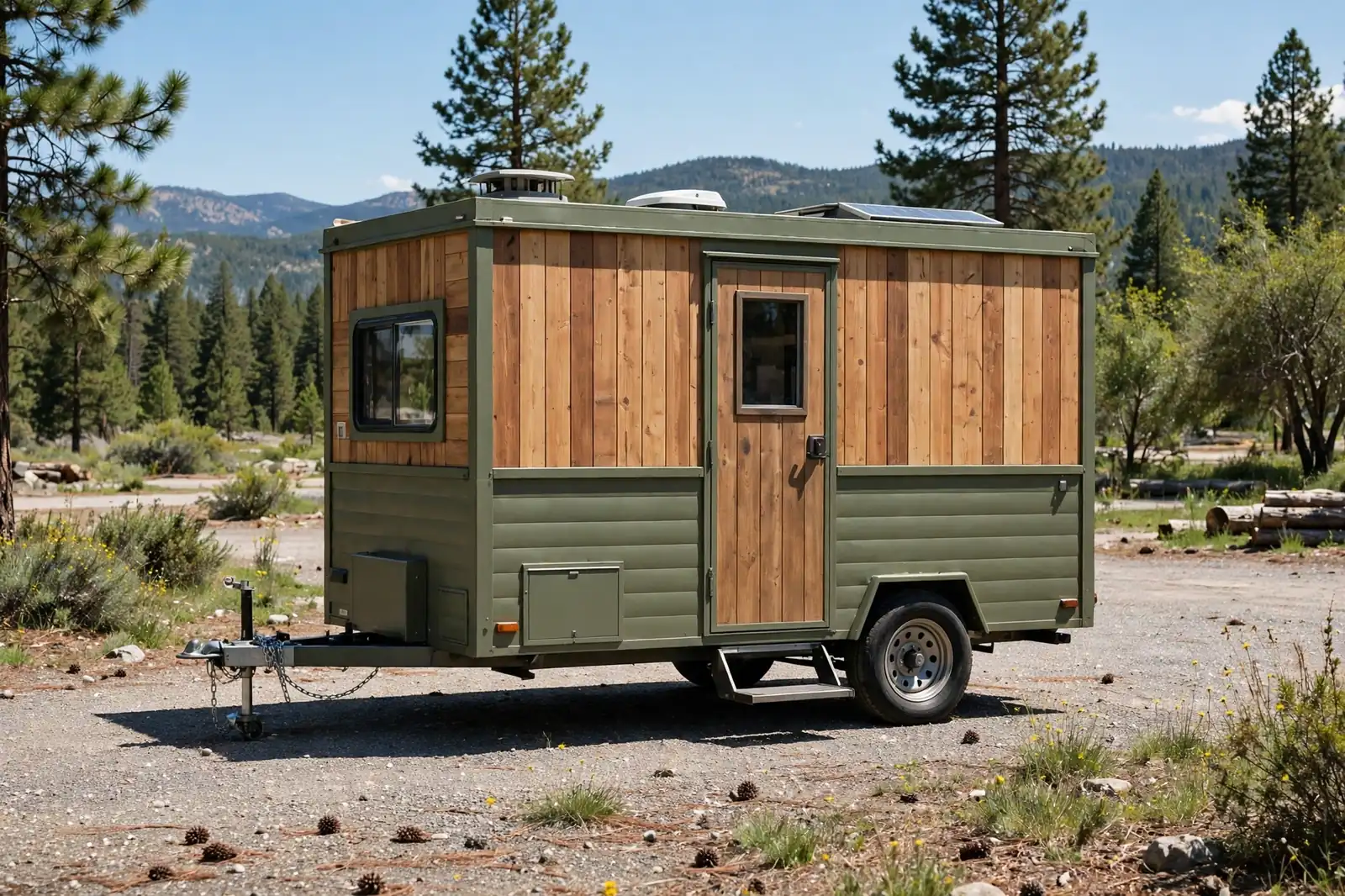
Most tiny trailers ask you to crouch. This one does not. The boxy cabin gives you real standing room. You can get dressed without bumping your head. You can cook standing up. That one change makes rainy days far more pleasant.
The tall walls also make room for tall storage. Coats hang on hooks by the door. Pans stack in a tall cabinet. A small table folds down when you need it and folds away when you do not. Nothing feels wasted.
Wood cladding gives the cabin a warm, homey feel. It looks like a tiny house on wheels. Inside, light wood and white walls keep the small space bright. Big windows help even more.
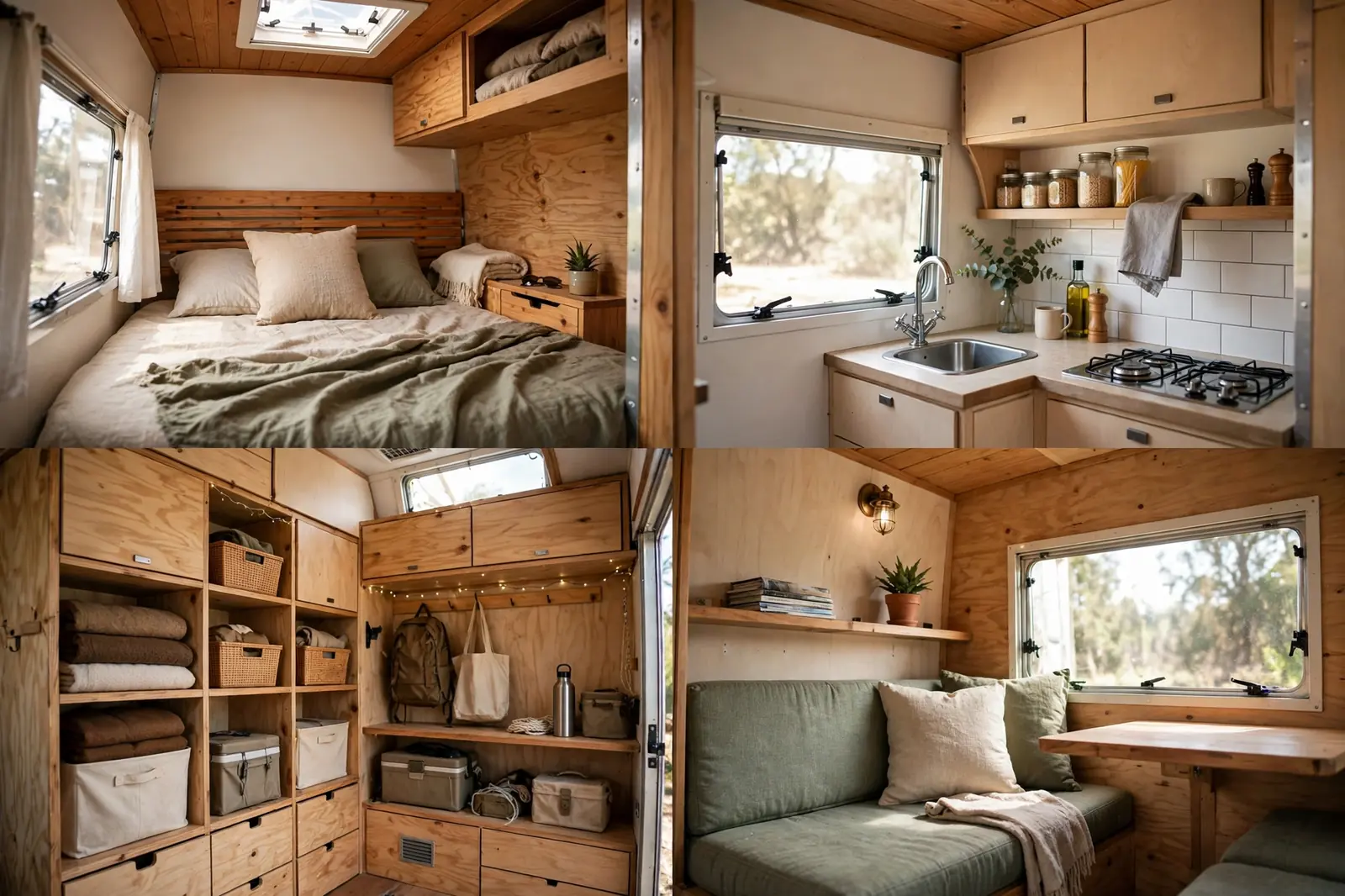
This cabin suits campers who want comfort over speed. It is still light enough for most small SUVs. Just watch the height on low bridges and in your garage.
Pick this one if you camp in all seasons and you want to stand, stretch, and relax inside. Your back will thank you.
3. The Pop-Top Weekender
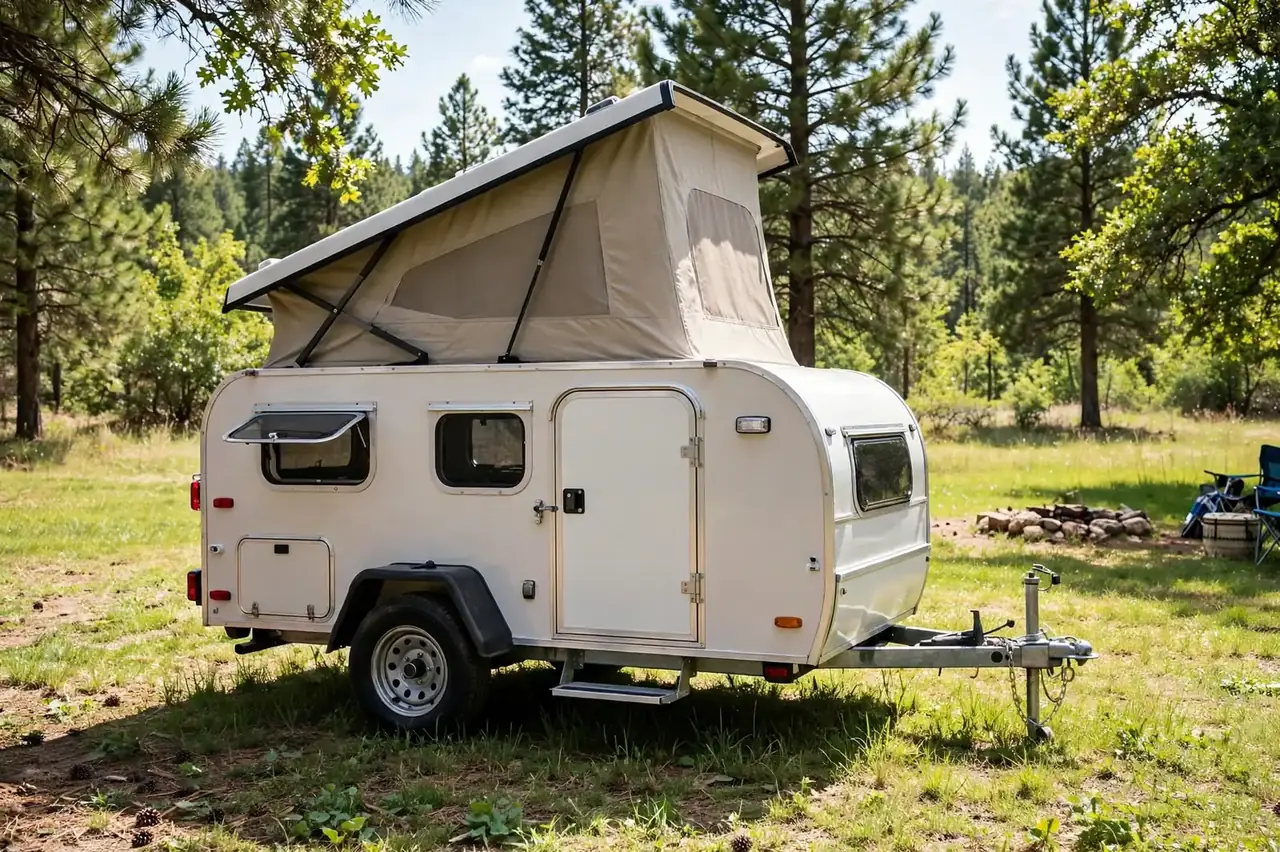
A pop-top gives you the best of both worlds. Towed low, it slips through the wind with ease. Parked with the roof raised, it feels tall and airy. The canvas sides let in light and breeze.
Setup takes only a minute. Unlatch the roof. Push it up. Lock it in place. Done. Inside, the raised roof creates headroom over the bed and the kitchen. You can sit up in bed with a book. You can stand to make coffee.
The low towing height also helps with fuel use. Less wind drag means less strain on your car. That matters on long highway drives. It also helps on windy days.
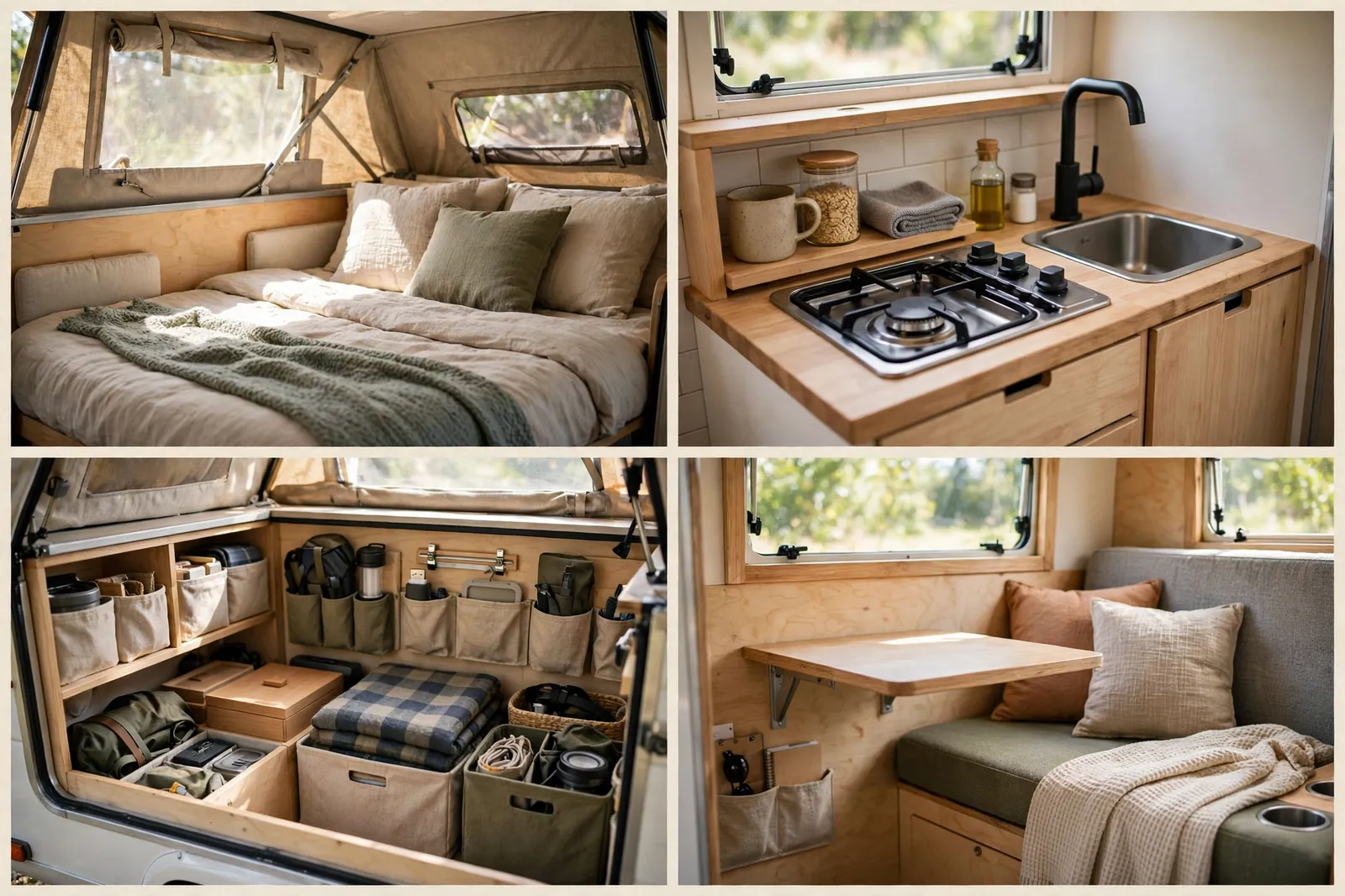
Canvas needs a little care. Dry it before you pack it away. Check the seals each season. Do that, and a pop-top will serve you for years.
Choose this weekender if you want tall headroom without towing a tall box. It is clever, light, and fun.
4. The Retro Canned-Ham Cruiser
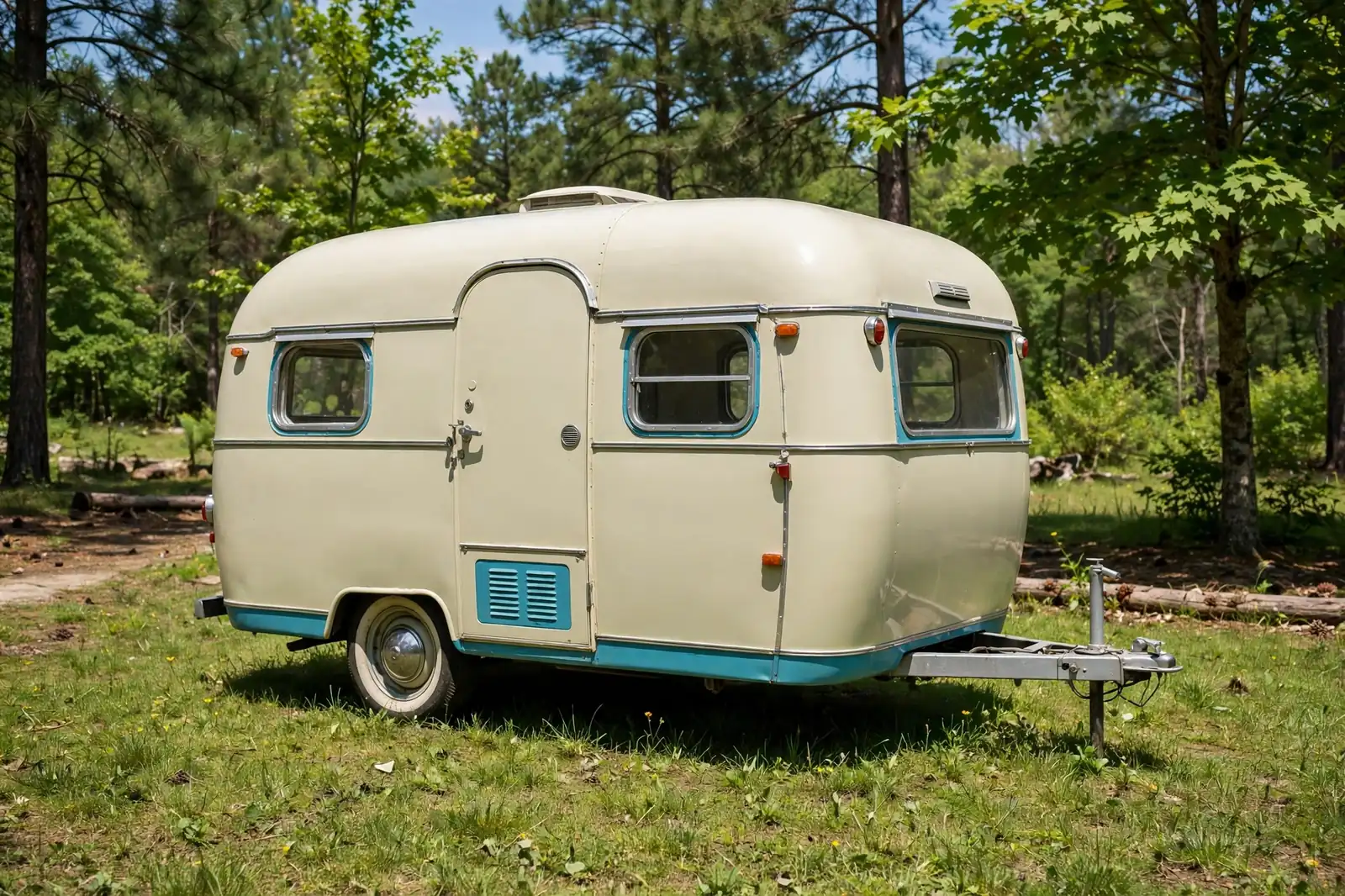
Some trailers turn heads. This one stops traffic. The rounded canned-ham shape comes straight from the 1950s. Cream paint, teal trim, and a cheerful retro face make every campsite feel like a postcard.
Inside, the retro look continues. Warm wood cabinets. Simple round hardware. A small dinette that feels like an old diner booth. It is charming without being fussy. Everything has a place.
Do not let the vintage look fool you. Modern versions use light materials and modern brakes. They tow far better than the originals did. You get the style without the old headaches.
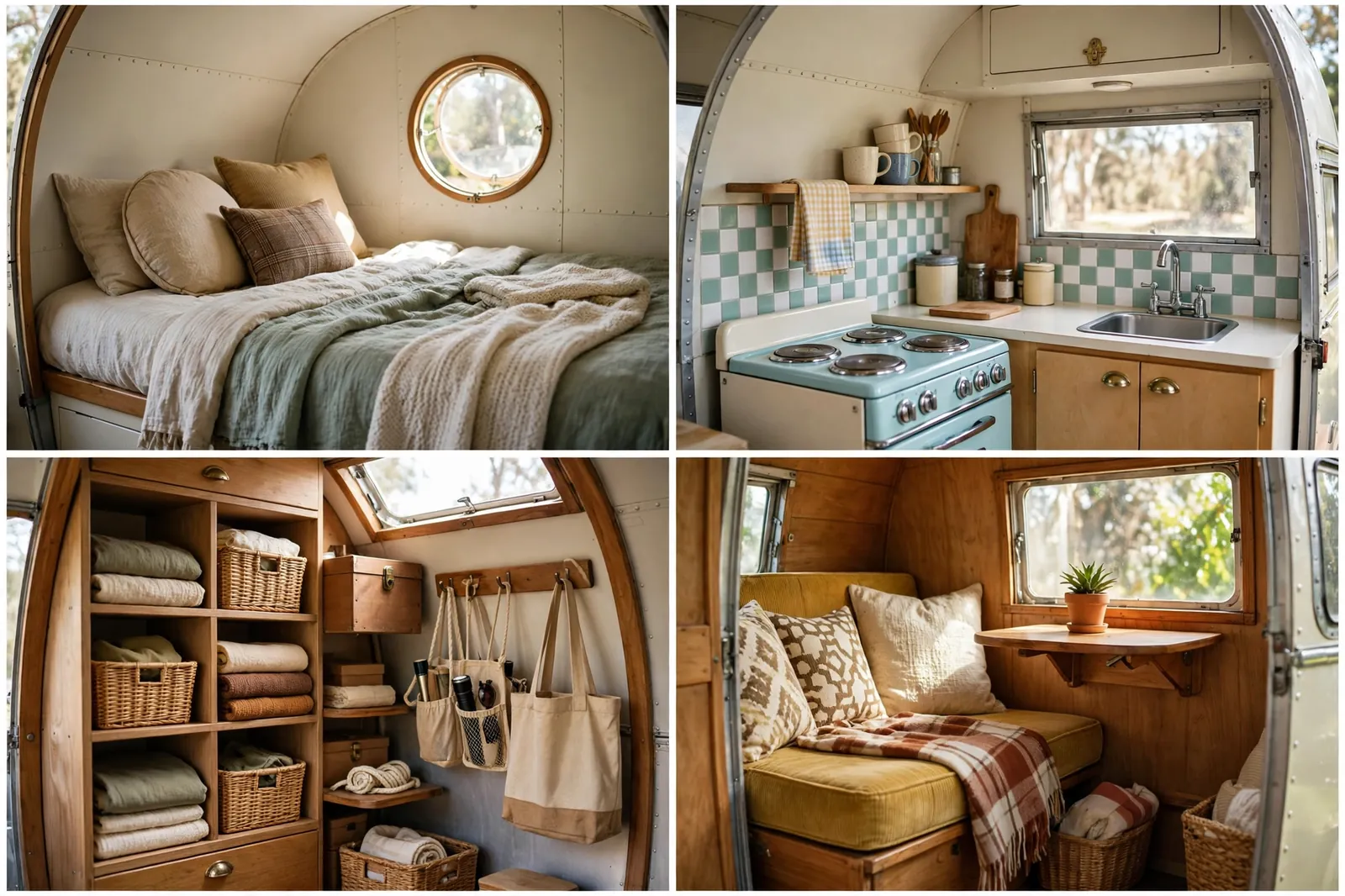
The rounded walls do eat a little storage space. Pack light and use baskets. Baskets fit curves better than boxes.
Pick this cruiser if you love vintage style and you want a trailer with real personality. You will make friends at every campground.
5. The Off-Road Bean Trailer
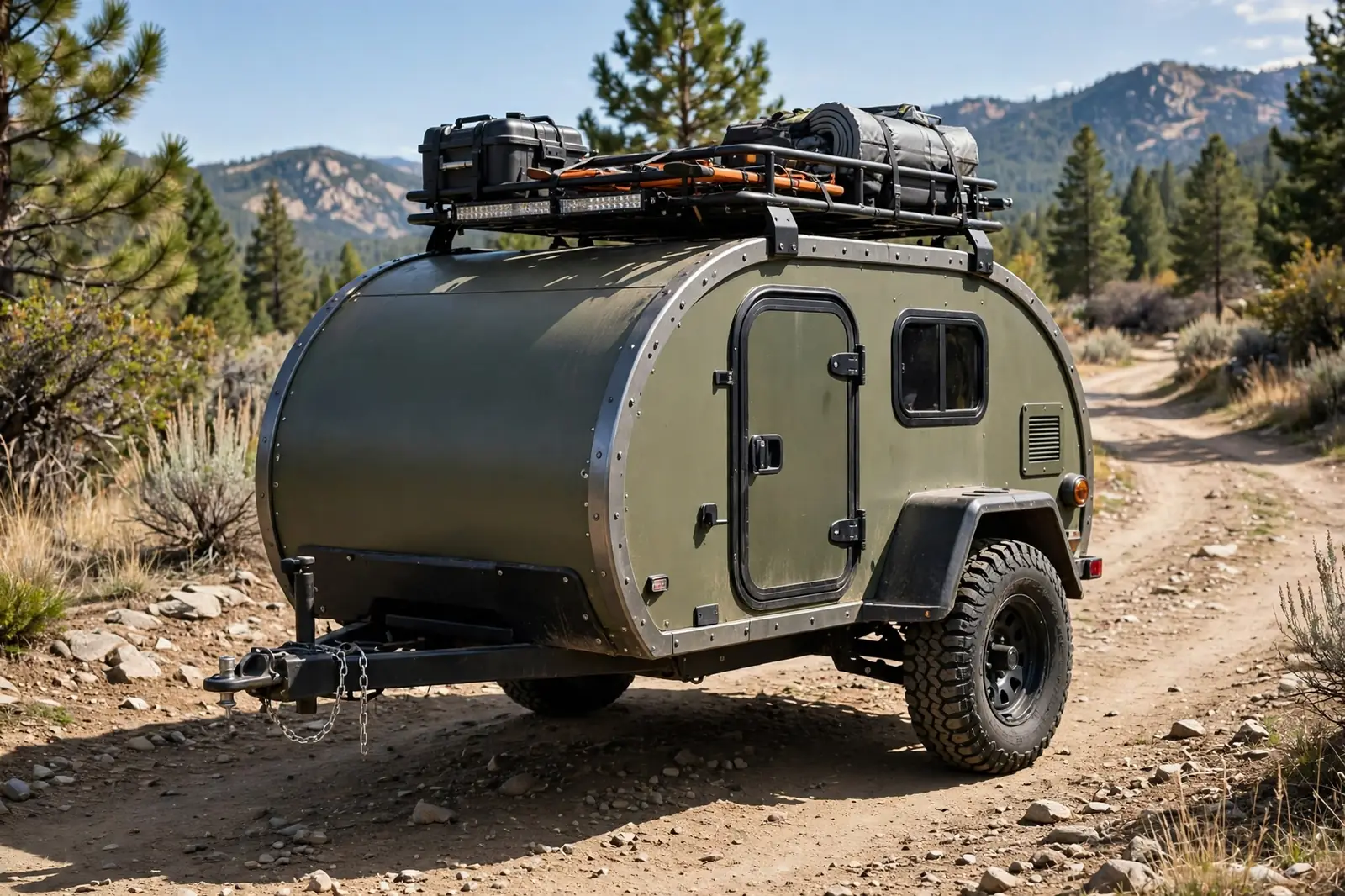
Most tiny trailers stay on pavement. This one does not have to. Knobby tires, a lifted stance, and a tough frame let it follow you down gravel roads to quiet, wild campsites. The bean shape is small, strong, and easy to tow.
A roof rack carries extra gear up top. That frees space inside for sleeping and cooking. Keep heavy gear low in the trailer, though. A top heavy trailer sways on rough roads. Balance matters more off road than on it.
Inside, the layout stays simple. A bed. A small kitchen. Storage for tools and food. That is all you need when the real living room is the landscape outside.
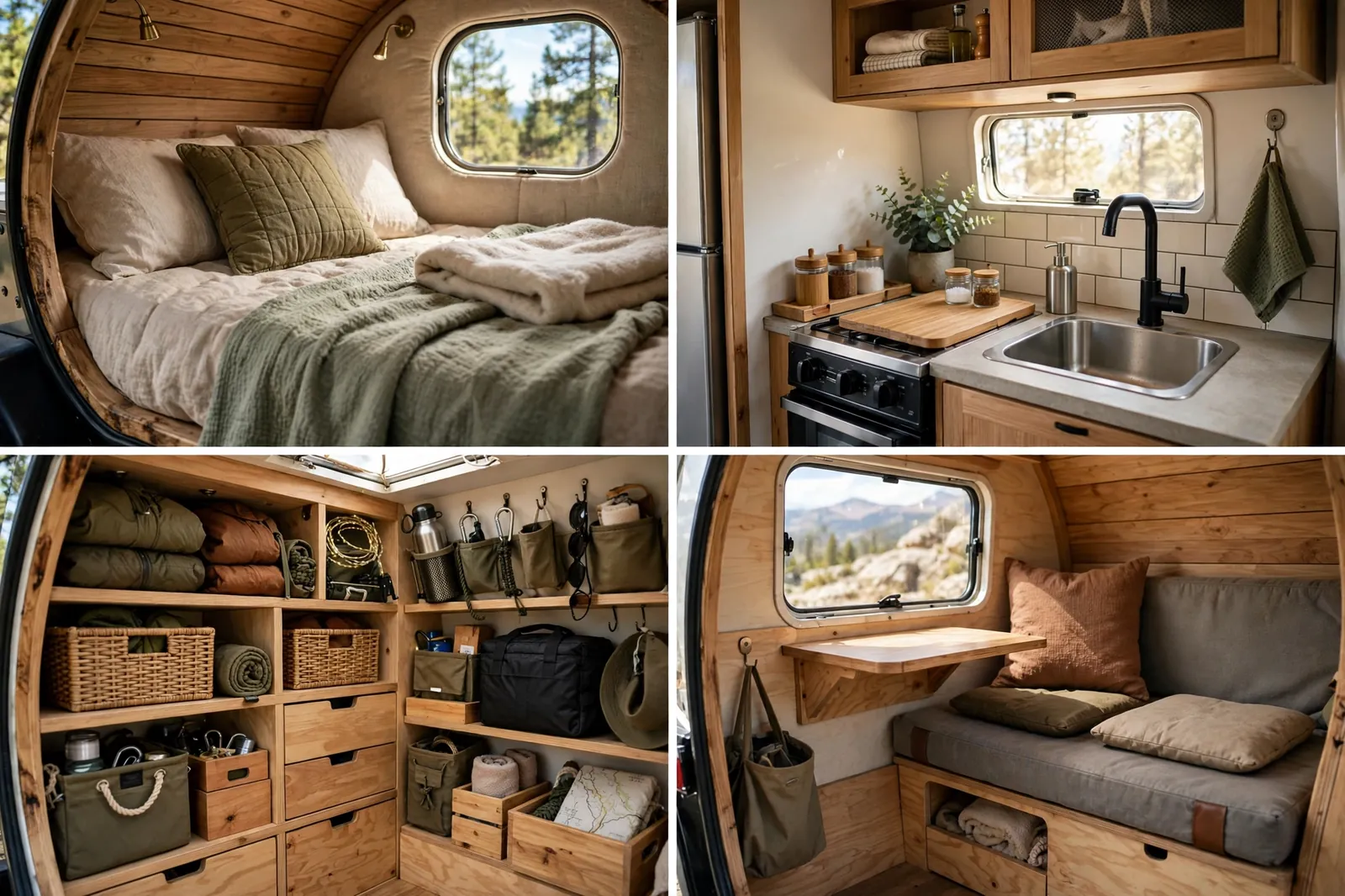
Off-road use still needs care. Check tire pressure before dirt roads. Drive slowly over ruts. And always know your ground clearance.
Choose this bean if your favorite campsites are far from the highway. It is built for adventure, not just for parking lots.
6. The Lightweight Fiberglass Egg
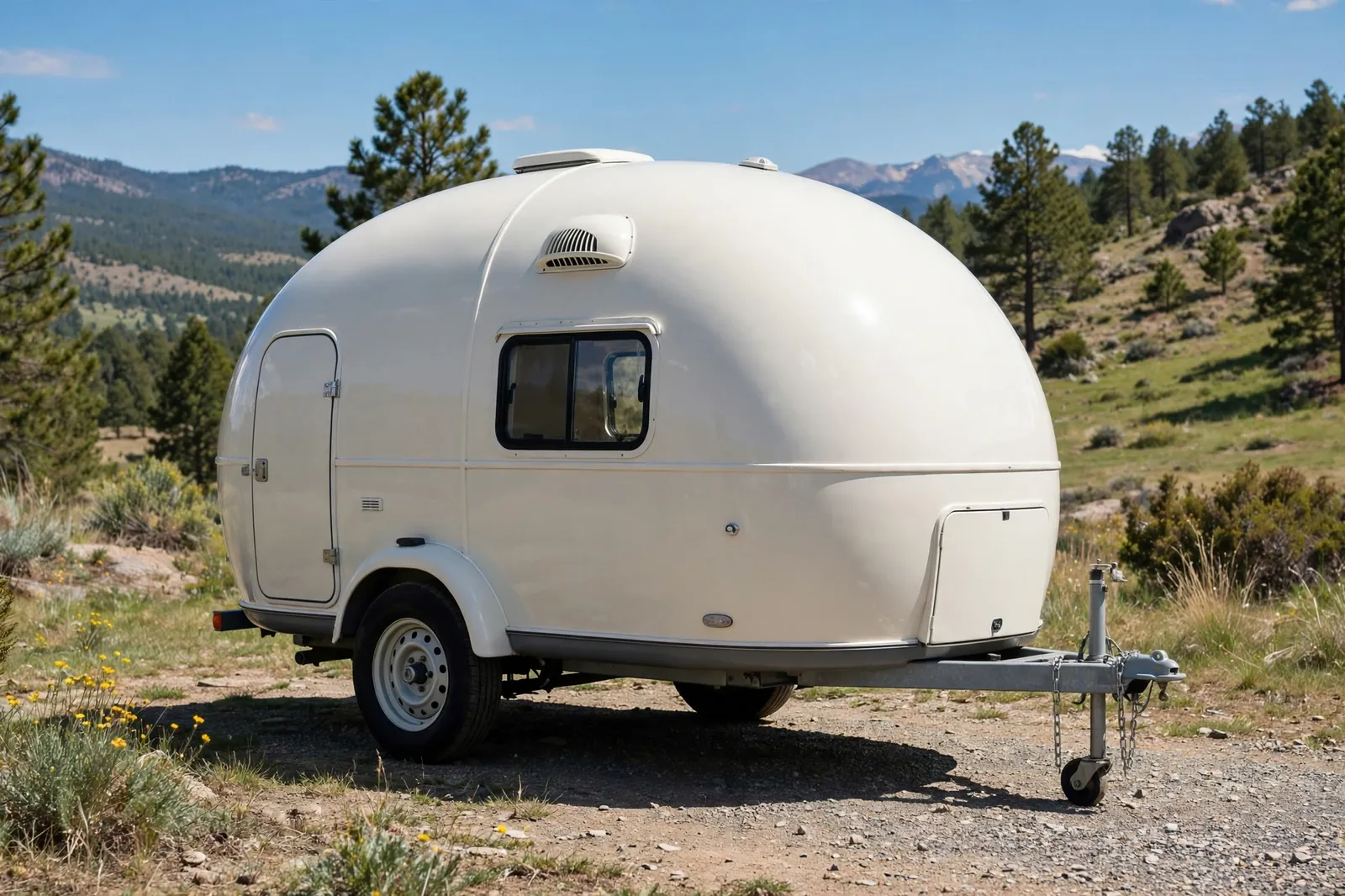
A molded fiberglass shell has a huge advantage. It has no seams to leak. Rain runs right off the smooth egg shape. That means less upkeep and fewer worries on wet trips.
Inside, the curved walls feel soft and modern. White surfaces bounce light around. A small kitchen tucks into one end. A bed fills the other. The middle stays open for moving around, which makes the trailer feel bigger than it is.
Fiberglass is also light for its strength. That helps you stay under the weight limit even with gear aboard. It also resists dents and rust. This is a trailer that ages well.
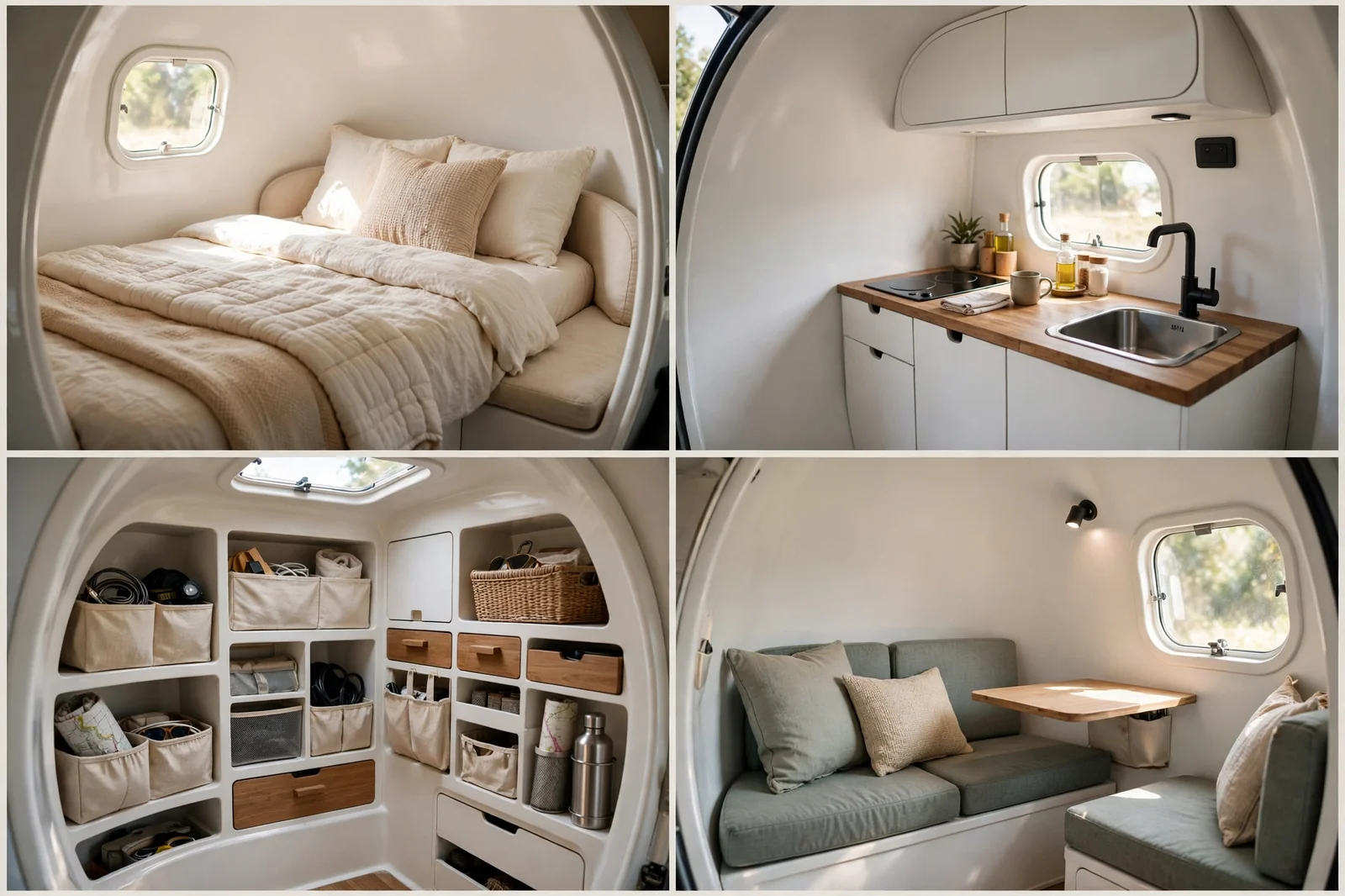
The egg shape does limit tall storage. Use low bins and soft bags. Hang small items on hooks. The open floor plan rewards light packing.
Pick this egg if you want low upkeep and clean modern style. It is simple, bright, and ready for rain or shine.
7. The Convertible Dinette Sleeper
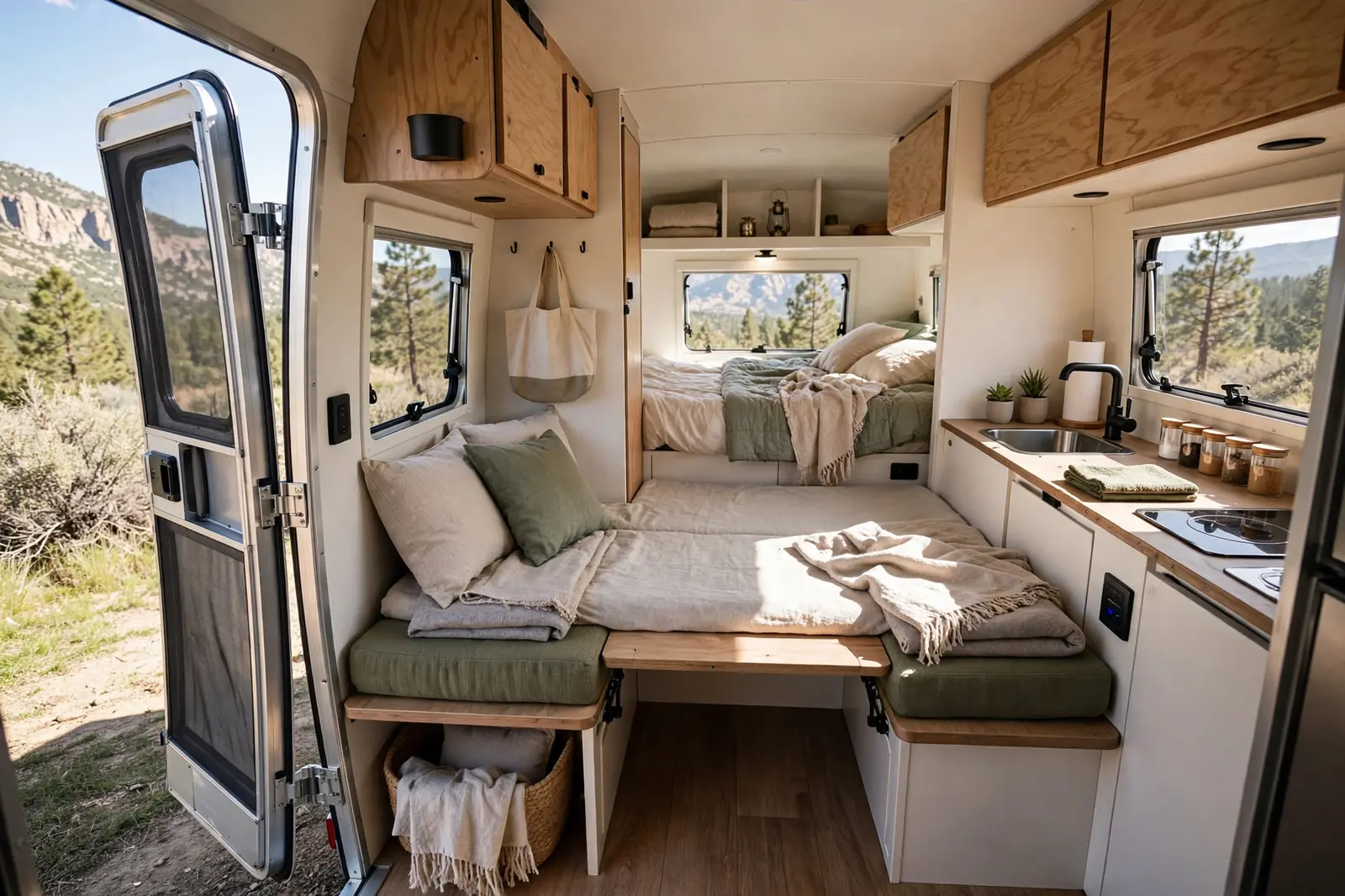
One room, two jobs. That is the trick here. By day, the dinette is a table for meals, games, and planning. By night, it drops down into a bed. One space does the work of two.
The change takes less than a minute. Slide the table down. Lay the cushions flat. Add a topper if you like a softer sleep. In the morning, reverse the steps and you have your table back.
This layout suits couples who want a real table inside. Eating outside is lovely, but rain happens. A dinette gives you a dry place to eat, work, and wait out a storm.
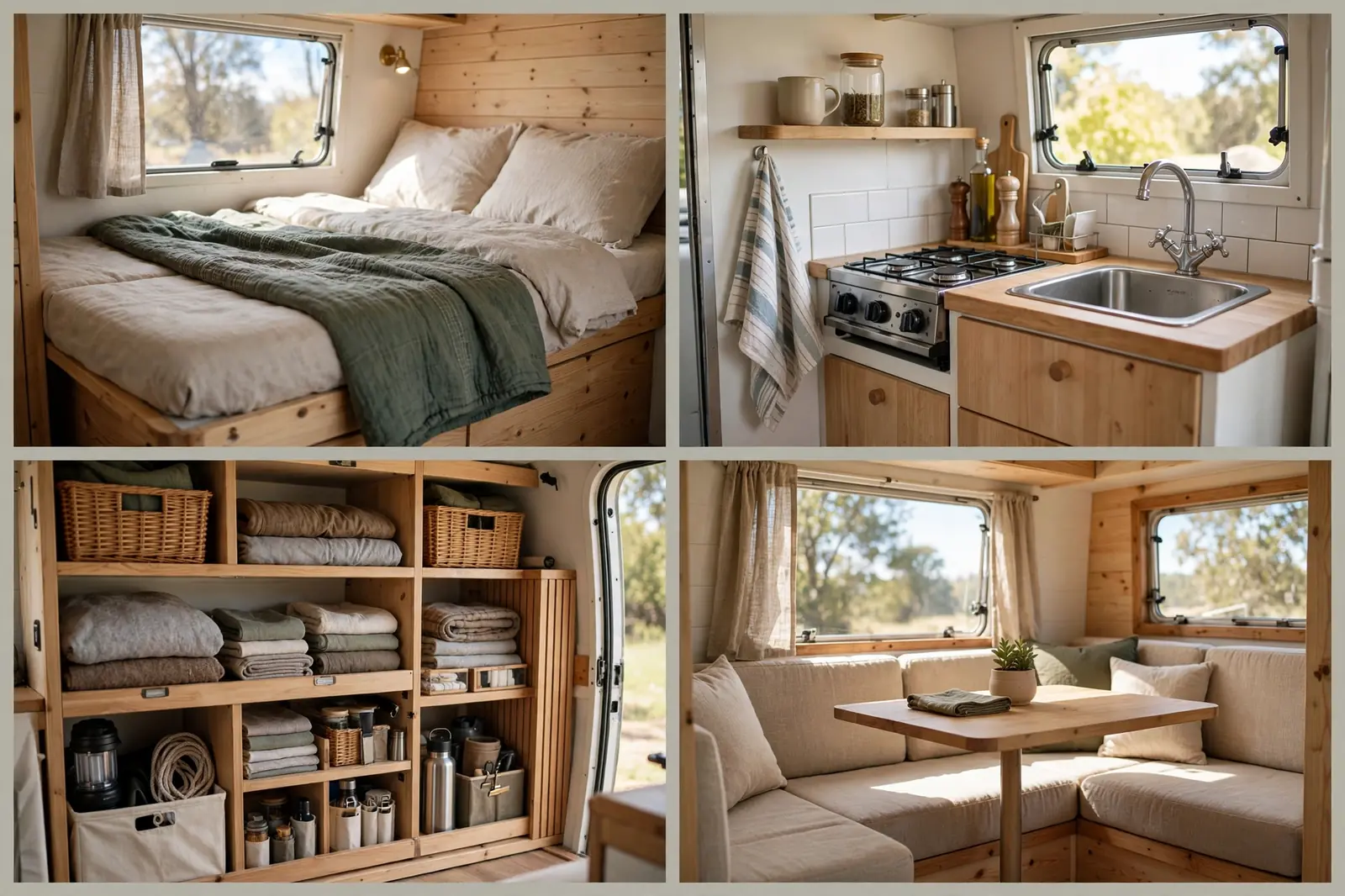
Keep bedding in one dedicated bag. That way the nightly change stays quick. Loose bedding scattered everywhere slows everything down.
Choose this sleeper if you want a table and a bed in one tiny trailer. It is the most practical layout on this list.
8. The Rear-Kitchen Galley Pod
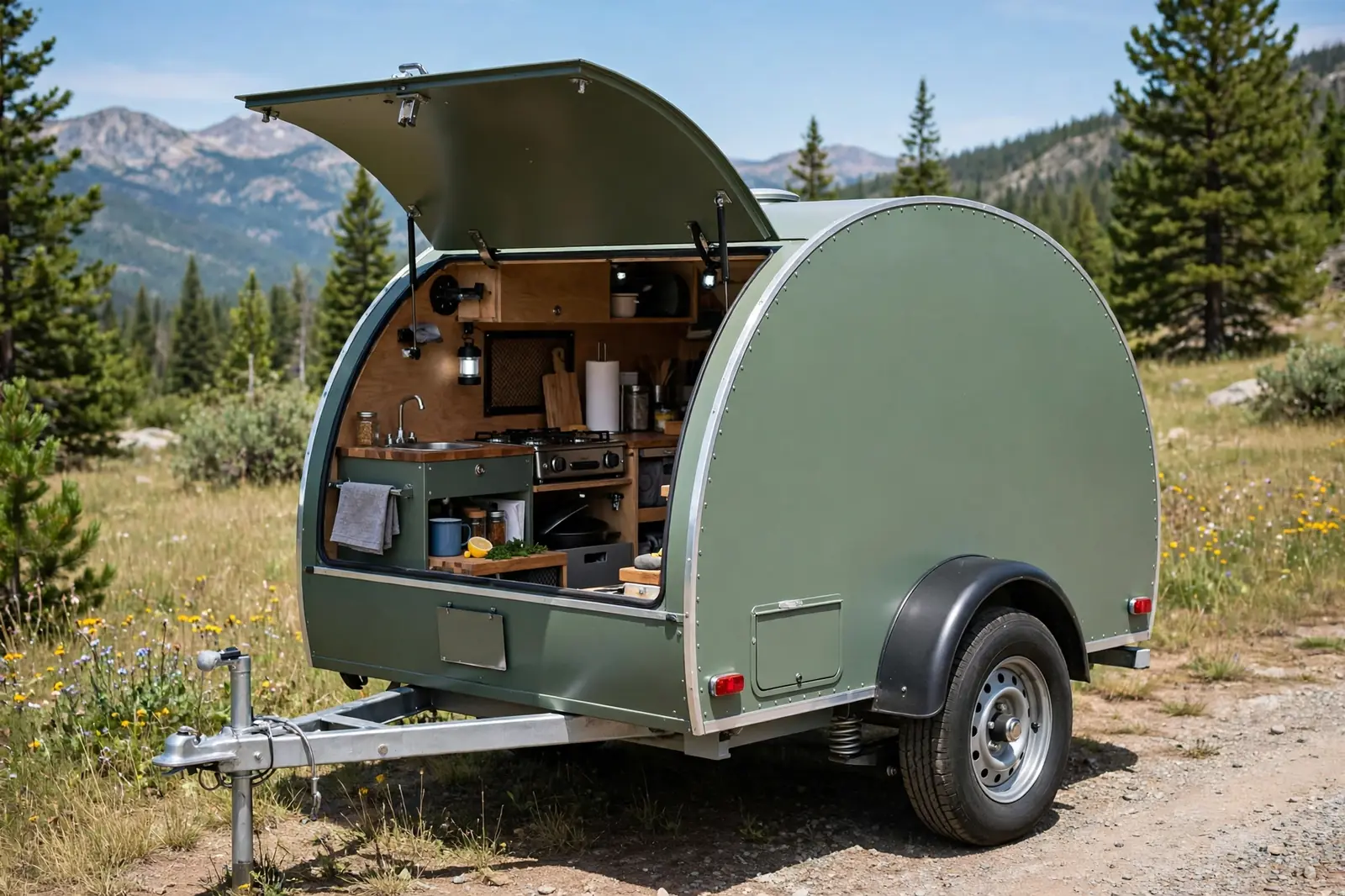
Cooking smells stay outside with this design. Open the rear hatch and the whole kitchen faces the campsite. You cook in the fresh air. You chat with friends. You never heat up the sleeping cabin.
The galley holds a small stove, a cooler or tiny fridge, and storage for pans and food. A counter gives you prep space. A small light lets you cook after dark. Everything is within arm’s reach.
Sleeping stays separate and clean. No food smells in the bedding. No crumbs in the bed. That small split makes a big difference on longer trips.
Rain is the one weakness here. A hatch awning or a small canopy solves it. Set it up over the galley and you can cook in any weather.
Pick this pod if you love outdoor cooking and you want your sleeping space to stay fresh. It is a cook’s favorite for good reason.
Make a Tiny Interior Feel Big
Three simple choices make a small trailer feel twice as large.
9. The Family Bunk Micro

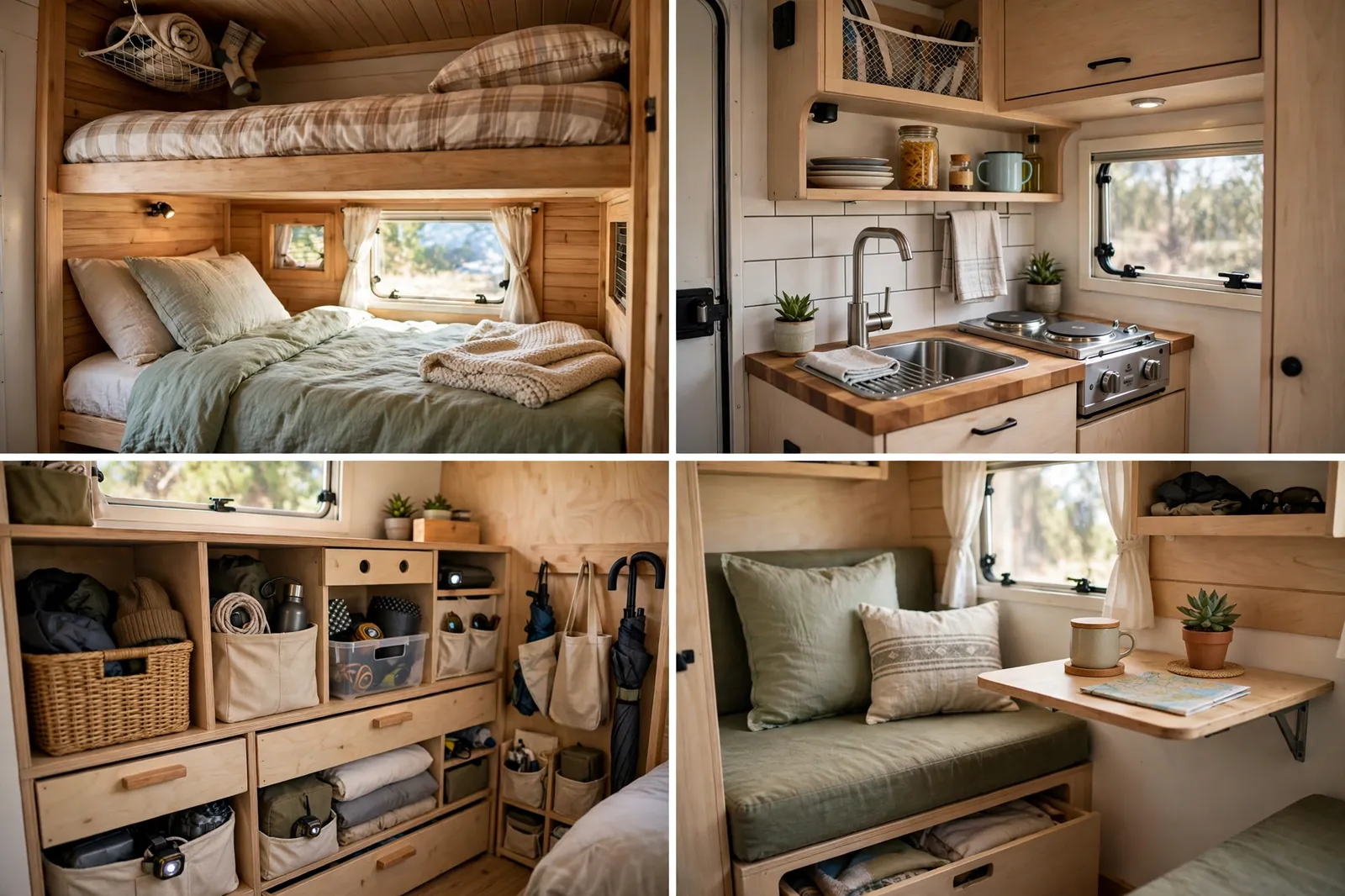
Yes, a family can fit in a trailer under 1,500 pounds. The secret is bunks. Stacked beds sleep the kids without taking extra floor space. Parents take the main bed. Everyone has a real place to sleep.
Bunks work best with a simple rule. Each person gets one bag and one small bin. That keeps the tiny cabin from turning into a clutter pile. Hooks by each bunk hold flashlights and books.
A small dinette gives the family a table for meals and games. It also gives parents a place to sit after the kids are asleep. On rainy days, that table is worth its weight.
Packing light matters even more with a family aboard. Four people’s gear adds up fast. Weigh your loaded trailer at least once. The number may surprise you.
Choose this micro if you want family camping without a big truck. Keep the packing rules firm, and it works beautifully.
10. The Solo Adventure Teardrop
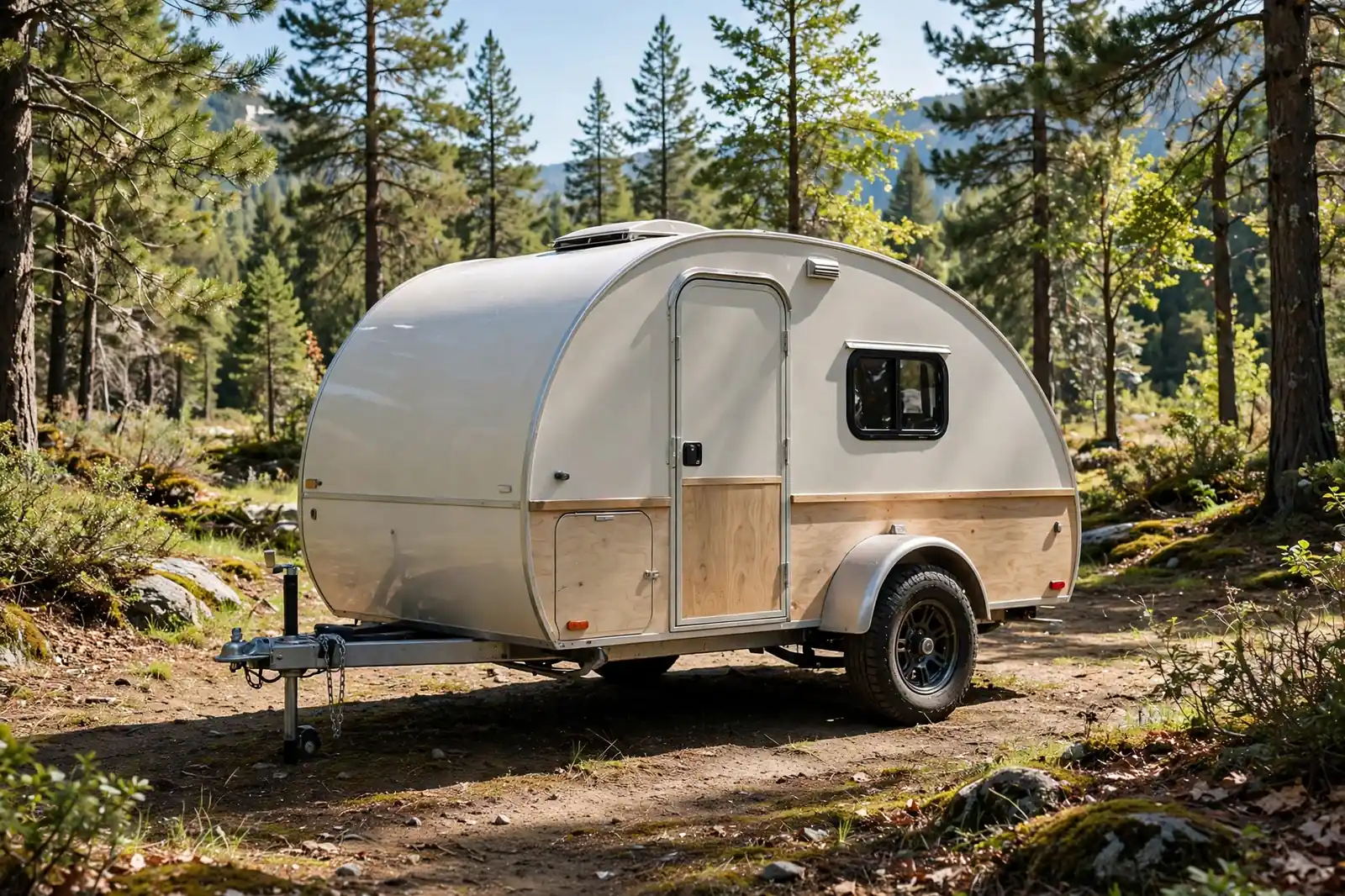
Solo camping is freedom. You go where you want, when you want. This teardrop is built for one person and one car. It tows so lightly you may forget it is behind you.
Inside, a single bed leaves room for gear storage beside you. A small kitchen at the rear handles simple meals. Coffee in the morning. Soup at night. That is all a solo trip needs.
The small size also opens up more campsites. Tight forest roads and small pads are no problem. You can slip into spots that bigger rigs must pass by.
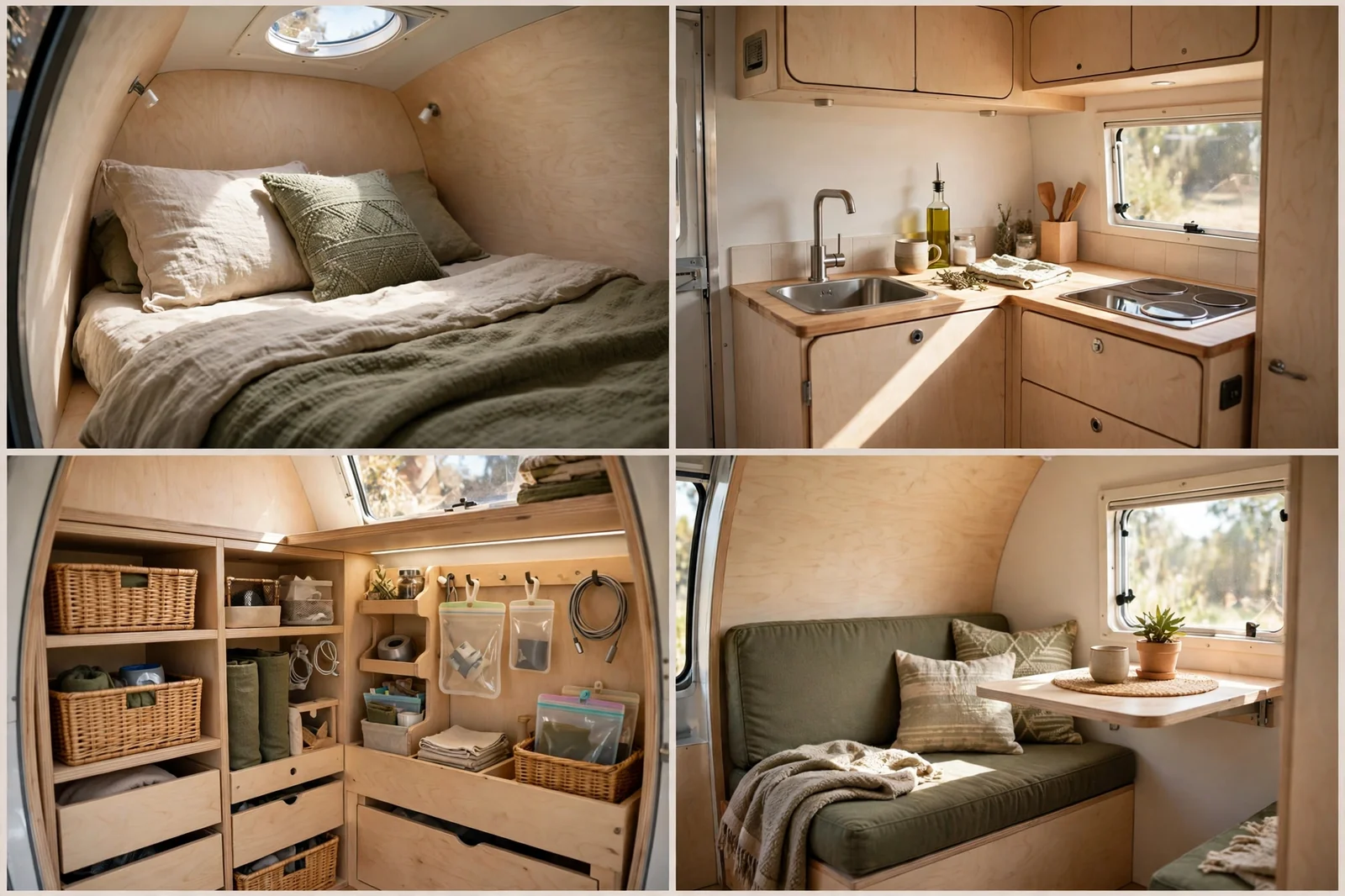
Solo safety still counts. Tell someone your plan. Carry a charged phone and a paper map. And check your hitch twice before you leave.
Pick this teardrop if you camp alone and you value freedom over space. It is the lightest, simplest way to travel.
11. The Vintage Shasta-Style Charmer
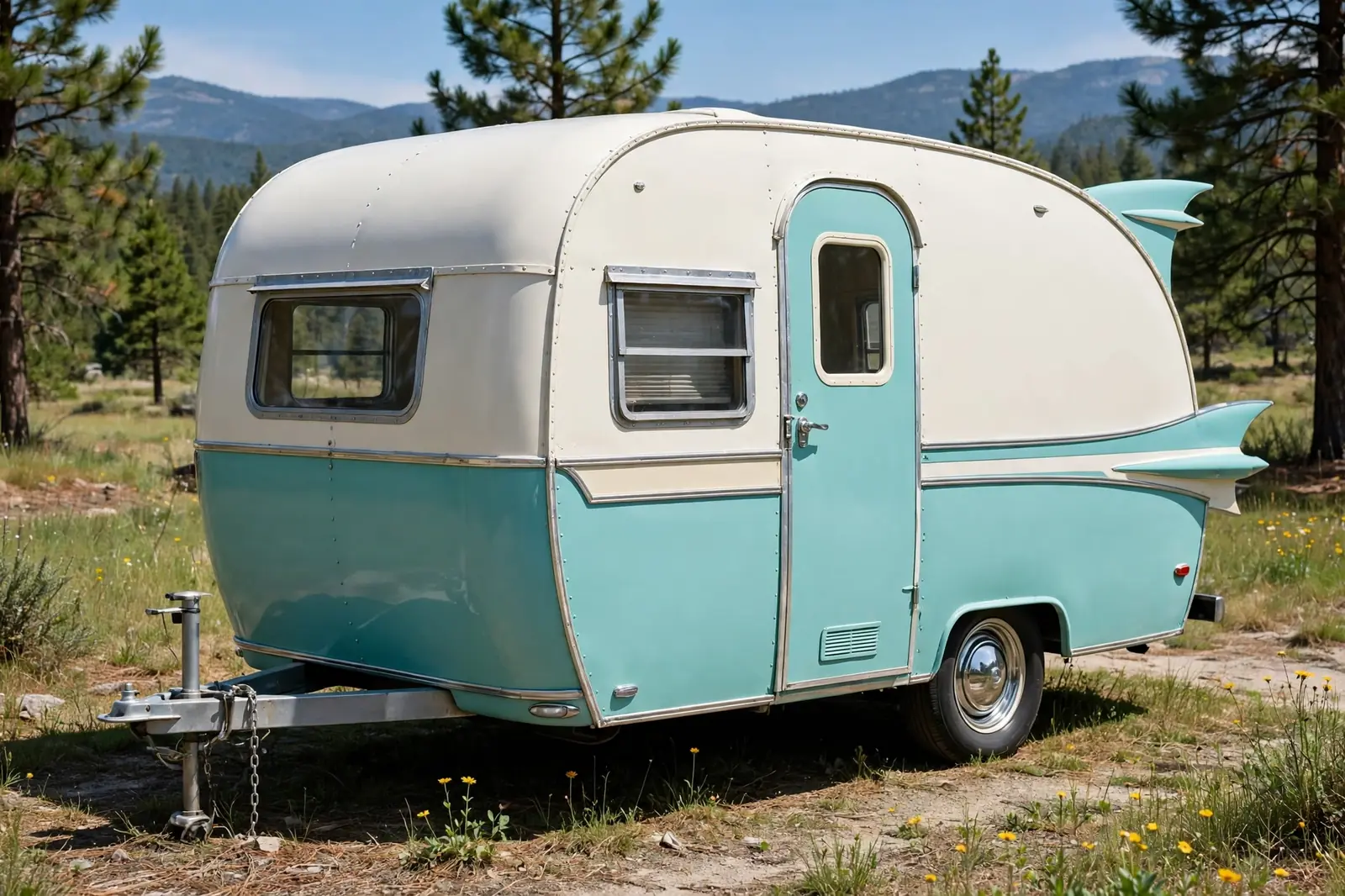
Wings, chrome, and two-tone paint. This trailer wears its history proudly. The Shasta style trailer is an icon of American road trips. Modern versions keep the look and add modern safety.
Inside, the vintage theme stays gentle. Cream walls. Wood trim. Simple fabrics in soft colors. It feels nostalgic without feeling like a museum. You can actually live in it.
The layout is simple and honest. A bed at one end. A dinette at the other. A small kitchen between them. Nothing fancy. Nothing wasted. That simplicity is part of the charm.
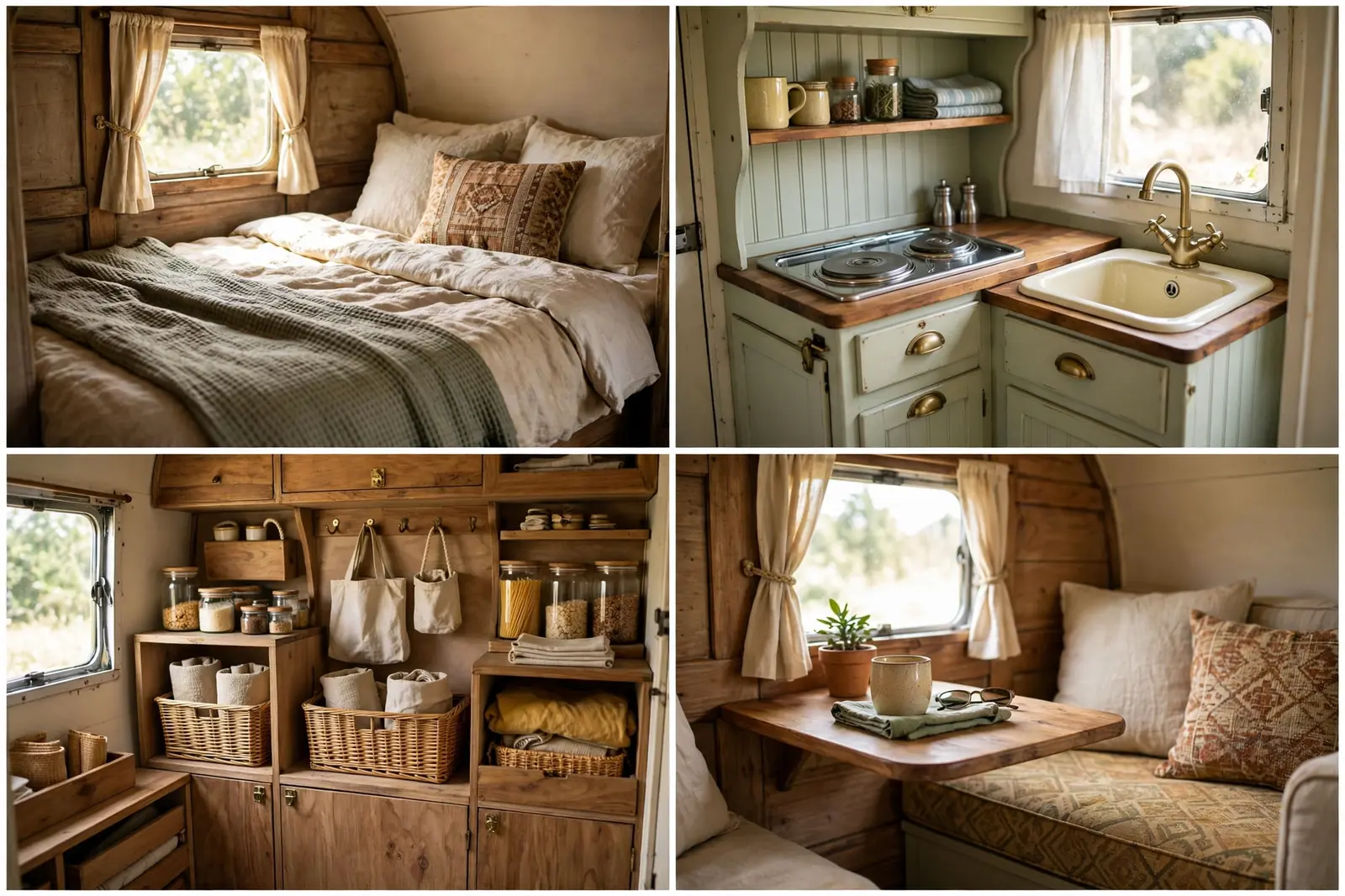
Vintage style does need a little extra care. Chrome likes a wipe down. Paint likes wax. Give it an hour each season and it will keep turning heads.
Choose this charmer if you love classic style and simple camping. It is a rolling piece of history, made for modern roads.
12. The All-Season Insulated Pod
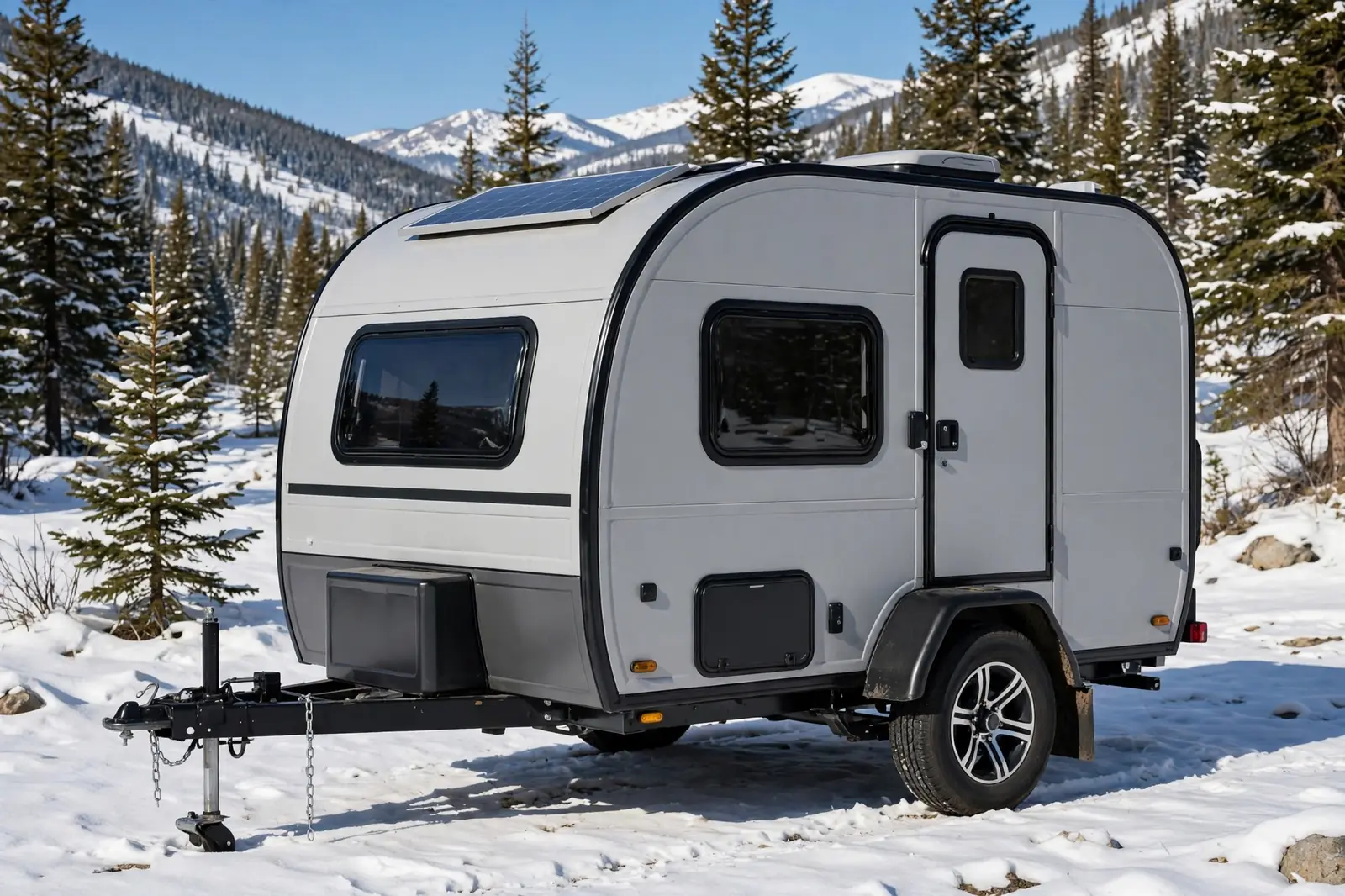
Most tiny trailers are fair weather friends. This one is not. Thick insulation in the walls, floor, and roof keeps heat in during winter and out during summer. A small heater does the rest.
Insulation also quiets the cabin. Wind noise drops. Rain sounds softer. Sleep comes easier. On a cold night, that quiet warmth feels like luxury.
Good insulation does add a little weight. Watch your gear weight to stay under the limit. Choose light bedding and skip the heavy extras. Warmth does not need bulk.
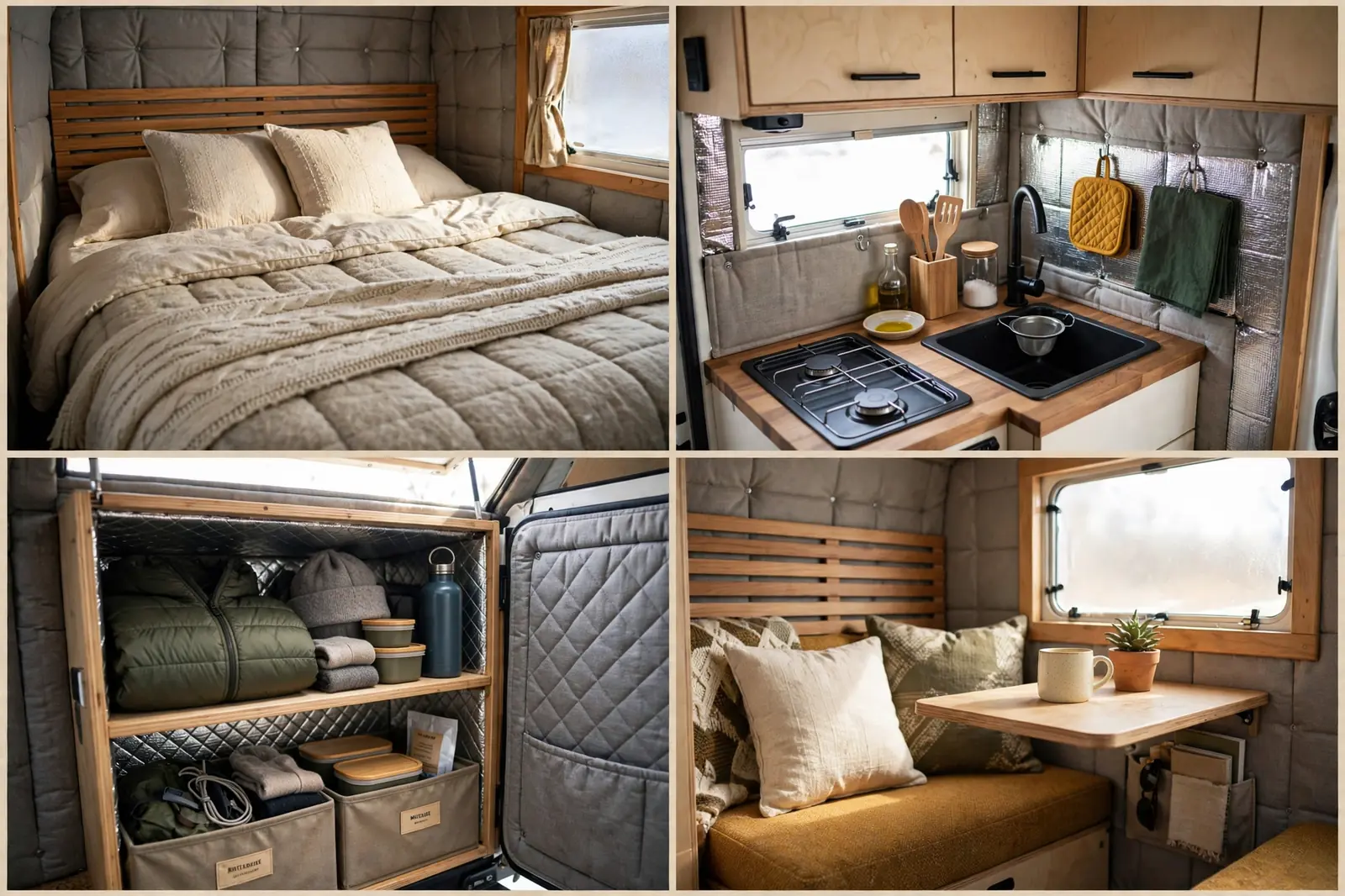
Ventilation still matters in winter. Crack a vent to control condensation. Wet air inside a sealed trailer causes damp bedding and foggy windows.
Pick this pod if you camp year round or you chase shoulder season deals. It extends your camping year by months.
13. The Beach Cruiser Pod
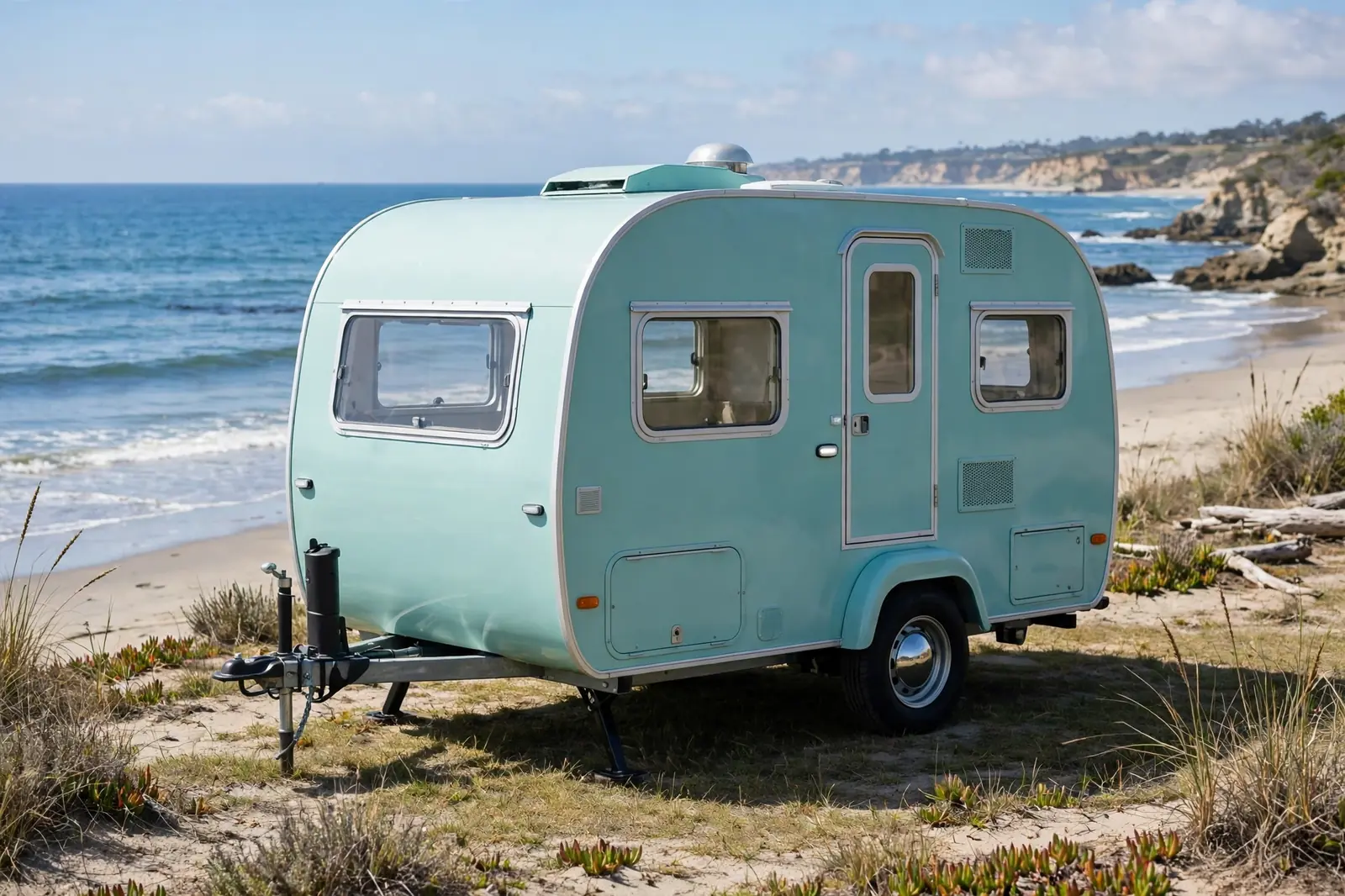
Salt air, sand, and sun. This pod is made for the coast. Mint paint and light wood inside match the beach mood. Big windows let in sea breezes. The whole trailer feels like a beach cottage.
Beach camping needs smart storage. Sand gets everywhere, so use bins with lids. Rinse gear before you pack it away. Salt air can rust hardware, so wipe metal parts after coastal trips.
The small size is a beach advantage. Coastal campgrounds often have tight pads and narrow roads. A tiny pod fits where bigger trailers cannot. You get closer to the water.
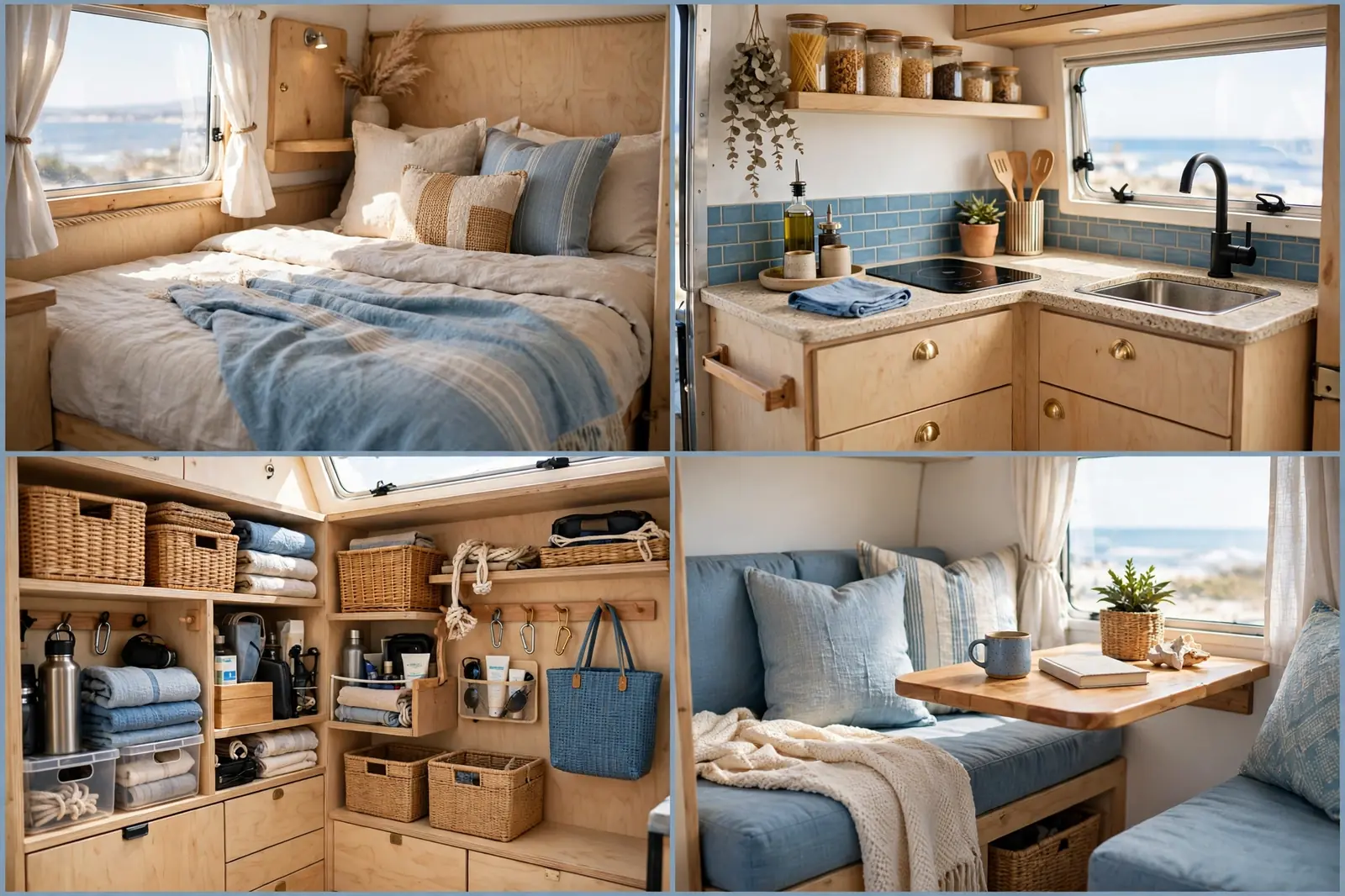
An outdoor shower or a simple rinse bucket helps a lot. Rinse feet before stepping inside. Your bedding will stay sand free much longer.
Choose this cruiser if the coast is your happy place. It is bright, breezy, and built for beach days.
14. The Mountain Basecamp Trailer
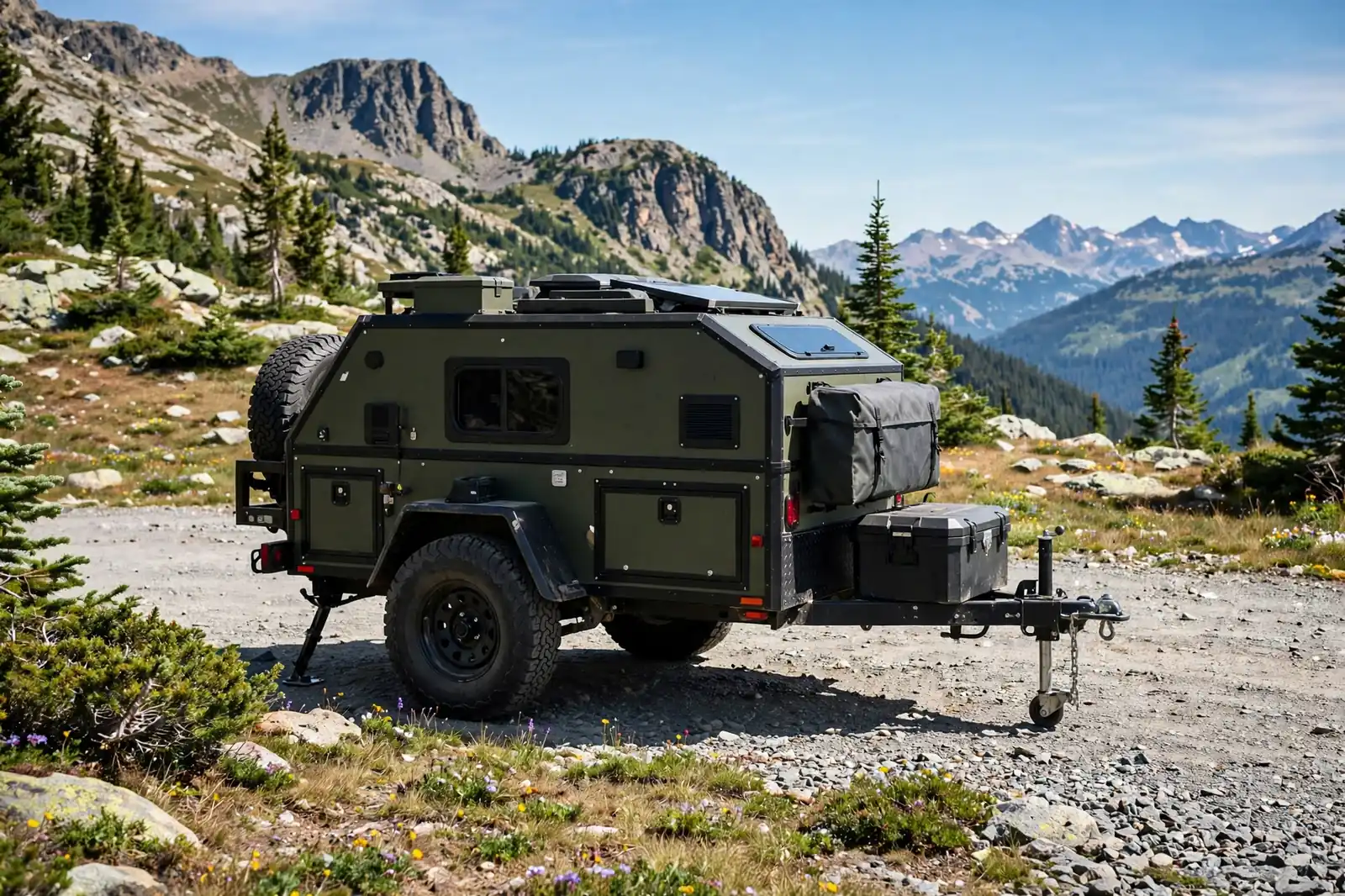
Mountains demand tough gear. This trailer answers with a sturdy frame, good clearance, and storage for hiking boots, packs, and layers. It is a basecamp, not just a bedroom.
After a long hike, a warm dry bed matters more than anything. This trailer gives you that, plus a hot meal from the small kitchen. You recover well. You hike further the next day.
Mountain weather changes fast. A solid roof and good seals keep you dry when storms roll in. A small heater takes the chill off cold mornings at altitude.
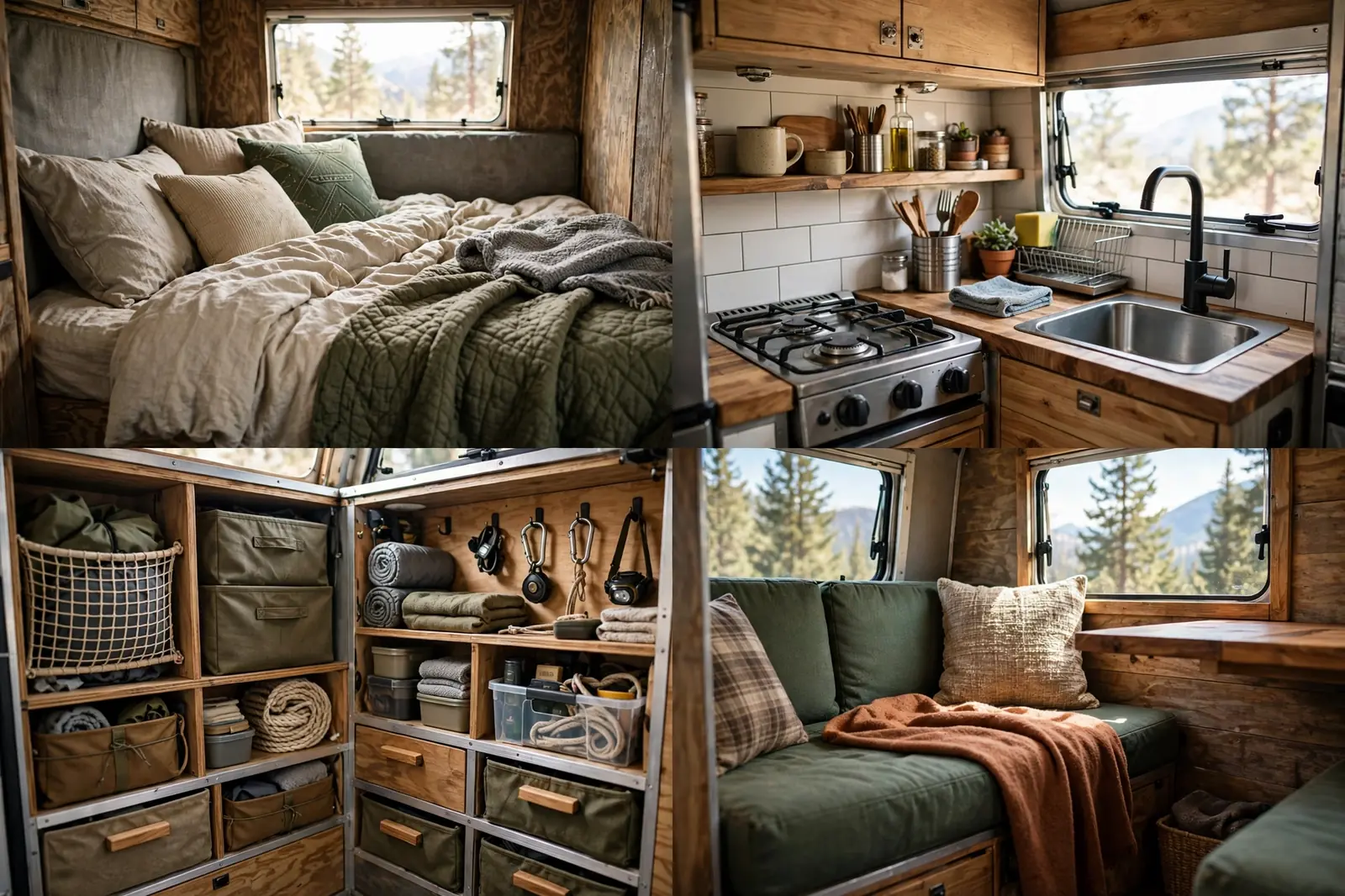
Altitude affects cooking times and water boiling. Plan simple meals. Soups and stews work well. They are warm, easy, and forgiving.
Pick this basecamp if your trips start at a trailhead. It is tough, simple, and ready for high places.
15. The Luxury Mini Suite
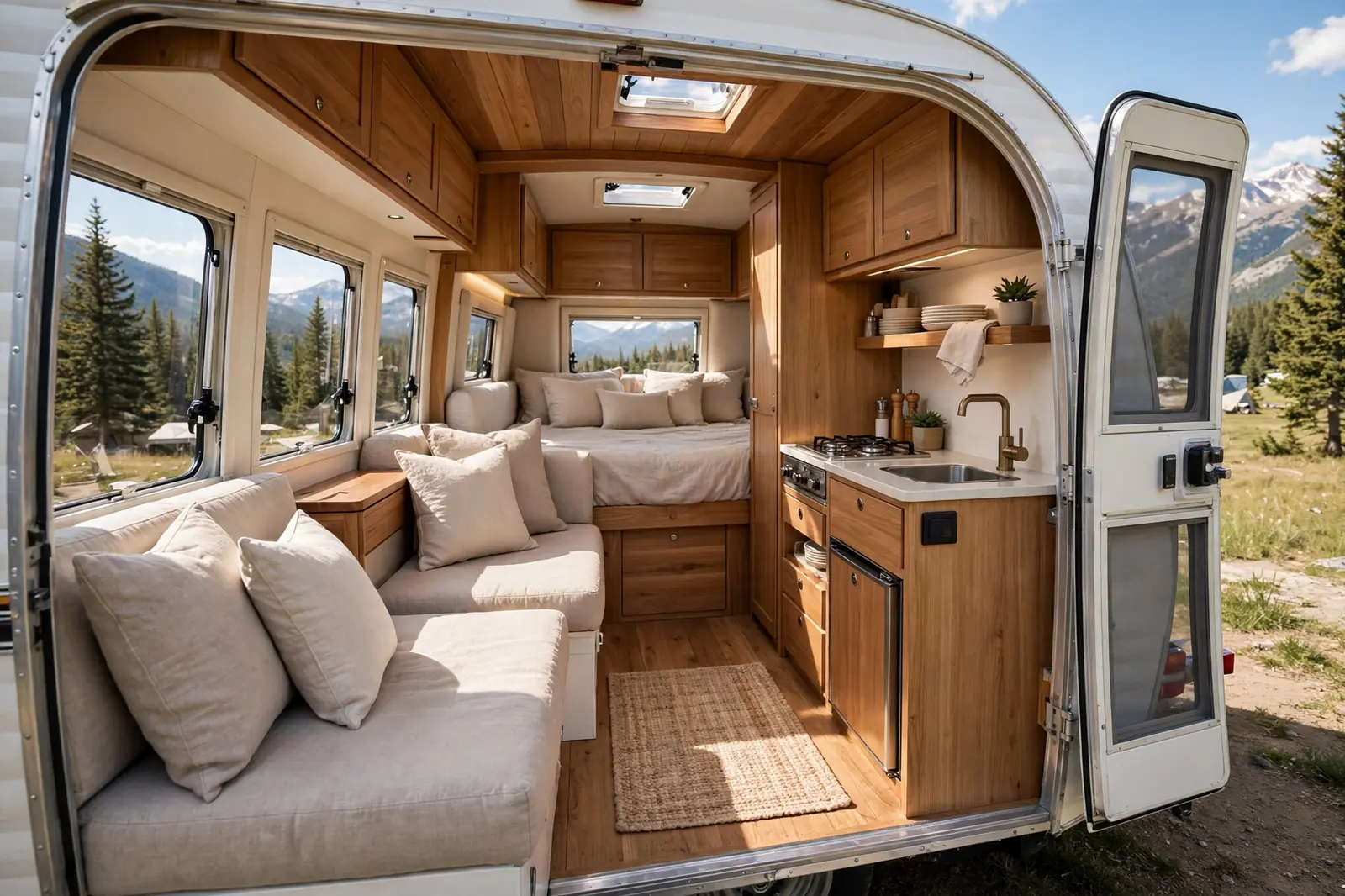
Small does not have to mean plain. This mini suite proves it. Warm wood, soft neutral fabrics, and brass details give it a boutique hotel feel. Every surface feels chosen, not just fitted.
The lounge area invites you to relax. Read a book. Sip coffee. Watch the light change through the windows. At night, the lounge converts to a comfortable bed. Luxury here means comfort, not size.
Storage stays hidden behind clean cabinet fronts. Nothing looks cluttered. That calm look is the real luxury. A tidy trailer feels restful in a way a crowded one never does.
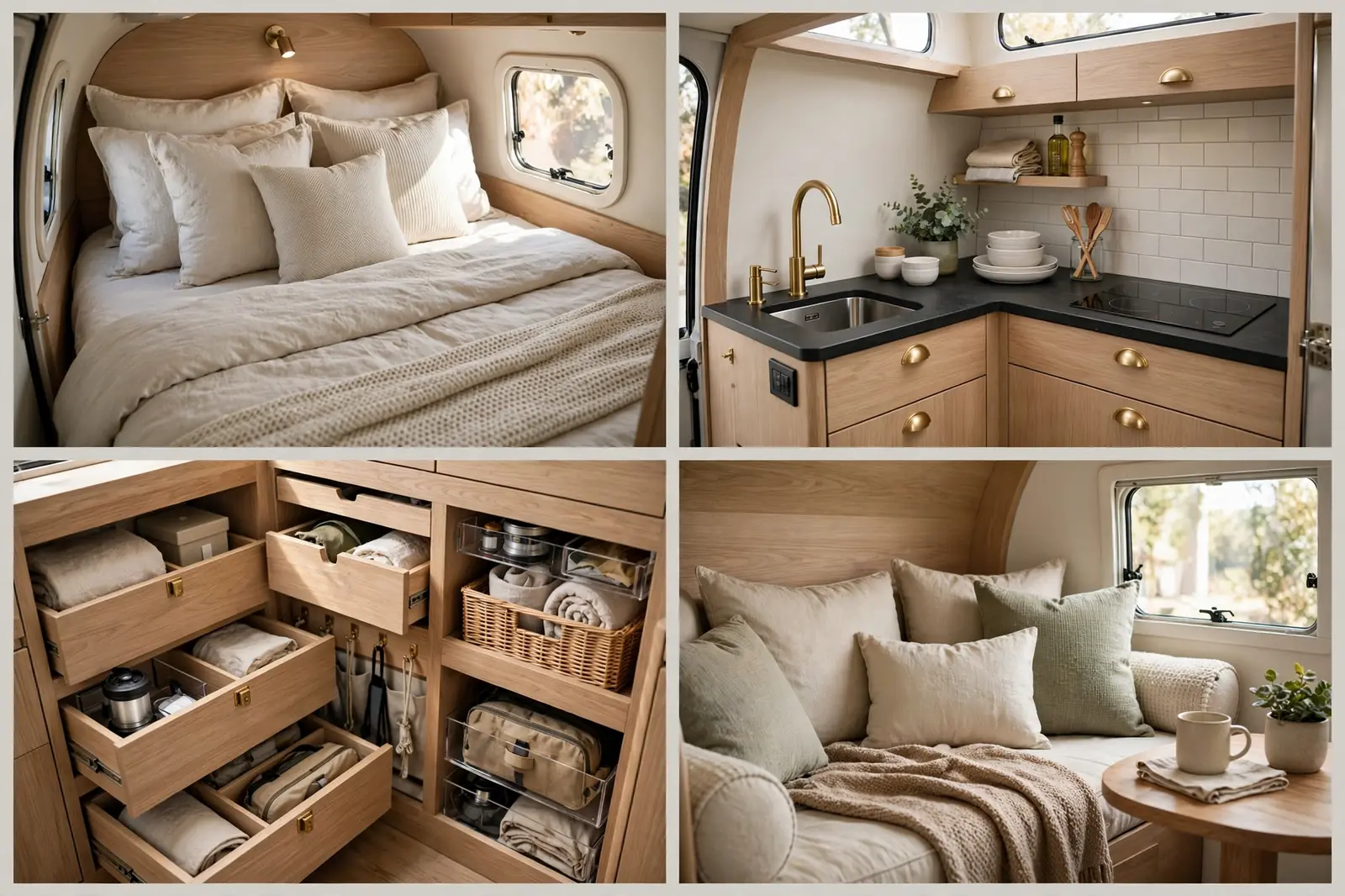
Luxury finishes need gentle care. Use soft cloths on wood and brass. Avoid harsh cleaners. A little care keeps the suite looking new for years.
Choose this suite if you want your camping to feel like a treat. It is small, yes. But it is also the most indulgent trailer on this list.
Pack Light, Camp Happy
Packing light is a skill. It gets easier with every trip.
So which tiny trailer fits your life? Start with how you camp. Solo trips point to a teardrop. Family trips point to bunks. Cold trips point to insulation. Style lovers will pick retro every time.
Then check the numbers. Dry weight, loaded weight, and your car’s tow rating. Those three numbers matter more than any feature list. Get them right and every trip starts calm.
Finally, keep it simple. A light trailer, a short packing list, and a favorite campsite are all you need. The best trips are rarely the fanciest ones. They are the ones where you actually go.
Pick your favorite from this list, pack light, and hit the road. Your tiny trailer is waiting, and so is the open road.