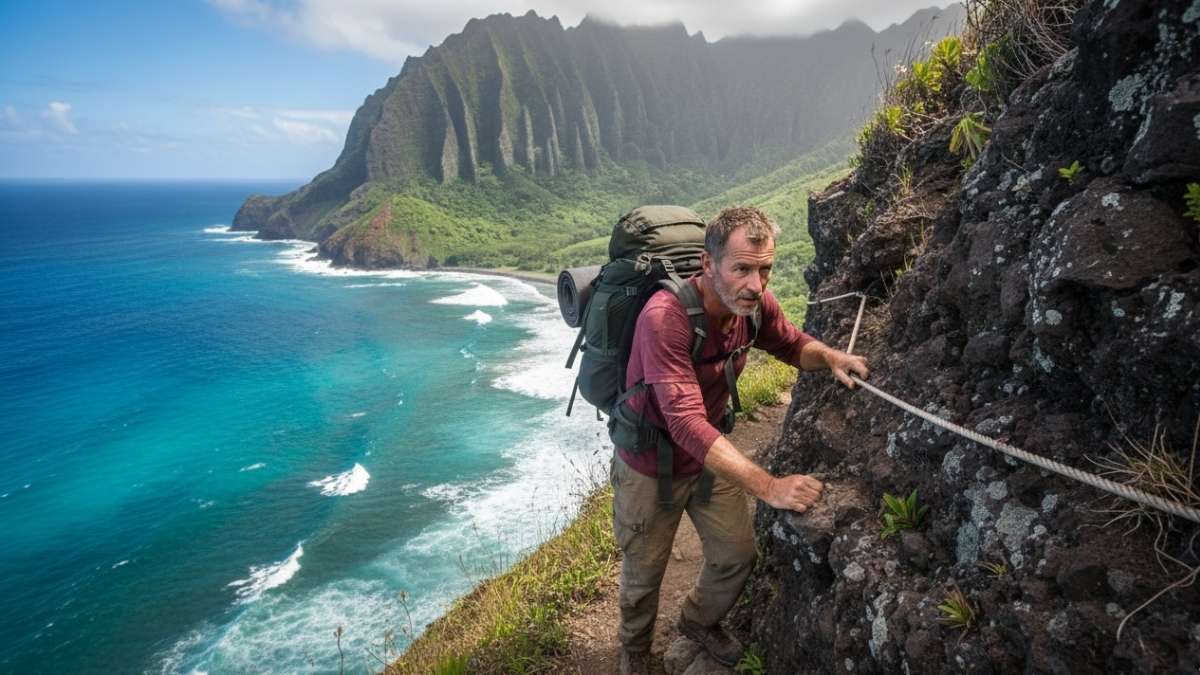
17 Secret Hiking Trails in USA Park Rangers Use on Their Days Off

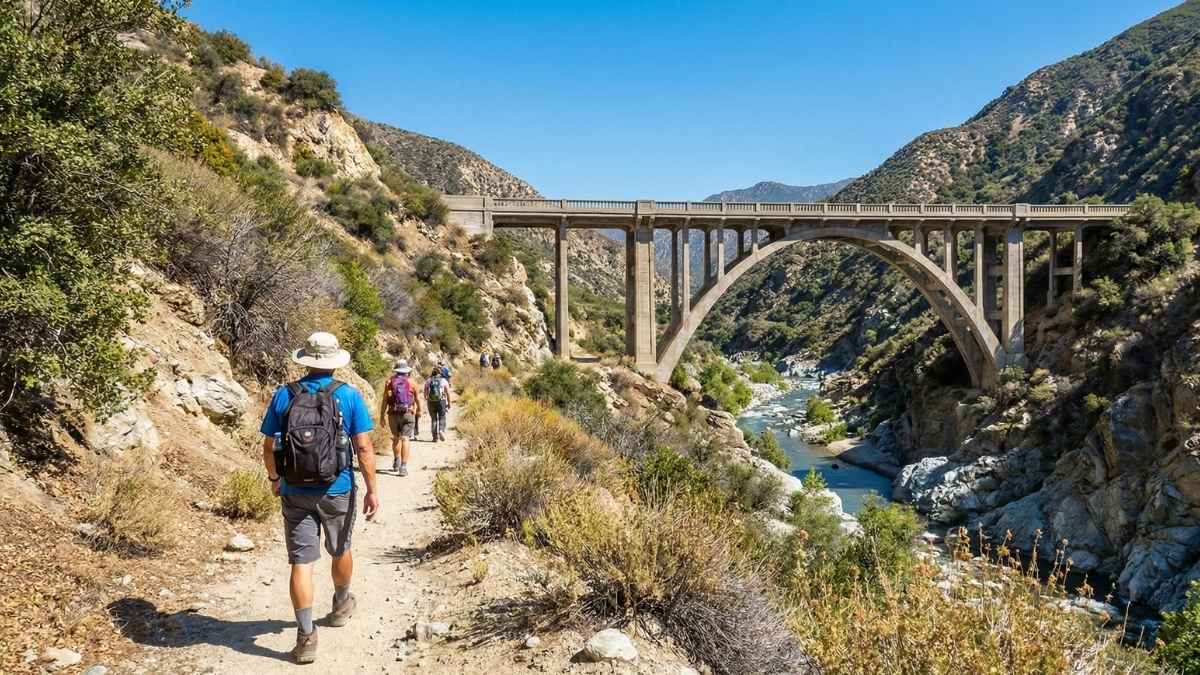
Boots hit dirt differently when no one’s watching. Beyond the trailheads packed with maps and mile markers, quieter paths exist—the kind chosen by the people who know these parks best and spend their days protecting them.
These routes don’t chase fame or easy views; they reward patience, timing, and a willingness to walk past the obvious. Footsteps soften, the air feels less rehearsed, and the land starts telling its own story.
Each trail ahead carries that same quiet confidence—earned, not advertised. Follow along, and you’ll discover why, when the uniform comes off, even park rangers seek places that still feel undiscovered.
1. Colchuck Lake via Stuart Lake Trail, Washington
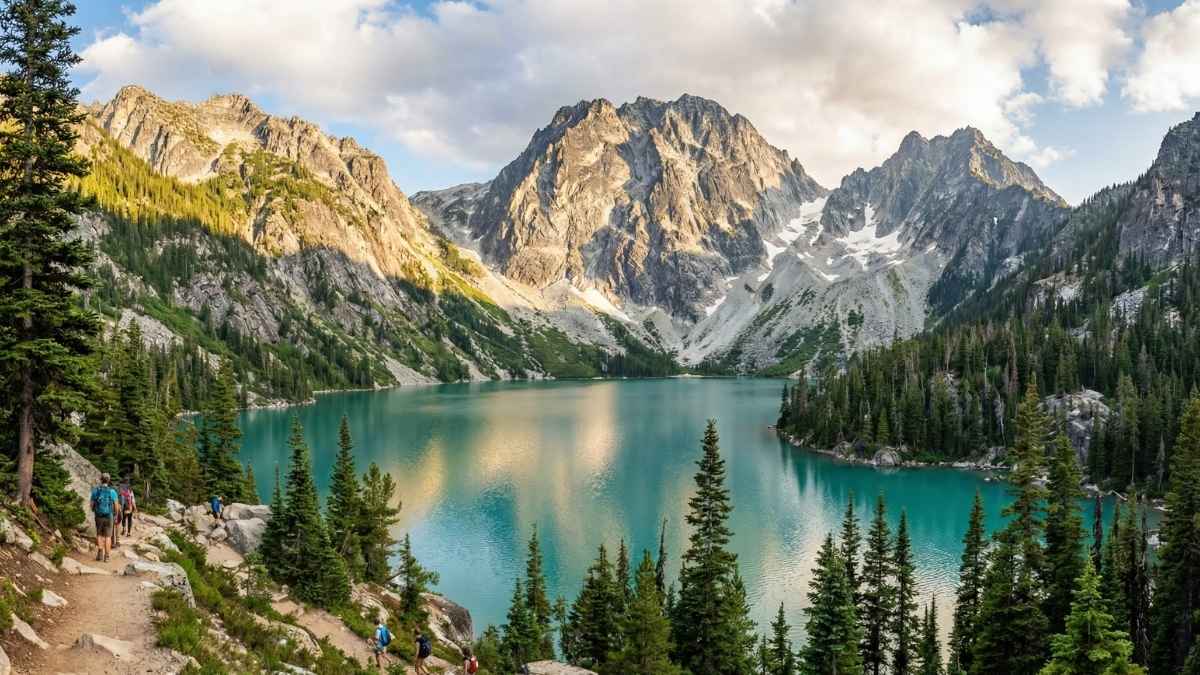
Colchuck Lake feels like one of those places rangers quietly return to when they want silence, not selfies. The climb is demanding enough to filter out casual crowds, but not so brutal that it turns into a sufferfest. Granite walls rise fast, tree cover thins slowly, and every switchback feels earned rather than rushed. The trail has a steady rhythm that rewards patience instead of speed.
What makes this trail special isn’t just the lake — it’s the approach. The forest stays cool even in midsummer, and the soundscape shifts from birds to wind moving through stone. When the lake finally appears, it doesn’t explode into view; it settles in front of you calmly, framed by jagged peaks that reflect cleanly off glacier-fed water. Rangers love this spot because it still feels raw without being reckless.
The best moments often happen early or late in the day. Light hits the water differently then, and the crowds thin just enough to make the place feel private again. It’s the kind of trail that reminds you why hard climbs exist in the first place.
Key Info
- Best months to visit: Late June to September
- Difficulty: Strenuous
- Distance: ~8.5 miles round trip
- Elevation gain: ~2,300 ft
- Permit required: Yes (Enchantment Area rules apply)
- Why rangers love it: Balance of challenge, solitude, and alpine drama
2. Lost Coast Trail, California
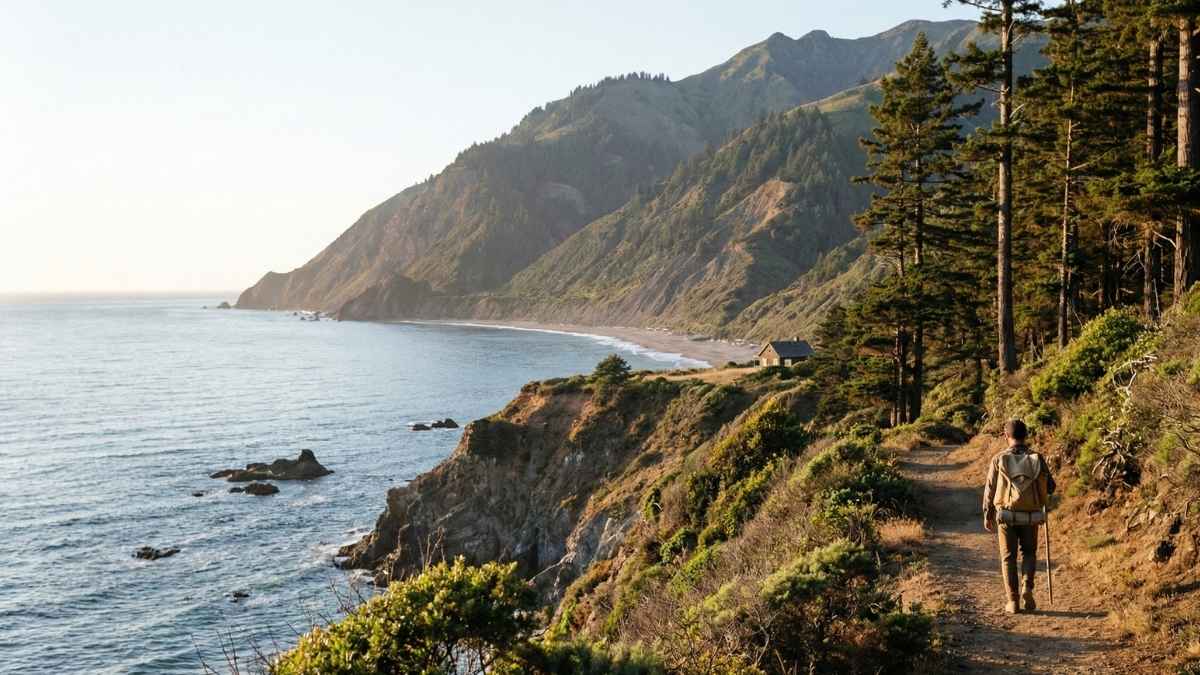
The Lost Coast Trail doesn’t feel like a hike — it feels like an agreement between you and the land. There are no shortcuts, no bailout roads, and no gentle pacing. Rangers take this trail when they want to unplug completely, because once you’re in, the ocean dictates everything: tides, timing, and even where you place your feet.
Walking where mountains fall straight into the Pacific is humbling. Waves crash close enough to feel personal, fog rolls in without warning, and stretches of black sand feel ancient rather than scenic. This trail demands awareness, not adrenaline, which is why experienced park staff gravitate toward it on days off.
What keeps people coming back isn’t comfort; it’s authenticity. Every mile feels earned, every campsite feels temporary, and every sunset feels private. This is one of the few places where “remote” still means something real.
Key Info
- Best months to visit: May to September
- Difficulty: Strenuous
- Distance: ~25 miles point-to-point
- Permits required: Yes (limited daily access)
- Tide planning: Essential
- Why rangers love it: True wilderness with zero polish
3. Hickman Bridge via Cohab Canyon, Utah
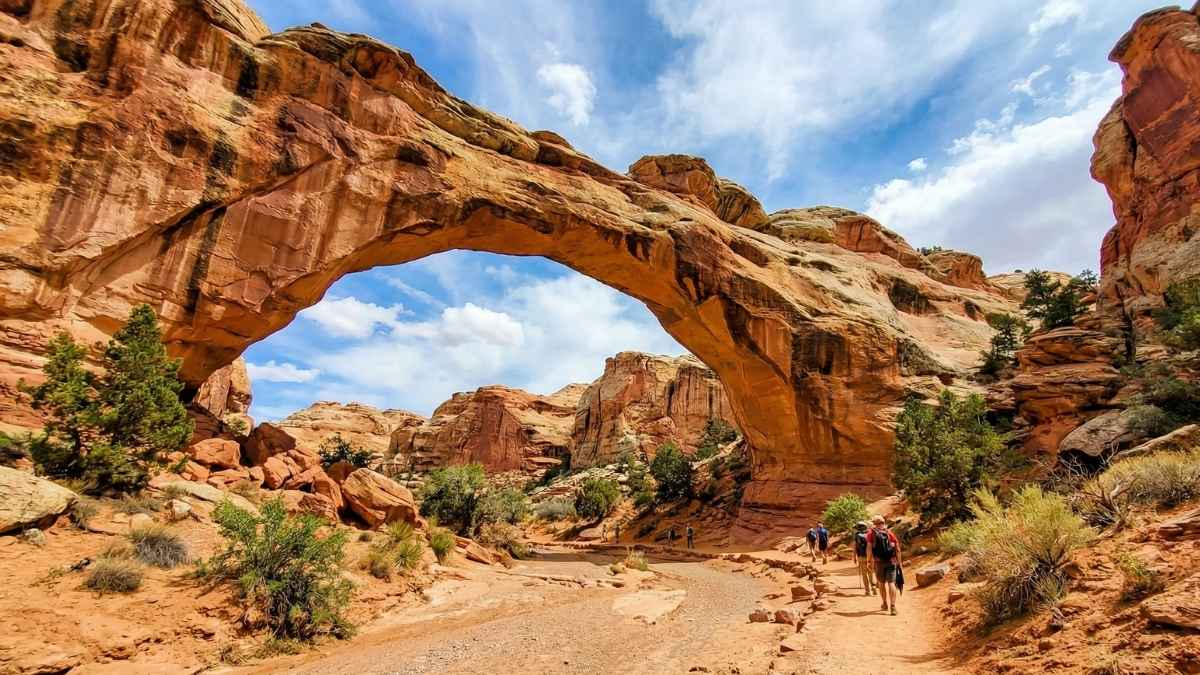
Hickman Bridge gets attention, but the Cohab Canyon route is the version rangers quietly prefer. Instead of funneling straight to the arch, this path winds through narrow sandstone corridors that feel carved specifically for those willing to wander just a little farther. The trail feels intimate rather than monumental, which is rare in a park known for scale.
The canyon walls shift color constantly as the sun moves, and the trail stays surprisingly quiet even during busy seasons. Rangers like this route because it showcases Capitol Reef’s subtler beauty — textures, shadows, and silence rather than grand overlooks.
Reaching Hickman Bridge from this approach feels less like checking a box and more like discovering it naturally. The arch appears as a reward, not a destination, which changes how people experience it.
Key Info
- Best months to visit: March to May, September to November
- Difficulty: Moderate
- Distance: ~3.4 miles loop
- Elevation gain: ~400 ft
- Crowds: Low compared to the main route
- Why rangers love it: Quiet access to a famous landmark
4. Ice Lake Basin Trail, Colorado
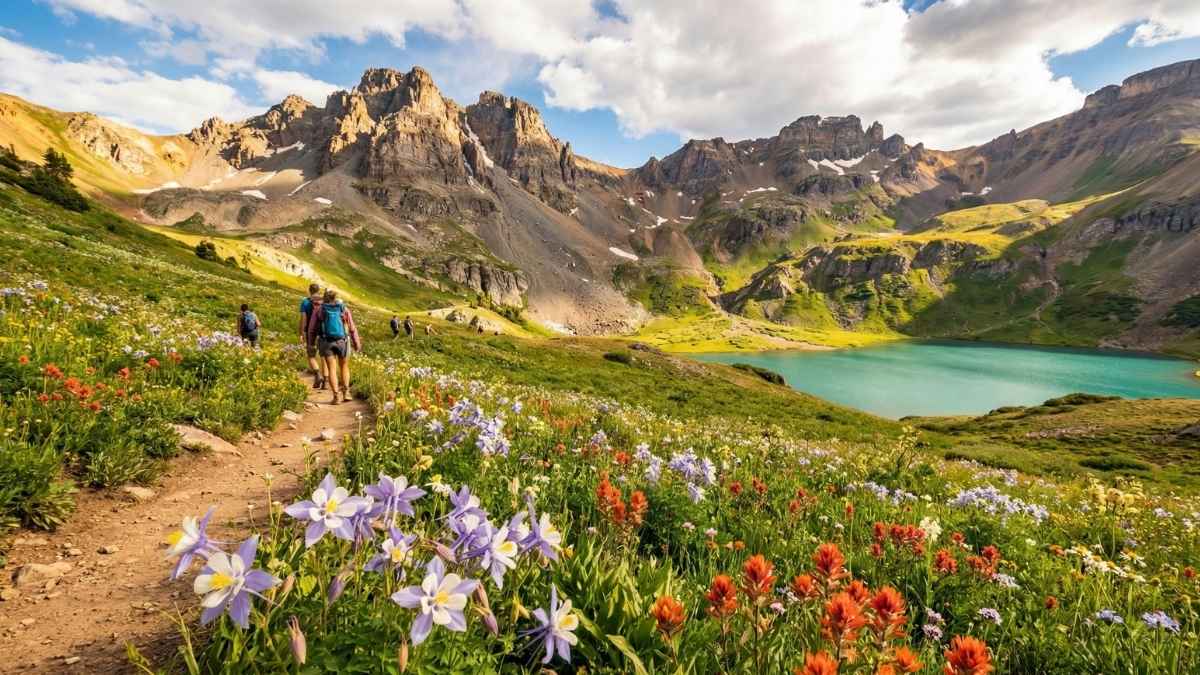
Ice Lake Basin looks almost unreal, which is exactly why rangers hike it midweek or at dawn. The trail climbs fast and doesn’t apologize for it, but every section offers something different — waterfalls, wildflower meadows, and open alpine basins that feel impossibly wide.
The lake itself sits high and exposed, glowing a shade of blue that doesn’t look filtered or enhanced. Rangers value this trail because it demands respect: weather shifts quickly, altitude hits hard, and the terrain keeps hikers honest.
Despite its growing popularity, timing makes all the difference. Catch it early, and the basin feels like a private amphitheater of stone and sky. It’s a reminder that beauty and effort are still closely linked.
Key Info
- Best months to visit: July to early September
- Difficulty: Strenuous
- Distance: ~8.4 miles round trip
- Elevation gain: ~2,500 ft
- Altitude: High (acclimation recommended)
- Why rangers love it: Big rewards with real effort required
5. Mazama Trail to McNeil Point, Oregon
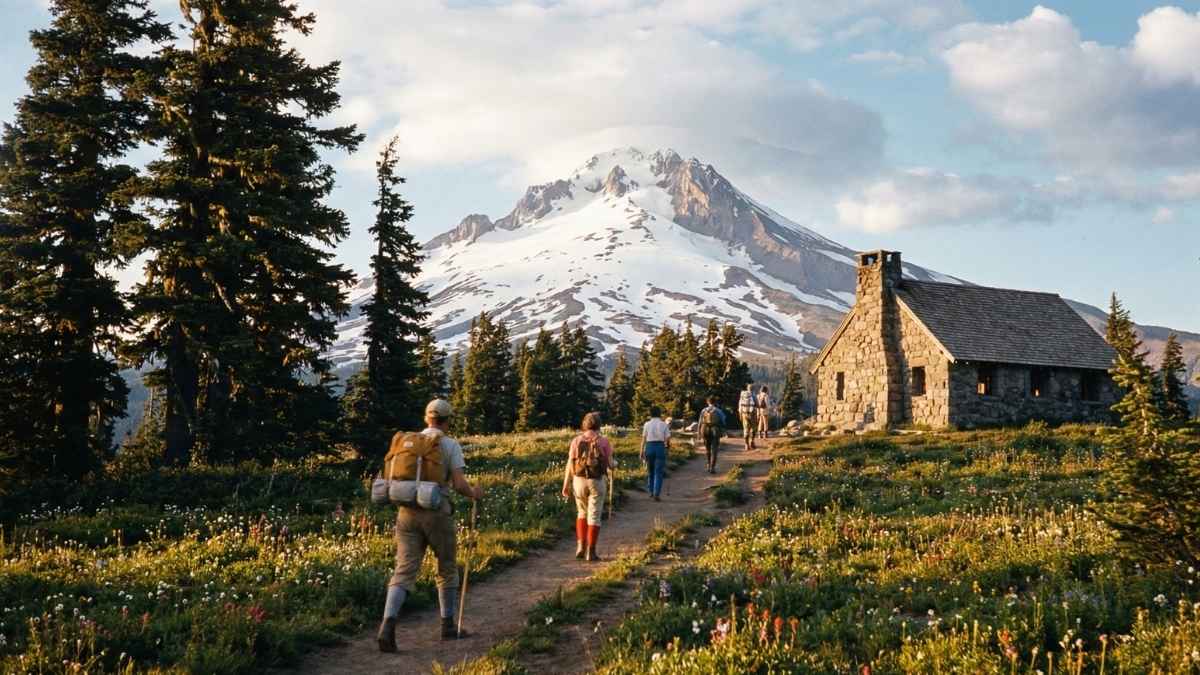
Mazama Trail doesn’t rush you toward the view — it lets anticipation build slowly. Rangers often choose this route when they want time to think, because the forested ascent is steady, quiet, and forgiving. The trail feels intentionally paced, like it was designed for reflection as much as movement.
As elevation increases, Mount Hood begins to reveal itself in fragments rather than a full reveal. By the time McNeil Point appears, the mountain feels earned, not staged. Rangers appreciate this trail because it offers solitude without isolation and grandeur without chaos.
It’s especially powerful on clear days when clouds drift below the viewpoint. Moments like that remind people why trails exist beyond crowds and viewpoints.
Key Info
- Best months to visit: July to October
- Difficulty: Moderate
- Distance: ~9 miles round trip
- Elevation gain: ~2,700 ft
- Trail conditions: Snow possible early season
- Why rangers love it: Quiet climb with a dramatic payoff
6. Lost Valley Trail, Arkansas
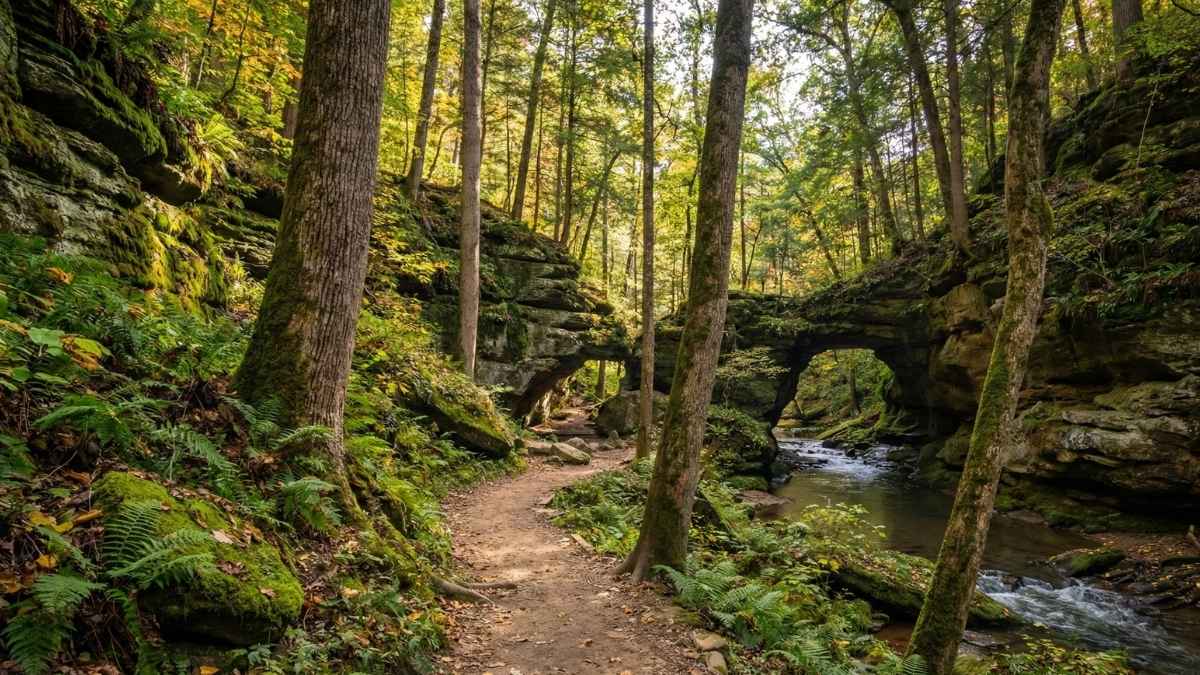
Lost Valley Trail feels like a quiet walk through layers of time rather than a typical hike. Rangers favor it because the trail unfolds slowly, revealing features one by one instead of delivering everything at once. The path moves through soft forest, past small waterfalls, and into rock shelters that feel almost hidden until you’re standing inside them.
The terrain stays approachable, but the atmosphere stays rich. Ferns line the trail, limestone walls rise gently, and the air carries a cool stillness even on warmer days. The caves and bluff shelters give the hike a sense of mystery without requiring technical skill, which is exactly why rangers return here to decompress.
It’s a trail that doesn’t shout for attention. Instead, it rewards those who move slowly and notice details — dripping water, moss patterns, and filtered light bouncing off stone.
Key Info
- Best months to visit: March to May, September to November
- Difficulty: Easy to moderate
- Distance: ~2.2 miles round trip
- Highlights: Waterfalls, caves, bluff shelters
- Family-friendly: Yes
- Why rangers love it: Calm, scenic, and quietly immersive
7. Laurel-Snow Falls Trail, Tennessee
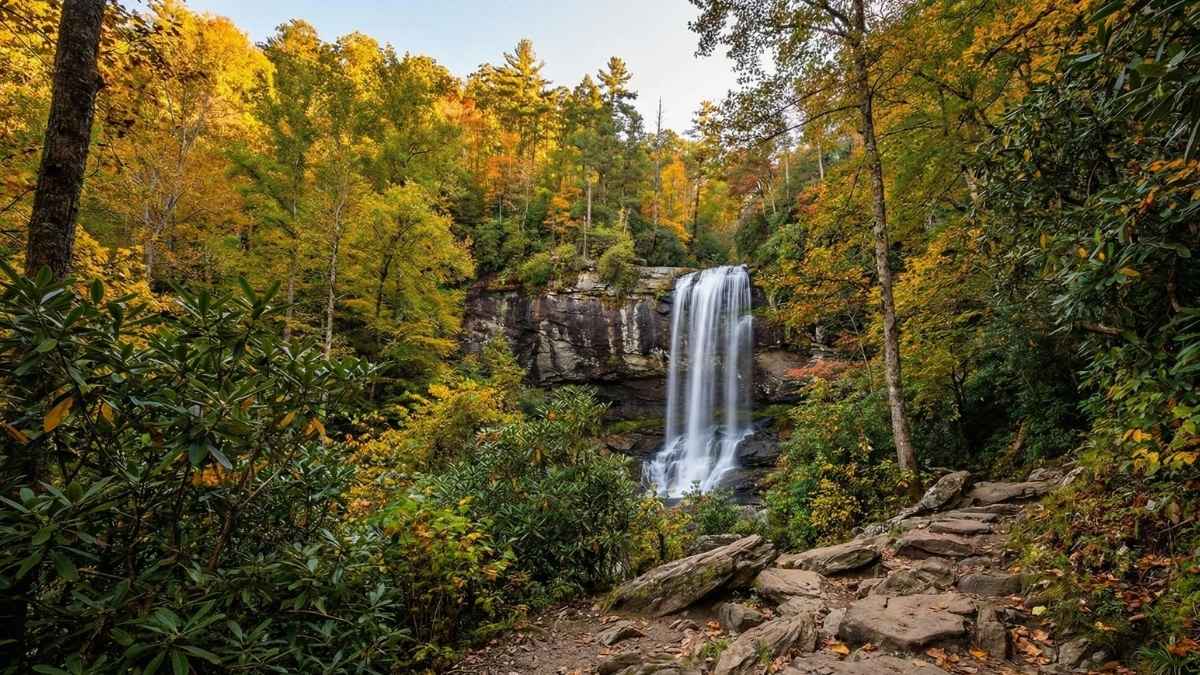
Laurel-Snow Falls is where rangers go when they want movement without pressure. The trail follows creeks almost the entire way, creating a soundtrack that stays with you long after the hike ends. Footbridges and shaded forest keep the pace relaxed, even though the trail delivers multiple waterfalls.
What makes this trail stand out is how balanced it feels. The elevation gain is noticeable but never punishing, and the scenery shifts just enough to keep things interesting. Rangers appreciate that it offers beauty without spectacle — no overwhelming overlooks, just consistent natural charm.
Spring rains turn this trail into a flowing corridor of water and green. It’s the kind of hike that feels restorative rather than exhausting.
Key Info
- Best months to visit: March to June, October
- Difficulty: Moderate
- Distance: ~7.4 miles round trip
- Elevation gain: ~700 ft
- Water crossings: Multiple bridges
- Why rangers love it: Reliable beauty with low stress
8. Big Schloss Trail, Virginia / West Virginia
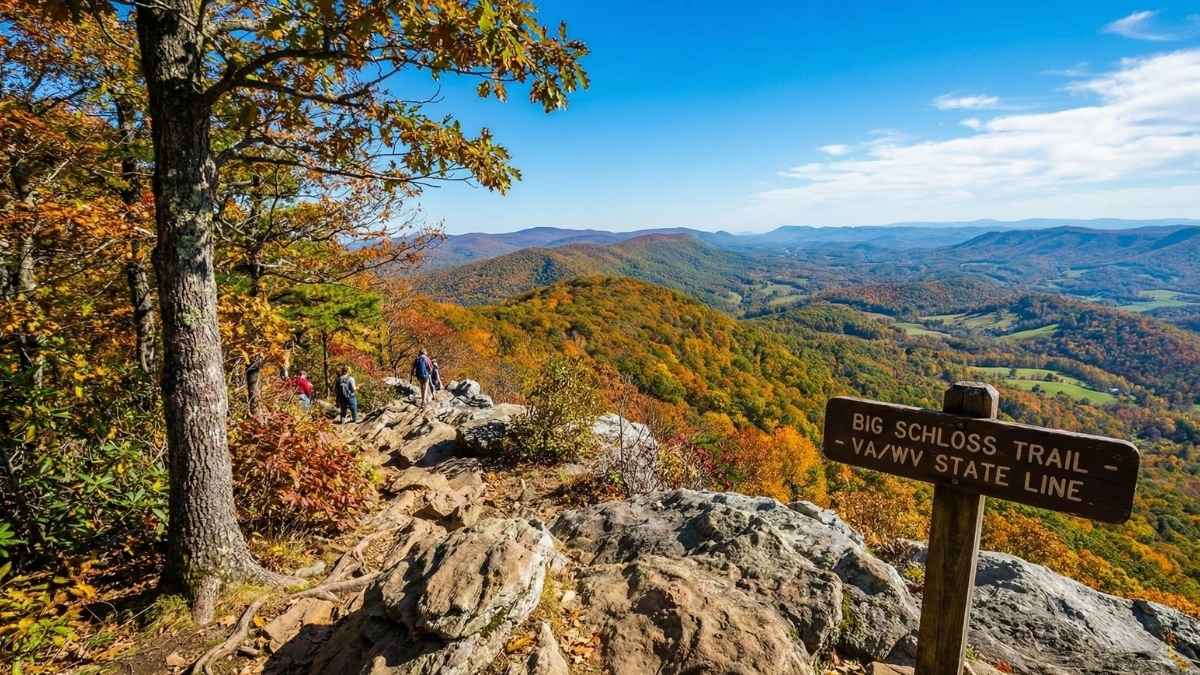
Big Schloss delivers one of the most dramatic ridge views in the region, yet it remains surprisingly under-hyped. Rangers often choose this trail because it’s efficient — short enough to fit into a half day, but bold enough to feel like a true escape.
The forested approach keeps things quiet until the trail suddenly opens onto a rocky outcrop with sweeping views of the valley below. The contrast between enclosed woods and open ridges makes the final stretch especially satisfying.
Sunrise and sunset transform this spot completely, which is when rangers tend to show up. The light stretches across farmland and forest, and the wind carries the kind of silence that’s hard to find elsewhere.
Key Info
- Best months to visit: April to June, September to November
- Difficulty: Moderate
- Distance: ~4.4 miles round trip
- Elevation gain: ~1,250 ft
- Best time of day: Early morning or evening
- Why rangers love it: High reward for a short effort
9. Wallace Falls via Woody Trail, Washington
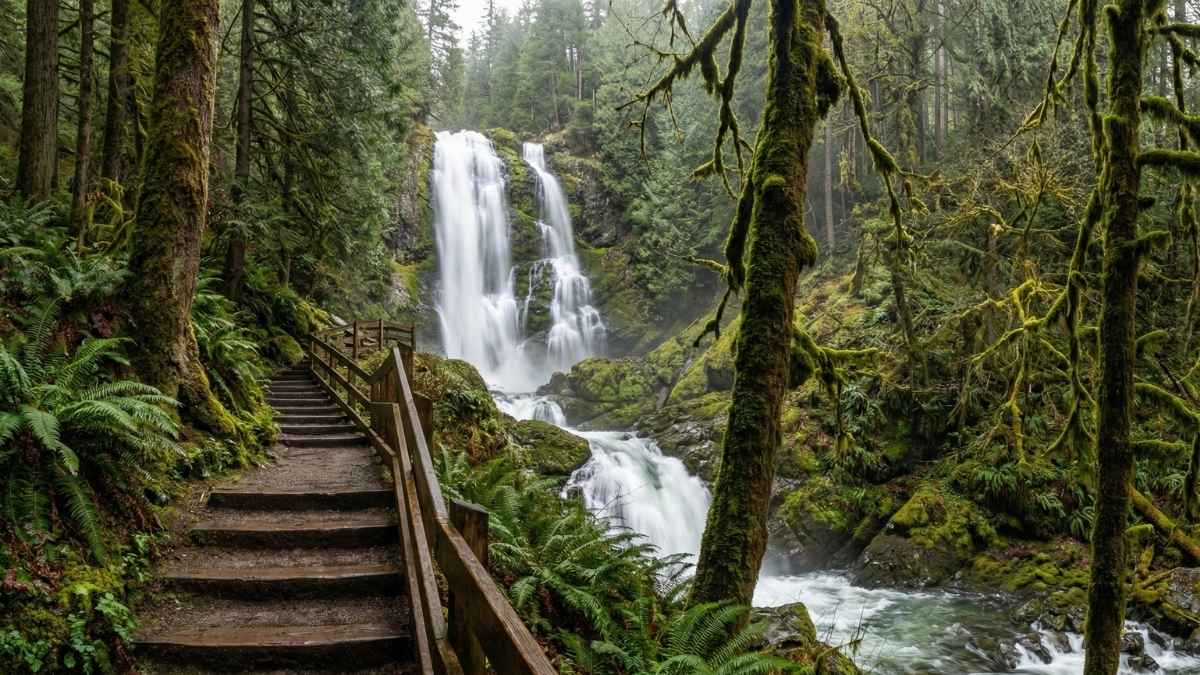
Wallace Falls is popular — but the Woody Trail approach changes everything. Rangers favor this route because it avoids the busiest sections while still delivering the same dramatic waterfall payoff. The climb feels more natural, less rushed, and far quieter than the main path.
The forest here is dense and mossy, with long stretches where the only sound is water moving somewhere below. Switchbacks are steady, not steep, making the hike feel meditative rather than demanding.
When the falls finally come into view, they feel earned rather than staged. That difference matters, especially to those who spend their working days managing crowds.
Key Info
- Best months to visit: April to October
- Difficulty: Moderate
- Distance: ~6 miles round trip
- Elevation gain: ~1,300 ft
- Trail traffic: Much lighter than the main route
- Why rangers love it: Same views, fewer people
10. Turtleback Mountain Trail, New Mexico
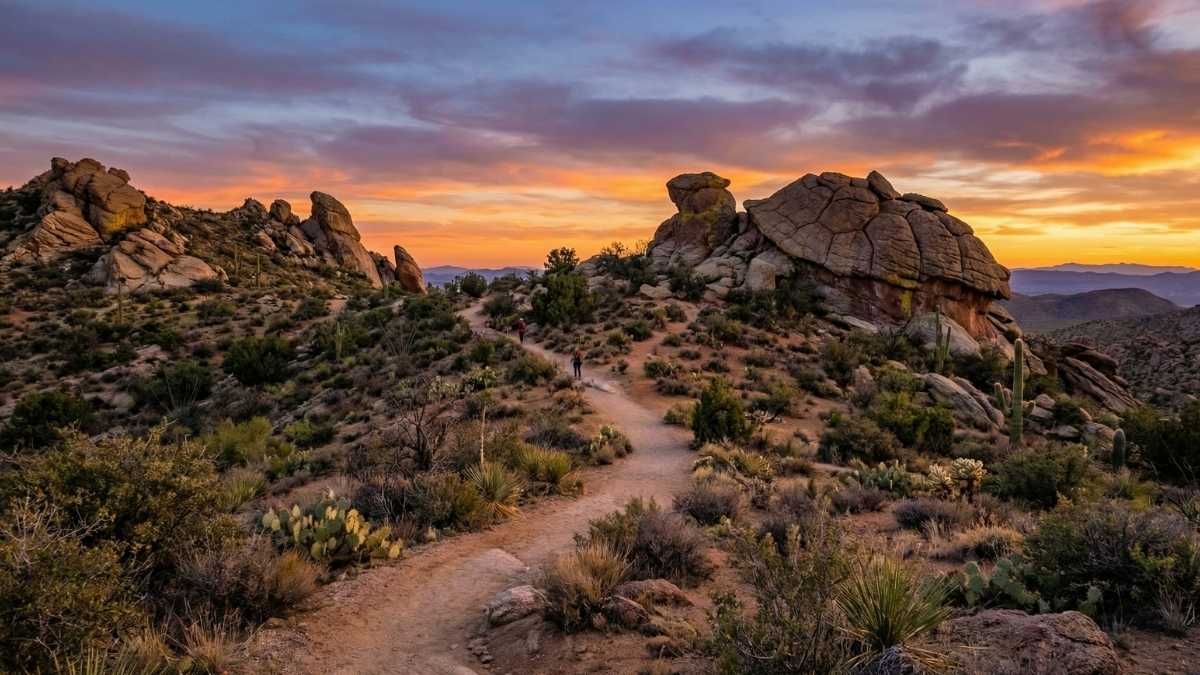
Turtleback Mountain doesn’t draw attention, which is exactly the point. Rangers take this trail when they want wide-open space without the noise that often comes with it. The desert landscape feels expansive and personal, offering long views and quiet climbs.
The trail traverses rocky terrain with subtle elevation gain, gradually opening up to panoramic views of the surrounding peaks and valleys. There’s no dramatic reveal — just a steady widening of perspective that feels grounding.
Weather and timing matter here. Early mornings bring cooler air and better light, turning the hike into a peaceful desert retreat rather than a test of endurance.
Key Info
- Best months to visit: October to April
- Difficulty: Moderate
- Distance: ~5 miles round trip
- Exposure: High (sun protection essential)
- Crowds: Very low
- Why rangers love it: Solitude and space without crowds
11. Roaring Run Trail, Pennsylvania
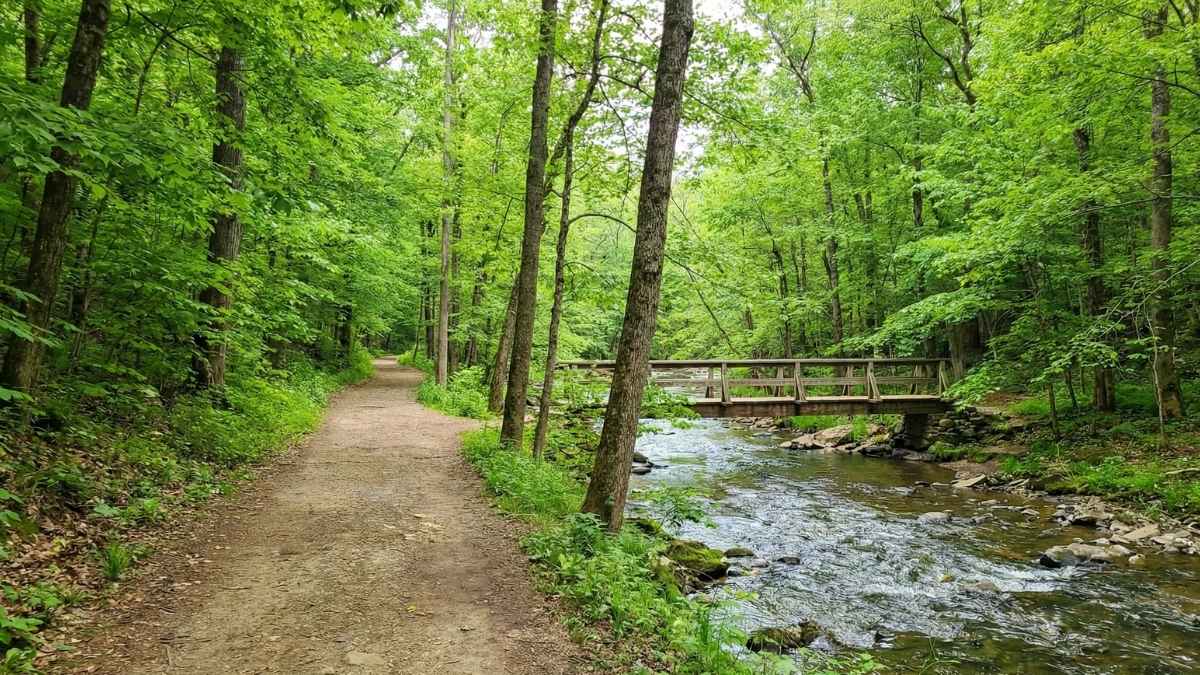
Roaring Run feels grounded in a way that’s hard to fake. Rangers gravitate toward it because the trail follows an old industrial corridor that nature has quietly reclaimed. Stone ruins, moss-covered foundations, and rushing water sit side by side, creating a sense of layered history without the need for interpretive signs at every turn.
The path stays mostly gentle, which allows attention to wander outward instead of inward. Water runs close for much of the hike, and the forest canopy keeps the temperature comfortable even in warmer months. It’s the kind of trail where progress feels steady and unforced.
For rangers, this trail offers something rare: movement without urgency. It’s a place to walk, not conquer.
Key Info
- Best months to visit: April to October
- Difficulty: Easy to moderate
- Distance: ~3.5 miles round trip
- Terrain: Crushed stone and forest path
- Highlights: Creek, historic ruins
- Why rangers love it: Relaxed pacing with character
12. Lost Mine Trail, Texas
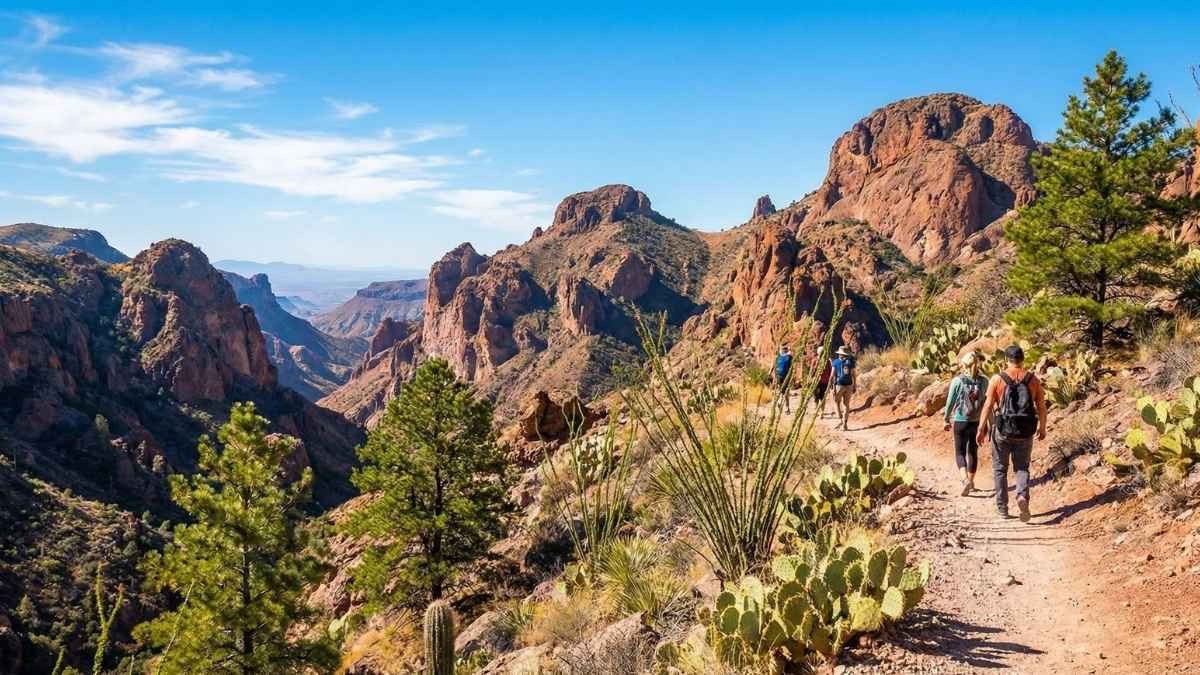
Lost Mine Trail proves that desert hiking doesn’t have to feel empty. Rangers choose this trail for its compact intensity — a short climb that delivers big views without draining the day. The ascent is steady, with switchbacks that open to wider vistas the higher you go.
Vegetation shifts quickly here, moving from shaded lower slopes to open viewpoints overlooking the Chisos Mountains. Each turn reveals something new, keeping the hike engaging even though it’s relatively brief.
Sunrise and late afternoon are when this trail shines. The light softens the landscape, and the air cools just enough to make the climb feel effortless.
Key Info
- Best months to visit: October to April
- Difficulty: Moderate
- Distance: ~4.8 miles round trip
- Elevation gain: ~1,100 ft
- Parking: Limited (early arrival recommended)
- Why rangers love it: High impact in a short window
13. Ramona Falls Trail, Oregon
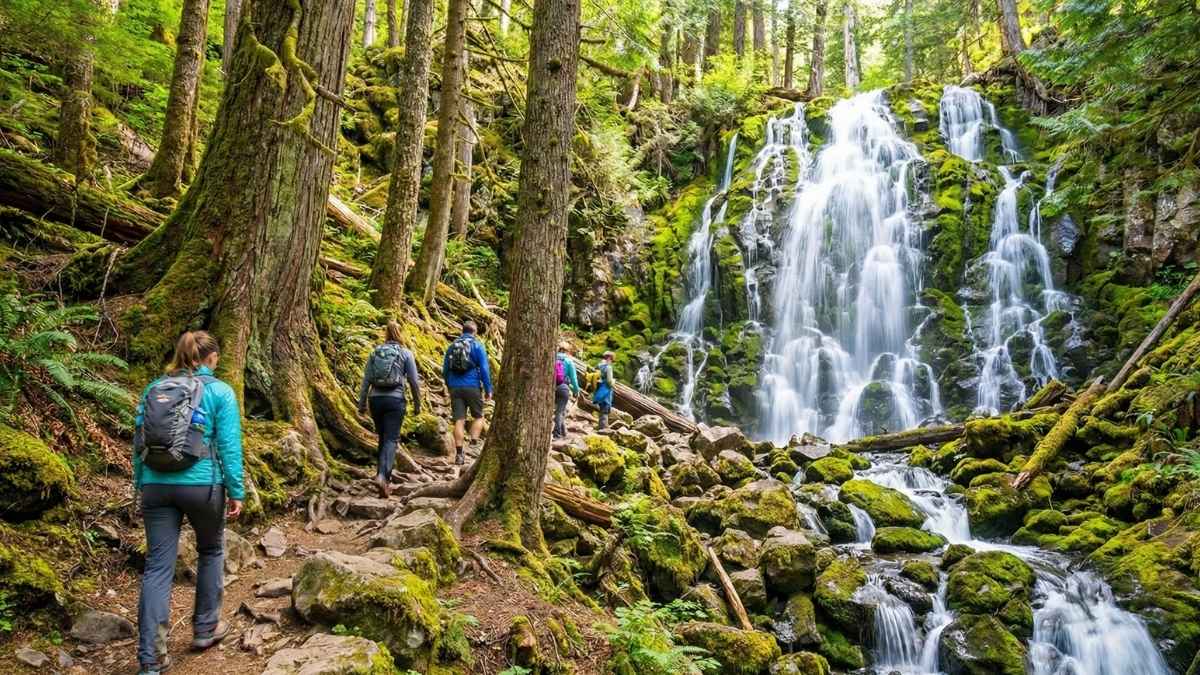
Ramona Falls doesn’t announce itself loudly. Rangers favor this trail because the journey feels balanced — forest, river crossings, and a waterfall that reveals itself slowly rather than all at once. The approach builds anticipation instead of rushing the reward.
The falls spill over layered rock in a way that feels almost sculpted. Water spreads instead of plunges, creating a scene that invites stillness rather than spectacle. Rangers often linger here longer than expected.
Seasonal conditions matter, especially with river crossings, which keep casual traffic lower. That sense of earned access is part of the appeal.
Key Info
- Best months to visit: June to October
- Difficulty: Moderate
- Distance: ~7 miles round trip
- River crossings: Seasonal (check conditions)
- Forest type: Old-growth
- Why rangers love it: Calm beauty with effort required
14. Cohos Trail, New Hampshire
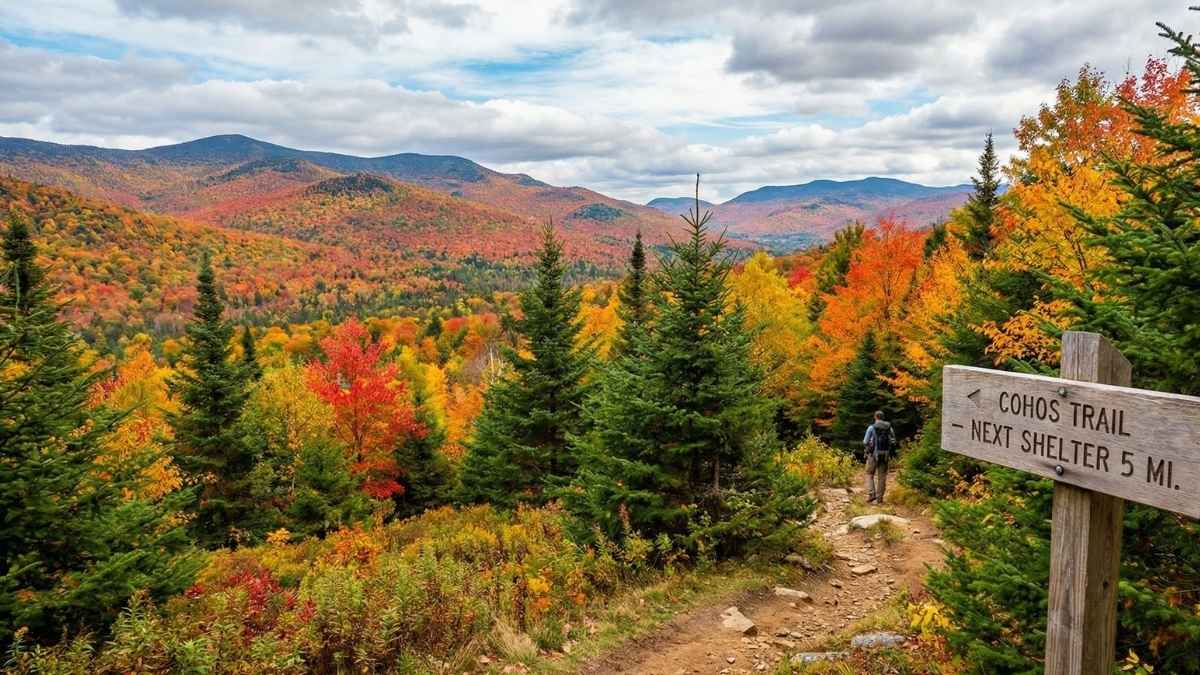
The Cohos Trail isn’t a single hike — it’s a long, unfolding experience. Rangers who want space, time, and quiet choose sections of this trail to disconnect completely. It moves through some of the least-visited terrain in the Northeast, where solitude still feels intact.
The scenery changes subtly rather than dramatically: dense woods, remote ridges, and long stretches without interruption. That slow shift is what makes the trail rewarding for those who value immersion over highlights.
Even short segments carry a sense of remoteness. You’re not passing through — you’re settling into the landscape.
Key Info
- Best months to visit: June to September
- Difficulty: Moderate to strenuous (varies by section)
- Trail length: ~170 miles total
- Crowds: Very low
- Navigation: Strong map skills recommended
- Why rangers love it: True backcountry quiet
15. Sykes Hot Springs Trail, California
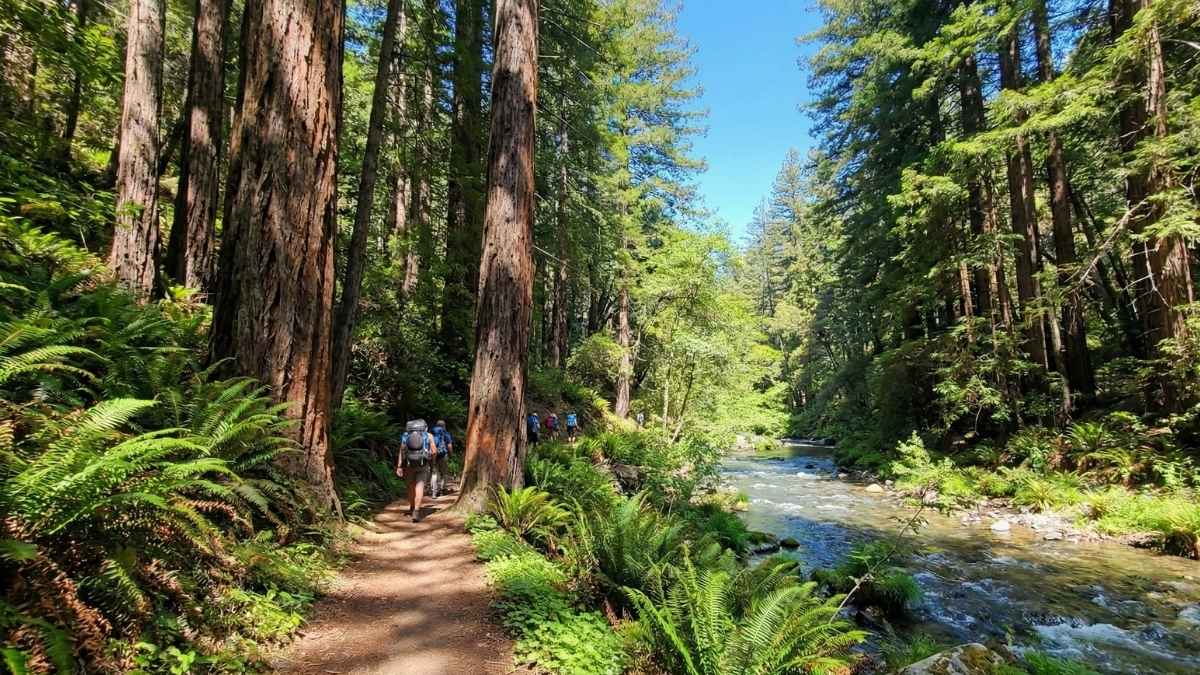
Sykes Hot Springs offers a rare combination: effort followed by stillness. Rangers hike this trail midweek or off-season to avoid crowds and reconnect with the simple rhythm of walking beside a river.
The trail rolls through shaded canyon terrain, staying close to water almost the entire way. By the time the hot springs appear, legs are tired, and pace has slowed — which makes soaking feel earned rather than indulgent.
Conditions change year to year, and that unpredictability keeps traffic in check. It’s not a guaranteed experience, and that’s exactly why rangers respect it.
Key Info
- Best months to visit: November to April
- Difficulty: Moderate
- Distance: ~10 miles round trip
- Water availability: Abundant along the trail
- Crowds: Lower on weekdays
- Why rangers love it: Effort followed by reward
16. Bridge to Nowhere Trail, California
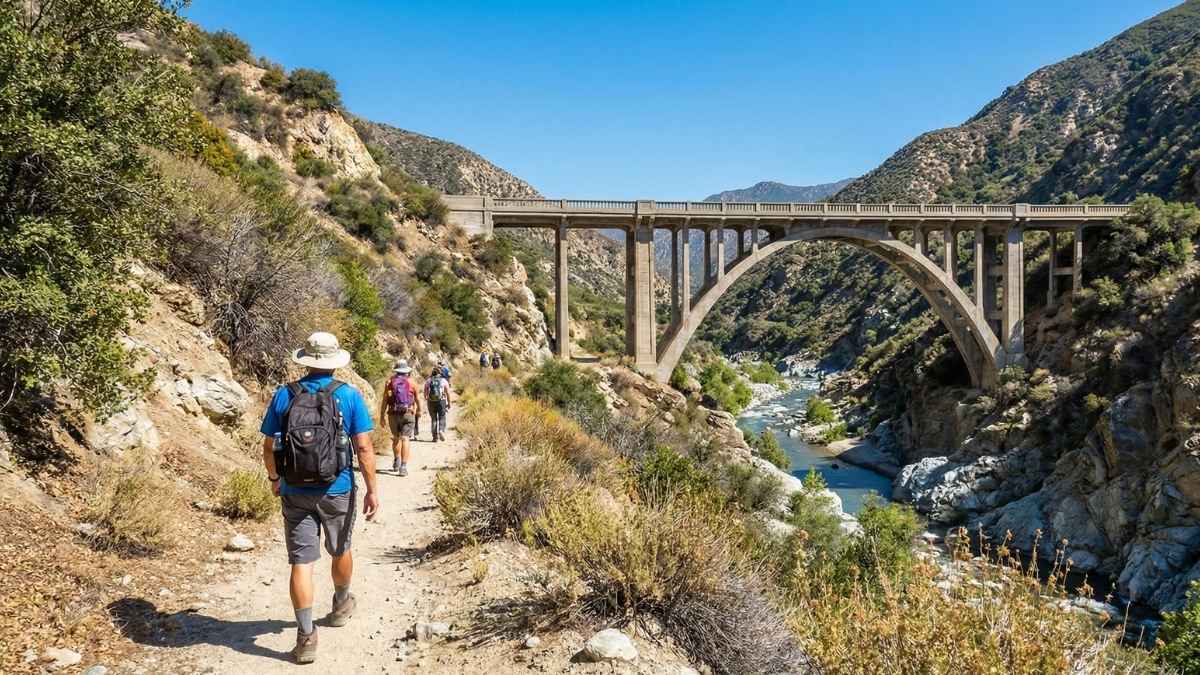
Bridge to Nowhere sounds gimmicky, but the trail itself feels grounded and purposeful. Rangers enjoy it for the journey more than the destination — multiple river crossings, canyon walls, and long stretches of solitude define the hike.
The path demands attention, especially after rain, but never feels chaotic. The bridge appears suddenly, standing as a reminder of plans that never fully materialized.
It’s a hike that invites reflection rather than spectacle, which gives it lasting appeal beyond the novelty.
Key Info
- Best months to visit: October to May
- Difficulty: Moderate
- Distance: ~10 miles round trip
- River crossings: Multiple (water shoes helpful)
- Permit: Required on weekends
- Why rangers love it: Adventure without crowds
17. Devil’s Gulch Trail, California
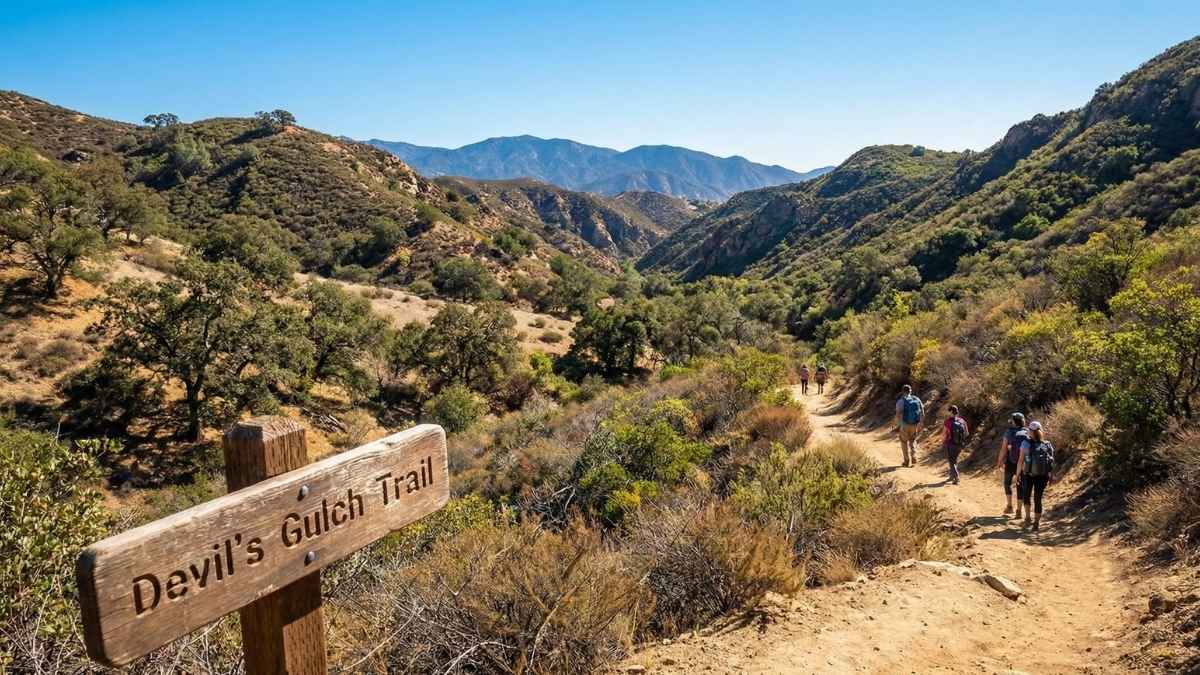
Devil’s Gulch doesn’t offer convenience, and that’s its strength. Rangers choose this trail because it feels untouched and slightly unpredictable. The path winds through oak woodland and chaparral, staying quiet even during peak seasons nearby.
Elevation changes are subtle but constant, keeping the hike engaging without exhausting. Views open unexpectedly, then close again, creating a sense of movement rather than destination-chasing.
It’s a trail that rewards curiosity and patience — qualities rangers value deeply.
Key Info
- Best months to visit: March to June, October
- Difficulty: Moderate
- Distance: ~6 miles round trip
- Shade: Partial
- Navigation: Attention required in places
- Why rangers love it: Low traffic, high authenticity