
7 Containers You Should Never Buy for a Home Build

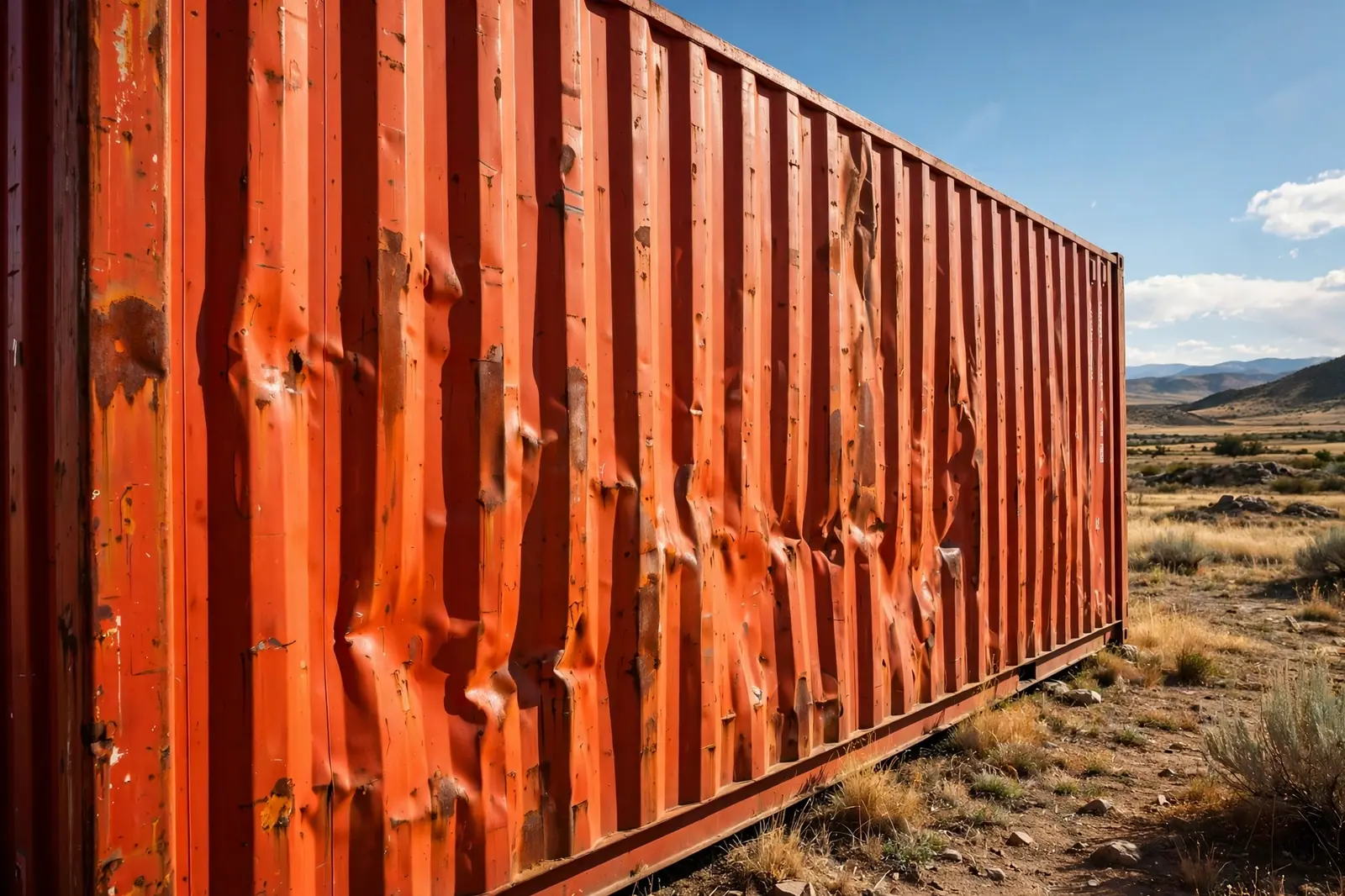
Buying a shipping container for a home build feels like a treasure hunt. Prices swing wildly, and the cheapest box on the lot always looks tempting.
But not every container deserves a second life as a house. Some carry a hidden chemical history. Others have damage that paint and good intentions cannot fix.
Pick the wrong box and you pay for it twice. First in remediation costs. Then in the health of the people who will live inside it.
Here are seven containers you should walk away from, plus what to buy instead.
1. The Container That Hauled Hazardous Chemicals

Shipping containers carry everything. Pesticides. Industrial chemicals. Fumigants sprayed inside sealed boxes to kill pests before a voyage.
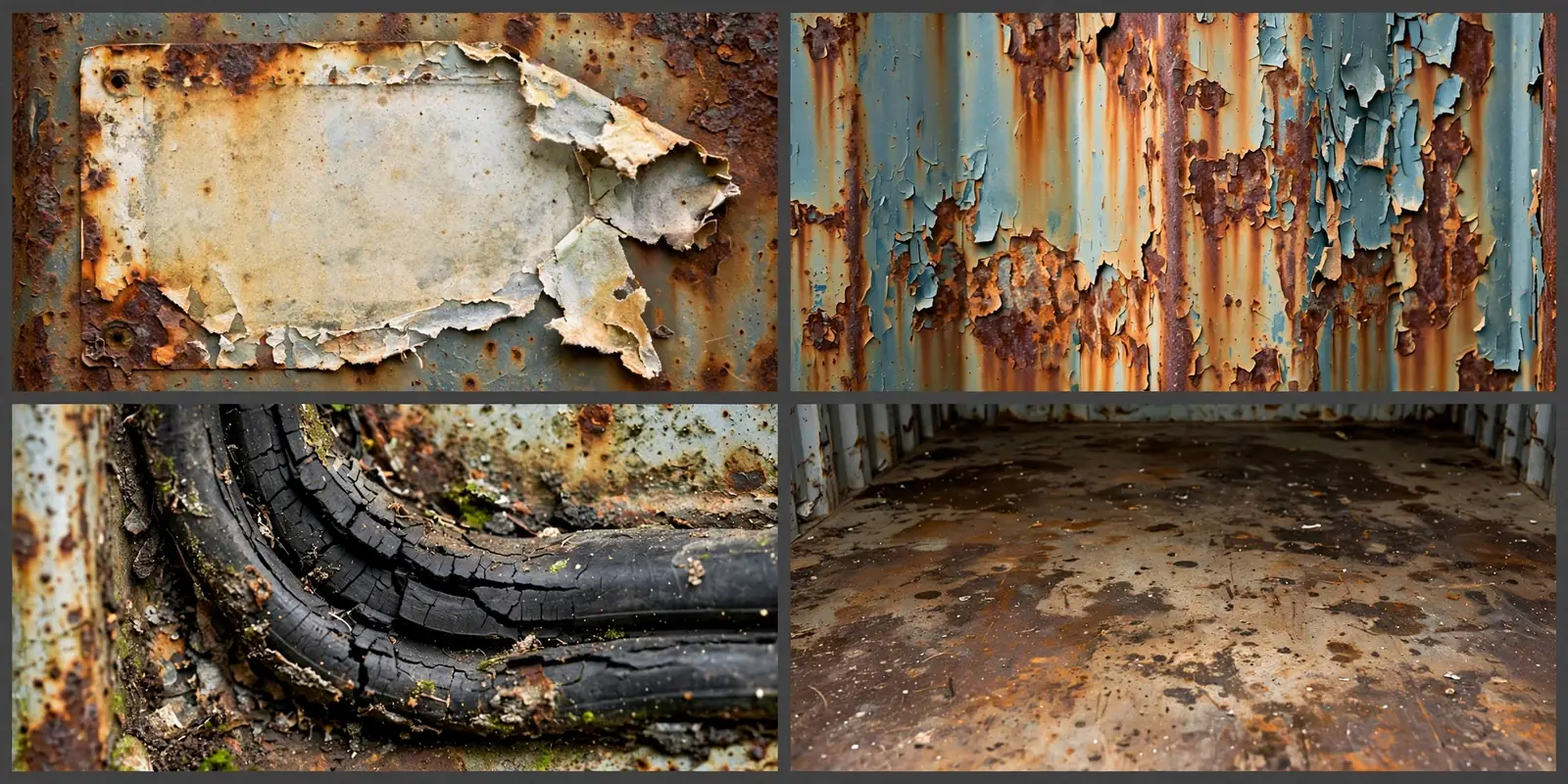
Residue from those loads soaks into the wood floors and the paint. You cannot see it. You cannot smell all of it. Scrubbing does not remove chemicals that bonded with the steel years ago.
Fumigation is the sneaky one. A box can look spotless and still carry residue from a gas treatment meant to kill insects in a grain shipment. That is not something you want in a bedroom wall.
Always ask for the cargo history. If the seller cannot tell you what the box carried, assume the worst and walk away.
The safer buy is a one-trip container. That means a box that made a single cargo run from the factory. Or pick a food-grade unit with a documented history.
Clean history costs a little more. Mystery history can cost your health.
2. The Refrigerated Container (Reefer)
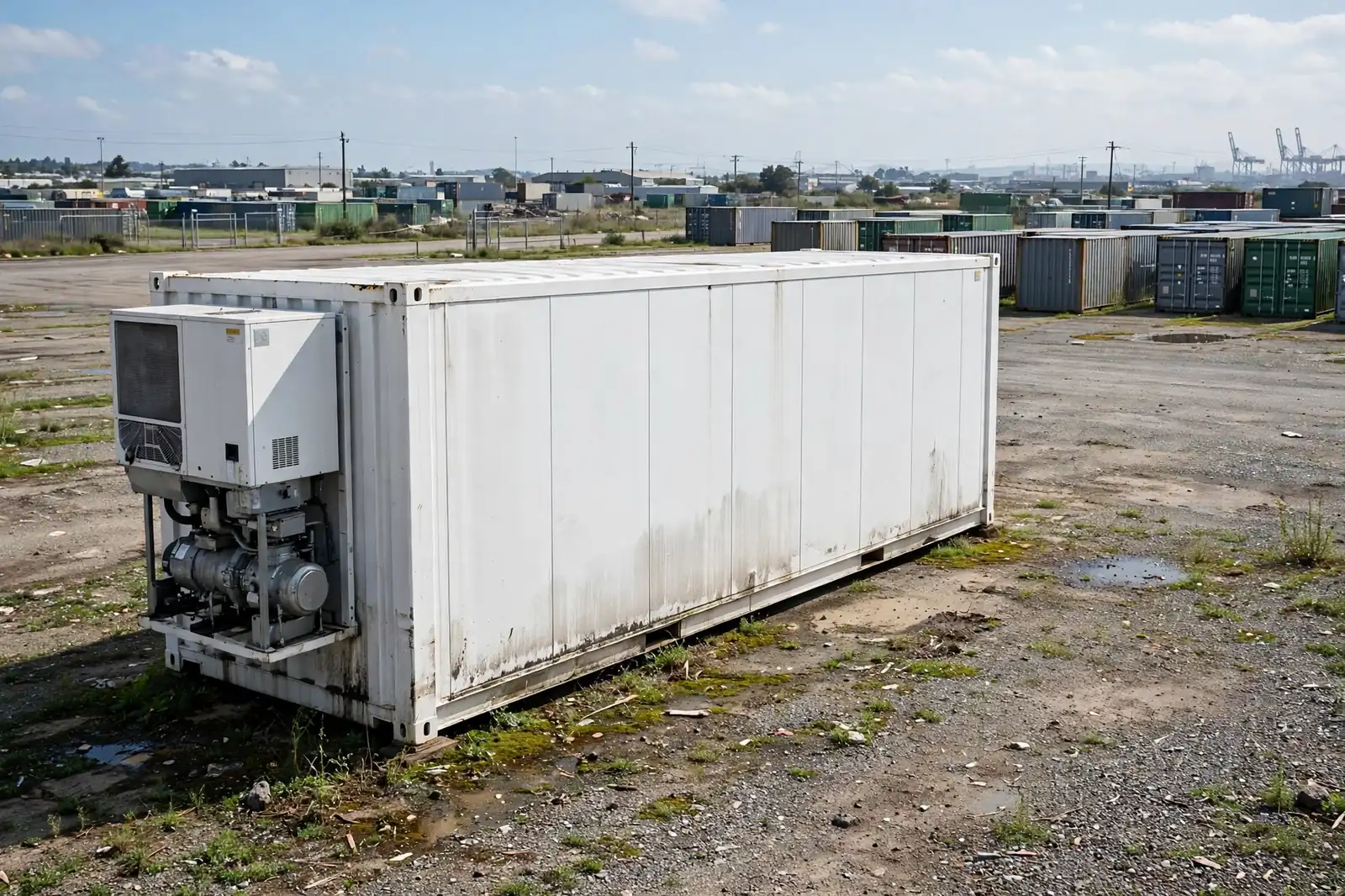
A reefer looks like a bargain. The walls already have thick insulation. The box feels solid and weatherproof.
But that insulation is foam injected for cold storage, not for homes. It traps moisture against the steel and hides it. Old reefers spent years damp and dark, which is exactly how mold colonies start.
The aluminum T-floor is another headache. Those grooves let cold air flow under pallets. In a house they collect dirt and water and fight every flooring choice you make.
The machinery end eats about a foot of interior length. Old refrigerant lines can leak too.

Stick with standard dry vans for home builds. Insulate them yourself with closed-cell spray foam rated for residential use.
You get a cleaner shell, a flat floor, and no mystery foam from a fish shipment in 2014.
3. The Height Mismatch Pair
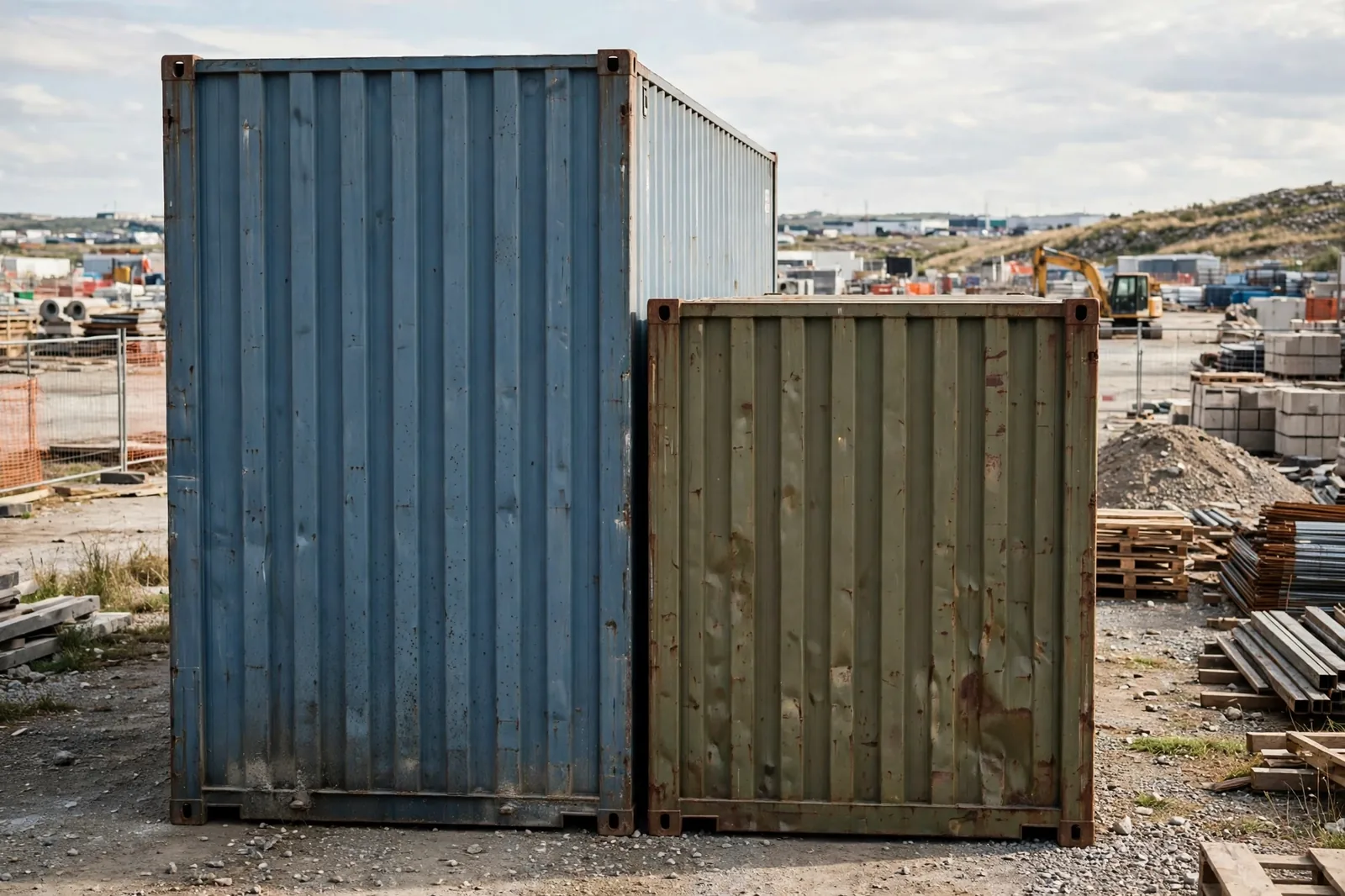
A high-cube container stands 9 feet 6 inches tall. A standard box stands 8 feet 6 inches. That one-foot difference ruins more builds than buyers expect.
Mix the two in one house and every roofline gets a step. Ceilings change height mid-room. Framing, roofing, and flashing all get complicated at the seam where the heights meet.
Doors and windows land at odd heights. Stacking mismatched boxes also loads the corner castings unevenly, which your engineer will not love.
Sellers love bundling whatever sits on the lot. A discount should never decide your floor plan.
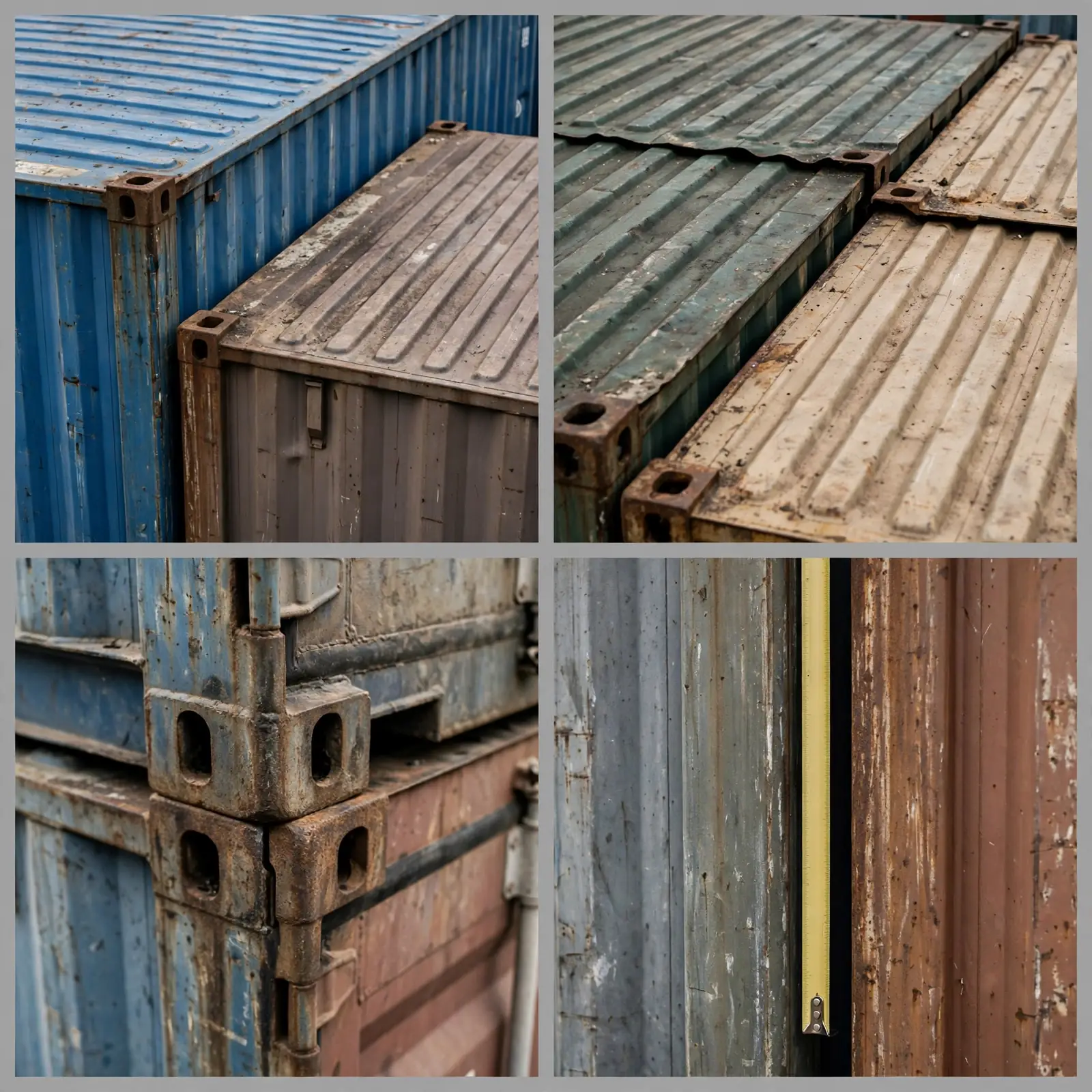
Pick one height for the whole build and stick with it. Most home builders choose high-cube for the extra headroom.
Measure every box yourself before delivery day. Tape measures do not lie.
4. The Box With Structural Damage

Small dents are cosmetic. Big dents are structural. Learn the difference before you hand over money.
A crushed wall panel or a cracked corner casting means the box took a serious hit. Corner castings are the heavy steel blocks at each corner. They carry the entire load of the container.
Those castings anchor your foundation connections. They carry the weight when you stack boxes. A cracked casting cannot be trusted, and welding on a replacement is specialist work with specialist pricing.
Check all eight corners with a flashlight. If the doors do not close flush, the frame is twisted.
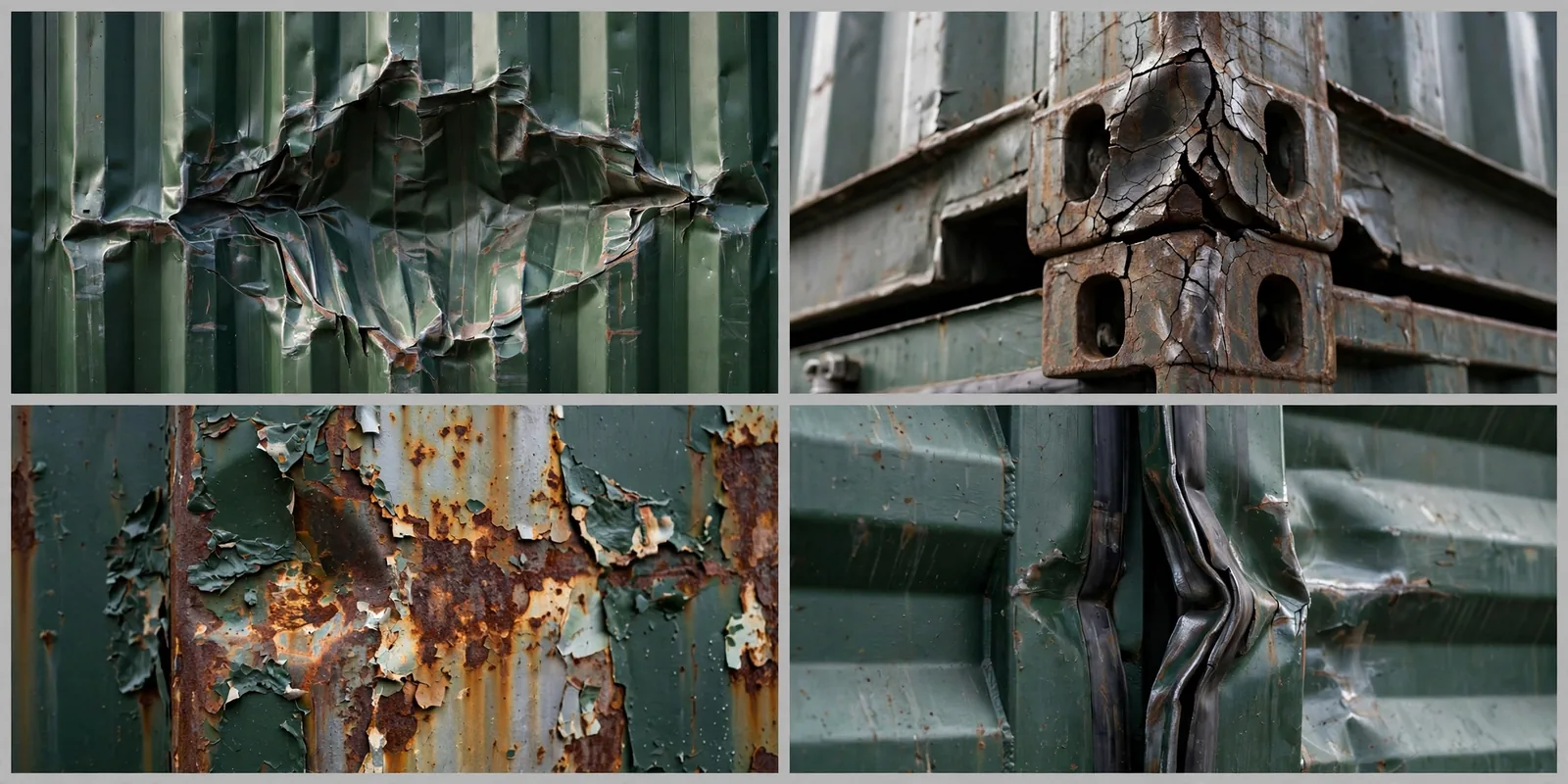
A dented box can also fail a building inspection before you even start. Engineers sign off on straight steel, not creative geometry.
Pay a surveyor or an experienced builder for a 30-minute inspection. It is the cheapest insurance in this whole process.
5. The Box With Treated Wood Floors

Most used containers have plywood floors soaked in heavy pesticides. The treatment keeps insects out of cargo on long ocean voyages.
It also off-gasses into your living space. Floors from certain eras and origins used chemical formulations that are now restricted or banned. Time does not fully neutralize them.
Some builders seal the floor with epoxy and hope for the best. Sealing is a bandage, not a cure. The chemicals sit under the coating, still present.
Many builders rip the floors out entirely. That adds labor and disposal costs you never budgeted.
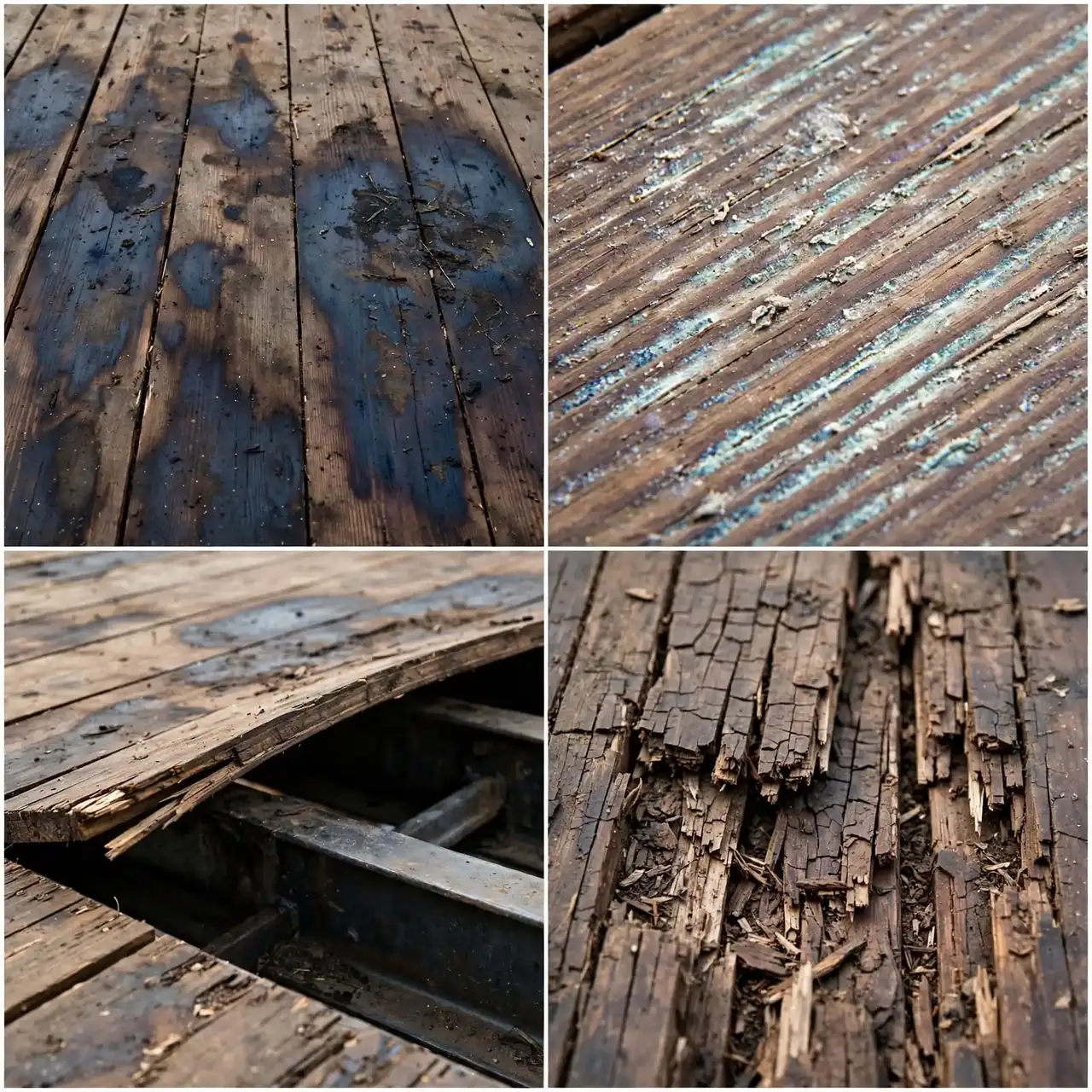
If you buy used, put floor replacement in the budget from day one. Or buy new and skip the problem.
Dark stains, strong chemical odor, and soft spots all say the same thing: this floor has a past you do not want.
6. The Open-Top Container
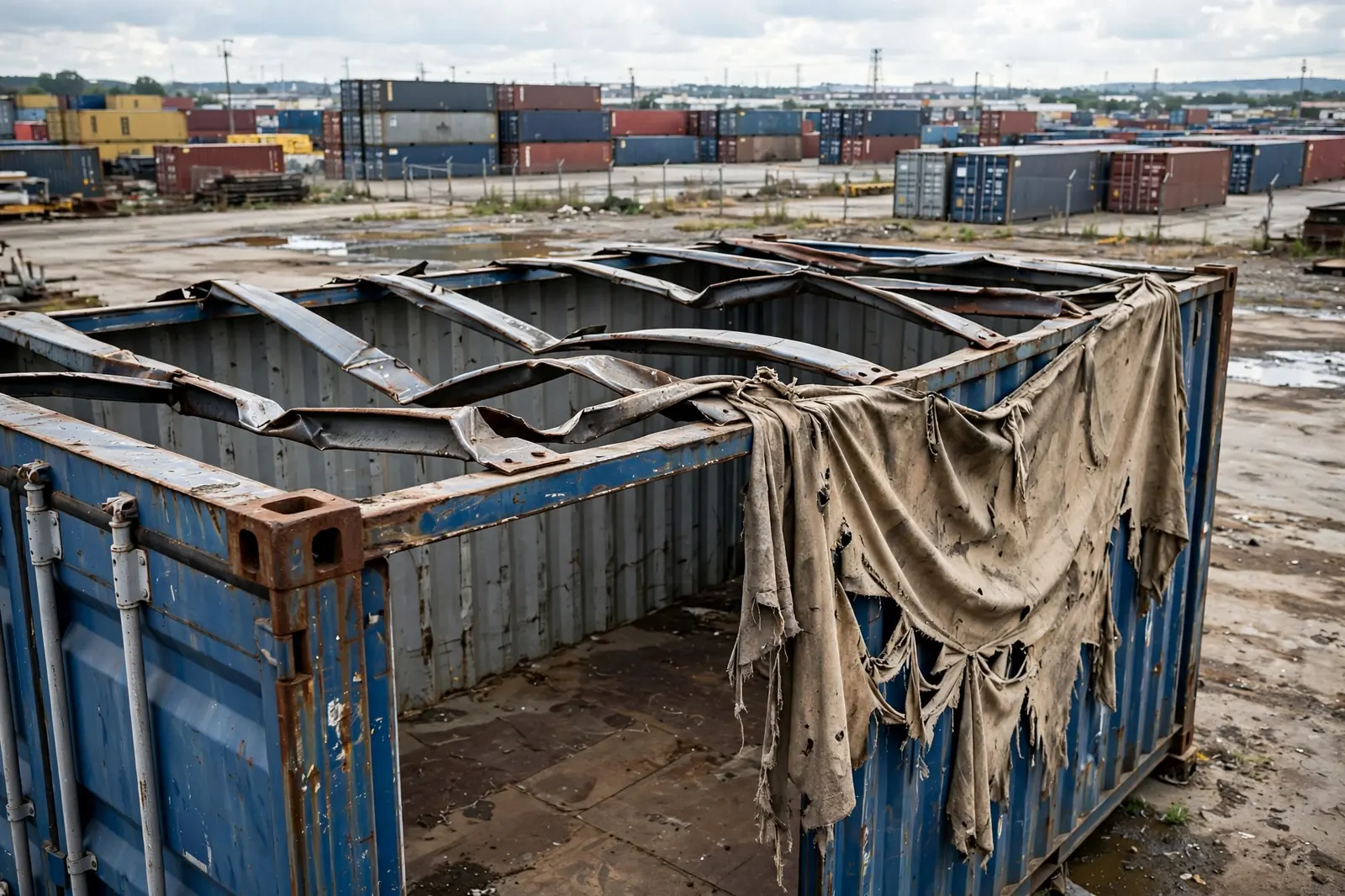
Open-top containers load cargo through the roof. They ship with a tarp and removable steel roof bows instead of a solid steel roof.
For a house, that is a structural problem. The top rails carry loads differently without a welded roof tying the walls together. Bent bows and rusted header beams compromise the frame.
Tarps leak. These boxes often sat for months with standing water inside. That water rusted the walls from the inside out and rotted whatever sat on the floor.
Putting a proper roof on an open-top box costs real money. Framing, welding, and weatherproofing erase the savings fast.
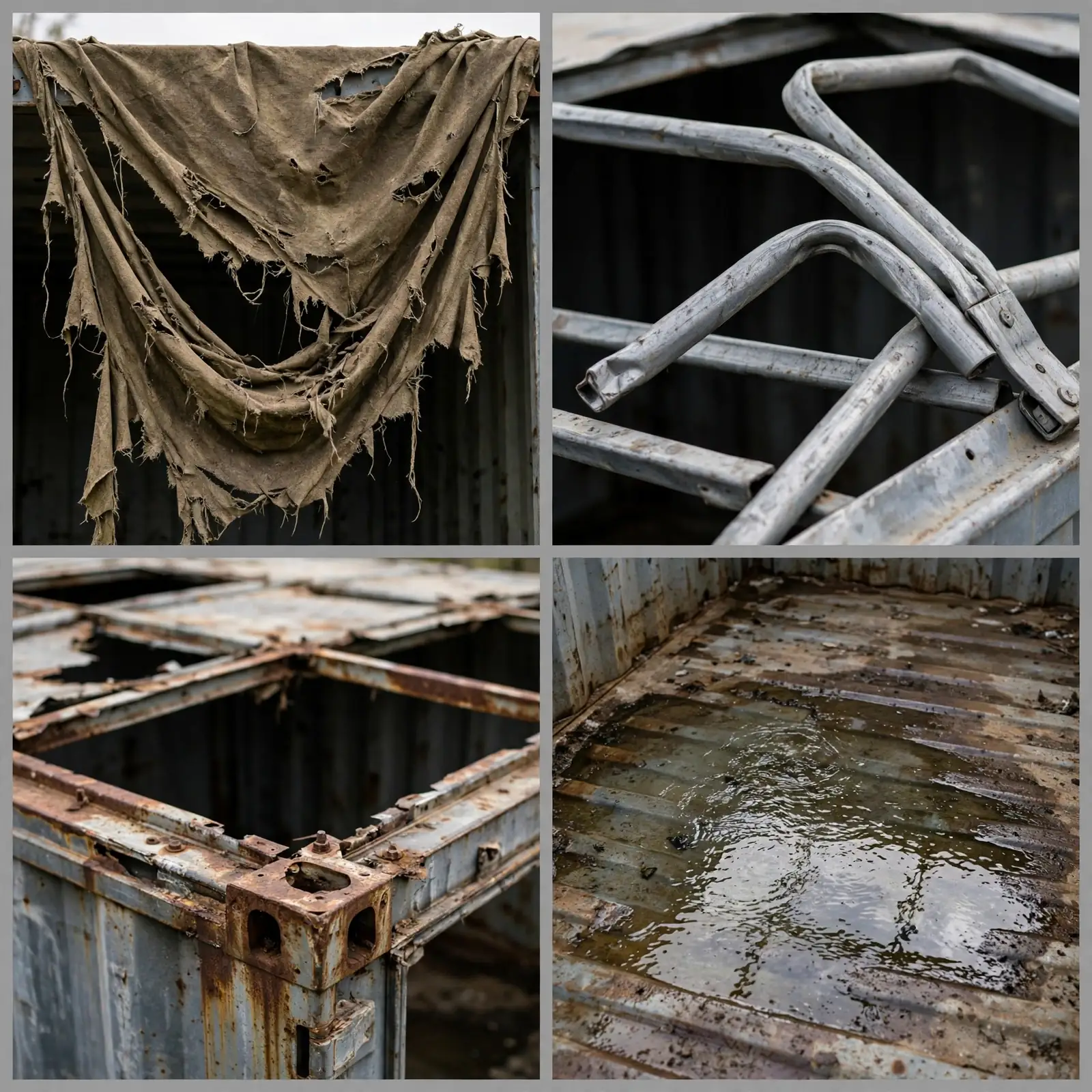
Buy a standard closed box instead. Cut your own roof openings later with proper framing around them.
You want to start with a complete weatherproof shell, not a box that was designed to stay open.
7. The As-Is, No Inspection Special
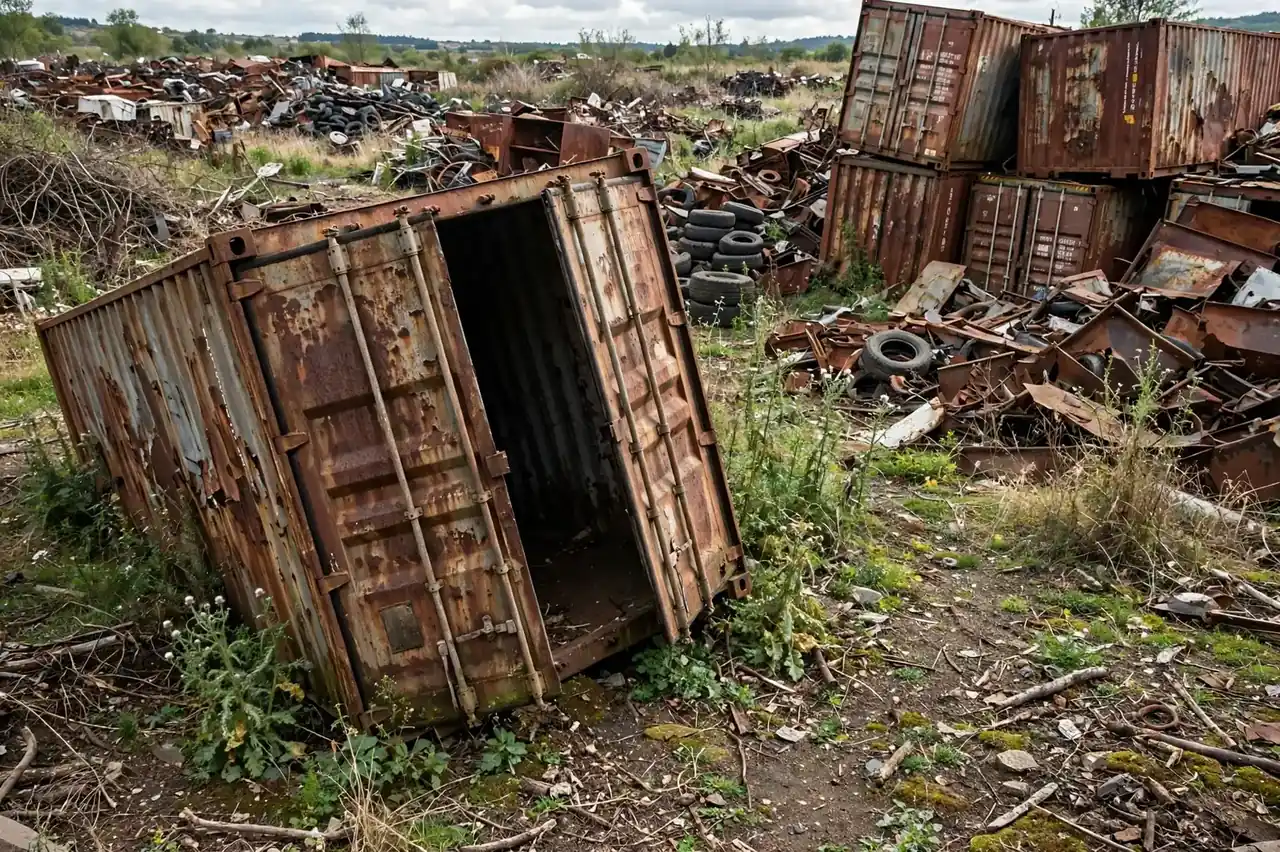
Every lot has one. The price sits hundreds below market. The listing says as-is, no inspection, sold where it sits.
This is how sellers move boxes they cannot sell honestly. Hidden rust. Bad floors. Twisted frames. Problems that photos conveniently hide.
The delivery truck shows up, the driver unloads, and the driver shrugs. You own the problem now. There is no return policy on a forty-foot steel box.
A real dealer lets you walk inside. Open the doors. Check the roof. Stand in it during rain if you can.
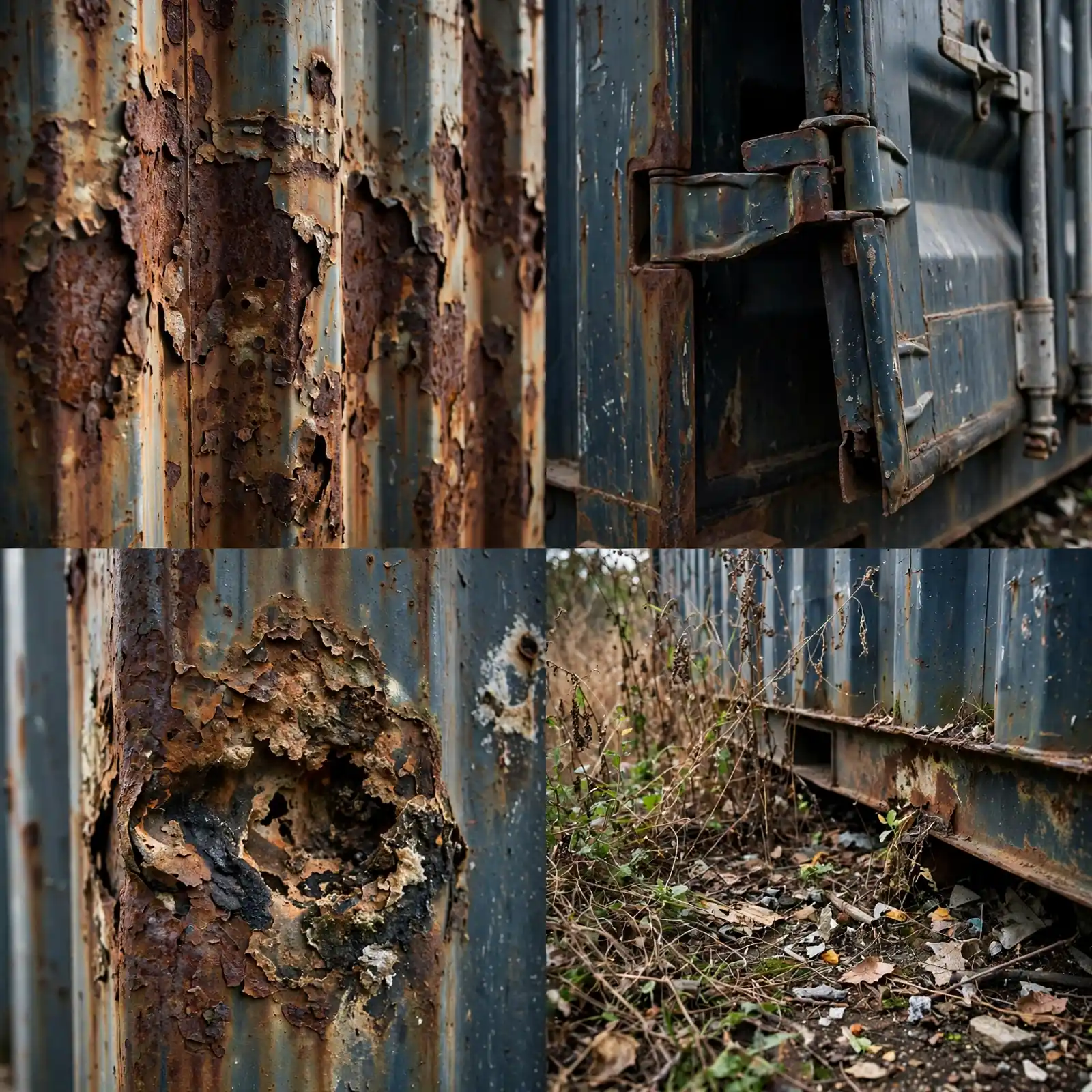
Never buy a box you have not stood inside. Photos hide smells, soft spots, and pinpricks of daylight leaking through the walls.
If the seller will not let you inspect, the seller is telling you everything you need to know.
The right container is out there. A one-trip dry van with clean floors and straight corners costs more up front and saves you thousands later.
Buy the box you can verify, not the deal you cannot resist. Your future self, living in a dry and healthy home, will thank you.