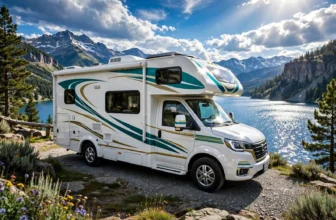
7 Things Nobody Tells You About Showering in a Camper Van

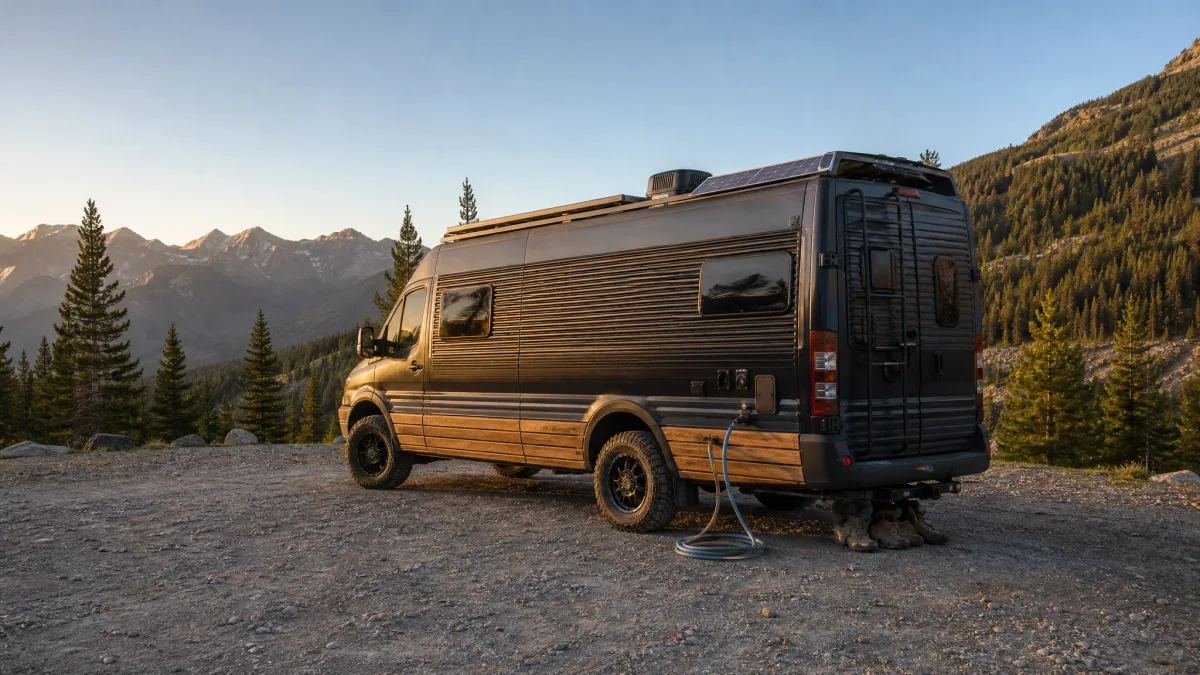
You will walk away knowing exactly how a built-in wash station changes your water reserves, daily rhythm, and vehicle structure before you touch a single pipe.
Vanlifers step into a camper van envisioning hot, effortless rinses after long days on the trail without ever stepping outside the cabin.
Trapping water vapor inside a sealed metal shell creates severe structural risks that quietly rot wooden framing behind your walls.
Navigating water consumption, humidity control, and drainage hassles in a compact van shower setup reveals whether a built-in installation is genuinely worth the interior sacrifice.
A standard freshwater tank holds just 20 gallons, forcing harsh conservation habits long before you ever hit the open road.
At a Glance
1. Interior Humidity Requires Aggressive Ventilation
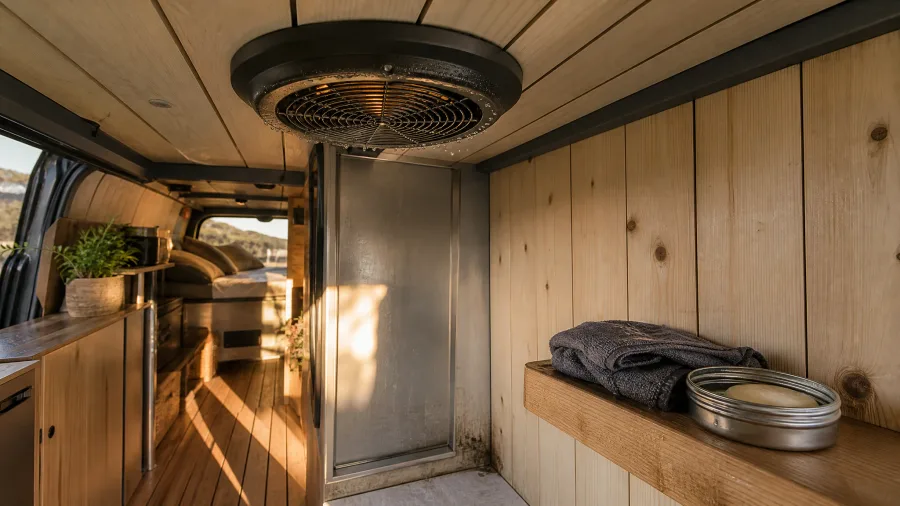
Most builders assume that a sealed bathroom stall simply contains the wet mess, but enclosing a steaming shower inside a compact van cabin traps heavy moisture against cold exterior metal sheets.
Trapping hot vapor inside a closed steel shell causes rapid mold growth and rust unless actively vented within minutes.
A high-powered roof exhaust fan must run during and for twenty minutes after every single use to expel saturated vapor before it condenses on bare frames.
Unchecked moisture constantly attacks untreated wooden framing and decorative wall panels, quietly breaking down the structural integrity of the entire custom build.
The ultimate long-term cost of ignoring this airborne vapor is widespread structural decay and expensive remediation throughout the van interior.
💡 Tip: Install a MaxxAir fan directly over the shower stall to pull moisture out before it settles on your insulation.
| Feature | Built-In Indoor Shower | Portable Outdoor Setup |
|---|---|---|
| Water Use | 10 to 15 gallons per session | 1 to 3 gallons total |
| Space Cost | Permanent 24×24 inch floor loss | Zero footprint inside cabin |
| Humidity Risk | High risk of mold and rust | Zero impact on interior air |
| Drainage | Requires 15-gallon grey tank | Direct ground runoff or basin |
⚠️ COMMON MISTAKE
Skipping Vapor Barriers Invites Hidden Mold
Never assume closed-cell foam alone stops condensation from reaching bare steel ribs.
2. Water Capacity Disappears Alarmingly Fast
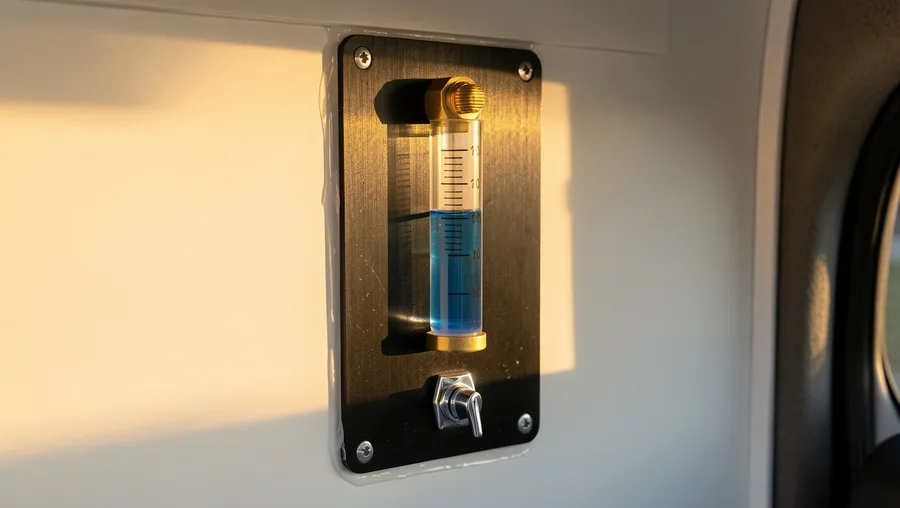
Standard camper van water tanks empty in minutes, forcing strict conservation habits upon anyone trying to wash up on the road.
The freshwater tank capacity stands strictly at 20 gallons, limiting the total volume available for drinking, cooking, and washing.
Consuming water rapidly creates an immediate downstream problem of where that liquid goes, demanding constant vigilance over every drop used during a wash.
The Navy shower technique requires turning water off completely between soaping and rinsing, using only 1 to 2 gallons per person daily to stretch the supply.
With an average shower flow rate of 1.5 gallons per minute, the entire 20-gallon supply vanishes in under thirteen continuous minutes of running water, imposing severe limits under the weight of off-grid living.
This rapid depletion leaves little room for error and forces travelers to constantly track their remaining reserves before turning on the tap.
Built-In Efficiency Versus Reality
Expected Usage
- Endless hot water cycles
- Relaxing 10-minute rinse sessions
- Zero attention to pump pressure
- Simultaneous sink and shower use
Actual Van Reality
- Thirteen total minutes of run time
- Strict 2-gallon daily allotments
- Rapid tank depletion warning buzzers
- Empty tanks miles from any water source
3. Grey Water Management is Heavy and Messy
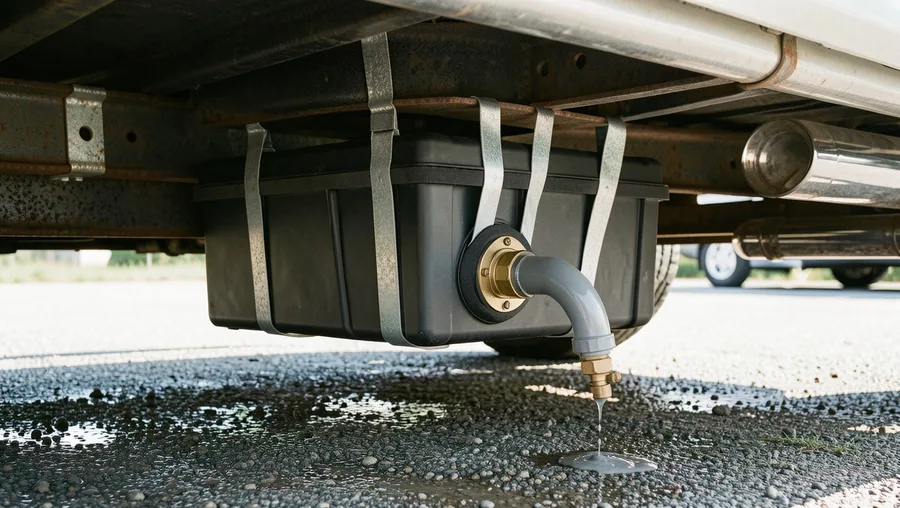
Standing in a dark parking lot at midnight with a heavy jug of gray water highlights the messy reality of van plumbing.
Draining dirty water requires frequent manual dumping into public grates or relying on risky undercarriage release valves.
The grey water tank capacity is restricted to 15 gallons, meaning the freshwater supply rapidly outpaces what the under-mount tank can hold.
Disposing of wastewater forces a difficult choice between the daily hassle of finding legal dump stations versus the heavy physical labor of lugging portable containers across a gravel lot.
Evaluating the true impact over years of travel reveals that the ongoing cost is relentless physical strain and constant logistical planning around waste disposal sites.
Always verify dump station availability before arriving at remote campsites.
4. Water Heaters Demand Constant Power Supply
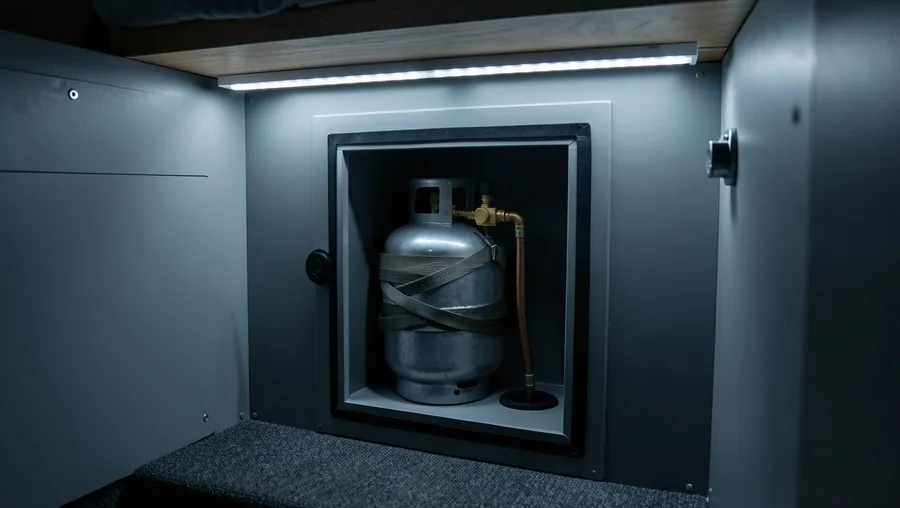
Heating water off-grid consumes massive amounts of energy.
Generating hot water on demand drains propane or battery banks rapidly.
Water Heater Resource Draw
🔥 Fuel Source
Propane or 12V
⚡ Battery Tax
High Draw
🔋 Recovery Time
Fast / Intense
Energy Impact
Continuous heating quickly depletes off-grid electrical reserves.
5. Space Loss Compromises Daily Living
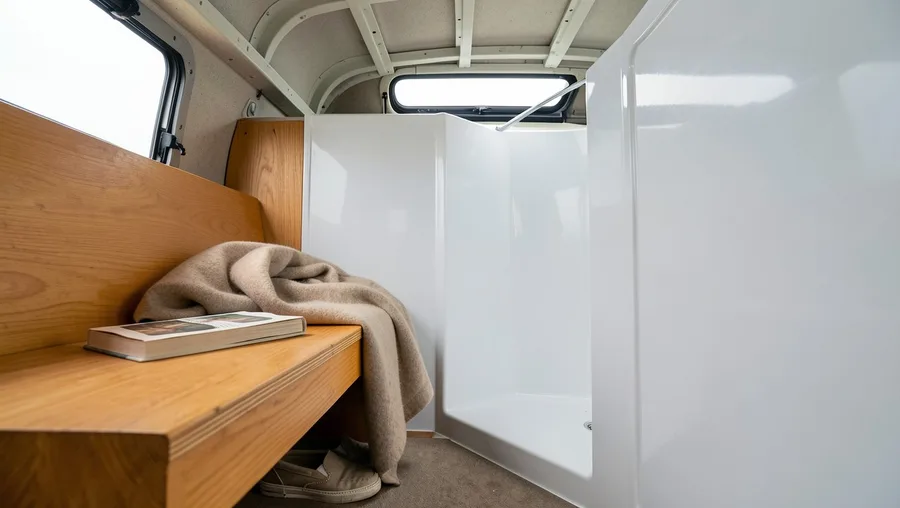
Permanent fixtures destroy flexible floor plans in compact vehicles.
A dedicated indoor stall permanently shrinks the kitchen and bed layout. The compact corner shower pan size measures 24 by 24 inches, creating a tight, restrictive enclosure. Permanent shower stalls block aisle movement in standard high-roof vans, forcing awkward daily contortions.
Applying the thread, the hidden cost is the permanent sacrifice of square footage that could otherwise support comfortable living space.
💡 Tip: Use a folding tambour door instead of a swinging acrylic panel to reclaim three inches of aisle space.
6. Drain Clogs and Odors Plague Small Traps
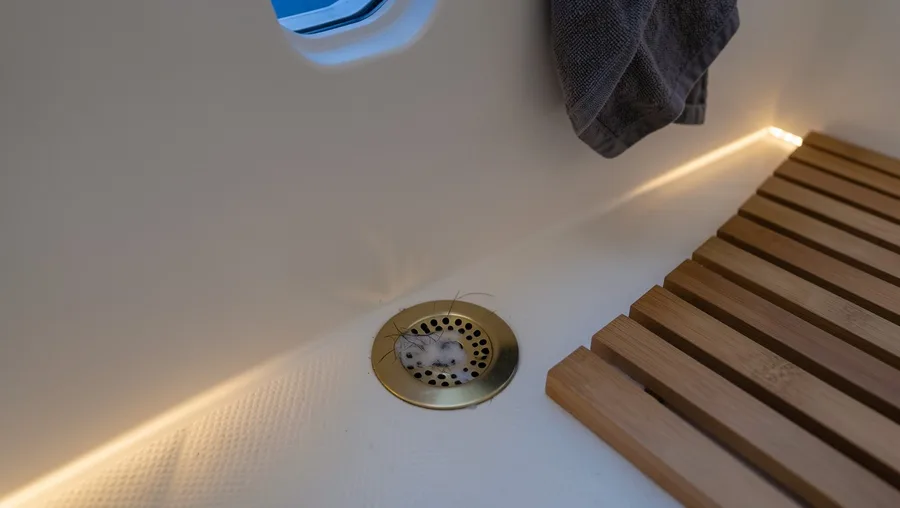
Miniature plumbing lines collect debris faster than standard household drains.
Hair, soap scum, and food particles quickly clog mini drain lines and create smells.
💡 PRO TIP
Flush Lines With Enzyme Cleaner
Pour eco-friendly enzyme treatment down the drain weekly to break down soap scum before odors form.
7. Alternative Methods Often Outperform Builds
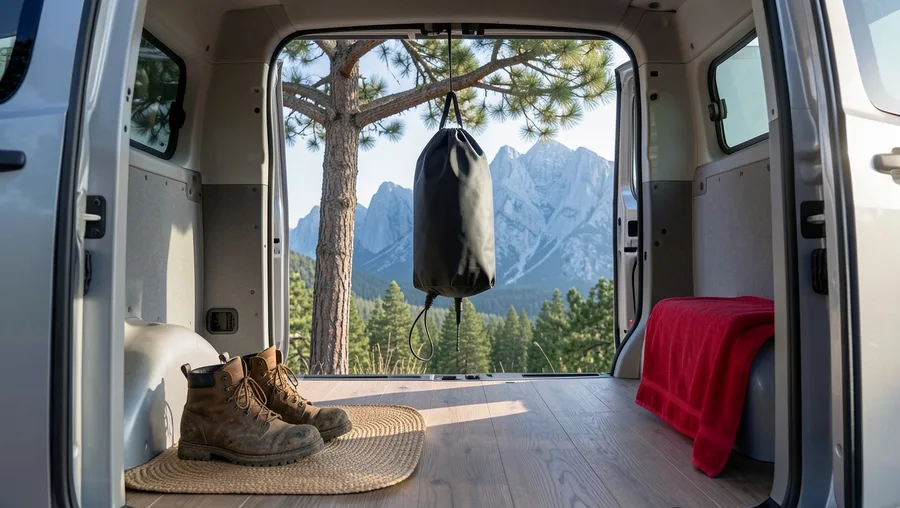
Stepping outside the van for hygiene routines contrasts sharply with the tiled, plumbed bathrooms found in standard site-built houses.
National gym memberships, black rubber solar camp bags, and highway truck stop facilities completely eliminate the need for heavy internal tanks and complex drain lines.
Portable outdoor shower bags and 24-hour fitness passes provide flexible, zero-maintenance hygiene options that require zero permanent vehicle modifications.
Travelers prioritizing wide open floor space, simple plumbing networks, and extended off-grid stays should skip the indoor build entirely.
Avoiding the permanent stall preserves precious vehicle layout configurations, saves off-grid electrical energy, and restores total peace of mind on every trip.
Frequently Asked Questions
How long does a 20-gallon fresh water tank last when showering?
With a standard flow rate of 1.5 gallons per minute and strict Navy shower conservation techniques, a 20-gallon tank lasts roughly ten to thirteen minutes of total running time, spread across multiple days.
Does a camper van shower cause rust and structural damage?
Yes, trapping steam inside a metal van body without aggressive roof ventilation accelerates mold growth and rust behind wall panels, risking long-term structural decay.
How do you manage grey water from a van shower?
Grey water drains into an underfloor holding tank with a strict 15-gallon limit, requiring frequent manual dumping at designated RV stations or using portable external jugs.
Is a permanent indoor shower worth losing cabin floor space?
For most builders, a permanent 24×24 inch stall cramps the kitchen and bed layout, making flexible alternatives like gym memberships or outdoor solar bags far more practical.
Weighing Cabin Space Against Mobile Convenience
Relying on outdoor pressure bags and gym memberships outperforms a built-in shower by preserving precious interior square footage and eliminating complex plumbing hassles.
Vanlifers stepping into a camper van no longer need to risk mold, rapid tank depletion, and heavy grey water management for an indoor stall.
Skip the permanent indoor build to preserve your vehicle layout, protect your framing from hidden moisture, and eliminate tedious waste management.
Test your daily water habits with a portable solar bag on your next weekend trip before cutting holes in your floor for a built-in stall.