Best Food Cities in the World You Need to Try

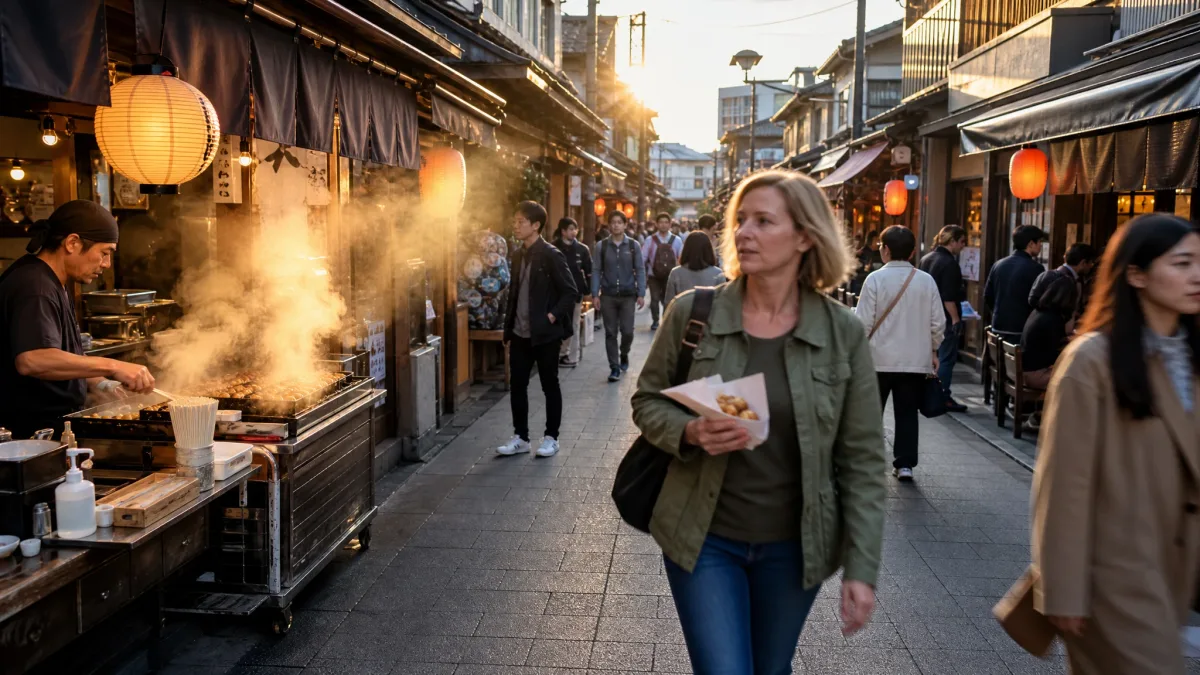
Most travel guides treat food as a nice bonus after you finish seeing the sights, but a proper culinary trip puts every single meal at the center of the map.
You can book a standard resort package and eat safe international hotel meals, but you would be skipping the best three hours of the day standing at a smoky street corner.
Passionate travelers plan their vacations specifically around these distinct regional flavors, spending 4 to 7 days in each city to properly understand the local food culture.
You will sample hand-pressed sushi, sip artisanal mezcal, navigate bustling night markets, and explore traditional family-run trattorias.
Decide which global cities offer the best culinary fit for your palate and your wallet before you open a tab to book your flights.
Quick Tips Before You Start
Cash is King
Always keep local paper currency for small market stalls and street vendors.
Book Early
Reserve popular tasting menu spots months in advance before arrival.
Walk Everywhere
Explore neighborhoods on foot to find hidden neighborhood bakeries.
How Many Days Do You Need in Each City?
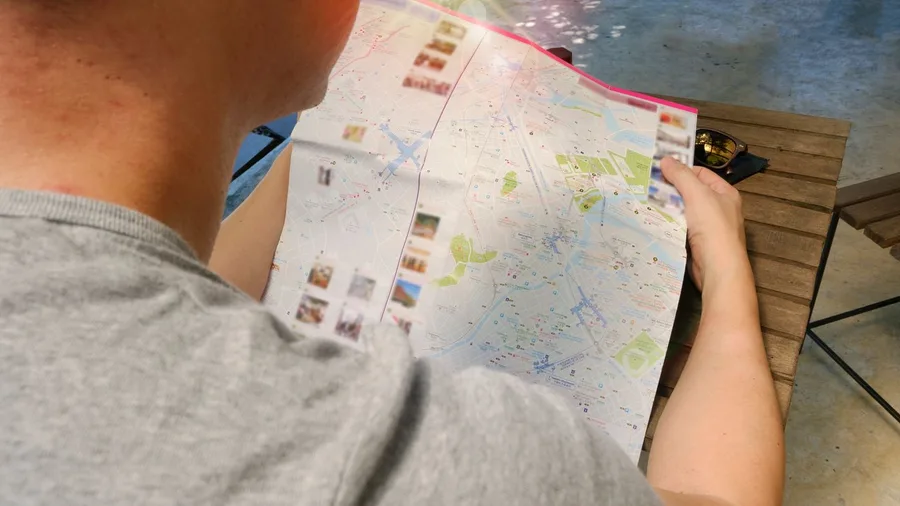
You need at least 4 to 7 days to properly understand a major food city’s culture instead of just scratching the surface of its tourist menu.
Shorter stays force you to rush through tourist traps and overpriced cafes instead of finding genuine local spots where residents actually eat.
Plan for two neighborhoods per day to balance street food sampling with sit-down dinners without burning out your schedule or your appetite.
Global Food Cities Quick Planning Guide
What Is the Real Daily Dining Budget?
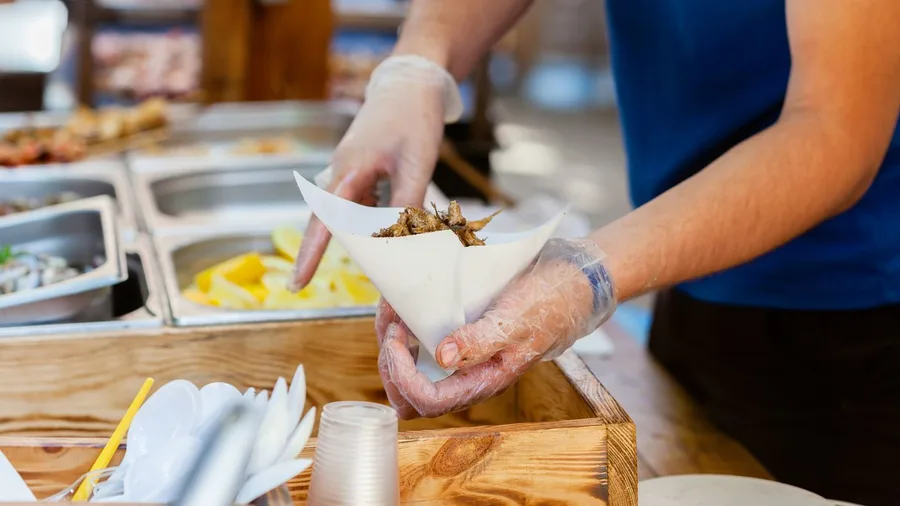
Your daily spending depends entirely on whether you favor casual street food vendors or high-end dining institutions.
Street food heavy itineraries easily stay around $50 per day while still delivering some of the most memorable meals of your trip.
Fine dining and multi-course tasting menus push budgets past $250 plus per day once you factor in wine pairings and service charges.
Global Culinary Route Map
Save this route map before you start planning your international food tour.
1. Tokyo Japan for Precision and Variety
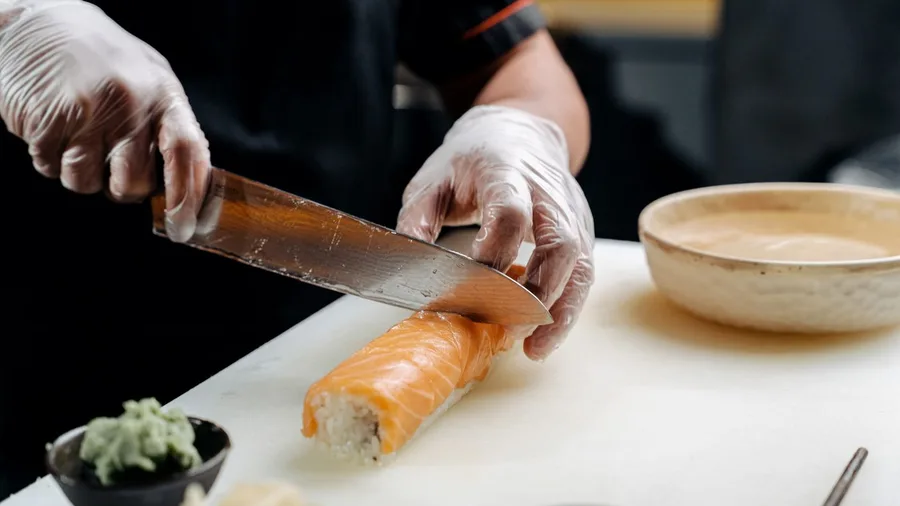
Budgets range up to $250 dollars plus for fine dining in a city that rewards both high-end planning and casual wandering.
Tokyo offers an unmatched mix of ultra-refined Michelin-starred dining and accessible neighborhood ramen shops hidden down quiet residential side streets.
Sample authentic hand-pressed sushi at a traditional wooden counter where the chef shapes every piece right in front of you.
Navigate the narrow alleyways of historic memory lanes for smoky yakitori cooked over glowing binchotan coals.
💡 Tip: Arrive thirty minutes before peak lunch hours to avoid long lines at tiny ramen shops.
Tokyo Dining Breakdown
Key figures for your Tokyo food budget and itinerary.
2. Oaxaca Mexico for Indigenous Heritage
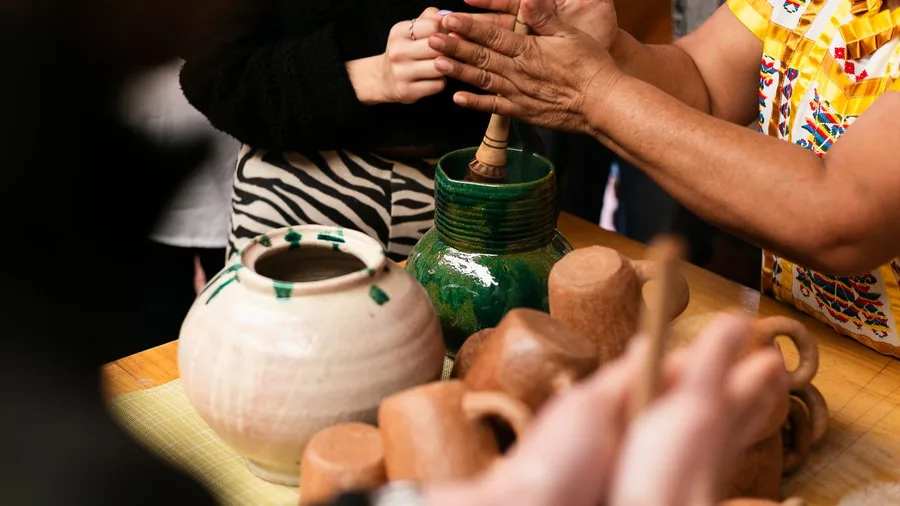
Oaxaca operates as the true culinary heart of Mexico, offering an incredible abundance of indigenous flavors that cost virtually nothing to witness and appreciate firsthand in the bustling municipal markets. You will spend your days exploring vibrant stalls where local vendors press fresh corn tortillas by hand and assemble massive tlayudas loaded with beans and Oaxacan cheese, all while keeping daily dining budgets around $50 for street food heavy itineraries.
Beyond the simple market stalls, you can taste traditional multi-chili moles prepared strictly from ancient family recipes and sip artisanal mezcal poured directly from earthenware jugs. Skipping the expensive sit-down tourist restaurants allows you to experience the authentic indigenous heritage of Mesoamerica entirely through street-level exchanges that require no entry fee at all.
🌱 GROWING TIP
Taste Authentic Mole
Look for vendors using traditional earthenware grinding stones to ensure genuine texture and depth.
3. San Sebastián Spain for Pintxo Crawls
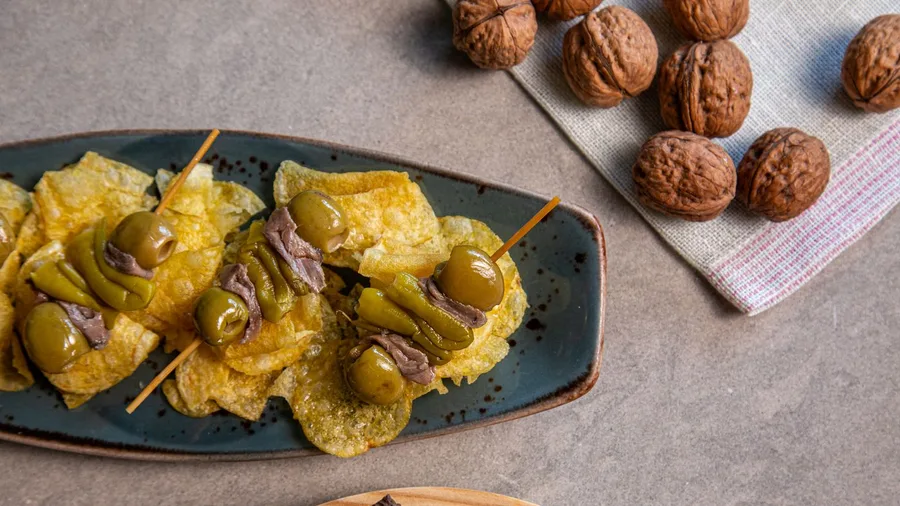
You wipe the dust of Mexican markets off your boots and step straight onto the wet flagstones of the Basque coastline, where the food culture moves at a completely different, fast-paced vertical tempo.
Step into the crowded taverns of the Old Town to slide sideways along wooden counters stacked high with elaborate skewers of anchovies, peppers, and local cheese, paying just a few euros per bite before sliding back out into the alley.
While elite white-tablecloth temples anchor the regional economy, the real heartbeat lives in ordering a thick wedge of caramelized burnt cheesecake or a rare ribeye cut from aged beef while planning a four-to-seven-day stay to digest it all properly.
4. Bangkok Thailand for Electric Street Food
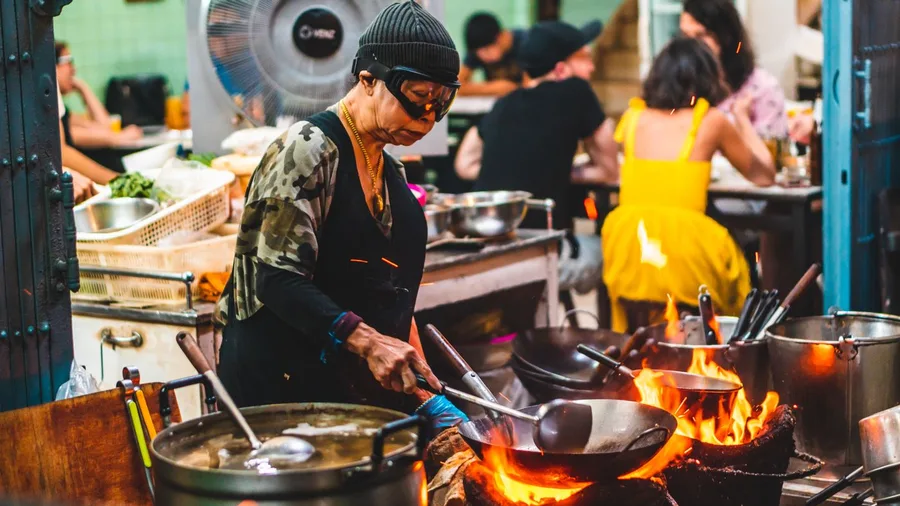
Navigate the neon-lit alleyways of Southeast Asia where open-flame woks throw blinding sparks into the humid night air.
Slide past plastic stools jammed between pushcarts to hunt down bowls of fiery noodles and aromatic curries under massive canvas tents.
Cool your burning palate between street corners with crushed tropical fruit shakes that cost pocket change while you tackle a multi-day itinerary built entirely around nocturnal eating.
Bangkok Night Market — At a Glance
🍜 Format
Night market stalls
💵 Cost
$50 daily budget
🌶️ Flavor
Spicy and sour
Essential Tip
Choose stalls with high local turnover for maximum freshness.
5. Bologna Italy for Authentic Tradition
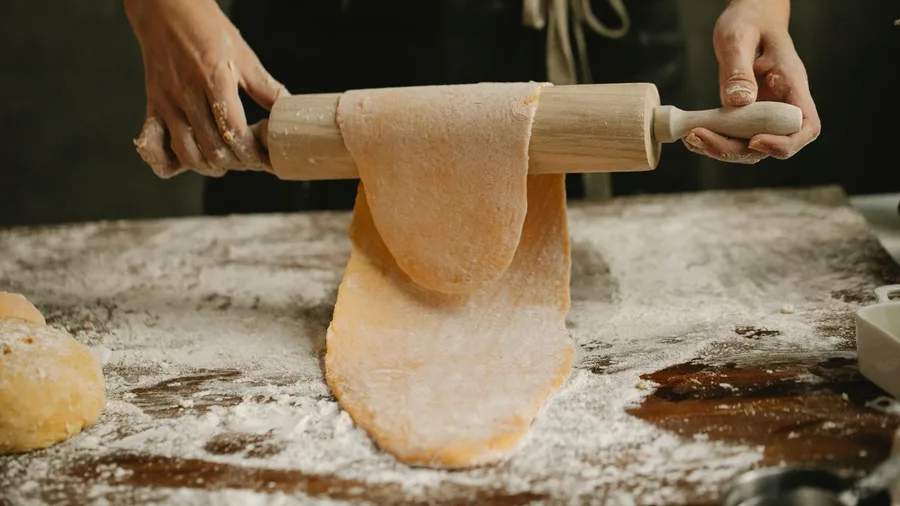
Watch out for tourist traps near the main square serving generic pasta with heavy cream.
Known as Italy’s culinary capital, Bologna focuses on rich, comforting hand-rolled pastas and cured meats.
Order classic handmade tagliatelle al ragù in a traditional osteria.
Source authentic regional Parmigiano-Reggiano and mortadella directly from local food artisans.
⚠️ COMMON MISTAKE
Avoid Cream Sauces
Authentic Bolognese ragù clings to flat egg pasta without drowning in heavy cream.
6. Marrakesh Morocco for Spice and Tagine
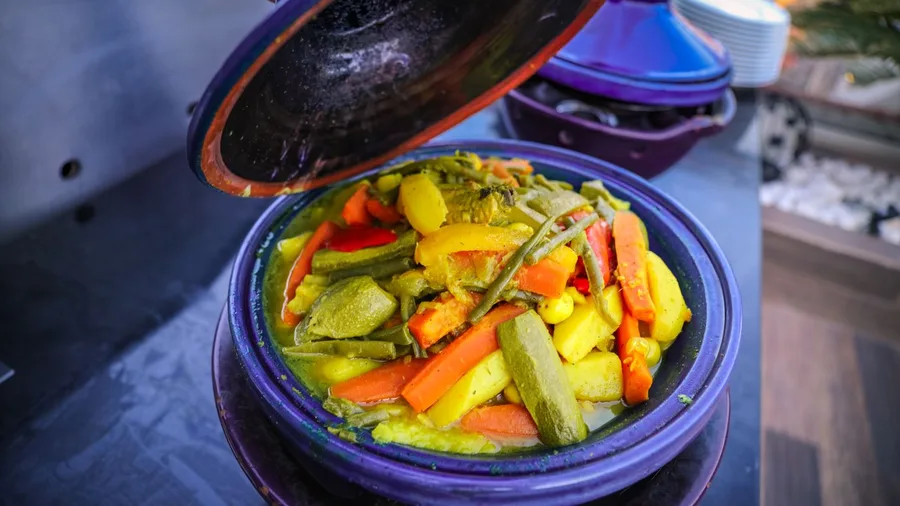
Families sit together over shared clay pots while solo travelers pull up plastic stools near the smoke.
Marrakesh immerses travelers in aromatic spice blends, slow-cooked tagines, and lively public square dining.
Dine on slow-cooked meat and vegetable tagines infused with preserved lemons.
Experience the energetic food stalls of Jemaa el-Fnaa square at sunset.
Street food and public square dining shape the daily budget.
Marrakesh Quick Metrics
7. Lima Peru for Biodiversity and Fusion
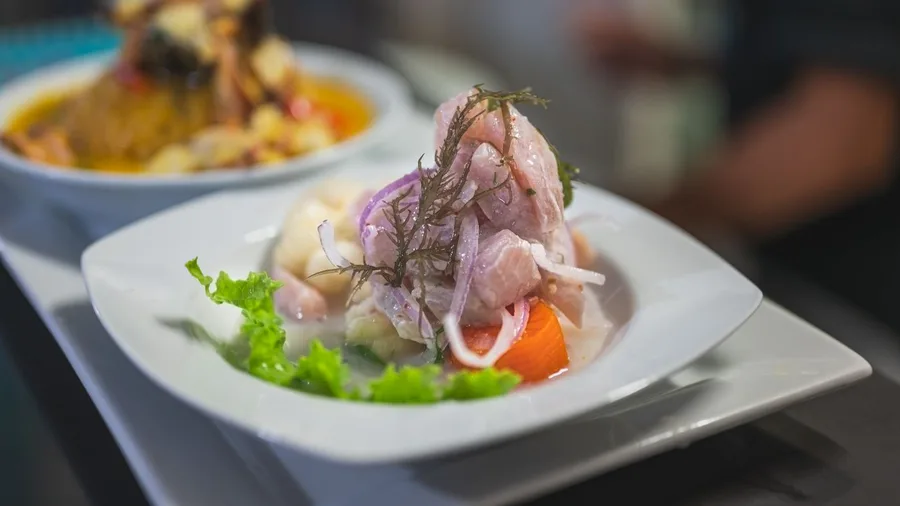
Admission to high-end tasting experiences requires booking months ahead, and it buys you a three-hour culinary journey.
Lima shines as a global capital for seafood and innovative culinary fusion drawing from indigenous and immigrant traditions.
Savor ultra-fresh citrus-cured ceviche made with local catch.
Experience high-end Nikkei or Chifa fusion menus highlighting native Peruvian ingredients.
Lima Dining Lanes
- High-end Nikkei tasting menus — Book months ahead for world-class fusion.
- Mid-day street ceviche spots — Eat only during peak lunchtime hours.
- Unmarked tourist street carts — Skip vendors without clear local lines.
8. New Orleans United States for Soul and Spice
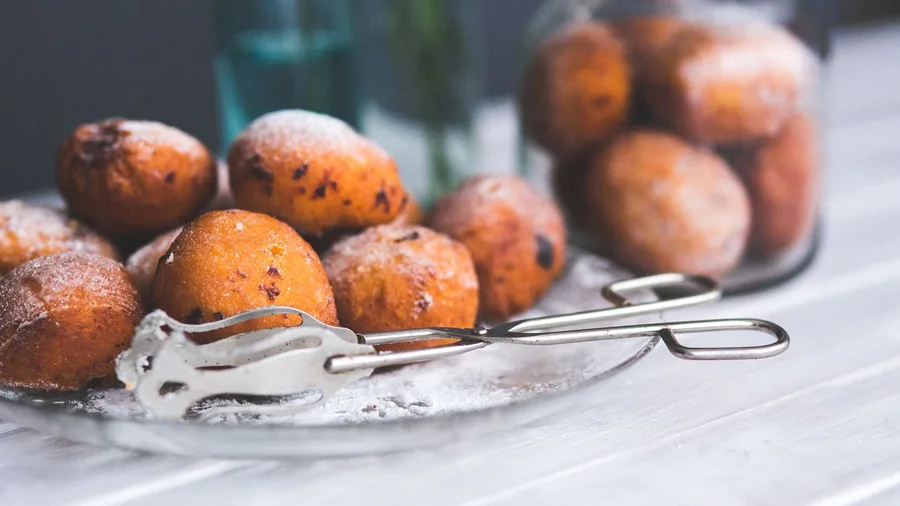
New Orleans proves it happens every day, backing rich culinary heritage with deep local hospitality that welcomes you right in.
Plan for 4 to 7 days to properly explore the regional food scenes, starting your mornings with fresh beignets and café au lait in the French Quarter before spending afternoons tracking down traditional gumbo, po’boys, and crawfish étouffée.
9. Lyon France for Classic Bistro Mastery
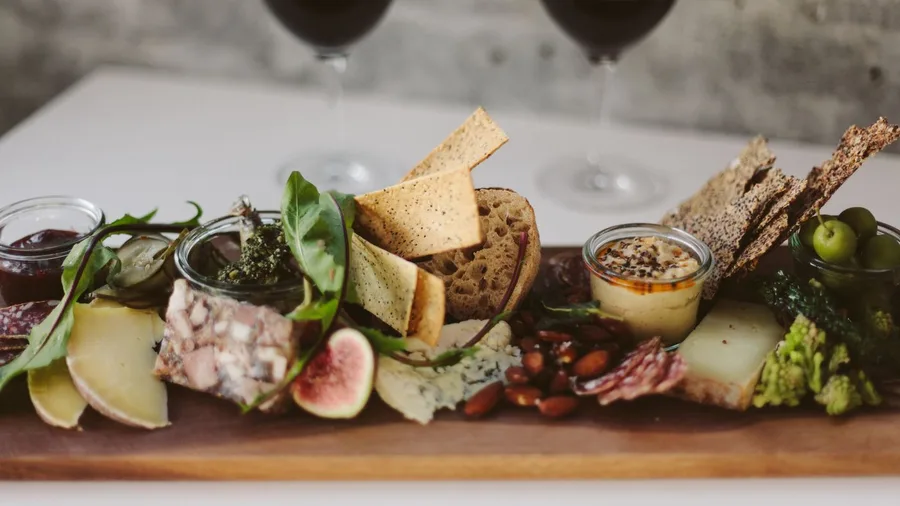
The smell of roasting pork fat and garlic hits you before you even push open the heavy wooden door of the local room. Lyon maintains its reputation as the gastronomic soul of France by keeping things stubbornly traditional in neighborhood spaces that have fed workers for generations.
Step inside a historic neighborhood bouchon to savor hearty, unpretentious pork specialties paired with local wine without any modern fuss or pretense. These rooms are tight, loud, and entirely focused on food that takes zero shortcuts.
Between meals, spend an hour walking through indoor food markets packed solid with regional cheeses and artisanal charcuterie hanging from the rafters. You can point at a wedge of Comté or a cured sausage and walk away with lunch for about $15.
Daily dining budgets easily accommodate traditional multi-course tasting menus here, often running around $80 to $120 depending on the wine pairings you choose to add along the way.
10. Seoul South Korea for Night Dining
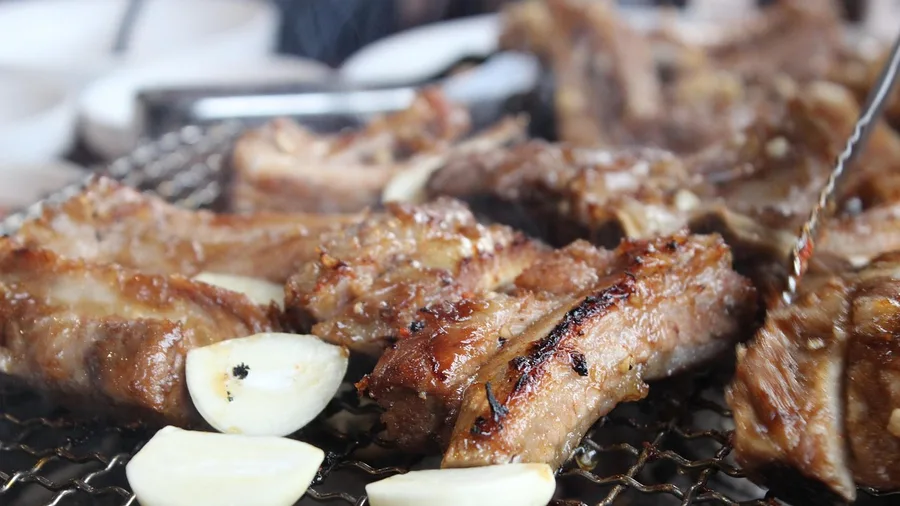
Three dollars gets you a paper plate of spicy rice cakes soaked in gochujang at midnight, and the stall will still have a line wrapped around the corner. Seoul operates on an energetic 24-hour food culture that treats late-night cravings with serious culinary dedication.
Grab a seat at a lively communal table and grill your own marinated galbi or thick cuts of samgyeopsal over glowing charcoal until the edges char nicely. The smoke mixes with the chatter of the room, and servers keep cold bottles of beer landing on your table before you even have to ask.
Night markets represent a core format during your 4 to 7 day stay here, serving up everything from steaming mandu dumplings to sweet hotteok pancakes while the rest of the city sleeps.
11. Melbourne Australia for Cafe Culture

Swapping frantic midnight barbecue alleys for a slow morning routine brings you to Melbourne, where coffee is treated with absolute reverence rather than treated as simple morning fuel. Instead of grilling meat over hot coals, you are sitting quietly in an obscure urban laneway while an expert barista pours a precise flat white.
The local food landscape thrives entirely on a multicultural brunch scene paired with innovative modern global restaurants drawing heavily from Greek, Vietnamese, and Italian immigrant communities. Daily dining budgets range comfortably from casual cafe stops costing around $25 up to $150 plus for upscale evening tasting menus.
12. Cape Town South Africa for Coastal Melting Pot
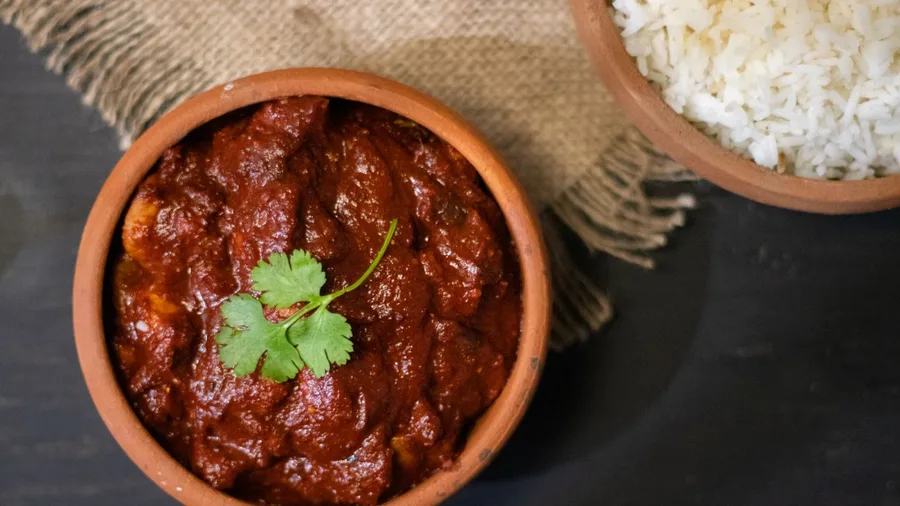
Cool Atlantic air carries the heavy scent of grilled fish across the docks while jagged mountain peaks cast sharp afternoon shadows over the harbor. This coastal setting grounds a culinary tradition that fuses indigenous ingredients with historic Malay, Dutch, and modern fine-dining techniques.
Taste bowls of fragrant, spiced Cape Malay curries alongside locally foraged seafood caught straight from the surrounding waters. Pour a glass of world-class wine produced just down the road in nearby Stellenbosch vineyards to accompany your meal.
Plan for trips spanning 4 to 7 days to fully experience the regional culinary landscape without rushing through the coastal markets and vineyards. Daily budgets typically sit around $60 for standard meals, scaling upward depending on how many vineyard lunches and fine-dining bookings you add to the itinerary.
Frequently Asked Questions
How many days should I spend in each food city?
Plan for 4 to 7 days in each destination. This timeframe allows you to experience both casual street food markets and high-end dining without feeling rushed.
What is the typical daily budget for food travel?
Daily dining budgets range from 50 dollars for street food heavy itineraries up to 250 dollars plus if you plan to book multi-course fine dining tasting menus.
Do I need to book restaurants in advance?
Yes, top fine dining establishments and famous tasting menu counters require reservations several months ahead of your trip arrival date.
Are night markets safe for trying local food?
Night markets provide safe and delicious meals as long as you choose busy stalls with high local turnover, which ensures fresh ingredients.
Balancing Flavor Profiles Against Daily Travel Budgets
Review the distinct flavor profiles and travel styles of each city to match your personal palate and vacation budget before booking your flights.
International food destinations work best when local cuisine drives the entire itinerary, turning every meal into the main event rather than an afterthought.
Decide which global city to explore first based on daily dining budgets ranging from 50 to 250 dollars plus, and lock down your reservations tonight.
Check Your Daily Food Budget
Review your planned itinerary against our 50 to 250 dollar daily dining ranges before booking your flights.