I Lived Like a Nomad for a Year – Here’s What Nobody Tells You


Thirty-two thousand dollars left my bank account over twelve months of continuous travel across Europe and Southeast Asia. That single hard figure defines what it actually takes to trade a permanent lease for perpetual motion.
You will read plenty of essays praising the romance of waking up in a new city every fortnight. This article strips away that gloss to examine the administrative friction, financial drain, and emotional burnout that await anyone who attempts a full year on the road.
Nomad Year Quick Planning Guide
Constant packing destroys your sense of routine

You will pack up your entire existence every fourteen days if you stick to a strict moving cycle across Europe and Southeast Asia.
That pace means living out of packing cubes designed to compress exactly twenty-two clothing items into strict airline weight limits, leaving zero room for impulse purchases or weather surprises.
The constant rotation of new apartments, unfamiliar grocery stores, and broken locks generates a quiet psychological fatigue that builds silently until you no longer care what the next city looks like.
Resetting your life from scratch twice a month turns every arrival into an administrative chore rather than an adventure, stripping away the simple comfort of knowing where your coffee mug lives.
| Expense Category | Nomadic Lifestyle | Traditional Rent |
|---|---|---|
| Accommodation | $1,400 average across Airbnbs | $1,100 fixed lease |
| Transit & Flights | $450 across monthly moves | $100 local transit pass |
| Food & Dining | $900 mostly restaurants | $400 grocery cooking |
| Insurance & Misc | $250 global medical & eSIM | $80 standard utilities |
Packing & Moving Metrics
⏱️ Moving Cycle
14 Days
🎒 Wardrobe Limit
22 Items
🔄 Annual Resets
26 Times
Reliable Wi-Fi is harder to find than you think

You cannot trust the speed test numbers on rental listings, because they routinely collapse the moment you actually try to work from an untested foreign environment.
I quickly learned to rely on a sixty-dollar monthly local eSIM and a mobile hotspot backup just to survive daily client calls without losing my mind.
Before every critical work hour, I ran diagnostic checks using Speedtest and Ookla apps to gauge whether the connection could handle a heavy file transfer.
Despite those precautions, my connection completely dropped during a crucial client video call from a boutique guesthouse in Bangkok, forcing a frantic, swearing dash through humid streets to find a paid co-working space that actually delivered on its bandwidth promises.
Connectivity Overhead Per Month
Mail and banking hurdles require a home address

You have to maintain a physical anchor point back home through a digital mail-scanning service costing fifteen dollars a month to intercept physical correspondence before it piles up.
Handling banking security alerts and multi-factor authentication triggers from foreign IP addresses turns simple account management into a nerve-wracking exercise in avoiding lockouts.
You also have to spend hours poring over official tax residency guidelines via local government portals to maintain compliance, ensuring your digital footprint does not trigger an unexpected audit.
The administrative gravity of maintaining a legal life across international borders demands just as much attention as your actual day job.
Admin Survival Checklist
The hidden cost of convenience drains your savings
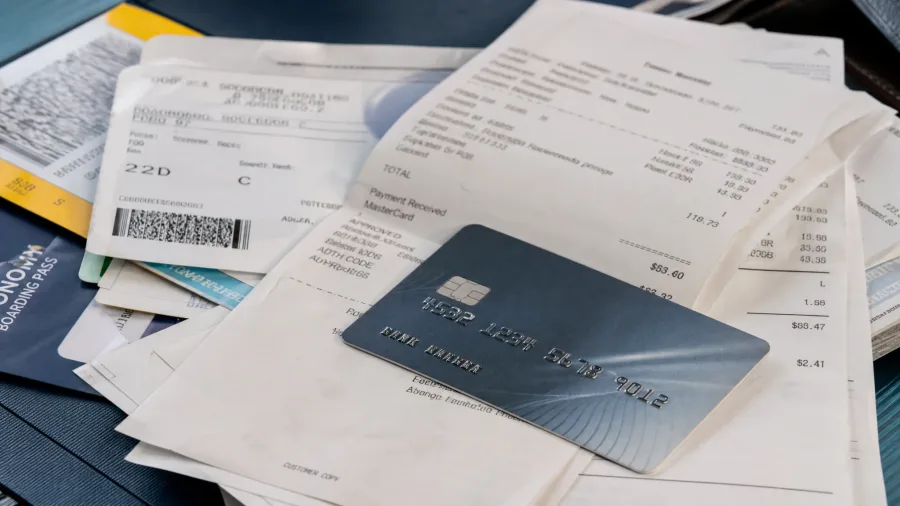
Every administrative hurdle quietly bleeds into your daily budget until the convenience charges hollow out your savings. My total annual travel budget landed at $32,000, covering accommodation, transit, and food across 24 flights and 12 train journeys.
Lodging alone ate up an average of $1,400 monthly across a rotation of Airbnbs and boutique guesthouses. That base rent only told part of the story.
Spontaneous flight bookings brought stiff financial penalties when schedules shifted at the last minute. Relying entirely on daily restaurant meals instead of cooking inflated food expenses far beyond what I had planned, turning basic sustenance into a constant financial drain.
Deep loneliness sneaks in around month six

Financial strain compounds the mounting isolation of living without a stable community, and a profound emotional dip hit me hard around month six. The superficial interactions in co-living spaces wore thin, leaving little room for genuine connection.
Transient travel friendships are easy to make but impossible to lean on when you need real roots. You trade deep, long-term community bonds for a revolving door of brief farewells in foreign cities.
I had to adopt a strict coping mechanism to survive the psychological toll. Staying a full month in one location twice a year became my only way to anchor social routines and stop the erosion of my mental health.
💡 PRO TIP
Anchor Months
Book a full 30-day stay every six months. Stopping the movement cycle completely heals social fatigue.
Healthcare logistics are entirely on your shoulders

Trying to ground yourself in a single spot for a few weeks still leaves you entirely responsible for managing your own health emergencies in unfamiliar territories.
I paid $1,200 annually for an emergency medical insurance policy through a global nomad provider just to have a safety net while crossing borders.
That policy faced a real test during a minor medical incident abroad involving a severe throat infection and a foreign pharmacy without a primary doctor to write a local prescription.
Navigating foreign medicine meant translating ingredient labels on cough syrups and antibiotics by yourself in a brightly lit pharmacy aisle while running a fever.
Getting the money back required filing overseas digital insurance claims through mobile apps and keeping every physical receipt tucked safely in a passport holder for digital reimbursement.
Burnout forces unplanned downtime

You cannot maintain this relentless pace indefinitely without hitting a wall of total exhaustion.
By month nine, travel fatigue sets in so deeply that visiting world-class landmarks feels like an exhausting chore rather than a privilege.
I finally broke down and triggered a two-week stationary pause in a single rental just to stare at a wall.
That enforced break incurred $700 in wasted accommodation and food expenses while I sat still.
If you require stable physical routines and a deep local community to function, avoid this lifestyle entirely.
Frequently Asked Questions
How much does full-time nomadism actually cost per year?
A realistic baseline is around $32,000 annually, covering mid-tier accommodations, frequent transit, food, and basic global health insurance.
How often should you move to avoid immediate burnout?
Moving every two weeks creates extreme fatigue. Extending stays to a full month or longer preserves your mental energy and work focus.
How do you handle reliable internet access while traveling?
Never rely solely on apartment Wi-Fi. Always back up your connection with a local eSIM data plan and a mobile hotspot device.
What happens when loneliness sets in on the road?
Transient friendships wear thin by month six. Combat this by booking longer anchor stays and seeking out structured local communities.
Is nomad health insurance truly necessary?
Yes, spending $1,200 annually on a global provider protects you against unexpected medical emergencies and hospital bills abroad.
Weighing Absolute Freedom Against Daily Administrative Fatigue
Trading a permanent address for a year of continuous movement delivers unmatched personal autonomy alongside relentless logistical friction.
If you thrive on novelty and accept administrative chores as part of the deal, the lifestyle pays rich dividends. If you require stable physical routines and deep local roots, keep your home base and travel during your holidays instead.
Evaluate Your Travel Pace
Review the two-week moving cycle outlined above before booking your next extended trip.