I Spent a Week in the World’s Most Isolated Village

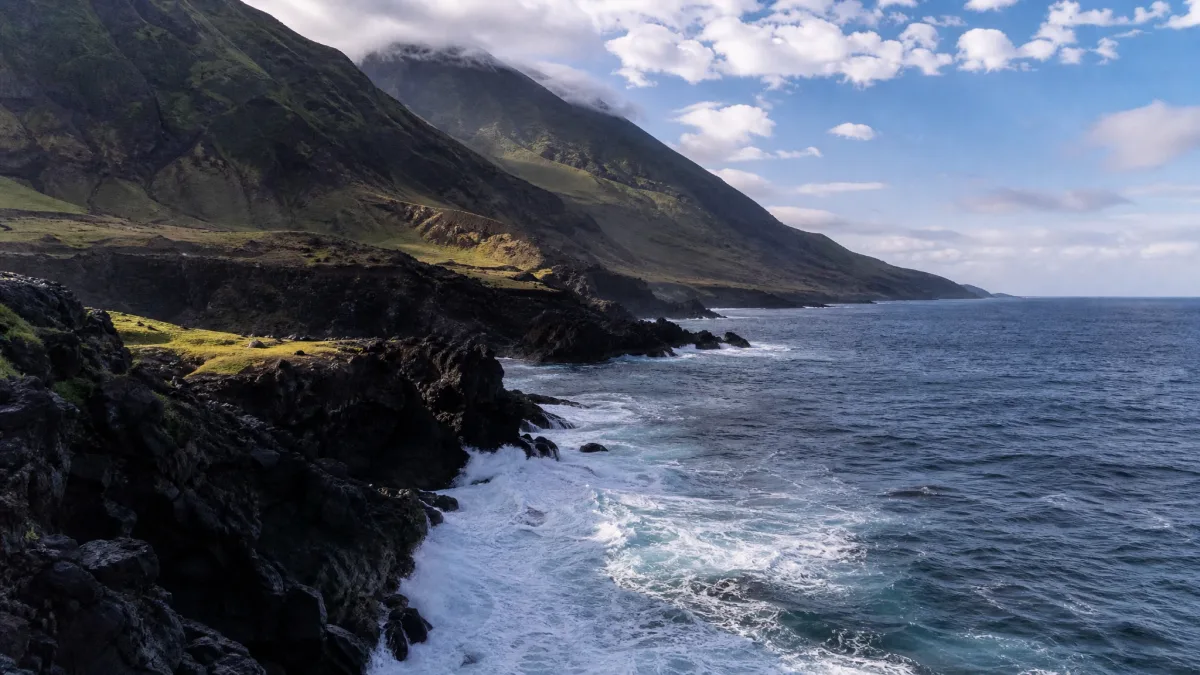
People often compare Tristan da Cunha to temporary Antarctic research stations, but unlike isolated outposts of scientists, this tiny South Atlantic community has quietly sustained generations of families.
Stepping onto the rocky shore after a grueling six-day crossing aboard a fishing vessel from Cape Town, you realize immediately that the absolute absence of an airstrip leaves the unpredictable ocean as your only lifeline.
As a curious traveler wondering what daily life looks like in a settlement completely cut off from the outside world, you quickly face the ultimate question: is such profound isolation a romantic escape or a brutal psychological test?
Surviving here for a full week reveals that extreme remoteness demands absolute reliance on erratic maritime transport, tight-knit community cooperation, and relentless mental endurance.
Tristan da Cunha Quick Planning Guide
Getting There Requires a Week-Long Sea Voyage
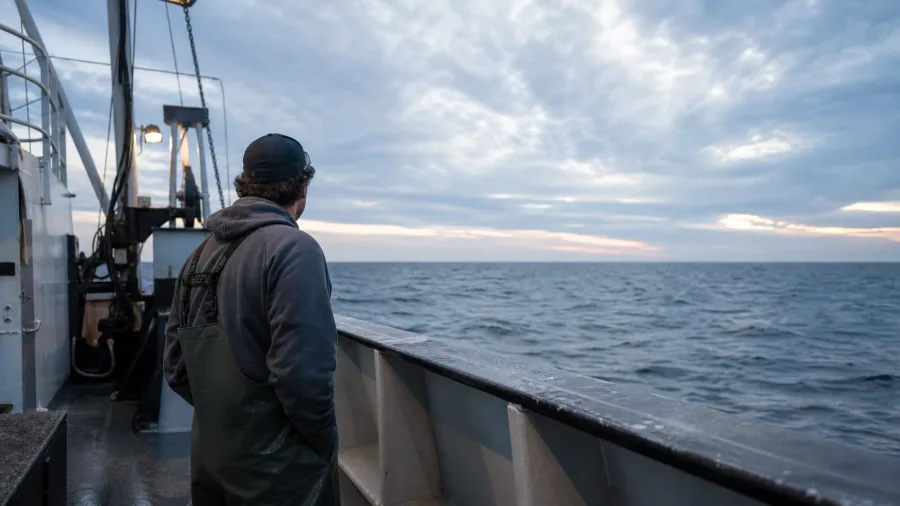
Reaching Edinburgh of the Seven Seas demands enduring a grueling six-day crossing across turbulent southern seas aboard a fishing vessel.
You board the ship in Cape Town, watching the continental coastline slip away into gray swells that stretch toward Antarctica. For nearly a full week, the vessel pitches through heavy Atlantic rollers, testing your stomach and your patience as you sleep in a cramped bunk while saltwater coats the deck windows.
Tristan da Cunha possesses no airstrip, rendering maritime transport the sole link to the outside world. Because airplanes cannot land on the rugged terrain, every person, letter, and spare part must arrive by boat or not at all.
Sea weather remains entirely unpredictable, frequently testing vessel stability and passenger endurance during the South Atlantic voyage. A sudden gale can halt progress for hours, leaving the captain to circle in open water until the storm clears enough to permit a safe approach to the island’s rocky shores.
⚠️ COMMON MISTAKE
Assuming Departure Dates Are Fixed
Never book non-refundable onward travel immediately after your scheduled return date, as sea conditions routinely push vessel departures back by a week or more.
Supplies Depend Entirely on Infrequent Cargo Ships
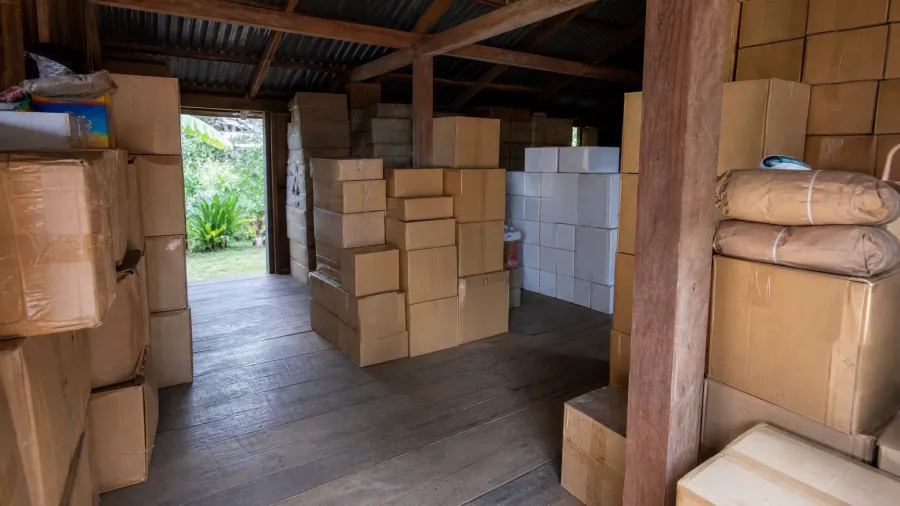
Having stepped off the boat, you quickly realize that sustaining life on the island depends entirely on infrequent cargo deliveries.
Fresh provisions and mail arrive only a handful of times per year, dictating strict local rationing. When the rare supply ship finally drops anchor, the entire village unloads crates of flour, tinned goods, and letters from relatives abroad, knowing these items must last months until the next vessel appears on the horizon.
Produce rationing becomes a daily necessity between deliveries as stocks dwindle across the island. You notice how local households carefully portion out apples and oranges, treating fresh fruit as a luxury while relying on potatoes and stored root vegetables to fill the gap.
Missed shipments due to rough swells disrupt local supplies, forcing households to manage scarcity through deep conservation. If high waves prevent the cargo boat from offloading, families share their remaining flour and trade pantry staples across the lane to ensure everyone eats until the weather finally breaks.
Logistical Realities at a Glance
Key figures defining survival on Tristan da Cunha
A Single Settlement Houses the Entire Population
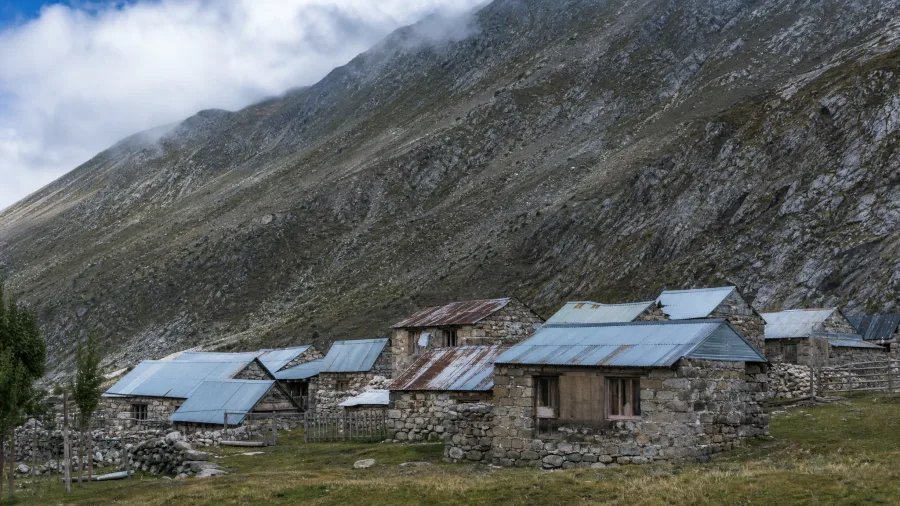
With supplies tightly bound to erratic cargo schedules, the physical layout of the settlement concentrates the entire population into a single cooperative hub.
Edinburgh of the Seven Seas stands as the sole village, uniting approximately 240 permanent residents in a tight-knit cooperative society. Walking through the center, you see every home clustered together on the flat strip of land beneath the steep volcanic peak, forming a tight community where everyone knows your business within an hour of your arrival.
The village layout features closely grouped stone cottages designed to withstand harsh oceanic winds. Thick walls and low tin roofs battened down with stones protect the interiors from the relentless gales roaring off the South Atlantic.
Daily survival relies completely on deep family ties and shared labor across the community. Neighbors constantly pitch in to repair fences, mend fishing nets, and harvest potatoes together, proving that isolation leaves no room for rugged individualism when the wind starts tearing at the roof.
Community Essentials
Connectivity Is Restricted by Satellite Limits
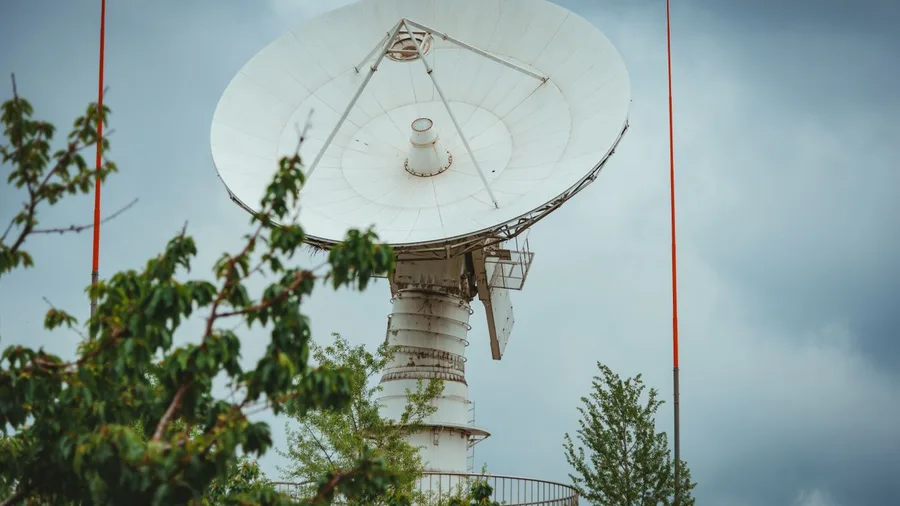
Accessing the internet during my seven days on Tristan da Cunha meant dealing with a single satellite connection that crawled under heavy loads. Every megabyte cost a small fortune, forcing both locals and visitors to ration data down to the bare minimum required for basic text messages.
Communication blackouts occurred without warning whenever thick cloud cover rolled in off the South Atlantic or bandwidth limits were exceeded. During those quiet gaps, daily plans had to proceed entirely without real-time external updates or weather forecasts from the outside world.
I watched my phone screen freeze repeatedly while trying to load a simple email, reminding me just how disconnected this community truly is from global infrastructure. If you need constant connectivity while traveling, this remote settlement will test your patience within the first twenty-four hours.
You stop checking feeds when a single webpage costs more than a fresh loaf of bread.
— Local perspective on satellite bandwidth
Lobster Fishing Drives the Local Economy
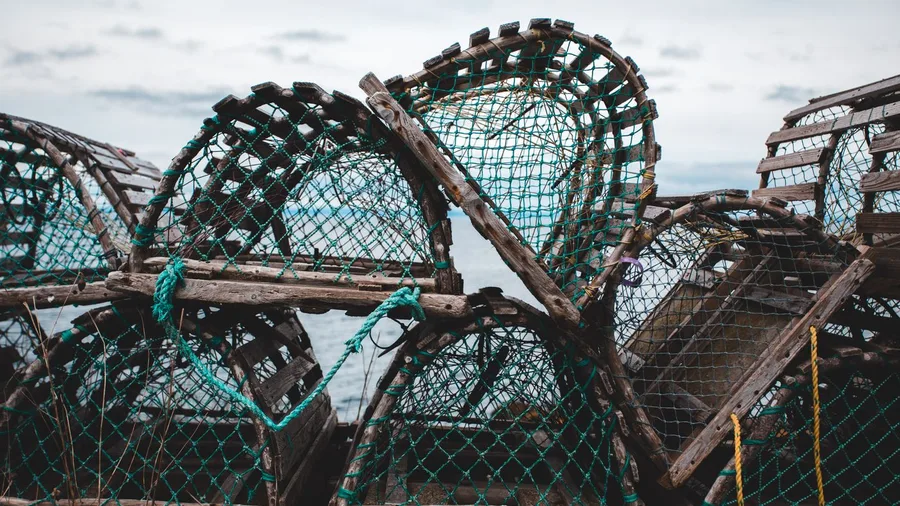
People make a living here through commercial rock lobster fishing, which serves as the absolute financial lifeblood for global trade and local survival.
Every haul is carefully processed right on the island before being exported to lucrative international markets, generating the community’s primary cash income.
Alongside the fishery, secondary subsistence farming practices help supplement local diets and reduce dependence on expensive imported goods from afar.
💡 PRO TIP
Observing Local Trade
Visit the island processing plant early in the morning when the fishing boats return to see how the entire export operation runs smoothly.
Weather Dictates Every Single Daily Plan
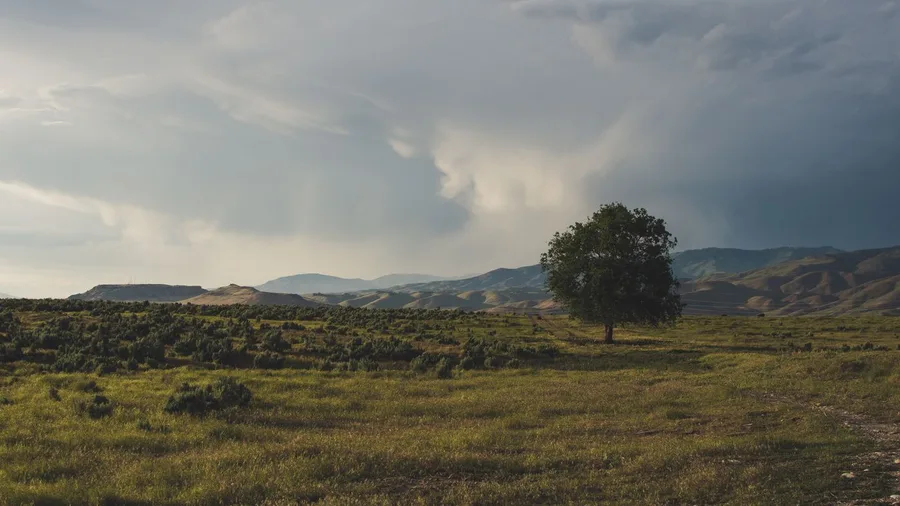
Unforgiving oceanic gales sweep across the settlement with little warning, restricting outdoor movement and instantly halting scheduled activities. Standing near the shoreline during a sudden squall, I felt wind gusts strong enough to make walking upright a genuine physical challenge.
The surrounding volcanic geography creates severe wind shears and microclimates that shift dramatically from one side of the village to the other. A calm morning can turn into a howling storm within minutes as heavy clouds descend sharply over the jagged mountain peak behind the houses.
Total schedule flexibility remains essential for basic survival as nature continuously overrides human plans. You quickly learn during a stay here that boats leave, meetings happen, and walks take place only when the surrounding ocean and sky decide to allow it.
Environmental Exposure Spectrum
Measuring natural disruptions to daily routines
- Gentle Breeze: Rare calm days allowing normal outdoor tasks
- High Winds: Frequent gales restricting higher altitude walking
- Severe Storms: Complete lockdown indoors halting all village movement
Social Isolation Brings Unique Psychological Pressures
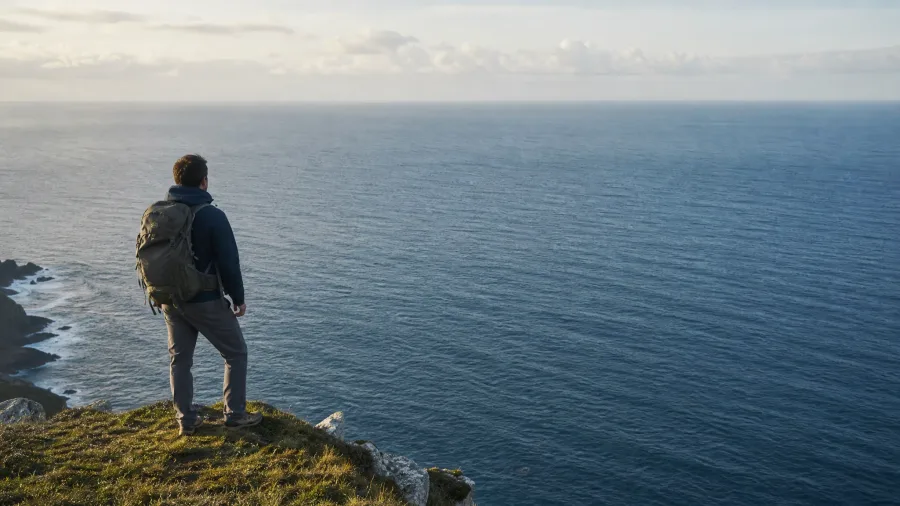
Living thousands of miles from the nearest continental landmass casts a distinct psychological weight over anyone spending a full week in Edinburgh of the Seven Seas. When you are confined to a settlement of roughly two hundred and forty people with no airstrip for escape, the sheer emptiness of the South Atlantic closes in around you faster than you expect.
Constant environmental pressure combined with close proximity to the same small group of residents generates unique internal dynamics that test your patience and resilience. Modern urban stress vanishes entirely, replaced by a profound quietude that hums silently across the volcanic landscape.
Fortunately, local families offer deep warmth and a genuinely welcoming nature that easily cushions visitors against the vast emptiness. Sitting in a stone cottage over tea while gale-force winds rattle the windows, I found that human connection becomes the ultimate anchor against the psychological vastness of the ocean.
The silence at night is absolute, broken only by the distant crash of heavy waves against the black basalt cliffs. It forces an internal reckoning with your own thoughts that few modern destinations can ever replicate.
Social Dynamics and Coping
Key factors in maintaining community resilience
Departure Is Always at the Mercy of the Sea
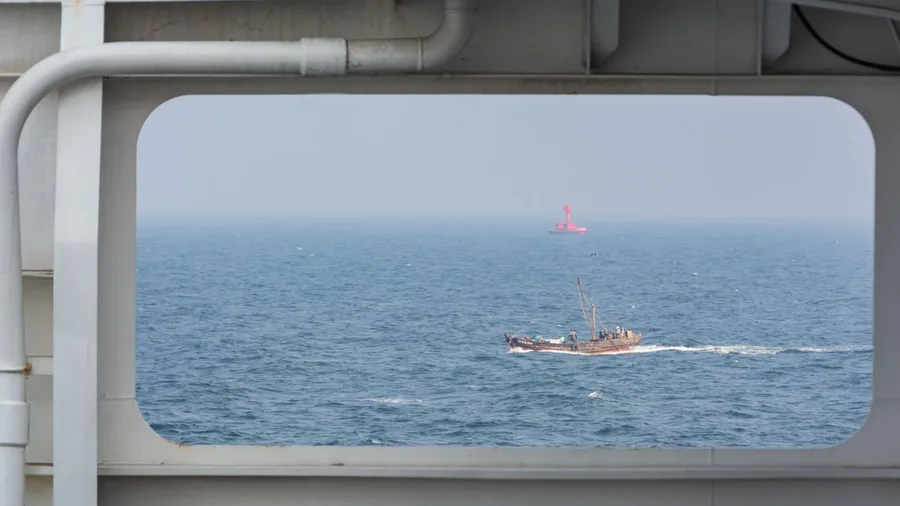
Leaving Tristan da Cunha is never guaranteed on a specific calendar date because heavy swells and shifting ocean gales can delay maritime transport indefinitely. As my scheduled week of fieldwork drew to a close, the harbor master walked down to the stony shore and simply pointed toward the gray horizon where the fishing vessel sat anchored beyond the breakers, waiting for safer waters.
The anxiety of potential weather delays creates a lingering uncertainty for anyone attempting to catch return transport back to civilization. When you rely entirely on a single commercial ship rather than a scheduled airline, your departure schedule remains completely at the mercy of the sea.
Stepping back aboard for the return passage requires clearing that final logistical hurdle of a stormy six-day sea voyage across two thousand miles of turbulent ocean toward Cape Town. I stood on the rolling deck watching the isolated settlement fade into the mist, acutely aware that nature had granted me only a temporary window at the absolute edge of the world.
Frequently Asked Questions
How long does the boat journey take from Cape Town?
The crossing takes approximately six days each way, depending heavily on southern ocean swells and wind conditions.
Can anyone visit Tristan da Cunha as a tourist?
Visits are strictly controlled, requiring advance permission from the island council along with booked passage on approved vessels.
Is there a hospital or medical facility on the island?
A small medical center staffed by resident nurses and visiting doctors handles basic care, though major emergencies require evacuation.
What currency do residents use for daily transactions?
The island uses the British Pound Sterling, and visitors should bring sufficient physical cash since digital payment terminals are rare.
What happens if the supply ship is canceled?
Residents rely heavily on stored rations, home gardens, and local fishing stocks until the next weather window opens for maritime cargo.
Weighing Absolute Isolation Against Human Resilience
Spending a week in Edinburgh of the Seven Seas proves that extreme remoteness is never a picturesque vacation or a casual tourist diversion; it is an unyielding test of patience and character.
Returning to the thought of what pulls a traveler to the edge of the map, you realize that daily life here strips away every modern distraction, leaving only the raw power of the ocean and the resilience of two hundred and forty people.
Only highly adaptable travelers suited to profound solitude should ever book passage on that fishing vessel, knowing the sea decides when you arrive and when you finally get to leave.
Plan Your Remote Expedition Carefully
Review the logistical guidelines and transport schedules in our quick planning guide before committing to a southern ocean voyage.