I Visited Every Country in Europe in 90 Days

Most people do Europe in chapters – a week in France, a long weekend in Portugal, maybe a swing through the Balkans if they’re ambitious. I did it differently: forty-four countries, ninety days, one 40-liter pack, starting in Lisbon on a Tuesday in early June and ending somewhere I did not expect.
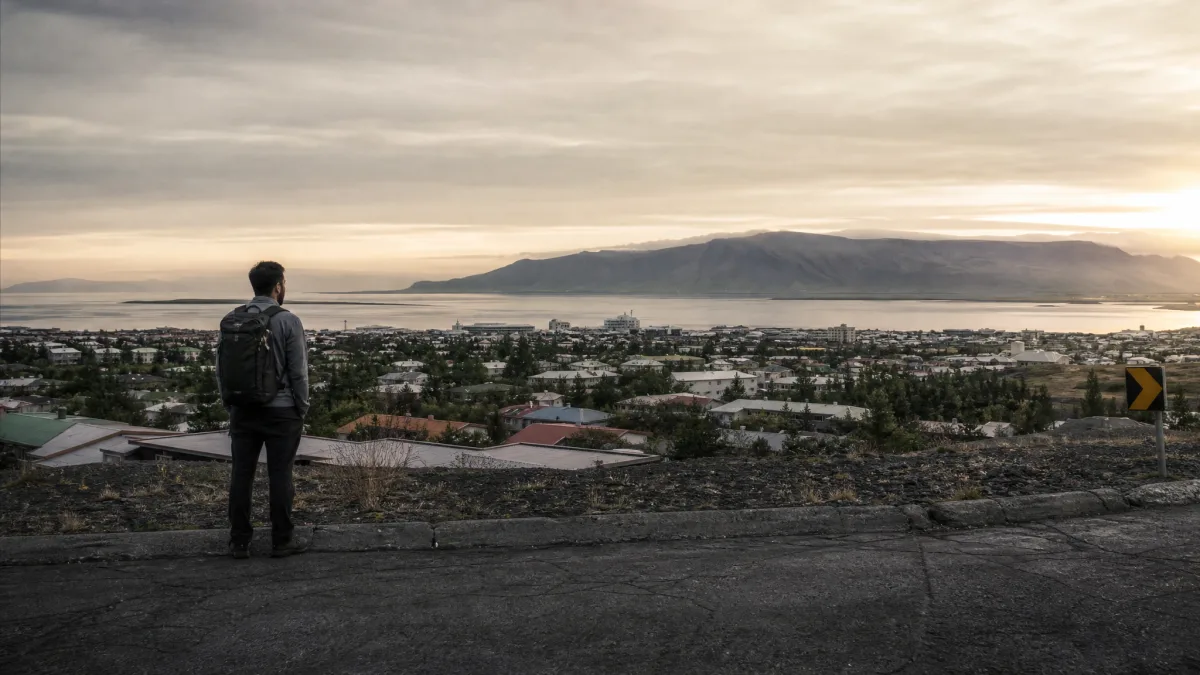
The honest image of how it finished is this: a car park outside a Reykjavik guesthouse at midnight, full daylight pouring over everything, too tired to feel anything resembling triumph. That is what completing every country on the continent actually looks like. Not a reel. A spreadsheet that still broke in week two, $11,800 spent from departure gate to arrival gate, and a backpack I never fully unpacked.
It is doable. Not as a stunt – as a structured, expensive, exhausting, and occasionally transcendent piece of travel. But only if you go in knowing the legal constraints, the real costs, the things that will go wrong, and whether your own threshold for discomfort and uncertainty is high enough to make the format work for you rather than against you.
By the end of this, you will know all of that. Whether you should actually go is a question only you can answer – but you will be able to answer it honestly.
⚠️ COMMON MISTAKE
Don't Book Ten Weeks Out
Locking in accommodation and transport more than two weeks ahead on a trip this fluid is a money trap. A single strike, a closed border, or a late ferry will cost you the non-refundable bookings downstream. Book weeks three through twelve no earlier than 48–72 hours out.
44 Countries Is a Real Number, Not a Trick
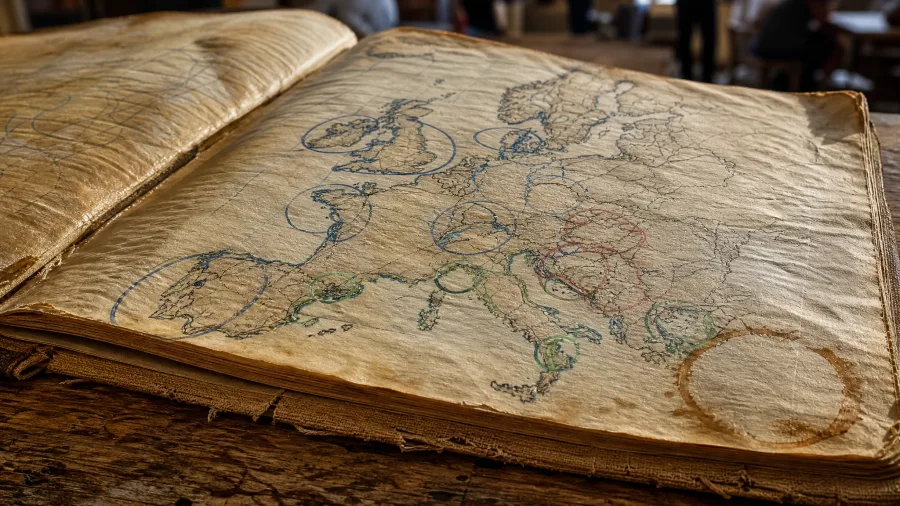
Depending on which list you use, Europe has anywhere from 44 to 51 countries – and that gap is not a rounding error, it is a set of genuinely contested decisions about transcontinental states, partially recognized territories, and political entities that exist in real life but not in international law. Before booking a single night, I picked a number and committed to it.
The 44-country figure comes from applying the most widely used geographic-political definition: UN member states located primarily in Europe. That excluded transcontinental countries counted under other continents and unrecognized entities like Transnistria – places that are real and interesting but that would have made the trip’s endpoint impossible to define. Kosovo was a harder call. It functions as a country, has its own currency and border controls, and most travelers treat it as one. But its passport stamp creates complications at the Serbian border, and restructuring the Balkans loop to avoid that problem would have cost several days and put Schengen timing at risk. UN membership was the working rule, not a political verdict.
The five micro-states – Vatican, San Marino, Monaco, Liechtenstein, Andorra – are on the list and are genuinely sovereign. Each was handled as a day trip from a nearby base city, which is the accurate way to count them. Calling that a cheat misunderstands what those countries actually are; none of them has a major airport or a reason to stay more than a night.
Those micro-state day trips are also what makes the 2-day-per-country average misleading. Portugal got four days. Romania got five. Turkey got four nights in Istanbul alone. The average is dragged down by afternoon visits to Monaco, not by sprinting through Lisbon. Fixing the country definition early meant every subsequent decision – which rail pass to buy, how to structure the visa windows, where the route had to start and end – could be made against a stable target instead of a moving one.
The Trip in Four Numbers
The Route Took Three Weeks to Plan and Still Broke
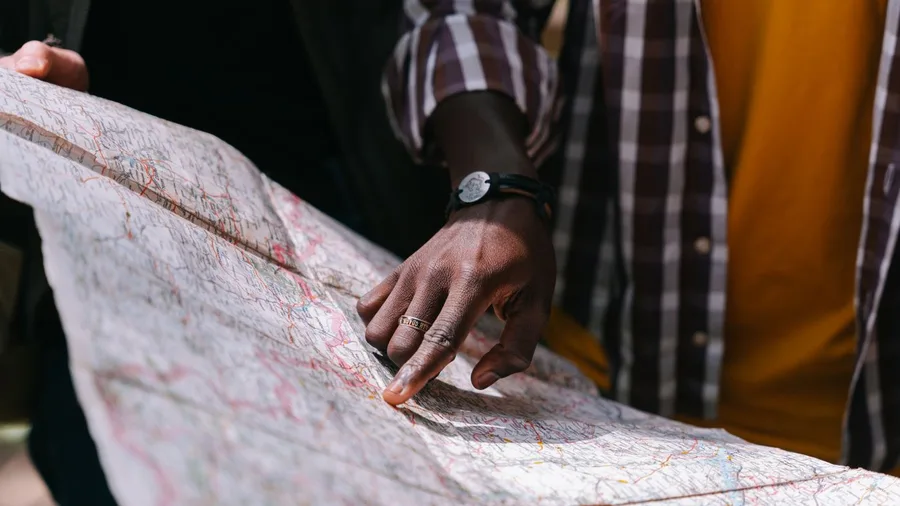
Once the country list is settled, the next problem is sequence: finding an order that is geographically efficient, keeps ferry connections intact, and saves the non-Schengen countries for when the visa clock needs relief. The route I landed on after three weeks of spreadsheet work was a rough clockwise arc – Iberia west to east, north through France and the Benelux, across to the British Isles, down through Scandinavia and the Baltics, into Central Europe, then a Balkans loop through Turkey before flying to Iceland.
The Balkans ferry schedule made the southern loop non-negotiable in one direction. The Bari-to-Bar crossing into Montenegro and the Corfu-to-Albania route both run roughly three times a week. Reverse the sequence and you lose two days waiting for the next departure and pay around $140 in rebooking fees. That one constraint locked in about ten days of fixed ordering in an otherwise flexible framework.
The plan broke twice, and both times it cost money.
A rail strike hit France in week two. The €19 train from Paris to Brussels disappeared and the replacement flight – booked the same morning, middle seat, one carry-on – cost €87. I rebuilt the next three weeks of the itinerary on a hostel common-room table over about three hours, rerouting around the disruption and adjusting which legs were booked versus held loosely. The second break was a border crossing into North Macedonia closed for a national holiday that no planning resource I found had flagged. A different crossing, a different bus, half a day gone, $55 spent.
The lesson both breaks taught: pay for the first two weeks in full – flights, accommodation, key transport – and treat everything after that as a framework of timing and destinations, not a locked schedule. A framework absorbs a strike or a closed border crossing. A fully booked itinerary charges you for them.
✈️ The Route Arc — 90 Days
Lisbon to San Sebastián
Iberia west to east — the highest-energy week, best food-to-cost ratio of the entire trip.
France, Benelux, British Isles
The Eurail pass earns its cost here; a train strike in France forces the first full itinerary rebuild.
Scandinavia and the Baltics
Norway and Sweden burn Schengen days fast; Estonia and Latvia are the trip's first genuine surprises.
Central Europe — Prague to Budapest
The most tourist-optimized corridor; efficient, but the least spontaneous stretch of the whole route.
Balkans Loop — Montenegro to Istanbul
Best food, cheapest beds, most broken plans, and the strongest memories of the ninety days.
Istanbul — Four Nights
The trip's only real pause; non-Schengen, so every day here left the clock untouched.
Fly North — Reykjavik
Iceland closes the loop geographically and emotionally; the endpoint that makes the arc feel complete.
The Schengen Clock Is the Trip’s Biggest Constraint
Every logistical problem on this trip had a workaround – a different bus route, a replacement flight, an extra night somewhere cheap. The Schengen rule is the one that does not.
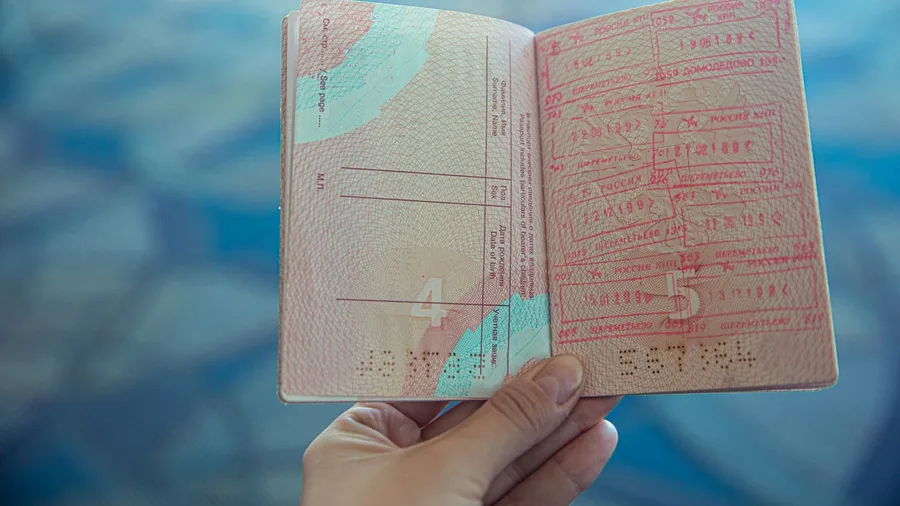
As a US passport holder, I was allowed 90 days inside the Schengen Area within any rolling 180-day period. On a 90-day trip, those numbers are identical. Every single day spent in a Schengen country was a day permanently drawn down from the total, with no buffer and no recovery. The rolling 180-day window sounds simple until you try to calculate it mid-trip; the EU’s official Schengen short-stay calculator is the only tool I trusted for real-time tracking. Getting the count wrong is not a fine or a stern conversation at the border – overstaying triggers entry bans that run for years.
The non-Schengen countries were what made the arithmetic survivable. Albania got 5 days, the UK 4, Serbia 3, Bosnia 3, North Macedonia 2, Turkey 4. None of those counted against the clock. Combined, they provided about 21 days of breathing room spread across the second half of the trip, which is the only reason the Schengen balance held at exit.
Istanbul’s 4-night stop was the longest pause of the entire 90 days, and it was placed deliberately at the Schengen midpoint. Four nights outside the zone, in a city large enough to actually rest in – that placement was not a sightseeing decision, it was a visa management decision that also happened to be the best rest of the trip.
The money section of this article covers the expenses that hurt. A missed flight, a closed border, a frozen card – all painful, all recoverable. A Schengen overstay is in a different category entirely, and it is the one mistake this trip cannot afford.
Two Days in a Country Buys a Strong Impression, Not a Place
Two days buys a confirmed first impression – and that is genuinely worth something, as long as you never mistake it for more.
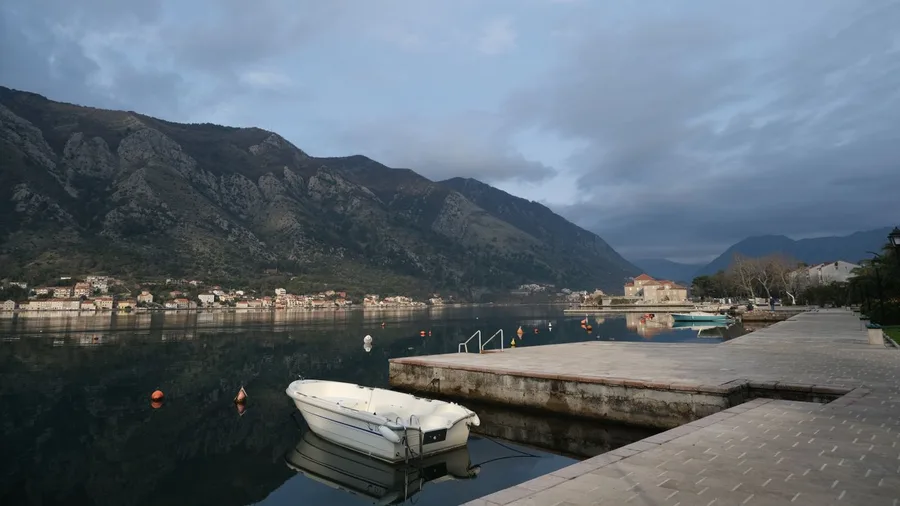
Montenegro made the case for the format. I was at the bay in Kotor at 6am, an hour before the first cruise ship arrived, eating grilled fish at a four-table waterfront spot for $6, talking to the guesthouse owner about what mass tourism was doing to the country’s southern coast. That conversation alone told me more about Montenegro than a week in a resort would have. Compressed, yes. Real, also yes.
Poland made the case against it. Warsaw’s old town – rebuilt stone by stone from rubble after the war – deserved a week minimum. I gave it two days and left feeling like I’d skimmed the back cover and called it read. Some places have a weight that two days simply cannot hold, and Warsaw is one of them.
The micro-states are a separate category entirely. Vatican, San Marino, Monaco, Liechtenstein, Andorra – none of them were two-day stops. They were afternoon trips from a nearby base: the Vatican from Rome, San Marino by bus from Rimini, Monaco as a day out from Nice. Counting them is technically accurate. A Roman or a Monegasque would find that accuracy quietly absurd, and they would be right.
The calibration that keeps this trip from feeling like a fraud: ‘visiting’ means a strong, honest first read on a place – what it costs to eat, what the streets feel like at 6am, one thing you didn’t expect. It does not mean you know the place. Anyone who needs it to mean the latter will hit a wall around day ten and spend the rest of the trip fighting the format.
This Trip Is Best For
Travel Fatigue Arrived Around Week Five and Never Left
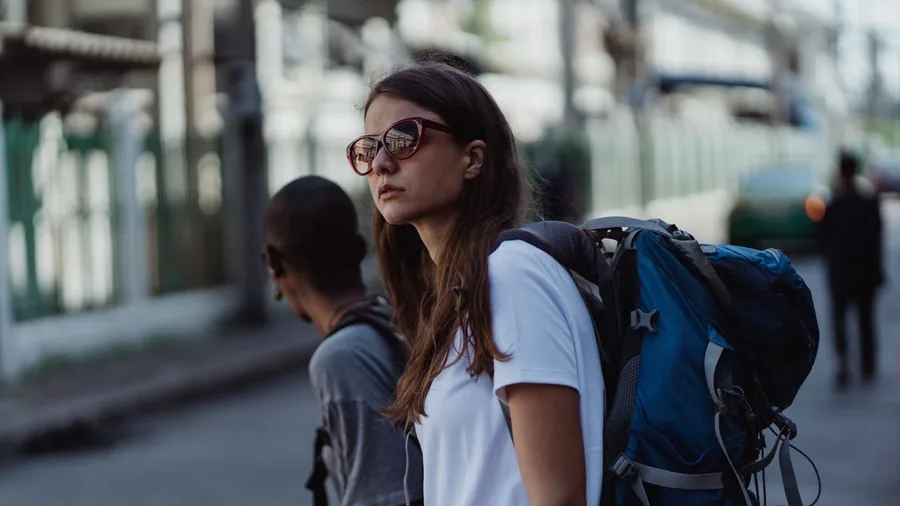
Accepting that two days is a first impression rather than a full experience is easy to agree with on paper. Living it for ten weeks straight is something different.
The first month had real momentum. Lisbon to Porto to San Sebastián, every meal worth paying attention to, every train connection a minor event. By week eight, packing a 40L bag had become as mechanical as brushing teeth – and about as interesting. The acts that felt like travel in week one had become the overhead costs of being somewhere else.
The exact moment fatigue arrived: crossing from Hungary into Romania on day 32. Not tired in the body – tired of arrival. Another city, another hostel check-in, another orientation walk that started to feel like a rehearsed routine rather than a discovery.
The practical symptoms got worse before they leveled off. In Bulgaria I went three consecutive days without taking a single photograph. Not because there was nothing worth seeing – there was – but because noticing things required an effort I couldn’t summon. I ate at the hostel two nights running rather than going out. I skipped a monastery I’d planned to visit because the walk felt too long and the planning felt too heavy.
The one thing that helped: 45 minutes every morning in whatever café was nearest, no phone, no itinerary, just coffee and the street outside. Not sightseeing, not preparing for the next leg. Just sitting somewhere without needing anything from it.
The fatigue didn’t lift. It became the ground condition – the filter through which the last 20 countries were seen. That is a real cost, and it doesn’t appear anywhere in the $11,800.
How the Trip Changes Week by Week
Hostels Worked Until Eastern Europe, Then They Were the Best Part

Sleep quality turned out to be the variable that determined how well each day actually worked – and accommodation cost $3,100 across the 90 days: 68 hostel nights ranging from $18 to $32, with budget hotel rooms averaging around $55 filling in where dorm beds were either scarce or, absurdly, more expensive than a private room in high season.
Western European hostels were exactly what they advertise: clean enough, central enough, and full of 22-year-olds on two-week Interrail passes working through the same acoustic guitar repertoire in every common room from Lisbon to Amsterdam. Nothing wrong with them. Nothing memorable either.
Then the route moved east, and the hostels got better.
In Tirana, a family-run place held a communal dinner every Tuesday – the owner brought out a lamb stew and sat down with the guests, and the conversation that night covered Albanian politics, the price of concrete, and whether Berat or Gjirokaster was worth the extra bus fare. Best single evening of the first six weeks. In Riga, the hostel offered a midnight slot in a courtyard sauna, free, bookable at the front desk. That courtyard had no logical reason to exist and it was perfect.
The Balkans and Baltics ran like that consistently – smaller dorms, newer buildings, owners treating the place as a project rather than a portfolio asset. The tourist volume hadn’t yet turned them into machines.
By night 80, dorm beds were finished. One snorer in Ljubljana and a 4am arrival in Vilnius had used up whatever tolerance remained. Private hostel rooms at $28-38 versus $18-22 for a dorm bunk: the premium was small enough that not paying it started to seem like a false economy. The last ten nights were quiet, and quiet was worth more than the saving.
Accommodation Breakdown — 90 Nights
🛏️ Dorm vs. Private Hostel Split
~58 dorm nights / ~10 private hostel nights within the 68
🏨 Budget Hotel Nights
~22 nights / ~$55 avg — used where dorm beds were scarce or priced the same
📅 Advance Booking Required?
Western Europe: 3–5 days minimum in summer. Balkans and Baltics: walk-in worked most nights.
🏙️ Micro-State Workaround
All 5 micro-states handled from a nearby base city — saved an estimated $200–350 vs. in-state rates
💸 Highest Single Dorm Rate
~$85–90 in Switzerland — more than a private room cost in Albania for a week
The Real Floor
Albania at $38/day total means accommodation ran around $15–18 — the cheapest stretch of the trip. If the budget needed rescuing, two nights there bought back a night in Zurich.
Overnight Trains Sound Romantic and Mostly Are Not
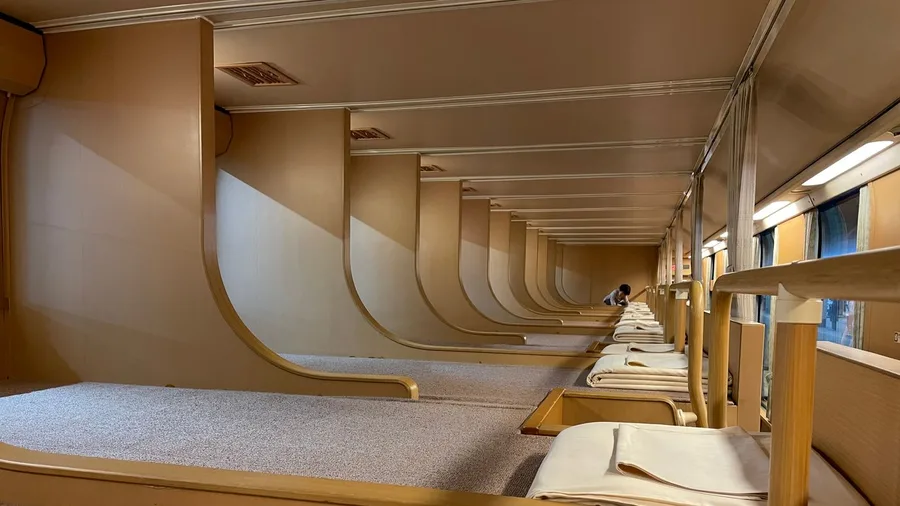
Overnight trains solve two problems at once – transport and accommodation – and they deliver on that promise about half the time.
The maths only works when the leg is long enough. A couchette from Vienna to Warsaw runs around €45. The daytime alternative is roughly €30 in train fare plus €22 for a hostel bed – so you’re near break-even on cost, but you arrive having saved a full travel day. That’s the version where overnight trains make sense. On a short leg, the arithmetic inverts: you pay more than a bus ticket and sleep worse than a bunk.
Bucharest to Sofia worked similarly – couchette around €35 versus a €20 bus and €18 hostel bed. Near break-even, but the train pulled in at a reasonable hour. The Balkan overnight buses undercut every train on price, sometimes €8-12 for five hours, and then deposited you outside a locked hostel door at 4:30am with nothing to do but sit on your bag.
The romantic version – wine, a novel, waking up in a new country – held up exactly once, on that Vienna-Warsaw leg. The Bucharest-to-Sofia couchette was six berths, a duvet that carried the memory of many previous guests, and overhead lighting that couldn’t be switched off until midnight. A family of four had the other four berths. Nobody slept well.
The rule that actually held: book overnight travel when the leg exceeds five hours, the train has a real couchette rather than a reclining seat, and arrival is after 7am. If any one of those three conditions fails, take the day train or fly. The couchette’s promise is real – it just has specific requirements.
Overnight Train vs. Overnight Bus
Overnight Couchette Train
- Eurail pass covers the base fare — couchette reservation fee adds €5–15 on top
- 4-berth compartment costs more than 6-berth and is worth the gap if sleep matters
- Book 2–3 weeks out; Vienna–Warsaw and Budapest–Krakow sell out fast
- Luggage stays in the compartment with you — no bag-drop anxiety
- Fails the value test on legs under five hours even with a real couchette
Overnight Bus
- Many Balkan operators don't take online bookings — show up, pay cash, hope for a seat
- Drop-off is roadside, not a station — no lockers, no café, nowhere to wait
- Flixbus routes in Western Europe run closer to schedule; independent Balkan operators do not
- Some legs — Skopje to Tirana, for instance — have no train alternative at all
- The real cost isn't the ticket; it's losing the first half of the next day to exhaustion
The $11,800 Budget Broke Down in Two Predictable Ways

Every transport decision has a cost attached, and those costs land in one of four places: $1,800 got me to Europe and home from Reykjavik; $2,650 moved me between countries – $1,100 of that was the Eurail Global Pass, $940 went on budget flights, and $610 covered buses and ferries; $3,100 kept a roof overhead; and $4,250 paid for everything else – food, entry fees, SIM cards, the occasional ATM fee in a country that didn’t accept cards.
The daily average of $83 is a number that hides a wide range. Albania cost $38 a day – cheap guesthouses, cheap food, almost no paid attractions. Switzerland hit $210, and there is no real trick to bringing that number down; a grocery-store lunch and a hostel dorm still cost what they cost in Geneva. Norway landed at $180. Those two countries alone blew roughly $600 past what I’d planned, and the Alps detour added an extra night I hadn’t budgeted. That overage wasn’t a planning failure – it was a mathematical floor those countries set regardless of behavior.
The worst single expense was a €12 budget flight I never boarded. A ferry from Santorini to Athens ran four hours late; the flight from Athens to Tirana was gone by the time I landed; the same-day replacement cost €94. Budget flights have zero tolerance for anything upstream – a slow ferry, a delayed train, a long border queue – and I placed that €12 ticket at the end of a ferry route without thinking through what happened if the ferry didn’t cooperate.
The food-and-everything-else bucket is the only one with real flexibility. The travelers who complete this trip closer to $9,000 are buying lunch from market stalls and skipping the €15 museum. That works. It is not a lesser version of the trip – it is just a different set of trade-offs, and the countries where it works best are exactly the ones where the daily cost is lowest anyway.
One Bag Is Not a Lifestyle Choice, It Is a Logistical Requirement
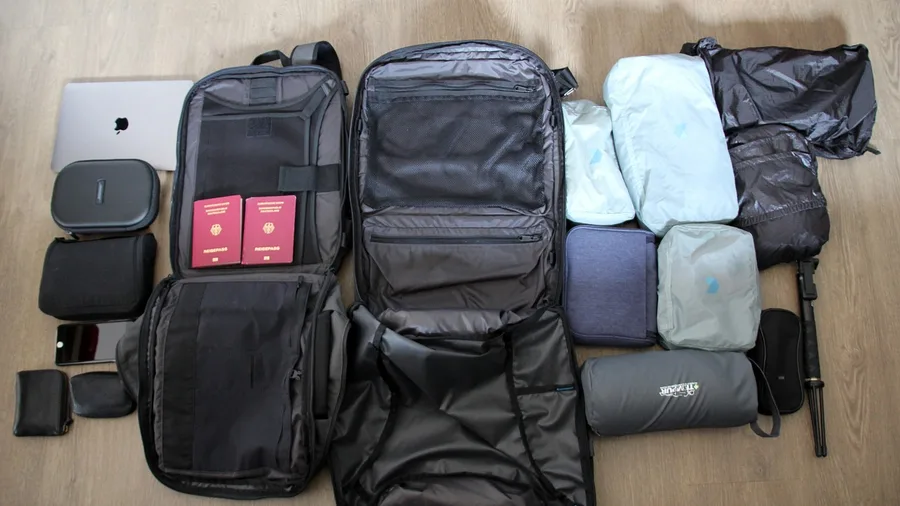
What you carry determines which flights you can afford to take. Budget carriers on this route charged €25-35 to check a bag; across 11 flights, a roller case would have added somewhere around €330 to the transport total – more than a decent 40L pack costs new. The single bag wasn’t a minimalism statement. It was arithmetic.
Four things earned their weight every single day. A packable rain layer went on in every Scandinavian country and came out twice more in the Balkans. A 10,000mAh battery pack became essential the moment I discovered that overnight trains often have one working outlet per carriage, usually occupied. A combination padlock saved €3-5 at every hostel that charged to rent one – which was most of them. A microfiber towel covered the roughly one-third of budget hostels that don’t provide any.
I over-packed shoes. Three pairs went into the bag in Lisbon; two pairs would have been one too many. By Berlin on day 18 the extra pair – and two others I’d convinced myself were necessary – went into a postal box headed home. Shipping cost €22. The pack immediately felt like a different object.
Balkan border crossings occasionally meant a manual bag search. A traveler ahead of me with a large roller case got pulled to the side; the process added ten minutes to his crossing and drew a second officer over. The single soft-sided bag went through without a second look.
The pack also functions as a hard cap on buying things. If a market purchase doesn’t fit, it either gets shipped or left. That constraint turns out to be useful: the slow accumulation of ceramics and linen and local wine is how the last month of a long trip becomes physically unmanageable, and the bag prevents it automatically.
Cards Beat Cash Everywhere Except Three Countries
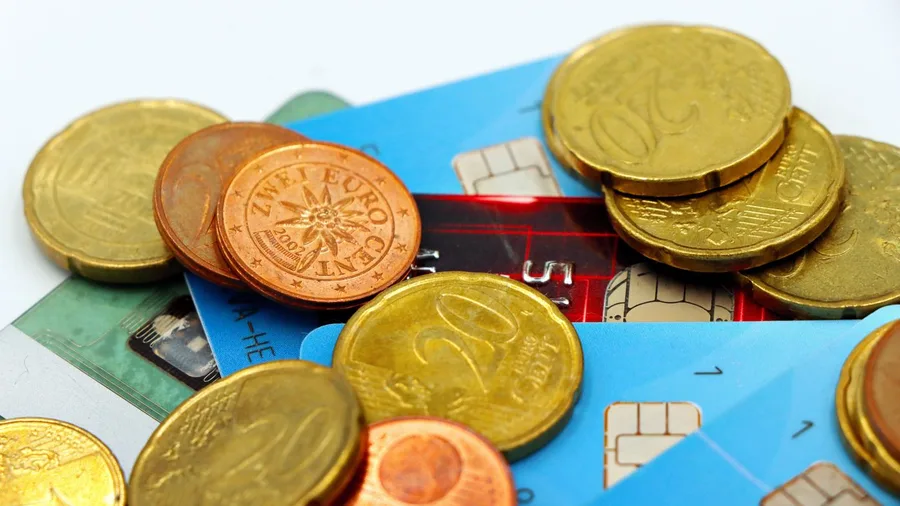
One no-foreign-transaction-fee debit card handled the overwhelming majority of spending across the trip – verify your own card’s current terms directly with the issuer, because fee structures shift – but three countries in the Balkans made cash non-negotiable in ways that couldn’t be improvised around.
Albania was the sharpest example. Outside Tirana, card readers were rare enough that relying on one was genuinely risky: the guesthouse in Berat took cash only, the fish restaurant with four tables on the waterfront took cash only, and an ATM in a small southern town had been empty for two days when I arrived. The daily spend there was $38 – the cheapest country on the trip – but every lek had to be drawn in the capital before heading south.
Kosovo uses euros, which sounds like it solves the problem. It doesn’t. Market vendors, shared-taxi drivers, and most transport outside Pristina operate on transactions too small to make card processing worth the vendor’s fee. Bosnia complicated things further: outside Sarajevo and Mostar, cash ran border crossings, countryside guesthouses, and the shared taxis that were often the only practical way between towns. Bosnia also has two currencies moving informally depending on which entity you’re in – a layer no card handles.
The real education came on day 34 in Tirana, arriving with €20 after my card was frozen for suspicious activity. Forty-four countries in five weeks reads as fraud to a bank’s algorithm, which is entirely reasonable and also a serious problem when you’re standing outside a closed hostel in the dark. The unfreeze took a 40-minute international call, a €14 Western Union fee to cover the gap, and half a day gone. Two lessons that cost that half-day: tell your bank the exact travel dates before you leave, and carry a backup card on a completely separate network.
The Countries That Broke the Routine Were the Best Ones
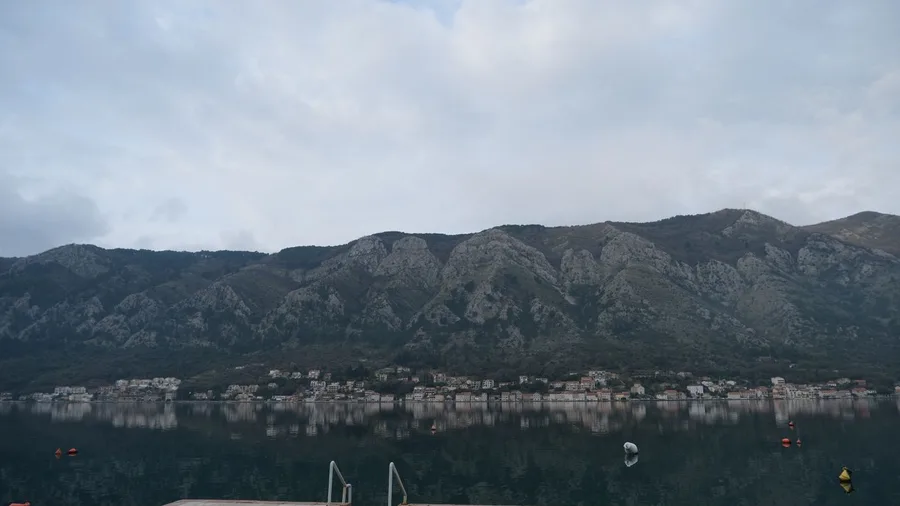
The logistics kept the trip moving, but the places that actually justified it were almost never the ones that went smoothly.
Three countries pulled extra nights out of a schedule that wasn’t supposed to bend. At Kotor bay in Montenegro, I was standing on the waterfront at 6am before the first cruise ship arrived and the water was so still it looked painted; the ferry schedule happened to allow a third night at no rebooking cost, so I stayed. North Macedonia got an extra day after a chance conversation outside a cafe turned into a three-hour lunch and a walk through Skopje that covered none of the standard sites – just the parts the person I was talking to actually used. Albania earned a fourth day because the guesthouse in Berat had a rooftop, and over breakfast the owner’s daughter was describing how Byzantine fresco restorers match pigment in churches that haven’t seen natural light in six centuries. There was no good argument for leaving.
Prague was the counter-example. Beautiful city, efficient transit, food that won’t disappoint – and so completely engineered for tourist throughput at every price tier that an unrehearsed moment required active work to find. The reputation is accurate. It’s also exactly what makes the place feel, at pace, like a very good theme park.
The pattern held across all 44 countries: friction produced memory. A language gap, a missed connection, a host who rewrote the afternoon – those moments are still specific. The frictionless stops produced clean photographs and almost nothing else. If you’re building slack into the route, put it in the Balkans and the Baltics, where extra days are cheap and the unexpected hasn’t been smoothed away yet.
There Are Things 90 Days Cannot Buy Back
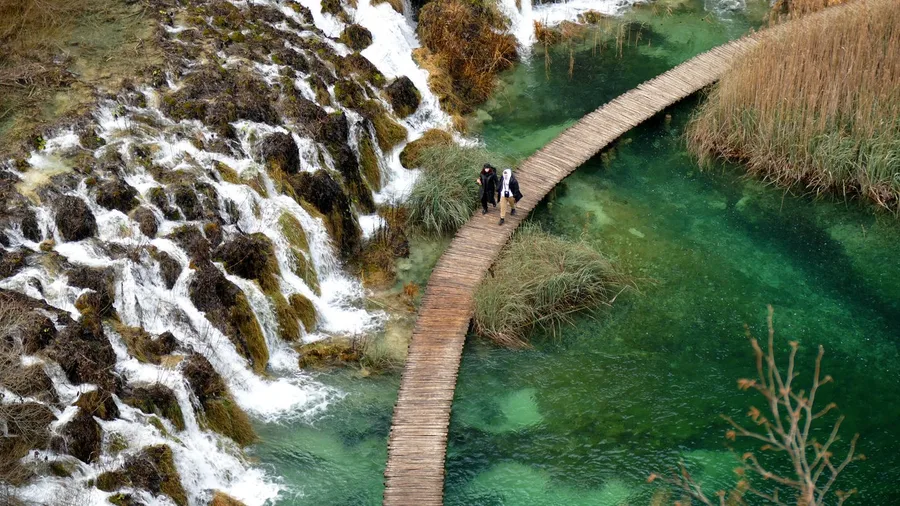
The places where pace slowed – by accident or by stubbornness – were the ones that produced something real. Which makes the honest accounting harder: what did moving this fast make permanently impossible?
Two things were done badly enough that I still think about them. Plitvice Lakes in Croatia got two hours in the middle of a sunny afternoon, surrounded by tour groups, instead of the early-morning walk the place deserves – I was through the gate at noon and out by two because the next bus wouldn’t wait. The Scottish Highlands happened in a black train window because I took the overnight service to save a day, and a landscape people plan entire trips around exists in my memory as literally nothing. Those aren’t minor miscalculations. They’re the cost of the format, paid in specific places.
Some entries on the 44-country list were thin in ways a local would find pointed. Andorra was a stop between two Spanish cities, used mainly to buy cheaper goods before crossing back. Liechtenstein was a passport stamp and a schnitzel. Monaco was a coffee, two hours, and a photograph of boats. Sovereign nations – yes, technically counted.
The trip proved it can be done: 44 countries, 90 days, $11,800, no Schengen violation, no hospitalizations. That proof is worth something as a map of the continent’s scale and range. It is not the same thing as knowing Europe. If I ran the same route again, I’d cut the country count to 25, add 30 days, and spend a month in the Balkans alone – roughly the same budget, a fundamentally different result. The 90-day version is worth doing once. Whether it’s worth doing at all depends entirely on what you’re willing to call a visit.
Frequently Asked Questions
Is it actually possible to visit every country in Europe in 90 days?
Logistically, yes — 44 countries in 90 days is a real trip, not a theoretical exercise. It requires a fixed country definition before you book anything, obsessive Schengen day tracking, and treating your itinerary after week two as a framework rather than a fixed schedule. Whether it is satisfying depends entirely on whether you can accept a confirmed first impression as the goal, not a completed experience of a place.
How much does an all-Europe trip in 90 days actually cost?
This version cost $11,800 total including round-trip flights from New York — $83 per day on the ground. The Balkans run $40–55/day and offset the Swiss and Scandinavian days at $180–210. The single most flexible budget line is food and activities, where a disciplined traveler can save $1,500–2,000 by eating market food and skipping paid entry fees.
Do you need a Eurail pass for a trip like this?
A Eurail Global Pass paid for itself by week four on this route, primarily on Central European and Schengen rail legs. For a trip with more budget flights, calculate your expected rail mileage first — the pass breaks even at roughly six to eight long-distance legs. The non-Schengen Balkans are largely not covered by Eurail, so buses and ferries fill those gaps regardless of whether you have a pass.
What is the hardest part of the trip that no one warns you about?
Travel fatigue that arrives around week five and never fully lifts. It is not physical — it is an indifference to arrival, a feeling that the logistics of being somewhere have crowded out the point of being there. Building one genuinely slow morning per week, even just a two-hour breakfast with no phone and no plans, is the only consistent fix.
Can an American do all 44 countries without arranging visas in advance?
American passport holders can enter all 44 countries on this list without a pre-arranged visa, subject to the Schengen 90-in-180-days rule for EU member states. Track Schengen days with the EU’s official calculator, not a self-built spreadsheet. The one edge case to research separately is Kosovo, whose passport stamps can create complications at subsequent Serbian border crossings — the reason this trip used UN membership as its country-list rule.
Is it better to do 44 countries in 90 days or pick fewer and go deeper?
Both are legitimate. The 90-day all-Europe format gives you a genuine continent-wide orientation — you finish knowing the economic range, the geographic logic, and exactly which places need more time. The 25-country version done in 120 days costs roughly the same money and produces deeper experiences. Do the 44-country version if you want the survey and can accept it as one. Do the focused version if understanding matters more to you than scope.
Forty-Four Countries In, Here Is Who This Trip Is Actually For
This trip suits a specific kind of traveler: someone who can treat arriving in a country as the opening line of a conversation rather than the whole exchange – a real encounter that builds an honest impression and a list of reasons to return. It also requires someone who finds a missed connection or a rerouted bus genuinely interesting to solve, and who can carry ninety days of not knowing where they’ll sleep in a fortnight without that uncertainty bleeding into every waking hour. If that describes you, the format delivers.
It will genuinely disappoint anyone who measures travel by depth – by language absorbed, community found, place understood from the inside. Depth requires time, and time is exactly what ninety days across forty-four countries structurally denies. That is not a flaw to be managed; it is the design.
If the verdict is yes: before you open a single booking site, go to the official EU Schengen short-stay calculator, count your ninety days against the zone’s ninety-in-one-eighty rule, identify which countries sit outside it, and build your route around those pressure valves. Everything else – the missed trains, the wrong hostels, the ferry that runs twice a week – can be figured out on the road. The visa math cannot. Get that right first, and the rest of the trip, including the part where you end up standing in a Reykjavik car park at midnight in broad daylight wondering what comes next, will take care of itself.