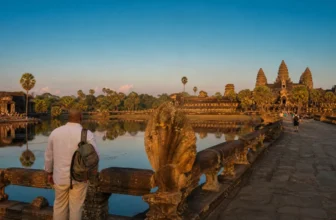
Top 25 Wonders of the World You Haven’t Heard Of

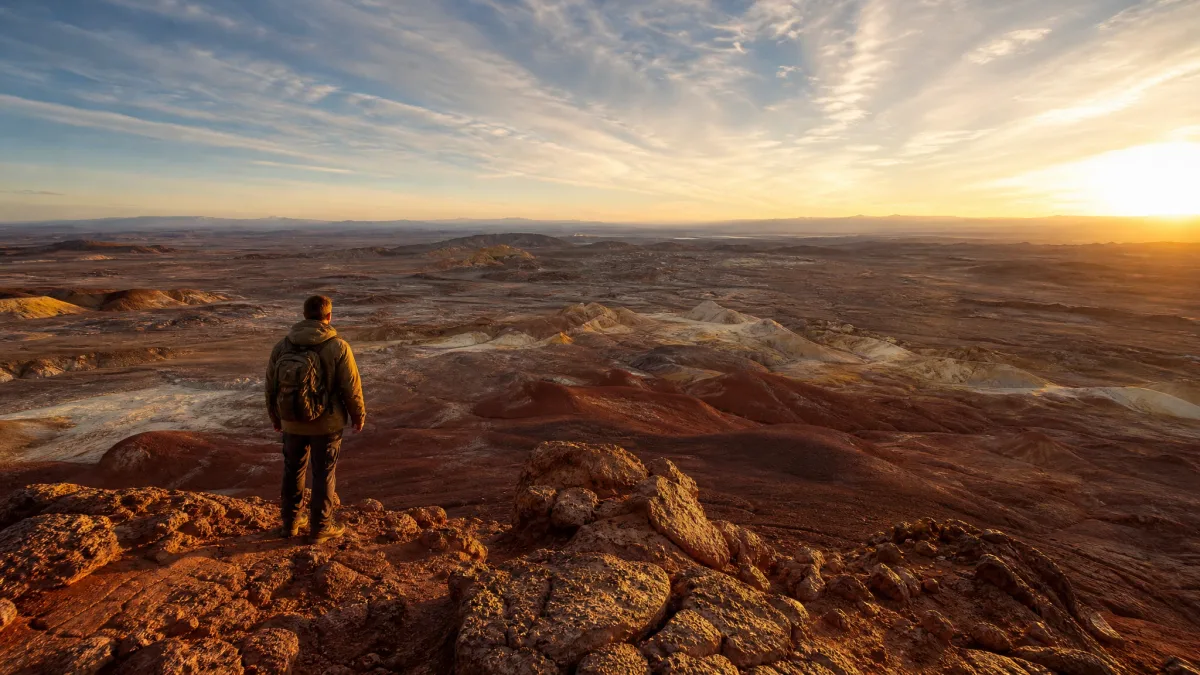
Most travelers make the critical mistake of booking crowded mainstream resorts while ignoring the planet’s raw, remote geological spectacles.
True global exploration requires navigating remote locations, specific seasonal windows, and specialized local logistics to experience the world’s most hidden wonders.
You will trek across ancient table-top mountains, dive into submarine sinkholes, wander through crimson coastal wetlands, and cross shifting glacial caves.
Read on to map out your next major journey with exact budgets, transport requirements, and seasonal timing windows.
Quick Tips Before You Start
Vehicle Rentals
Secure a rugged 4×4 vehicle well in advance for desert and mountain routes.
Daily Budgets
Plan for local expenses ranging between $50 and $200 USD per day.
Seasonal Windows
Target precise 3 to 5 day seasonal weather windows for optimal access.
Permits and Guides
Book official local guides and regional entry permits before arrival.
How Far Is the Drive to Remote Global Wonders?
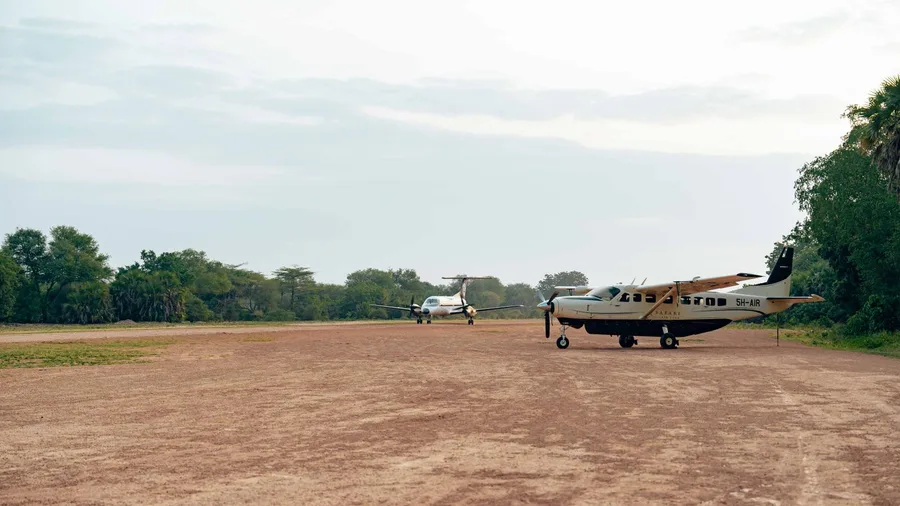
Reaching these destinations demands serious driving time and regional flight coordination.
You will often need specialized transport like chartered bush planes, hovercrafts, or armed military escorts.
Plan your transit routes carefully before leaving major hubs.
At a Glance
When Is the Best Time to Go?
Seasonal constraints dictate whether you can access ice caves, salt flats, or desert craters.
Always align your departure dates with local weather shifts, rainy seasons, or winter freezing cycles.
Global Wonders Route Map
Save this route map before planning your expedition.
1. Explore Derweze Gas Crater in Turkmenistan
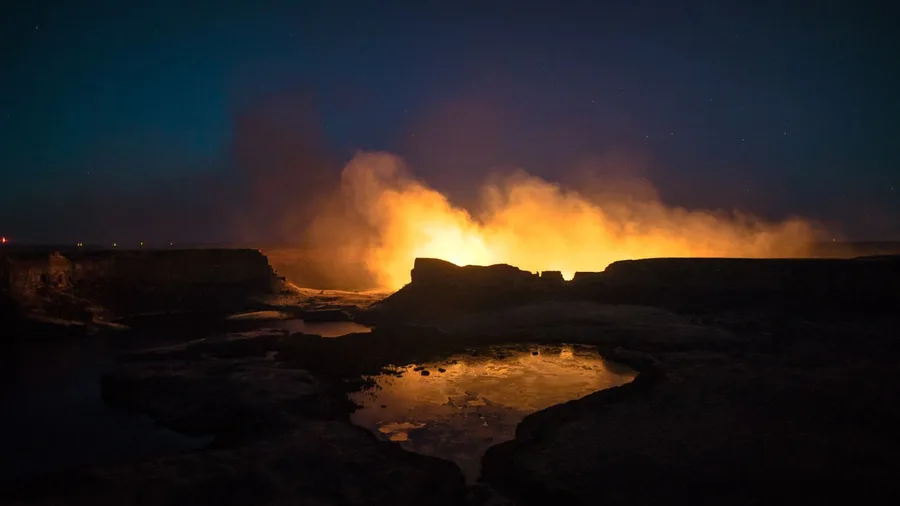
A fiery underground natural gas pit burning continuously in the Karakum Desert.
Located 260 kilometers north of Ashgabat, this blazing crater demands careful logistical planning.
You must hire an official tour guide and rent a reliable 4×4 vehicle to reach the site safely.
Best visited at night for maximum glow effect, with daily local expenses ranging from $50 to $200 USD.
💡 Tip: Arrive just before sunset to watch the flames contrast against the darkening desert sky.
⚠️ COMMON MISTAKE
Skipping Local Guide Mandates
Never attempt to enter remote desert or glacial zones without a certified local guide and proper vehicle support.
2. Visit Las Lunas Sanctuary in Colombia
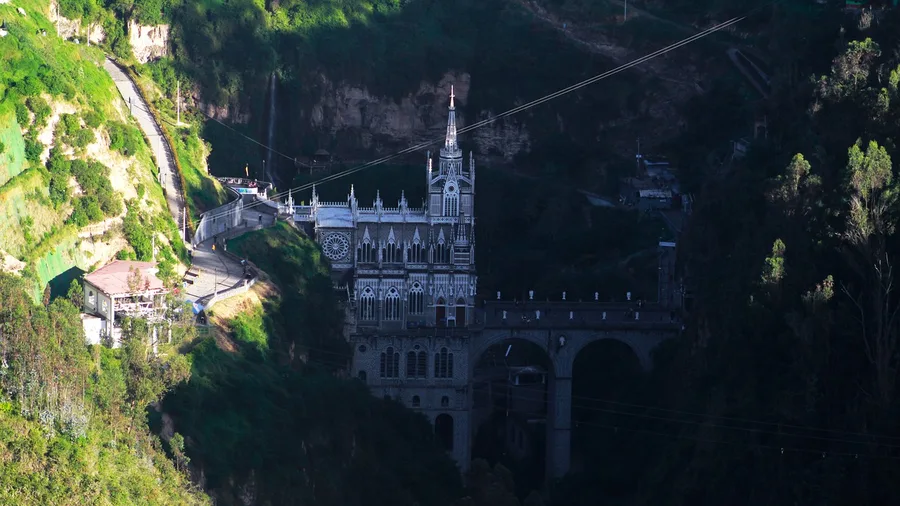
Can you spot a stunning neo-gothic church dramatically built inside a deep canyon gorge?
It spans the Guaitara River canyon in southern Colombia, offering an architectural marvel tucked away from coastal resorts.
Accessible via a steep two-hour bus ride from Ipiales.
💡 Tip: Wear sturdy walking shoes for the steep stone steps leading down into the canyon.
Expedition Metrics
Key figures for remote global travel
Based on standard regional travel logistics.
3. Wander the Painted Hills of Oregon
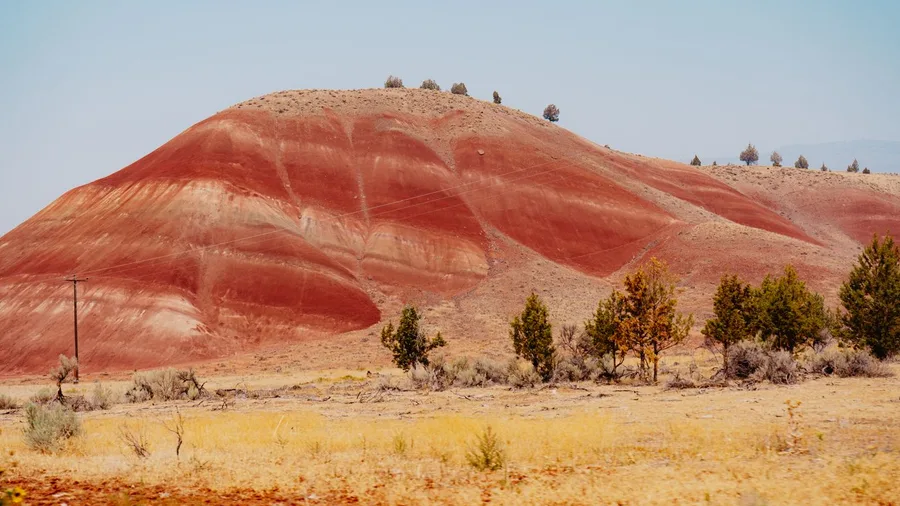
Watch out for fragile soil boundaries when exploring these vibrant colored claystone layers.
They reveal millions of years of paleontological history within the John Day Fossil Beds National Monument.
The site features designated walking trails to protect delicate sediment layers from erosion.
Best photographed during late afternoon light, requiring local transport and regional access to capture the rich hues accurately.
💡 Tip: Stay strictly on boardwalk trails to preserve the soft clay structures.
4. Climb Mount Roraima Tepui in South America
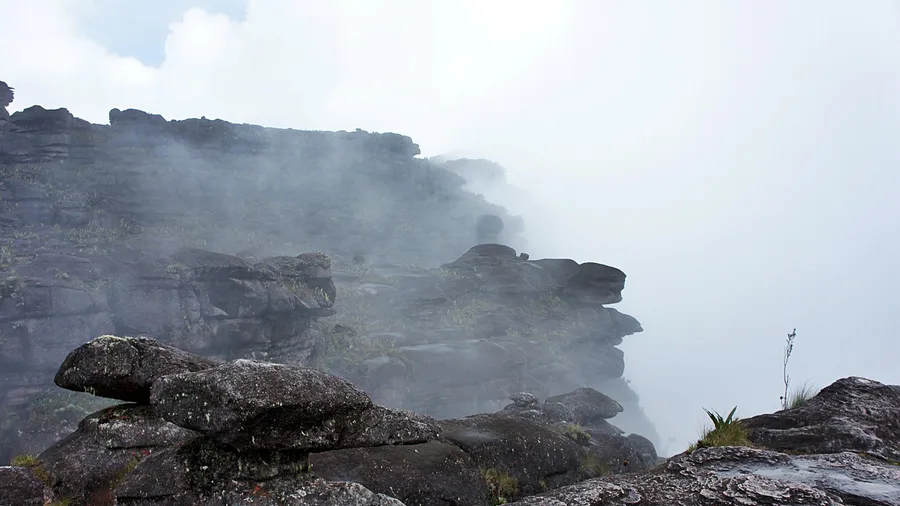
Time your climb for the dry season to avoid treacherous slippery mud on the vertical ascents.
This ancient table-top mountain rises dramatically over the Amazon rainforest, requiring a multi-day guided expedition starting from Venezuela.
Involves crossing misty plateau landscapes and unique endemic flora.
Physical fitness level must be high due to steep inclines spanning a 3 to 5 day ideal seasonal window.
Mount Roraima — At a Glance
⛰️ Elevation
2,810 meters
⏱️ Duration
5 Days
🥾 Difficulty
Strenuous
Requirement
Certified wilderness guide mandatory for all ascents.
5. Discover the Hyperbolic Church of Limpurg
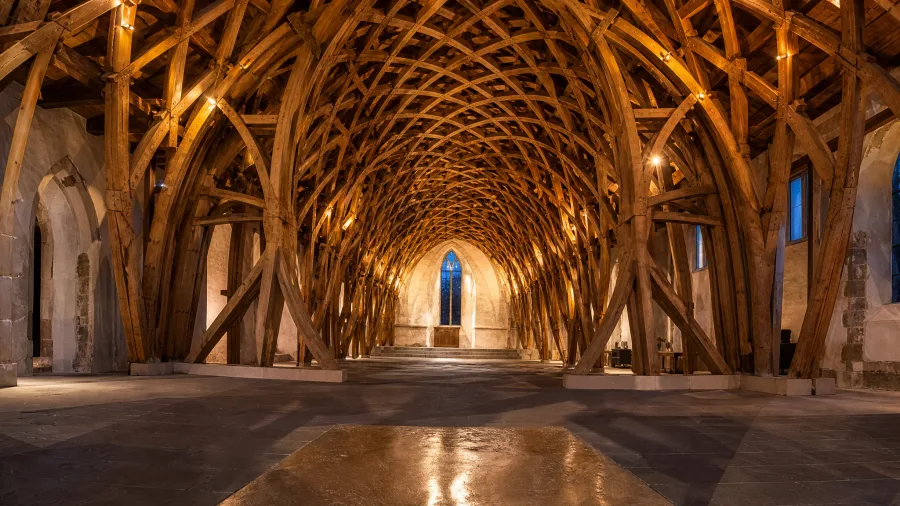
10 dollars is the standard entry ticket cost for this architectural masterpiece.
Located in rural central Europe near historical trade routes, it showcases distinct timber lattice geometry.
Open for weekend architectural tours from May to October, supported by local transport networks.
6. Fly Above the Underwater Waterfall of Mauritius
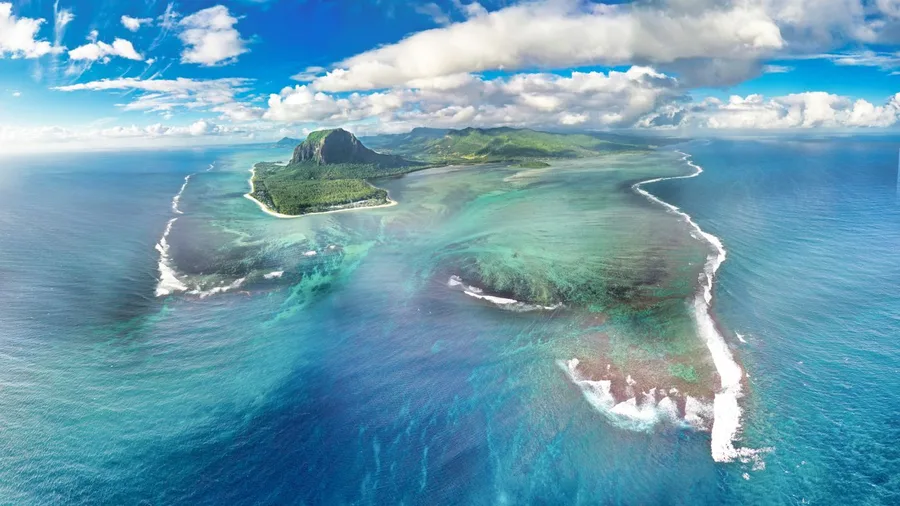
After driving along coastal roads, this aerial perspective offers a completely different scale.
An optical illusion created by sand runoff off the coastal shelf off the southwestern coast of Le Morne peninsula.
Best viewed via a chartered helicopter tour starting at $250 USD.
Weather conditions must be clear for optimal visibility during a brief local excursion.
Helicopter Tour vs. Boat Excursion
Helicopter Tour
- Full view of the sand illusion
- Fast 30-minute flight time
- Best photographic angle
Boat Excursion
- Cannot see the waterfall effect
- Subject to rough surface waves
- Limited visibility from sea level
7. Explore Skaftafell Ice Cave in Iceland
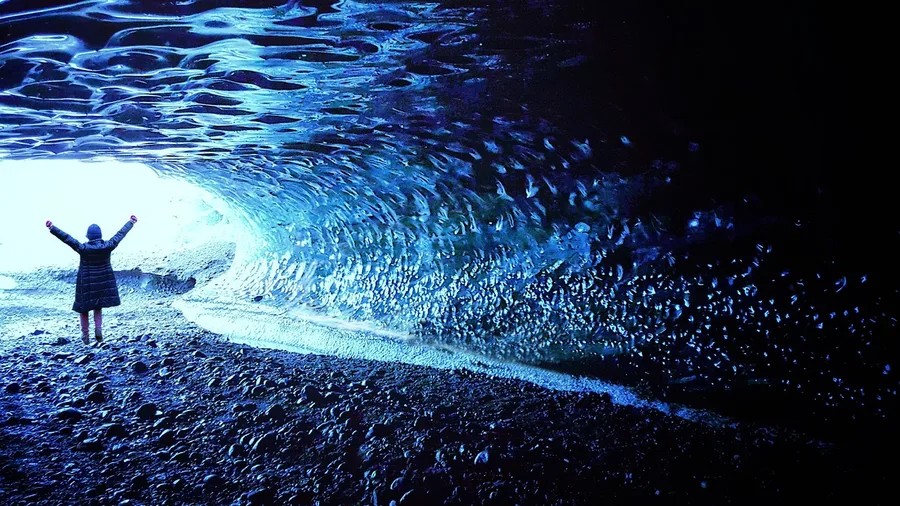
The sharp crunch of crampons against ancient blue ice echoes across the silent glacial lagoon.
A shifting blue crystal cavern formed naturally within a glacier, accessible exclusively between November and March.
Mandatory crampons and certified mountain guide required for all underground entries.
Departs from the main Skaftafell visitor center within a standard 3 to 5 day seasonal window.
8. Traverse the Baikal Blue Ice Shards
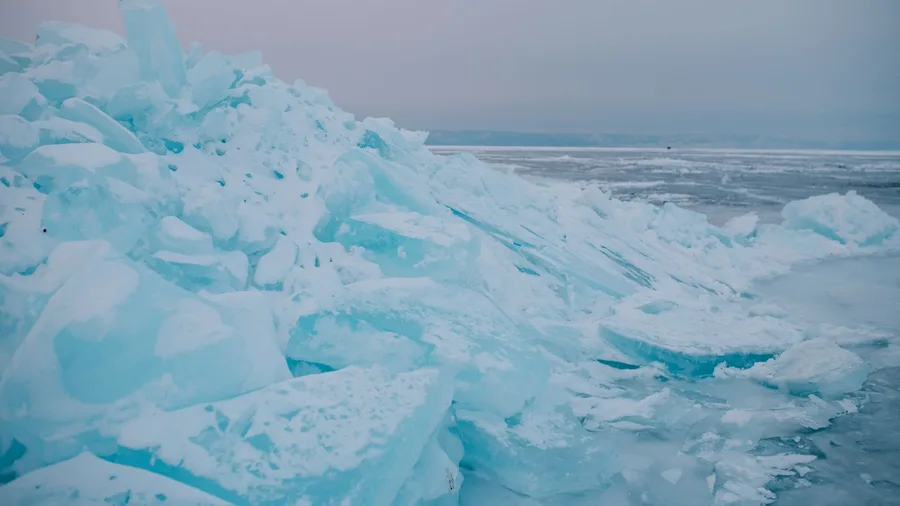
Step carefully onto the transparent turquoise ice hummocks freezing over the world’s oldest lake.
Reached via Irkutsk, Russia, heading toward Olkhon Island.
Traversed safely using local hovercrafts or specialized UAZ vans.
Peak viewing window occurs in February and early March requiring regional transport.
Best Transport for Ice Travel
9. Cross the Danakil Depression Salt Flats
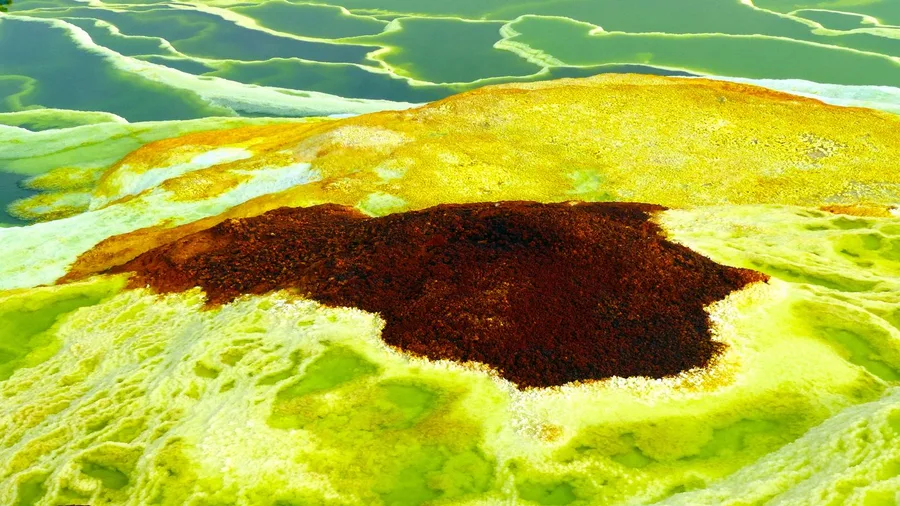
A violently colorful geothermal expanse resembling an alien planet located in northeastern Ethiopia near the Eritrean border.
Strictly requires armed military escort and convoy travel with 4×4 vehicle rentals.
Temperatures regularly exceed 50 degrees Celsius within a $50 to $200 USD daily local budget.
10. Dive the Great Blue Hole of Belize

Bubbles rise past your regulator as reef sharks glide through the shadowed limestone walls.
A massive submarine sinkhole teeming with marine biodiversity situated 70 kilometers off the mainland coast of Belize requiring local transport.
Advanced open water certification required for scuba diving.
Scenic flight packages available from San Pedro airstrip during a 3 to 5 day stay.
Diving Certification Tiers
- 🟢 Open Water Divers — Suitable for shallow reef snorkeling around the perimeter.
- 🟡 Advanced Open Water — Required for deep sinkhole wall dives below 30 meters.
- 🔴 Novice Beginners — Do not attempt deep wall dives without proper certification.
11. Wander the Stone Forest of Shilin
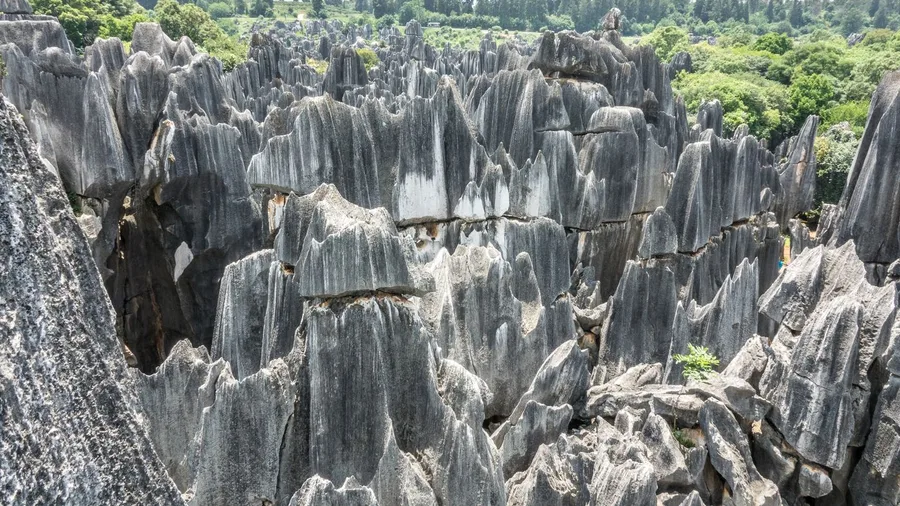
Raindrops drip off ancient grey limestone spires hidden deep in the karst mazes.
A vast collection of towering limestone pillars formed by weathering found in Yunnan Province, China, roughly 85 kilometers from Kunming.
Features paved walking paths winding through deep karst mazes.
Entry ticket costs approximately $20 USD equivalent under standard regional access.
12. Photograph the Red Beach of Panjin
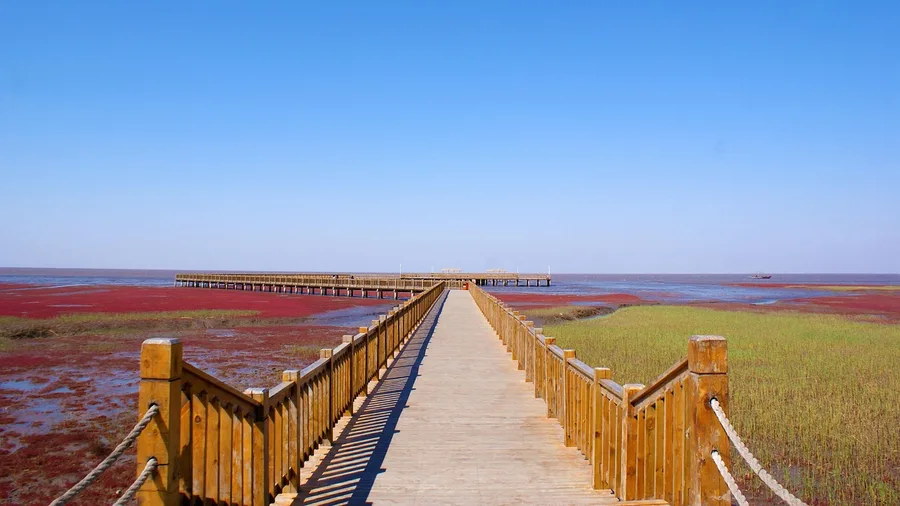
Are the autumn crowds worth navigating for this crimson coastal wetland?
Coastal wetlands dyed bright crimson by sprawling seepweed plants reach peak pigmentation during autumn months from September to October in Liaoning Province, China.
Features elevated boardwalks to protect delicate marsh ecosystems using local transport.
13. Visit the Hanging Monasteries of Meteora
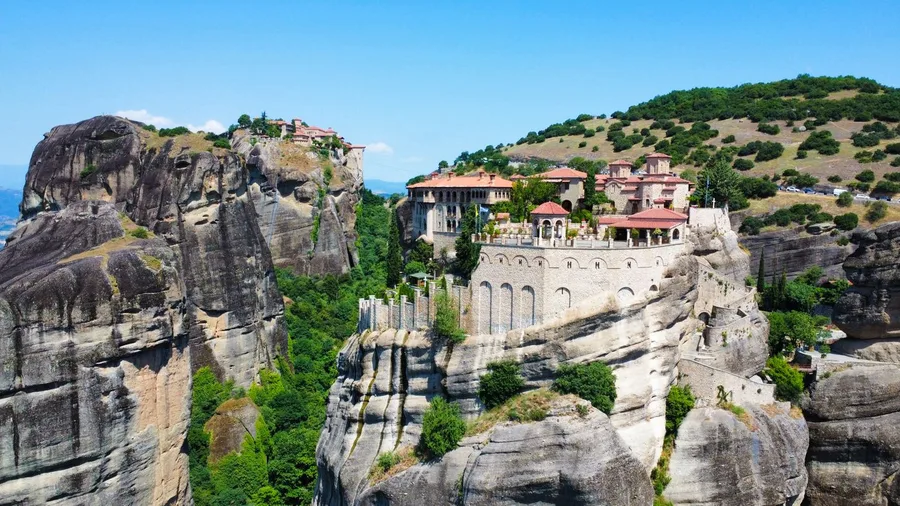
Head straight to the lesser-visited Roussanou monastery early in the morning before tour buses arrive.
Eastern Orthodox monasteries perched atop immense sandstone pillars located in central Greece near the town of Kalambaka.
Requires modest dress codes including long skirts and covered shoulders.
Individual monastery entrance fees cost around $3 USD each within a 3 to 5 day travel schedule.
14. Explore the Ghost Town of Kayakoy
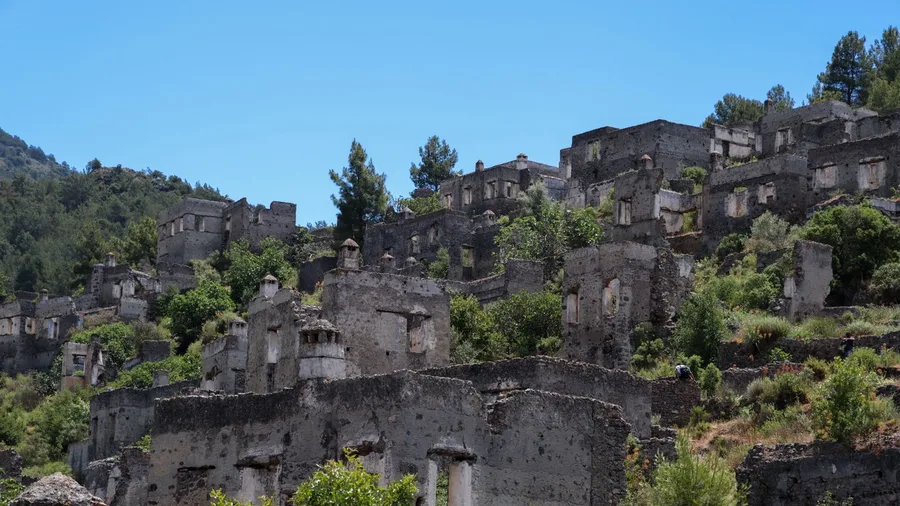
Compared to bustling coastal resort towns nearby, this silent valley offers an eerie historical contrast.
An abandoned village of hundreds of Greek-style stone houses situated in southwestern Turkey near Fethiye.
Deserted following the 1923 population exchange between Greece and Turkey.
Preserved as a historical monument with a nominal $2 entry fee and regional accessibility.
15. Snorkel the Silfra Fissure in Iceland
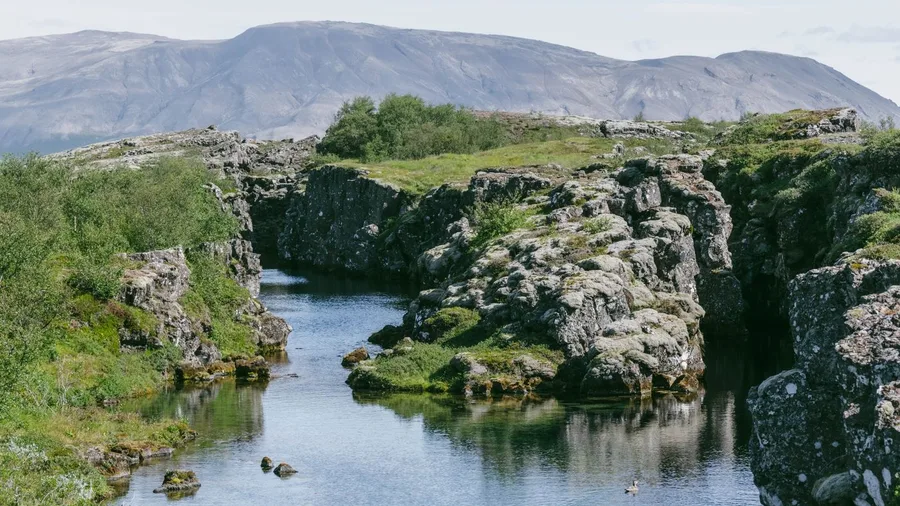
100 meters of underwater visibility makes this glacial meltwater trench feel like floating through pure air.
Swimming between two continental tectonic plates located within Thingvellir National Park, Iceland.
Water temperature remains constant at 2 degrees Celsius year-round.
Participants must fit drysuit size and health safety criteria requiring specialized local guiding.
16. View the Spotted Lake of Osoyoos
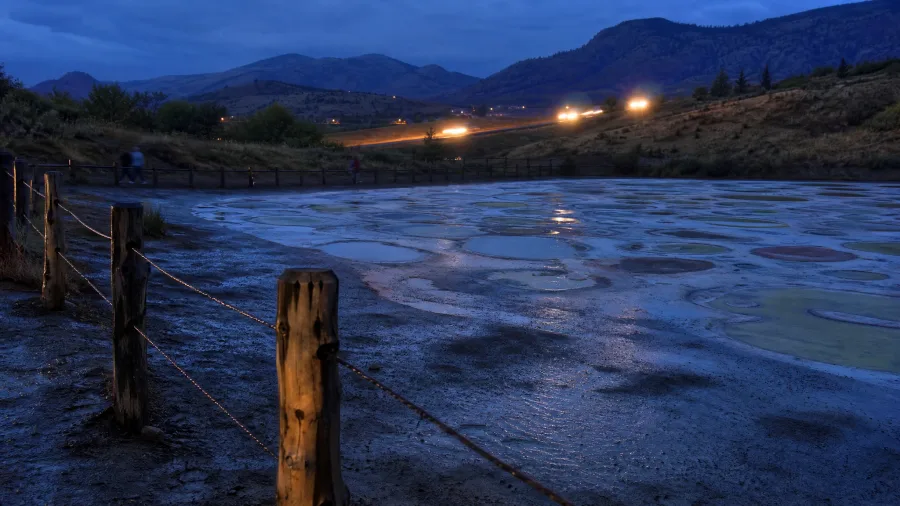
Two safety warnings: respect the perimeter fence and avoid touching the fragile mineral crust.
A saline body of water forming high-concentration mineral polka dots located in British Columbia, Canada, off Highway 3.
Viewed primarily from a roadside observation fence due to cultural heritage.
Spots become most vivid during peak summer evaporation in July under regional travel constraints.
17. Float Through the Waitomo Glowworm Caves
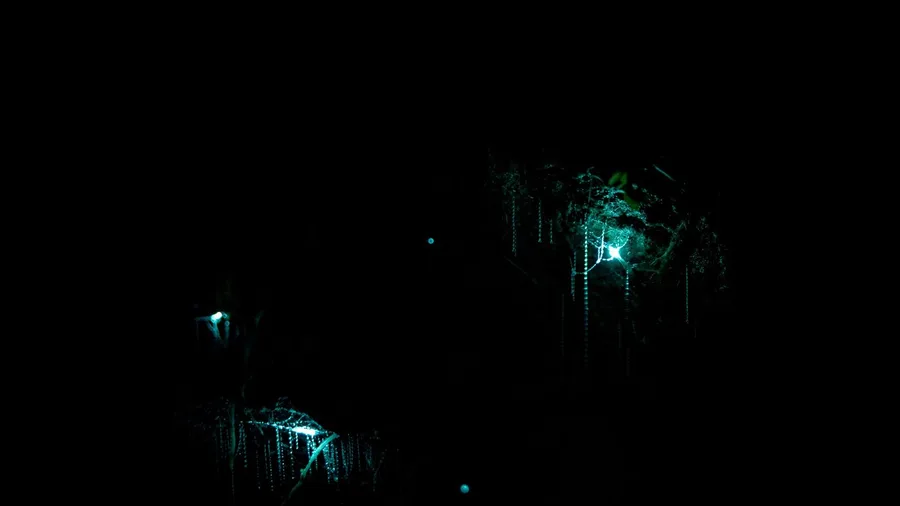
Darkness settles over the small boat as thousands of tiny lights twinkle overhead like a subterranean galaxy.
Underground limestone caverns lit up by thousands of luminescent insects located on the North Island of New Zealand.
Features guided boat rides drifting through pitch-black subterranean grottos.
Photography inside the main glowworm grotto is strictly prohibited during a 3 to 5 day regional visit.
18. Navigate the Mendenhall Glacier Ice Caves
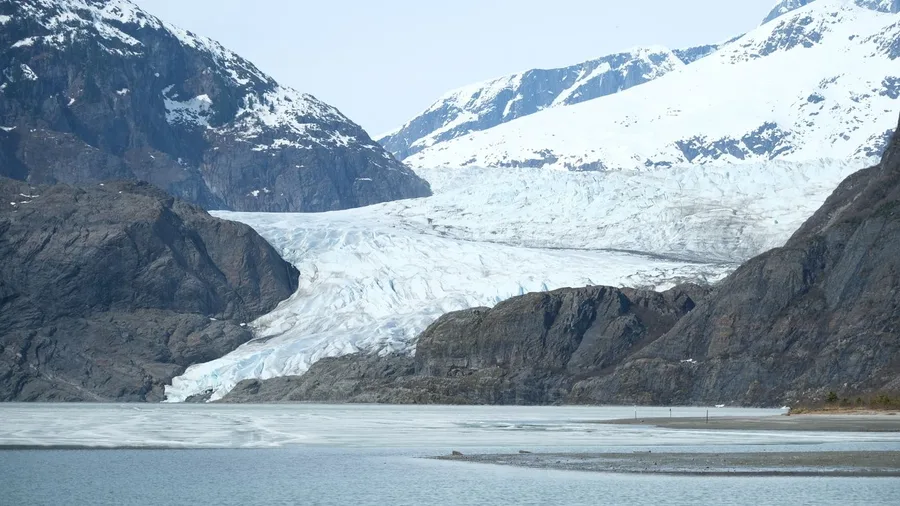
Watch out for sudden calving and structural instability as temperatures fluctuate.
Dynamic glacial tunnels displaying striking sapphire blue illumination situated near Juneau, Alaska.
Requires a combination of kayaking and ice hiking with 4×4 or local vehicle support.
Guided commercial excursions are strongly recommended for safety within seasonal timing windows.
19. Discover Socotra Island Dragon Blood Trees
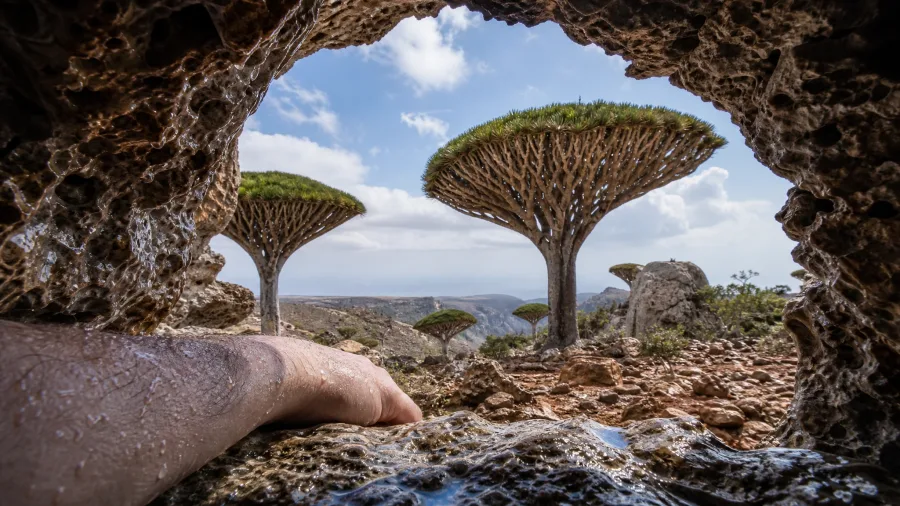
The scent of dry resin and ancient earth hangs thick in the warm Arabian Sea breeze.
An isolated island refuge hosting alien-shaped umbrella canopy trees belonging administratively to Yemen.
Accessible via weekly chartered flights originating from Cairo or Sharjah.
Requires specialized local visas and rugged camping logistics fitting expedition parameters.
20. Fly Over the Richat Structure of Mauritania
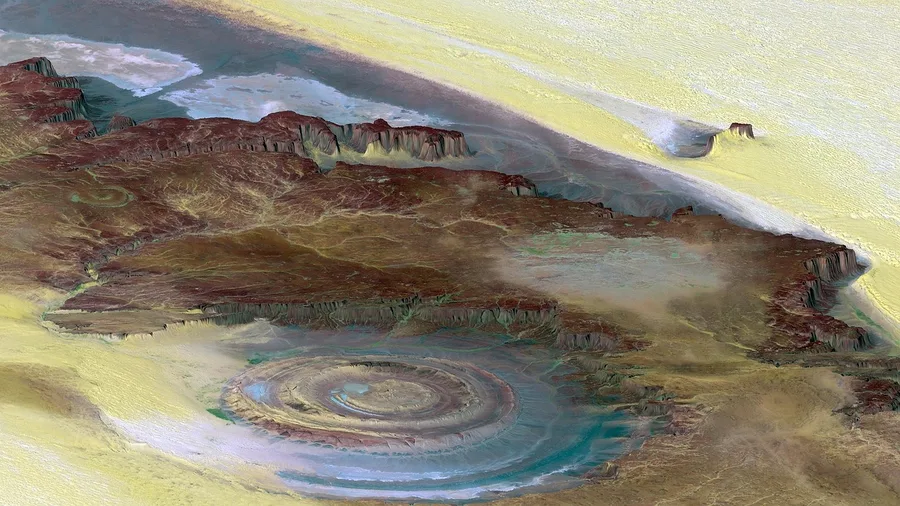
30 miles wide, this massive circular geological dome is best appreciated from the air.
Located deep within the Sahara Desert near Ouadane, Mauritania.
Most clearly appreciated via chartered local bush plane flights.
Ground tours require expedition-grade 4×4 vehicles and local guides within a strict daily budget.
21. Witness the Salar de Uyuni Mirror Effect
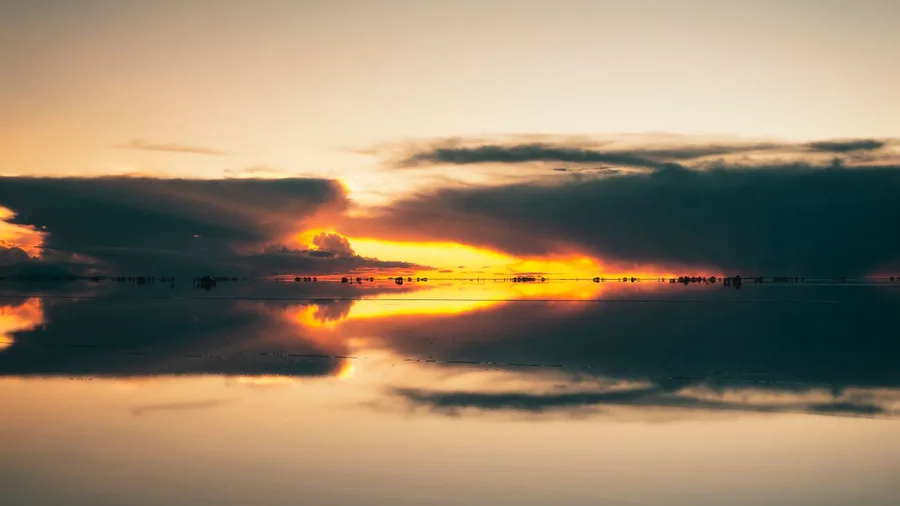
Can a salt flat really reflect the entire sky like an endless glass mirror?
The world’s largest salt flat reflecting the sky like a giant mirror occurs during the rainy season from December to March.
Located in southwest Bolivia at over 3,600 meters elevation.
Requires waterproof boots and professional driver navigation via regional transport to avoid getting stranded in deep brine pools.
22. Swim the Lençóis Maranhenses Lagoons
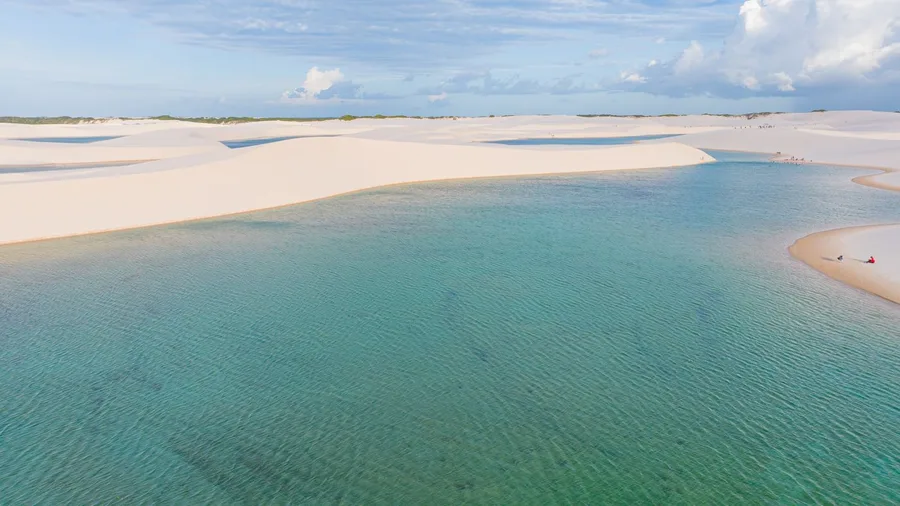
A key logistical catch: rainwater pools only reach peak volume between June and August.
Rolling white sand dunes interspersed with fresh rainwater pools located in Maranhão state, northeastern Brazil.
Explored via authorized 4×4 truck tours from the base town of Barreirinhas.
23. Wade Through Pamukkale Thermal Terraces
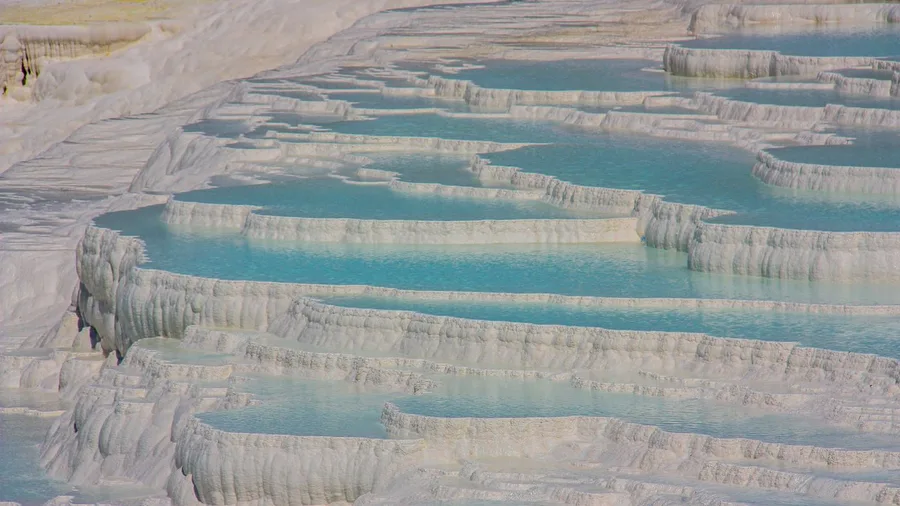
Compared to standard hotel hot springs, these cascading white travertine pools offer an ancient Roman backdrop.
Situated in Denizli Province, western Turkey.
Visitors must remove footwear to protect the delicate travertine mineral crust from staining and erosion.
Combines entry with the ancient Roman spa city of Hierapolis using local transport logistics.
24. Ascend Tianzi Mountain Stone Pillars
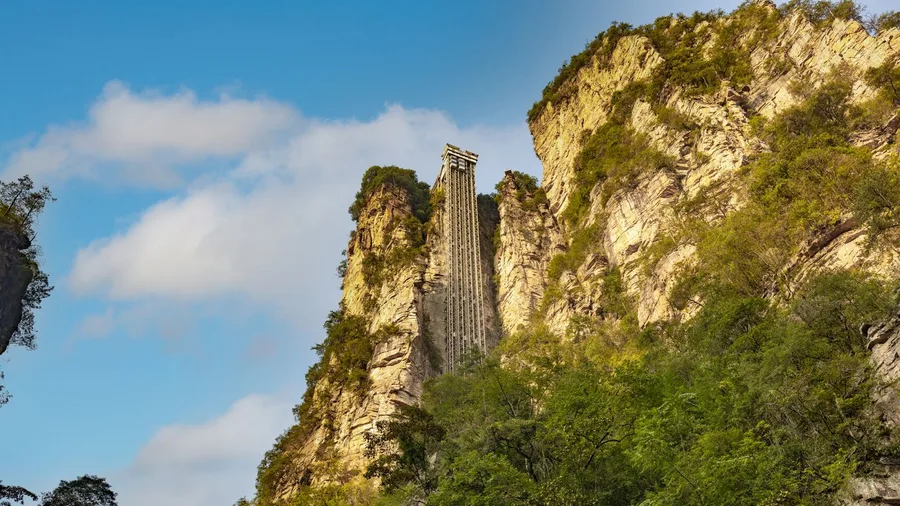
Take the world’s highest outdoor elevator known as the Bailong Elevator to save hours of climbing.
Towering quartzite sandstone columns inspiring cinematic fantasy landscapes found inside Zhangjiajie National Forest Park in Hunan, China.
Frequently shrouded in dramatic mountain mist and clouds, aligning with standard regional visitor flows.
25. Explore Jiuzhaigou Multi-Level Waterfalls
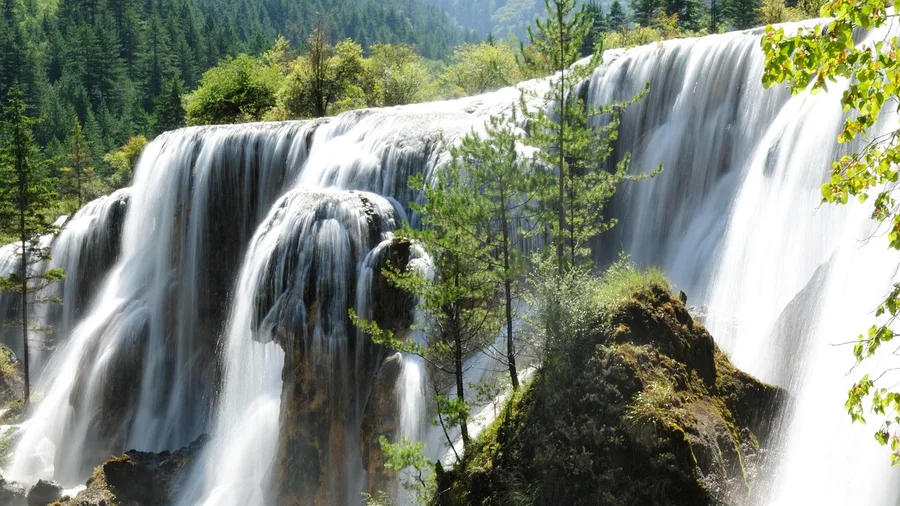
10 is the number of scenic bus stops along the designated park shuttle route.
Stunning stepped alpine waterfalls cascading over turquoise mineral lakes located in the northern part of Sichuan Province, China.
Managed via eco-friendly park shuttle buses running along designated routes.
Autumn foliage from September to October provides optimal scenery, concluding the 25-site journey.
Frequently Asked Questions
Are these remote wonders worth the difficult logistical planning?
Yes, visiting these lesser-known locations allows you to escape massive tourist crowds and experience raw geological formations. Careful planning with local guides ensures a safe and memorable journey.
How much should I budget per day for these trips?
Expect daily local expenses to range between $50 and $200 USD. This covers regional transport, 4×4 rentals, local guide fees, and modest accommodation.
Do I need to book local guides in advance?
Certain destinations like the Danakil Depression and Socotra Island strictly require pre-booked local guides and official permits before arrival.
What is the best seasonal window for visiting ice caves and salt flats?
Ice caves in places like Iceland require winter months between November and March. Salt flat mirror effects in Bolivia peak during the rainy season from December to March.
Can I drive to all these locations in a standard rental car?
No, many remote wonders require rugged 4×4 vehicles, specialized desert transport, or local bush plane charters due to rough terrain.
Weighing Physical Endurance Against Remote Geological Payoffs
Tackling these remote wonders requires matching your physical endurance and travel style with the right seasonal weather window.
Pick one destination that fits your daily budget and transport comfort level, secure your local guide, and start planning your expedition today.
Ready to Plan Your Expedition?
Review the Quick Planning Guide above and choose your first remote wonder to visit this season.