10 Caribbean Islands Half the Price of the One Everyone Books

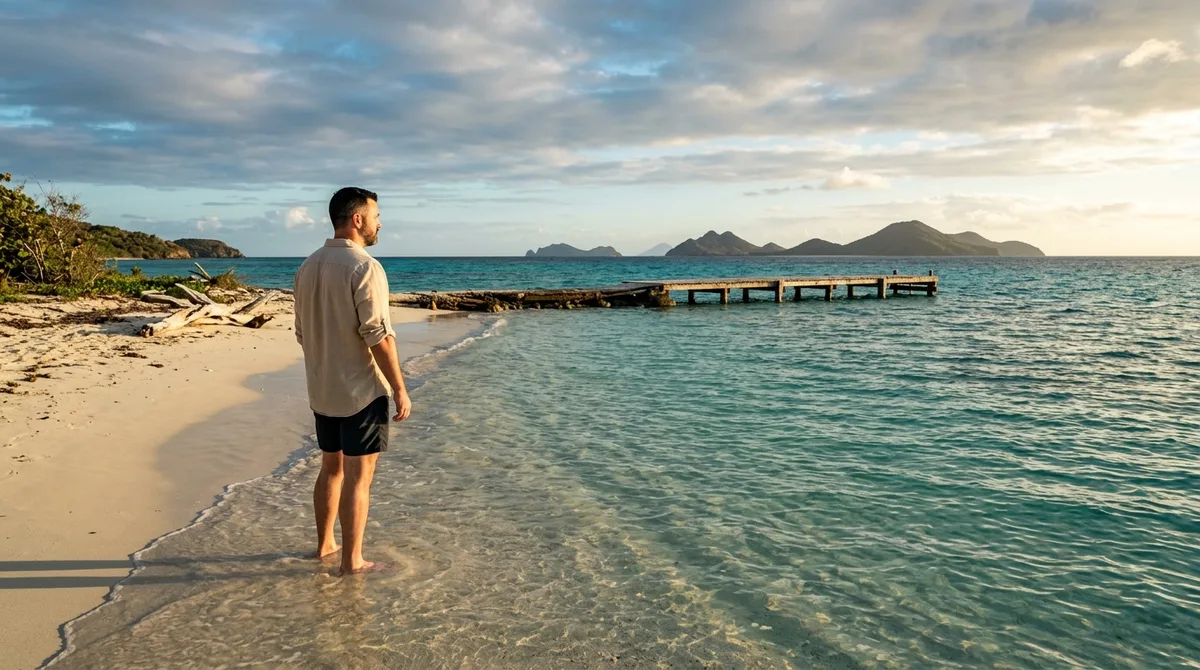
If you want to spend four hundred dollars a night for a watered-down rum punch and a resort wristband, book Aruba. If you want actual turquoise water, fried plantains that cost two dollars, and beaches where you will not trip over another tourist’s towel, keep reading.
You can fly straight into the major tourist hubs and stay trapped inside a walled compound, or you can take the thirty-minute regional hopper flight to a place where tourism has not ruined the grocery store prices.
The math is simple: flights cost around three hundred dollars round-trip from Miami, guesthouses run sixty to ninety dollars a night, and a plate of grilled snapper with rice and beans sits right at twelve dollars.
Snorkel over intact coral reefs, hike through dry tropical forests, rent a scooter for twenty-five dollars a day, and drink cold beer straight from a roadside cooler.
You do not need to visit all ten islands to have a great week, so pick the one that matches your travel style and ignore the rest.
Quick Tips Before You Start
Fly Regional
Book hopper flights from San Juan or Miami to save hundreds on inter-island legs.
Carry Cash
Keep local currency or US dollars handy for roadside shacks and small guesthouses.
Rent Scooters
Skip expensive rental cars on smaller islands and rent a scooter or bicycle instead.
Shoulder Season
Travel between May and June for lower lodging rates before hurricane season peaks.
Lesser Antilles and Western Caribbean Route
Save this map to check flight connections and island groupings before you book.
Caribbean Budget Guide At a Glance
1. Visit Carriacou Before Nine in the Morning
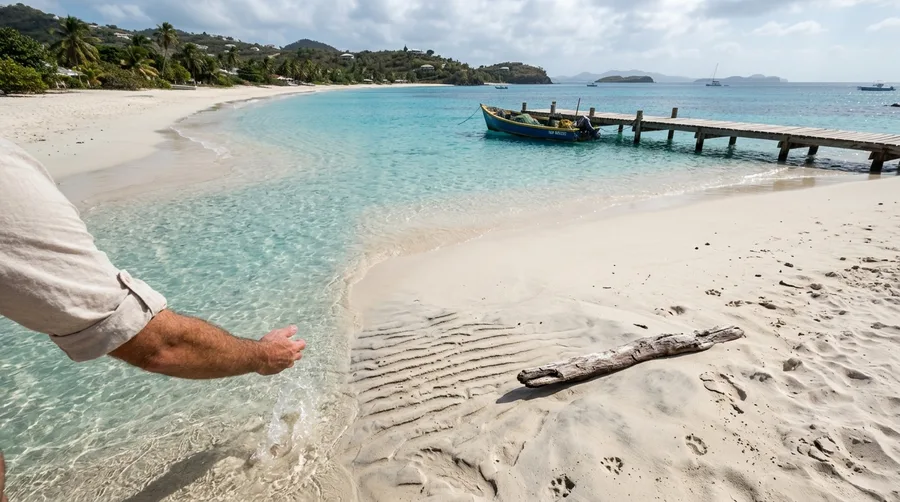
Carriacou is Grenada’s quiet little sister island where local boatbuilding remains the main trade.
Arrive at Paradise Beach before nine in the morning if you want the white sand completely to yourself before the local ferry passengers wander down from Hillsborough, and swim out toward Sandy Island while the water stays flat and glass-clear.
💡 Tip: Bring your own snorkel gear because rental shacks on this beach do not open until mid-morning.
Carriacou By The Numbers
Quick specs for planning your day on the island
Prices and schedules verified for current seasonal travel.
2. Navigate the Rough Roads of Vieques
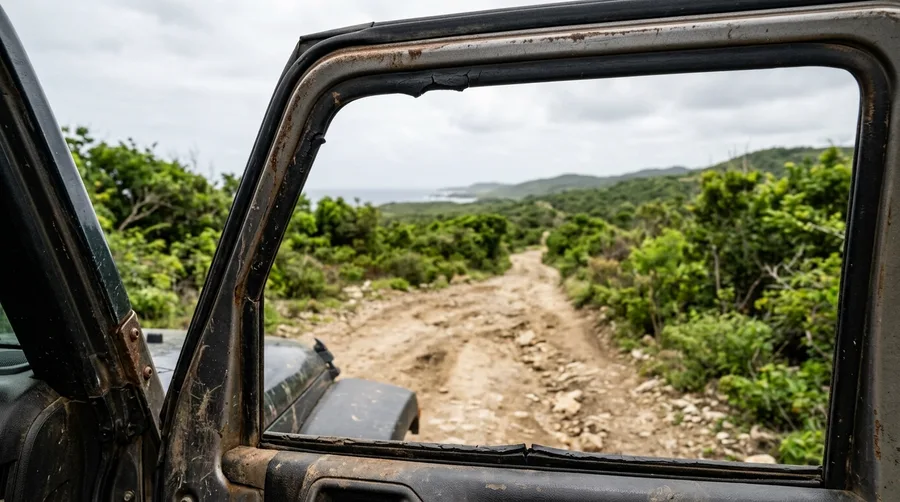
The heavy smell of red dust and sea salt hangs thick in the cabin as you bounce over another crater in the limestone track.
Wild horses roam freely across Vieques, but the rental car insurance rates are terrifying and you will pay around one hundred dollars a day for a beat-up Jeep Wrangler with bald tires that you genuinely need to handle the potholes leading down to Red Beach. Skip the standard compact car rentals entirely if you plan on exploring the wildlife refuge interior.
💡 Tip: Book your bioluminescent bay kayak tour during a new moon for the brightest glow.
⚠️ COMMON MISTAKE
Do Not Skip Jeep Rental Insurance
The unpaved roads to remote beaches in Vieques will shred standard tires. Pay for the local coverage or regret it.
3. Snorkel Over Shipwrecks in Bonaire
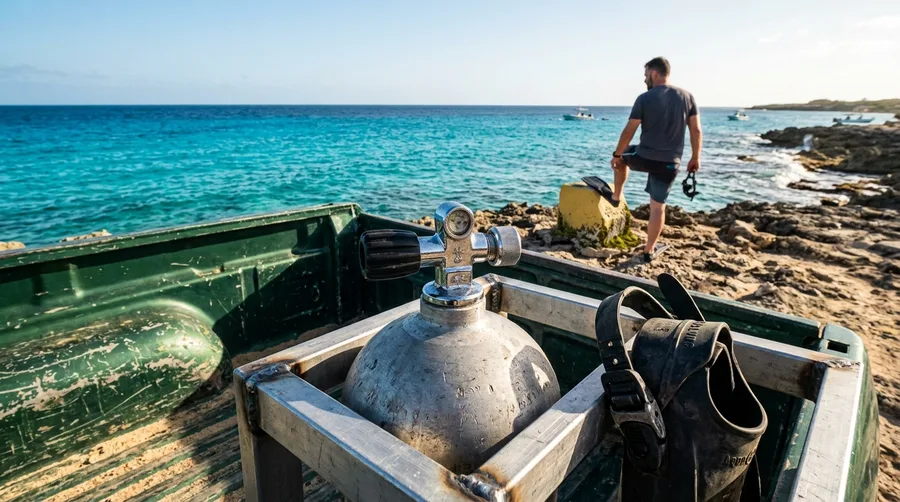
Fifty dollars a day rents a pickup truck with welded tank racks in Kralendijk, giving you the keys to a self-guided shore diving route along the entire western coast.
Grab a rental mask and walk straight off the shore at Bari Reef to spot rare seahorses and bright parrotfish just ten feet from dry land without ever waiting for a boat schedule.
You do not need to pay for an expensive charter here because the island coastline functions as a protected marine park with yellow stone markers pointing out every public entry point.
Strap on your fins at Oil Slick Leap where you jump straight off a low rocky ledge into twenty feet of visibility, swim past giant sea fans, and climb back up the iron ladder.
Load up four aluminum tanks in the truck bed and map out your own schedule since the freedom of shore diving lets you set your own pace entirely.
Bonaire Shore Diving — At a Glance
🤿 Marker System
Yellow stones on roadside
🚗 Tank Setup
Four aluminum tanks per bed
🌊 Entry Method
Iron ladders at cliff ledges
Insider Rule
Check wind direction before picking a reef; eastern swells blow out western visibility.
4. Explore Dominica With Small Children
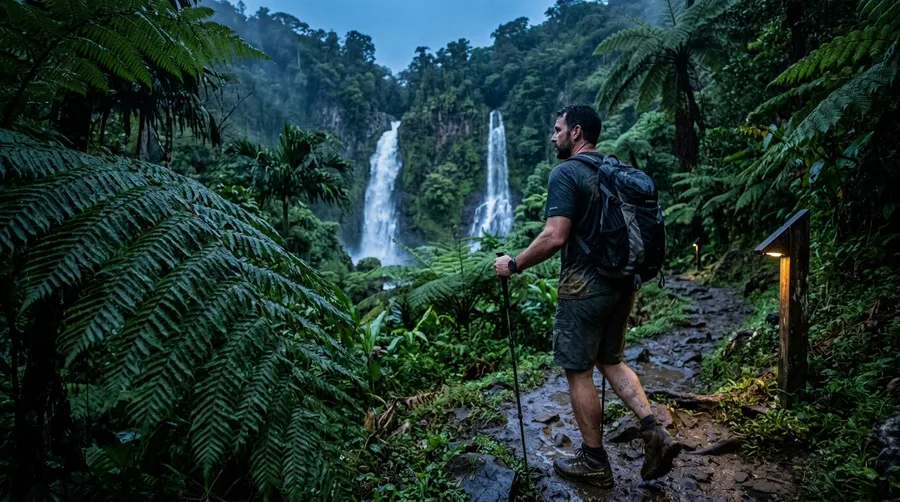
You will hear children laughing in the river pools near Trafalgar Falls before you see the cascading twin streams through the giant tree ferns.
This island is built for older kids who can handle wet rocks and muddy hiking boots, but toddlers will struggle on the steep sulfur spring trails.
Base your family in Roseau near the Old Market Plaza so you can walk to the weekend fruit stalls and buy fresh mangoes before heading out on a whale-watching skiff.
💡 Tip: Pack closed-toe water shoes with heavy tread for every family member.
Family Logistics at a Glance
5. Photograph Sunset From Salt Whistle Bay
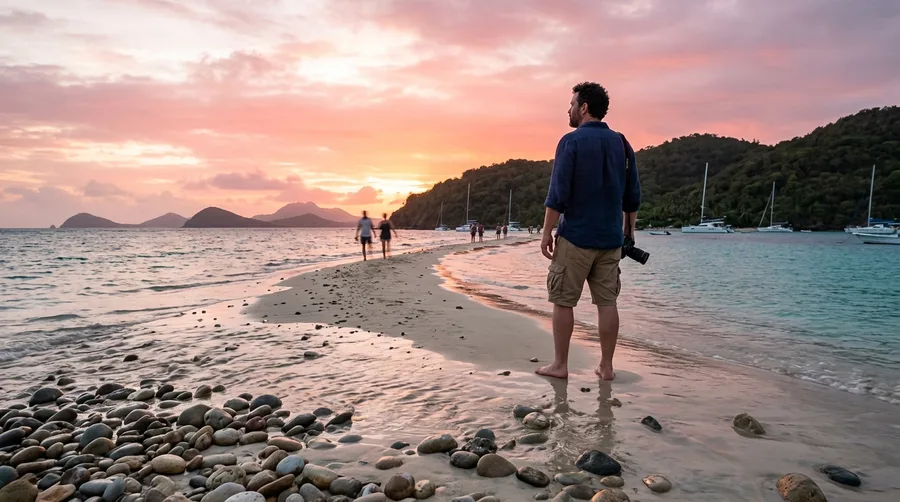
Check the ferry schedule before you leave Union Island because the return boat leaves earlier than most people expect.
Stand on the narrow sand spit of Salt Whistle Bay in Mayreau as the sun drops behind the Tobago Cays and paints the sky pink and orange.
You do not need a luxury yacht to reach this exact view featured in sailing magazines; take the local mail boat across for about five dollars and walk the hill path.
Mayreau Transit Verdict
- 🚢 Take the local mail boat — Costs under ten dollars and puts you right on the beach.
- ⛵ Charter a private catamaran — Expensive and unnecessary unless you enjoy sleeping on a boat.
- 🚁 Take a private helicopter — Absurdly overpriced and there is no helipad on the sand.
6. Splurge on Saba’s Deep Wall Dives
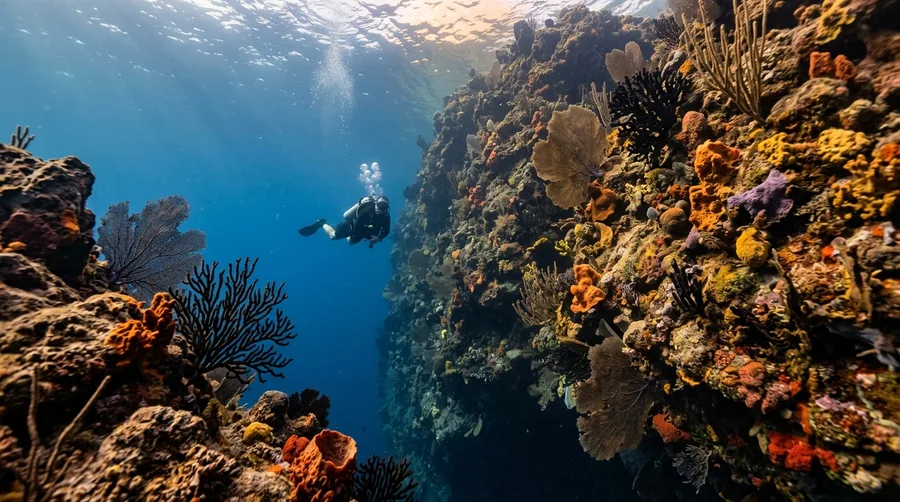
After all those shallow shores and wading through seagrass, this one starts fifty feet down off a sheer volcanic wall.
Expect to drop one hundred and fifty dollars for a two-tank boat dive off Saba’s sheer volcanic drop-offs, and consider every penny well spent. The island has no flat beaches, but the underwater pinnacles rising from the abyss create marine life encounters you will not find anywhere else in the Caribbean.
Saba Trip Planning Hierarchy
Prioritize your time and spending on the volcanic island
7. Eat Conch Fritters in Anegada
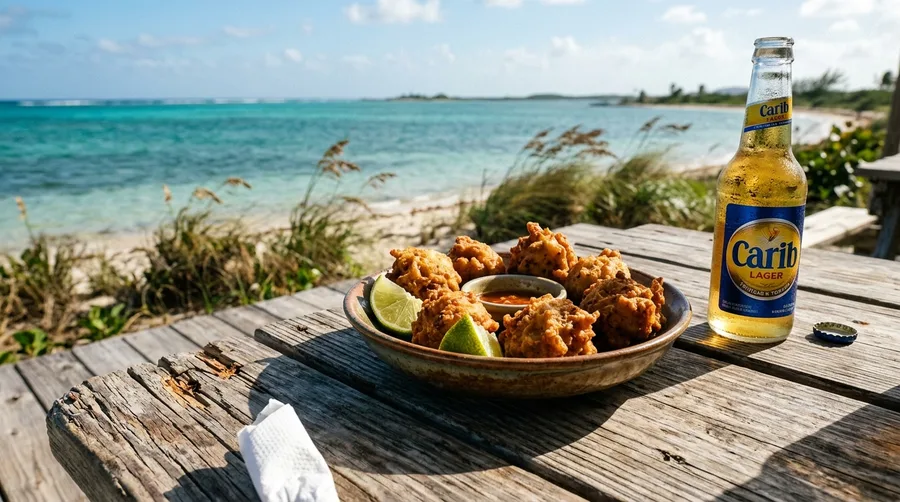
If you do one thing in Anegada, skip the hotel dining rooms and head straight to Pomato Point on the north shore.
Locals go here for fresh conch fritters pulled from the flats that very morning, served hot with a cold Peenie Wallie beer for under fifteen dollars.
Rent a bicycle over in Setting Point for the ride out so you bypass heavy taxi rates while watching reef sharks patrol the shallows just ten feet from the sand.
8. Swing in a Hammock on Isla Holbox
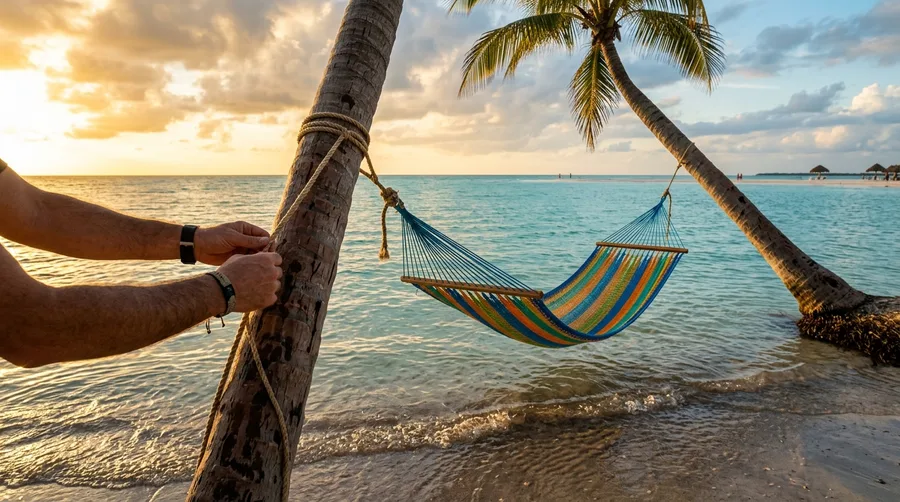
Want to sit down and do nothing for four straight hours? Walk west past Punta Cocos until the beach hotels disappear and string up a hammock.
No cars are allowed on this island, so the only sound you will hear is the tide rolling over the white sand bars.
9. Inspect the Salt Pherries in Grand Turk
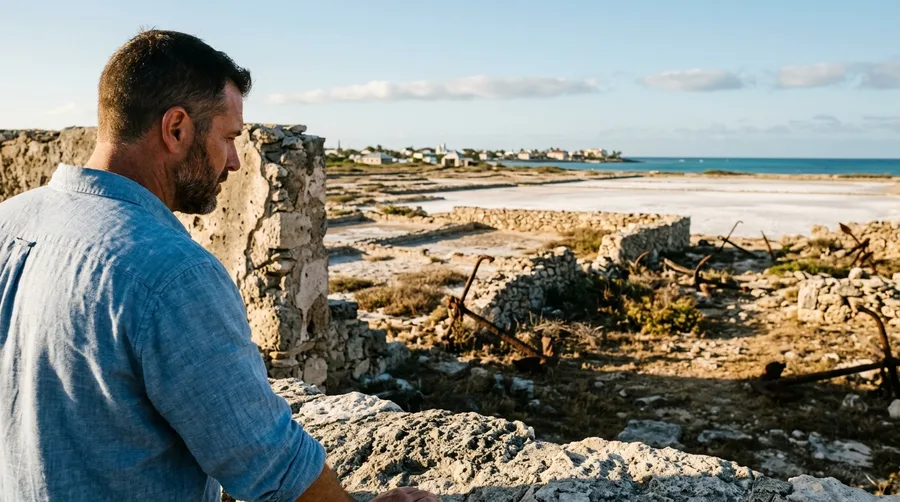
You will smell salt in the air before you spot the crumbling stone walls of the British colonial salt pans behind Cockburn Town.
Rent a golf cart for forty dollars from a local shop near the cruise pier and drive north past Governor’s Beach to explore the rusted anchors and wild donkeys wandering the scrub.
Stop at the historic Grand Turk Lighthouse where you can walk the iron gallery and look down at the deep blue trench where humpback whales migrate past in winter.
💡 Tip: Avoid the cruise center shopping compound entirely and head into town for local conch stew.
10. Track Sea Turtles in Utila
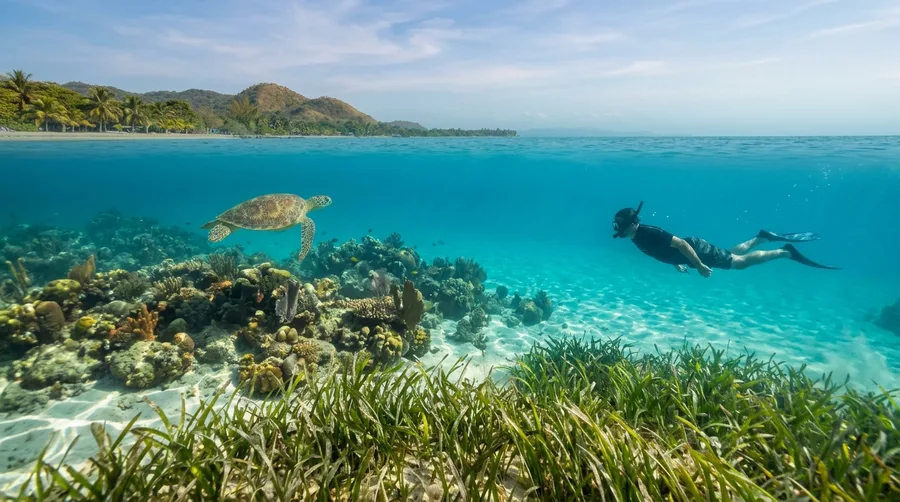
Can you actually swim with wild green sea turtles without paying for a guided tour?
Strap on your mask and wade into the water off Pumpkin Hill beach where seagrass beds attract hungry turtles every morning.
You have roughly an 80 percent chance of spotting one feeding within ten minutes if you stay quiet and swim slowly along the edge of the reef shelf.
Utila is famous as a budget scuba capital, but its shallow shore snorkeling rivals any luxury resort reef on the Mesoamerican Barrier Reef system.
Rent a snorkel kit in town for about $5 for the day, hire a tuk-tuk to drop you at the sand road behind the beach, and keep your distance once you spot your first shell.
Frequently Asked Questions
What is the cheapest Caribbean island to visit?
Isla Holbox and Utila offer the lowest daily costs for lodging, street food, and activities, often keeping total expenses under eighty dollars a day.
Do I need a passport to visit these islands?
Yes, a valid passport is required for all international travel to Caribbean islands and territories from the United States.
When is hurricane season in the Caribbean?
Hurricane season runs officially from June through November, with peak storm activity typically occurring between mid-August and late October.
Should I book inter-island flights in advance?
Always book regional hopper flights at least two months ahead because small planes sell out quickly and last-minute tickets get very expensive.
Can I use US dollars everywhere?
US dollars are widely accepted in many places, but carrying local currency or having smaller bills handy is essential for roadside shacks and taxis.
Start With This One
If you take one stop from this list, book a flight to Bonaire, rent a pickup truck, and spend five days diving off the shore.
Pack light, skip the resort chains, and enjoy the Caribbean the way it was meant to be experienced.