
15 Free Things to Do in Pricey Cities (Retirees Swear by #9)

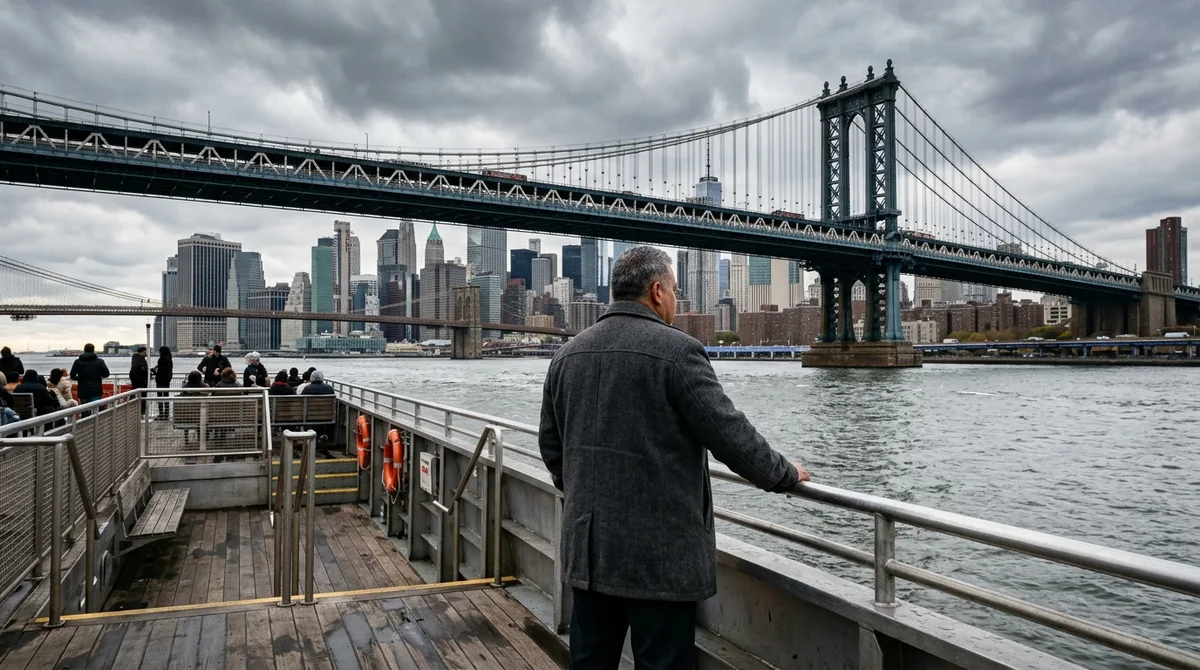
If you want to spend a week in London or New York without bleeding your retirement accounts, stop paying for entry tickets.
You can walk past the ticket queues, bypass the expensive tourist passes, and find world-class culture that costs zero dollars.
The city is a museum if you know where to look. Expect zero entry fees, real local crowds, and plenty of benches to rest your feet.
You will browse rare manuscripts, listen to lunchtime chamber music, ride public ferries, wander glass conservatories, and watch the sunset from hidden river piers.
Take what suits your pace, skip the overpriced observation decks, and start with the things that do not cost a dime.
Quick Tips Before You Start
Wear Good Shoes
Expect at least eight miles of walking on concrete each day.
Book Free Slots
Some municipal galleries require online reservations even with zero admission fees.
Ride the Buses
Front-row seats on double-decker municipal buses beat expensive sightseeing tours.
Carry Water
City center cafes rarely offer free tap water without a purchase.
How Much Does It Really Cost to Visit Expensive Cities?
After all those expensive ticket lines, this stop costs nothing and saves your daily budget.
You can easily drop two hundred dollars a day on admission fees alone if you follow the standard tourist trail.
The trick is separating the ticketed traps from the municipal assets paid for by local taxes, then planning your days around free institutions to keep your daily spend under fifty dollars for food and transit.
Do You Need to Book Free Attractions in Advance?
The heavy glass entrance doors click shut behind you while security guards scan your bag with quiet efficiency.
Many major public galleries and museums in London and Washington DC dropped walk-in entry after the pandemic, meaning you cannot simply walk off the street anymore.
Always check the official website twenty-four hours ahead to secure a zero-cost timed entry slot, though spontaneous visits still work at municipal parks, open-air markets, and historic plazas.
Urban Walking Route
Save this map to navigate the free museum district without data.
1. Sip Afternoon Tea in Historic Hotel Lobbies
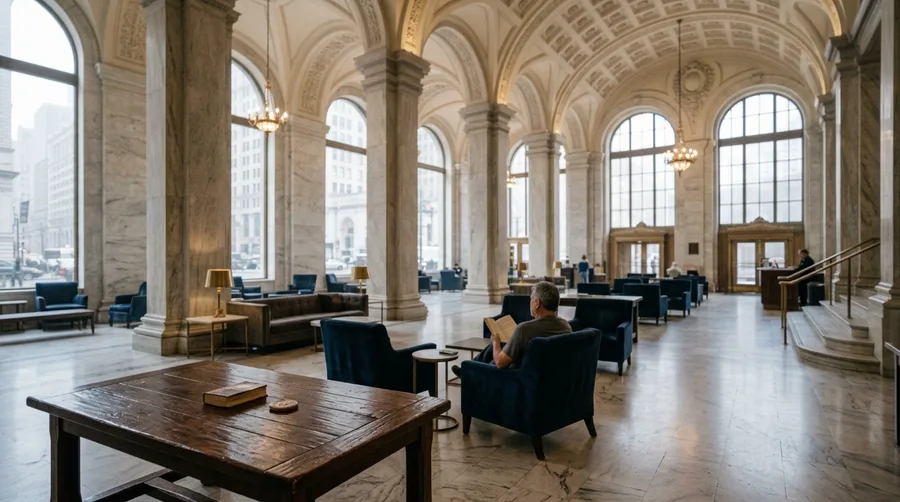
If you do one thing in the financial district to escape the midday crush, walk into a grand hotel lobby and sit down for forty minutes.
Unlike the twenty-dollar cafes outside, the high-ceilinged seating areas of historic downtown properties cost nothing to enter and sit in.
You will pay nothing to enjoy the soaring architecture, the plush velvet armchairs, or the prime people-watching spots.
Order nothing, bring a well-worn paperback, and sink into the quiet luxury without anyone ever asking you to check out.
This approach suits tired travelers and anyone needing a reliable, accessible restroom, but it genuinely does not suit restless visitors who prefer constant movement.
💡 Tip: Act like you belong there and staff will never bother you.
Urban Freebie Verdict Lanes
- 🟢 Municipal Galleries — Always free, rarely crowded before noon.
- 🟡 Botanical Conservatories — Free on specific weekdays only; check local schedules.
- 🔴 Observation Decks — Forty-dollar elevator rides with zero historical value.
2. Climb the Public Spiral Staircases at City Hall
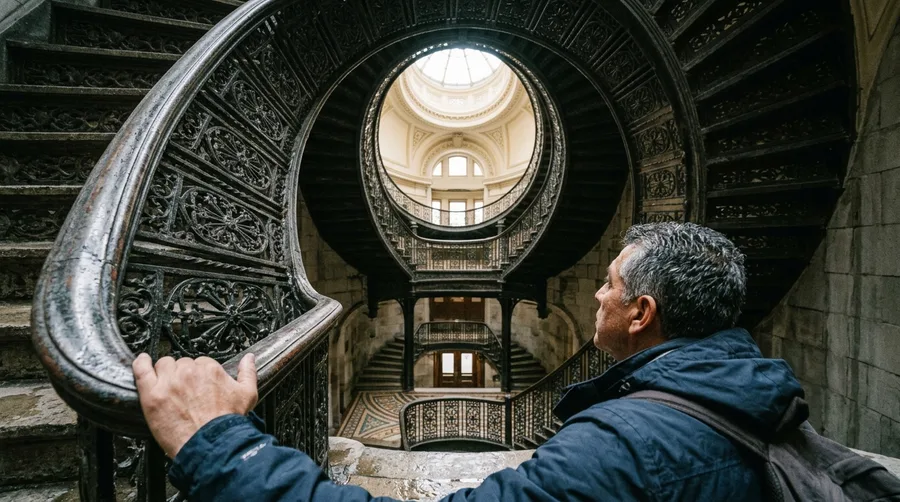
Worth the security line and the leg burn? Absolutely, if you want the best architectural view in town without paying a cent for a ticket.
Municipal towers in places like Philadelphia and San Francisco hide soaring iron staircases and mosaic floors that rival private palaces, so bring your government photo ID and leave your pocketknife at the hotel before you step inside.
3. Wander the Vast Halls of the Library of Congress
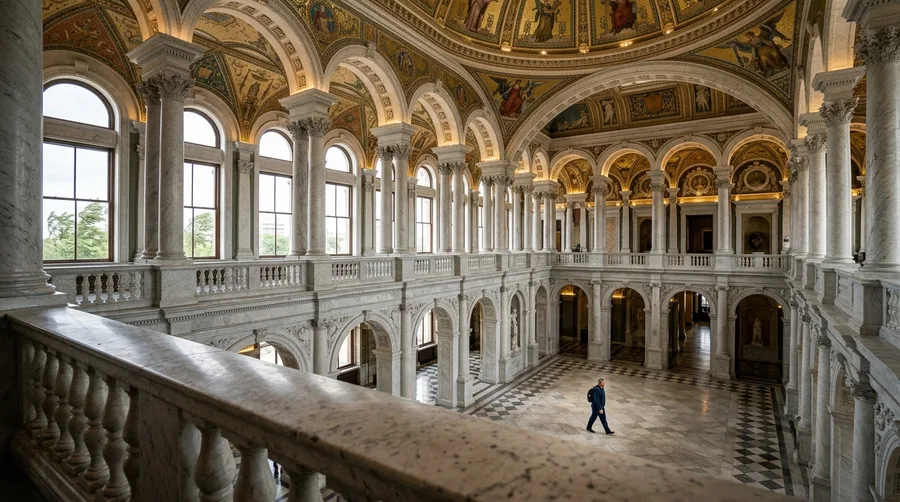
The Thomas Jefferson Building of the Library of Congress is a stunning neoclassical palace filled with miles of carved marble and original art. It costs nothing to enter, though you will spend roughly $15 on a coffee and pastry nearby if you make an afternoon of it.
Pass security on Independence Avenue and head straight for the Great Hall to look at the painted ceilings. Give yourself two hours inside, and make sure you book your free timed entry online a few days ahead to avoid waiting in the street.
💡 Tip: The underground tunnel to the Capitol building is open to the public.
⚠️ COMMON MISTAKE
Skipping Security Lines Early
Arriving at major public buildings ten minutes before opening guarantees a forty-minute queue in the sun. Show up fifteen minutes before doors open.
4. Catch Sunset from the Free Staten Island Ferry
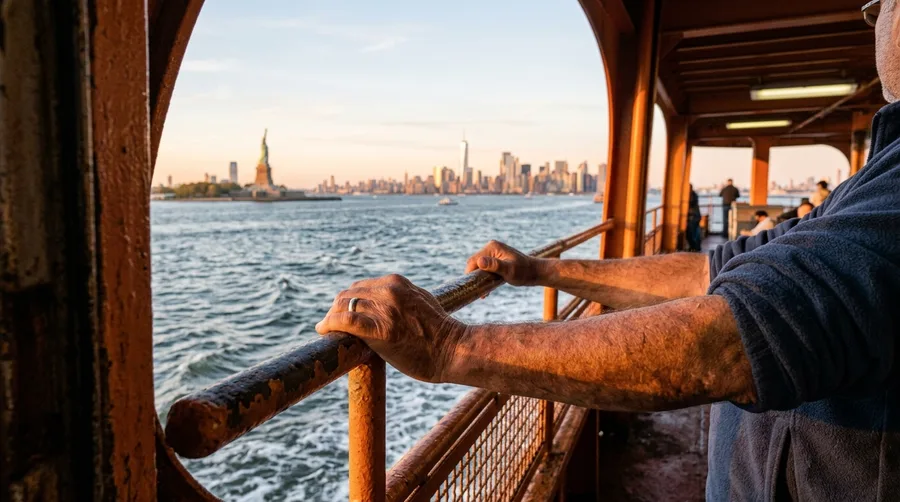
Zero dollars is the exact fare for a round-trip harbor cruise that most tourists completely overlook while booking overpriced sightseeing boats.
Stand on the outer starboard deck as the boat passes close to the Statue of Liberty for a clear view without fighting any tour crowds.
Hold onto your hat because the harbor wind hits hard once you clear the slip, so step inside the heated cabin if the chill gets to you.
Best Ferry Deck Spots
5. Browse Rare First Editions at University Rare Book Rooms
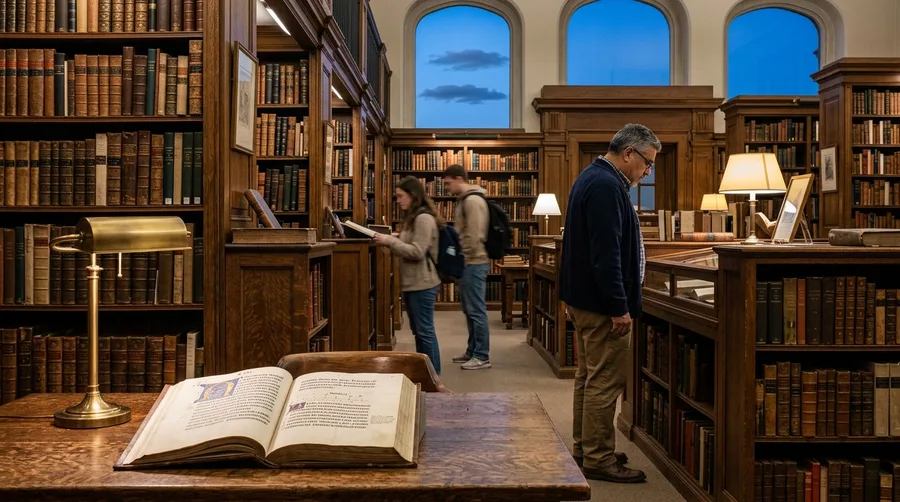
Two things to know before you go in: leave your backpack in your hotel room and bring a valid photo ID, because security here is tighter than most art museums. You will step past heavy wooden doors directly into climate-controlled galleries holding original Audubon prints and centuries-old manuscripts that usually sit behind velvet ropes.
Admission to these special university collections costs nothing at all, meaning you can examine priceless medieval Psalters up close without paying a cent. Sign the guest register at the front desk, drop your jacket in a locker, and spend an hour looking at things most people only see in textbooks.
Quick Urban Archive Facts
6. Listen to Noon Organ Recitals in Gothic Cathedrals
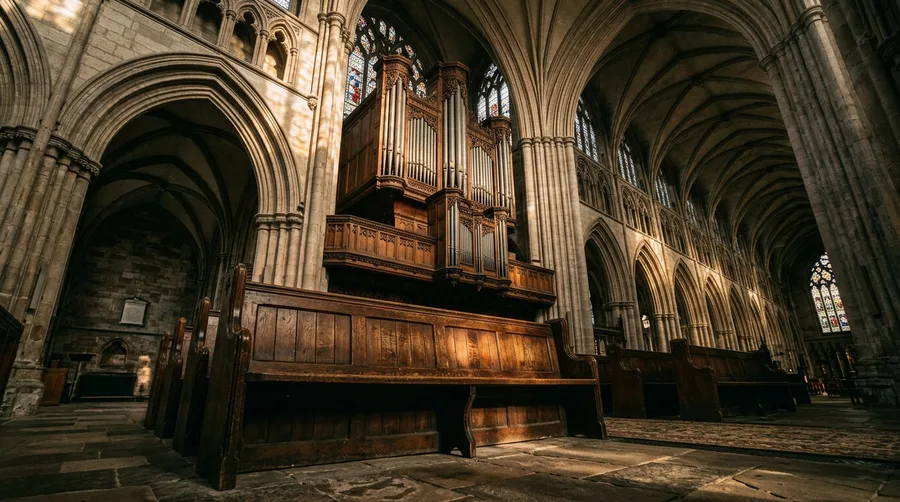
You will feel the floorboards hum beneath your shoes before the first major chord echoes off the limestone arches.
Twelve noon is the exact time to slip past the heavy oak doors of places like St. Paul’s in London or Saint Thomas in New York for a completely free thirty-minute midday organ recital. Sit quietly in the wooden transept pews while the massive pipes fill the entire nave at zero cost.
7. Walk the Elevated Steel Catwalks of Industrial Bridges
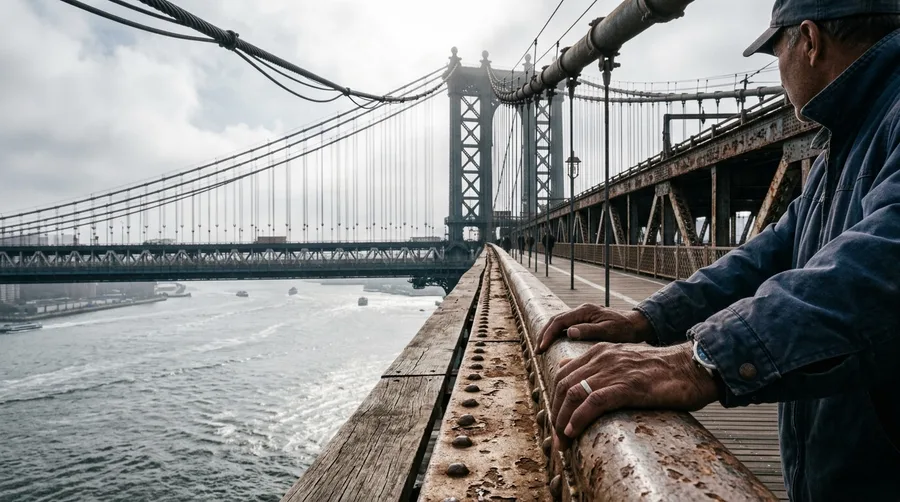
High winds and speeding cyclists make the pedestrian deck of suspension bridges an intense experience.
You will see river traffic, commuter trains, and rivet patterns from 1883 without spending a single cent.
Go at sunrise before the rental bicycle pelotons start ringing their bells behind you.
Watch your footing on the wooden planks and keep your camera secure in the gusts.
💡 PRO TIP
Beat the Bicycle Commuters
Pedestrian walkways on historic bridges are divided into walking and cycling lanes. Stay on the painted pedestrian side to avoid angry locals.
8. Explore the Basement Vaults of Municipal Archives
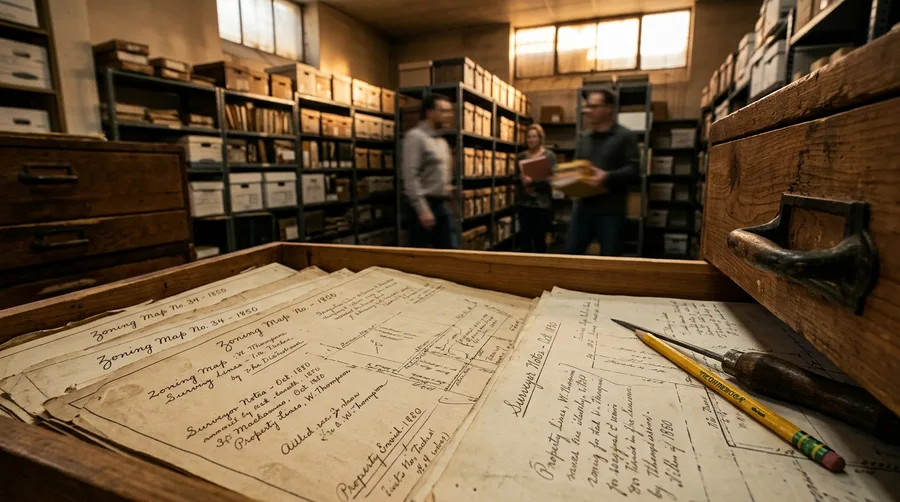
If you do one thing here, do this and spend an afternoon digging through city records.
You will pull heavy cedar drawers containing original zoning maps from 1850, hand-drawn surveyor notes, and sepia photographs of streets that no longer exist while archivists share obscure neighborhood lore.
Bring a pencil because ballpoint pens are strictly banned near the historic paper documents, and take photographs of map legends with your phone so you can study street grid changes over evening drinks.
9. Rest Your Feet in City-Center Botanical Glasshouses
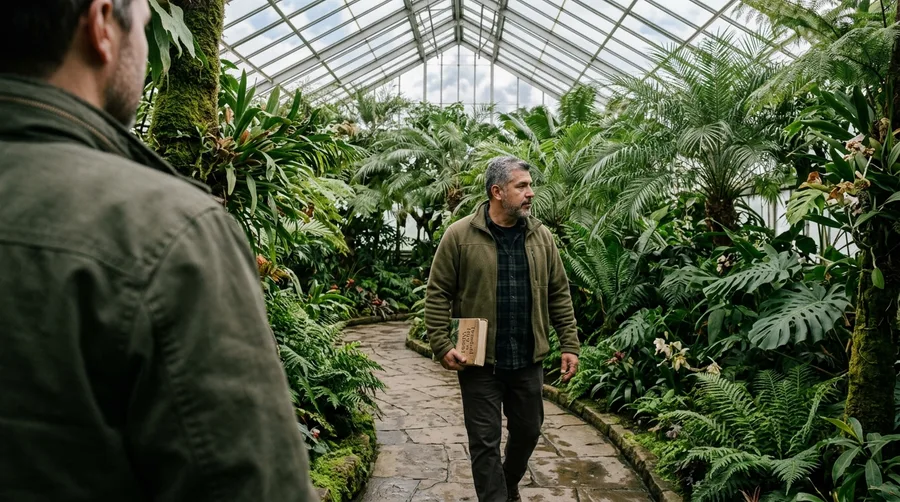
After the concrete drafts of the municipal archives, this tropical glasshouse sits like a green lung right in the middle of downtown.
Arrive right at ten in the morning before the school groups flood the iron walkways, and bring a book to claim that wrought-iron bench by the central fountain.
10. Wander Open-Air Wholesale Produce and Flower Markets

Is it actually worth fighting the morning crush at famous spots like Borough Market or Pike Place just to look at fruit? Yes, but only if you get there before eight.
It costs absolutely nothing to walk the damp aisles and take in the scent of crushed basil, bruised blood oranges, and buckets of cut flowers. You are there to watch the wholesale traders aggressively haggle over crate prices while the city is still waking up, which is the real show anyway.
Jostling crowds always attract pickpockets, so use your front pockets.
11. Ride the Glass Elevators in Free Public Atriums
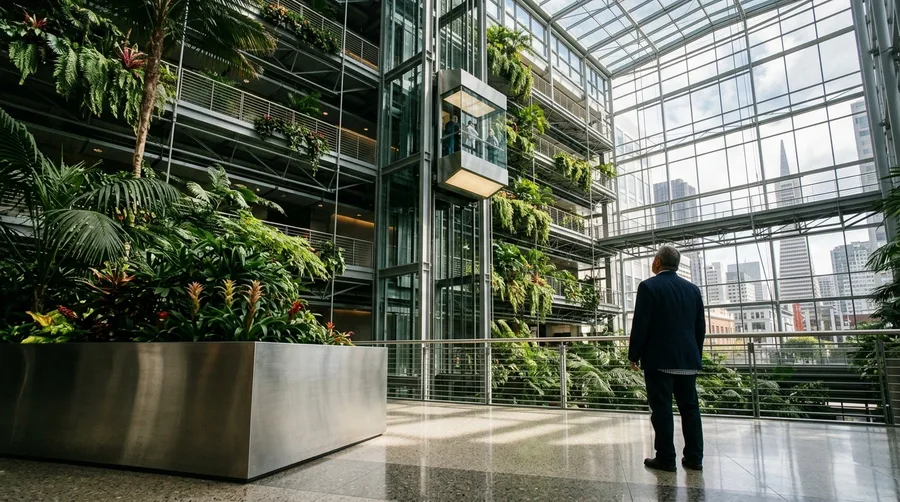
Corporate tower atriums in cities like San Francisco and Chicago offer free glass elevators with panoramic views of the financial district.
After five o’clock, office workers clear out and leave thirty stories of indoor tropical garden to the public.
Step inside the car, press the top floor button, and enjoy a vertical ride that costs zero dollars while security guards rarely blink an eye if you dress neatly.
Atrium Exploration Hierarchy
From ground floor entry to top floor views.
12. Visit Municipal Sculpture Gardens and Outdoor Plazas
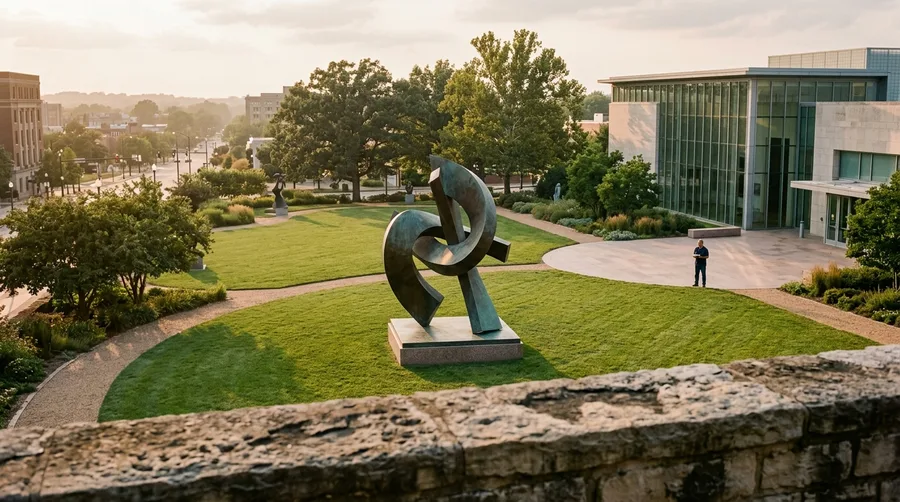
The heavy summer heat radiates off the polished granite plazas long after noon.
Municipal sculpture gardens attached to civic galleries let you view world-class modern art without buying an indoor ticket.
You might wonder if that massive bronze Henry Moore installation is truly worth navigating the weekend museum crowds.
Step past the main entrance glass and the noise of the surrounding avenues drops away instantly.
Bring a sketchbook and a soft pencil to draw the abstract shapes while sitting on the stone retaining walls, and stay as long as you like.
13. Find Quiet Corner Pews in Historic Downtown Churches
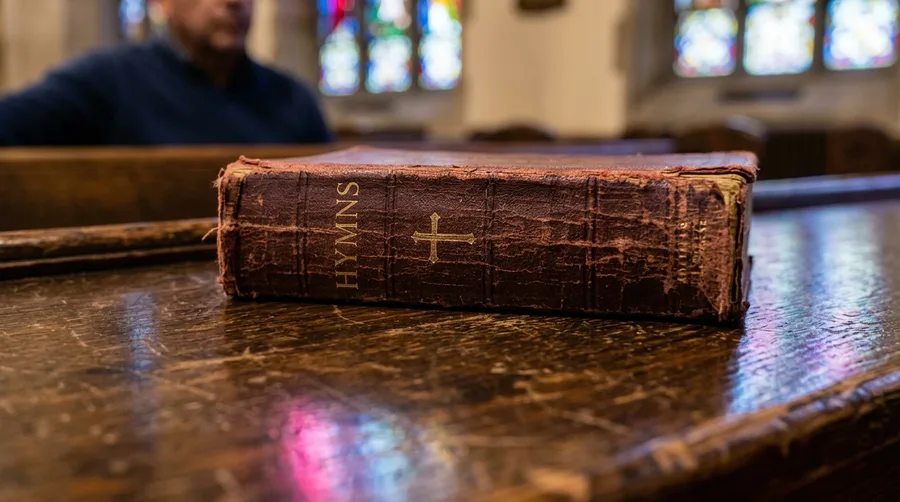
Zero dollars gets you sixty uninterrupted minutes away from the sidewalk traffic.
Step inside, sit down, and let the city noise fade away for an hour while historic parish churches offer stained glass, quiet chapels, and cool air on hot summer afternoons. This stop suits travelers with aching feet and low energy who need a guaranteed seat, but it does not suit families with restless toddlers needing to burn off energy. Drop a dollar in the candle box if you use their electricity to charge your phone.
14. Inspect Historic Milestone Markers Along Old Coach Roads
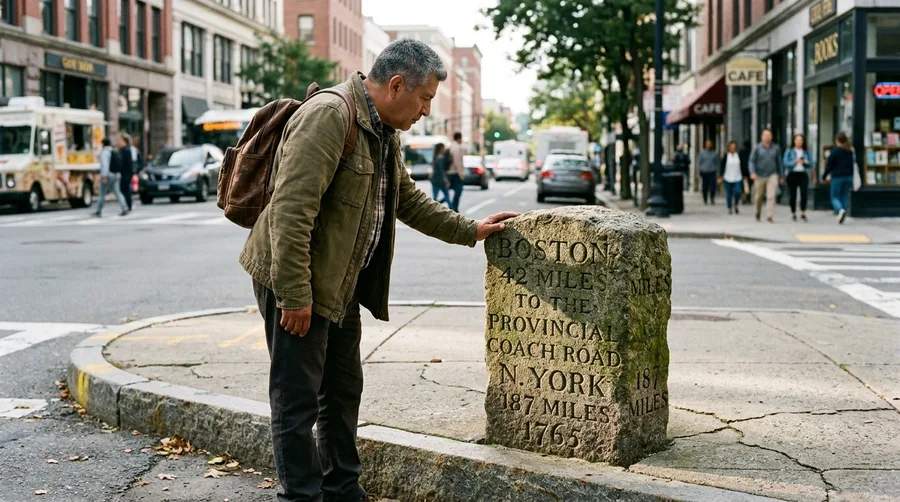
You will spot the mossy granite blocks tucked behind modern traffic light poles if you keep your eyes low on downtown street corners.
Weathered stone posts from the eighteenth century still stand where mail coaches once departed, marking the exact mileage to provincial towns before steam engines arrived.
Read the chiseled inscriptions to imagine the grueling journey travelers faced to reach the coast, and skip the crowded museums for this free piece of roadside history.
15. Watch Tugboats Maneuver Container Ships at River Piers
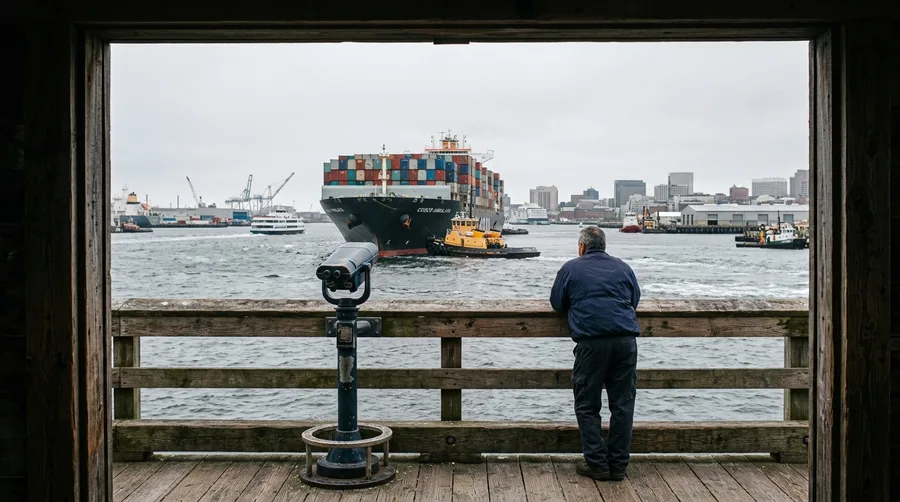
The low thrum of a diesel engine vibrates right through the wooden planks beneath your boots as heavy salt air rolls off the water. Grab a bench at the municipal pier and watch maritime commerce work up close for zero dollars.
Families love watching agile tugboats nudge huge cargo vessels around narrow shipping channels against the tide. Local port authorities bolt free high-powered binoculars directly to viewing platforms at major river terminals, and checking the tide schedule beforehand lets you see fully loaded freighters ride the incoming current.
Frequently Asked Questions
Are these free attractions actually worth visiting?
Yes. Municipal libraries, public gardens, and ferry rides often offer better local character than expensive private museums.
Do I need to tip tour guides or docents?
Free municipal sites rarely have formal tour guides, but volunteer docents do not accept tips.
Can I bring food into public libraries and atriums?
Libraries ban food and open drinks near books, but indoor corporate atriums usually permit packed lunches.
How much cash should I carry for a day of free sightseeing?
Carry twenty dollars in small bills for emergency snacks, public restrooms, or donations.
Are these spots accessible for slow walkers?
Most public buildings have elevators, ramps, and ample seating, though historic cobblestone streets require sturdy walking shoes.
Your First Week of Better Sightseeing
Pick three free spots from this list for your first morning out in the city.
Skip the ticket counters, ride the public ferries, and enjoy the urban landscape on your own terms.