Living in New Zealand | The Truth About Life at the End of the World

Is trading your career trajectory and consumer purchasing power for pristine alpine views and absolute physical safety actually worth it?
I spent two years living and working in Wellington on a Skilled Migrant visa, renting a cold Victorian terrace, paying local taxes, and experiencing both the wild outdoors and the crushing cost of living firsthand.
The romantic global image of clean landscapes and progressive isolation masks a harsh economic and logistical reality for incoming expats.
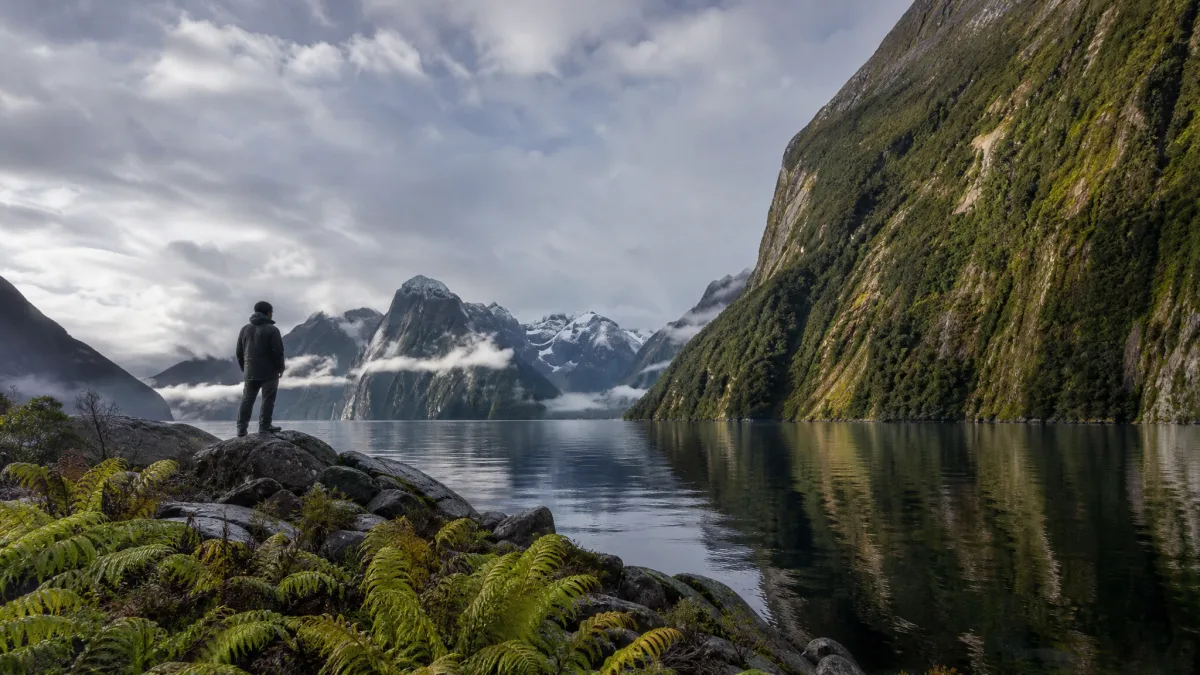
Expect to hike through ancient native forests, swim in alpine lakes, walk rugged uncrowded beaches, drive narrow winding coastal roads, and sample local flat whites within thirty minutes of any urban center.
Moving to New Zealand means trading financial growth and consumer savings for unmatched physical safety and natural access.
New Zealand Quick Planning Guide
Salaries Lag Significantly Behind High Living Costs

Your purchasing power drops immediately because local wages lag far behind typical US metropolitan earning potential for equivalent roles.
Skilled professionals earn an average annual salary ranging from NZD $85,000 to NZD $110,000 while facing grocery bills that hit NZD $250 to NZD $320 weekly for a family of two due to heavy import taxes and island logistics.
Importing a standard car or buying a reliable used Japanese import costs around NZD $12,000 upfront.
You will find that saving money requires much tighter budgeting than you are used to back home.
| Metric | New Zealand Reality | United States Benchmark |
|---|---|---|
| Skilled Professional Salary | NZD $85,000 to $110,000 | Significantly higher in major US metros |
| Family Grocery Bill (Weekly) | NZD $250 to $320 | Lower average costs for domestic produce |
| Used Vehicle Purchase | NZD $12,000 for Japanese import | Broader domestic used car market |
| Monthly Suburban Rent | NZD $2,800 to $3,600 | Varies widely by state and urban core |
Rental Housing Lacks Basic Insulation and Central Heating

High living costs and modest wages force compromises on domestic infrastructure, starting with the reality of residential housing that lacks basic insulation and central heating.
Monthly rent for a 3-bedroom suburban home in Auckland or Wellington spans NZD $2,800 to NZD $3,600, yet standard Kiwi properties rely entirely on inefficient portable electric heaters.
My Victorian terrace in Wellington ran damp through the winter months, driving up electricity bills simply to combat the penetrating cold.
This poor insulation creates an indoor living standard far below typical US residential expectations.
The Financial Reality Check
Core baseline expenses measured across two years of residency
Isolation Makes International Travel an Expensive Luxury
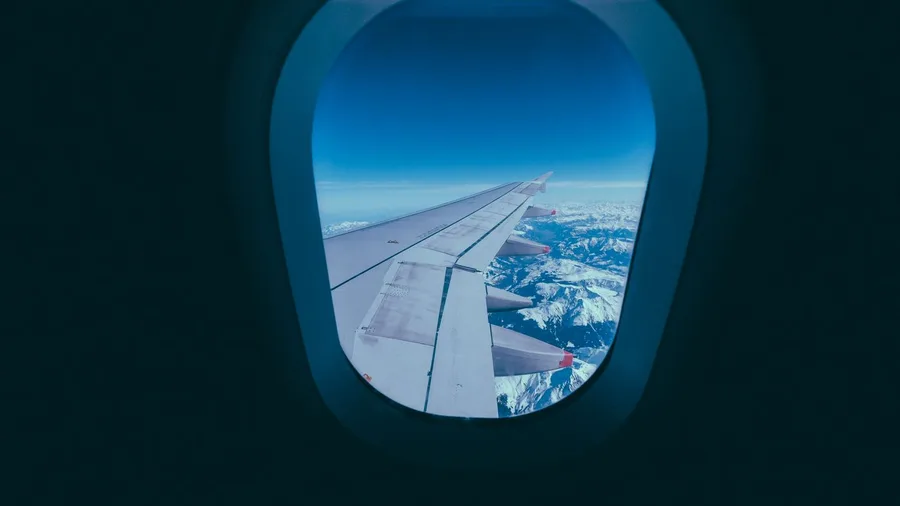
Domestic discomfort inside poorly heated homes is compounded by the vast geographical distance from the rest of the world, making international travel an expensive luxury.
Return flights home or long-haul travel cost NZD $2,500 to NZD $4,000 per person, and journeying off the island requires enduring 24-plus hours of travel time per direction.
This isolation suits remote workers or homebodies, but it leaves globally connected professionals feeling completely trapped.
I watched friends skip major family milestones because the high cost of leaving the island bubble far exceeded their remaining savings.
⚠️ COMMON MISTAKE
Assuming Local Wages Match Western Standards
Do not expect your overseas savings to stretch indefinitely once local taxation and high goods and services tax hit your weekly spending.
Primary Transit Corridor
Save this route map to understand distances between major urban centers.
Immigration Verdict Lanes
- Access to pristine alpine trails and uncrowded coastal beaches — Unmatched worldwide for outdoor enthusiasts.
- High cost of imported goods combined with flat salary caps — Requires careful budgeting and reduced consumer spending.
- Expecting fast professional promotion and American-style corporate wealth — Corporate hierarchies are flat and tightly capped.
Career Progression Hits a Distinct Ceiling Early

Stalled professional momentum happens faster than you expect once you step outside major global economies.
Flat corporate structures and limited industry sectors create fewer lateral moves, forcing specialized tech and corporate talent to hit severe career caps early.
My own professional growth slowed to a crawl compared to the rapid, aggressive advancement typical of US markets where larger budgets and diverse firms constantly open new doors.
Because the overall market size remains small, economic power concentrates heavily among just a few major players, putting a strict ceiling on senior salary bands regardless of how hard you work or how much experience you bring to the table.
Clearing Up Misconceptions
Building a Social Circle Takes Deliberate, Sustained Effort

Finding professional fulfillment outside the office matters because building a genuine community network takes months of patient, repeated effort.
Local social circles remain remarkably polite yet deeply insular, tightly bound by childhood and decades-old school ties that are notoriously difficult for newcomers to penetrate.
Relying solely on temporary expat bubbles offers immediate comfort, but true local assimilation requires stepping outside your comfort zone to join community clubs, volunteer organizations, or weekend outdoor groups.
Adult immigrants who fail to actively pursue these local touchpoints often find themselves isolated inside short-term expat circles, watching years pass without ever making a close local friend.
Integration Roadmap
The Outdoor Lifestyle Completely Redeems the Hardships
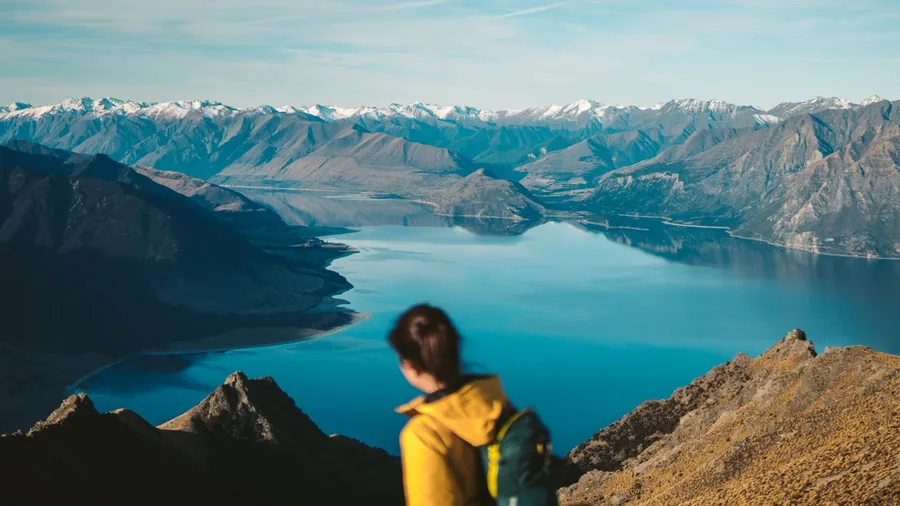
The heavy toll of isolation and social friction eventually meets its counterweight in the wild landscapes waiting just beyond the suburban fringe.
Expansive coastal shores, rugged alpine tracks, and untouched native bush sit within a comfortable thirty-minute drive of major urban centers like Wellington and Auckland.
Extremely low crime rates and quiet community safety create an unmatched sense of daily security that transforms how you live your everyday life.
Enduring cold rental houses and stretched finances suddenly feels entirely justified the moment you spend a Saturday afternoon hiking through misty ridge trails where you rarely pass another soul.
You trade financial velocity and consumer convenience for safety, clean air, and open space.
— What long-term migrants keep repeating
Frequently Asked Questions
Is it difficult to secure a work visa for New Zealand?
Securing a visa requires matching skills listed on current immigration shortage lists. You will need a formal job offer from an accredited employer to proceed.
How expensive is healthcare for residents?
Public healthcare is heavily subsidized for residents and citizens, though many professionals purchase private insurance to bypass specialist wait times.
Do I need a car to live comfortably in Wellington or Auckland?
Public transit works well for inner-city commuting, but exploring the natural landscape requires a reliable vehicle.
What is the tax rate like on middle-class salaries?
Income tax brackets are progressive, and a Goods and Services Tax applies flatly to almost all retail purchases and consumer services.
How severe is winter weather in the North Island?
Temperatures rarely drop below freezing, but persistent rain and high humidity make homes feel much colder than thermometer readings suggest.
Evaluating Safety Against Financial Strains
Weigh your tolerance for high consumer costs and career salary ceilings against your desire for unmatched public safety and pristine natural access before making the final jump.
I spent two years paying local taxes in a cold Victorian terrace, weighing every expensive grocery bill against the wild coastlines just beyond the city, proving that living at the end of the world is a deliberate trade of wealth for well-being.
Check Your Budget Baseline
Review the financial realities and housing expenses outlined above before submitting your visa paperwork.