9 Mexican Towns With Whole Neighborhoods of Happy Retirees

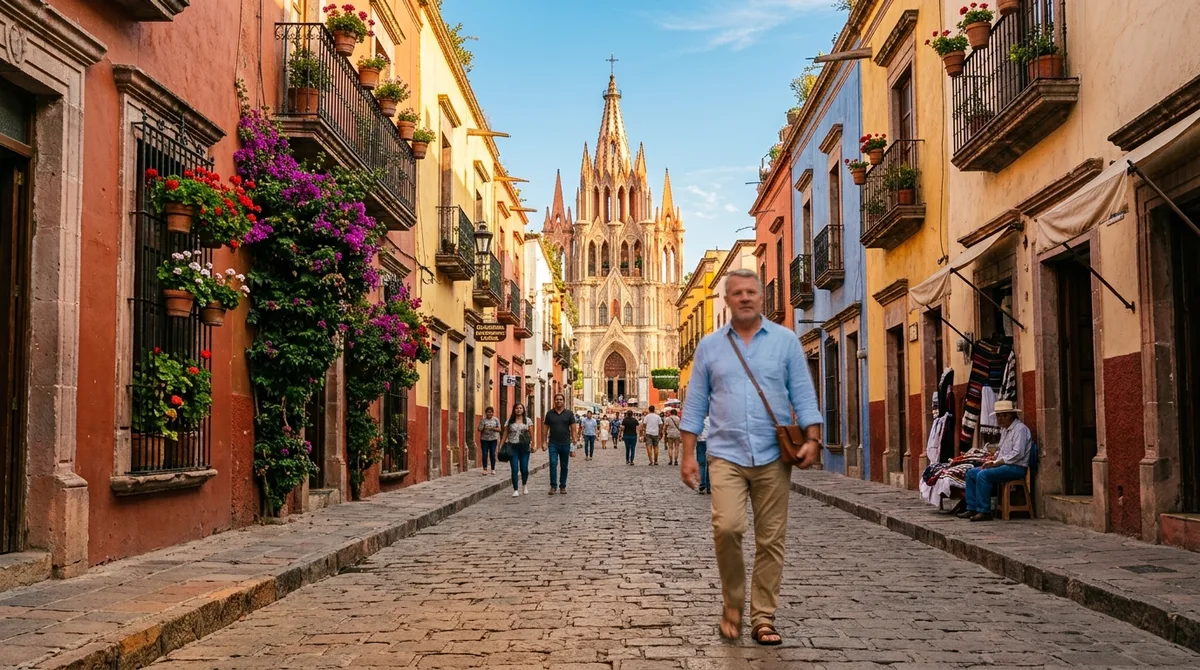
If you want a retirement neighborhood where your neighbors actually wave back, skip the massive mega-resorts and look toward colonial highlands and quiet coastal pueblos.
Most people just book a sterile all-inclusive hotel and assume all of Mexico feels like a walled tourist compound. You would be missing the real daily rhythm of expat-friendly towns where local bakeries know your order by Tuesday.
The math works out to roughly $1,800 to $2,500 a month for a comfortable couple living in a two-bedroom home with housekeeping included.
Rent an apartment, walk to the weekly market, chat with local Spanish speakers, learn the bus routes, find your permanent coffee spot.
You do not have to move your entire life tomorrow, but you can use this guide to pick the exact town that fits your pace and budget.
Quick Tips Before You Start
Healthcare Access
Private clinics near expat hubs offer English-speaking doctors at a fraction of US costs.
Language Basics
Master basic Spanish numbers and polite greetings before your first house-hunting trip.
Public Transit
Local buses and colectivos cost under a dollar and run constantly between neighborhoods.
How Far Is the Drive from Major Hubs?

The morning air carries woodsmoke and the faint, sweet scent of roasting coffee beans as you step out onto the pavement. Toll highways known locally as cuotas make the journey straightforward from major arrival points.
Most established expat hubs sit comfortably within a one to three hour radius of international airports like Guadalajara, Mexico City, or Puerto Vallarta. You will pay modest fees at each booth, but the pavement quality and clear signage justify the small expense.
Renting a car for the initial transfer gives you freedom to stop for roadside tacos without watching a tour clock.
Retirement Hubs At a Glance
Retirement Town Clusters
Save this map to check driving distances between highland hubs.
1. Ajijic on Lake Chapala
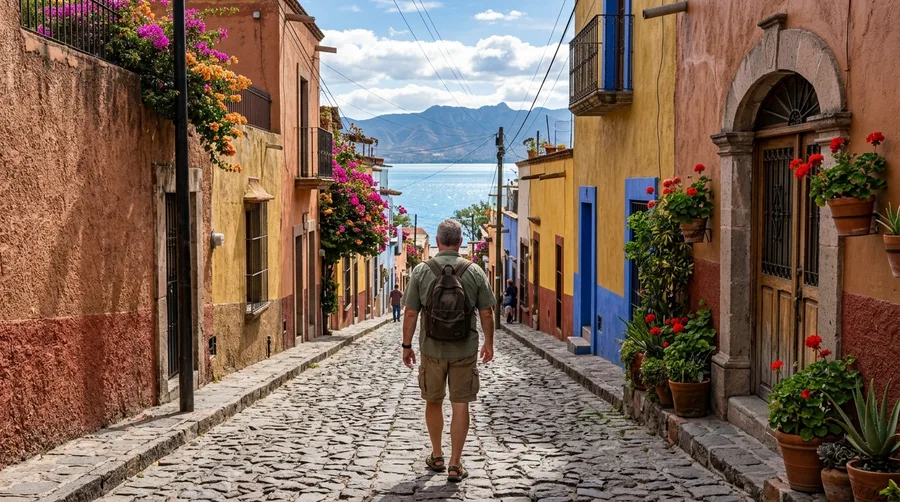
After all that highway miles, this lakeside village forces you to slow down the moment you step onto the uneven cobblestone streets. The lake breeze carries the scent of roasted coffee beans right down the alleyways every single morning.
This lakeside village hosts the largest concentration of foreign retirees in the country, which means English is spoken at nearly every bank, clinic, and restaurant. You will find that navigating daily errands here requires almost zero Spanish if you are just starting out.
You can walk from your front door to the weekly organic market in twelve minutes without ever touching a car key. The community hub centers right around the main plaza where locals and expats gather before nine in the morning.
Time your visit for the early hours right after sunrise when the fishermen push their wooden boats off the shallow shoreline. The afternoon heat climbs past 30 degrees Celsius and empties the streets until four in the afternoon.
Expect to spend around $1,500 to $2,200 a month for a comfortable two-bedroom rental with utilities included. Skip the overpriced properties right on the main highway and look three blocks up the hill for better mountain views and lower rent.
💡 Tip: Rent a home in the upper neighborhoods for quieter nights away from lakeside traffic.
🌱 GROWING TIP
Build Your Social Circle Early
Join local community theater groups or charity volunteer boards during your first month to connect instantly with both locals and long-term expats.
2. San Miguel de Allende Highlands
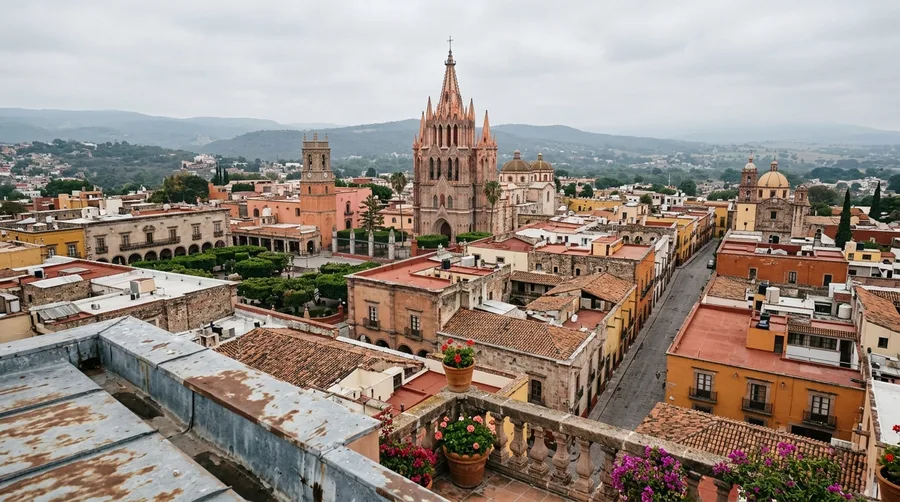
If you do one thing here, do this: be at the main parish church by seven in the morning before the art tour groups crowd the square.
The morning light hits the pink stone facade in a way that makes every second of the early wakeup worthwhile.
You will notice retirees gathering around iron cafe tables outside Rustica bakery for almond croissants and espresso, while prices run higher than the national average due to global acclaim, but the arts scene and culinary depth justify every peso spent.
💡 Tip: Wear flat-soled boots because the historic stone pavement is uneven and steep.
San Miguel Living — At a Glance
🎨 Culture
Artisan Hub
💵 Cost Level
Moderate-High
🚶 Walkability
Very High
Pro Tip
Book walking tours during weekday mornings to avoid weekend crowds.
3. Alamos in Sonoran Foothills
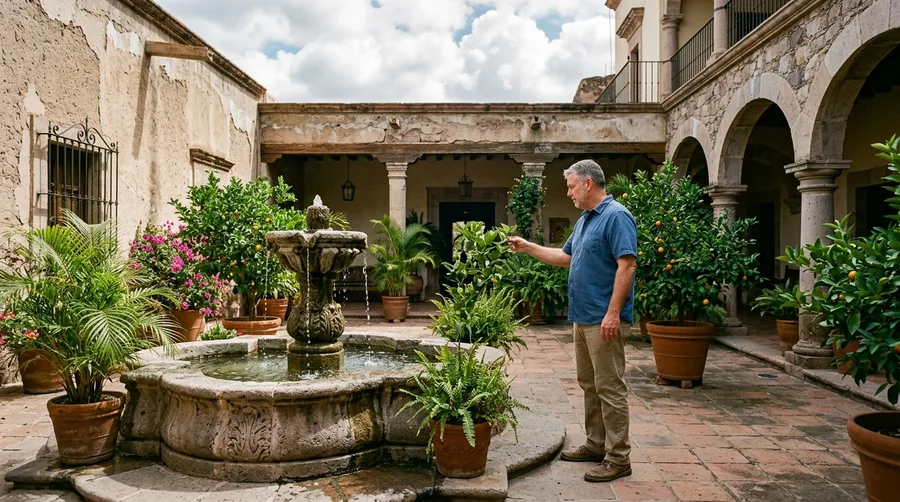
You will smell the sweet orange groves and sun-baked adobe before you even catch sight of the quiet colonial facades tucked deep into the Sonoran foothills. This is where you trade the crowded coastal resorts for a genuine architectural masterpiece that feels completely untouched by modern rush, perfect for settling into a genuinely slow retirement rhythm.
Splurging on a restored 18th-century heritage home here typically costs around $250,000 to $400,000, which buys you soaring timber ceilings, interior garden courtyards, and thick stone walls that keep the desert heat completely at bay. Hire a local stone mason for $30 a day to maintain your courtyard fountain, and spend your afternoons wandering cobblestone alleys where the loudest sound is church bells echoing across the plaza.
💡 Tip: Summer temperatures get intense, so many residents travel north between June and September.
Best For
4. Merida in Yucatan Peninsula
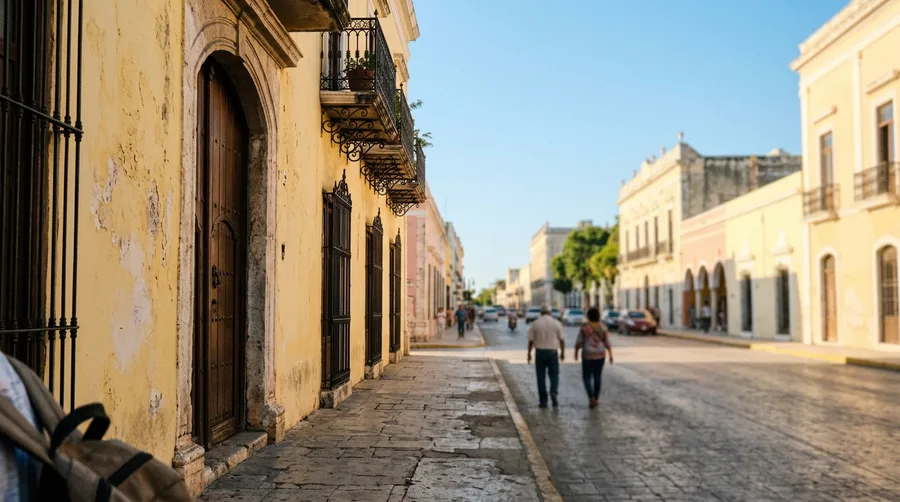
Watch out for the midday heat here because temperatures regularly cross 40 degrees Celsius from April through June. You can lease a restored historic mansion with high ceilings and a private pool courtyard for roughly $1600 monthly.
It is an undeniable financial splurge compared to smaller villages, but the world-class hospitals and cultural festivals make it worthwhile.
💡 Tip: Install ceiling fans in every room to keep electricity bills manageable during humid months.
⚠️ COMMON MISTAKE
Ignoring Summer Humidity
Do not underestimate the intense coastal humidity from May through October; budget for reliable air conditioning.
5. Coatepec Coffee Town
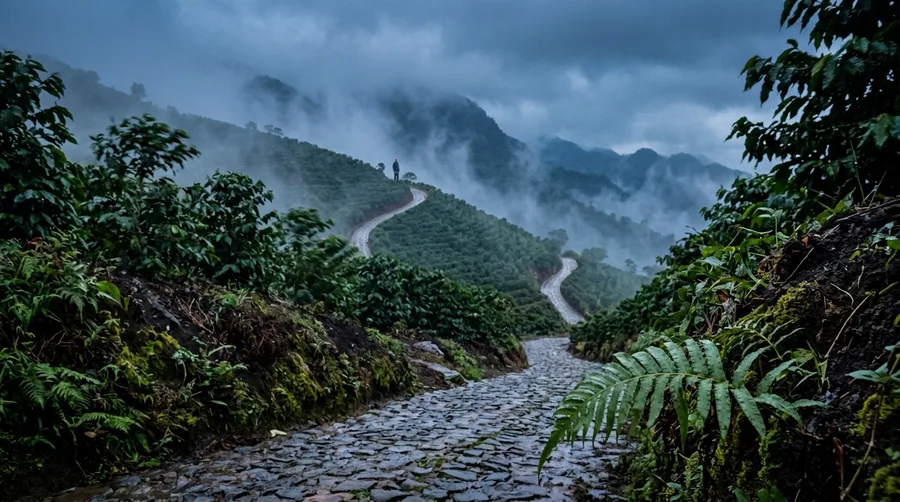
Three dollars gets you a hot pour-over at Cafe de la Parroquia, brewed from beans grown on the steep volcanic slopes surrounding the plaza.
This quiet highland town smells permanently of roasted arabica beans and damp tropical foliage.
Watch out for the afternoon mountain drizzle that rolls in like clockwork around three o’clock.
💡 Tip: Buy local honey and fresh Veracruz coffee directly from growers at the Saturday morning market.
📦 Your Move-In Timeline
Visit First
Rent an Airbnb for two weeks during the rainy season to test local weather.
Secure Visas
Apply for temporary residency at your nearest Mexican consulate.
Find Housing
Work with local expat networks to find unlisted rental properties.
6. Puerto Escondido Coast
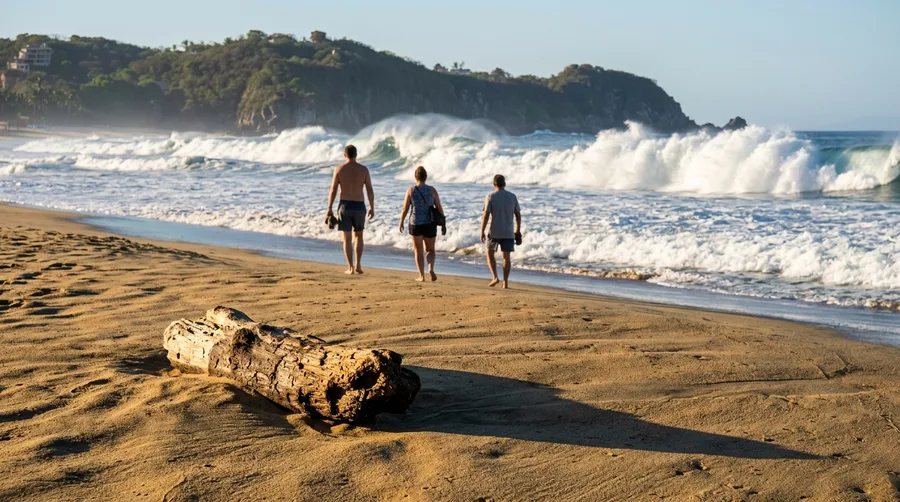
Is Zicatela beach worth the heavy surf and the international crowds that fill the shoreline every dry season?
You will find that the raw energy of the Pacific breakers completely justifies the trip if you love watching powerful waves roll in without obstruction.
A plate of fresh grilled red snapper at Zicatela beach costs around $12 with lime and handmade tortillas when you order from the open-air shacks lining the sand.
Surfers and retirees share the same ocean views every single evening without pretense or friction while the sun drops flat into the water.
Grab an iced coconut water from a street cart and walk the shoreline while pelicans dive offshore to round out an afternoon that feels entirely unhurried.
💡 Tip: Stay in the Rinconada neighborhood for quieter streets away from the main surfing nightlife.
Coastal vs. Highland Living
Coastal Towns
- Warm ocean breezes year-round
- Fresh seafood daily markets
- Relaxed beach town dress code
- Active outdoor water lifestyle
Highland Towns
- Springlike temperatures daily
- Rich colonial architecture
- Vibrant arts and lecture scenes
- Lower overall humidity levels
7. San Cristobal de las Casas
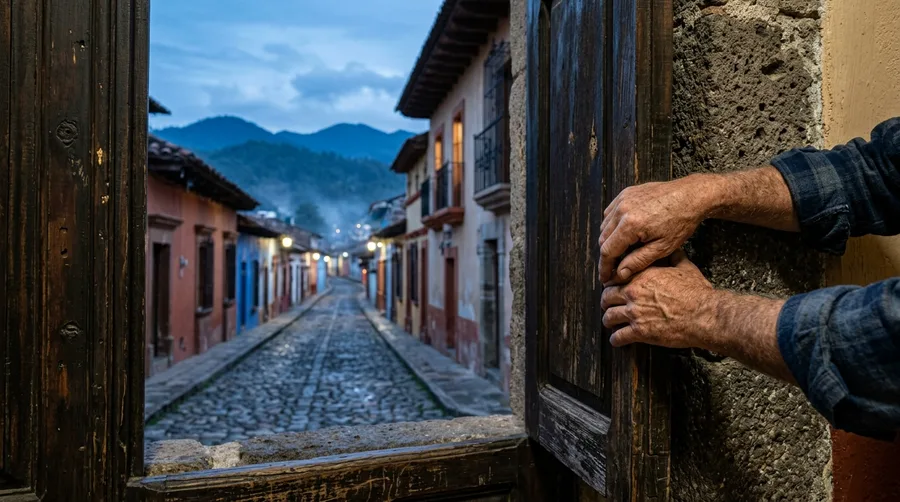
San Cristobal de las Casas is a high-altitude colonial valley town filled with indigenous textile markets and retired academics.
You will need to pack a heavy fleece because winter evening temperatures regularly drop past freezing when the sun goes down at 7,000 feet.
Rent averages $600 monthly for a two-bedroom stone house, making the chilly nights an easy trade-off for long-term residents.
💡 Tip: Ensure your rental home has a functioning fireplace or gas heater for chilly winter nights.
8. Huatulco Bay Communities
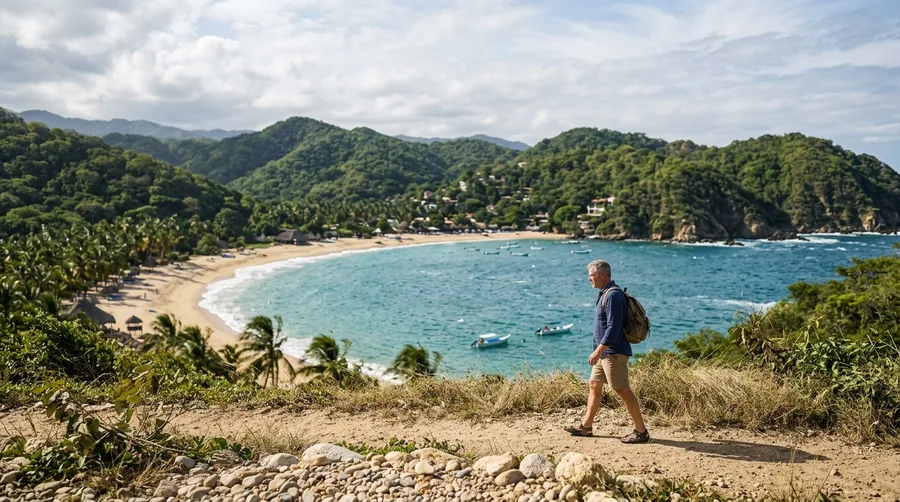
Nine distinct bays and master planned green communities prioritize clean infrastructure here instead of dense high rise construction.
Public bus lines are sparse across the area, so owning a small car or golf cart is essential for daily errands.
💡 Tip: Choose a home in La Crucecita to remain within walking distance of local bakeries and markets.
9. Queretaro Historic Center
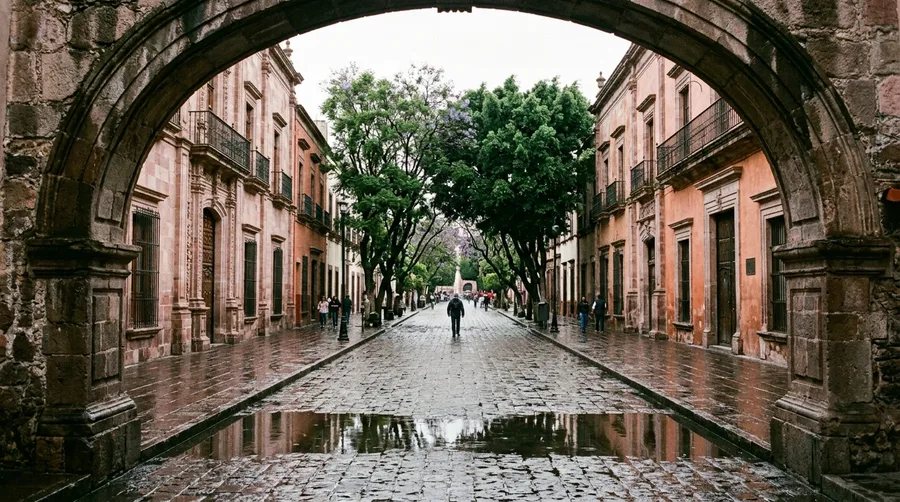
Queretaro Historic Center is a master-planned colonial hub where seventeenth-century baroque stone facades blend seamlessly with modern fiber-optic connectivity just fifteen minutes from the main commercial plazas. You grab an artisanal gelato and stroll the pedestrian promenades as street musicians play acoustic guitars beneath the shade of towering jacaranda trees.
Residents enjoy pristine public parks, low crime rates, and proximity to an international airport that connects you directly to Texas hubs in under three hours. Walk the cobblestone grid yourself to see how easy daily errands are without ever needing a car.
💡 Tip: Look for apartments near the Alameda Hidalgo park for easy walking access to cultural events.
Frequently Asked Questions
Do I need to speak fluent Spanish to live in these towns?
Not in hubs like Ajijic or San Miguel where English is widely spoken. However, learning basic phrases helps enormously with local markets and taxis.
How does healthcare work for American and Canadian retirees?
Private doctors and hospitals are affordable and modern. Many expats pay cash for routine visits and maintain international policies for major emergencies.
What is the monthly cost of living for a couple?
Most couples live comfortably on $1,800 to $2,500 per month, covering rent, utilities, dining out, and health insurance.
Can I bring my pets into Mexico easily?
Yes, you need a health certificate from a licensed veterinarian and proof of current rabies vaccination issued within six months of travel.
Your Next Step Toward Better Living
Pick one town from this list that matches your preferred climate and book a two-week exploratory stay.
Walk the neighborhoods, talk to local residents, and see how the daily rhythm feels before making a permanent move.