
I Live in Paris: 20 Metro Mistakes That Scream ‘Clueless American Tourist’

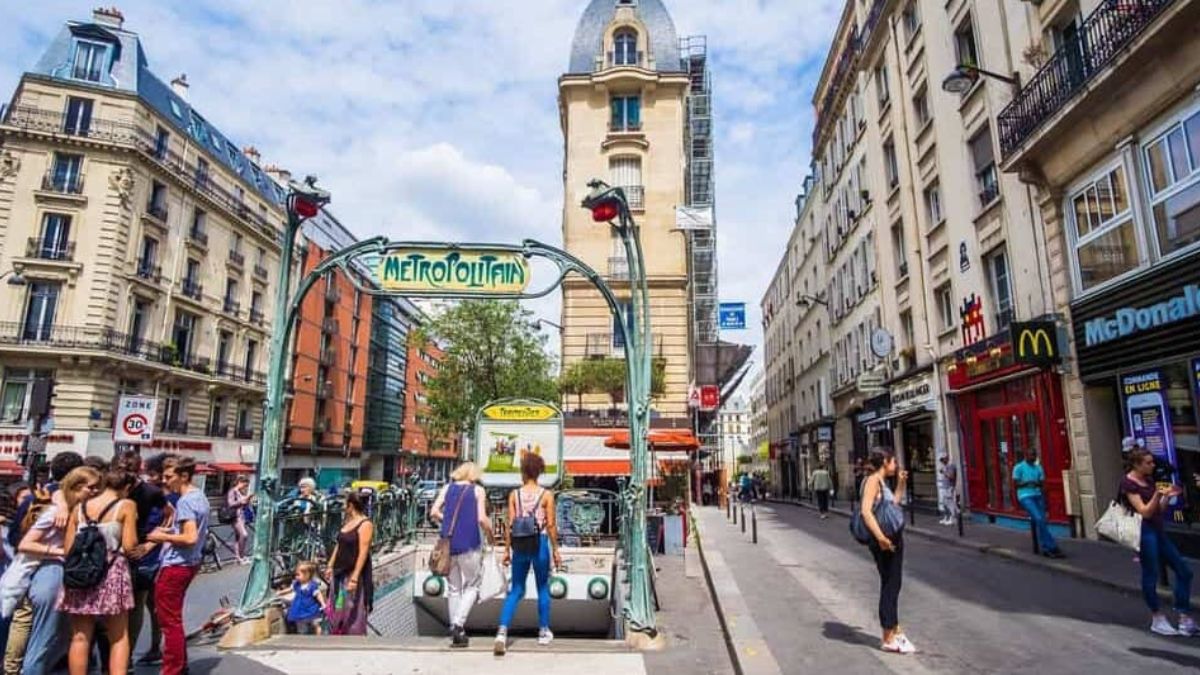
You’ve just landed at Charles de Gaulle, your head is spinning from the flight, and all you want is to drop your bags and find that first perfect croissant. But then you hit the Metro entrance, and suddenly it feels like you’re trying to solve a Rubik’s cube while a crowd of impatient Parisians huffs behind you. I’ve lived here long enough to see it every single day—that look of pure, unadulterated panic as an American tourist stares at a turnstile like it’s a high-security vault.
The thing is, Paris just went through a “Revolution Billettique” on January 1, 2025. They’ve overhauled the fares, killed off most of the paper tickets, and simplified the zones. It’s actually better now, but if you’re using a guidebook from 2023, you’re basically walking into a trap. Let’s sit down and have a real talk about how to navigate this city without looking like you just fell off a tour bus in your Bermuda shorts. Honestly, the Metro is the heartbeat of Paris, but if you don’t know the rhythm, you’re going to get stepped on—literally and figuratively.
The 2025 Fare Reality Check
The old days of “Zone 1-3” vs “Zone 4-5” for casual trips are mostly gone. They’ve moved to a flat-rate system for the region, which is a massive win if you’re heading to Versailles or Disney, but a bit of a sting if you’re just going two stops down the street.
1. The Single-Ticket Financial Drain

A lot of people arrive and just keep buying single “Ticket t+” paper slips at the machine because it feels safe. But here’s the thing: at €2.50 a pop, you are burning money. If you’re doing three or four trips a day, you’re already hitting the price of a day pass. Plus, the RATP is trying to kill the paper ticket. It’s a dying breed. They are fragile, they demagnetize if they so much as look at your phone, and they’re honestly a hassle to keep track of in your pocket.
Instead, you should grab a Navigo Easy card for €2 the second you see a service window. You can load it with “carnets” (packs of 10) or day passes right from your phone using the Bonjour RATP app. It’s about not being “that person” fumbling with a little scrap of cardboard while the line behind you grows longer and the glares get colder. Think of it as your “local” pass—it makes you feel like you belong here, and it saves you enough for an extra bottle of wine by the end of the week.
2. The Airport Fare Fallacy
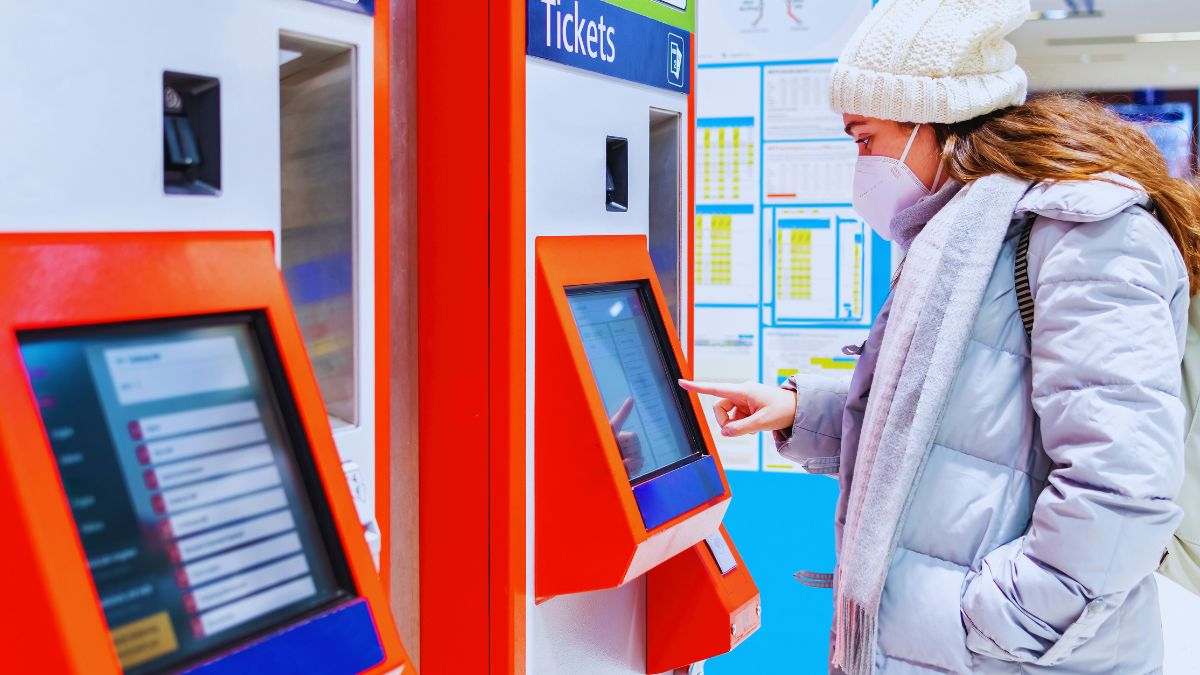
This is the big one. Since the 2025 update, almost everything in the region is a flat €2.50, but the airports are the exception that proves the rule. I’ve seen so many people try to tap their regular Navigo Easy or use a standard ticket to get to Charles de Gaulle, only to find the exit gates locked and a group of inspectors waiting on the other side. They don’t care if you’re confused; they just want the €70 fine.
To get to CDG or Orly, you need the specific €13 “Paris Region-Airports” ticket. It’s digital-only now, so you have to load it onto your Navigo Easy or your phone. Don’t even try to “oops” your way through this one. The inspectors target the airport lines because they know tourists make this mistake. Save yourself the heartbreak and the €70—buy the airport fare before you board.
3. The Validation Neglect
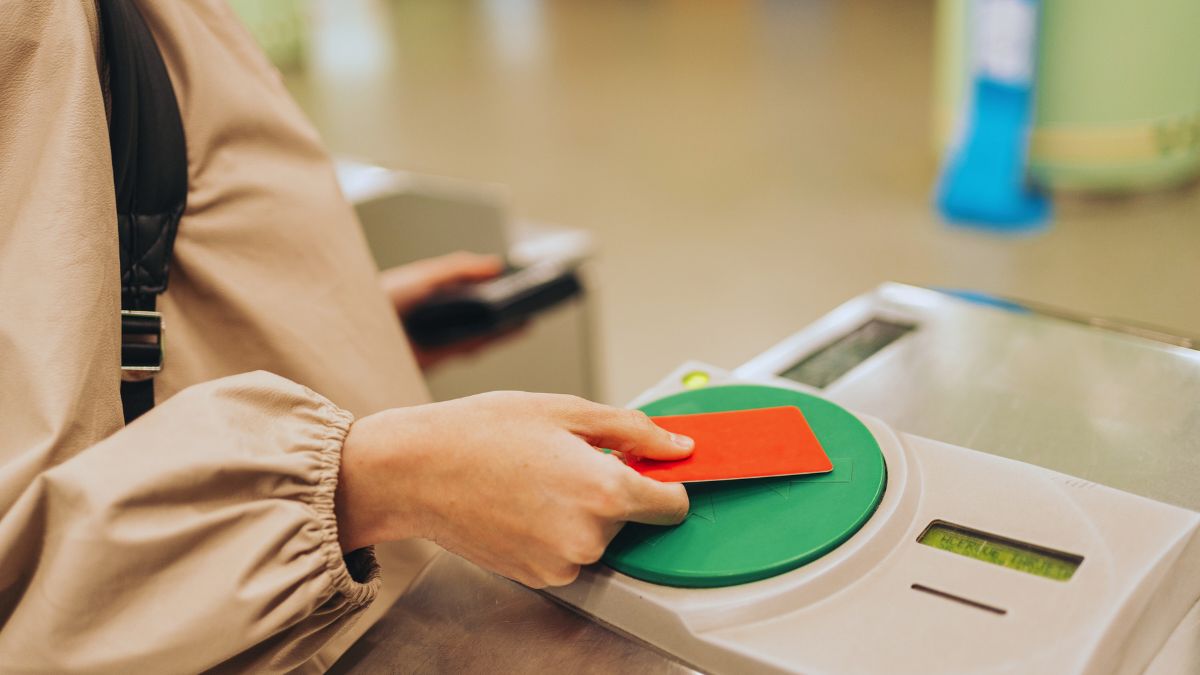
In the States, sometimes you buy a ticket and just hold onto it. In Paris, a ticket that hasn’t been “validated” (tapped at the turnstile) isn’t a ticket—it’s a piece of trash in the eyes of the law. I’ve seen people walk through open gates or follow someone through, thinking they’re being “efficient.” Then the inspectors (the contrôleurs) show up with their little handheld scanners, and suddenly you’re paying a fine that’s triple the cost of your dinner.
As of June 2025, the RATP has actually increased these fines to crack down on “minor fraud.” Even if you have a valid Navigo pass with a week of travel on it, if you didn’t tap in at the start, you’re technically in violation. It’s annoying, I know, especially when the gates are already open, but just tap. Always tap. It’s the only way to keep the green-vested “fun police” off your back.
4. The Short-Walk Inefficiency
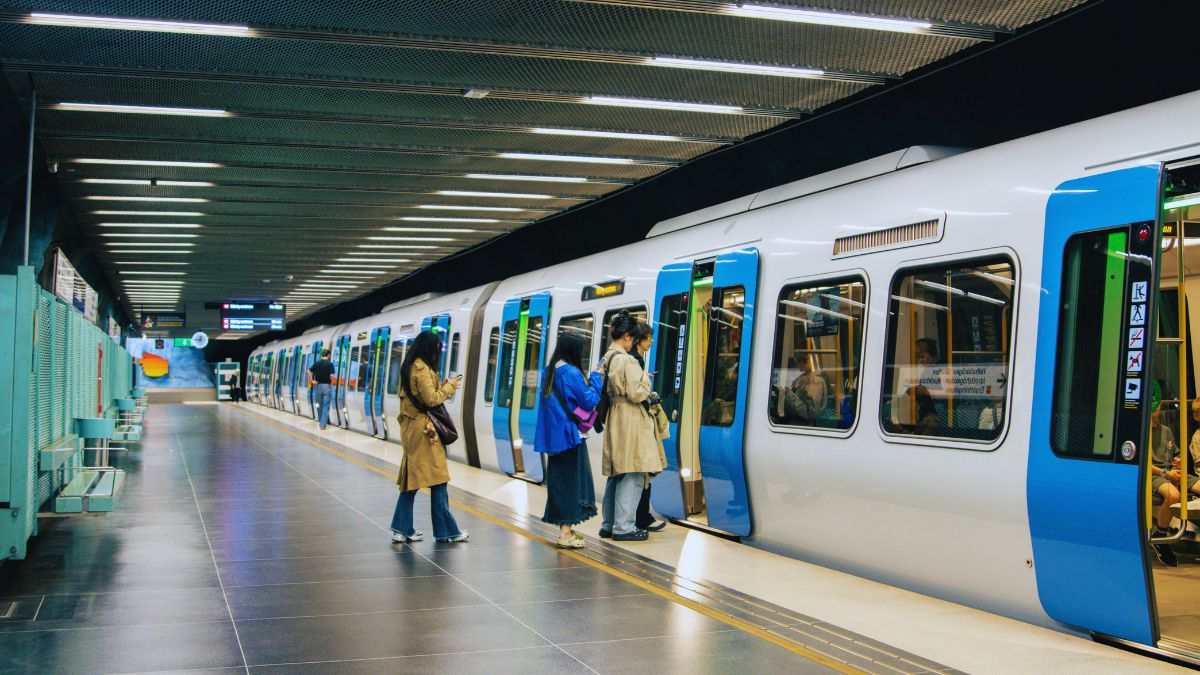
Paris is surprisingly small. The city itself is only about 6 miles across. Because of that, the stations are packed together—the average distance between them is only about 548 meters. That’s like a five-minute walk. I see tourists all the time descend into the depths of a station like Châtelet, navigate the maze, wait for a train, and ride one stop to Les Halles. By the time they come back up to the surface, they’ve spent 15 minutes to travel a distance they could have walked in four.
And honestly, walking is where the magic happens! When you’re underground, you’re missing the tiny bakeries, the street art, and the way the light hits the limestone buildings. Check your maps before you go under. If your destination is less than two stops away, just walk. Your feet might hurt a bit more, but your soul (and your wallet) will thank you. Plus, you’ll avoid the “Metro smell,” which, let’s be real, can sometimes resemble a locker room in mid-August.
5. The Rush Hour Entrapment
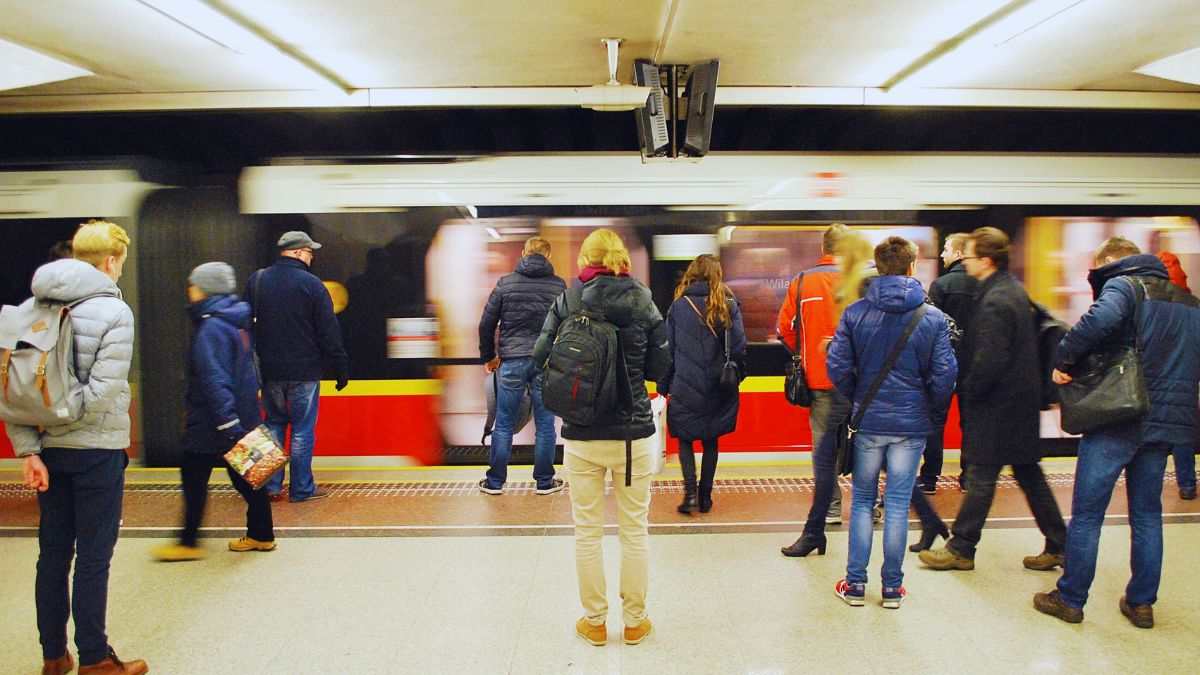
Look, there is a specific kind of “hell” reserved for trying to board Line 1 at 8:30 AM with a massive hardshell suitcase. Parisians use the Metro to get to work, and during rush hour (8-9 AM and 5-7 PM), it turns into a high-stakes game of human Tetris. If you’re standing there with a giant bag, blocking the doors while everyone is trying to commute, you aren’t just a tourist—you’re an obstacle.
If you can, time your arrivals and departures for the “calm” hours (like 10 AM to 4 PM). If you absolutely have to travel during the rush, take your backpack off and hold it between your feet. It creates more space and keeps you from accidentally smacking a grumpy Parisian in the face when you turn around. It’s all about being aware of the space you’re taking up in a city where personal bubbles basically don’t exist.
6. The Escalator Obstruction
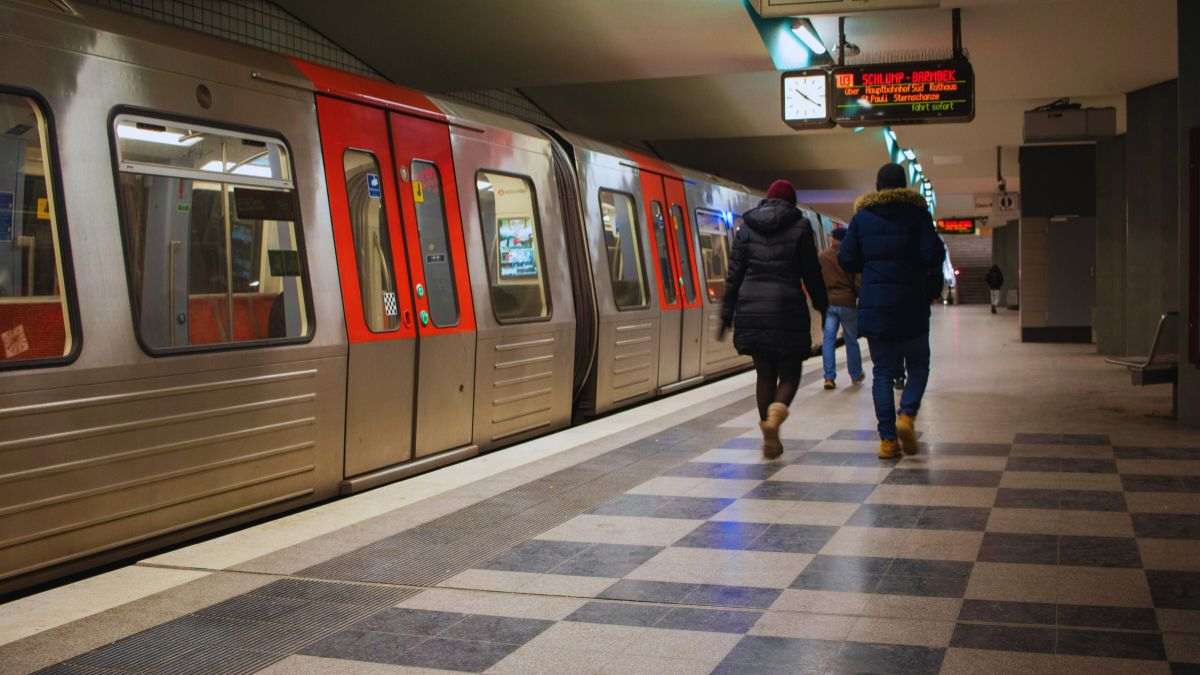
This is the quickest way to get a “Tchip” or a loud “Pardon!” from a local. The rule is dead simple: stand on the right, walk on the left. It’s like a highway. The left side is for people who are sprinting to catch a train because they’re five minutes late for a meeting. If you stand on the left with your luggage, you’re essentially a human roadblock.
It sounds like a small thing, but etiquette is the “lubricant” that keeps this crowded city moving. When you block the flow, you’re signaling that you think your leisure is more important than everyone else’s schedule. Just tuck yourself to the right, keep your bags close, and enjoy the ride. It’s the easiest way to blend in and avoid being the target of a collective Parisian eye-roll.
7. Turnstile Hesitation
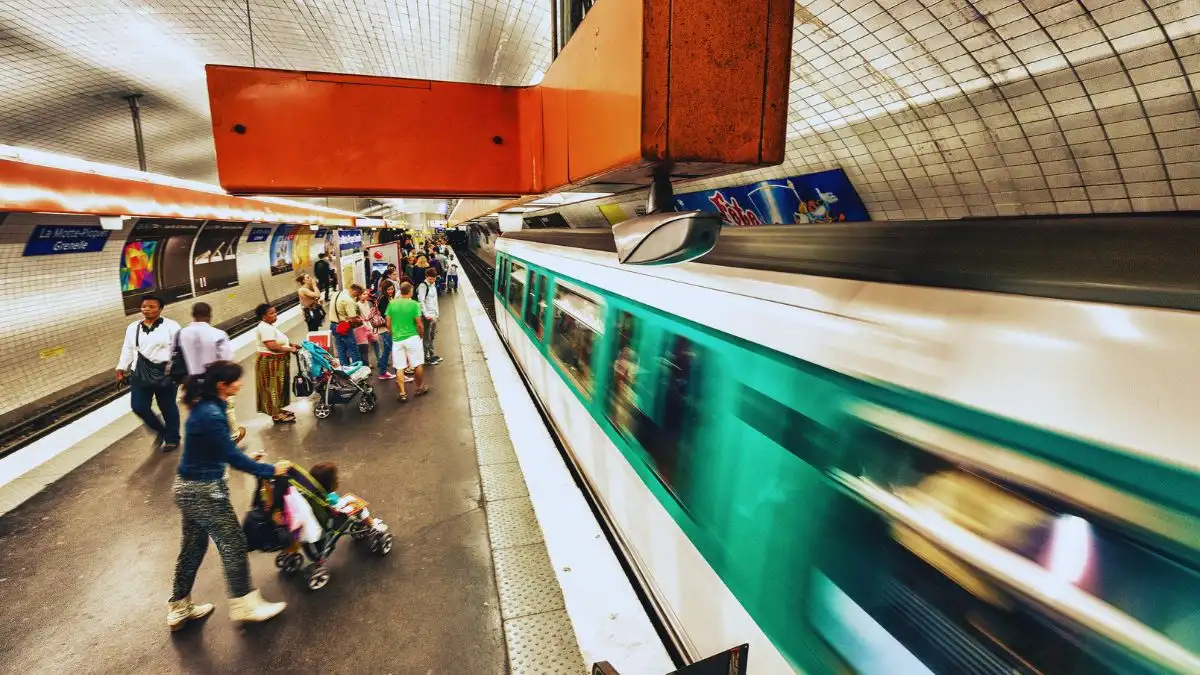
You know that moment when you get to the front of the line and realize your ticket is buried at the bottom of your bag? Yeah, don’t do that. Parisians move through the turnstiles in one fluid motion—tap, step, go. If you stop to rummage, you’re creating a ripple effect of annoyance that stretches back to the entrance.
I always tell my friends: have your phone or card in your hand before you even hit the stairs. If you need a second to get organized, just step off to the side. There’s no shame in taking a minute to breathe, just don’t do it in the “high-speed lane.” It’s about showing a little respect for the flow of the city.
8. Terminus Confusion
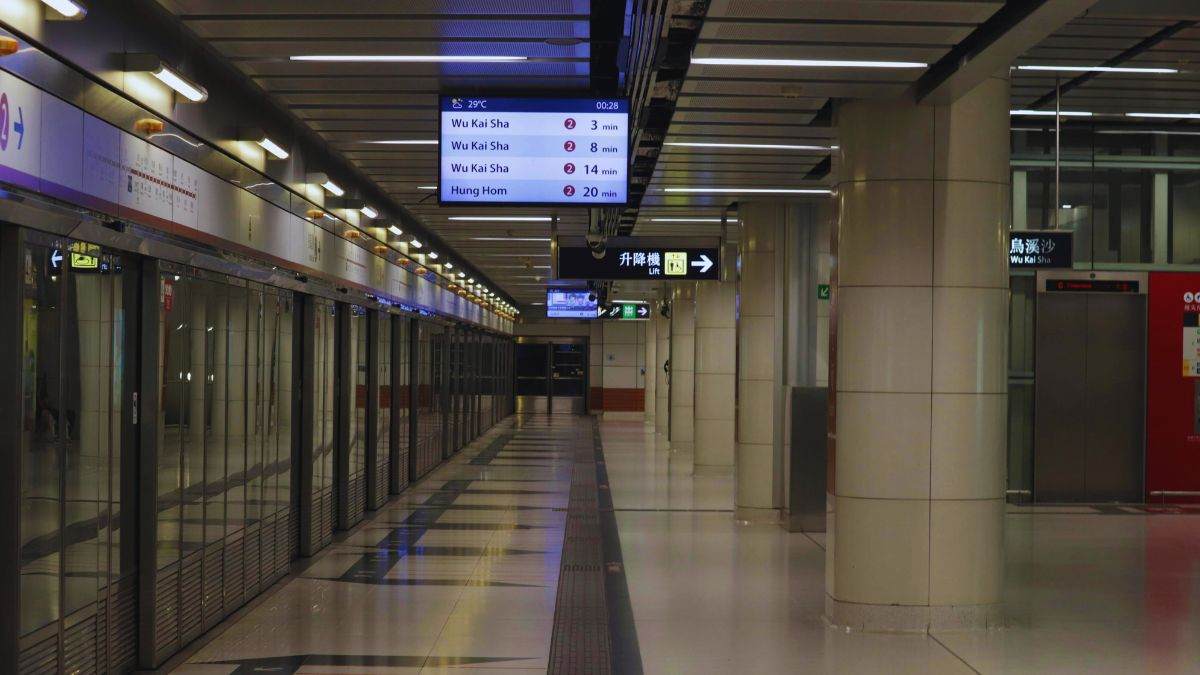
In New York, you look for “Uptown” or “Downtown.” In Paris, we look for the Terminus. Each line is defined by the very last station on that route. If you’re on Line 4 and you want to go toward Notre Dame, you need to look for the sign that says “Direction: Bagneux–Lucie Aubrac.” If you look for “South,” you’re going to be staring at the signs for a long time.
It takes about ten seconds to double-check the little map on the platform before you board. I’ve seen so many people hop on the first train that pulls up, only to realize three stops later they’re headed toward the suburbs in the wrong direction. Just look up, find the end of the line on the map, and match it to the sign. It’ll save you 20 minutes of backtracking and the frustration of feeling lost.
9. The Unbalanced Rider
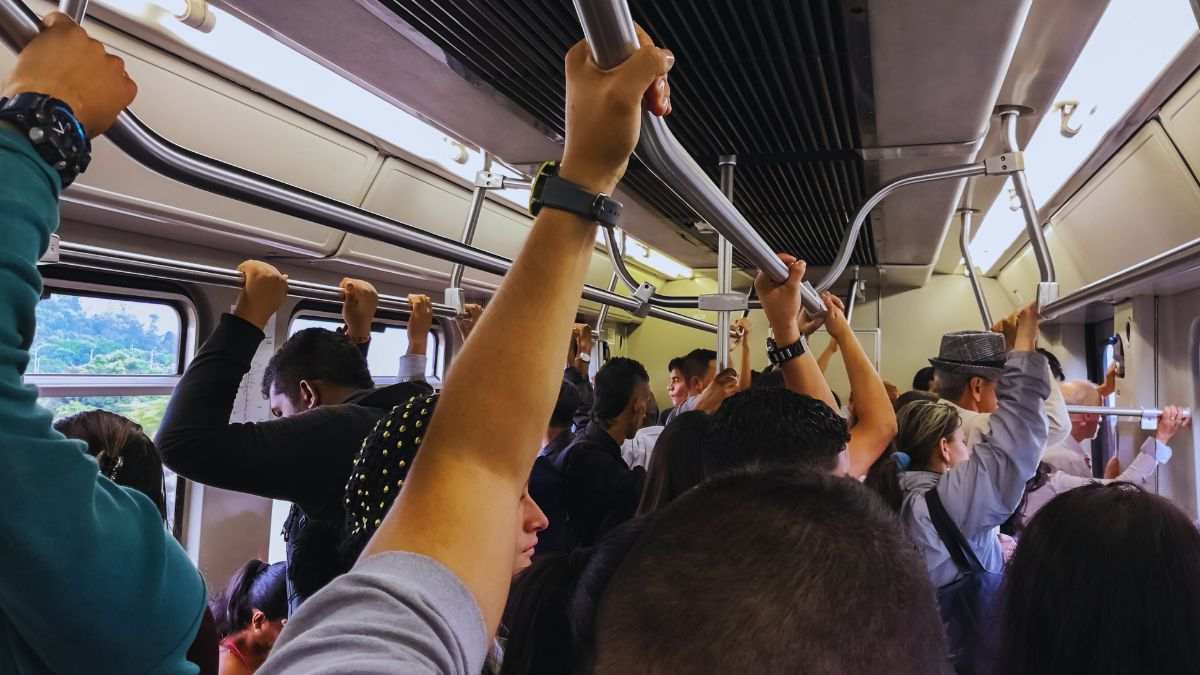
Parisian Metro trains, especially the newer automated ones on Lines 1, 4, and 14, use rubber tires. Scientifically, this gives them incredible traction, but it also means they accelerate and brake like a sports car. If you aren’t holding onto a pole when that train takes off, you’re going to go flying. I call it the “Metro stumble,” and it’s the ultimate “I’m a tourist” marker.
Even if you think you have great balance, just grab a handrail. The starts and stops are “jerky” and unpredictable. And please, for the love of everything, don’t lean your entire back against the pole. That pole is for everyone to hold onto, not your personal spine-rest. Hold on tight, stay upright, and you won’t end up in a stranger’s lap when the train hits a curve.
10. Missing the Last Train
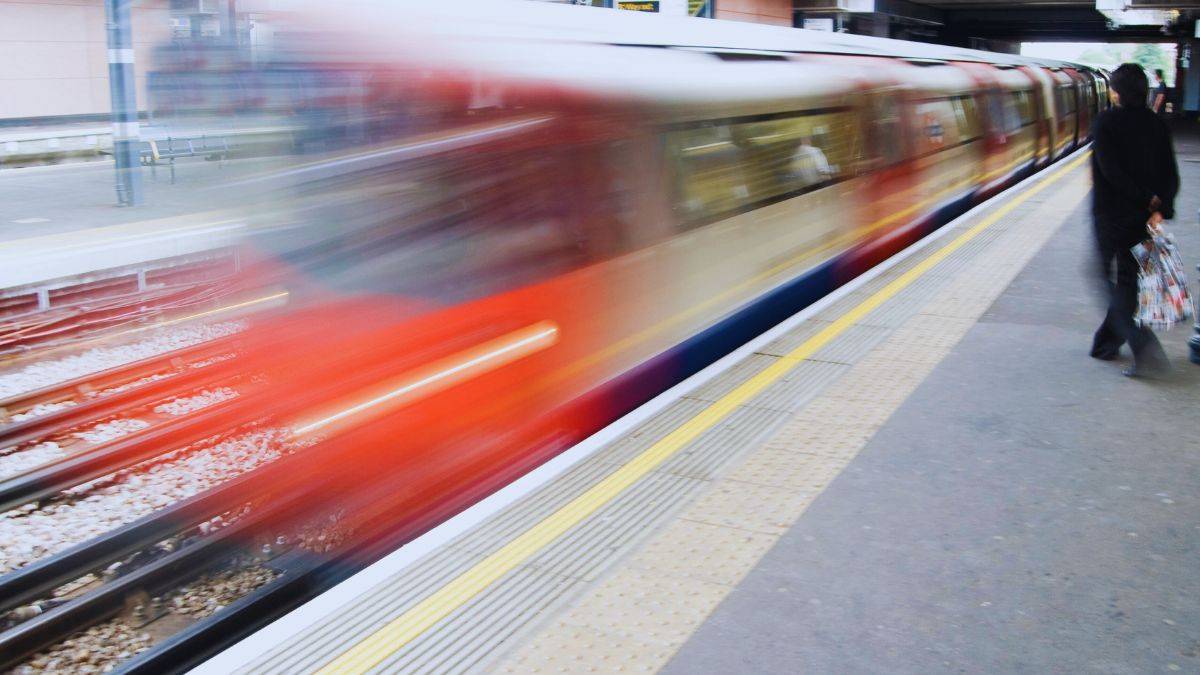
Paris is the City of Light, but it is not the City That Never Sleeps. Unlike New York, the Metro shuts down. Usually, the last trains leave their starting points around 12:30 AM on weeknights and 1:30 AM on weekends. If you’re out at a bistro in the Marais and lose track of time, you might find yourself walking two miles home or trying to find a very expensive taxi.
Always have a “Plan B” for after midnight. The “Noctilien” (night buses) exist, but they can be a bit of a maze if you’re tired. My advice? Set a “Metro alarm” on your phone for 12:15 AM. It’s a bummer to cut the night short, but it beats being stranded in an unfamiliar neighborhood at 2 AM.
11. Feet on the Seats

This is a huge “no-no.” I get it—your feet are killing you from walking the Louvre all day. But in Paris, the Metro is treated with a certain level of formal respect, even if it’s a bit grimy. If an inspector catches you with your feet on the seat (or even the side paneling), they will hand you a €150 fine on the spot. No warnings, no “I’m sorry,” just a very expensive ticket.
It’s part of the “behavioral hygiene” rules the RATP is pushing in 2025. They want to keep the cars clean, and they aren’t afraid to use fines to enforce it. Keep your shoes on the floor where they belong. If you’re that tired, just take a seat and rest your head, but keep the upholstery for sitting.
12. The “Bonjour” Gaffe

If you take nothing else away from this, remember this: “Bonjour” is the magic word that unlocks France. If you walk up to a ticket window and just say “Two tickets, please,” you are being incredibly rude in French culture. It’s like walking into someone’s house and not saying hello. You’ll get a cold response, or they might even ignore you.
Always, always start with “Bonjour, Madame” or “Bonjour, Monsieur.” It costs you nothing, and it completely changes the energy of the interaction. Once you’ve said it, people will be ten times more likely to help you with your broken French or your lost Navigo card. It’s the basic social contract of the city.
13. The Cobblestone Shoes

I know you want to look chic. It’s Paris! But those thin-soled dress shoes or high heels are going to betray you within the first hour. Paris is a city of stairs—some Metro transfers involve walking through tunnels for ten minutes and climbing three flights of steps. And once you’re above ground, the cobblestones are waiting to twist your ankles.
Stylish sneakers are the true Parisian uniform now. You’ll see women in gorgeous trench coats and men in sharp suits, all wearing clean, high-end sneakers. Do your feet a favor and pack some supportive shoes. You’re going to be doing way more walking than you think, and there’s nothing that screams “unprepared tourist” like someone limping through the Tuileries because of a blister.
14. The Over-Tipping Habit

Coming from the States, we’re conditioned to leave 20% on every bill. In France, the law requires service to be included (service compris). If you leave a €10 tip on a €50 lunch, the waiter will love you, but you’re effectively announcing that you don’t understand how the country works.
Usually, locals just leave the “small change”—maybe €1 or €2 for a nice meal, or nothing at all for a coffee. If the service was truly life-changing, €5 is considered a huge tip. Save that extra cash and use it for a museum pass or a better bottle of wine. Tipping isn’t an obligation here; it’s a small gesture of “thanks,” not a supplement for a low wage.
15. The Spontaneity Error

You used to be able to just “show up” at the Louvre or the Eiffel Tower. Those days are dead. Almost every major site now requires a timed-entry reservation. I’ve seen so many families get off the Metro at Palais Royal, walk to the pyramid, and realize they can’t get in because they didn’t book a slot three days ago.
The Metro is just the tool to get there; the reservation is the key. Plan your big “must-sees” at least a week in advance. It’ll save you the heartbreak of standing in a “no-ticket” line for two hours only to be turned away. Paris is a city that rewards the prepared.
16. The “Tourist Zone” Dining Trap

Mistake #16 is exiting the Metro at a major monument and sitting at the very first cafe you see. If the menu has pictures of the food and is translated into six languages, you are about to pay €22 for a mediocre onion soup. These places know you’re tired and just want to sit down, so they charge a “view tax.”
Walk at least three or four blocks away from the Eiffel Tower or the Louvre. Find a side street where the menus are handwritten on a chalkboard in French. Not only will the food be better and the prices lower, but you’ll actually feel like you’re in a Parisian neighborhood instead of a theme park. Look for where the locals are sitting—that’s your north star.
17. The Beret Misconception

Honestly, if you wear a beret in Paris, everyone knows you’re a tourist before you even open your mouth. It’s like wearing a cowboy hat in Times Square. Most Parisians haven’t touched a beret since they were five years old. It makes you stand out in a way that says “I’m playing dress-up,” which can actually make you a bigger target for scammers.
If you want to blend in, think neutral colors—black, navy, beige. Parisians love a good scarf, but they keep the rest of the outfit understated. Looking like a “local” isn’t about the costume; it’s about the attitude. Stay cool, keep it simple, and leave the beret for the souvenir shops in Montmartre.
18. Conversational Volume

American “indoor voices” are often Parisian “shouting.” The Metro is a relatively quiet place. People read, they listen to music, or they talk in hushed tones. If you’re on the train loudly discussing your dinner plans in English, the entire car is listening to you, and they probably aren’t enjoying it.
Think of the Metro car like a library. Keep the volume down, and try to avoid talking on the phone if you can. It’s one of those subtle cultural things that makes a huge difference. When you lower your volume, you lower the “friction” between you and the city.
19. The Doorway Phone Target

This is a safety tip that could save your whole trip. Pickpockets in Paris are professionals. A favorite move is the “grab-and-run” near the doors. They wait for the door chime to start, snatch your phone out of your hand, and hop out just as the doors close. You’re left stuck on the departing train while they’re on the platform with your phone.
If you’re standing near the doors, put your phone away. If you need to check directions, step toward the center of the car. And always keep your bag in front of you. I know it feels paranoid, but it only takes one second of distraction to lose your photos, your maps, and your contact with the world.
20. The “Helpful Stranger” Scam

If someone approaches you at a ticket machine offering to “help” you buy a ticket, walk away. They are scammers, 100% of the time. They might be wearing a fake badge or high-visibility vest. They’ll try to sell you “discounted” tickets that are actually used or for children, pocketing your cash and leaving you with a ticket that will get you a €70 fine.
Actual RATP employees will be behind the glass at the service counters or wearing very specific, branded uniforms. They will never approach you in the ticket hall to handle your money. If the machine is confusing, change the language to English (look for the little flag icon) and do it yourself. It’s not worth the risk.
At the end of the day, the Paris Metro isn’t just a way to get around—it’s a portal. It’s where you see the real city, away from the glitz of the Champs-Élysées. It can be intimidating, sure, but once you stop making these 20 mistakes, you’ll realize it’s actually one of the most efficient, beautiful systems in the world. Just remember: say Bonjour, stand on the right, and whatever you do, keep your feet off the seats. You’ve got this. Enjoy the City of Light!
Need More Help For Your Journey? Look Into These Essentials
Here’s the deal: with the 2025 shift to almost everything being digital, your phone is now your lifeline and your ticket. If it dies, you’re basically stranded (or staring down a massive fine). And while I’ve talked a lot about pickpockets, they aren’t magic—they just look for the easiest target. Having a bag that’s actually hard to open and shoes that won’t give up on you at the bottom of a 50-step staircase makes a world of difference. Trust me, you’ll feel a lot more like a local when you aren’t constantly checking your pockets or limping toward the exit.
1. Pacsafe Metrosafe X Anti-Theft Urban Sling

This is the “anti-pickpocket” heavyweight. Honestly, the best part isn’t just the slash-proof material; it’s the locking zippers. Pickpockets in Paris are fast, but they aren’t going to sit there and try to solve a hardware puzzle while you’re standing on an escalator. It’s the perfect size for your passport, your Navigo card, and your phone, and you can wear it right across your chest where you can see it. It makes you a much “harder” target, which is usually enough to make them move on to someone else.
2. Anker PowerCore 20,000mAh Portable Charger

Since the 2025 “Revolution Billettique,” your phone is your Metro ticket. But here’s the problem: using GPS and the “Bonjour RATP” app all day absolutely murders your battery. And if an inspector stops you and your phone is dead, they don’t care—you’re getting a €70 fine. This Anker charger is slim enough to slide into your pocket, but it has enough juice to charge your phone multiple times. It’s a non-negotiable for anyone using digital passes.
3. ASICS Gel-Nimbus 27 Walking Shoes

I cannot emphasize this enough: Paris is a city of stairs and old, uneven stones. You’re going to be walking between stations a lot, and those Metro transfers can feel like a half-marathon. The Gel-Nimbus is basically like walking on a cloud, which is exactly what you want when you’re on your 20,000th step of the day. They’re stylish enough to blend in with the smart-casual Parisian look, but supportive enough that your feet won’t be screaming at you by the time you reach the Eiffel Tower.
4. OUTXE Universal Phone Lanyard Tether

This is specifically for that “grab-and-run” scam I mentioned near the Metro doors. You just slip the tab into your phone case and loop the lanyard around your wrist or clip it to your bag. It’s a simple, cheap way to make sure a thief can’t just snatch your phone and disappear as the doors close. Plus, it’s great for taking photos over the Seine without that “oh no, I’m going to drop it” heart attack feeling.
5. Ekster Slim RFID-Blocking Cardholder

Turnstiles in Paris are all about “one fluid motion.” This wallet is built for that. You just hit a little button at the bottom, and your cards pop up in a fan so you can grab your Navigo Easy card or your credit card in a second. No fumbling, no holding up the line, and no “clueless tourist” vibes. It’s also RFID-blocking, which adds that extra layer of digital security when you’re packed into a crowded train car.