European Tour Guides Mock: 18 Tourist Mistakes Americans Make in Every Single City


Honestly, there’s something magical about that first time you step off a plane in Europe. You’ve got the $4,000 itinerary, the high-tech shoes, and a heart full of “Grand Tour” dreams. But here’s the thing—and I say this as a friend who’s been there—we Americans often show up with a set of cultural “factory settings” that just don’t vibrate at the same frequency as the rest of the world.
In 2025 alone, the EU hit a staggering record of 3.08 billion nights spent in tourist spots, and a huge chunk of that energy came from us. We’re traveling more than ever, yet we’re also running a massive $50 billion travel trade deficit because we’re sending our dollars (and our loud voices) overseas while staying stuck in our own bubble.
It’s not that we’re “bad” people; it’s just that we’re often ethnocentric without even realizing it. We measure the world with an American yardstick, expecting ice-cold water in Paris or a 24-hour gym in a medieval village in Tuscany. But look, the reality is shifting. By 2026, we’re going to have to deal with the ETIAS permit just to get in, and the “special treatment” we used to expect is fading.
If you want to actually connect with the locals instead of just being the “tourist in the second-tier passport line,” you’ve got to unlearn some habits. Here are the 18 most common mistakes we make, and how to actually fix them so you aren’t that person everyone is quietly tutting at.
2025 Tourism Growth
1. Being an “Acoustic Beacon” in a Quiet World

We don’t mean to be, but we are loud. It’s actually a scientific thing called the Lombard reflex, which is basically an involuntary response where we ramp up our volume to compete with background noise. Back home, our restaurants, gyms, and even our homes are designed to be loud and high-energy. We’re used to yelling across a room to be heard, and we’ve been raised to think that a booming voice equals confidence and “forthrightness.” But in a cozy Roman trattoria or a quiet French bistro, that American voice cuts through the air like a knife.
Think about it this way: in many European cultures, especially among the old-school elites, a hushed tone is a sign of status and discretion. When we project at a level that can be heard five aisles away in a supermarket, it feels like an invasion of the local peace. I’ve heard tour guides describe American voices as “acoustic beacons” that signal exactly where the tourists are from a block away. The trick is to aim for what I call “library volume.” If you can hear the conversation at the table next to you, you’re probably doing it right; if they can hear every detail of your flight delay, you’re definitely too loud.
2. The “Bonjour” Barrier: Skipping the Greeting

This is probably the biggest reason for the “rude waiter” stereotype. In France especially, if you walk into a shop or approach a stranger and just blurt out, “Where is the bathroom?” or “How much is this?” you’ve already failed. To a local, you’ve just treated them like a tool or a Siri-bot rather than a human being. In their world, the greeting—the “Bonjour,” the “Good morning”—is the essential social glue that acknowledges the other person’s existence before the transaction starts.
It feels like a small thing to us because we value efficiency and “getting to the point,” but in Europe, efficiency without politeness is just plain arrogance. I’ve seen Americans get so frustrated when a shopkeeper seems cold, not realizing the chill started the second they walked in without saying hello. Honestly, just saying “Bonjour” and then asking “Do you speak English?” changes the entire energy of the room. It shows you’re a guest in their house, not a boss at a meeting, and you’ll find that “rude” service suddenly turns into genuine hospitality.
3. Assuming the World Operates in English
Look, I know English is the global lingua franca, and in big hubs like London or Amsterdam, you’ll rarely struggle. But assuming fluency as a right rather than a convenience is where we get into trouble. When we shout English slower and louder at someone who doesn’t understand us, it doesn’t make the words clearer—it just makes us look like we’re throwing a tantrum. It’s an expression of American exceptionalism that really grates on people who are already dealing with record-breaking crowds of international visitors.
The reality is that learning just five basic phrases—”Please,” “Thank you,” “I’m sorry,” “Where is the bathroom,” and “Do you speak English”—is like a magic key. Europeans deeply appreciate the effort, even if your accent is terrible and you accidentally say something nonsensical. It breaks down that wall of “us vs. them” and signals that you respect their culture enough to try. It’s about the gesture, not the grammar, and it’s the fastest way to earn the respect of a local who is tired of being treated like an un-subtitled extra in someone else’s vacation movie.
4. Over-Tipping and the Pullman Legacy
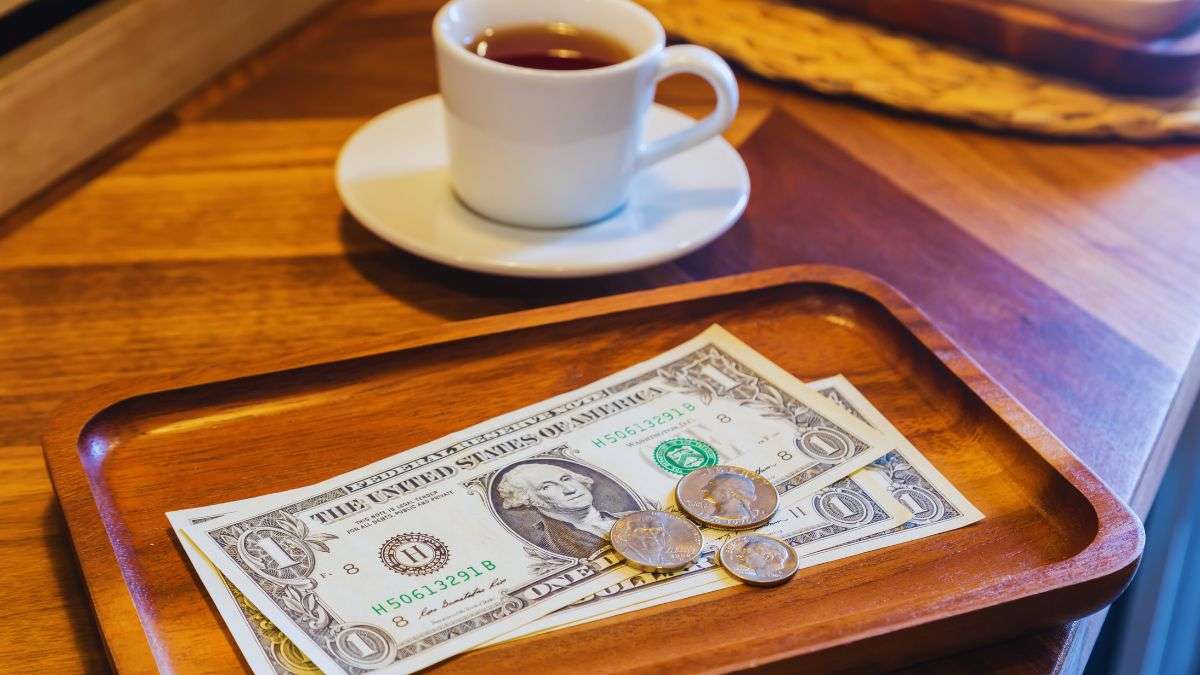
This one is fascinating because our 20-25% tipping habit is actually rooted in a pretty dark history. After the Civil War, companies like the Pullman Company hired newly freed Black men as porters but refused to pay them a living wage, forcing them to rely entirely on the “mercy” of passengers. This evolved into the “tip credit” system we have today where servers make $2.13 an hour. But in Europe, service staff are professionals. They get a living wage, full healthcare, and at least 20 days of paid vacation by law.
When you drop a massive 25% tip in a small Italian village, you aren’t being “generous” in the local eyes—you’re actually disrupting the local economy and acting like an aristocrat throwing coins at the peasants. It can even confuse the staff or make them feel like you’re trying to buy special treatment. In most places, “rounding up” the bill to the nearest ten or leaving a small 5-10% gesture for truly great service is the maximum expected. Anything more is just you exporting American wage-guilt to a place where the waiters are actually treated like middle-class professionals.
5. The “Check” Fallacy: Waiting for the Bill

We’re used to high-turnover dining where the waiter drops the check before you’ve even finished your dessert. In the U.S., that’s seen as efficiency; in Europe, that’s an insult. It’s like saying, “Okay, we’re done with you, get out.” Because of this, a European waiter will almost never bring the bill until you explicitly ask for it. They want you to linger, talk, and enjoy the space. It’s a leisurely social event, not a pit stop on a checklist.
I’ve seen so many Americans sitting at a table for forty-five minutes, getting more and more annoyed, thinking they’re being ignored. Meanwhile, the waiter is in the back thinking they’re being the perfect host by giving the guests space. You have to be the one to signal. A simple “The bill, please” (or l’addition or il conto) is all it takes. Don’t wait for it to arrive by magic, or you’ll be sitting there until the 2026 ETIAS rules kick in.
6. The Obsession with “Bitingly Cold” Ice

The American request for “extra ice” is a perennial source of confusion for European hosts. Historically, ice was a luxury harvested in New England and shipped across the Atlantic, which fostered a culture of scarcity that honestly still lingers. But there’s also a physiological belief in places like Germany and Italy that drinking something “bitingly cold” is actually bad for your digestion and your throat. To them, the drink is served “chilled,” and that’s plenty.
When we ask for a cup full of ice, the locals often feel like we’re cheating ourselves out of the actual beverage. Plus, most European cafes are tiny; they don’t have space for the massive industrial ice machines we have at every McDonald’s. If you demand a mountain of ice, you’re basically asking for a filler that they view as low-quality. It’s one of those “more is more” American traits that clashes with the European “quality over quantity” mindset. Try drinking it as served—you might actually taste the ingredients for once.
7. The Point-and-Wait Supermarket Protocol

In the U.S., we’re used to grabbing, squeezing, and inspecting every peach in the bin. Do that in a European open-air market, and you might get a very loud earful from the vendor. In Italy or France, the produce is the vendor’s pride. You point to what you want, and they pick the best ones for you. Touching the fruit without permission—or without those little plastic gloves you’ll see in Italian supermarkets—is seen as a major hygiene violation and a lack of respect for the expert behind the counter.
It’s about the “market etiquette.” You’re not just a consumer; you’re part of a tradition. Also, when you get to the checkout, don’t expect a bagger. You are 100% responsible for bagging your own groceries at a speed that would make an Olympic athlete sweat. The cashiers scan items faster than the eye can follow, and if you’re standing there like a “headless chicken” while the line piles up, you’re going to feel the heat. Bring your own bag, stay focused, and move your stuff out of the way the second you pay.
8. The “I’m Irish” Ancestry Fallacy
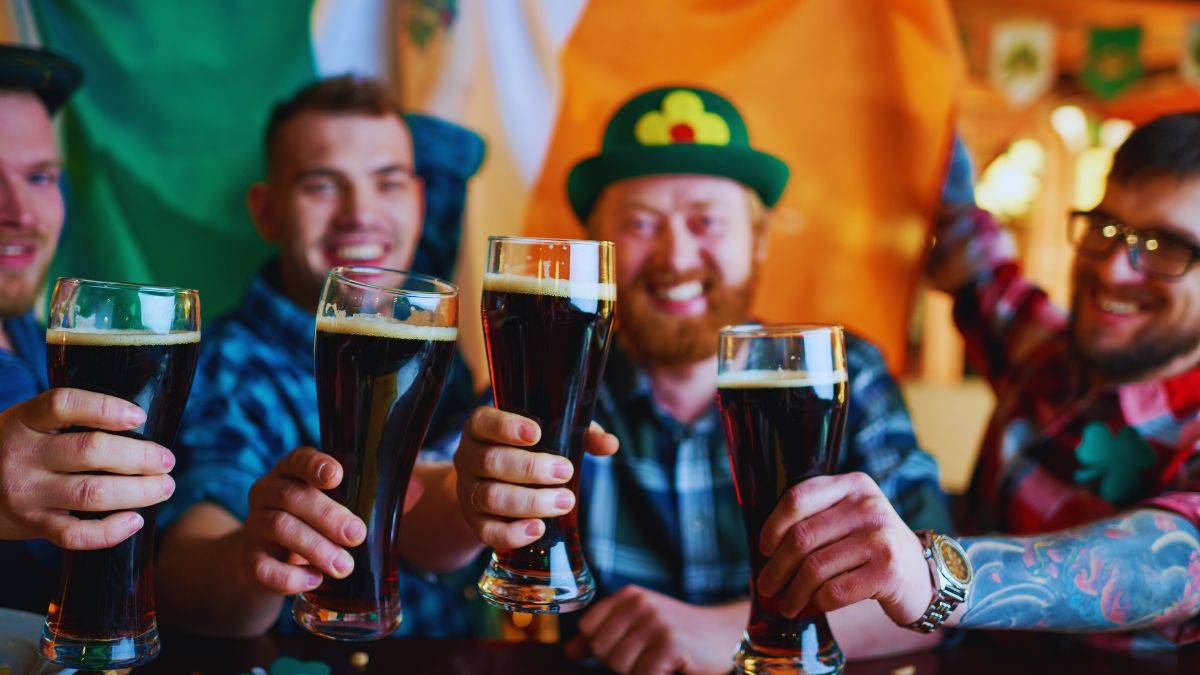
This is a classic. An American walks into a pub in Dublin and says, “I’m Irish!” because their great-great-grandfather came from Cork in 1880. To the local sitting at the bar, that American is… well, American. In Europe, national identity is about where you live, where you pay taxes, and where you hold a passport. Claiming a culture you don’t actually live in feels “daft” or even a little insulting to people who have endured the actual history of that land.
It’s much better to say, “My family has roots here, and I’m so excited to learn more about it.” That opens a door; the other way often closes it. Locals love to share their history with people who are genuinely curious, but they roll their eyes at people who try to “co-opt” an identity. Be proud of being American while being respectful of your heritage. You’re a guest exploring your roots, not a long-lost cousin who just showed up for the inheritance.
9. Dressing Like You’re Heading to the Gym (Athleisure)

Europeans tend to view the public square with a lot of respect, and that reflects in how they dress. Even for a casual walk, you’ll see locals in polished, well-fitted clothes. We, on the other hand, love our “athleisure”—baggy shorts, flip-flops, and those neon workout shirts. While comfort is king for us, it makes us stand out like a sore thumb and often leads to less-than-stellar service in shops or restaurants.
Think of it as a “visual volume” thing. If your outfit is screaming “I just rolled out of bed or a treadmill,” it feels out of sync with the 500-year-old architecture around you. You don’t need a tuxedo, but swapping the cargo shorts for a pair of nice chinos and the flip-flops for some clean leather sneakers goes a long way. Dressing up just a notch is a silent signal that you respect the place you’re visiting, and you’ll find that the world treats you a little bit more like a local and a little less like a “nervous kangaroo.”
10. Breaking the Dress Code for Holy Sites

This is a practical one that ruins a lot of plans. Many of the most beautiful spots in Europe are active religious sites—think St. Peter’s in Rome or the cathedrals in Spain. They have strict modesty rules: shoulders and knees must be covered. I’ve seen countless Americans get turned away at the door of the Pantheon or a beautiful basilica because they were wearing tank tops or short-shorts. It’s embarrassing and honestly a waste of a trip.
It’s not just a “rule”; it’s about respecting the sacred nature of the space for the people who actually use it for prayer. If it’s 90 degrees out, I get it—nobody wants to wear pants. But keep a light scarf or a “pashmina” in your bag to wrap around your shoulders or waist when you enter a church. It’s a simple “cultural chameleon” move that shows you’re aware of your surroundings and not just obsessed with your own comfort.
11. The Validation Trap: Stamping the Ticket
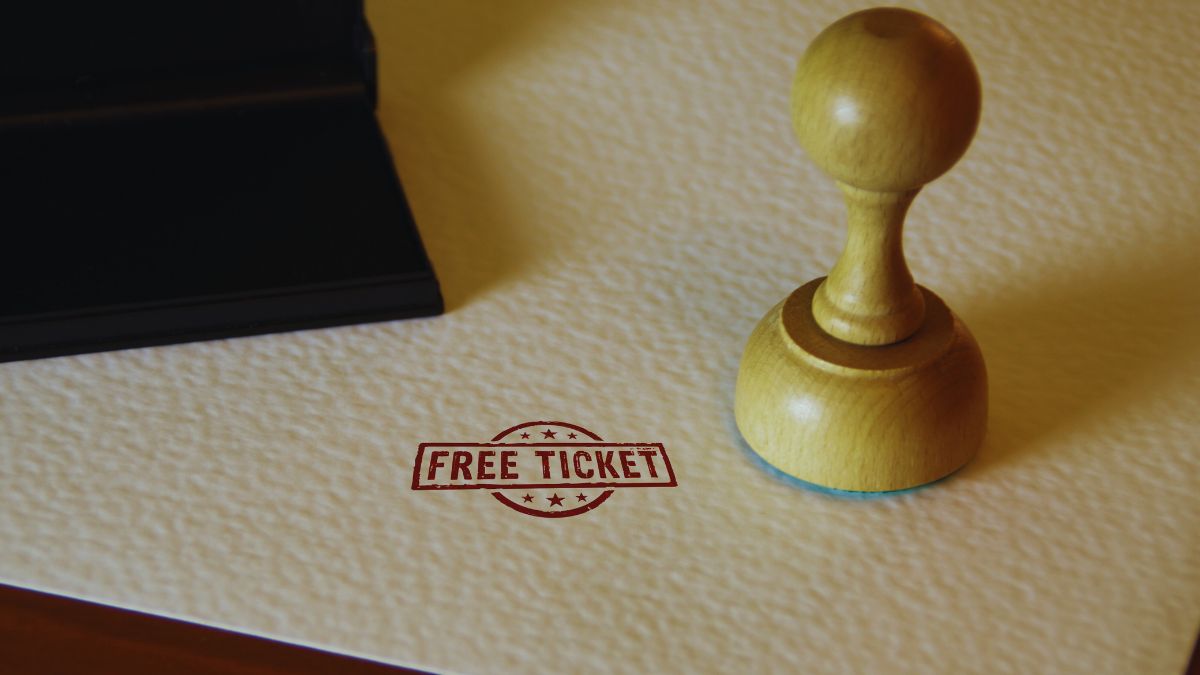
In many European cities, buying a ticket for the bus or train is only half the battle. You then have to “validate” it—which usually means sticking it into a small machine on the platform or the bus to get a time stamp. Americans, used to having a conductor or a driver handle everything, often skip this step. Then, an inspector walks on, sees an un-stamped ticket, and hands you a €50 to €100 fine on the spot.
They don’t care if you’re a tourist. They don’t care if it’s your first time. “Innocent ignorance” isn’t a valid excuse in the eyes of a German or Austrian transit officer. It’s a hard lesson in the “two-step” logistics of European infrastructure. Always look for the little yellow or green boxes before you board. It’s a tiny habit that saves you a lot of money and the stress of trying to argue your way out of a fine in a language you don’t speak.
12. Complaining About the “Pay-to-Pee” Economy

The lack of “free” public restrooms is a major culture shock. In Europe, public toilets are often privately managed and require a small fee—usually between €0.50 and €1.50. We tend to view this as a scam or a nuisance, but think about the trade-off. That fee pays for an attendant who keeps the place clean, safe, and stocked with toilet paper. It’s a “user-pays” model that results in much higher hygiene standards than the “free” (and often terrifying) public restrooms we have back home.
Always keep a handful of small coins on you. Complaining about the cost of a bathroom just makes you look “ugly” and out of touch. Honestly, consider it a small investment in your own comfort. And while we’re at it, don’t expect a “free” glass of water at a restaurant either; water often comes from a bottle and costs money. It’s just part of the European economic landscape where “free” is a rarity and quality is something you pay for.
13. Lugging Giant Suitcases on Cobblestones

European cities were built for horses and pedestrians, not for 50-pound “spinner” suitcases with tiny plastic wheels. Watching an American try to drag a massive trunk across the historic cobblestones of Prague is a sight that makes locals wince. Not only is it loud—it sounds like a “herd of rolling suitcases” invading a peaceful village—but it’s also a logistical nightmare for you. Narrow stairs, tiny elevators (if they exist at all), and crowded trains are the norm.
Overpacking is a sign that you’re not ready to “stay in the action.” The best travelers are mobile. If you can’t carry your bag up two flights of stairs yourself, it’s too big. Aim for a “carry-on only” lifestyle or at least a bag that doesn’t require a forklift to move. It’ll save your back, your dignity, and the ears of the locals who live above those charming cobblestone streets.
14. Invading the “Personal Space” Bubble

This is a fascinating bit of science called proxemics. Anthropologist Edward Hall found that Americans typically need a “social bubble” of about 4 feet. If a stranger gets closer than that, we feel invaded. But in “contact cultures” like Italy, Greece, or Spain, that bubble is much smaller—often only 1 to 2 feet. This leads to the “American dance” where a European steps in to be friendly, and the American steps back to “protect their space.”
To a European, our 4-foot gap can make us seem cold, aloof, or even hostile. Conversely, when we take up too much space on a crowded train—putting our feet on seats or blocking aisles with our bodies—it signals an obliviousness to the shared, dense urban reality of their life. If you feel someone is standing “too close” in a line, they probably aren’t being rude; they’re just following the local spatial norm. Try to lean into the closeness rather than backing away—it’s part of the intimacy of European life.
15. The “Headless Chicken” Itinerary Syndrome
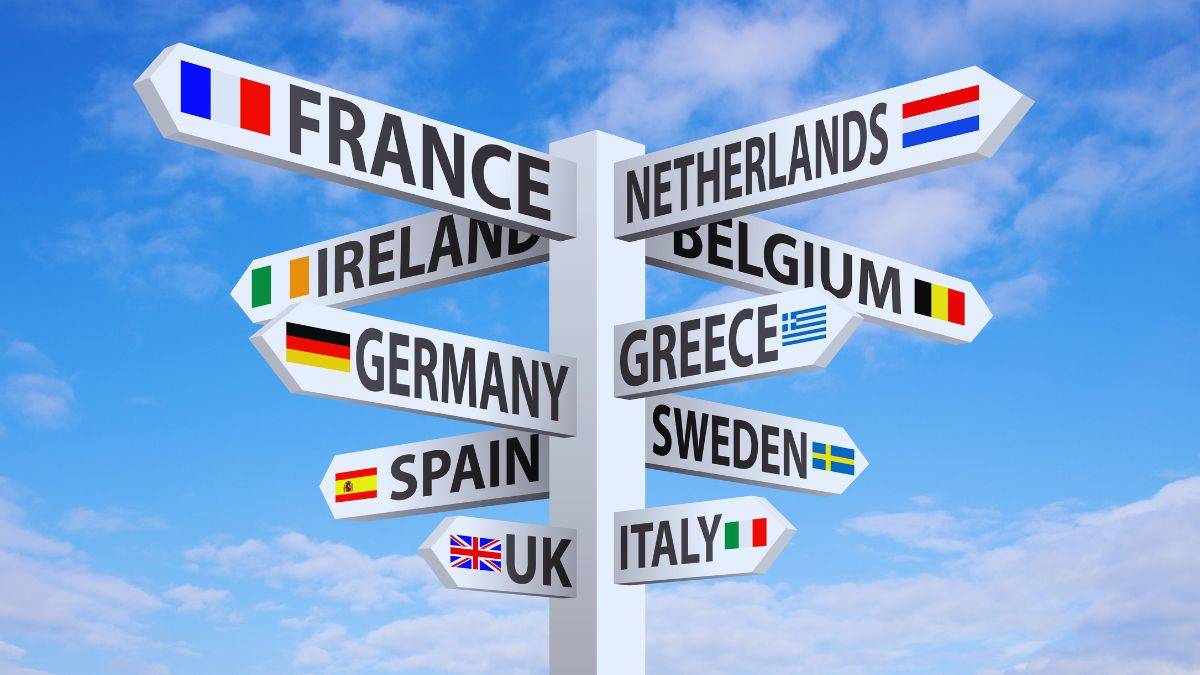
We only get two weeks of vacation, so we try to see five countries in ten days. It’s what guides call “Headless Chicken” syndrome. You spend more time in airports, train stations, and security lines than you do actually seeing the cities. You end up with “checklist exhaustion,” where every cathedral and castle starts to look the same, and you’re too tired to actually enjoy the vibe of the place.
Europe rewards the slow traveler. Experts recommend staying at least two or three nights in each spot. Give yourself permission to just be. Sit at a cafe, watch the people, and let the city reveal itself to you. If you’re rushing to the next train, you’re missing the very soul of the place you paid $4,000 to visit. Quality over quantity is the mantra of a pro traveler. It’s better to know one city well than to have a blurry memory of six.
16. Still Relying on “Swipe and Sign” Technology
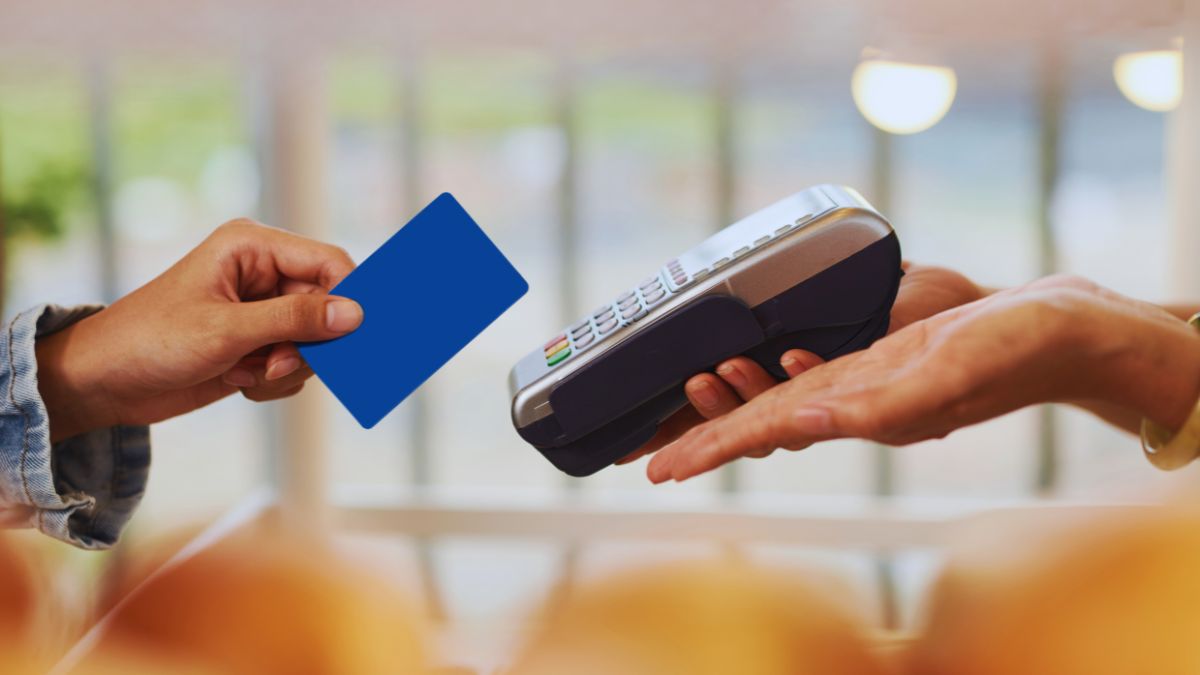
A lot of Americans think Europe is “behind” on tech, but the reality is the opposite. They’ve had contactless payments and Chip-and-PIN systems for years while we were still swiping. If you show up with a card that requires a signature, you’re going to hold up lines and frustrate merchants. Many small shops and cafes have actually moved to “card-only” policies in 2025, and they expect you to use Apple Pay or a tap-to-pay card.
Also, don’t expect them to take U.S. dollars. I know it sounds crazy, but people still try it. It’s not “valid tender” there. Use a card with no foreign transaction fees and rely on local ATMs (bank-affiliated ones, not the “Euronet” traps) for cash. Being tech-savvy in Europe means being ready for a fast, digital, and contactless experience. If you’re asking “Do you take card?” you’re asking the wrong question—the real question is “Do you accept cash?” because many places don’t anymore.
17. Complaining About the Lack of A/C or Elevators

We’re obsessed with climate control. In the U.S., we blast the A/C until we’re shivering in July. But in Europe, many buildings are hundreds of years old and literally cannot support modern ductwork. Plus, Europeans view our energy consumption for cooling as excessive and even unhealthy. If you book a hotel and expect it to be 68 degrees, you’re likely going to be disappointed.
The same goes for elevators (or “lifts”). You might find yourself in a beautiful 4th-floor apartment with a winding staircase and no elevator. Instead of complaining, think of it as “adapting.” This is how the locals live. They don’t need every discomfort solved the second they experience it. Open a window, use a fan, and take the stairs—it’s part of the authentic experience. If you wanted a hermetically sealed box, you could have stayed in a Marriott in Cleveland.
18. The Infamous “Canadian Flag” Luggage Trick
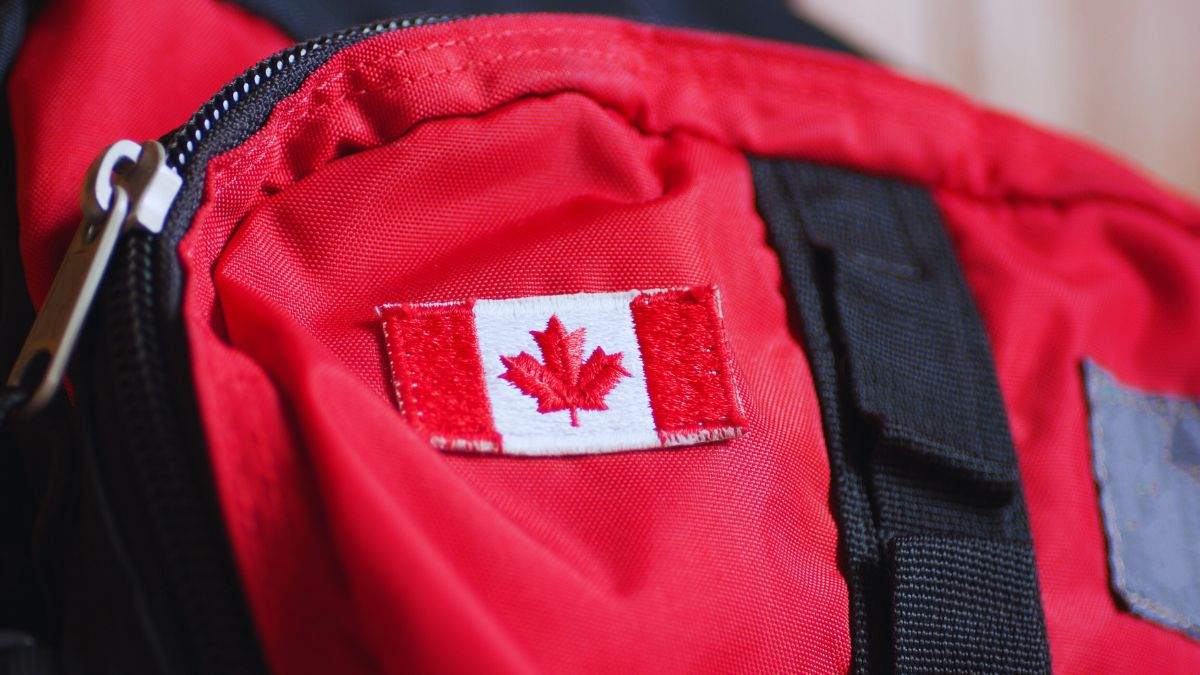
There’s an old urban legend that if an American sews a Canadian flag on their backpack, they’ll be treated better. Honestly? It’s transparent, a little insulting to Canadians, and locals see right through it. Europeans are realists. They distinguish between an individual traveler and the policies of the U.S. government. They don’t hate you because you’re American; they might “dislike” you if you’re loud, rude, and entitled.
The best way to be treated well is just to be a decent human being. Use your “inside voice,” say your greetings, and show a little humility. Most Europeans are actually quite curious and warm toward Americans when we drop the “ugly tourist” act. You don’t need a fake identity to find friends in Europe—you just need a good attitude and a little bit of cultural awareness. Be an ambassador for the best parts of our culture, not the stereotypes.
Dining: US vs Europe
The Path to a Better Trip
At the end of the day, travel is about stretching your soul, not just your passport. When we let go of the need for Europe to be “just like home but with older buildings,” that’s when the real magic happens. It’s in the quiet moments—the long dinner where no one rushes you, the walk through a “tranquil cobbled village” without a giant suitcase, and the genuine smile you get from a shopkeeper when you lead with a “Bonjour.”
By 2026, the world is going to feel a little more complex with permits and fees, but the heart of travel remains the same: it’s a dialogue. If you modulation your volume, respect the local pace, and accept that “different” doesn’t mean “worse,” you’ll find that Europe opens up in ways you never expected. So, pack light, learn your “please” and “thank yous,” and get ready to be a temporary local. Your trip—and your reputation—will thank you for it. Safe travels!
Need More Help For Your Grand Tour? Look Into These
Look, I know it’s a lot to take in—from the “Bonjour” barrier to the mystery of the missing ice cubes. Sometimes the best way to feel confident is just to have the right gear that solves the problem before it starts. Here are five things that I honestly think will turn your trip from “stressful tourist” to “seasoned traveler” overnight.
1. Epicka Universal Travel Adapter

This is a 2026 travel essential because it handles more than 150 countries and allows you to charge up to six devices at once with its USB-C and USB-A ports. It’s small enough to tuck away but powerful enough to keep your phone, Kindle, and laptop juiced up for those all-important ticket validations.
2. Eagle Creek Pack-It Packing Cubes

These are the gold standard for “editing” your luggage so you don’t end up dragging a 50-pound trunk over cobblestones. They keep your bag organized so you can find a clean pair of socks in two seconds without exploding your whole suitcase in a tiny Parisian hotel room.
3. On Cloud 6 Walking Shoes

If you want to avoid looking like you’re heading to the gym while still getting all-day support, these are your best friend. They’re stylish enough to wear to a nice dinner but have the shock absorption you need for walking 20,000 steps on stone pavements.
4. Raytix RFID Money Belt

Pickpockets are “steely-eyed realists” too, and they love a visible wallet. This belt is water-resistant, ultra-slim, and fits discreteley under your clothes to keep your passport and emergency cash safe from prying hands.
5. Nanobag Packable Reusable Tote
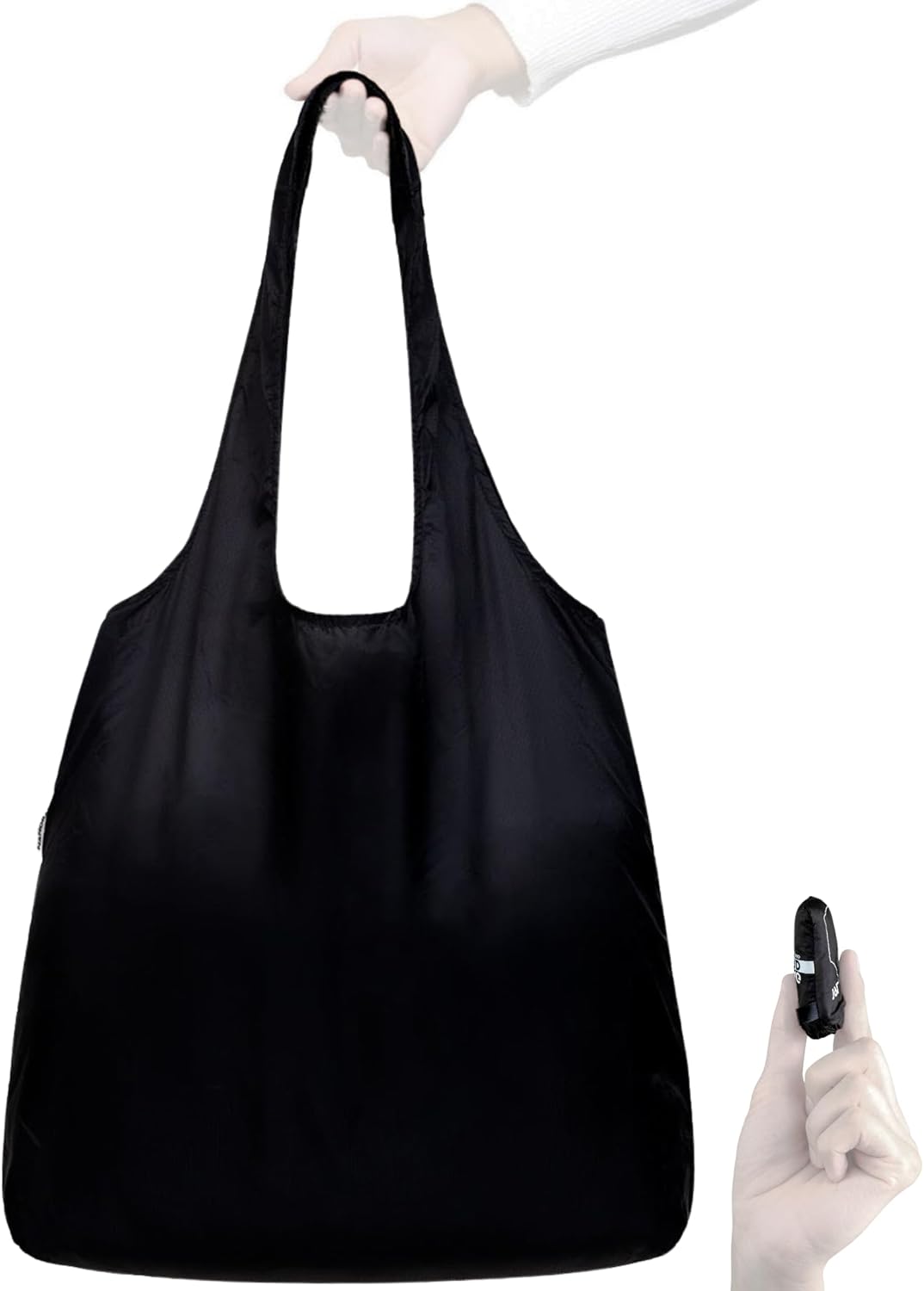
Since European supermarkets expect you to bag your own groceries and often charge for bags, having this in your pocket is a pro move. It wads up smaller than a golf ball but can carry 50 pounds of fresh market produce without breaking.