
6 Repositioning Cruises Saving Retirees Thousands This Year

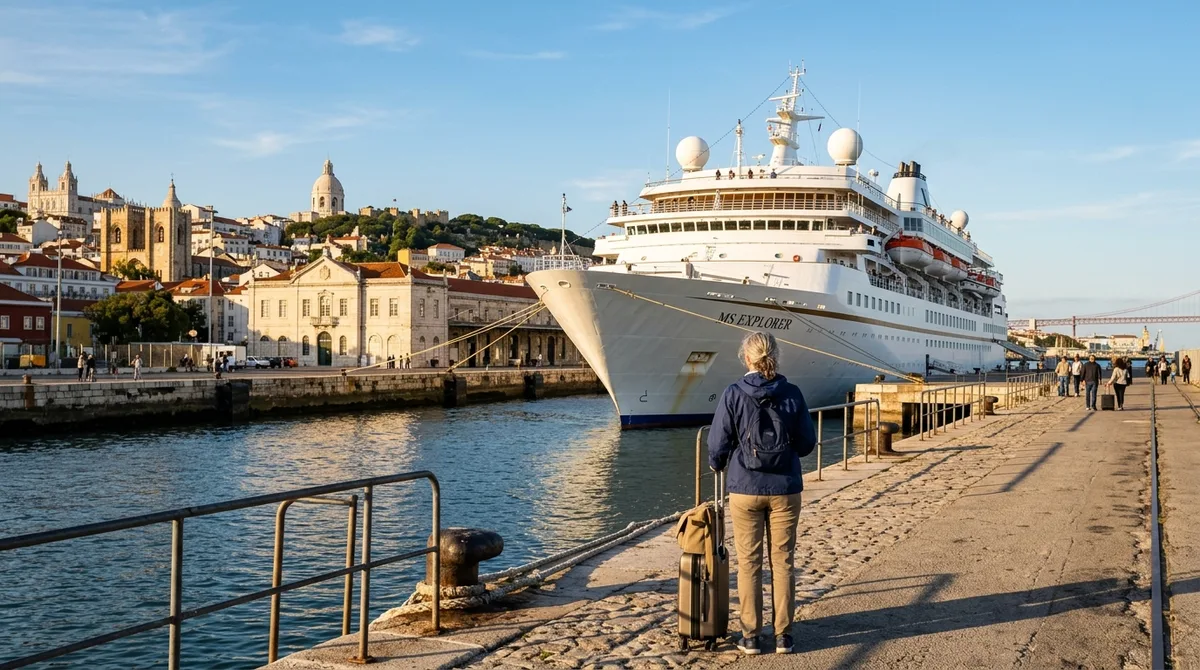
If you want to spend a month traveling across oceans without checking into a single new hotel, stop looking at traditional vacation packages and look at ship relocations instead.
You can fly straight to a resort and spend hundreds of dollars a night on land. You would be ignoring the floating, all-inclusive homes that move between seasonal cruising grounds for a fraction of that daily rate.
Base fares on transatlantic and transpacific repositioning voyages frequently drop below $60 to $80 per person, per day, covering your cabin, meals, and evening entertainment.
Retirees specifically benefit from this slow-paced style of travel because unlimited time off eliminates airport stress and avoids peak airline pricing entirely.
Watch the sunrise from a teak deck, attend expert-led historical lectures, read twelve books in a fortnight, and step off the gangway into an entirely different continent.
Pick one route from this guide, book your cabin nine months ahead, and trade land-based leases for a slower, cheaper way to see the globe.
Quick Tips Before You Start
Book Early
Secure mid-ship cabins 9 to 12 months before departure when repositioning inventory opens.
Open-Jaw Flights
Book one-way flights well in advance to prevent return travel costs from erasing your onboard savings.
Medical Coverage
Verify that your travel insurance policy covers international maritime medical evacuation.
Layered Packing
Pack for both crisp open-ocean winds and warm subtropical arrival ports.
💡 PRO TIP
The Repositioning Math Advantage
Comparing a month-long ocean crossing to a traditional land rental reveals massive daily savings. While a standard European apartment rental costs over $150 daily before groceries, a repositioning cabin covers lodging, three meals, and gratuities for less.
Daily Cost Breakdown — Land vs. Sea
🏨 Land Hotel
$180/night
🥗 Dining Out
$90/day
🚢 Repo Cabin
$75/day
🍽️ Meals Included
100%
Total Monthly Savings
Couples routinely save over $3,000 on a two-week transoceanic crossing compared to land-based travel.
How Far Is the Drive and Flight Logistics?
Repositioning cruises are one-way voyages that require careful logistical planning on both ends.
You will board in one regional hub—such as Barcelona, Dubai, or Vancouver—and disembark weeks later in an entirely different country.
Always purchase multi-city airline tickets before locking in your cruise dates to secure reasonable airfares.
Transatlantic Spring Route
Save this route map to track daily progress across the Atlantic Ocean.
1. Book the Transatlantic Spring Crossing to Florida
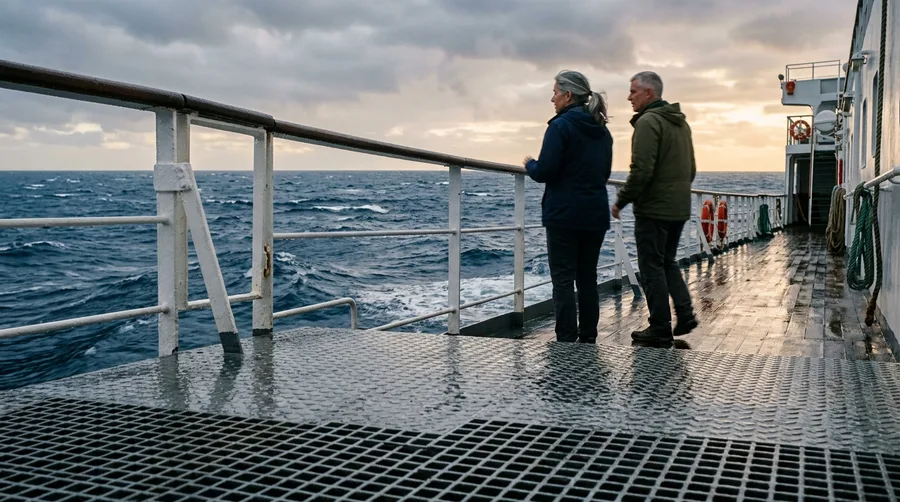
Is spending two uninterrupted weeks at sea without checking into a new hotel worth a $2,400 per person starting fare?
Spring departures on mid-tier vessels crossing from Barcelona or Civitavecchia to Florida deliver 14 consecutive sea days on a premium vessel.
Your fare covers full board, enrichment lectures tailored for older travelers, and zero airport transfers during peak European summer.
Book a mid-ship balcony cabin on deck ten to minimize motion and secure unobstructed morning views of the Atlantic horizon.
💡 Tip: Request a table for six in the main dining room on night one to meet fellow long-term travelers.
Crossing Comparison
Traditional hotel stay versus ocean liner per-diem value
⚠️ COMMON MISTAKE
Ignoring Onboard Account Fees
Do not let daily service charges catch you off guard. Pre-pay your gratuities and purchase beverage packages before stepping onboard to keep your final bill predictable.
2. Navigate the Suez Canal Passage From Dubai
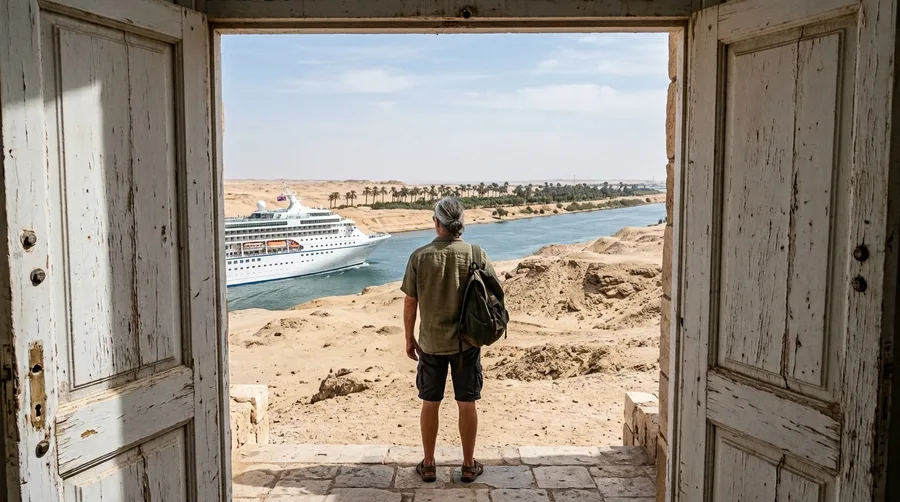
While standard Caribbean loops offer predictable island hopping, transiting the Suez Canal and Red Sea corridor provides a masterclass in maritime geography.
The catch requires careful monitoring of maritime security advisories, longer stretches without ports, and higher port fees, though base fares remain remarkably low under $3,000 for 21 days.
This itinerary connects Arabian Gulf ports, the Red Sea, ancient Egyptian transit, and the Mediterranean entrance through Port Said.
Pack lightweight cotton clothing for daytime desert heat and a windproof jacket for breezy evening transits along the canal banks.
💡 Tip: Secure a starboard-side cabin for optimal viewing when passing historic desert fortifications.
Suez Route Metrics
Key figures for the Dubai to Rome voyage
Best For / Skip If
3. Sail the Alaskan Coastal Exit to Sydney
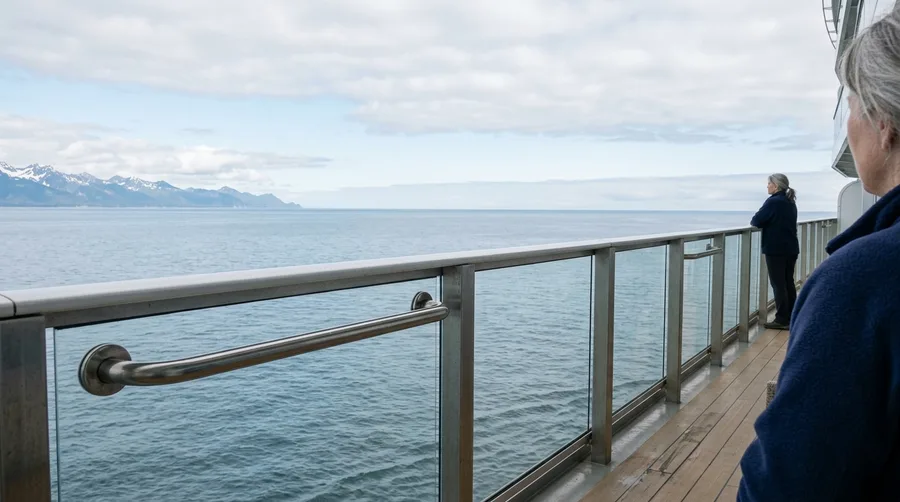
If you need ADA-compliant ships and robust medical centers, this transpacific route is unmatched, but it is completely unsuited for budget backpackers or travelers prone to severe motion sickness.
Onboard accessibility infrastructure includes wide corridors, step-free tenders, lift-equipped pools, and 24-hour nurse staffing suited for retirees managing chronic conditions.
The journey moves down the North American Pacific coast, island-hops through Hawaii and French Polynesia, and finishes in Sydney harbor.
Reserve specialty dining slots during the Hawaii sea days because popular seating times fill up weeks before departure.
Pacific Crossing Essentials
🌱 GROWING TIP
Mastering Sea Days
Treat multi-day ocean stretches like a floating resort residency. Participate in morning stretch classes, join the onboard book club, and schedule spa treatments during peak afternoon sailing hours.
4. Round Cape Horn on the South American Run
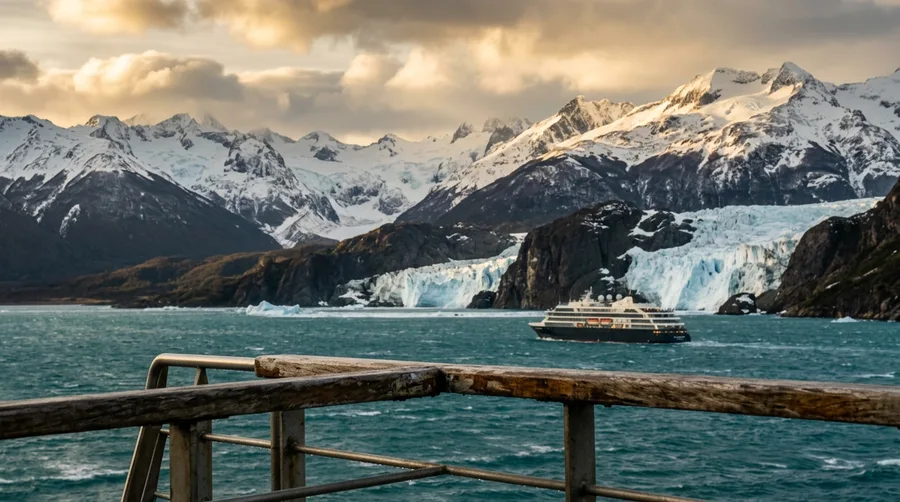
0 extra dollars are spent on specialized expedition ship surcharges to navigate the Beagle Channel and Cape Horn on this epic route.
Ships repositioning from South American summer circuits back to Northern Hemisphere ports routinely round the dramatic tip of the continent.
Traditional bucket-list expedition cruises to Patagonia and sub-Antarctic waters cost upwards of $10,000, whereas standard repositioning liners complete the circuit for a fraction of that cost.
Naturalists and guest historians host daily lectures onboard during scenic cruising days through the towering Chilean fjords.
Pack heavy wool sweaters, windbreakers, and waterproof trousers to stay comfortable while viewing glaciers from the outer observation decks.
💡 Tip: Stand on the starboard bow as the ship rounds Cape Horn for the clearest view of the lighthouse.
Rounding Cape Horn on a grand liner gives you expedition-level scenery without the expedition-level price tag.
— Experienced Long-Term Cruisers
🗺️ South American Route Stages
Embarkation
Depart the vibrant docks of Buenos Aires after a multi-day tango city stay.
The Beagle Channel
Navigate dramatic southern waterways flanked by jagged mountain peaks.
Cape Horn
Round the legendary southern tip of South America during daylight hours.
Chilean Fjords
Slow cruise past blue-tinted glacier walls and cascading waterfalls.
5. Take the Transpacific Jump From Tokyo to Seattle
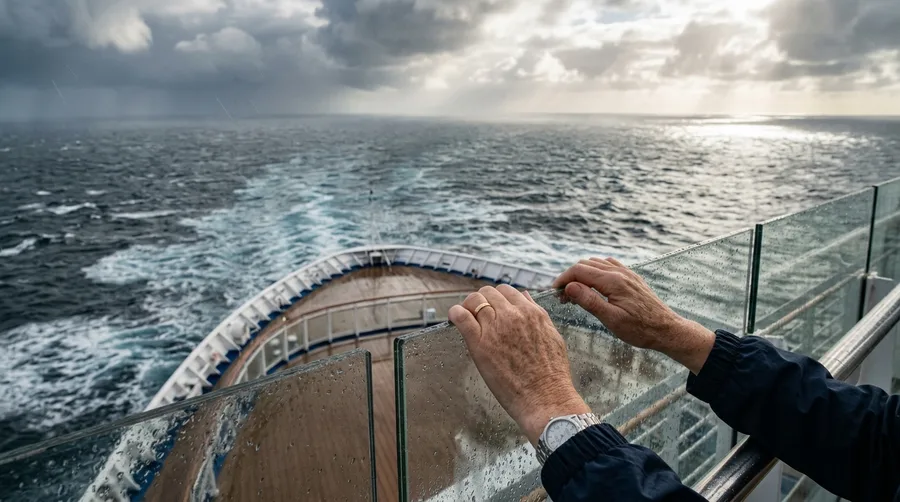
The Northern Pacific crossing between Japan and the Pacific Northwest is the ultimate maritime rite of passage, though rough spring seas mean it requires patience.
Embarkation day in Tokyo and disembarkation in Seattle are notoriously busy, but the 12 to 14 days at sea offer total solitude with minimal passenger interaction outside of structured activities.
This voyage eliminates one-way transpacific airfares that often exceed $2,000 for premium economy while securing a cabin for less than a Tokyo hotel stay.
Transpacific Crossing — Worth It vs Skip If
Book This Route If
- You want uninterrupted reading time
- You despise airport security lines
- You want to eliminate expensive airfares
Skip This Route If
- You suffer from severe motion sickness
- You require daily port excursions
- You prefer tropical warm-weather sailing
6. Explore the European Circuit From Lisbon to Southampton
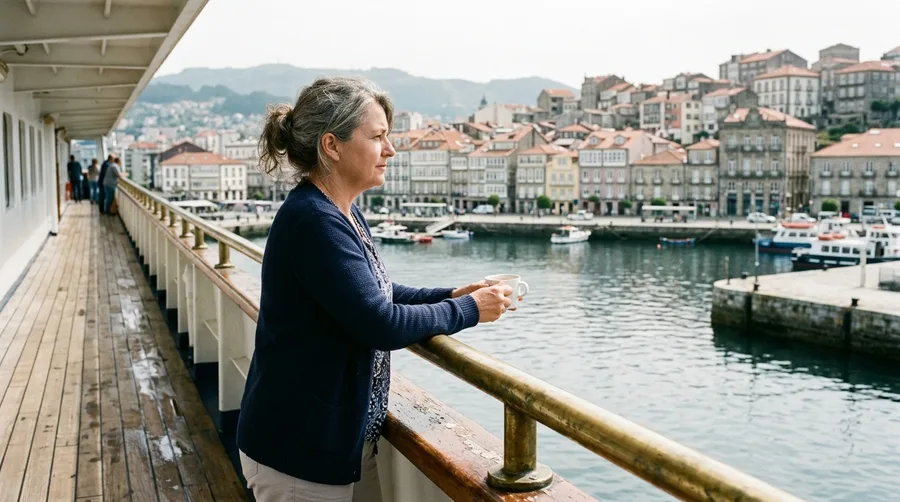
You will smell saltwater mixed with fresh pastries from a small port town like Vigo or La Coruña as you stand on the outer deck at dawn.
This short, budget-friendly repositioning leg provides a 6-to-8-night sprint up the Iberian coast from Lisbon or Barcelona to Southampton.
It serves as the ideal test drive for retirees hesitant about long voyages due to its low financial commitment often under $700 total.
Frequent stops every 24 hours break up the journey, and easy return flights from London make logistics simple.
Wander straight off the pier into historic medieval city centers that massive mega-ships cannot access.
💡 Tip: Wear comfortable walking shoes for cobblestone streets in historic Iberian port towns.
Retirement Cruising Timeline
Avoid These Common Repositioning Mistakes
Frequently Asked Questions
Do repositioning cruises charge high single supplements for solo senior travelers?
Off-season repositioning routes frequently offer slashed or completely waived single supplements to fill empty cabins.
How do back-to-back visas work on multi-country repositioning routes?
Cruise lines handle collective port clearance and group visa processing directly through the ship’s purser office.
What medical insurance applies in international waters?
Standard domestic health insurance rarely applies at sea, making comprehensive travel medical insurance with evacuation coverage mandatory.
Are gratuities and port taxes included in the initial advertised price?
Base fares exclude mandatory port charges and daily service fees unless you book during an all-inclusive promotional window.
How many consecutive sea days should first-time cruisers expect?
Transatlantic and transpacific itineraries usually feature 5 to 7 consecutive days at sea without port stops.
Your Next Step Into Slow Travel
Trading land-based leases for seasonal ocean transit offers retirees an economically bulletproof alternative to traditional winter getaways.
Book your first repositioning voyage today and reclaim your travel time without ever standing in an airport security line again.