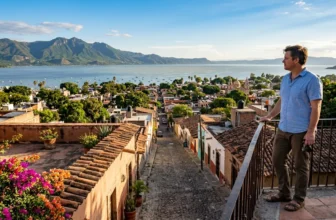
9 Off-Grid Getaways That Cost Almost Nothing — And Retirees Love the Quiet

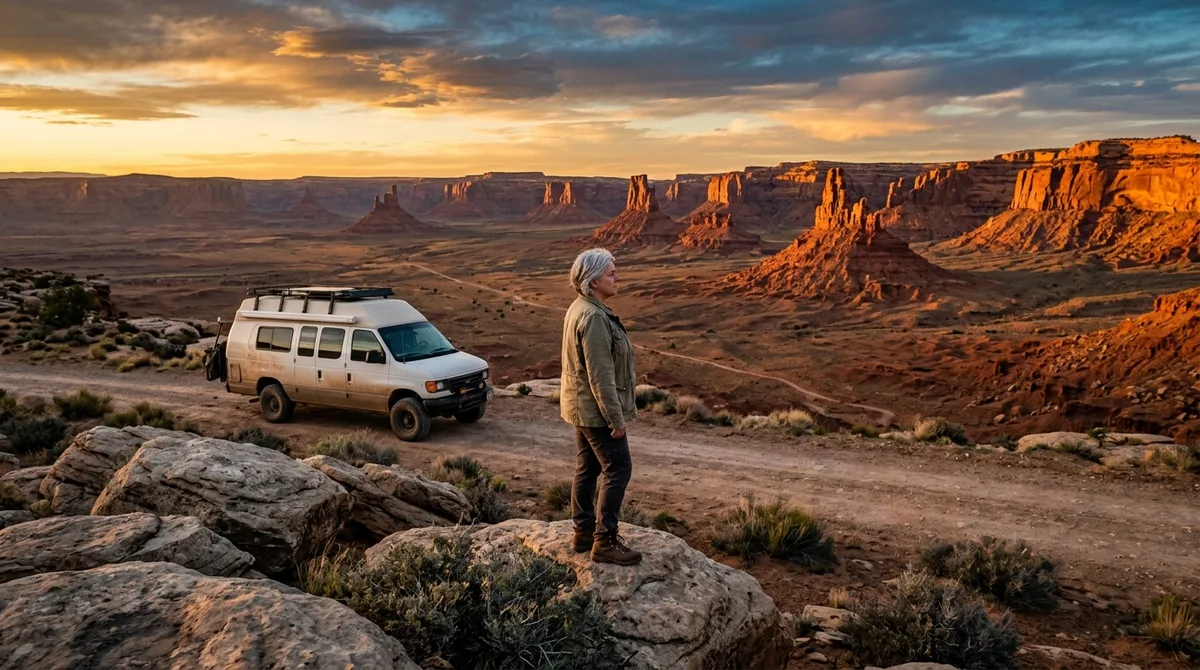
If you want absolute silence, stop booking crowded beach resorts and head for the high desert plateaus where nobody goes.
You could spend hundreds a night on a luxury lodge, but you would trade genuine solitude for overpriced room service and crying toddlers by the pool.
The average trip here costs under thirty dollars a day in fuel, simple groceries, and dispersed camping fees.
Park a camper van under open skies, brew coffee on a camp stove, walk dry creek beds, watch wild horses graze, read a paperback until sunset.
This guide gives you nine specific, budget-friendly escapes where the quiet is absolute, and you can pick whichever one matches your driving range.
Quick Tips Before You Start
Fill Up Early
Gas stations are fifty miles apart in these regions, so never let your tank drop below half.
Pack Five Gallons
Bring at least five gallons of drinking water per person since local sources are non-existent.
Download Maps
Cell service drops completely within ten miles of the highway, so save offline maps immediately.
Pack It Out
There are no trash bins or restrooms for miles, meaning you must pack out every piece of waste.
How Far Is the Drive Into True Isolation?
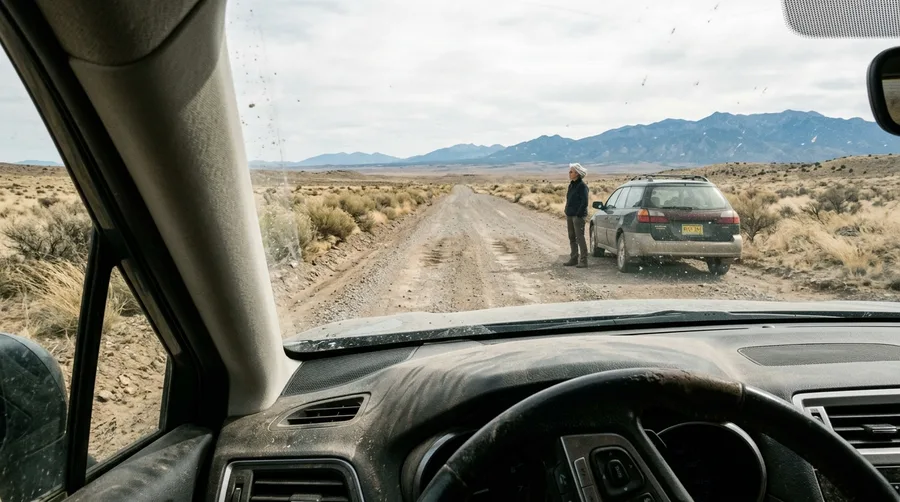
Dust settles across the dashboard as the highway hum fades into the steady gravel crunch beneath your tires.
Most of these locations sit between two and four hours away from major regional airports like Albuquerque or Boise.
You will spend the first hour on paved interstate highways before turning onto graded gravel roads that require moderate clearance, so rent a standard crossover with decent tire tread rather than a low sedan to navigate the washboard ruts without damaging your suspension.
Off-Grid Metrics at a Glance
What to expect from a week off the grid.
How Many Days Do You Actually Need?
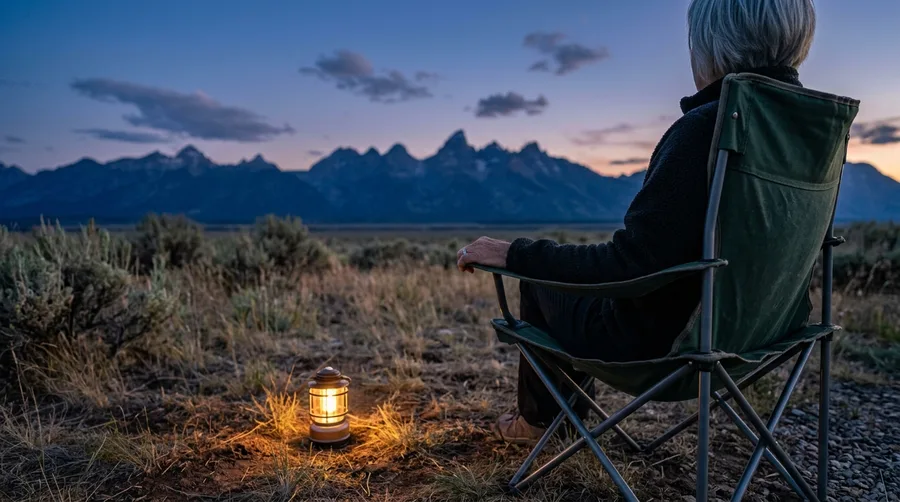
Three days is the absolute minimum to decompress from city noise and adjust to the slow rhythm of the open plains.
If you stay for a full week, you can establish a quiet routine of morning hikes, afternoon reading, and evening stargazing without feeling rushed.
Plan your return trip around fuel stops and weather changes so you never find yourself driving mountain passes in a sudden storm.
Resort Camping vs. True Off-Grid
RV Resort Parking
- Costs $65+ per night
- Crowded concrete slabs
- Constant generator noise
- Strict campground rules
True Off-Grid BLM
- Zero nightly fees
- Complete horizon privacy
- Absolute natural silence
- Total scheduling freedom
The Northern Desert Transit Route
Save this route map before heading off-grid into southern Colorado.
Off-Grid Trip Planning Essentials
1. Camp Free Across San Luis Valley Public Lands
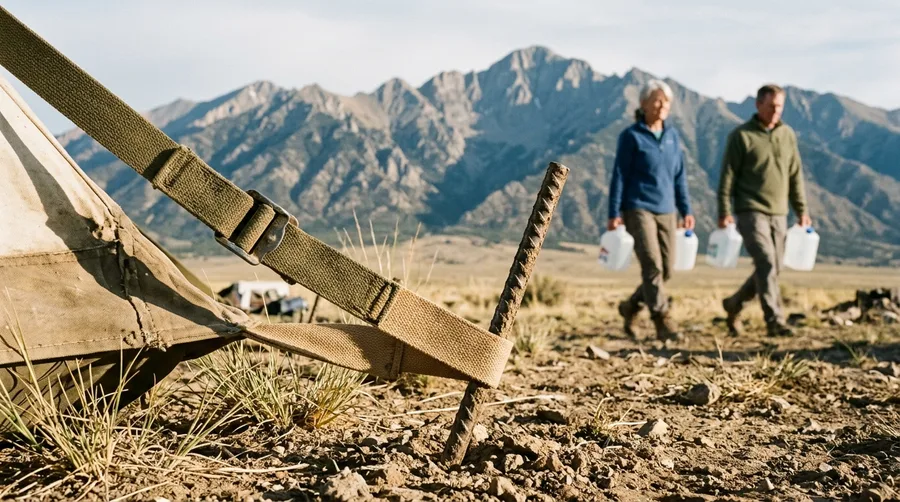
San Luis Valley public lands offer entirely free dispersed camping across wide-open Bureau of Land Management territory in southern Colorado.
You can pitch a tent or park a trailer anywhere on these public plots for up to fourteen consecutive days without paying a single dollar in permit fees.
The valley floor sits at roughly 7,500 feet elevation, providing unobstructed views of towering fourteen-thousand-foot mountain peaks completely free of the crowded resort congestion found in neighboring ski towns.
The genuine catch here is the complete lack of basic infrastructure, meaning you must pack in all your own water, manage your own waste, and prepare for sudden high-altitude windstorms.
Nighttime temperatures drop sharply even during summer months, so arrive well before sunset to secure flat ground and check local fire bans before striking any kind of flame.
💡 Tip: Arrive before 3 PM to find a flat, wind-sheltered spot behind a juniper ridge.
🌱 GROWING TIP
Secure Your Camp Against Wind
Use heavy-duty steel rebar stakes instead of standard aluminum wire pins because high desert winds kick up without warning every afternoon.
2. Wander the Quiet Trails Around Valley of the Gods
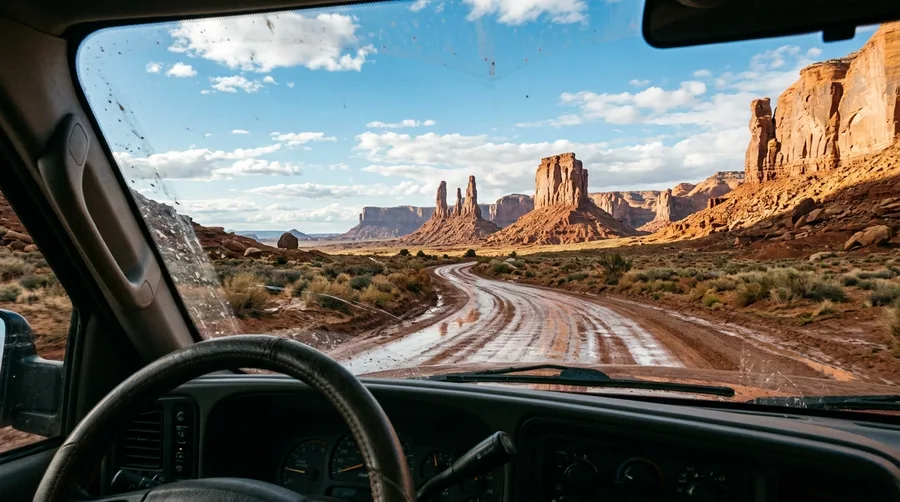
Drivers with low clearance sports cars should turn back immediately to avoid scraping oil pans along this rough dirt loop.
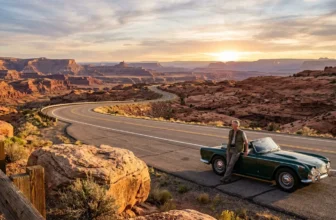
Drive your car along the seventeen mile dirt loop road winding past massive red sandstone buttes in southeastern Utah, where admission costs nothing and weekday mornings bring absolute solitude on the red dirt tracks.
Best Vehicles For This Route
3. Soak in the Mineral Waters at Radium Hot Springs
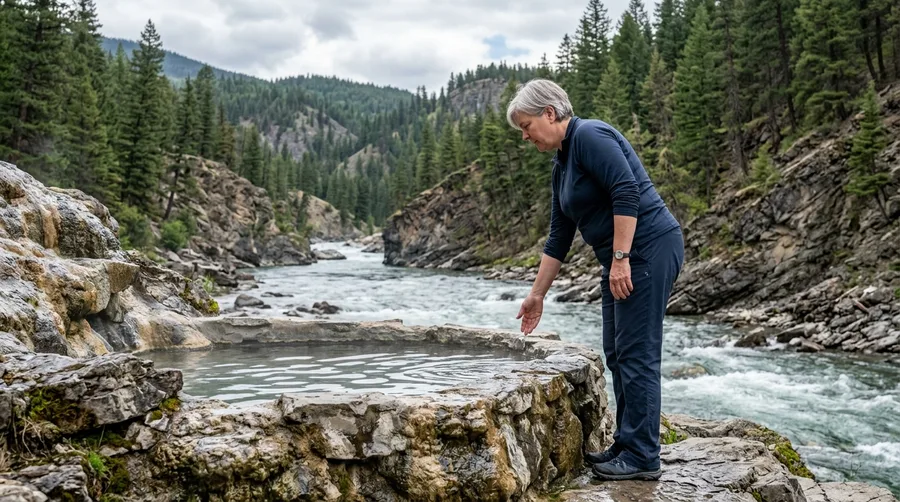
If you do one thing here, do this: scramble down the steep dirt path from the parking turnout to reach the natural stone pool sitting right beside the rushing Colorado River.
After driving dusty back roads for days, the sulfur scent of natural thermal water rising directly from the rocky riverbank offers instant physical relief, though you should check the river level first since spring runoff can completely submerge the soaking pool during May and June.
Hot Springs Safety Lanes
- 🟢 Late Summer Soak — Water levels are low and temperatures stabilize nicely in August and September.
- 🟡 Autumn Weekend Visits — Parking area fills up by ten in the morning on clear Saturdays.
- 🔴 Spring Snowmelt — High river flows completely submerge the hot springs pools under freezing water.
4. Watch Wild Mustangs Roam the Adobe Town Rim
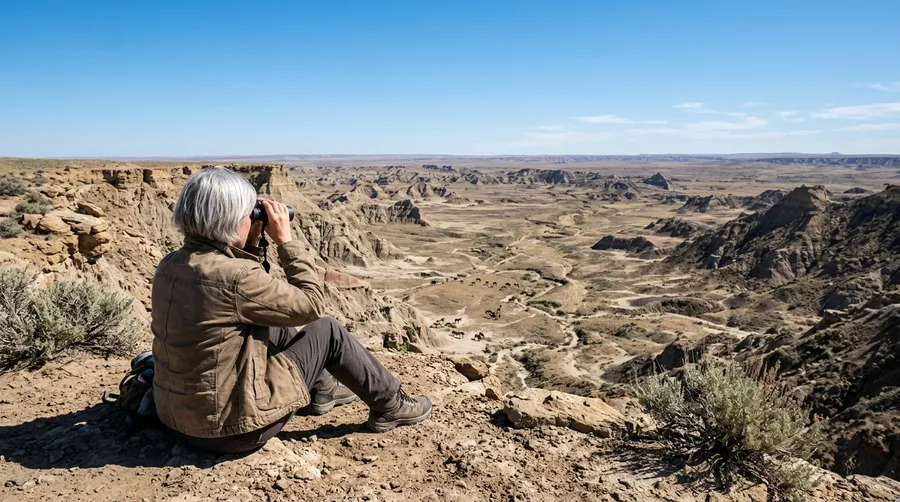
Are you willing to sit in the dirt for two hours just to watch twenty wild horses ignore you completely?
Binoculars are mandatory here because wild horse bands graze far across the remote Wyoming badlands without human interference.
Your chances of spotting a band near the clay rim drop significantly if you visit during midday heat, so plan to sit quietly near the canyon edge at dawn when the animals move down to temporary water pockets.
⚠️ COMMON MISTAKE
Never Chase the Wildlife
Keep at least two hundred yards away from wild horse bands using a telephoto lens, as approaching too closely spooks them away from vital water sources.
5. Explore the Desert Artifacts at Madrid Old Coal Town
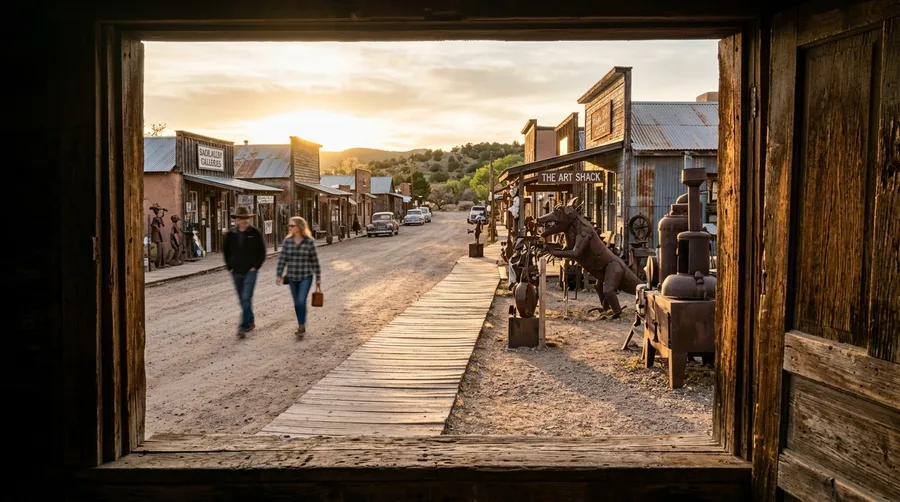
After all that driving, this one is twelve steps from the car park.
Local residents turned this former mining ghost town into an off-grid artist community filled with salvaged iron sculptures and antique storefronts. Skip the crowded gift shops on the main highway and browse the back-alley galleries where painters work inside converted miners shacks.
You will spend about two hours walking the wooden boardwalks and talking to retired metalworkers who traded city life for workshop silence.
6. Sit Quietly by the Water at Caballo Lake State Park
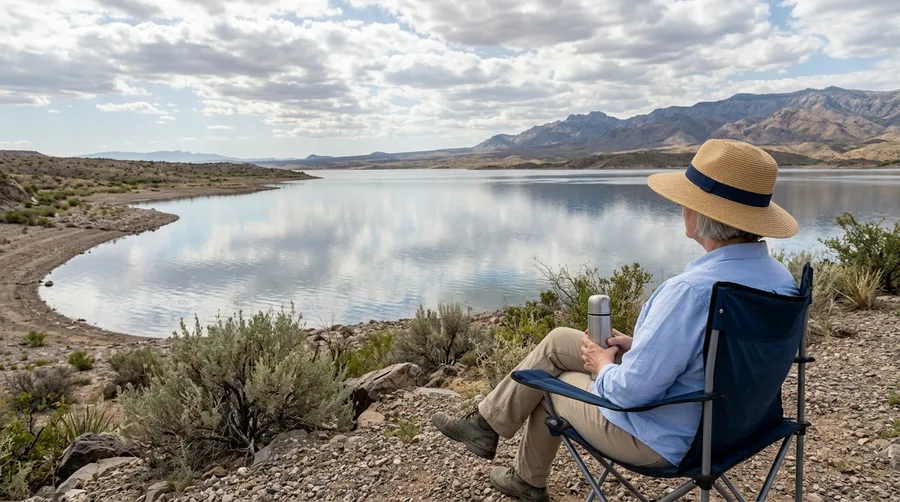
You will smell the warm desert sage long before you see the shoreline of Caballo Lake State Park. Park entry costs about five dollars per vehicle, giving you direct access to miles of quiet water where pelicans glide without a single engine breaking the silence.
Bring a comfortable folding lawn chair, a wide-brimmed straw hat, and a thermos of hot tea to enjoy the absolute stillness of the southern New Mexico evening as the water settles into glass.
7. Trace Old Mining History Along the Burr Trail
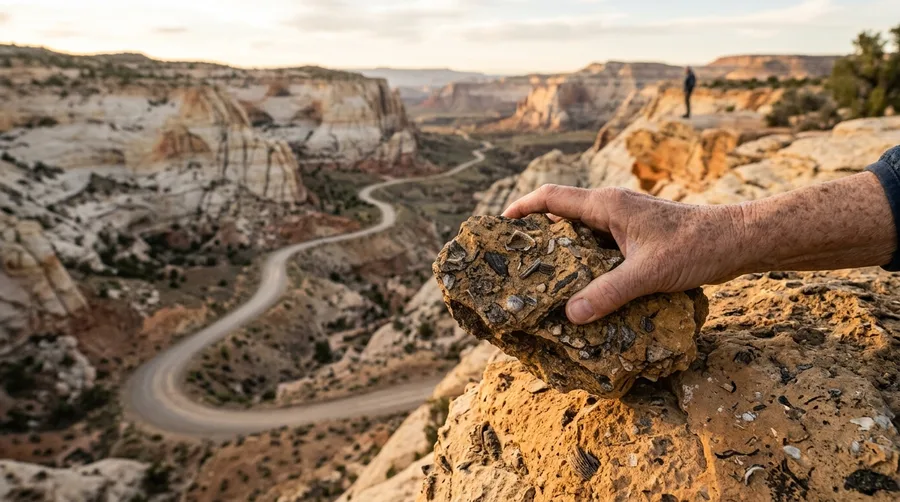
The tires crunch loudly over loose gravel as the temperature drops sharply beneath the towering white rock walls of the Waterpocket Fold.
Back in the late nineteenth century, cattle rustlers used these steep sandstone ledges to move herds across unforgiving Utah canyon country, and you can still trace their old routes today for about $30 in fuel and park day-use fees. Drive slowly in second gear, check your brake pads before descending the steepest grades, and pull over at the marked overlooks to inspect ancient marine fossils embedded directly in the stone.
8. Order Green Chile Stew at Blake’s Lotaburger
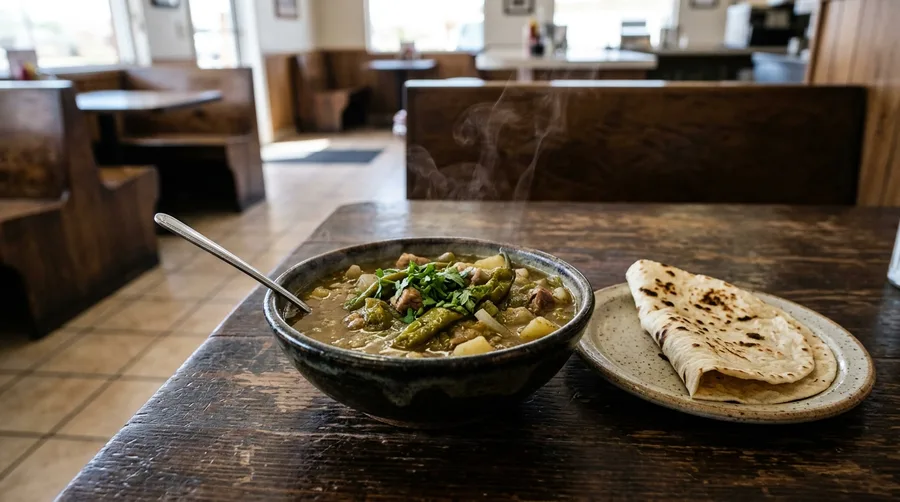
Blake’s Lotaburger is a legendary regional fast-food chain deeply embedded in New Mexico roadside culture.
You will smell roasted New Mexico green chiles through the screen door before you even touch the handle.
Order a small bowl of spicy green chile stew with a warm flour tortilla for about six dollars at this regional roadside staple.
It provides the exact hot, savory kick you need after spending a chilly morning hiking through high desert winds.
Expect a short wait during the midday rush, but the steady flow of locals confirms the stop is completely worth your time.
9. Book a Night at Ojo Caliente Mineral Springs
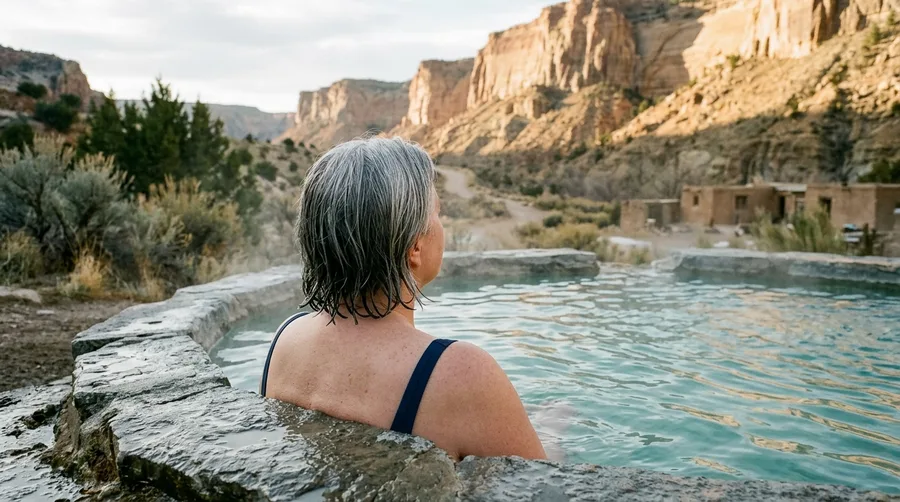
After all that dusty road driving, this one is twelve steps from the car park to the water. The smell of earthy iron and lithia minerals rises straight from stone soaking pools nestled right beneath ancient cliff sides.
Spend roughly $50 for a day pass to access historic mud pools and lithium springs that have drawn weary travelers for generations. It feels like a genuine splurge after a week of rough camping, and your tired muscles will thank you immediately.
Frequently Asked Questions
Is off-grid camping on public land completely legal?
Yes, Bureau of Land Management and National Forest lands allow dispersed camping for up to fourteen days in any single location without paying fees.
Do I need a four-wheel-drive vehicle for these routes?
Most graded gravel roads require nothing more than a standard crossover SUV with decent ground clearance and careful driving habits.
How do I find water when camping away from towns?
You must pack all your drinking water in large jugs since natural desert sources are often contaminated or completely dry.
What is the best season for quiet desert trips?
Spring and autumn offer daytime temperatures in the sixties and seventies without the extreme heat of mid-summer.
Can I get cellular service in these remote valleys?
Cell service drops entirely within a few miles of major highways, so you should always rely on offline maps and satellite communicators.
Your First Week of Better Sleep
Pack your vehicle, fill your water jugs, and head straight for the San Luis Valley stop to start your off-grid transition.
You will return home with dust on your tires, clear thoughts, and a renewed appreciation for genuine quiet.
If you take one stop from this list, make it the public lands of southern Colorado where the horizon stretches out forever.