10 Countries Quietly Closing Their Doors to Tourists

Booking flights to any of these ten destinations using entry rules from two years ago is the fastest way to arrive underprepared – and in some cases, turned away entirely.
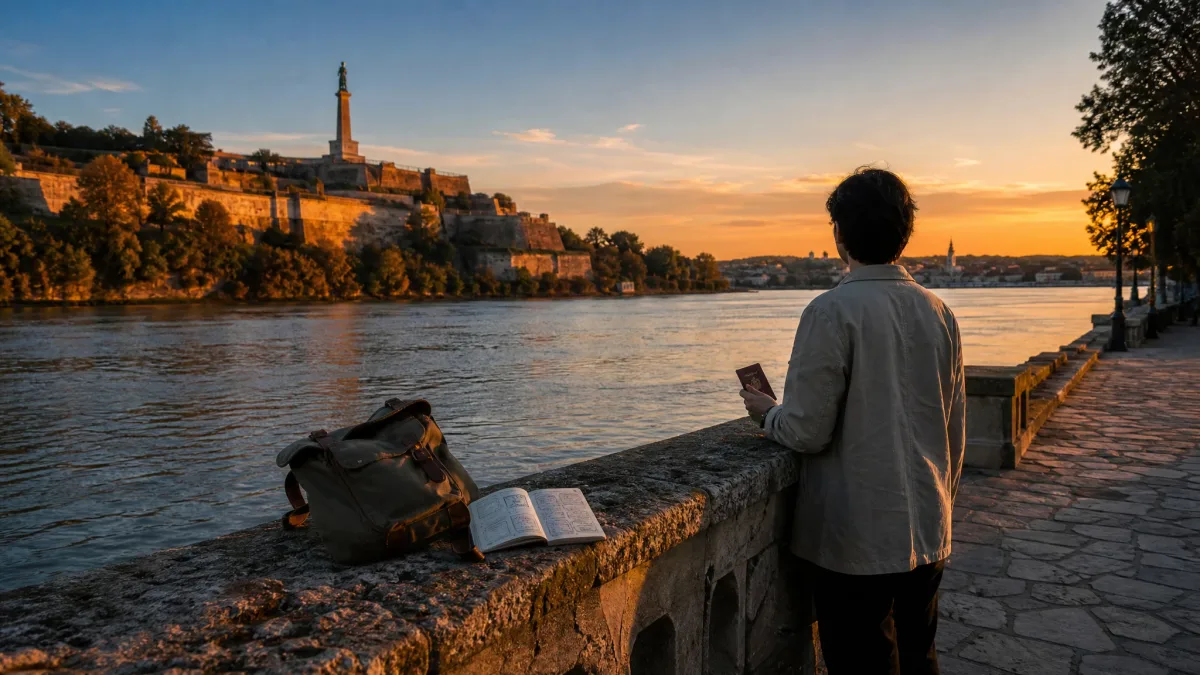
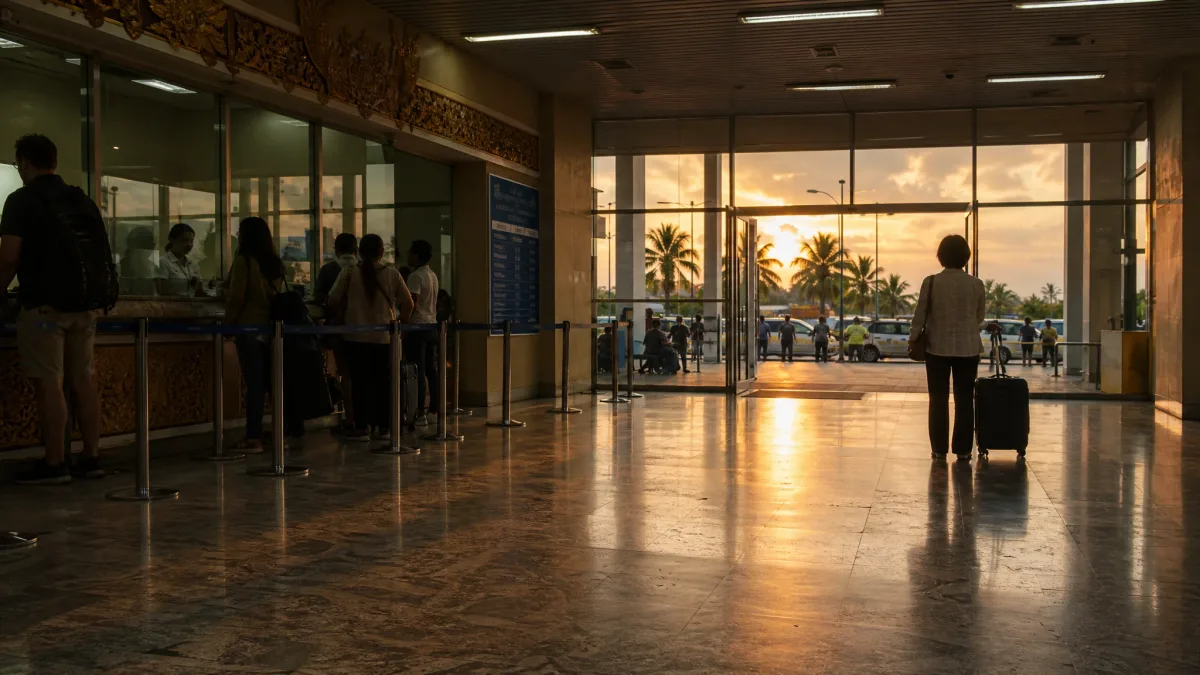
A traveler landing in Bali in 2024 expecting the same frictionless entry as every previous visit meets a levy counter before immigration is even cleared. That small moment at the arrivals hall is not a Bali problem – it is a signal that something has shifted across a dozen countries at once, and the shift is deliberate.
The assumption that popular destinations want as many visitors as possible is no longer reliable. A growing number have decided the opposite and are using law, price, and physical infrastructure to act on it.
Ten countries are now actively engineering fewer visitors – some through fees that filter by budget, some through daily caps that turn people away regardless of what they are willing to pay. By the end of this article you will know which destinations are still open to a prepared independent traveler, which effectively require a guided package, and exactly what to check before you buy a flight to any of them.
Quick Tips Before You Start
Check Official Sources Only
Every fee and cap figure in this article can change; always verify at the destination country's official tourism authority or embassy before booking.
Lead Time Varies Wildly
Bhutan and the Galapagos require months of advance booking; Venice and Iceland fee days can often be resolved the week before travel.
Separate Fees Stack Up
Several destinations charge a conservation levy on top of a visa or ETA — budget for both, not just one.
Some Rules Land in Your Passport
Palau's pledge is stamped at immigration, not signed online — it is a legal condition of entry, not a formality you opt into.
Seasonal Closures Are Hard Stops
Maya Bay closes entirely during monsoon season each year; check Thai National Parks for the current year's exact dates before booking.
Places Adding a Fee Just to Get Through the Door
The first five entries on this list have not capped the number of visitors outright — they have priced the entry point. Pay the fee and you are in; refuse to pay and the door is closed.
That distinction matters to a traveler deciding how much friction to expect. A financial barrier is still a barrier, but it is a calculable one. Know the number, budget for it, and the trip is still yours to plan. What has changed is that these destinations are deliberately signaling who they want to attract — and the signal is getting louder every year.
1. Bhutan’s Daily Fee Filters Out Budget Travelers by Design
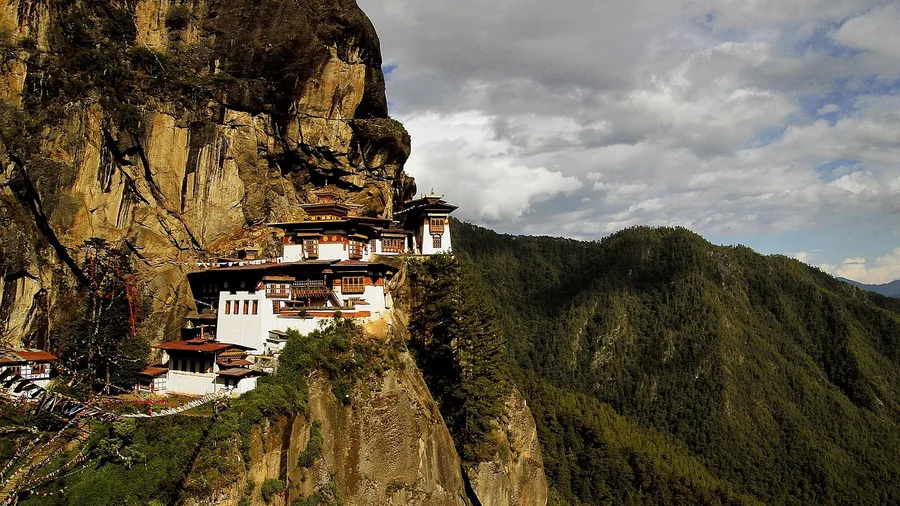
Most new entry fees around the world are add-on charges – you pay a levy and then plan the trip yourself. Bhutan works differently: the mandatory daily Sustainable Development Fee comes bundled with a licensed guide, approved lodging, and ground transport already folded in, which means you are not just clearing a financial hurdle at the border, you are buying a structured itinerary whether you wanted one or not. The country made this choice deliberately. It has never competed for volume, and the fee is the mechanism that enforces that – a traveler who pays it is funding the low-footprint model, not finding a workaround to it.
If your mental picture of Bhutan comes from someone who went a decade ago, set it aside – the rules have tightened meaningfully since then, and the current daily rate sits well above what most travelers expect when they first look it up. The Tourism Council of Bhutan publishes the live figure, and that page is the only number worth trusting before you commit to a flight. The point is not that Bhutan is inaccessible – it is that access comes on a single set of terms, and those terms make it among the most expensive destinations per day on earth by design, not by accident.
2. Bali Now Charges a Levy the Moment You Land
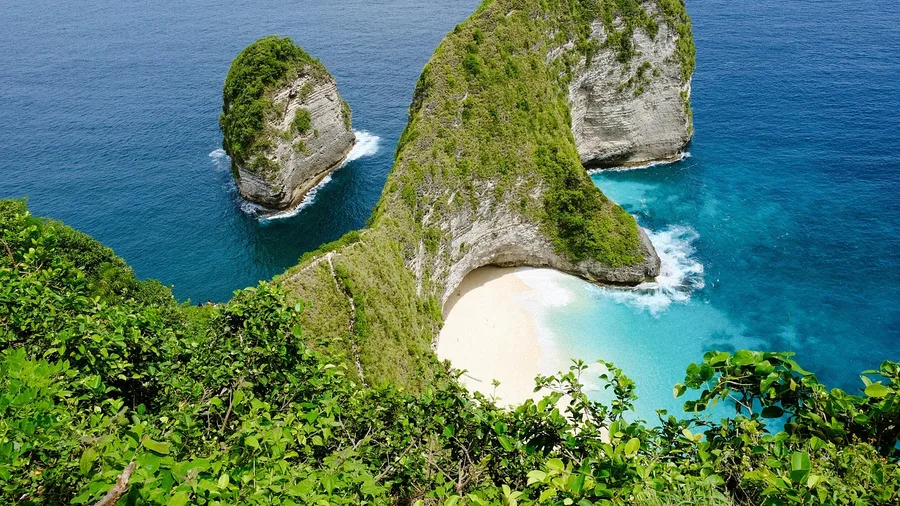
Yes – and unlike Bhutan’s all-in daily rate, which has been part of the destination’s identity long enough that most travelers factor it in automatically, this one caught people off guard. Indonesia introduced a mandatory arrival levy in 2024. It is collected the moment you clear into Bali, it is not optional, and it is not bundled with anything – it sits entirely apart from whatever visa arrangement you already hold.
The stated purpose is environmental protection and the preservation of Balinese culture – the argument being that the charge funds the very things that make the island worth visiting, rather than taxing the act of arriving for its own sake. Whether that framing satisfies you is a personal call. What is not in dispute is the direction of travel: Bali is deliberately signaling a move away from high-volume, low-spend arrivals, and the levy is the opening instrument of that policy.
The current amount is modest compared to some of the other charges on this list, but it is subject to revision and should be verified through Indonesia’s official immigration or tourism authority before you book – printing a figure here would risk anchoring you to a number that has already moved. More practically: the levy is almost certainly going up, not down. A traveler who visits regularly and has been budgeting on pre-2024 entry conditions needs to treat Bali as a destination whose cost of arrival is now an active variable, not a fixed zero.
💡 Tip: The Bali levy is collected at the airport on arrival, not paid online in advance — have the equivalent amount in cash or a card ready before you reach the immigration counter.
⚠️ COMMON MISTAKE
Don't Assume Last Year's Rules Still Apply
Several of these policies were introduced or revised in 2024. A traveler whose frame of reference is a visit from three years ago should treat the current rules as entirely new. What applied then does not apply now, and the gap between assumptions and reality is where fines and turned-away travelers happen.
3. New Zealand Adds a Conservation Levy to Every Arrival
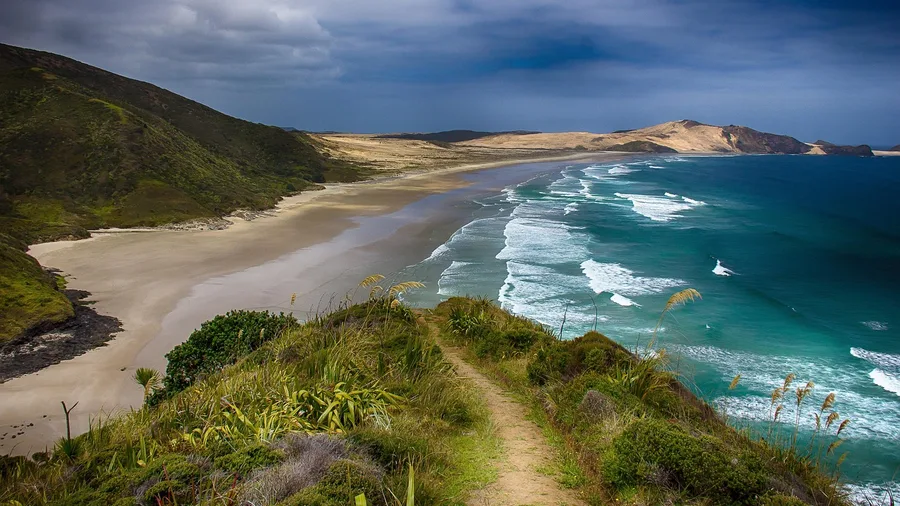
You are standing at the base of the Tongariro Alpine Crossing, early enough that the first light is still low and the volcanic ridgeline ahead looks completely uncrowded. What you have already paid to be here – before flights, before the shuttle, before a single step on the trail – includes an entry levy that did not exist a few years ago and that sits on top of any visa or Electronic Travel Authority you sorted out before flying. It is not a replacement for those costs. It is a layer added above them.
The reason the levy exists is visible in the ground beneath your boots. The Milford Track, the Tongariro Crossing, the backcountry hut network across both islands – all were absorbing visitor damage at a rate that local tax revenue could not keep up with. New Zealand’s answer was to put the repair bill on the people generating it. Critically, the money is ring-fenced: it goes back into the conservation infrastructure at the specific sites it is collected for, not into general government revenue. The trail you are walking on is the direct recipient of what you paid.
Immigration New Zealand holds the current figure, and that is where to check it – the amount has moved before and may move again, so any number printed here would carry an expiry date. For a traveler already committed to walking the Milford Track or spending time in Fiordland, the levy is simply part of the cost of accessing one of the world’s most intact wilderness networks. If the charge feels like friction, weigh it against what that network actually delivers.
What People Get Wrong About These Restrictions
4. Venice Now Sells a Ticket to Walk Its Streets on Peak Days
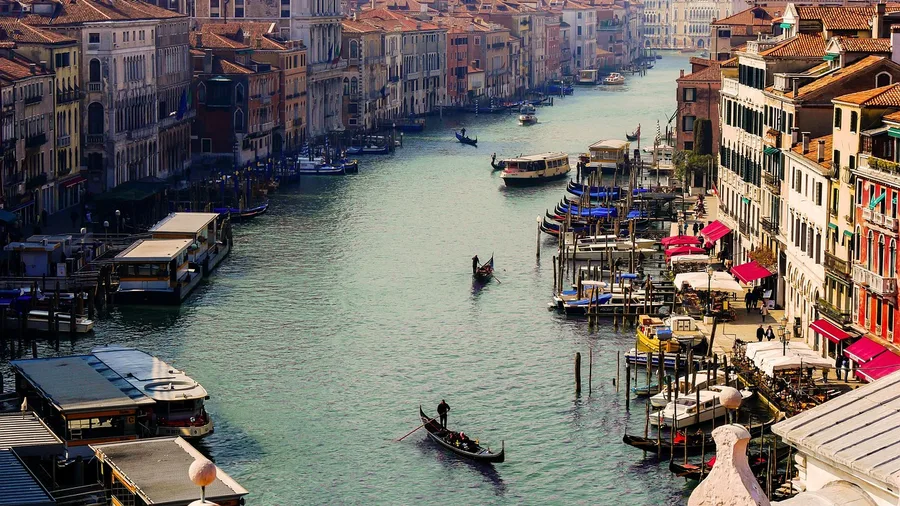
Late morning in the historic centre, the calli narrow to shoulder-width and the sound shifts – no traffic, just footsteps bouncing off stone and the faint slap of canal water below. That acoustic is what you came for. Whether you get to walk into it without a ticket in your hand depends on one thing: whether you are sleeping in Venice or just passing through it for the day.
The fee does not apply to everyone who visits. It targets day-trippers entering the historic centre on specific pre-announced peak days – spring and summer dates published well in advance on the city’s official tourism portal. If you have a hotel booking inside Venice, you are exempt. If you are arriving on a coach or stepping off a cruise ship for a few hours, you are exactly who the fee is aimed at. The city identified a concrete problem: high volumes of low-dwell visitors flooding the narrow streets without spending money in local businesses, then leaving before dinner. The ticket is the mechanism for thinning that specific crowd, not a blanket charge on tourism.
The practical detail that will save you from an embarrassing moment at the entry points: the ticket is purchased online before you arrive, not sold at the gate. Showing up on a listed day without one means being turned away at the checkpoints to the historic centre – there is no option to pay on the spot and walk through. The city is not trying to collect money at the door; it is trying to reduce the number of people who walk through it on the days it is most overwhelmed.
This is still a pilot scheme. The rules have already been revised since the original trial and will very likely continue to change – the list of designated fee days, the exact amount, the exemption categories. The only reliable source before you book is the city’s official tourism portal, and checking it for your specific travel dates is not optional research. A date that was fee-free last spring may not be this year.
The easiest way to sidestep the fee entirely is also the better trip: stay overnight. Venice after the day crowds leave – when the calli empty out and you can hear your own footsteps again – is genuinely different from Venice at midday in August. The fee is Venice’s argument, in policy form, that the city is worth more than a few daylight hours, and on that point it is not wrong.
💡 Tip: Book your Venice entry ticket online as soon as the fee-day calendar publishes — spots sell out on the busiest spring and summer dates, and the ticket window does not open at the gate.
5. Palau Stamps a Pledge in Your Passport Before You Can Enter
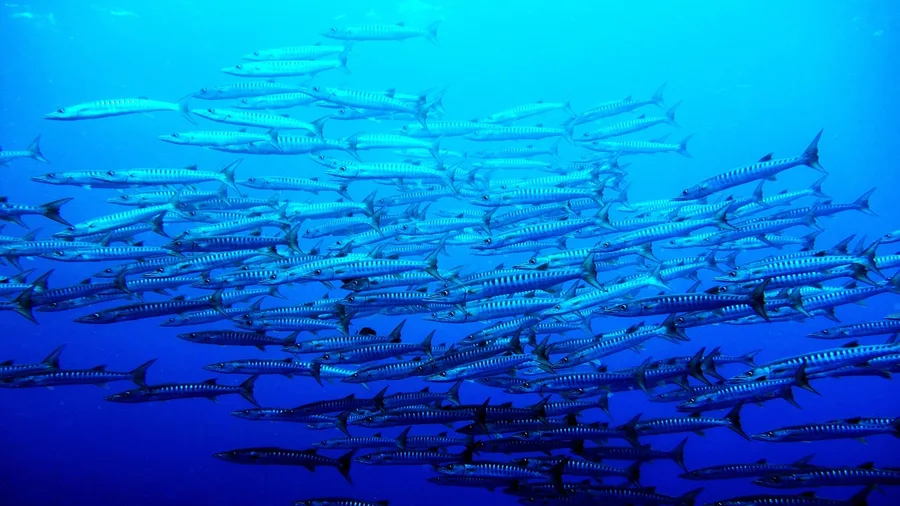
Some countries ask you to be a responsible visitor. Palau makes it a legal condition.
At immigration, an officer stamps the Palau Pledge directly into your passport. Refusing to sign is not a negotiating position – it is grounds for being denied entry and sent back. The pledge commits you to specific environmental behavior: no reef-damaging sunscreen (the mineral-only rule is enforced, and fines for violations are issued on the spot, not filed away), no contact with coral, no collection of marine life. On departure, an eco-tax is collected and directed to marine reserve management and reef restoration – so the financial contribution is structured at both ends of the trip. The result is a destination that self-selects hard: a traveler who accepts those conditions gets access to one of the most intact reef systems on earth; one who intends to ignore them will be fined and will have a miserable time. That is exactly what Palau is trying to achieve, and it is worth knowing before you book the flight.
6. Iceland Is Putting a Price on Its Most Visited Natural Sites
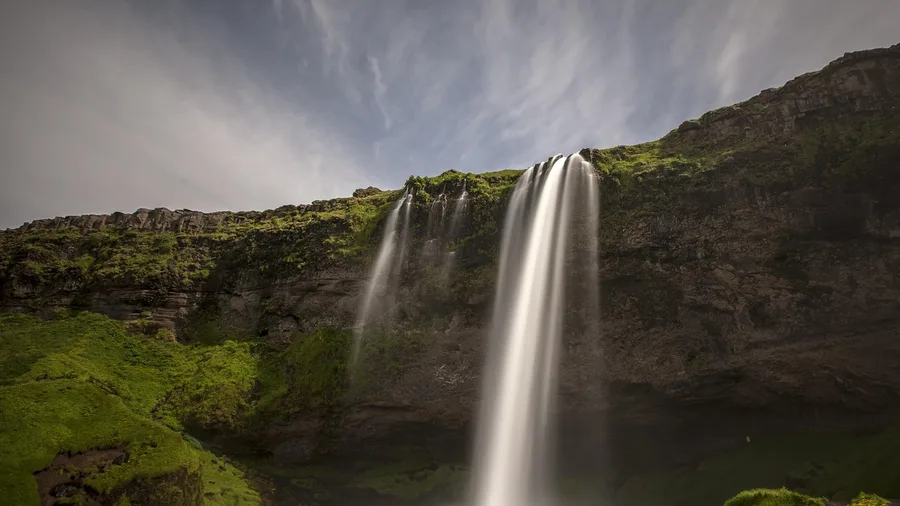
A handful of Iceland’s most photographed spots now charge an entry fee – roughly 1,000 to 1,500 ISK at the sites that have introduced ticketing so far, though the amount varies by location and is still moving – and if your itinerary runs through the canyon slot at Fjaðrárgljúfur, a waterfall with a single fenced platform, or a signed lava field walk, there is a good chance you will pay to walk in.
The rest of Iceland does not cost a thing. The fees are surgical – applied at the specific coordinates where trail erosion became visible and toilet facilities collapsed under the load – and a traveler who builds a route around lesser-known landscapes will spend an entire trip without hitting a single paywall. At the sites that do charge, the money stays on-site: the boardwalks, the car parks, the basic facilities that somehow hold together despite the volume are the direct result of that ring-fenced revenue.
The practical problem is that the list of paid sites is growing, and a site that was free when a friend visited two years ago may not be now. Pull up the website for any specific Icelandic national park or nature reserve you are planning to walk through – not a third-party travel blog, the reserve’s own page – and check the access conditions before you leave home. Iceland is still one of the most open wilderness destinations you can visit independently; the fees touch a handful of the most-shared viewpoints, not the landscape stretching out behind them.
Still Worth It vs. Genuinely Hard to Visit Independently
Manageable with Planning
- Venice — overnight stay skips the fee entirely
- Iceland — most of the country is still free
- New Zealand — levy is fixed, trails remain open
- Bali — financial barrier is currently modest
- Amsterdam — independent travelers unaffected by cruise changes
Requires Guided Package or Advance Booking
- Bhutan — fully guided trip is the only legal entry model
- Galápagos — licensed guide or live-aboard required at most sites
- Maya Bay — advance slot booking mandatory on open days
- Mount Fuji Yoshida Trail — daily cap; gate closes when it's met
- Palau — pledge is a legal condition; rules are actively enforced
Places Cutting the Number of Visitors Outright
The next five destinations have moved beyond price signals. They are engineering a hard ceiling on how many people can be in a specific place on a specific day — and when the ceiling is hit, the door closes, regardless of what you have paid for the trip.
The traveler most likely to be caught by these restrictions is the one who plans an itinerary around images rather than logistics: the trail because it appeared in a reel, the street corner because it was on a map screenshot. That is precisely where the caps and barriers are concentrated.
7. Japan Has Stopped Asking Nicely and Started Building Barriers
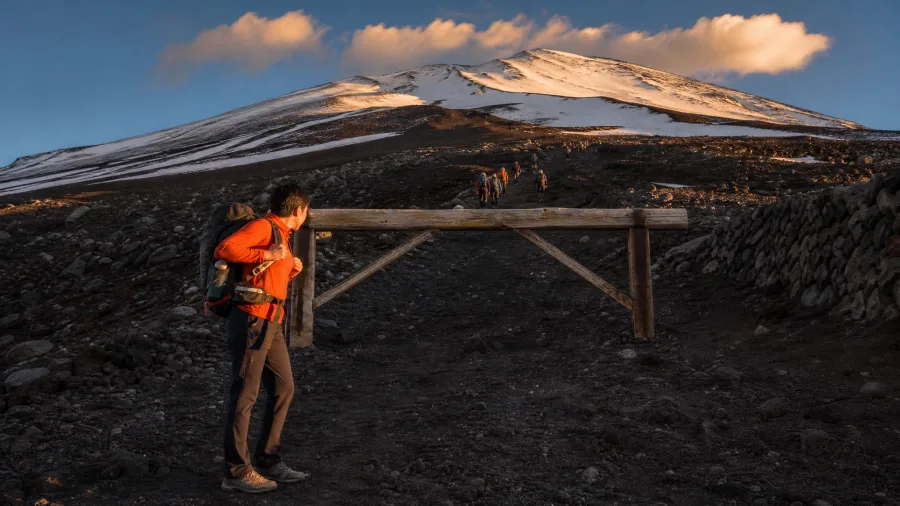
Book the Yoshida Trail on Mount Fuji and you should still go – but know that a pre-dawn alarm no longer guarantees you a spot. A physical gate at the fifth station closes when the daily cap is hit, and a crowd that set off an hour before you can fill that number fast. Rangers turn people away at the barrier itself, not at a booking portal the night before. The same logic applies in Kyoto’s Hanamikoji area, where wooden and metal barriers now block the alleyways and photography angles that clogged the streets: crossing one carries an on-the-spot fine, not a gentle redirection. Both measures arrived because social media collapsed millions of annual visitors onto a handful of precise coordinates – one trail head, one lantern-lit lane – and posted notices changed nothing. Check the current cap status on Japan’s official national park and Kyoto city authority pages before you travel to either site specifically, because the number can change between seasons. One practical consolation: grab a bowl of Fuji-area hoto noodles – a thick, pumpkin-rich udon – at one of the lakeside restaurants in Kawaguchiko while you wait or regroup; a bowl runs roughly 1,200 to 1,500 yen and the stop costs you nothing in time you were not already spending.
The restrictions sound alarming on a first-time itinerary, but they cover a very small slice of Japan’s actual geography. The vast majority of the country – temples, markets, coastlines, rural railway lines – has no cap, no barrier, and no fee. The problem is that the two or three places every first-timer puts at the top of the list are exactly the ones now under active controls, so the practical step is simple: check live cap status for those specific coordinates, not for Japan as a whole.
💡 PRO TIP
Pre-Dawn Starts No Longer Guarantee Access
On the Yoshida Trail, the daily cap can be reached before sunrise on peak summer weekends because the gate opening time and social media scheduling have synchronized thousands of arrivals into the same two-hour window. Check the official Fujisan climbing portal for the current day's cap status before you leave your accommodation — not the night before, the morning of.
8. Amsterdam Is Rerouting Cruise Ships Away from Its Historic Core
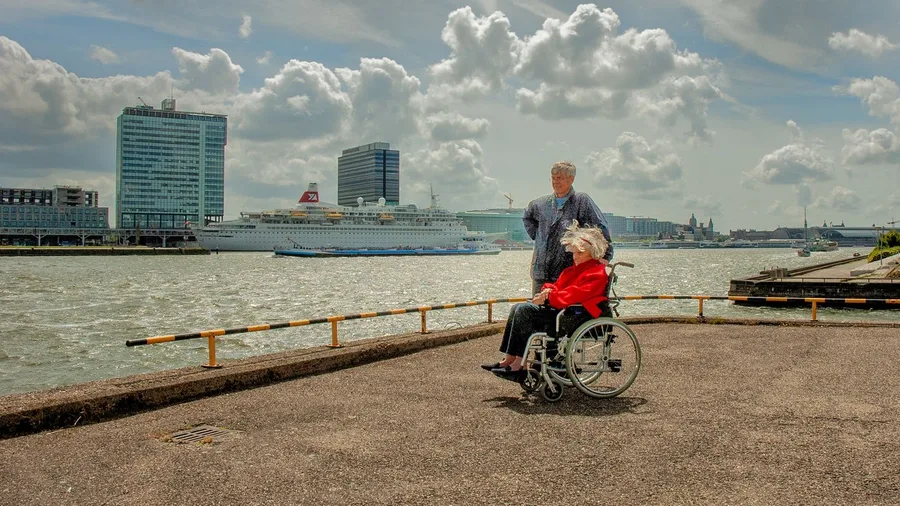
If you are booking Amsterdam accommodation more than a few weeks out, do it now – the city has put a hard ceiling on the total number of tourist hotel beds, and supply is not growing to meet demand. That cap is already pushing nightly rates upward and making last-minute availability genuinely scarce in the center, which is the most direct consequence for any independent traveler who has not thought of Amsterdam as a plan-ahead destination before.
The cruise terminal situation is real but affects a narrower group. The city-centre terminal is being closed and ships are being redirected to a facility outside the historic core – passengers doing a day call will face a longer transfer, and cruise itineraries that once deposited people steps from the Rijksmuseum will need to factor in extra transit time. If you are arriving by train from Paris or Brussels, or flying into Schiphol, none of that touches your trip.
What does touch every visitor is the accommodation math. A well-located canal-house hotel in the center can run anywhere from around 180 euros a night on a quiet midweek in shoulder season to well over 350 euros on a summer weekend – and with the bed cap constraining supply, those upper-end figures are becoming the norm rather than the ceiling. The splurge here is worth making: a canal-facing room on one of the older residential stretches, away from the main tourist corridors, puts you in a quieter Amsterdam that most visitors never find. You pay for it, but you are also not sharing a narrow street with a stag party.
That last detail is not incidental. Amsterdam has run public campaigns telling stag and party-tourism groups explicitly that the city is not interested in hosting them – a step that goes beyond passive discouragement into active demand shaping. The city is not just trying to manage the visitors it has; it is trying to change which visitors show up. The accommodation cap is one lever; higher prices from constrained supply are another; the campaigns are a third.
For an independent traveler who plans ahead and books early, Amsterdam remains completely open. The friction is financial and logistical, not a gate or a permit. But the window for cheap, spontaneous visits is closing, and anyone whose mental reference point is a trip from five or more years ago should reprice the city before assuming it fits their budget.
Amsterdam's Tourist Restrictions — At a Glance
🚢 Cruise Terminal
City-centre closure in progress; ships redirected outside historic core
🏨 Hotel Bed Cap
Hard limit on new tourist accommodation; supply will not grow
🚂 Independent Travelers
Unaffected by cruise changes; book accommodation well in advance
📣 City Policy Direction
Active campaigns discouraging party tourism; demand reduction is the stated goal
Bottom line
Amsterdam is open to independent travelers but is becoming more expensive and harder to book as the bed cap takes effect.
9. The Galápagos Enforces Hard Caps on Every Site Every Day

A week-long Galápagos live-aboard cruise typically costs somewhere between $3,000 and $7,000 per person depending on the vessel and season – and that price is not what makes the trip hard to book. What makes it hard is that the good itineraries sell out months in advance. Rangers enforce daily visitor caps at site entrances as hard limits; if the number is met when you arrive, you are turned away regardless of what you have paid or how far you have traveled to get there. The access model at most visitor sites does not allow independent walk-ins – a licensed naturalist guide or a licensed live-aboard is the required mechanism, not an optional upgrade.
The view that justifies all of it: a marine iguana colony at low tide on Fernandina Island, or a blue-footed booby nesting site on Española where the birds are so unafraid of humans that you step carefully around them rather than toward them. That approachability exists because these controls have been in place for decades. The ecosystem and the restrictions are the same thing – one produced the other, and loosening one would end the other. Plan six months out at minimum, and treat the Galápagos as the one destination on this list where independent spontaneity is not a viable strategy.
💡 Tip: Budget at least six months of lead time for peak Galápagos season departures — the live-aboard itineraries with the best site access sell out fastest, and waiting lists rarely open up.
How Far Ahead to Book Each Destination
10. Maya Bay Closes for Months Each Year and Caps Entry on Open Days
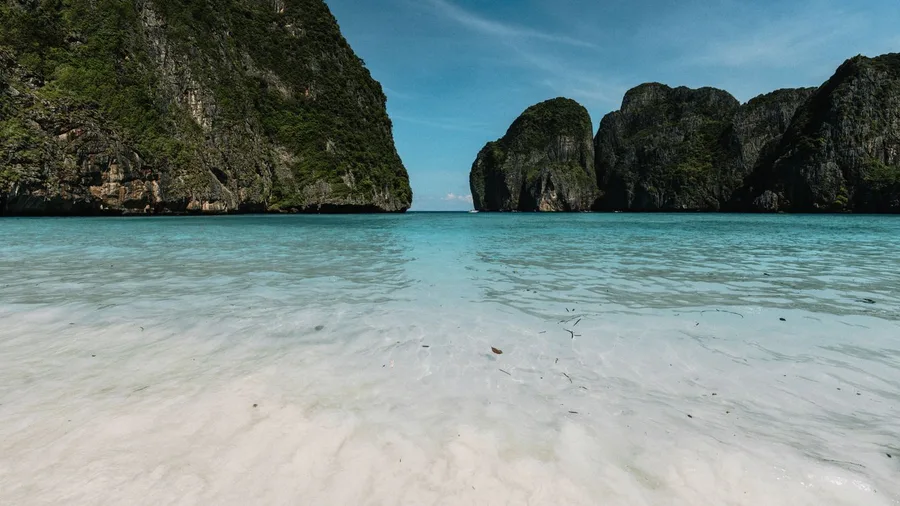
Maya Bay is closed right now – or it might be. That is the first thing to settle before anything else.
The bay on Ko Phi Phi Leh shuts entirely during monsoon season every year, and the exact dates shift. A film made it famous, heavy boat traffic and careless anchoring then stripped the coral to rubble, and a four-year total closure proved what controlled rest could do – the reef came back visibly, and the authority responsible for it is not giving that back. Overnight stays are permanently off the table, boat anchoring inside the bay is permanently banned, and neither of those rules is seasonal. They apply in February the same as they apply in September and they will not soften.
On days when the bay is open, a hard daily visitor cap controls how many people walk onto that beach, and first-come queuing is no longer the system. The Thai National Parks website publishes the current season’s closure dates, the cap number for open days, and the booking process for an entry slot. Check it before you book the flight, not after. Arriving without a confirmed slot on a capped open day means being turned away at the boat landing – no exceptions, regardless of what you paid for the wider trip.
🧭 How to Check Any Destination Before You Book
Start with the official tourism authority
Every country on this list has a national tourism council or official immigration authority — that page, not a travel blog, is the current-rules source.
Check for a levy or fee on top of your visa
Confirm whether an arrival levy, conservation fee, or departure tax stacks on top of any visa or ETA you already hold.
Search for daily or seasonal caps at your specific sites
Individual parks and reserves often publish cap numbers and booking windows separately from the national tourism site.
Verify guided-access requirements
For Bhutan and the Galápagos, confirm whether independent access is permitted at all before pricing out the trip.
Set a calendar reminder to re-check
Several of these policies are still evolving; check again two weeks before departure, because figures and dates continue to move.
Frequently Asked Questions
Is Bhutan still worth visiting given how expensive it is per day?
Yes — but only if you accept the model. The fee is high by design, and the bundled guide, accommodation, and transport mean the logistics are handled. A traveler who wants to wander independently on a budget will not enjoy it; one who wants structured access to a largely untouristed Himalayan country will find it delivers. Check the Tourism Council of Bhutan for the current daily rate before deciding.
Do I need to book ahead to visit Venice, or can I just pay the fee on arrival?
The ticket is purchased online in advance, not at the entry point on the day. Arriving without one on a listed fee day means being turned away. Check the city’s official tourism portal for the current list of designated days before your travel date — and note that overnight hotel guests are exempt from the fee entirely.
Can I visit the Galápagos without a guided tour?
Not at most visitor sites. The access structure requires a licensed naturalist guide or a licensed live-aboard cruise at the majority of the islands’ protected areas. Independent day visitors exist but are limited to a narrow range of entry points. The most rewarding sites — the ones with the approachable wildlife — are on the guided-access list.
Is the Palau Pledge really mandatory, or can I decline it?
It is mandatory. The pledge is stamped into your passport at immigration and declining it is not an alternative — it is a denial of entry. The eco-tax on departure is also non-optional. Palau enforces both: reef-damaging sunscreens are banned with on-the-spot fines, not warnings.
Are Iceland’s famous waterfalls and canyons still free to visit?
Some are, some are not. Paid access has been introduced at the highest-traffic protected sites. Most of Iceland remains free; the fees are targeted at a specific handful of the most photographed spots. Check the website of each national park or nature reserve individually, because the list of paid sites is expanding and may have changed since your last research.
If I am an independent traveler, does Amsterdam’s cruise terminal closure affect me?
Not directly — the rerouting affects cruise ship passengers, not travelers arriving by train or air. The indirect effect is real, though: the hard cap on tourist accommodation beds is constraining hotel supply, which pushes prices up and makes last-minute booking unreliable. Book accommodation well in advance and budget higher than you would have two years ago.
Which of These Ten You Can Still Do Alone, and Which You Cannot
Bali, New Zealand, Venice, Iceland, Japan, and Amsterdam are still accessible if you arrive informed and willing to pay more than you did before. The fees are real, the rules are changing, but none of these destinations has closed the door to a solo traveler with a checked calendar and a current understanding of the entry conditions.
Bhutan, Palau, the Galapagos, and Maya Bay have moved beyond that model. Independent walk-in access is either structurally prohibited or so tightly capped that turning up without a booked arrangement is not a realistic strategy – and no amount of budget flexibility changes that.
The gap between what a destination looked like on a previous trip and what it requires today is where most booking mistakes happen. Before you buy any flight on this list, go directly to that country’s official tourism authority or embassy page. Several of these policies introduced new figures and conditions within the last two years, some are still being revised, and the current number is the only number that matters – starting with that levy counter in Bali.
Check the Official Page Before You Book the Ticket
Every fee, cap, and access rule in this article has a current version on that country's official tourism authority or national parks site. Open one tab per destination you are considering and verify the current conditions — it takes ten minutes and costs nothing, unlike finding out at the gate.