
Cruise Ship Doctor Reveals: 17 Health Mistakes That Land Passengers in Medical (at $1,000/Hour)


You’ve spent months—maybe years—counting down the days until you finally step onto that gangway. You can almost taste the salt in the air and that first frosty drink by the pool. But here’s the thing nobody mentions in the glossy brochures: a cruise ship is essentially a floating city, and just like any city, things can go sideways.
I’ve been looking into what actually happens behind those “Medical Center” doors, and let’s just say it’s a lot more than just handing out Band-Aids for stubbed toes. There’s this rumor floating around that seeing a ship’s doctor costs $1,000 an hour. While that specific number is usually a mix-up with port penalties or private yacht rentals, the reality of a medical bill at sea can still make your eyes water. A standard check-up might be $200, but if you need the “works”—X-rays, EKGs, and labs—you could easily be looking at a $2,240 invoice before you’ve even reached your first port.
But here’s the real kicker: most of the people sitting in that waiting room didn’t have to be there. I’ve gone through the notes from maritime doctors like Dr. Friedl and Dr. Ben MacFarlane, and they all say the same thing. We make these “vacation brain” mistakes that end up costing us a fortune and ruining our trip. So, let’s talk about the 17 biggest health blunders you should avoid if you want to keep your money in your pocket and your body out of the infirmary.
Staying Healthy at Sea
1. Boarding the Ship When You Already Feel “Off”
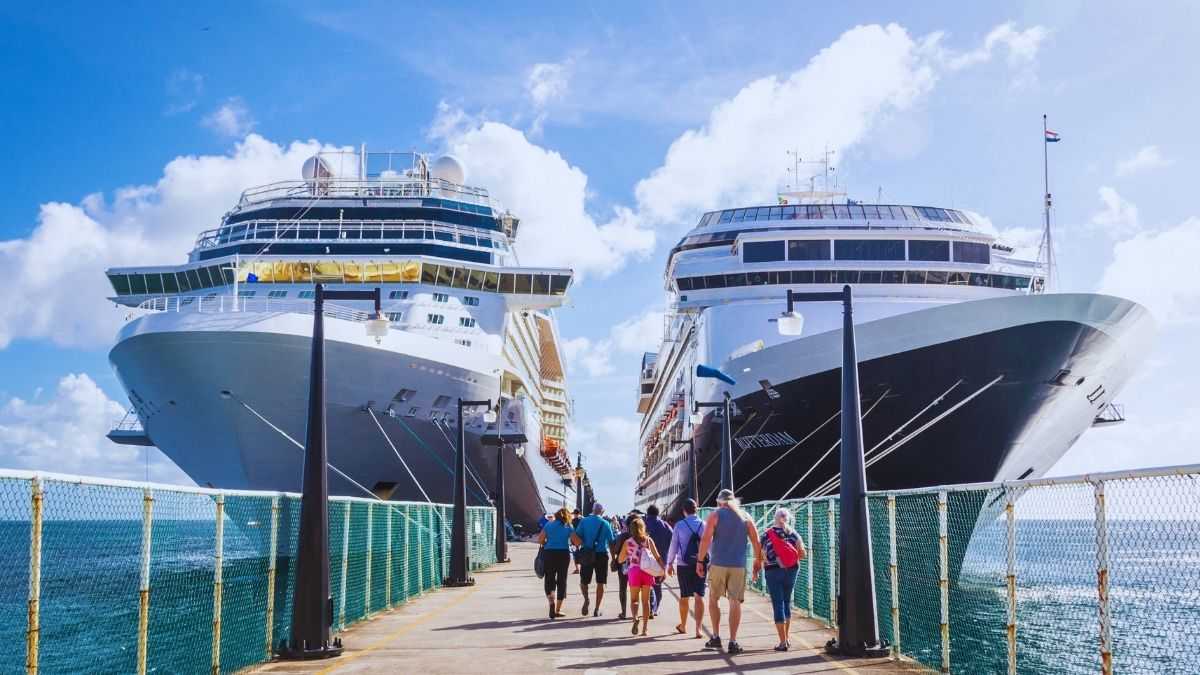
It is so tempting to just power through. You’ve paid thousands for this trip, and a little scratchy throat or a bit of “stomach grumbling” isn’t going to stop you, right? But here’s the problem: in the world of cruising, you are the “Patient Zero” for the next headline-making outbreak. Ships are high-density environments, meaning that little bug you’re carrying is going to hop, skip, and jump across 3,000 people before the first formal night.
And honestly, the doctors can tell. When an outbreak hits 3% of the ship—which is the CDC’s “red alert” threshold—the whole vacation changes. You’ll see the buffet shut down, the salt shakers disappear, and crew members in hazmat-style gear scrubbing the elevators. By boarding while symptomatic, you aren’t just risking your own health; you’re potentially triggering a massive norovirus surge, which, by the way, hit a record-breaking 20 major outbreaks in 2025 alone.
2. Tucking Your Life-Saving Meds into Your Checked Luggage
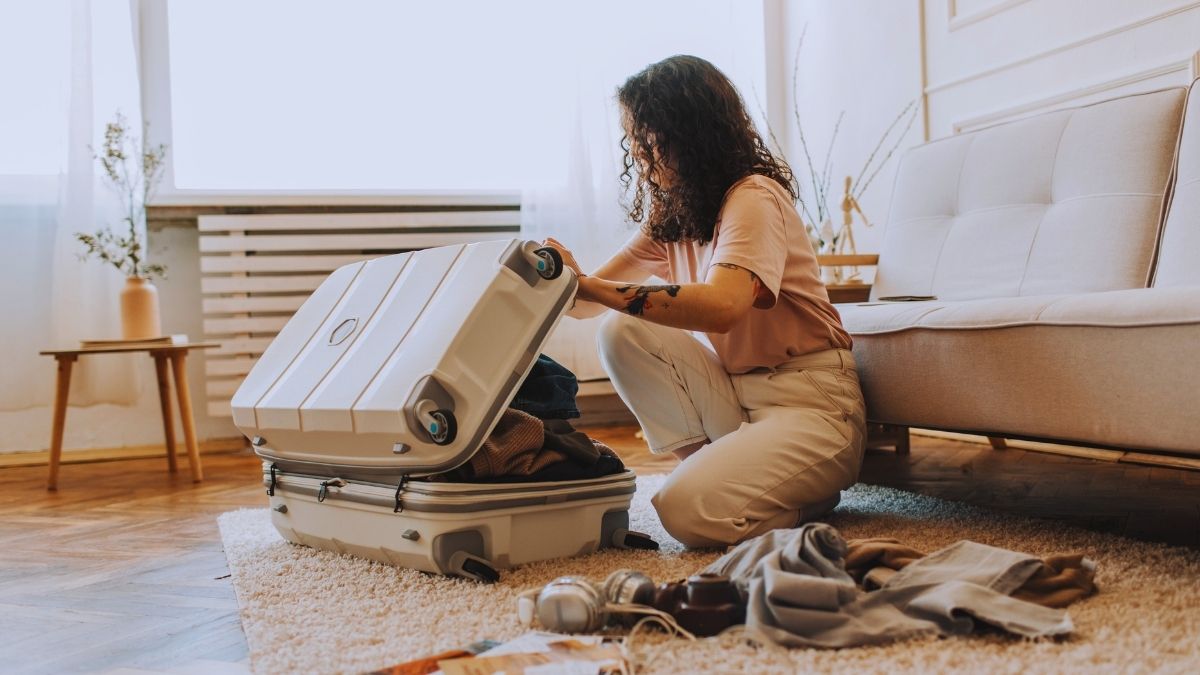
We’ve all done the “luggage shuffle” at the pier. You hand your big bags to the porters and keep a small carry-on. But if you put your insulin, blood pressure pills, or heart meds in that big suitcase, you’re playing a dangerous game of “where’s my bag?” It can take six or seven hours for those suitcases to weave through the ship’s belly and land at your cabin door.
But what if the bag gets lost? Or what if it’s just delayed while you’re off at the welcome buffet? If your body needs that 4:00 PM dose to stay stable, and your bag is MIA, you’re heading straight to the medical center for an emergency supply. That’s a consultation fee and a pharmacy bill you could have avoided just by keeping a small pill organizer in your pocket.
3. Trying to “Stretch” Your Pills by Halving the Dose
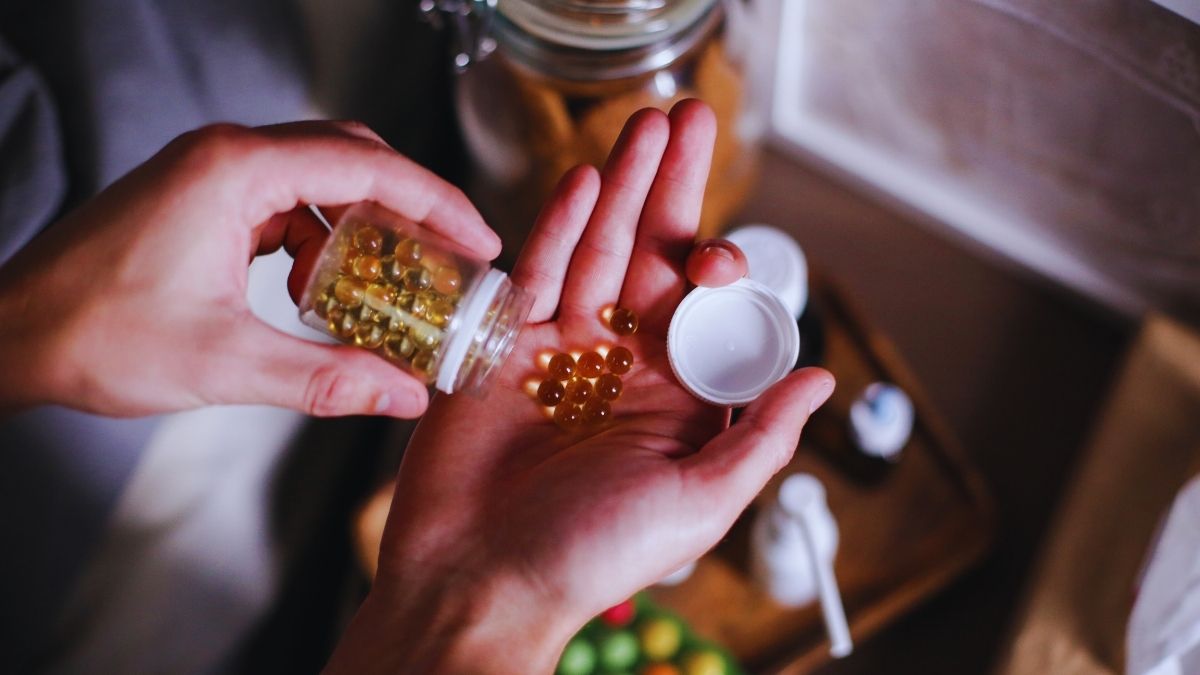
Maybe you realized on day three that you only packed enough for a week-long cruise, but you’re on a 14-day Panama Canal crossing. The “logical” vacation brain says, “Hey, I’ll just take half a pill every day; it’s better than nothing.” Except, for many cardiac or psychiatric meds, that’s just not true. Your body needs a steady “blood concentration” to function, and dropping that level can send your system into a tailspin.
And look, I get it—onboard meds are expensive. But an $80 bottle of pills from the ship’s pharmacy is a bargain compared to a $50,000 helicopter ride because your blood pressure spiked into the danger zone. If you run low, just go talk to the medical team. They’d much rather give you a refill than treat a stroke.
4. Thinking “The Gel” Is as Good as a Real Hand Wash

We’ve all seen the “Washy Washy” crews at the buffet entrance. Those hand sanitizer stations are everywhere, and they’re great for bacteria, but they have a massive blind spot: Norovirus. This nasty stomach bug has a literal “hard shell” that alcohol-based gels just can’t melt. You can soak your hands in sanitizer all day, but if that virus is on your palm, it’s still alive and well.
The only way to actually get rid of it is the old-school way—hot water, soap, and 20 seconds of friction. You have to physically “scrub” the virus off your skin and down the drain. Think of it like glitter; you can’t just spray glitter with alcohol to make it disappear; you have to wash it off.
5. Lying on That Mandatory Health Form at Check-In
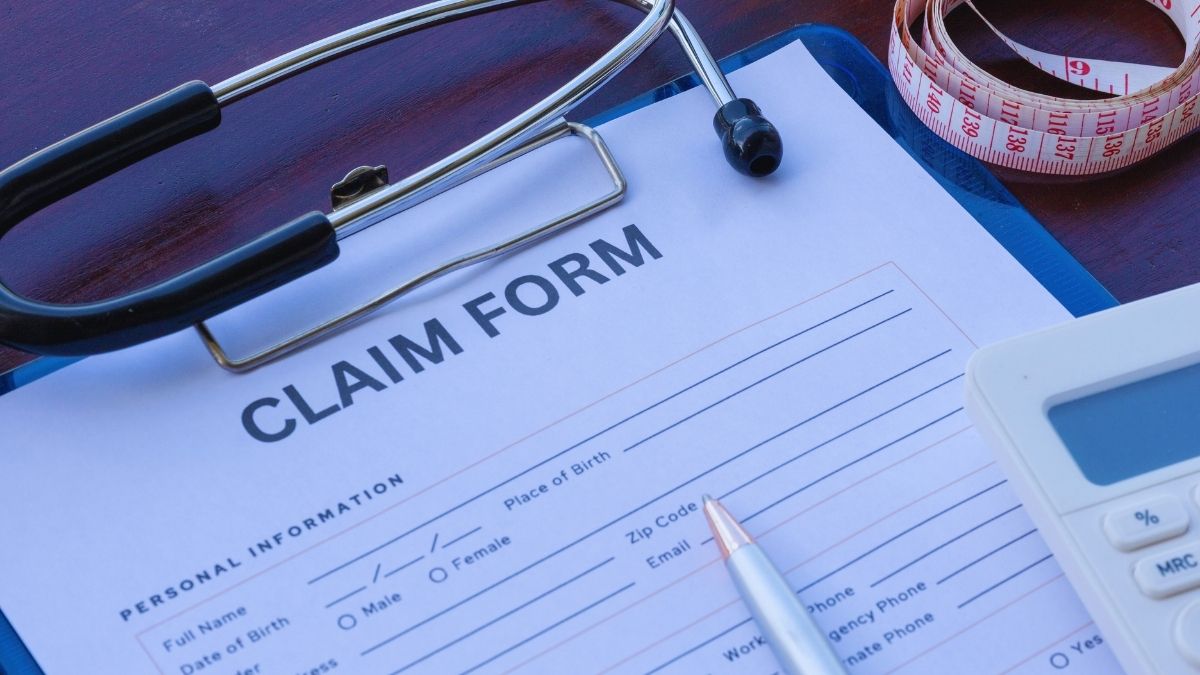
You know that piece of paper they give you before you board? The one that asks if you’ve had diarrhea or a fever in the last 48 hours? Most people treat it like the “Terms and Conditions” on an iPhone update—they just check “No” and keep moving. But these forms are the ship’s first line of defense.
When you lie, you’re bypassing the only chance the medical team has to keep the ship safe. If you’re honest, they might just ask you to stay in your room for 24 hours to make sure you aren’t contagious—and many lines will even give you a credit for the missed time. If you lie, you’re essentially smuggling a biological weapon into a floating hotel. Not exactly the “dream vacation” vibe.
6. Drinking the Tap Water When You’re Out on a Shore Excursion

Modern cruise ships have incredible water systems. They use reverse osmosis and bromination to make water that is often cleaner than what comes out of your tap at home. Because of this, we get “lazy” and think all water is safe. But the second you step off the ship in a port like Cozumel or Alexandria, the rules change.
But here’s the sneaky part: it’s not just the glass of water. It’s the ice in your soda. It’s the lettuce that was washed in the local sink. It’s the “fresh” fruit platter at that beach bar. One wrong sip of E. coli or Salmonella can turn your $5,000 cruise into a $5,000 stay in the ship’s inpatient ward. Stick to bottled water with the seal intact.
7. Waiting “Until You Feel Sick” to Take Motion Sickness Meds
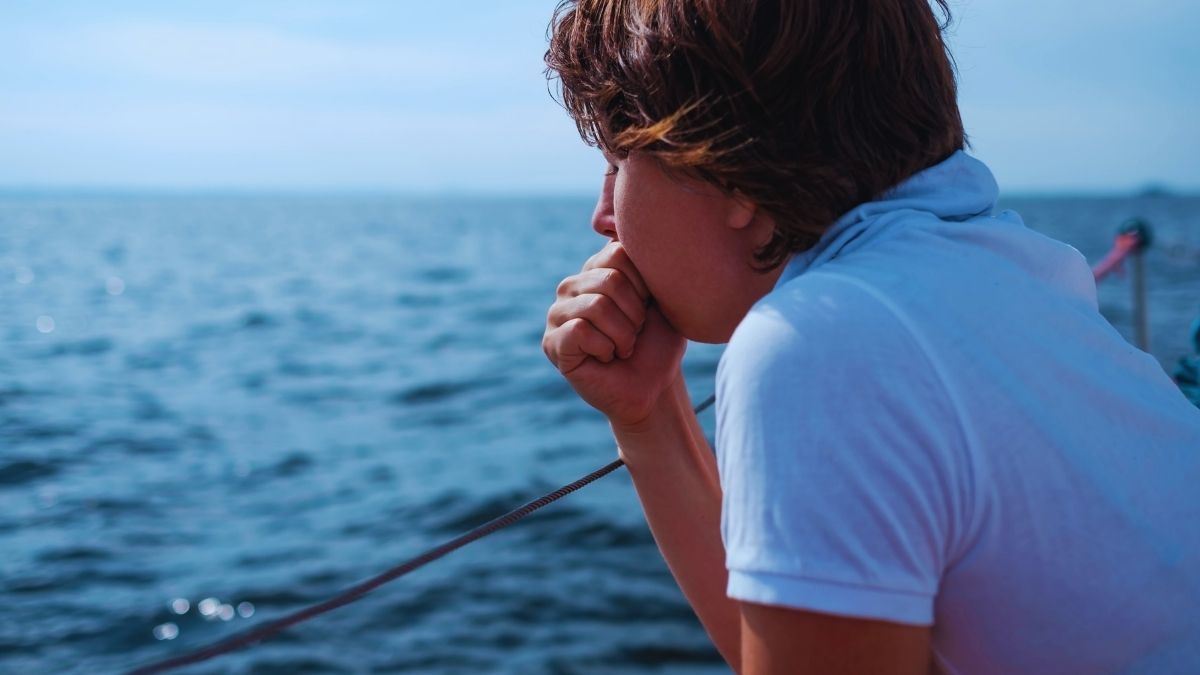
Seasickness is a weird trick our brains play on us. Inside your ear, you have these three little loops called the vestibular system—think of them like the “level” a carpenter uses. They tell your brain you’re moving. But if you’re in a windowless room, your eyes tell your brain you’re standing still. This “sensory conflict” makes your brain think you’ve been poisoned, so it triggers the “purge” reflex.
The problem is that once you start vomiting, those little pills won’t stay down long enough to work. You have to get the medicine into your system before the ship starts rocking. If you’re a new cruiser, take a meclizine or put on the patch before you even leave the pier. It’s much easier to prevent the “poison” signal than it is to stop it once the sirens are going off in your head.
8. Underestimating the “Double Sun” Effect

The sun at sea is a different beast entirely. You aren’t just getting hit by the rays from above; you’re getting the reflection off the water and the bright white decks of the ship. It’s like being in a giant tanning bed. I’ve seen people come into the medical bay with “sun poisoning”—fever, chills, and skin that looks like a cooked lobster—all because they didn’t realize how fast they were baking.
And honestly, you won’t even feel it because of the “sea breeze.” That cool wind masks the heat, making you think you’re fine until you stand up and realize your shoulders are purple. Sun poisoning can lead to severe dehydration and even heatstroke, which might land you in one of the ship’s ICU beds for observation.
9. Ignoring the “Silent” Dehydration of the Tropics

Cruising is a recipe for dehydration. You’re sweating in the heat, you’re drinking more alcohol than usual, and you’re probably eating salty buffet food. Most people don’t realize they’re dehydrated until they get a thumping headache or feel dizzy, and by then, your electrolyte balance is already a mess.
But think about it this way: your brain is about 75% water. When that level drops, everything starts glitching. You get “vacation fatigue” and mood swings, or worse, you faint during a shore excursion. Carry a reusable bottle and aim for a 1:1 ratio—one glass of water for every “fun” drink you have. Your kidneys (and your wallet) will thank you.
10. Mixing High-Octane Cocktails with “Tomfoolery”

Look, I’m not here to be a buzzkill. It’s a vacation! But alcohol and ship railings are a deadly combination. Statistics show that the average person who goes “man overboard” is a 41-year-old male who was intoxicated. When you’re drunk, your balance (that vestibular system again) is already impaired, and the ship’s movement makes it twice as hard to stay upright.
And it’s not just the big falls. Most onboard injuries are slips and trips on wet decks or stairs. If you’ve had a few too many, take the elevator, stay away from the railings, and maybe skip the “Midnight Buffet” dash. A broken ankle in the middle of the Atlantic is a very expensive way to end a night of partying.
11. Treating “Local Wildlife” Like They’re in a Petting Zoo

When you’re in a port like Roatán or Gibraltar, you’ll see monkeys, iguanas, or even stray dogs that look “cute” for a photo. But maritime doctors spend a surprising amount of time treating monkey bites and sea urchin stings. These animals aren’t used to tourists, and they can carry diseases or just give you a nasty infection.
But it’s not just the “bitey” things. If you go snorkeling without water shoes, one step on a sea urchin can ruin your entire week. Those spines are like glass needles that break off inside your skin. Dr. Friedl’s advice is simple: don’t feed the animals and wear your shoes. It sounds basic, but it’s the difference between a fun day at the beach and a painful afternoon in surgery.
12. Ignoring Chest Pain Because You Think it’s “Just the Buffet”

This is a classic. You had the prime rib, the cheesecake, and three appetizers. Now your chest feels tight. “It’s just heartburn,” you tell yourself. But on a cruise, the “average” passenger age often leans toward 50+, which is the prime window for cardiac events. Ship doctors say people often delay coming to the infirmary because they don’t want to “make a scene” or pay the bill.
But here’s the reality: if it is a heart attack, every minute you wait is heart muscle dying. Ships have EKGs and cardiac enzymes labs that can tell the difference between a burrito and a blockage in minutes. Don’t be the person who tries to “sleep it off” and never wakes up. If it feels weird, get it checked.
13. Playing “Doctor” with Random Drugstore Remedies
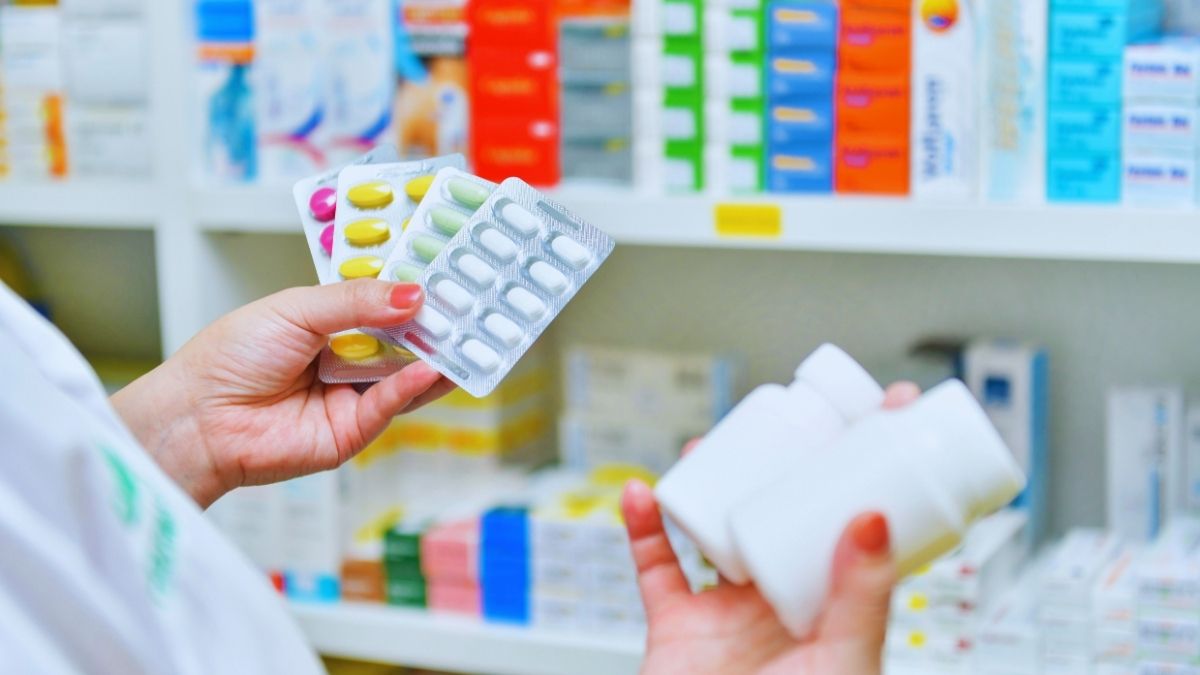
A lot of people pack a “mini-pharmacy” of over-the-counter meds. That’s great for a headache, but it’s dangerous when you try to mask serious symptoms. If you have a deep cough and a fever, taking a generic “Cold & Flu” pill might make you feel okay for four hours, but it’s not treating the underlying bronchitis or pneumonia.
And I’ve seen this happen: a passenger hides their symptoms with pills for three days until they literally can’t breathe, and then they go to the doctor. By that point, they are so sick they need to be medevaced. Masking a “contagious” illness also means you’re spreading it to everyone else while you’re “feeling fine” on your meds.
14. Not Reading the “Fine Print” on Your Ticket Contract

I know, nobody reads the 50-page PDF. But that contract has some “gotchas” in it regarding medical care. For instance, did you know most cruise ship doctors are considered “independent contractors”? That means if they mess up, it’s often very hard to sue the cruise line itself. You’re essentially seeing a private doctor who happens to live on a boat.
But more importantly, the contract tells you how and when you have to report an injury. If you trip and fall, and you don’t report it immediately to the ship’s security or medical team, you might lose your right to any compensation later. Read the section on “Medical Care” and “Claims”—it’s boring, but it could save you millions if things go wrong.
15. Settling for “Cruise Credit” after a Major Injury

If you get hurt because of a leaky pipe or a broken step, the ship’s Guest Services might offer you a “Future Cruise Credit” or a bottle of champagne to make it right. A lot of people take it because they’re nice and don’t want to be “that person.” But legally, accepting that “gift” can sometimes count as a settlement.
If that “sore back” turns into a herniated disc three months later, you might find that you’ve already “settled” your claim for a $200 voucher. If you’re seriously hurt, be polite, get the medical report, and tell them you’ll discuss it when you get home. Don’t sign anything just to be “agreeable” in the moment.
16. Skipping the “Pre-Cruise” Checkup with Your Own Doctor

Most people spend more time picking out their formal night outfits than they do talking to their doctor about the trip. If you have any chronic conditions, you should be having a “maritime audit” four weeks before you sail. Your doctor might need to adjust your meds for the heat or give you a “plan B” for your diet.
But it’s also about vaccines. Ships are melting pots of people from 50 different countries. While you might be up-to-date on your “local” shots, you might be susceptible to things like Rubella or Varicella (chickenpox) that are still circulating in other parts of the world. A quick blood test can tell if you’re actually protected.
17. Thinking the Ship’s Infirmary is a “Full Hospital”

This is perhaps the biggest misconception. Modern ships are amazingly equipped—we’re talking ventilators, labs, and even “operating rooms” for emergencies. But they are meant to stabilize you, not cure you. If you have a major stroke or a complex fracture, they aren’t going to keep you on the ship; they’re going to get you off as fast as possible.
And that medevac is where the real money is. If the ship is 100 miles offshore, that’s a helicopter hoist. If you’re in a tiny port in the Caribbean, that’s a private air ambulance. Without travel insurance, you are on the hook for that $50,000+ bill. People assume the ship will just “handle it,” but the ship’s job is just to keep you alive until the experts arrive.
2025: The Year of the “Stomach Bug” Surge
2025 has been a record-breaker for all the wrong reasons. The stats don’t lie—norovirus is back with a vengeance.
The “Loncar” Case: A Warning About Shipboard Medicine
I have to mention one more thing, even though it’s a bit heavy. There was a case involving a crew member named Ilija Loncar that changed the way we look at shipboard doctors. He went in for nausea and was given a drug called Promethazine. The doctor ordered it as a “rapid IV push.”
But here’s the catch: that drug has a “black box” warning. It’s supposed to be given slowly and deep into the muscle, not slammed into a vein. Because of that error, Loncar’s arm literally started to die (necrosis). He spent 17 hours in agony while the doctor reportedly searched “Google” for help. By the time he got to a shore-side hospital, his arm had to be amputated. He was eventually awarded $3.3 million, but it’s a reminder that while these facilities look high-tech, they aren’t always perfect. It’s okay to ask questions about your treatment.
Final Thoughts: You’ve Got This
Look, I know this sounds like a lot of “gloom and doom.” But the truth is, cruising is incredibly safe for 99% of people. The point of knowing these mistakes isn’t to scare you out of your vacation—it’s to empower you to have a better one.
When you pack your meds in your carry-on, wash your hands like a pro, and stay hydrated, you aren’t just being “cautious.” You’re making sure that your “dream vacation” stays exactly that—a dream. So go, enjoy the midnight buffet (in moderation!), take the photos with the sunset, and breathe in that salt air. Just do it with your eyes open.
Need More Help For Your Trip? Look Into These
1. Sea-Band Anti-Nausea Acupressure Wristbands

These are a must-have for the “vestibular conflict” we talked about. They use a simple plastic stud to hit a pressure point on your wrist, meaning no drugs, no drowsiness, and you can still enjoy your drinks at the lounge.
2. The Ginger People Gin-Gins Ginger Chews

If your stomach feels even a little bit “iffy” after a big meal or a bumpy tender ride to shore, these are a lifesaver. Real ginger is a time-tested way to settle “stomach awareness” before it turns into full-blown nausea.
3. Liquid I.V. Hydration Multiplier Packs

Dehydration is the silent vacation killer that leads to those nasty hangovers and heat exhaustion. These little packets have way more electrolytes than standard sports drinks and help your body absorb water much faster.
4. Blue Lizard Australian Mineral Sunscreen (SPF 50+)

Since you’re dealing with that “Double Sun” reflection off the water, you need the heavy-duty stuff. This is a mineral-based, reef-safe formula that’s great for sensitive skin and meets the strict requirements of most Caribbean ports.
5. Matador Waterproof Travel Pill Canister
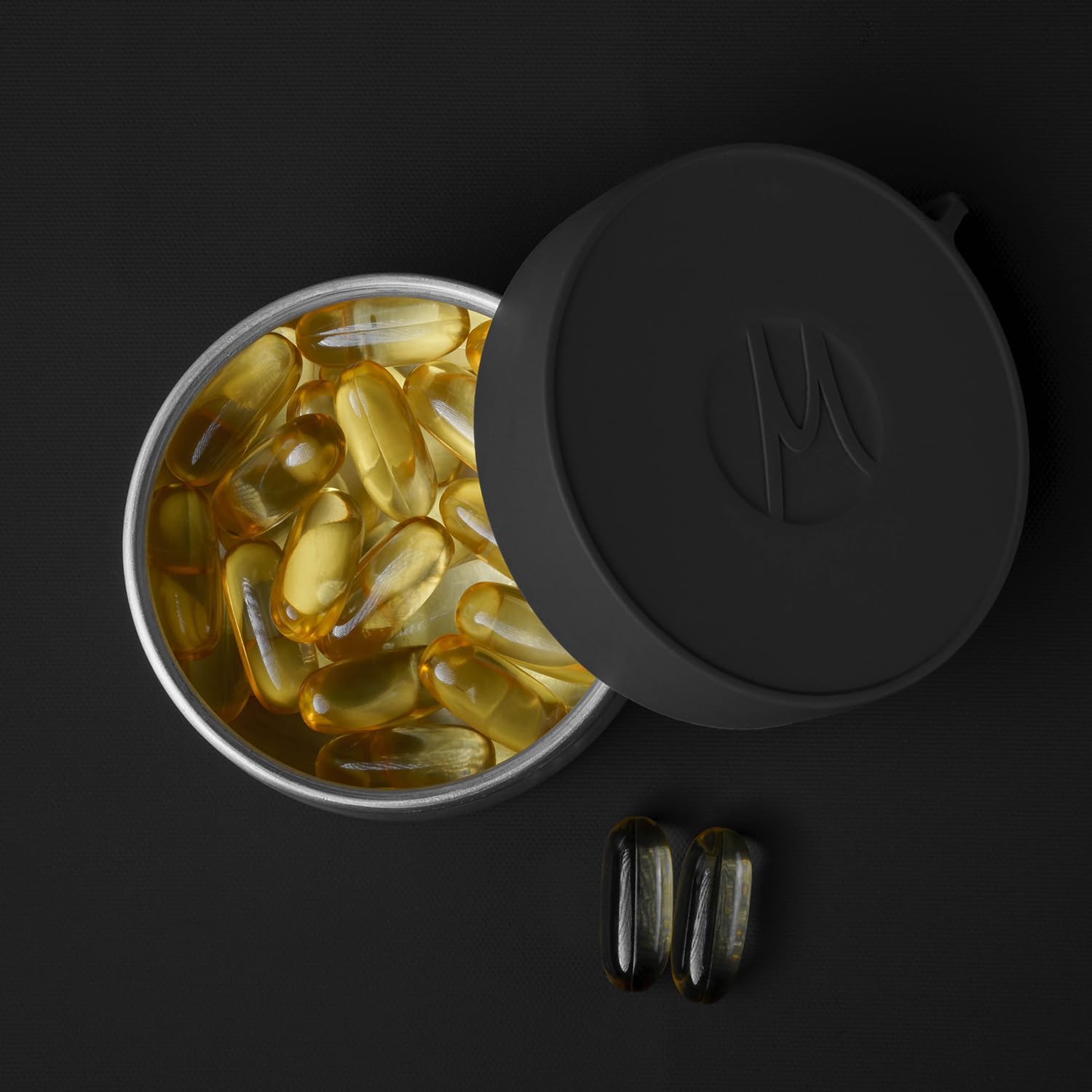
To avoid the mistake of losing your meds or getting them wet at the pool, this aluminum case is a fortress. It’s crush-proof, has seven compartments for your week’s supply, and keeps everything bone-dry no matter what.