Train Travel in Europe: 17 Booking Blunders Americans Make Every Single Time

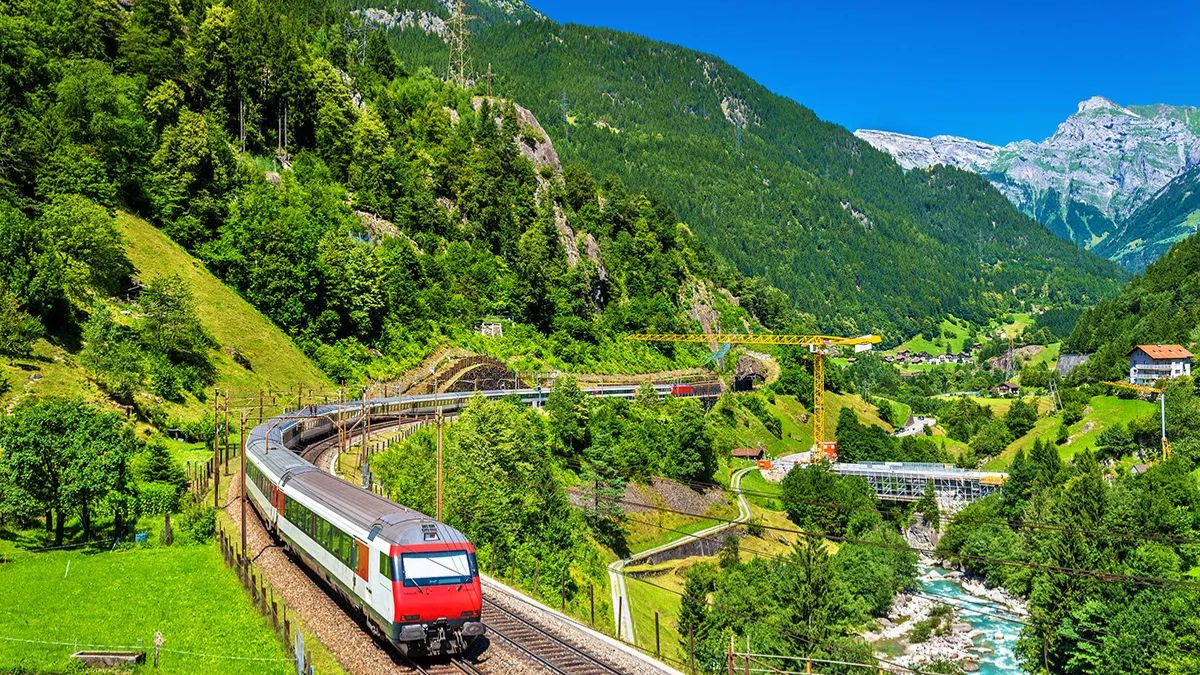
So, you’re finally doing it. You’ve got the vision: leaning against a window with an espresso in hand, watching the rolling hills of Tuscany or the snow-capped Swiss Alps blur past at 180 miles per hour. It’s the romantic dream of European train travel, isn’t it? And honestly, it should be that good. But here’s the thing—as someone who’s spent way too many hours standing on drafty platforms and staring at “Cancelled” signs, I can tell you that for most Americans, that dream can turn into a logistical headache faster than you can say “bon voyage.”
The reality is that Europe’s rail network isn’t one big, happy, unified system. It’s a patchwork of national pride, 19th-century engineering quirks, and 21st-century “dynamic pricing” math that makes no sense until someone sits down and explains it to you.
Before we even look at a ticket, we have to talk about the “why.” Why is it so complicated? It goes back to the 1800s. Back then, every country basically built their tracks however they wanted, partly because they didn’t want neighbors being able to “invade” them easily by rail. This left us with a continent full of different track widths (gauges), different voltages for the overhead wires, and even different signaling systems.
To understand what you’re stepping onto, you have to realize that “standard gauge”—the distance between the rails—is actually 1,435mm. Why such a specific, weird number? Legend has it that it goes all the way back to the original specifications for Roman war chariots. They made the ruts in the road just wide enough for two army horses to run side-by-side.
When the British started building the first modern steam railways, they just kept that measurement. But as you head into Spain or Portugal, the tracks suddenly get wider, and in the mountains of Switzerland, they get narrower to handle those tight, snowy curves.
Then there’s the electricity. A train going from London to Amsterdam has to navigate through ten different system boundaries, requiring locomotives fitted with enough computer gear to land on the moon. It’s a bit like trying to drive a car across a continent where every state has a different size of gas nozzle and a different shaped steering wheel. Here is a quick look at the technical chaos that happens behind the scenes while you’re just trying to figure out which platform has the best croissants:
Now, let’s talk about the money. Most people get “sticker shock” when they see a ticket price double overnight. That’s because of “Dynamic Pricing” and the “PNR.” Honestly, the easiest way to think about dynamic pricing is to imagine a lemonade stand on a really hot day. If there are fifty people waiting and only ten lemons left, the owner raises the price because those lemons are suddenly very special.
If it’s raining and no one is thirsty, the price drops to practically nothing to encourage a sale. In the rail world, computers watch how many people are buying and adjust the price in real-time. It’s a “rationing mechanism”—the more people want a seat, the higher the price goes to make sure the train fills up but makes the most profit.
1. The Geography Fallacy

This is, hands down, the biggest mistake Americans make every single time. We have so little vacation time in the States that we try to cram London, Paris, Rome, Barcelona, Amsterdam, and Prague into a ten-day window. We look at a map of Europe and think, “Oh, it’s so small compared to Texas, I can just hop around.” But here’s the cold, hard truth: travel days are not sightseeing days.
By the time you check out of your hotel, navigate to the station, find your platform, spend four hours on a train, find your new hotel, and check in, the day is gone. You end up exhausted, staring at a never-ending blur of train stations and hotel lobbies without actually seeing the cities you came for.
The fix is a “less is more” philosophy that feels painful to plan but amazing to experience. You need a minimum of three to four days per major city and at least two days for smaller towns. If you’re rushing, you’re just paying for the privilege of being stressed in a different time zone.
Think about it this way: would you rather remember the taste of a perfect carbonara in a Roman back-alley, or the feeling of your heart rate spiking because you’re sprinting through a terminal for the third time this week? Give yourself permission to slow down; the trains will still be there in ten years, but your sanity might not be if you keep up that frantic pace.
2. The Eurail Pass Cognitive Bias

For decades, the Eurail pass was the “gold standard” for backpacking through Europe. It’s romantic, it’s iconic, and for many Americans, it’s the only way they think you can book a train trip. But we’re living in a different world now. With the rise of low-cost carriers and the way national rail lines have adopted airline-style pricing, the pass is often a massive waste of money.
If you have a fixed itinerary and you know your dates two to three months in advance, buying individual “point-to-point” tickets is almost always significantly cheaper. I’ve seen people spend $600 on a pass for a trip they could have booked for $250 if they’d just used the national websites.
The Eurail pass is a tool for flexibility, not necessarily for savings. If you want to wake up in Vienna and suddenly decide you’d rather go to Prague, the pass is your best friend. It’s great for the spontaneous soul who doesn’t want to be “nailed to the floor” by a non-refundable ticket.
But if you already have your hotels booked, do the math first. Divide the cost of the pass by the number of days you’re actually traveling. If that “daily cost” is higher than a €30 advance-purchase ticket, you’re just paying a “flexibility tax” you might not even need.
3. The Mandatory Reservation Trap
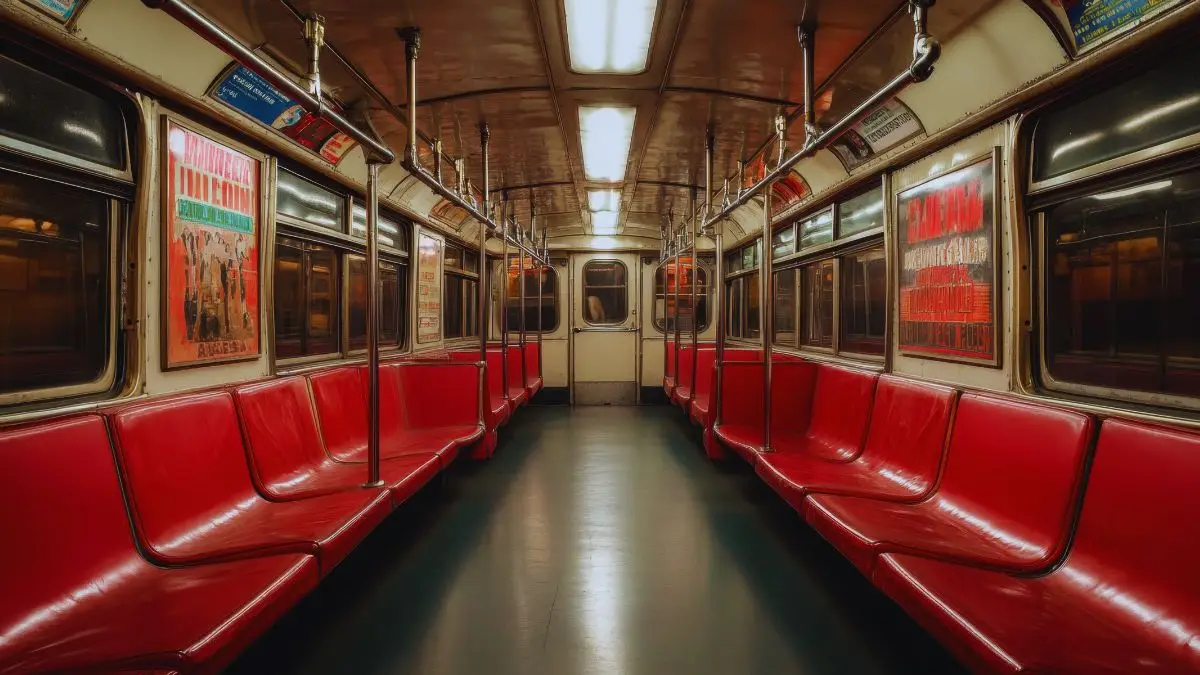
This is the one that causes the most tears on the platform. In the U.S., if you have a ticket for a train, you usually have a seat. In Europe, especially on high-speed lines in France, Italy, and Spain, a ticket and a seat reservation are two different things. You can buy a Eurail pass or a general fare ticket and think you’re good to go, only to find out that the train is “full” because all the reservation slots are gone.
I’ve seen couples on the verge of a breakdown because they had to sit on the floor in the smelly vestibule area between cars for a five-hour journey because they didn’t realize they needed to pay an extra €10 for a specific seat.
Don’t assume that because you have a piece of paper, you have a place to sit. On the big high-speed trains like the TGV, Le Frecce, or the Eurostar, reservations are mandatory. If you show up without one, the conductor might not even let you board, or worse, they’ll hit you with a massive fine on the spot.
Always check the “fine print” on your booking. If it says “Seat: N/A” or “Reservation Required,” get it done immediately. On popular routes like Paris to Nice or Rome to Venice, those reservation slots can sell out weeks in advance, even if the train itself has plenty of physical room.
4. Third-Party Aggregator Pitfalls

We love convenience, so we naturally gravitate toward apps like Trainline, Rail Ninja, or Omio. They look great, they’re in English, and they aggregate everything into one place. But here’s the catch: these sites are “middlemen.” They often add service fees that can be as high as 15% to 20%, and more importantly, they don’t always give you the same protections as the national carriers.
If your train is cancelled and you booked through a third party, you might find yourself stuck in a customer service loop while the people who booked directly with SNCF or Deutsche Bahn are being automatically rebooked on the next available service.
The smartest move is to use the aggregators for research, then go directly to the source to buy. Download the apps for the specific countries you’re visiting—like DB Navigator for Germany or Trenitalia for Italy. These apps give you real-time alerts, tell you exactly which platform your train is arriving on, and ensure you’re covered by the “Journey Continuation” agreements that allow you to take the next train if a delay makes you miss your connection. Plus, the national sites often have “web-only” deals that the third-party aggregators never see.
5. The Validation Requirement
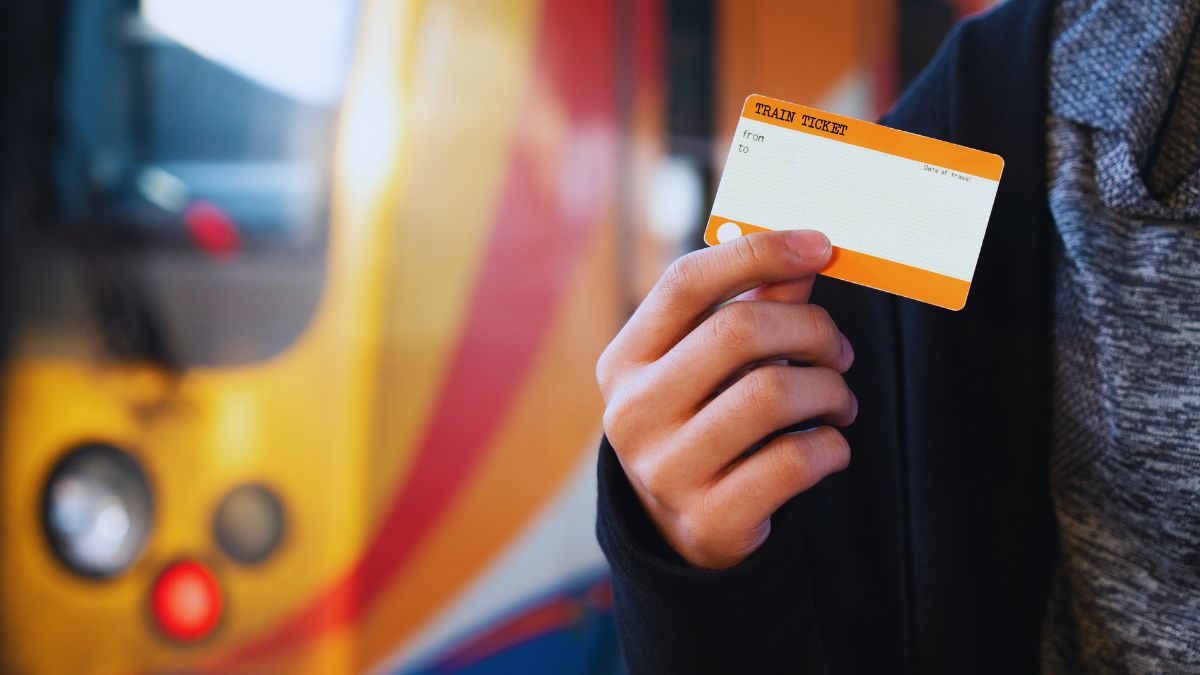
In several European countries, particularly Italy and France, having a ticket in your hand is only half the battle. If you bought a paper ticket for a regional train (the ones without a specific time or seat), you must validate it before you step on the train. Look for the small, often yellow or green, machines on the platform.
You stick your ticket in, it stamps the date and time, and then it’s a legal travel document. Americans skip this all the time because we aren’t used to it, and conductors are notoriously unsympathetic. “I didn’t know” is a €50 sentence in Italian.
Think of validation as “activating” your ticket. Without that stamp, you could technically use that same ticket over and over again, which is why the fines are so high—they view it as attempted fraud. Now, if you have a digital ticket on your phone with a QR code, you’re usually safe from this, as the digital scan does the work. But if you’re using a paper ticket from a kiosk or a window, do not board that train until you’ve heard the “chunk-chunk” sound of the validation machine. It’s a five-second step that can save you a week’s worth of dinner money in fines.
6. The Multiple Station Confusion
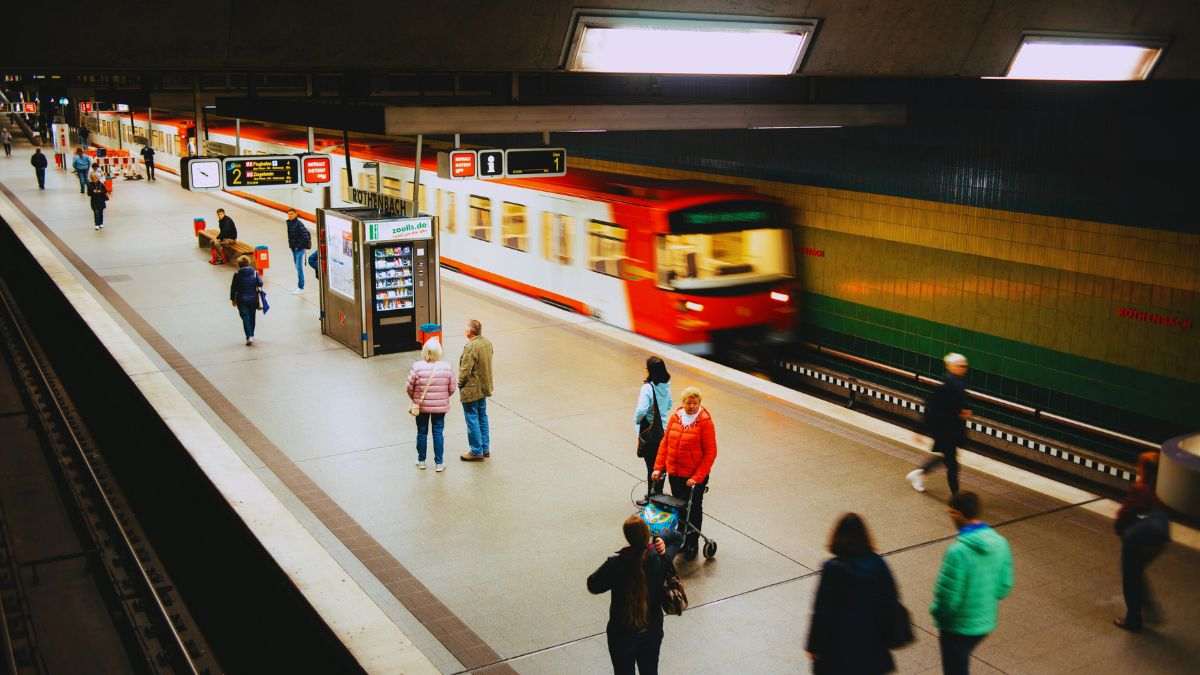
This is a classic “city-slicker” blunder. Americans often assume that a city has “The” train station. But major European hubs like Paris, London, or Berlin have multiple massive terminals, often on opposite sides of the city. In Paris, if you go to Gare du Nord for a train that departs from Gare de Lyon, you’ve just missed your train. There is no “central” station that connects them all; you have to take the Metro or a taxi between them, which can take 30 to 45 minutes on a good day.
Always, always double-check the specific name of the station on your ticket. Don’t just look for “Paris”—look for “Paris Est” or “Paris Montparnasse.” Also, be careful when the train is arriving. Many people hear the conductor announce “Dresden” and they jump off, not realizing they’re at “Dresden Neustadt” (the suburbs) when they actually need “Dresden Hauptbahnhof” (the main central station). Stay in your seat until you’re 100% sure you’re at the right stop, or you might find yourself standing on a lonely suburban platform with a very heavy suitcase and no Uber in sight.
7. Connection Buffer Deficiency
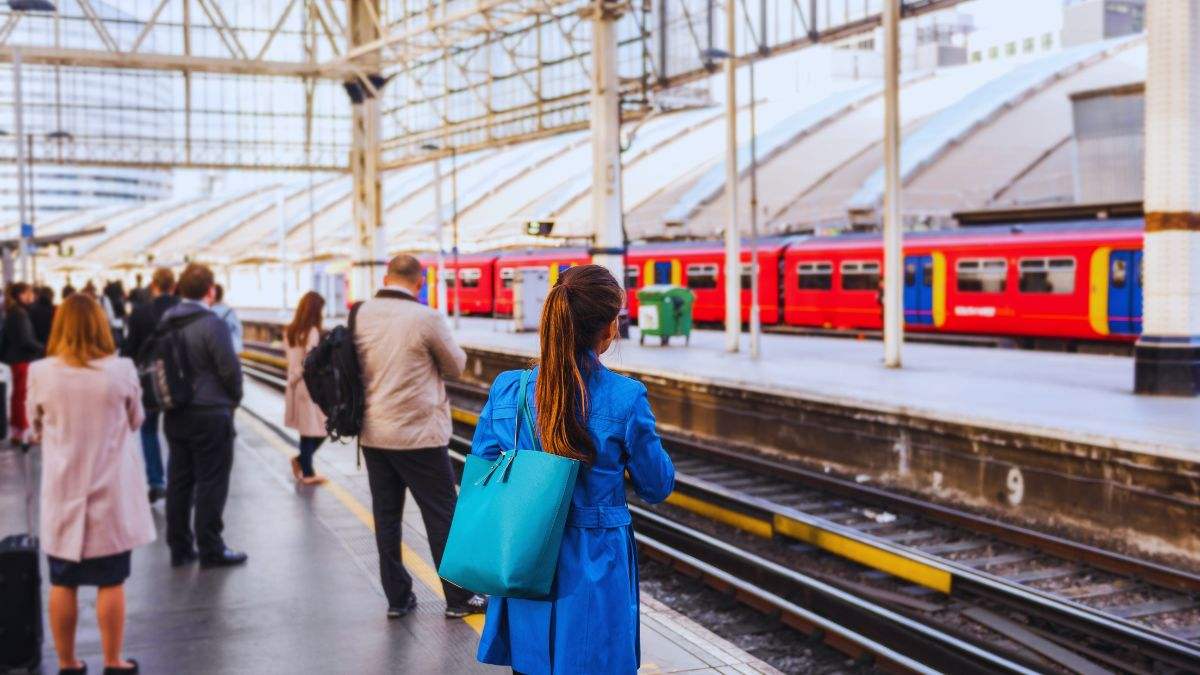
We’ve all seen the movies where someone sprints through a station and jumps onto a moving train as it leaves the platform. In real life, that’s a great way to end up in a hospital or a police station. Americans often book connections that are far too tight, thinking that “10 minutes” is plenty of time because the stations look small on a map.
But European stations are living, breathing labyrinths with dozens of platforms, crowds of commuters, and confusing signage. If your first train is even five minutes late—which happens more than the brochures admit—your 10-minute window just vanished.
Experienced travelers know that a 30-to-60-minute buffer is the sweet spot. This gives you time to find the big departure board, locate your new platform, grab a bottle of water, and maybe even use the restroom (which might be on a different level entirely). If you’re changing stations in a city like Paris, you need at least 90 minutes.
Don’t let a “suggested” connection on a website dictate your stress levels. It is much better to sit on a bench for 20 minutes than to spend three hours at the “Help” desk trying to get a new ticket because your first train was delayed by a slow-moving cow on the tracks in Normandy.
8. 24-Hour Clock & Date Formatting Errors
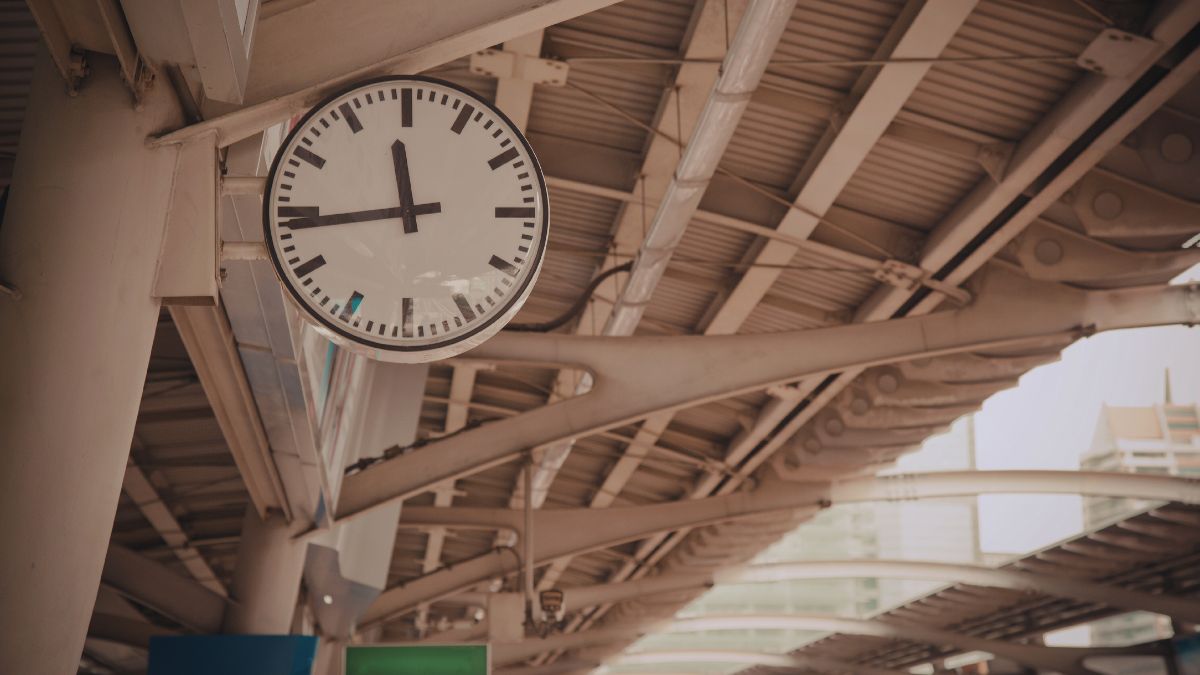
This is a simple one, but it’s the “death by a thousand cuts” for American itineraries. In Europe, the 12-hour AM/PM system is for casual conversation; the 24-hour clock is for travel. If your ticket says “01:00,” that is 1:00 AM. If you think you’re booking a train for 1:00 PM, you need to look for “13:00.” I have met countless travelers who showed up at the station in the afternoon only to find out their train left twelve hours ago while they were fast asleep in their hotel.
And then there’s the date format. We use MM/DD/YYYY, but the rest of the world uses DD/MM/YYYY. If you’re booking a trip for May 10th (05/10), a European website is going to sell you a ticket for October 5th. Always double-check the month name if it’s written out, or just slow down and think: “Day first, Month second.” It’s a tiny mental shift, but it’s the difference between a seamless journey and a very expensive mistake that usually isn’t refundable because it’s technically “user error.”
9. Luggage-Carriage Mismatch
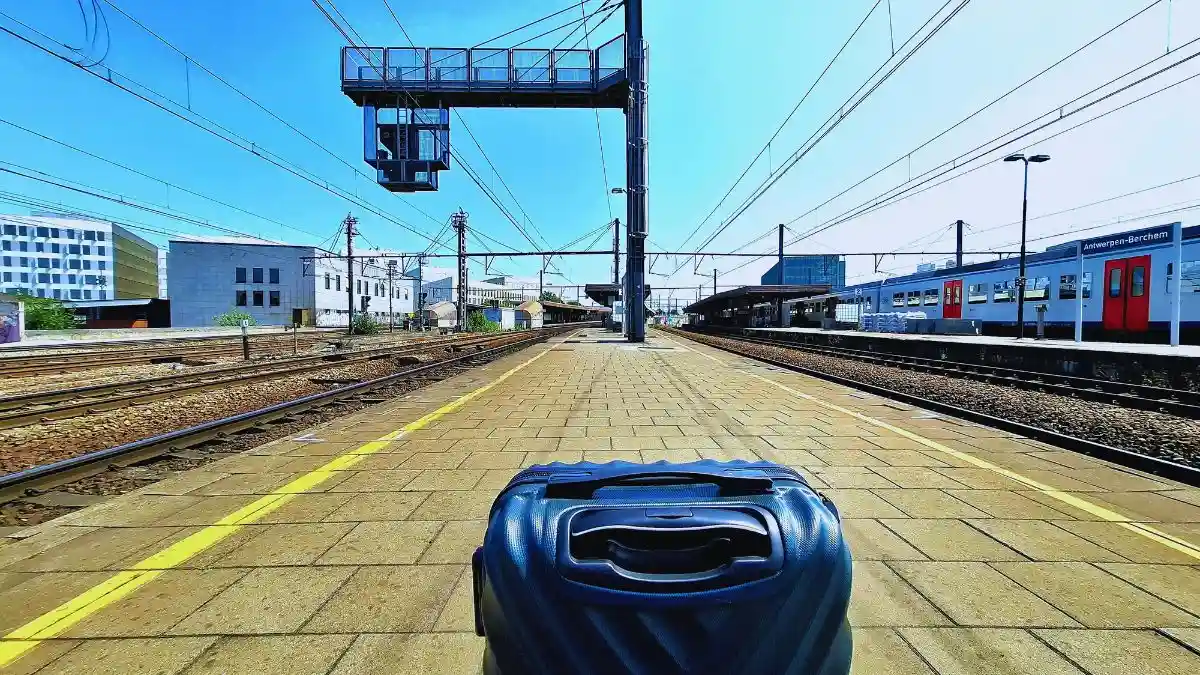
We Americans love our giant, hard-shell “spinner” suitcases. They’re great for rolling through a smooth airport terminal, but they are a nightmare on a European train. Most train cars were designed decades ago and have very limited luggage space. There’s usually a small rack at the end of the car that fills up in thirty seconds, and then there’s the overhead rack, which is often too narrow for a “checked-size” bag. If you bring a massive suitcase, you’re going to be that person struggling to hoist 50 pounds over your head while a line of angry commuters forms behind you.
The golden rule of rail travel is: if you can’t carry it yourself up three flights of stairs, don’t bring it. You’ll encounter broken escalators, narrow aisles, and “gap” jumps between the platform and the train. Pack light—ideally a single carry-on sized bag and a small backpack. This allows you to tuck your bag into the “triangular” space between back-to-back seats or keep it right above your head where you can see it. Not only is it safer, but it also means you aren’t “that tourist” who’s blocking the bathroom door with a suitcase the size of a small refrigerator.
10. Assuming Universal On-Board Catering

There’s a romantic notion that every European train has a “Dining Car” with white tablecloths and fresh-pressed coffee. While some high-speed routes do have great cafe cars, they are far from guaranteed. Staffing shortages, technical issues, or just the type of train (regional) mean you might be on a four-hour journey with absolutely no access to food or water. I’ve seen people board long-distance trains in the heat of summer with no supplies, only to find out the “bistro” car is out of service. It’s a miserable way to travel.
Always treat the train station like a grocery store. Before you board, hit the “Relay” shop or a local supermarket and grab a “picnic.” Get a big bottle of water, some fruit, and a sandwich. It’ll be half the price of anything on the train, and you’ll actually have it when you’re hungry. Plus, there’s something genuinely wonderful about eating a fresh baguette and local cheese while the French countryside rolls past your window. Don’t leave your hydration or your blood sugar to chance; be your own catering department.
11. Identification Oversight
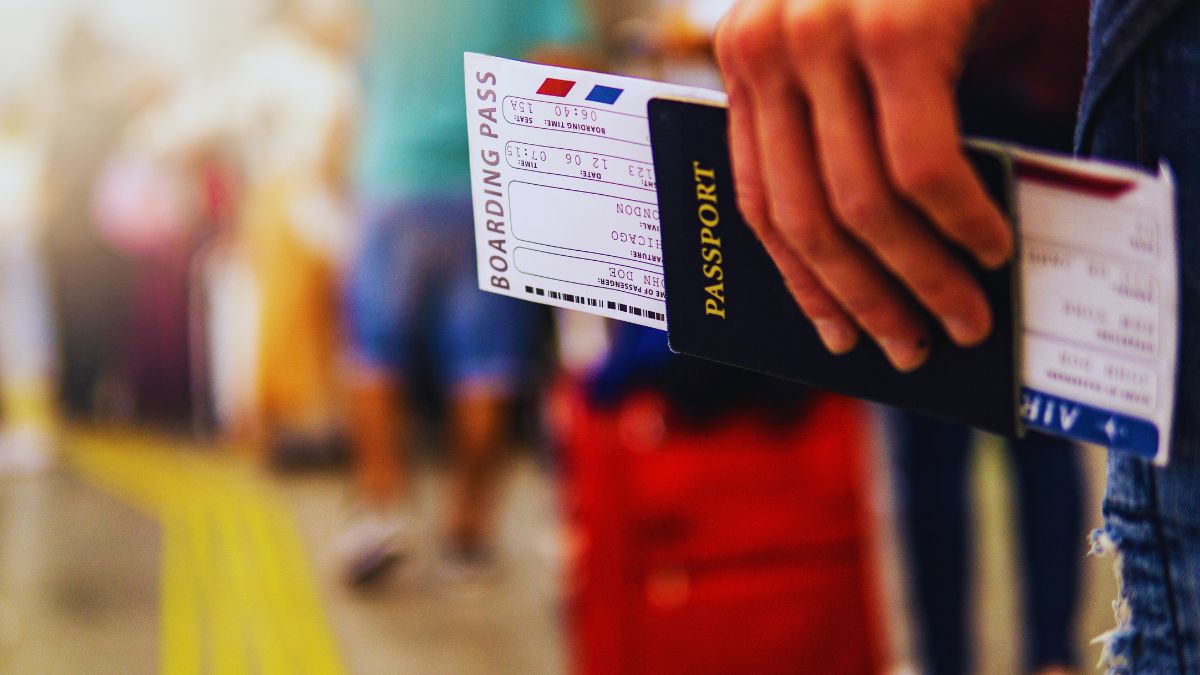
In the U.S., once you have your boarding pass, you rarely need to show your ID again until you’re buying a drink. In Europe, your train ticket is often legally tied to your identification. If you have a digital ticket or a rail pass, the conductor has every right to ask for your passport to prove the name on the ticket matches the person in the seat. Many Americans tuck their passports deep into a money belt or a “safe” pocket and get flustered when they have to dig it out in a crowded car.
Keep your passport (or at least a very clear photo of it on your phone, though the original is always better) easily accessible. This is especially true when crossing borders. While the Schengen Area has mostly eliminated “hard” borders, spot checks by police or customs officials are still very common on international trains. If you can’t produce your ID when asked, you could be taken off the train at the next stop for a “lengthy verification process.” It’s not scary if you’re prepared, but it’s a massive headache if you aren’t.
12. Ignoring Open-Access Competitors
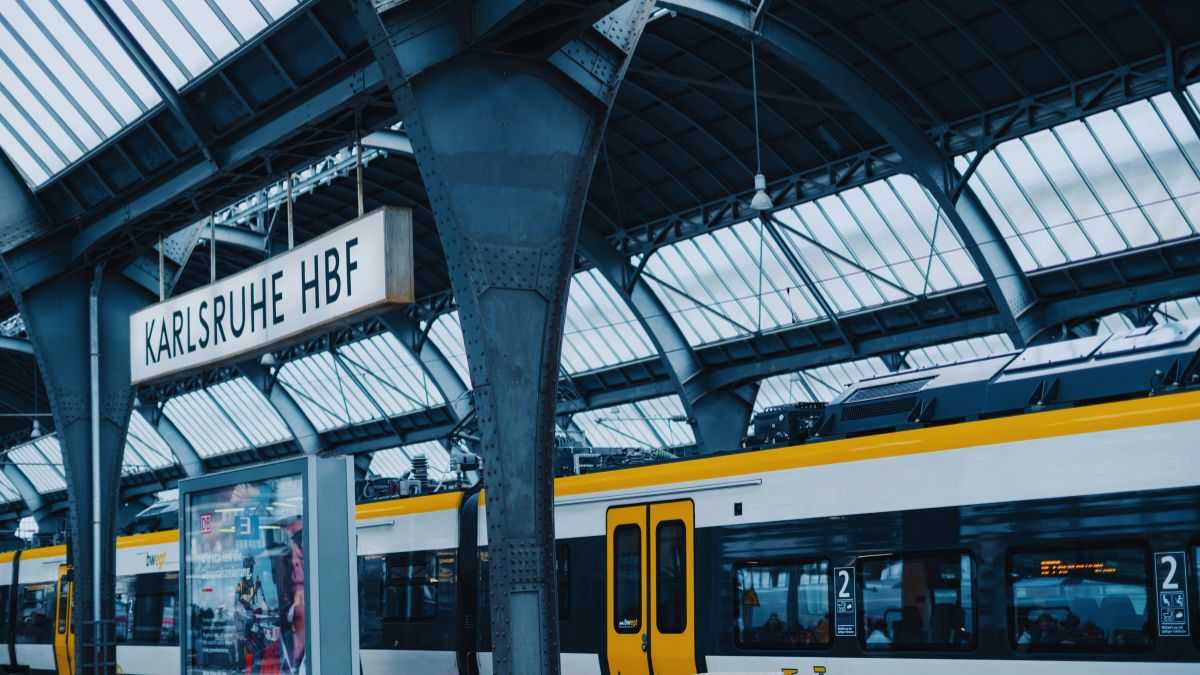
For a long time, if you were in Italy, you took Trenitalia. If you were in France, you took SNCF. But the European rail market has opened up, and now “open-access” private companies are competing with the state-owned giants. In Italy, Italo runs sleek, high-speed trains that are often cheaper and more modern than the national ones. In Spain, Iryo and Ouigo have completely disrupted the market, offering tickets for a fraction of what the national carrier, Renfe, used to charge.
Americans often just go to the “official” sounding website and pay a premium because they don’t know the competitors exist. When you’re researching your route, look for these private names. They often use the same tracks and the same stations, but the experience can be much better. You might find a private train that has better Wi-Fi, more comfortable seats, and a price tag that’s €40 lower just because they’re trying to win over customers from the “big guys.” Don’t be a loyalist; be a savvy shopper.
13. Misjudging Class Value

We’re conditioned to think that “First Class” is an unattainable luxury, but on European trains, the price difference is often surprisingly small—sometimes as little as €5 or €10. However, the value of that upgrade varies wildly depending on the train. On a regional commuter train, First Class might just be a different colored seat and a slightly cleaner window. On a high-speed intercity train, it can mean wider seats, a “Quiet Car” guarantee, more luggage space, and even a free drink or snack served at your seat.
The blunder is either assuming it’s “never” worth it or “always” worth it. If you’re on a long, four-hour journey and the upgrade is only €15, take it. The extra legroom and the quieter environment will make a massive difference in how you feel when you arrive. But if you’re just hopping between two towns in Tuscany for twenty minutes, save your money for gelato. Always look at the “amenities” list before you click buy; if the 1st class carriage has a “Quiet Zone” and you’re trying to get some work done or a nap in, it’s the best money you’ll spend all trip.
14. Sleeper Train Logistics Failures
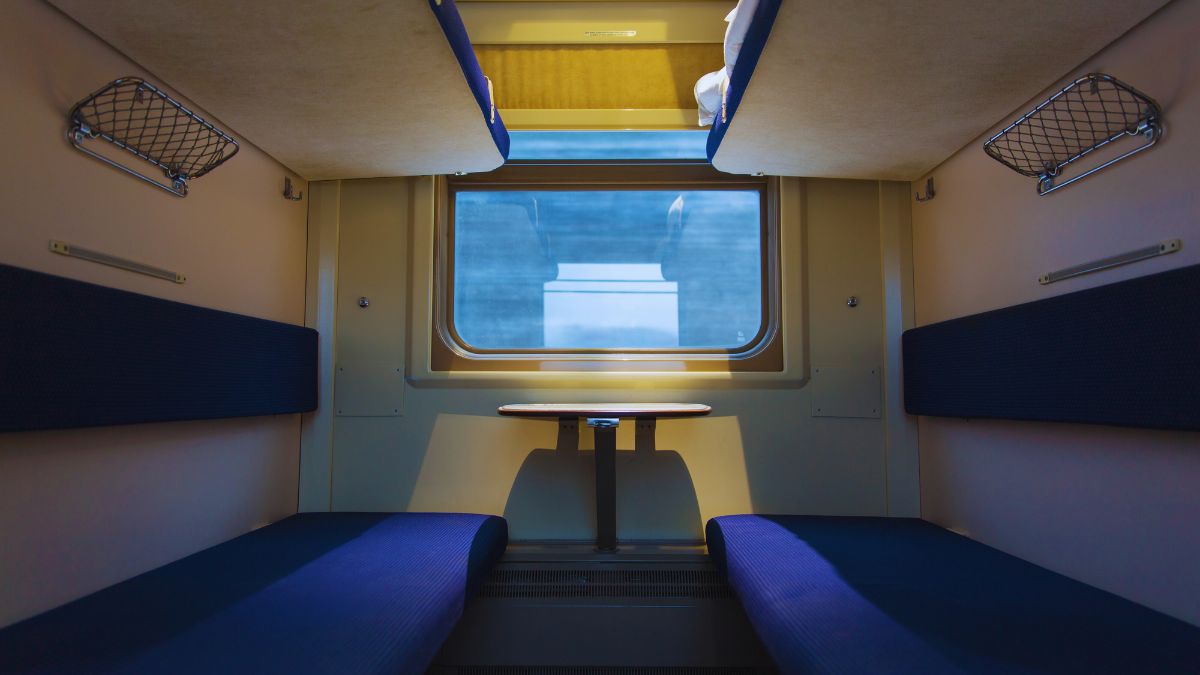
The night train is having a huge “revival” in Europe, and it’s a fantastic way to save a night on a hotel while moving across the continent. But the mistake people make is booking a “Seat” on an overnight train. Imagine trying to sleep upright in a regular chair while the lights stay on and people walk past you all night for ten hours. You will arrive at your destination feeling like a zombie, and you’ll end up wasting your first whole day just trying to stay awake.
If you’re going to do the night train, do it right: book a “Couchette” (a shared bunk with 4-6 people) or a “Sleeper” (a more private room with 1-3 people). These allow you to actually lie down and get some rest. Also, pack a “night kit.” Bring earplugs, an eye mask, and maybe some wet wipes. Even the best sleeper trains can be noisy and drafty, and having your own little comfort kit can turn a “rough night” into a “decent sleep.” It’s an adventure, sure, but it’s only fun if you can actually function the next morning.
15. Disregarding Local Social Etiquette
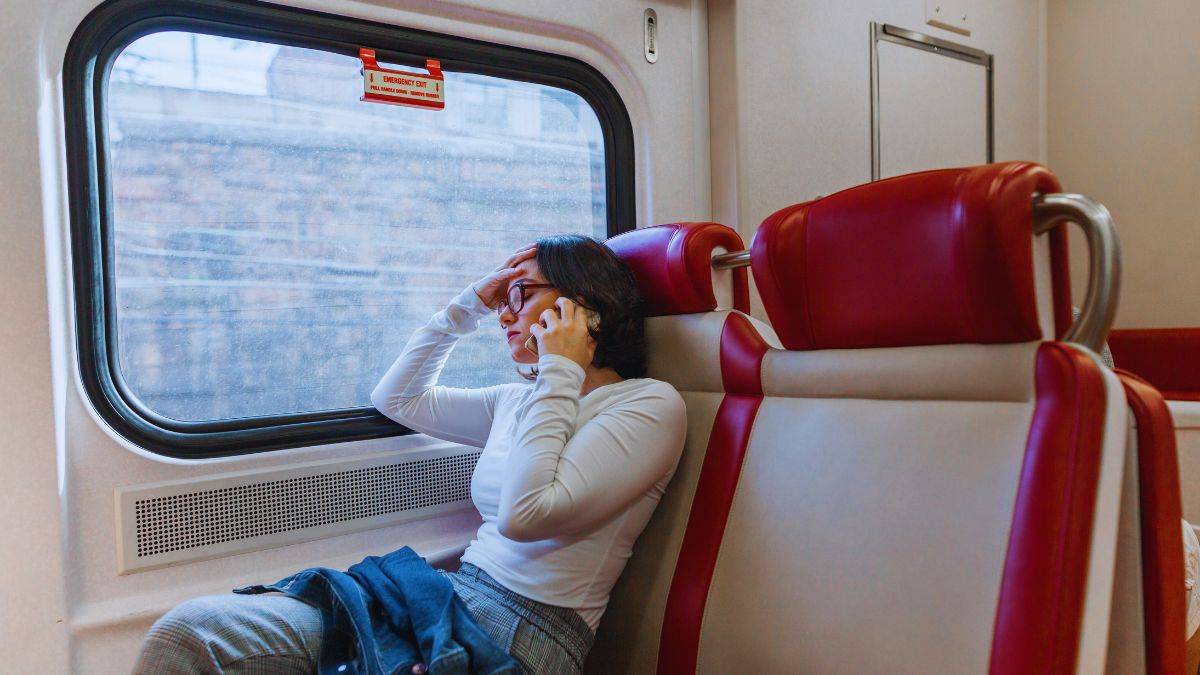
American social norms are often “louder” than European ones. We talk on the phone in public, we chat with our travel companions at full volume, and we’re generally very friendly and open. But on a European train, especially in the mornings or in “Quiet Cars,” this is seen as incredibly rude. If you’re the only one talking in a car full of thirty silent people, you aren’t being “friendly”—you’re being a nuisance. The “library voice” is your best friend here.
Also, be mindful of space. Don’t put your bag on the seat next to you if the train is even moderately busy. In the U.S., we often wait for someone to ask us to move our bag; in Europe, you’re expected to move it the moment you see someone looking for a seat. And for the love of everything, don’t put your feet up on the seats. It’s one of the quickest ways to get a stern lecture from a conductor or a “death stare” from a local grandmother. Respect the shared space, and you’ll find that people are much more helpful when you actually need it.
16. Border Regulation Unpreparedness
This is the big one for 2025 and 2026. For decades, Americans could just waltz through European borders with a quick passport stamp. But the new EES (Entry/Exit System) is rolling out in late 2025, and it’s a game-changer. It requires biometric registration—fingerprints and facial scans. If you’re taking the Eurostar between London and Paris, this registration happens at the station before you board. Official estimates say this could add up to 120 minutes to the check-in process.
Then, in late 2026, the ETIAS (European Travel Information and Authorisation System) kicks in. This is a pre-travel authorization, similar to the U.S. ESTA, that costs €7 and must be done online before you even leave home. If you show up at the station in 2026 without your ETIAS approval, you aren’t getting on that train. Stay ahead of these dates. The “simple” days of European travel are getting a bit more bureaucratic, and the “blunder” here is assuming that the old rules still apply.
17. Regional vs. High-Speed Flexibility
In France, there’s a massive difference between a “TER” (Regional) and a “TGV” (High-Speed) ticket. A TER ticket is often “flexible” by default—it’s usually valid for any train on that route for the entire day. You can miss your 10:00 AM train and just hop on the 11:00 AM one without talking to anyone. But a TGV ticket is like a plane ticket; it’s for a specific seat on a specific train at a specific time. If you miss it, your ticket is essentially worthless unless you have a high-flex fare.
Americans often get these confused. They might wait around for an hour for a specific TER train because they think they’re “locked in,” or they might casually stroll up for a TGV thirty minutes late thinking they can just “catch the next one.” Know which one you have. If your ticket has a coach and seat number, you are locked into that specific departure. If it doesn’t, you usually have the freedom to move at your own pace. Understanding this distinction is the key to mastering the “flow” of European travel without unnecessary stress.
The “Rigged System” and Why Rail Still Wins
Here’s something that might frustrate you: it is often cheaper to fly across Europe than to take the train. A Greenpeace report found that on some routes, like Barcelona to London, a train can be 26 times more expensive than a flight. Why? Because the system is “rigged” in favor of aviation. Airlines don’t pay VAT on cross-border tickets, and they pay zero tax on kerosene fuel. Meanwhile, rail operators are hit with energy taxes, high track access charges (the “toll” they pay to use the rails), and VAT. It’s a political failure that makes the “greener” choice the more expensive one.
But here’s the reason people are still flocking to the rails in record numbers: the experience. In 2026, we’re seeing a massive “Rail Revival.” New high-speed lines are cutting travel times in half. For example, the trip from Madrid to Lisbon is expected to drop from nine hours down to just three. Taking the train from London to Paris emits only 22kg of CO2, compared to a staggering 244kg for the same journey by plane. That’s a 91% reduction in your carbon footprint just by choosing the tracks over the tarmac.
Ultimately, the mastery of European rail isn’t about finding the absolute lowest price; it’s about reclaiming your time and your sanity. It’s about arriving in the heart of a city, walking off the platform, and being ten minutes away from your hotel, rather than being stuck in a two-hour bus ride from a remote airport. By avoiding these 17 blunders, you’re doing more than just saving money—you’re ensuring that your trip feels like the adventure you imagined, rather than a second job in logistics. So pack light, validate that ticket, and keep your eyes on the window. The best parts of Europe are the ones you see from the tracks.
Need More Help Navigating the Tracks? Look Into These Essentials
1. EPICKA Universal Travel Adapter

Since we talked about how every country basically built their own electrical standards, you’re going to need a “one size fits all” solution. This adapter works in over 150 countries, including the Type C/E/F plugs you’ll find in most of Europe and the bulky Type G they use in the UK. It’s got multiple USB ports, too, so you can charge your phone, tablet, and camera all from one wall outlet in your hotel or on the train.
2. Cambond Compression Packing Cubes

Remember that “Luggage-Carriage Mismatch” we discussed? The best way to avoid it is to fit everything into a smaller bag. These cubes don’t just organize your clothes; they actually zip down to squeeze out the air, meaning you can fit 10 days of outfits into a carry-on that actually fits in the overhead rack. It makes those 10-minute connections a lot easier when you aren’t hauling a massive trunk.
3. Anker Nano Power Bank with Built-in USB-C Cable
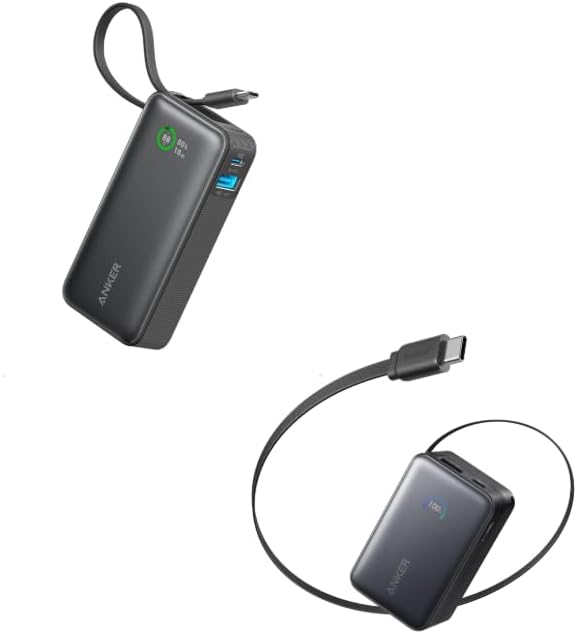
You cannot rely on European trains to have working outlets, especially on regional lines. This power bank is tiny—about the size of a candy bar—but it packs enough juice to keep your phone alive for a whole day of navigating stations and scanning PNRs. I love the built-in cable because it’s one less thing to forget or lose in the seat cushion.
4. Bose QuietComfort Ultra Noise Cancelling Earbuds

If you’re planning on a sleeper train or just want to survive a “Quiet Car” where someone is ignoring the rules, these are a godsend. They have some of the best noise cancellation on the market, which is essential for blocking out the screeching of old brakes or the chatter of fellow tourists. They’re also comfortable enough to wear for a six-hour cross-country haul.
5. Raytix RFID Money Belt for Travel

With all the ticket checks and the upcoming 2025/2026 border regulations, you need your passport and backup cash reachable but safe. This belt is super slim, so you can wear it under your shirt without it looking bulky. It protects your cards from electronic theft (RFID) and keeps your most important documents from being “forgotten” in a hotel safe or a luggage rack.